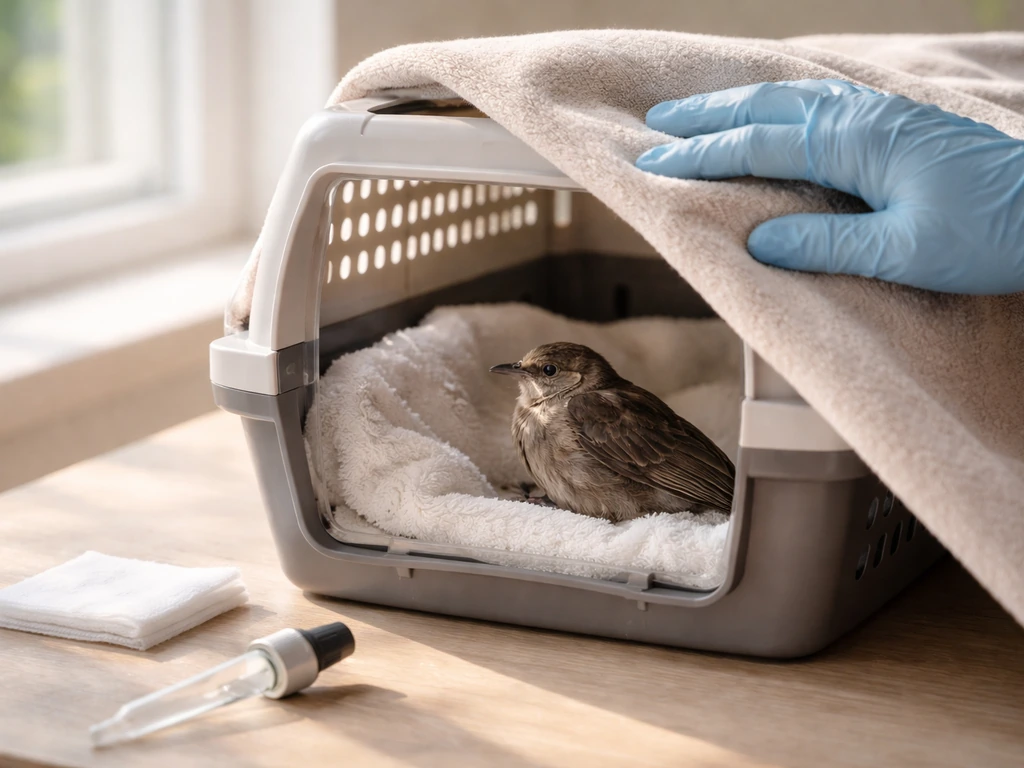
A constipated bird will typically show reduced or absent feces in the cage, visible straining while trying to pass droppings, a puffed-up or hunched posture, and a noticeably swollen or tense lower abdomen. The droppings that do appear may be smaller than usual, drier, or darker. If your bird is straining repeatedly without producing anything, or if the vent area looks irritated or blocked, treat it as urgent and contact an avian vet the same day.
Bird Constipation Symptoms: What to Look For and What to Do

Marcus Webb
11 May 2026
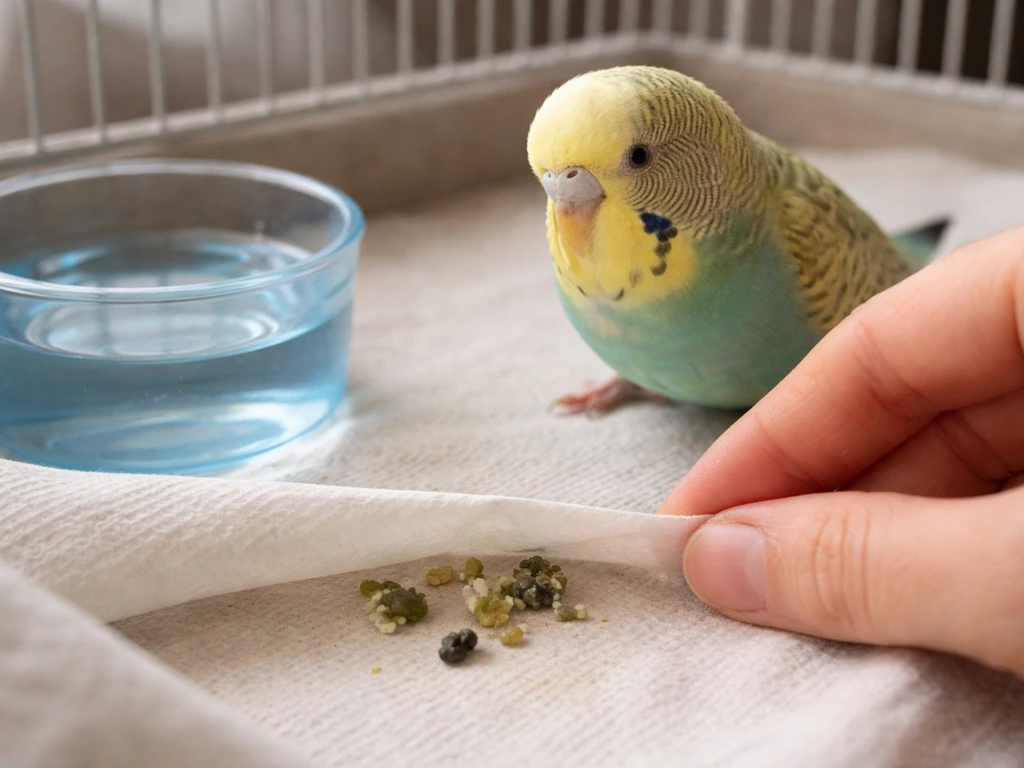
What bird constipation actually looks like
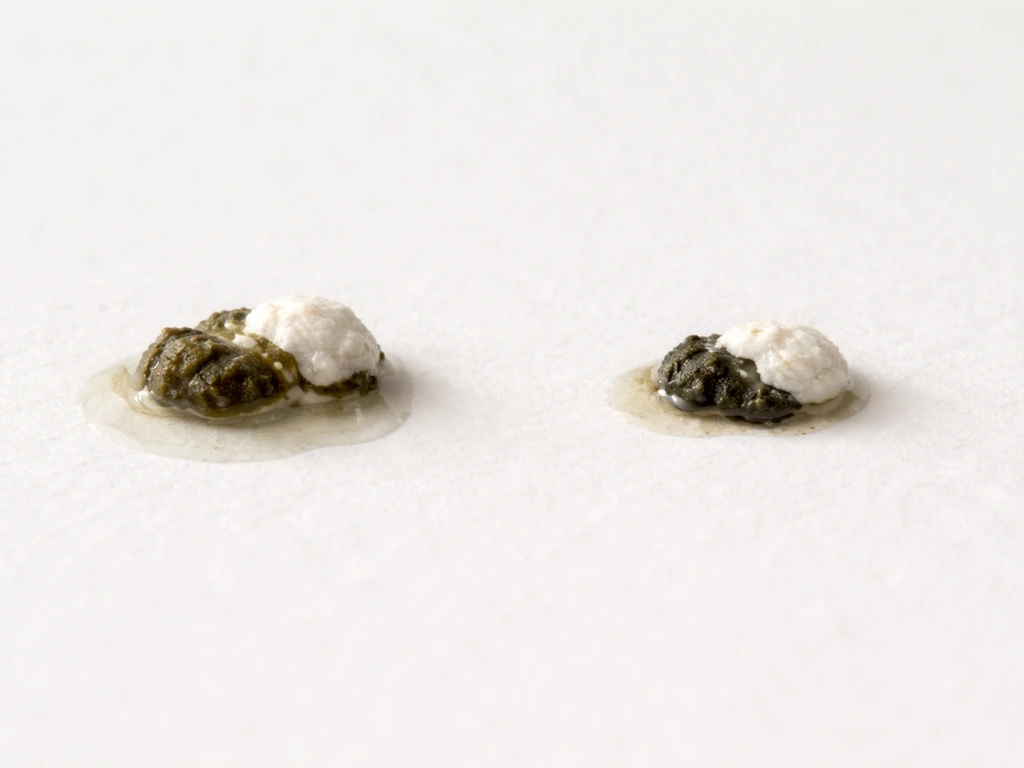
Before diving into symptoms, it helps to know what a healthy bird dropping looks like. A normal dropping has three distinct parts: a solid fecal portion (usually green or brown depending on diet), white or beige urates, and a small amount of clear liquid urine. Once you know your bird's baseline, spotting a problem becomes much easier.
With constipation, the fecal portion is what changes most visibly. You might see fewer droppings overall, smaller or harder pellets, or a long stretch of time with no output at all. Sometimes a constipated bird will produce urates and urine normally but the solid fecal component is missing or dramatically reduced.
Here are the key symptoms to watch for:
- Reduced number of droppings or no droppings for several hours
- Feces that appear smaller, drier, darker, or harder than usual
- Visible straining or repeated squatting posture without producing a dropping
- Tail bobbing up and down while trying to defecate
- Puffed feathers, hunched posture, or sitting low on the perch
- Swollen, firm, or visibly distended lower abdomen
- Irritated, wet, or matted feathers around the vent
- Reduced appetite or complete refusal to eat
- Lethargy, reduced vocalization, or less interest in the surroundings
Not all of these will appear at once. A bird that is mildly constipated may just seem quieter than usual and have fewer droppings. A bird in serious distress will be straining visibly, sitting on the cage floor, and look obviously unwell.
Common causes: pet birds vs. wild birds
Pet birds
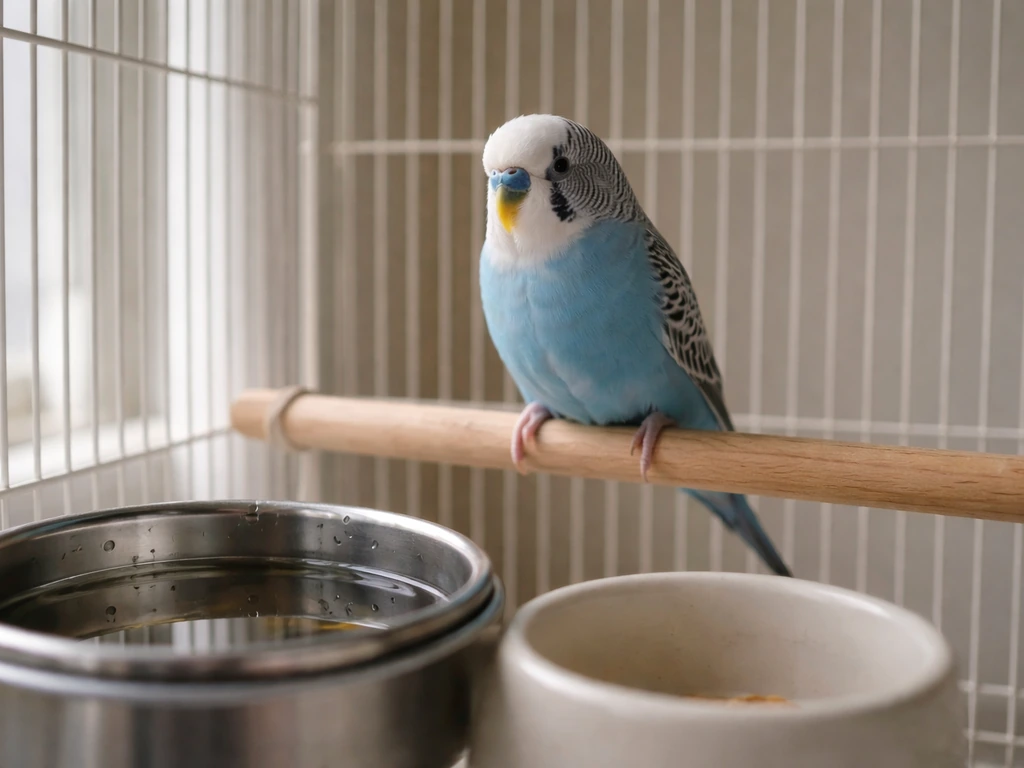
The most common culprit in pet birds is dehydration. A bird that isn't drinking enough, or whose water source is empty or contaminated, will quickly produce less fecal output. Diet is the second big factor: an all-seed diet is low in moisture and fiber, which slows gut transit. Birds that eat mostly dry seeds and little fresh food are at higher risk.
- Insufficient water intake or lack of fresh water
- Low-fiber, all-seed diets with limited fruits and vegetables
- Swallowed foreign material (string, toy parts, bedding substrate) causing a partial blockage
- Low physical activity, especially in small or overcrowded cages
- Stress from new environments, changes in routine, or the presence of predators
- Underlying illness causing gut motility to slow down (infections, parasites, kidney or liver disease)
- Reproductive issues such as egg binding in female birds, which can compress the digestive tract
Wild birds
Wild birds are harder to monitor, but constipation or reduced gut motility can occur during illness, cold snaps that reduce food and water availability, or after ingesting something harmful. A wild bird sitting motionless on the ground, fluffed up, or visibly straining near the vent is showing distress signs that likely go beyond simple constipation. Toxin ingestion is a common culprit in wild birds, which overlaps with bird poisoning symptoms. If you find a wild bird in this state, contact a local wildlife rehabilitator rather than trying home treatment.
How to check your bird at home
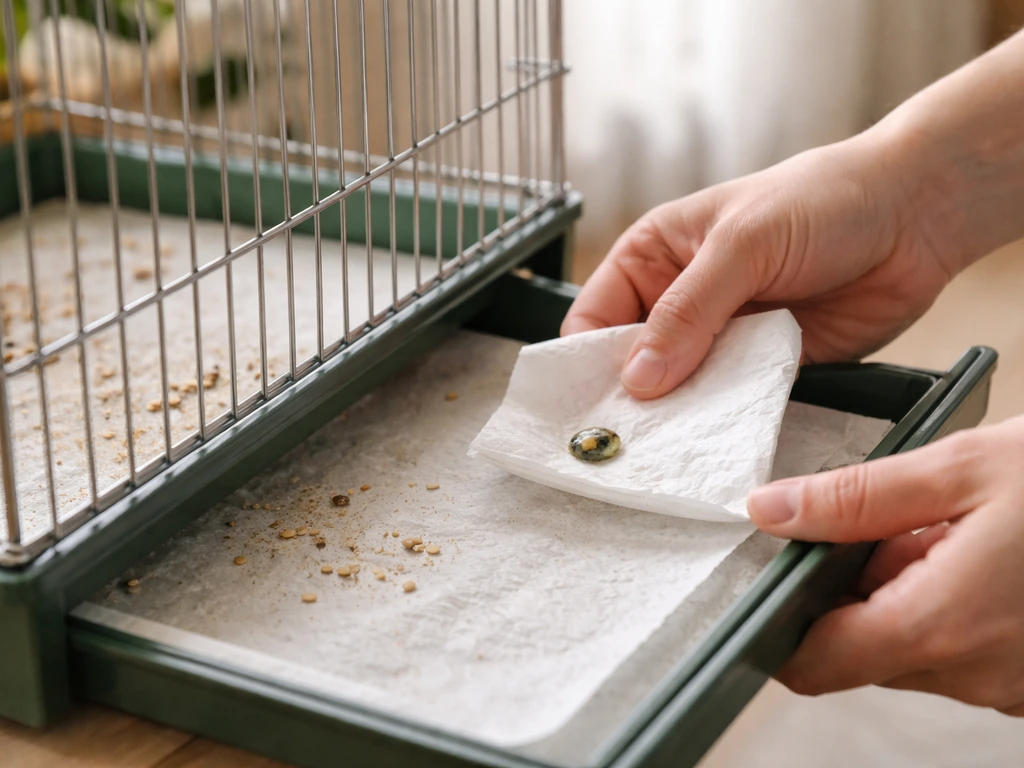
Start by observing the cage floor or cage liner without disturbing the bird. Merck Veterinary Manual notes that, when evaluating sick pet birds, careful assessment of history along with close observation (including droppings and behavior) is important careful assessment of history and close observation of droppings and behavior. Count the droppings from the past few hours. Most healthy small birds like budgies or cockatiels produce 25 to 50 droppings a day. Larger birds like African Greys or macaws produce fewer but larger droppings. A major reduction or a complete absence of fecal material is a real warning sign.
Look at the droppings that are present. Pick up a fresh one on a tissue and examine the three parts. Are the urates white or beige? Is the fecal portion its normal color and consistency, or is it smaller and darker? Is there any blood? This kind of baseline observation is exactly what your vet will ask you about, so it's worth doing carefully before you call.
Next, observe the bird's posture and behavior from a distance so you don't stress it further. Note whether it is perching normally, sitting low or on the cage floor, puffing feathers, tail-bobbing, or repeatedly squatting. Gently look at the vent area from a reasonable distance: is there any swelling, redness, pasty buildup, or matted feathers around it?
Avoid pressing or probing the abdomen. Birds have very little abdominal space, and even gentle pressure on a distended belly can cause serious harm. Observation is safe; hands-on physical examination is for the vet.
When it might not be constipation (red flags to know)
This is the most important section to read carefully. Constipation symptoms in birds overlap heavily with several other conditions, some of which are medical emergencies. If you're seeing straining, a swollen abdomen, or no droppings, don't assume it's just constipation before ruling out these more serious possibilities. If your concern is actually a bird phobia, symptoms can include extreme fear responses around birds, avoidance, and anxiety when a bird is present bird phobia symptoms. Bird cold symptoms can sometimes be mistaken for constipation because illness can slow gut motility and change droppings. Bird diarrhea symptoms can look similar at first, so don't ignore sudden watery or reduced droppings either no droppings.
| Condition | Key distinguishing signs | Urgency |
|---|---|---|
| Egg binding | Visible swelling low on abdomen, female bird, may have laid eggs recently, extreme straining | Emergency: vet same day |
| Cloacal prolapse | Pink or red tissue protruding from the vent | Emergency: vet immediately |
| Intestinal obstruction / foreign body | Complete absence of all dropping components, abdominal distension, acute onset | Emergency: vet same day |
| Kidney or liver disease | Weight loss, abnormal urates (yellow, green, or lime-colored), lethargy over days | Urgent: vet within 24 hours |
| Parasites or infection | Foul-smelling droppings, mucus in feces, intermittent straining with diarrhea episodes | Vet within 24-48 hours |
| Poisoning / toxin ingestion | Sudden onset, neurological signs (tremors, weakness), abnormal droppings alongside other symptoms | Emergency: vet immediately |
blank" rel="noopener noreferrer">Egg binding is especially easy to confuse with constipation in female birds because the stuck egg physically compresses the intestines and cloaca, causing exactly the same straining and reduced output. Egg binding is described by VCA as the inability of a female bird to expel an egg naturally, and straining is a key symptom blank" rel="noopener noreferrer">Egg binding is especially easy to confuse with constipation. If your bird is female and you're seeing straining, assume egg binding until a vet says otherwise. Bird kidney disease symptoms can also affect gut motility indirectly, so if lethargy and dropping changes have been building gradually over days, that warrants a vet visit rather than home treatment.
Any bird that has been straining for more than two to three hours without producing a dropping, has visible tissue protruding from the vent, is on the cage floor and not responsive, or has a visibly distended hard belly needs emergency veterinary care. If a bird shows bird starvation symptoms along with constipation signs, seek urgent veterinary guidance because the underlying cause may be more serious than diet alone. Don't wait.
What to do right now: safe supportive care
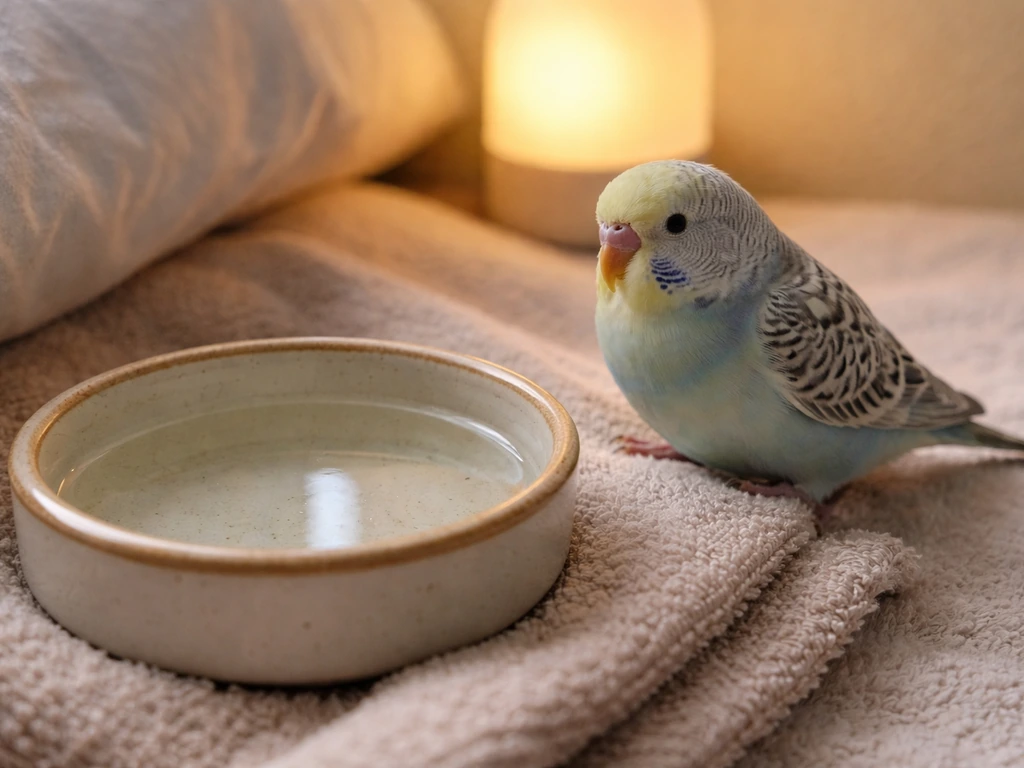
While you're preparing to contact your vet or waiting for an appointment, there are a few safe, gentle things you can do to help your bird. The key word is gentle: nothing invasive, no force-feeding supplements, and definitely nothing pressed against the abdomen.
- Offer fresh, clean water immediately. Dehydration is the most common driver of constipation, and simply ensuring the bird has access to fresh water in a clean dish can make a real difference for mild cases.
- Offer a small amount of water-rich fresh food: a piece of cucumber, watermelon, leafy greens, or a small amount of diluted unsweetened fruit juice in the water dish can encourage fluid intake.
- Keep the bird warm. A sick or constipated bird that is fluffed and lethargic benefits from a stable ambient temperature of around 85-90°F (29-32°C). You can achieve this with a heat lamp placed on one side of the cage so the bird can move away if it gets too warm.
- Remove seed-only food temporarily and offer moistened pellets or soft foods instead. Dry seeds add no moisture to the gut.
- Reduce stressors. Keep the cage in a quiet, calm area away from loud noises, other pets, and temperature drafts.
- Do not give laxatives, mineral oil, castor oil, or any human over-the-counter medications. These can be toxic or cause life-threatening diarrhea in birds.
- Do not attempt to manually stimulate the vent or apply pressure to the abdomen.
These steps are supportive care for mild cases while you seek professional advice. They are not a substitute for a vet visit if the bird is visibly distressed, straining heavily, or showing any of the red flags listed above.
What a vet will do: treatment options
An avian vet will start with a physical examination, palpating the abdomen carefully and checking the vent. They'll ask about the bird's diet, recent behavior changes, and dropping history, which is exactly why your observations at home matter so much.
Depending on what they find, diagnostics may include a fecal exam (including a Gram's stain to check for bacterial or fungal imbalances), X-rays to identify a foreign body, an egg, or organ enlargement, and bloodwork to assess kidney and liver function if systemic illness is suspected.
Treatment depends on the underlying cause. For straightforward dehydration-related constipation, the vet may give subcutaneous or intravenous fluids to rehydrate quickly and get the gut moving. They may also administer a medically appropriate lubricant or motility drug to help move things along.
If a foreign body is causing a blockage, surgery may be required. Egg binding is treated with calcium supplementation, warm soaking, and sometimes hormonal treatment or manual extraction by the vet. Parasites confirmed by fecal exam are treated with appropriate antiparasitic medication. The important point is that each of these causes needs a specific treatment, which is exactly why guessing at home with supplements or laxatives is risky.
How to prevent this from happening again
Diet and hydration
The single biggest prevention measure is moving away from an all-seed diet. Seeds are low in moisture and nutritional variety. A balanced diet for most pet birds should include formulated pellets as the base (around 60-70% of the diet), with fresh vegetables, limited fruit, and some seeds as a supplement rather than the staple. High-moisture vegetables like leafy greens, cucumber, zucchini, and bell peppers contribute meaningfully to gut hydration.
Always have fresh clean water available and change it at least once daily. Some birds prefer moving water and will drink more readily from a small drip or fountain-style dish.
Poop monitoring as a daily habit
Checking the cage liner every morning takes about 30 seconds and is genuinely one of the most useful things a bird owner can do. You're looking for your bird's normal volume of droppings, the expected color of the fecal and urate portions, and any sudden changes. Changes in droppings are often the earliest sign of illness in birds, appearing before behavioral changes become obvious. The more familiar you are with your bird's baseline, the faster you'll catch a problem early.
Cage environment and activity
Physical activity keeps the gut moving. Make sure the cage is large enough for your bird to move around, climb, and flap. Daily out-of-cage time in a safe space adds to this. Foraging toys that require the bird to work for food also help with both activity levels and mental health, both of which support normal gut function.
Keep the cage free of loose strings, small toy parts, substrate pieces, or other materials the bird might swallow. Foreign body ingestion is a preventable cause of blockages.
When to call the vet early
Don't wait for a crisis. If your bird has been producing fewer droppings for more than 12 hours, is obviously straining, has a vent that looks irritated or blocked, or is showing behavioral changes alongside dropping changes, call your avian vet. Early intervention is always easier and less expensive than emergency treatment. Conditions like bird worms or bacterial gut infections caught early are straightforward to treat; left too long, they become much harder to manage. Bird worms can cause changes in droppings and make a bird look constipated, so it helps to have your avian vet confirm the cause.
FAQ
How can I tell bird constipation symptoms from dehydration when both can reduce droppings?
Look for whether urine and urates are still being produced. If urates/urine are present but the fecal portion is reduced or missing, constipation or slowed gut transit is more likely. If the droppings are dry overall and urates look unusually scant or darker than your bird’s baseline, dehydration is a stronger clue, but both need a vet call if straining is happening or output is zero.
What if my bird is passing urates and urine but no fecal pellets?
That pattern (urates/urine present, solid fecal component absent or drastically reduced) often points to fecal retention or a blockage affecting the solid portion. Treat it as urgent if the bird is straining repeatedly or the vent looks irritated, because egg binding, foreign material, and severe dysmotility can look similar.
Can I use warm baths or humidity at home to relieve bird constipation symptoms?
Warm, shallow baths can sometimes help mild cases by relaxing muscles, but avoid forcing soaking, and stop if the bird becomes more distressed. Do not apply oils, insert anything, or attempt manual removal. If there is straining for more than a couple of hours or no droppings, prioritize an avian vet rather than continuing home soaks.
How long is too long to wait before calling the vet for bird constipation symptoms?
If there is no fecal output for about 12 hours or straining continues for more than 2 to 3 hours, call your avian vet. Waiting longer increases the risk that what seems like constipation is actually egg binding, a foreign body, or a more serious systemic issue.
My bird seems uncomfortable but still has a few small droppings, is it still constipation?
Possibly. Mild constipation can produce smaller or harder pellets, fewer overall droppings, or delayed output. However, discomfort plus reduced output can also occur with infections, toxin exposure, or reproductive problems, so if you see repeated squatting, tail-bobbing, or a puffy, tense abdomen, contact the vet even if some pellets appear.
Should I change the bird’s diet immediately if I suspect constipation?
For mild cases, adding moisture-rich foods like leafy greens and a little cucumber may support hydration, but do not rely on diet alone when straining is present. If a foreign body or egg binding is the cause, diet changes will not fix the obstruction, so changes should be paired with veterinary guidance when symptoms are more than mild or persistent.
Is giving a laxative or “constipation supplement” safe for birds?
Usually no. Many human or broad pet remedies can be harmful in birds, and the correct treatment depends on the cause (dehydration, parasites, egg binding, foreign body, or infection). If you are tempted to try a product, ask your avian vet first, especially if the bird is straining or has a distended belly.
What vent signs should make me treat it as an emergency for bird constipation symptoms?
Emergency care is warranted if there is visible tissue protruding from the vent, a vent that looks blocked or severely irritated, repeated straining with no dropping production, the bird is on the cage floor and not responsive, or the abdomen feels visibly hard and distended.
Could worms or other infections cause droppings changes that look like constipation?
Yes. Parasites and bacterial gut issues can alter motility and cause reduced or altered droppings that mimic constipation. That’s why a vet may recommend a fecal exam rather than assuming diet-related retention, particularly if the bird has had gradual changes over days.
How should I collect information for the vet call about bird constipation symptoms?
Count droppings over the past few hours, note the color and shape of any pellets and the urates, and watch behavior from a distance (perching vs sitting low, puffing, repeated squatting). If possible, tell the vet exactly when output decreased (for example, last normal pellet time) and whether water intake changed.
Do different bird sizes or species have different normal droppings that affect what I should watch for?
Yes. Normal daily output varies by size, so use your bird’s usual baseline rather than a fixed number. Also note that some birds may show a change in fecal portion first, even if urates/urine still come, so comparing to your specific bird’s “normal” is key.
Next Article
Bird Trauma Symptoms: Signs, Triage, and First Aid Steps
Recognize bird trauma symptoms, triage urgency, and give safe first aid for bleeding, fractures, head injuries, and shoc