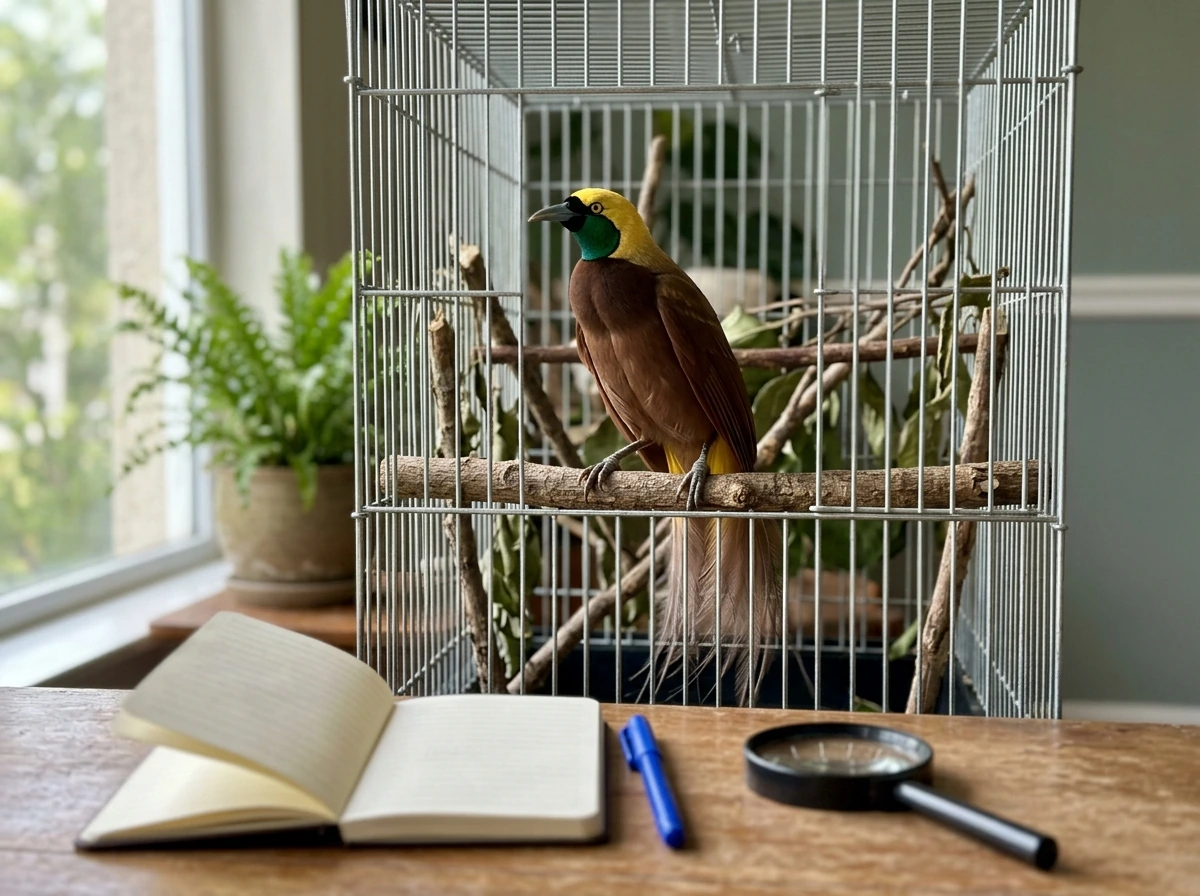
If a bird you've been watching just crashed, stopped flying, or is suddenly sitting on the ground looking wrong, the most important thing to know is this: birds hide illness until they can't anymore. By the time you notice something is off, it's usually been going on for a while. That means you don't have a lot of time to figure out what's happening. This guide walks you through exactly what to look for, how to read those signs, and what to do right now, whether you're dealing with a pet bird or a wild bird you just found.
Bird Flew Symptoms: Signs, Causes, and What to Do Now

Marcus Webb
17 Apr 2026
Can't fly vs. flying strangely: spotting the difference fast
There's a meaningful difference between a bird that physically cannot fly and one that's flying but doing it wrong. Both matter, but they point to different things. Here's a quick checklist to help you sort out what you're actually seeing.
Signs the bird can't fly at all
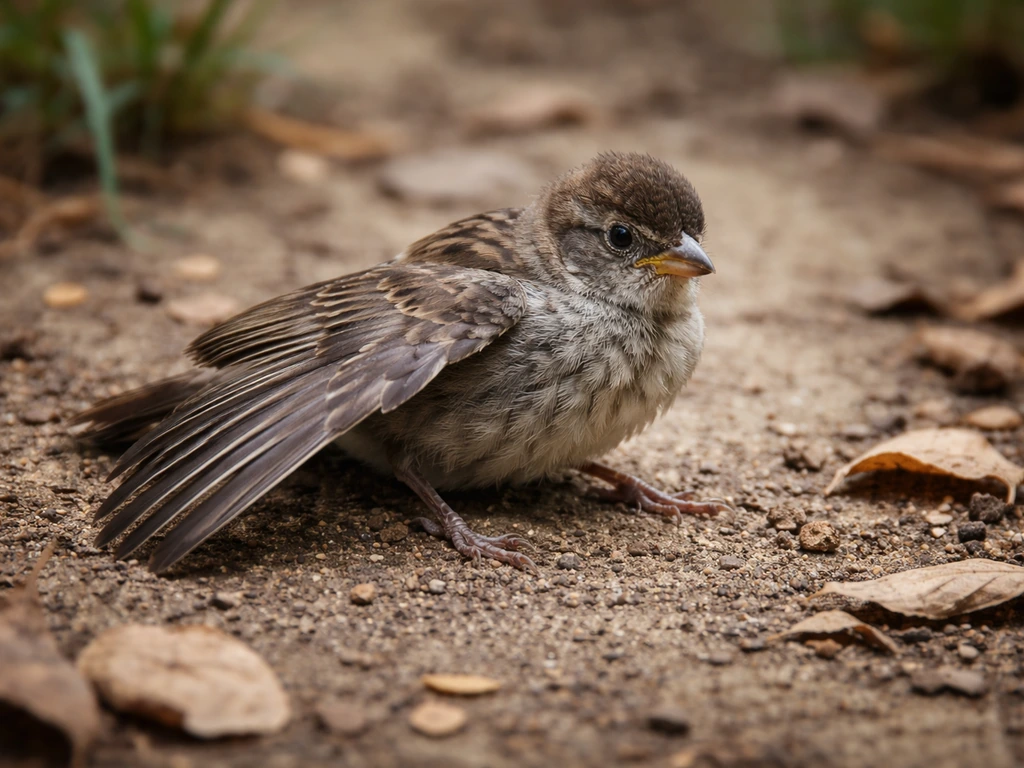
- Found on the ground and won't or can't take off, even when approached
- One or both wings are drooping or held at an odd angle
- Legs are weak, bird can't grip a perch or stand upright
- Collapses when it tries to move
- Paralysis or very limited movement in legs or wings
Signs the bird is flying but something is wrong
- Erratic or lurching flight path, circling, or flying into objects
- Landing clumsily or unable to land properly
- Flying very short distances and then stopping, appearing exhausted
- Fluffed feathers and hunched posture after landing
- Head tilt or rolling when trying to perch
- Loss of balance while perched, grabbing the cage bars for support
Any of these is a red flag. Abnormal flight is often an early sign of neurologic problems, respiratory distress, or systemic illness. A bird that can't fly at all may have trauma, severe weakness, or a more advanced condition. Either way, move to the next step.
Quick home triage: what to check in the first five minutes
Before you call a vet or wildlife rehab, run through these five checks. You're not diagnosing anything here, you're just gathering the information you'll need and making sure the bird doesn't crash before you get help.
Breathing
Watch the bird's chest and tail from a distance before you touch it. Normal breathing is quiet and almost invisible. Emergency breathing looks like: open-mouth breathing, tail bobbing up and down with each breath, visible effort in the chest or wings just to breathe, wheezing or clicking sounds, or the bird stretching its neck upward. If you see any of these, especially open-mouth breathing combined with tail bobbing, that is a true emergency. Breathing problems can become fatal very quickly in birds.
Temperature and stability
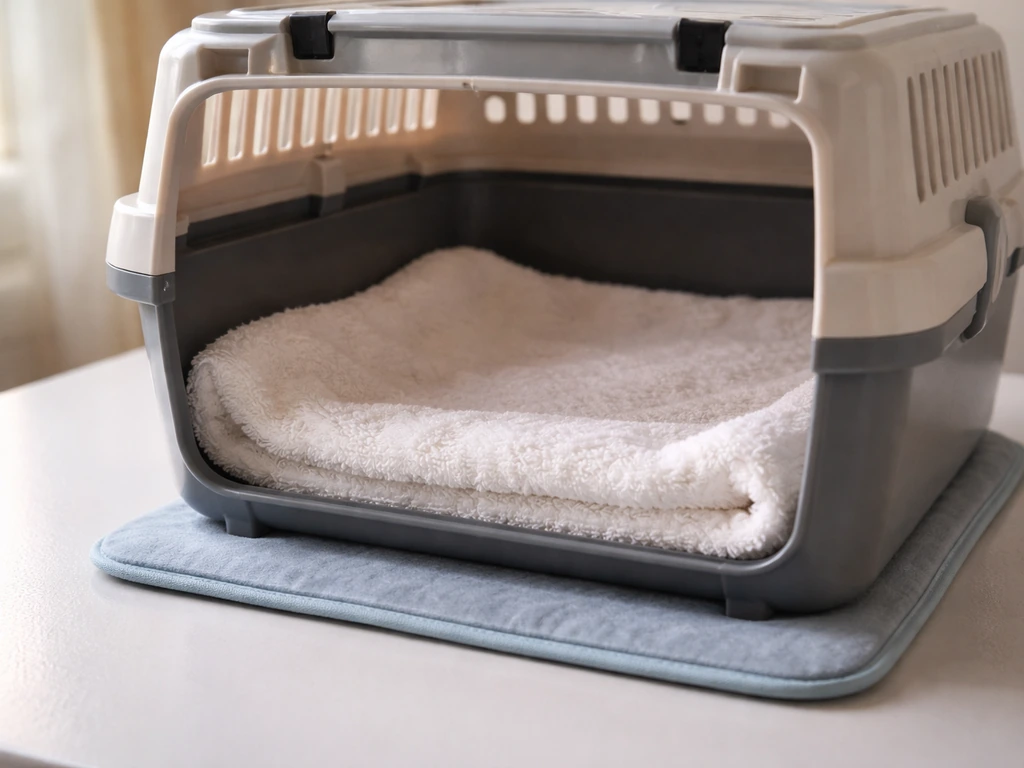
A sick bird loses body heat fast. If the bird feels cold to the touch or is shivering, warmth is the first thing you can do. Place it in a small box or carrier and use a heating pad on the lowest setting, insulated under a towel so the bird isn't directly on the heat source. The target environment temperature for most small birds is 75 to 85 degrees Fahrenheit (24 to 29 Celsius). Do not overheat the space and make sure the bird can move away from the heat source if it needs to.
Posture
A healthy bird sits upright, alert, and holds its feathers tight. A sick bird usually looks fluffed up (feathers puffed out), hunched, and sits low. Drooping wings are a classic sick-bird posture. If the bird can't hold its head up or keeps tilting it to one side, that's a neurologic sign and needs urgent attention.
Neurologic signs
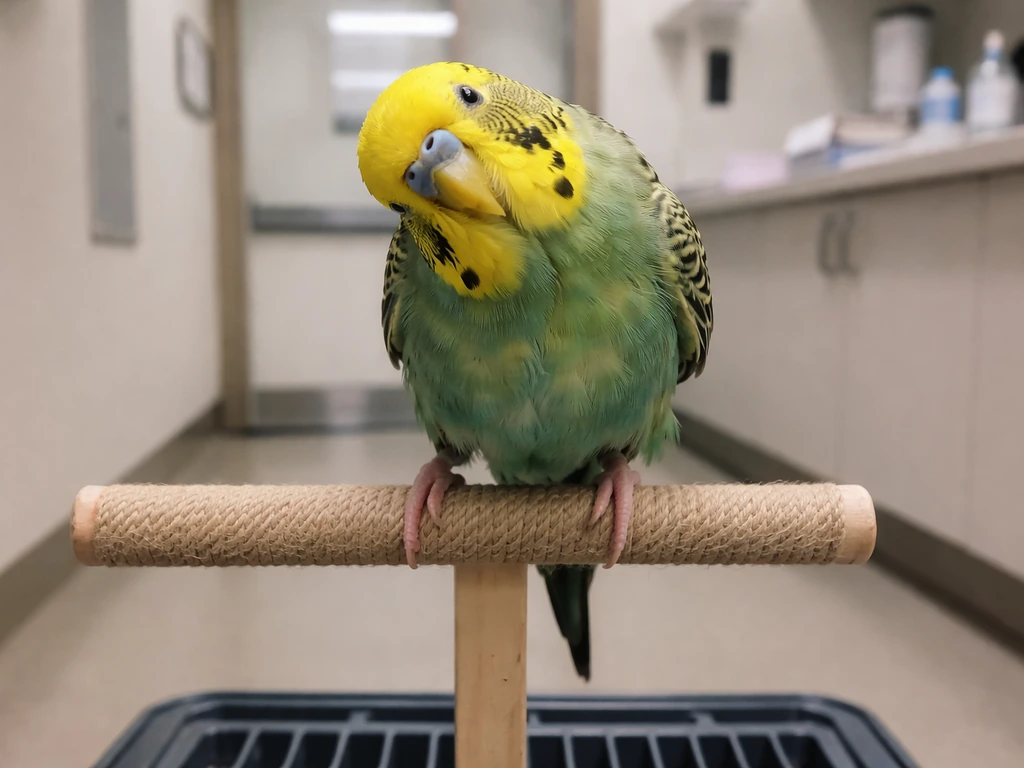
Look for head tilt, rolling, uncontrolled muscle twitching, seizure-like movements, falling off the perch repeatedly, or an inability to coordinate basic movements. These are serious. Neurologic signs narrow the possible causes significantly and most of them need veterinary care, not watchful waiting.
Eyes, nose, and mouth
Check for discharge around the eyes or nostrils, swelling around the face, or crusting. A healthy bird has clean, bright eyes and dry nostrils. Discharge or swelling in the facial area often points to a respiratory infection or another systemic illness.
What's likely causing it: matching symptoms to causes
You won't be able to diagnose this yourself, but you can narrow down the category of problem pretty quickly by looking at the symptom pattern. Here's how the most common causes tend to present.
| Likely Cause | Key Symptoms to Look For | Urgency Level |
|---|---|---|
| Respiratory illness (infection, aspergillosis, air sac disease) | Open-mouth breathing, tail bobbing, wheezing or clicking, nasal or eye discharge, fluffed posture, exercise intolerance | High, seek care same day |
| Trauma or injury | Drooping or misaligned wing, visible cuts or bruises, limping, inability to bear weight, bleeding | High, especially if bleeding |
| Infection (bacterial, viral, fungal) | Lethargy, fluffed feathers, reduced appetite, discharge, weight loss, slow deterioration over days | Moderate to high |
| Toxin exposure (fumes, plants, household chemicals) | Sudden collapse, seizures, vomiting, severe weakness with rapid onset, ataxia | Very high, act immediately |
| Neurologic issue (head trauma, viral, vitamin deficiency) | Head tilt, rolling, muscle twitching, paralysis, coordination loss, falling off perch | High, vet urgently |
| Weakness from illness or starvation (wild birds) | Thin body condition, slow movement, no visible injury, found on ground | Moderate, wildlife rehab referral |
Toxin exposure is worth calling out specifically because it's fast. If a bird was fine and then collapsed suddenly, especially in a home environment, think about what it may have been exposed to: non-stick cookware fumes (PTFE/Teflon overheating), scented candles, cleaning sprays, air fresheners, or smoke. Merck Veterinary Manual describes PTFE pyrolysis products as causing lung damage (pulmonary edema/hemorrhage) and notes that birds may be found dead with no premonitory signs in many cases. Remove the bird from the environment immediately and get it to a vet. There is very little window for action with toxin cases.
For birds showing slow-moving symptoms over days, like gradual feather changes, scaling, and lethargy, PBFD bird symptoms are worth knowing about, as psittacine beak and feather disease can affect a bird's overall condition and energy in ways that are easy to miss early on.
Wild bird vs. pet bird: the approach is different
The basic first aid principles overlap, but your next steps are completely different depending on whether you're dealing with your own pet or a wild bird you found.
Wild birds
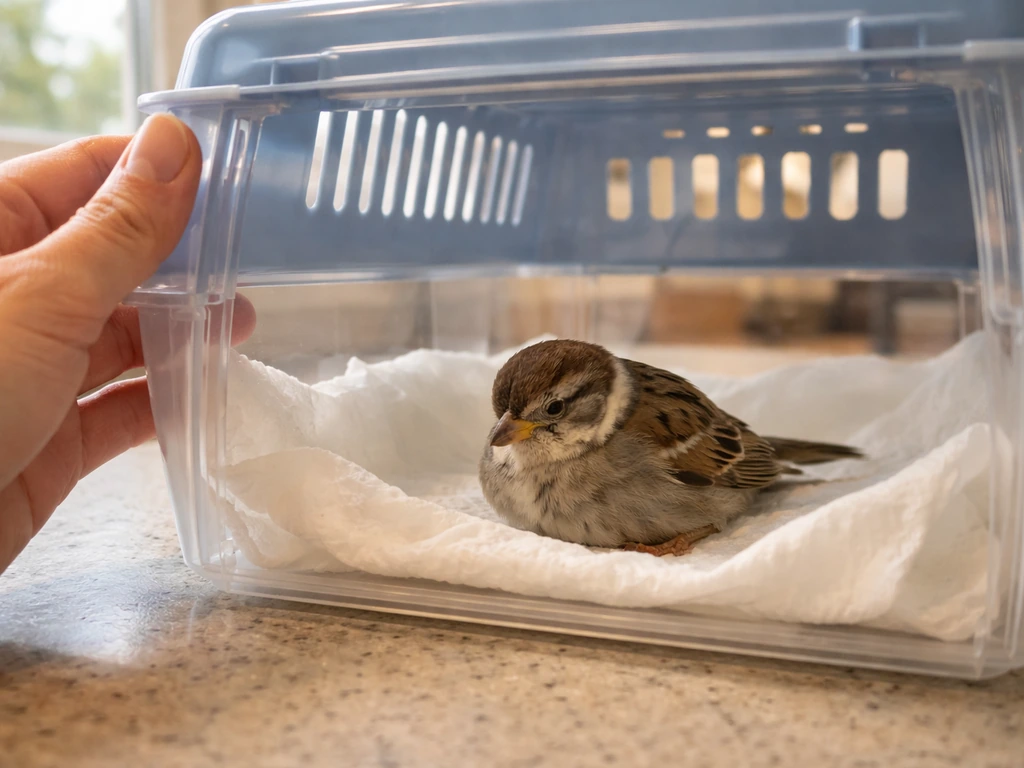
If you find a wild bird on the ground that can't fly, the first thing to do is minimize stress. Wild birds can die from the stress of being handled alone. Use a light towel or gloves to pick it up gently (protecting yourself too, since wild birds can carry parasites and some zoonotic diseases). Place it in a cardboard box with air holes, lined with a non-fluffy towel or paper towel.
Keep it in a quiet, dark, warm space. Do not try to feed or water it. Your goal is stabilization and then a call to a licensed wildlife rehabilitator as quickly as possible. In the US, it is illegal to keep most wild birds, so rehab referral is the correct path, not home treatment.
If you noticed the bird had unusual markings or skin condition before it went down, it's worth being aware that bird lice symptoms can contribute to weakness and debilitation in wild birds, especially those that are already compromised. Mention anything you observed to the rehab team.
Pet birds
With a pet bird, you have more latitude to observe and respond, but the urgency level doesn't change. Get the bird into a safe, quiet space away from other pets. Keep the environment warm. Do not leave a sick bird in a cold room or a large open cage where it has to work to maintain body temperature. Limit handling to what's necessary for assessment. Call your avian vet as soon as possible and describe exactly what you observed: when it started, what the breathing looks like, posture, any recent exposure to new foods or household chemicals, and whether there have been any behavior changes in the past few days.
If you have a bird of paradise or another exotic species at home and you're unsure whether what you're seeing is normal behavior for that bird, reading up on bird of paradise symptoms can help you distinguish species-specific quirks from genuine signs of illness.
When it's a real emergency and how to get help fast
Some symptoms mean you need to act in the next hour, not the next day. Call an avian vet or wildlife rehab immediately if you see any of the following:
- Open-mouth breathing, especially combined with tail bobbing or wing pumping
- Wheezing, clicking, or gurgling sounds when breathing
- Neck stretching upward with labored breathing
- Collapse, seizures, or repeated falling
- Uncontrolled muscle twitching or tremors
- Paralysis of one or both legs or wings
- Active bleeding, including from a broken blood feather
- Sudden, complete inability to stand or move after being normal
- Severe swelling around the face, eyes, or throat
When you call, be ready to describe symptoms clearly (more on that below). If your regular vet doesn't see birds, ask for a referral to an avian specialist or emergency animal hospital. For wild birds, search for your nearest licensed wildlife rehabilitator through your state or national wildlife agency. Don't wait to see if the bird improves on its own when these signs are present.
Some conditions that affect flight and coordination, particularly those involving the feet, legs, or perching ability, can be hard to interpret without context. Understanding flying bird hand symptoms can give you more detail on what to look for in the extremities when a bird is having trouble gripping, landing, or controlling its movements.
Safe first aid basics and what not to do
There are a few things you can do at home that genuinely help without risk. There are also some common mistakes that make things worse, sometimes seriously.
What you can safely do
- Provide warmth: maintain the environment at 75 to 85 degrees Fahrenheit using a low-setting heating pad insulated with a towel under the carrier, never directly under the bird
- Reduce stress: keep the space dark, quiet, and away from pets, loud noises, and other birds
- Provide a small, stable perch or flat surface to rest on (not a high perch the bird can fall from)
- Keep the bird contained and calm while you arrange veterinary contact
- If you must handle the bird, wrap it gently in a soft towel to limit movement and keep it warm
What to avoid
- Do not try to force-feed a bird that is in respiratory distress or barely conscious, aspiration risk is very high
- Do not give any human medications, over-the-counter drugs, or herbal supplements without direct guidance from a vet
- Do not attempt to give water by dropper to an unconscious or unresponsive bird
- Do not place the bird in a hot enclosed space with no ventilation or no way to move away from the heat
- Do not try to splint a wing or leg yourself unless you've been specifically instructed by a vet
- Do not delay getting help because the bird seems to be "resting" after a stressful episode, that resting can be the bird crashing
On hydration: if a bird is alert, upright, and showing mild symptoms, you can offer fresh water in a shallow dish. Do not try to open the beak and drip water in. If the bird is too weak to drink on its own, leave hydration to the vet or rehab team who can administer fluids safely.
Getting ready to talk to the vet or rehab team
The more specific you can be, the faster the team can help. Before you call or walk in, take two minutes to note down the following.
- When did you first notice something was wrong, and what exactly did you see (flight issue, posture, breathing, behavior)?
- Has the bird eaten or drunk anything in the last 24 to 48 hours?
- Has anything changed recently: new food, new household products, renovations, other sick birds in the home or nearby?
- What does the breathing look like right now: normal, labored, open-mouthed, with sounds?
- What is the bird's posture: upright and alert, hunched, fluffed, wings drooping?
- Any discharge from eyes or nostrils? Swelling anywhere?
- Any visible injury: cuts, bleeding, asymmetry in wings or legs?
- For wild birds: where exactly did you find it, what time, and what was the environment like (near a road, window, power line, body of water)?
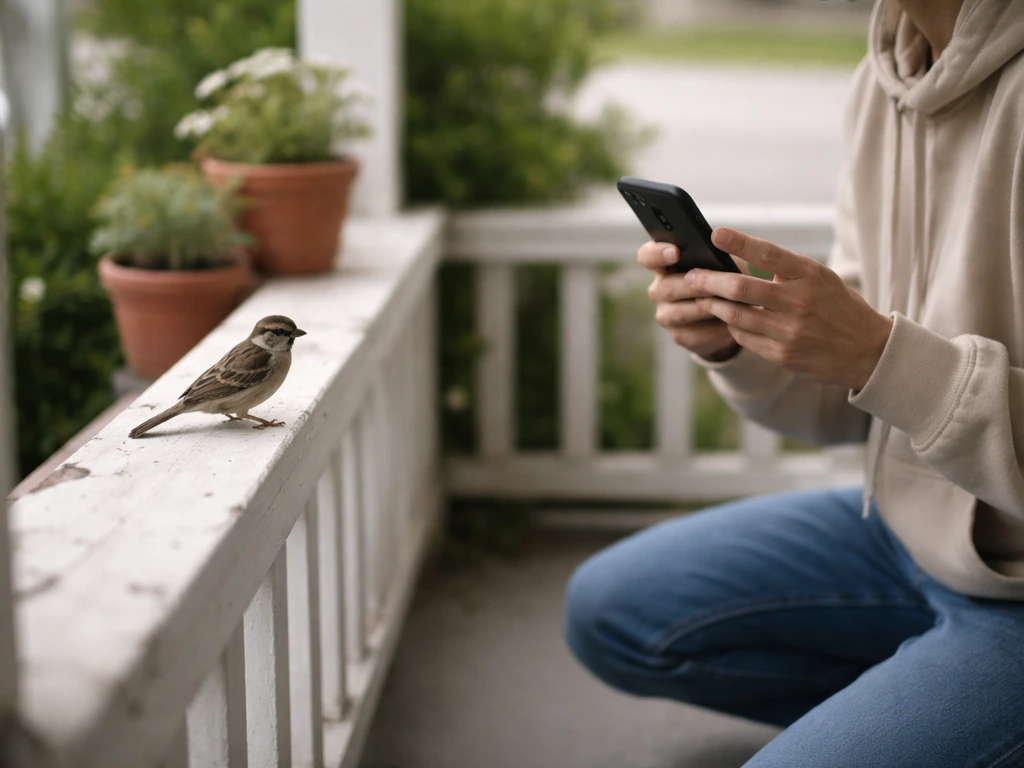
If you can take a short video on your phone of the bird's breathing and posture before you leave, do it. Vets and rehab teams find video extremely useful, especially for catching intermittent symptoms like twitching or abnormal head movements that might not be visible during the exam.
Questions worth asking when you get to the vet: What do you think the most likely cause is based on these symptoms? What tests are you recommending and why? What supportive care can I do at home between now and the next visit? What signs would mean I need to come back immediately? Getting clear answers to these up front means you're not guessing at home later.
FAQ
What if the bird is flapping or trying to fly, but it keeps falling or landing badly?
Treat this as more than “stumbling.” Repeated slips from the perch or a bird that cannot land smoothly often suggests balance or neurologic involvement, not just weakness. Keep the bird in a warm, low-sided carrier to prevent crashes, and prioritize an avian vet or wildlife rehab call the same day.
Is it safe to pick up a wild bird and check its mouth or nostrils?
In most cases, it is not. Handling increases stress, and checking the beak or forcing inspection can worsen breathing and cause injury. For wild birds, focus on keeping the bird warm and calm, then communicate your observations to the rehabilitator instead of doing hands-on checks.
Should I try to give water or food if the bird looks awake but can’t fly?
Only offer water in a shallow dish if the bird is upright and able to swallow on its own. Do not syringe-feed, force fluids, or open the beak, because aspiration (breathing liquid into the lungs) can be fatal. If the bird is weak, stop home hydration and let the vet or rehab team manage it.
My bird has tail bobbing and open-mouth breathing, but it seems alert. Is that still an emergency?
Yes. Open-mouth breathing and tail bobbing indicate significant respiratory distress even if the bird is responsive. Warmth can help prevent cooling, but you still need urgent veterinary care immediately because birds can deteriorate quickly.
How can I tell overheating from being cold when symptoms are “bird flew symptoms” like weakness or collapse?
Shivering, cold-to-the-touch skin, and a hunched, fluffed look lean toward hypothermia or illness-related heat loss. If the bird is overheating you may see panting or very warm, overly alert behavior. When unsure, use gentle, lowest-setting heat under a towel and monitor so the bird can move away.
Can “sudden collapse after being fine” mean something other than toxins?
It can, but toxin exposure is a key category because timing is tight. Still consider trauma (window strikes), seizures, or acute infectious illness. The practical step is the same: remove the bird from the environment, document what it was exposed to (smells, fumes, new cleaners), and seek immediate care.
What should I put in a carrier for a sick bird to prevent injury?
Use a small box or carrier with air holes, lined with non-fluffy material (paper towel or a thin towel). Keep the bird low so it cannot fall from height, avoid loose bedding that can snag feet, and do not include perches that encourage jumping while the bird is unstable.
Do I need to isolate a pet bird from other birds right away?
Yes. Move the sick bird to a warm, quiet, separate area away from other pets and birds to reduce stress and limit spread of infectious causes. Keep your own clothing and hands clean between birds, since some pathogens and parasites can transfer on contact.
If the bird is showing head tilt or twitching, should I try to record it from different angles at home?
Recording is helpful, but prioritize safety. Do not move the bird around repeatedly or attempt to “position” it. A short phone video taken once, showing posture and breathing clearly, is usually enough for a vet or rehab team to triage urgency.
What questions should I ask about suspected neurologic or coordination problems?
Ask which categories they are prioritizing (neurologic versus metabolic versus infectious), what tests will confirm the likely cause, and what supportive care is safest for the next few hours (for example, temperature control and minimizing falls). Also ask what specific signs would suggest progression, such as worsening head tilt, inability to perch, or escalating breathing effort.
If a bird has skin issues or odd markings before it went down, does that change what I should do?
Yes, mention it to the rehab or vet immediately. Skin and parasite concerns (like lice) can contribute to weakness through debilitation, but they also overlap with other illness causes. Document what you saw (scaly skin, visible bugs, feather changes) so the team can decide whether treatment should address parasites alongside the underlying illness.
Next Article
Bird of Paradise Symptoms Checklist and Red Flags
Bird of paradise symptom checklist, red flags, home monitoring tips, and when to seek urgent avian vet care.