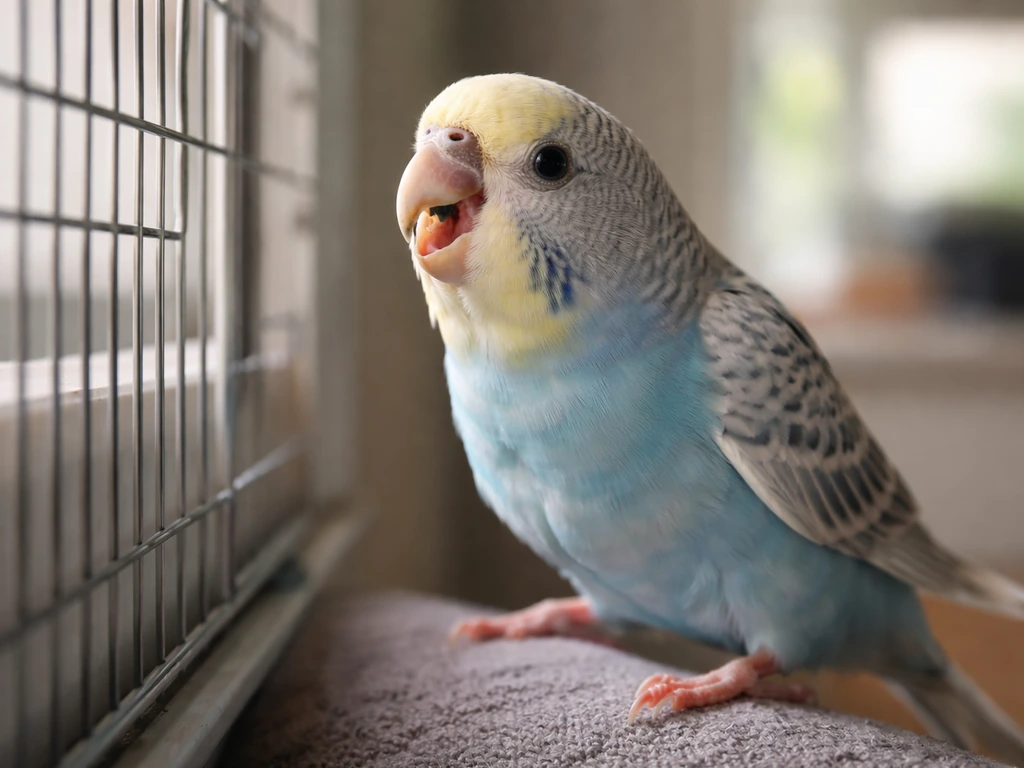
Birds get chlamydia by inhaling or ingesting Chlamydia psittaci, a bacterial organism shed in the droppings, nasal discharge, and eye secretions of infected birds. It spreads through direct contact with sick birds, contaminated surfaces, food, and water, and most commonly through breathing in dried droppings or discharge that have become airborne dust. Any bird, pet or wild, can pick it up this way, and the infection can stay hidden for weeks before symptoms appear.
How Does a Bird Get Chlamydia? Transmission and What to Do

Marcus Webb
24 Apr 2026
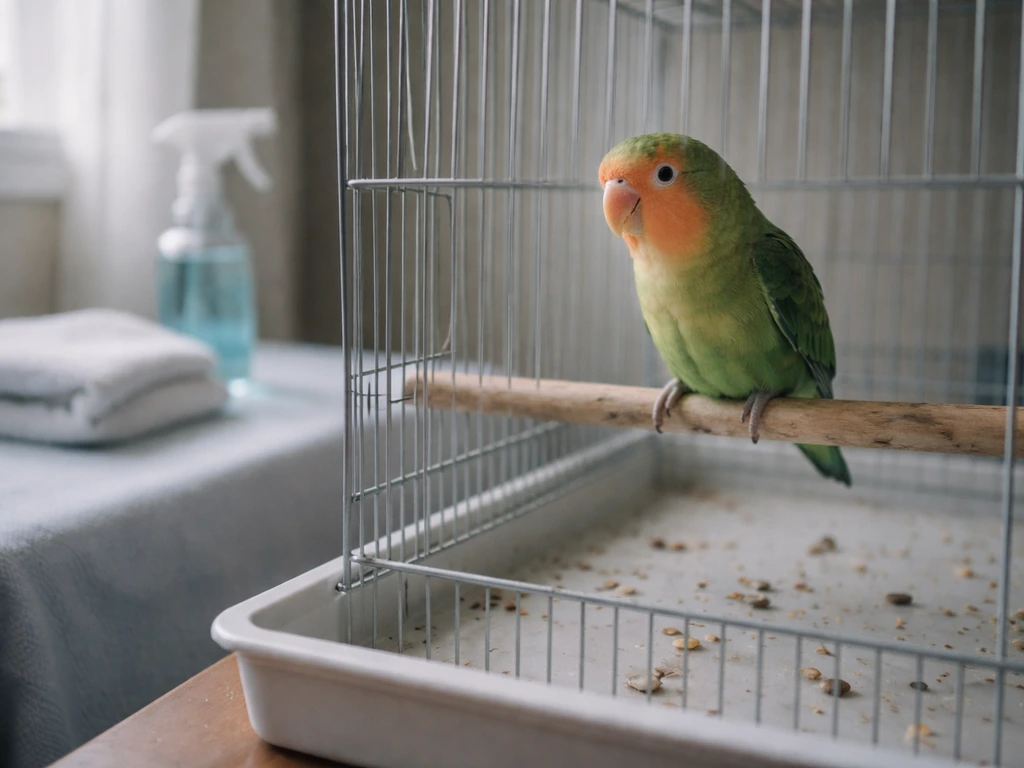
What chlamydia actually is in birds (and why it matters)
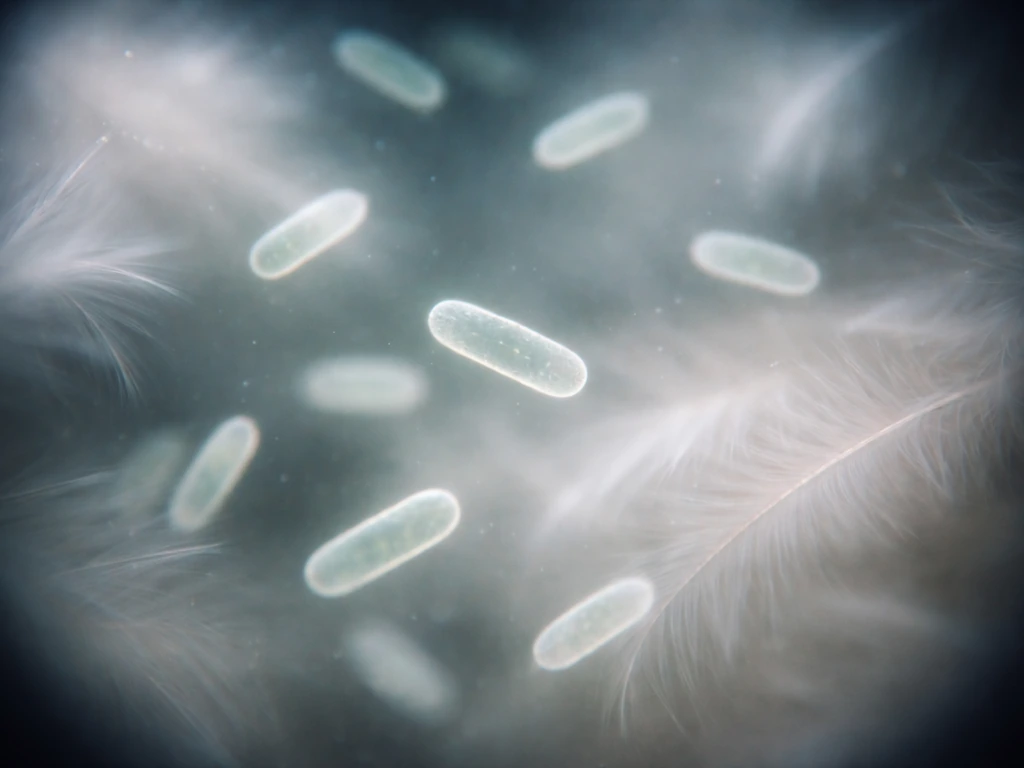
In birds, the disease is called avian chlamydiosis. The agent behind it is Chlamydia psittaci, a bacterium that behaves differently from most other bacteria because it lives and replicates inside the host's cells. That makes it harder to clear with just any antibiotic, and it also means a bird can carry it silently for a long time without looking sick at all.
The same organism causes <a data-article-id="A0F36B2B-F77E-4D0A-815F-65E74125707A">psittacosis in humans</a>, which is why this disease gets attention beyond just bird health. psittacosis in humans. It is genuinely a zoonotic concern, meaning infected birds can pass it to the people caring for them, typically through breathing in contaminated dust. That said, knowing the transmission routes gives you real tools to prevent it, which is the point of understanding this at all.
One reason avian chlamydiosis is a bigger deal than many owners expect is the carrier dynamic. A bird can be infected, shed the organism intermittently for months or even years, and show no obvious signs. That makes it easy to unknowingly introduce it into a flock or household through a bird that looks perfectly healthy.
How transmission actually happens
C. psittaci is shed primarily in a bird's feces and in nasal and ocular secretions. Once outside the host, it is remarkably tough: it resists drying and can remain infective in the environment for several months. That durability is what makes it so easy to spread in shared bird spaces.
Aerosols and dried droppings
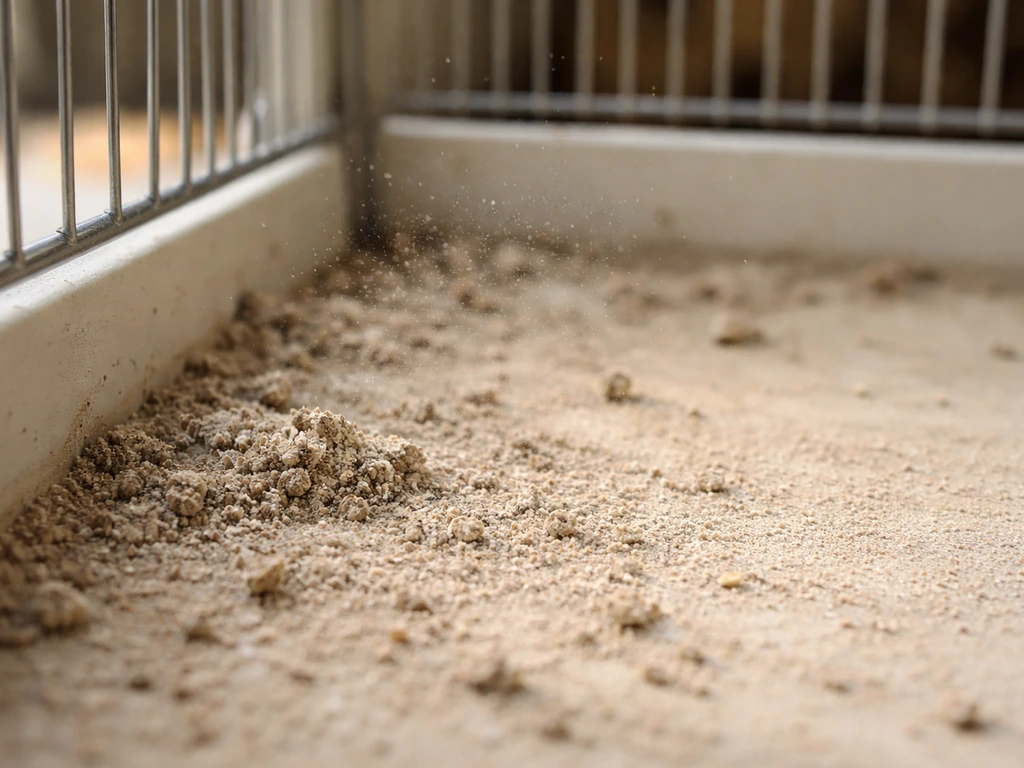
This is the most common real-world route. When droppings or discharge dry out, they become fine particles that get kicked up into the air by airflow, sweeping, vacuuming, or even just a bird flapping its wings. Any bird or person in that space can then inhale those particles and be exposed. Crowded or poorly ventilated enclosures make this much worse because contaminated dust has nowhere to go.
Direct contact
Direct beak-to-beak contact, mutual preening, and sharing food or water dishes are all real routes. A healthy bird sharing a bowl with an infected bird is essentially getting a direct dose of whatever the sick bird shed into the water or food. This is especially relevant in aviaries, multi-bird households, and wherever birds are housed close together.
Contaminated surfaces, perches, and equipment
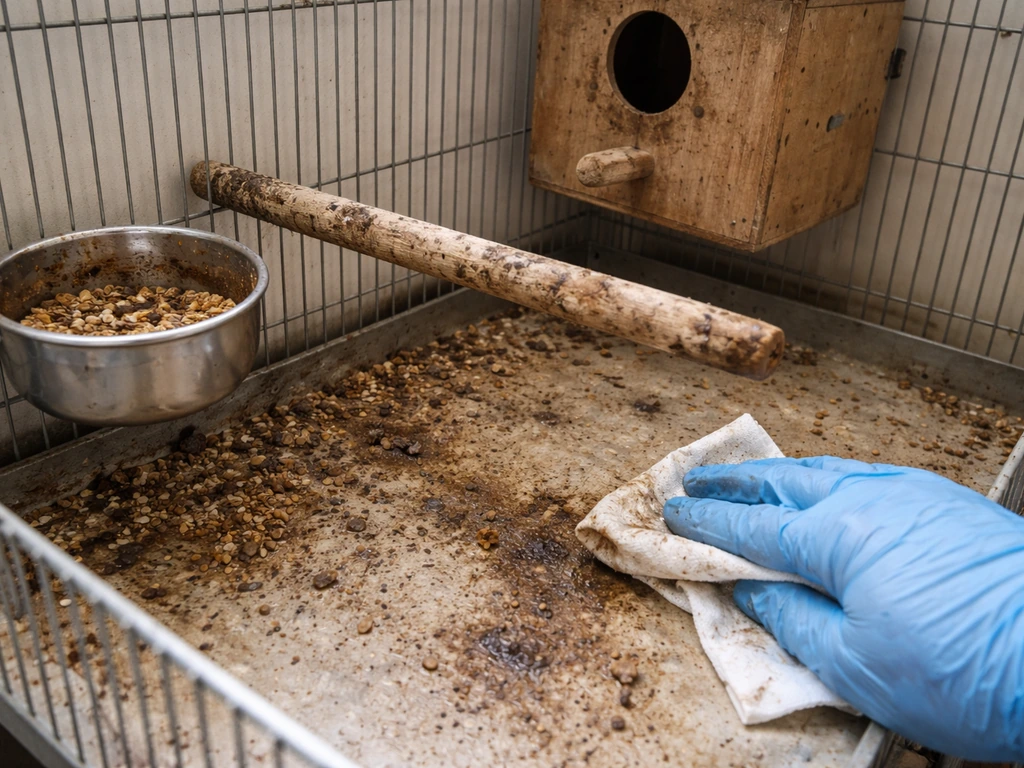
Perches, cage bars, feeding bowls, and nest boxes that have been contaminated with infected droppings or discharge can carry viable organisms for months if not properly disinfected. A bird touching, chewing, or grooming near these surfaces can ingest or inhale enough of the pathogen to become infected.
Mother-to-chick transmission
An infected parent bird can pass C. psittaci to its offspring through crop secretions during feeding. This is one reason why chicks from breeding pairs that are latent carriers can test positive even when the parents appear healthy.
How birds actually get it in real life
Pet bird scenarios
The most common pathway for pet birds is exposure to a newly acquired bird that is a silent carrier. Many birds sold through pet stores, markets, or even private breeders have been through stressful transport and housing situations. Stress is a known trigger that increases shedding, so a bird that tested negative before shipment may start shedding after arrival. Skipping a proper quarantine period before introducing a new bird to an existing flock is one of the most common ways chlamydiosis enters a home.
Budgerigars are worth a specific mention here. They are known to carry and shed C. psittaci without showing clinical signs, which means a seemingly healthy budgie can silently infect cage mates for a long time. If you have budgies mixed with other species, this is a real risk to keep in mind.
Wild bird scenarios
Wild birds, particularly pigeons, doves, parrots, and shorebirds, are common natural reservoirs of C. psittaci. Many carry it as lifelong latent infections, shedding intermittently without becoming visibly ill. The concern for pet bird owners is contact at outdoor feeders, aviary netting gaps, or anywhere domestic birds and wild birds can interact or share space. Dried wild bird droppings around outdoor aviaries or near open windows can also become an aerosol source. Wild birds can also spread disease to people when dried droppings become contaminated dust around outdoor spaces wild bird droppings around outdoor aviaries.
For wild birds themselves, crowded roost sites, communal feeders, and shared water sources are high-risk environments because so much fecal material accumulates in one spot. A bird that is stressed, young, or immunocompromised is more likely to develop active infection after exposure.
Signs and symptom patterns to watch for
The tricky thing about avian chlamydiosis is how non-specific it looks, especially early on. The incubation period after exposure is typically 3 to 10 days but can stretch to several weeks in older birds or with low-level exposure. By the time obvious signs appear, a bird may have been shedding for a while.
Respiratory and ocular signs are the most commonly noticed first. Watch for nasal discharge, watery or crusty eyes, conjunctivitis, and labored or open-mouth breathing. General signs like lethargy, fluffed feathers, loss of appetite, and weight loss are also common and often appear alongside the respiratory picture.
Some birds show more gastrointestinal involvement, including diarrhea and changes in urate color (the white part of droppings may appear greenish or yellowish), which can reflect liver disease. Liver involvement is a recognized feature of more advanced chlamydiosis.
It is also worth knowing that some birds, especially carriers, show none of these signs at all. A bird can be actively shedding while appearing completely normal, which is why new bird quarantine and routine testing matter even when a bird looks fine.
How vets diagnose chlamydia in birds
Diagnosis is more nuanced than a single swab and a yes/no result. The Merck Veterinary Manual is explicit that no single diagnostic test reliably determines infection, particularly because latent carriers are so common. A negative result from one test on one day does not rule out infection.
PCR testing is the primary tool for direct detection of C. psittaci DNA. When a bird has clinical signs, vets typically collect a combined specimen set: conjunctival swabs from the eyes, choanal swabs from the upper respiratory tract, and cloacal swabs from the GI tract. Fecal samples can also be submitted. Swabs need to be kept in viral transport medium or sterile saline to remain viable for testing.
Serology (antibody blood tests) can be part of the workup but should not be used alone to confirm active infection. Antibodies reflect past exposure and can remain elevated long after an infection has resolved, so serology alongside PCR gives a more complete picture than either test alone.
For birds that have died, liver tissue is a valuable sample for PCR. For living birds with strong clinical suspicion but initial negative results, retesting during a period of active shedding (which may be triggered by stress or illness) is worth discussing with your vet.
| Test type | What it detects | Limitation |
|---|---|---|
| PCR (conjunctival/choanal/cloacal swabs or feces) | C. psittaci DNA directly | May miss intermittent shedders if tested during a non-shedding window |
| Serology (antibody titer) | Immune response to past or current infection | Cannot distinguish active from past infection; use alongside PCR |
| Culture | Live organism | Requires specialized lab; less commonly used in practice |
| Liver biopsy or tissue PCR | Direct detection in tissue | Usually post-mortem or in severely ill birds |
What to do right now if you suspect chlamydia
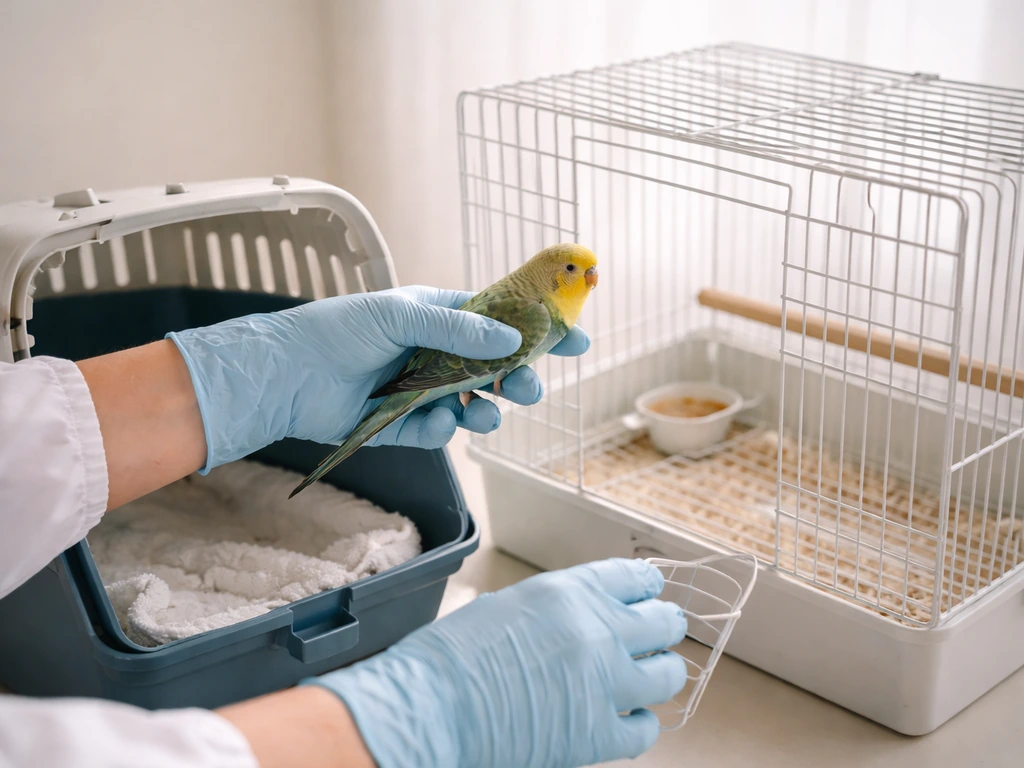
If you think a bird in your care has avian chlamydiosis, act fast on containment before you even get a vet appointment. The steps below are practical, low-cost, and make a real difference in stopping spread.
- Isolate the sick bird immediately into a separate cage or room, away from other birds and ideally with its own dedicated air space.
- Stop all dry cleaning around the bird's area. No sweeping, no vacuuming. Wet the surfaces down with a disinfectant solution before cleaning to stop aerosolization of dried droppings.
- Use gloves and a well-fitted mask (N95 if you have one) when handling the bird, cleaning the cage, or dealing with droppings.
- Wash your hands thoroughly after any contact with the bird, its cage, or its items.
- Disinfect food and water bowls by emptying them, scrubbing with soap and water, rinsing, soaking in a disinfectant solution, and rinsing again before reuse.
- Call an avian vet and describe the situation. Mention any new birds, recent stressors, or exposure to wild birds. Request a chlamydia PCR test.
If you have other birds in the home, keep them separated and monitor them closely for any signs. Because C. psittaci can remain viable in the environment for months, treat the entire shared space as potentially contaminated until your vet advises otherwise.
On the zoonotic side: if anyone in your household has developed respiratory illness, flu-like symptoms, or fever around the same time as a sick bird, mention this to their doctor. This is worth flagging as a precaution, not a cause for panic. The connection between bird illness and human symptoms is something clinicians need to know about.
Treatment basics and what to expect from follow-up
Treatment for avian chlamydiosis is done under avian vet guidance and typically involves a course of doxycycline. The standard duration is 45 days for most species, which is longer than most owners expect. That full course matters because cutting it short can leave latent infection in place, and shedding can recur later.
In some species, particularly cockatiels, oral azithromycin may be used as an alternative depending on the bird's condition and how well it tolerates treatment. Your avian vet will choose the approach based on the species, severity, and any practical constraints around medication delivery.
Here is the important caveat about treatment outcomes: doxycycline prevents death and stops active shedding during treatment, but it cannot reliably eliminate latent infection. After the course is finished, the bird may still carry the organism at a subclinical level, with shedding potentially recurring during future stress events. This is why post-treatment retesting and ongoing monitoring are part of the plan, not optional extras.
Do not skip follow-up appointments. A negative test right after treatment is encouraging but does not guarantee the bird is fully cleared. Work with your vet to establish a monitoring schedule, especially if the bird lives with others.
Preventing chlamydia in your home: quarantine, cleaning, and limiting exposure
Prevention is genuinely effective here because the main transmission routes are well understood. Blocking them consistently keeps most birds safe.
Quarantine every new bird, no exceptions
Any new bird coming into your home should be quarantined for at least 30 days in a separate room before meeting your existing birds. This quarantine period lets any incubating infection become apparent and gives you a window to test the new bird before it has any chance to expose others. This single step prevents the majority of chlamydiosis introductions into multi-bird households.
Cleaning and disinfection that actually works
Always wet down soiled areas before cleaning to keep dried particles from becoming airborne. For disinfectants, effective options at appropriate dilutions include a 1:100 dilution of household bleach (roughly 2.5 tablespoons per gallon of water), 70% isopropyl alcohol, 1% Lysol, or quaternary ammonium compounds such as Roccal or Zephiran at 1:1,000 dilution. Wet-mop floors frequently rather than dry sweeping, and avoid air currents or fans that can redistribute contaminated dust.
Ventilation and limiting wild bird contact
Good ventilation matters, but it needs to work in your favor. Air movement is helpful for fresh air exchange but harmful if it blows contaminated dust around a room. Keep cage areas well ventilated to the outside, but use screens or barriers to prevent wild birds from landing near enclosures or entering shared air spaces. Avoid placing outdoor aviaries where wild pigeon or dove droppings can accumulate nearby.
Routine hygiene for caretakers
Washing hands after handling birds, after cleaning cages, and after contact with any bird items is a baseline habit that significantly reduces the risk of spreading the organism from one bird to another, and from birds to people. Wear a mask when cleaning enclosures with significant droppings buildup, especially in enclosed spaces.
If you manage multiple birds or care for wild birds in a rehabilitation setting, this disease fits into the broader picture of bird-to-human and bird-to-bird disease transmission that is worth understanding in depth. If you are wondering whether a bird can make humans sick, remember that this organism can be transmitted to people through contaminated dust and secretions can a bird get sick from a human. Because psittacosis can affect people too, you may see conjunctivitis as part of human infection risk when you are exposed to contaminated bird secretions or dust is bird conjunctivitis contagious to humans. These precautions also help reduce bird diseases that humans can catch bird-to-human and bird-to-bird disease transmission. The same organism, the same routes, and the same precautions apply across species and settings.
FAQ
Can a bird catch chlamydia just from smelling the cage or being in the same room?
Yes, exposure can happen through inhaling contaminated dust particles kicked up from dried droppings or nasal or eye discharge. Even without close contact, shared air in a poorly ventilated area can increase risk, which is why separating birds and avoiding dry sweeping matters.
Does chlamydia spread only from birds that look sick?
No. Many infected birds shed intermittently for months to years while appearing normal. That is why quarantine and testing for new birds are important even when the newcomer has clear feathers and no obvious discharge.
If I buy a new bird and it tests negative once, am I safe to mix it immediately?
Not necessarily. A single negative test does not rule out infection, especially early or if shedding is intermittent. Discuss a retest plan with your avian vet during the quarantine period rather than ending separation after one result.
How long can the germs remain infectious on surfaces or in bedding?
C. psittaci can remain infective in the environment for several months, particularly where dried material accumulates. Spot-cleaning without proper disinfection and dust control can leave viable organisms behind, so treat shared items and heavily soiled areas as contaminated until cleaned correctly.
Can I get chlamydia from touching a bird, or is it only through breathing dust?
Both can be involved. Breathing contaminated dust is a major route, but touching contaminated secretions or droppings and then touching your face can contribute to exposure. Hand hygiene after cleaning and handling, and wearing a mask when droppings are heavy, reduce this risk.
Does sharing a towel, mop, or vacuum count as a transmission risk?
It can. Cleaning tools can move contaminated dust from one cage area to another, especially if you dry-sweep or use the same equipment without disinfection. Use dedicated tools when possible, or thoroughly disinfect and change cleaning cloths between areas.
Is it safe to use the same disinfectant that worked for other bird illnesses?
Some products may not be effective enough for C. psittaci at the needed strength. Use disinfectants at appropriate dilutions, and keep the surface wet for the contact time recommended by the product directions. If you are unsure, ask your vet which option fits your setup and dilution.
Should I wear a mask only when I see a lot of droppings?
Wear protection when cleaning in areas with visible dried buildup, because disturbance of dried material creates airborne particles. Even if the mess looks old or “not that bad,” the dust risk can still be significant during vacuuming or sweeping.
Can wild birds spread chlamydia to pet birds without direct contact?
Yes. Wild birds can shed the organism, and dried droppings near open windows, outdoor aviaries, or feeder areas can become contaminated dust. If wild birds are frequent around your enclosures, add barriers to prevent landing and keep any outdoor feeding or water areas controlled.
What should I do immediately if one bird becomes sick, but I am waiting to see a vet?
Separate that bird from others right away and minimize handling of shared items like bowls, perches, and bedding. Keep the sick bird in a dedicated, easy-to-clean space, and do not rely on “watching for a few days,” because incubation and silent shedding can delay symptom-based detection.
If treatment ends and the bird seems better, can it still carry and shed later?
Yes. The standard antibiotic course stops active shedding and improves survival, but it does not reliably eliminate latent infection. Shedding can recur during future stress or illness, so follow the retesting and monitoring plan your avian vet sets.
Can a bird test PCR-positive even if it is doing fine?
It can, especially in a carrier state where the bird appears healthy but still intermittently sheds DNA. Your vet will interpret results alongside symptoms, sample type, and timing, and may recommend repeat testing when shedding is more likely.
Can a human infection lead back to infecting other birds?
Chlamydia psittaci is primarily a bird-to-human and environment-to-human risk, but it does not usually work like a “reverse” cycle in homes. If someone becomes ill after exposure to a sick bird, the key action is to treat the bird exposure environment appropriately and inform clinicians, while your vet advises on bird monitoring and cleaning.
Next Article
Bird Lung Symptoms: What to Watch and What to Do Today
Spot bird lung symptoms, judge severity fast, identify likely causes, and know urgent steps for today and avian vet care