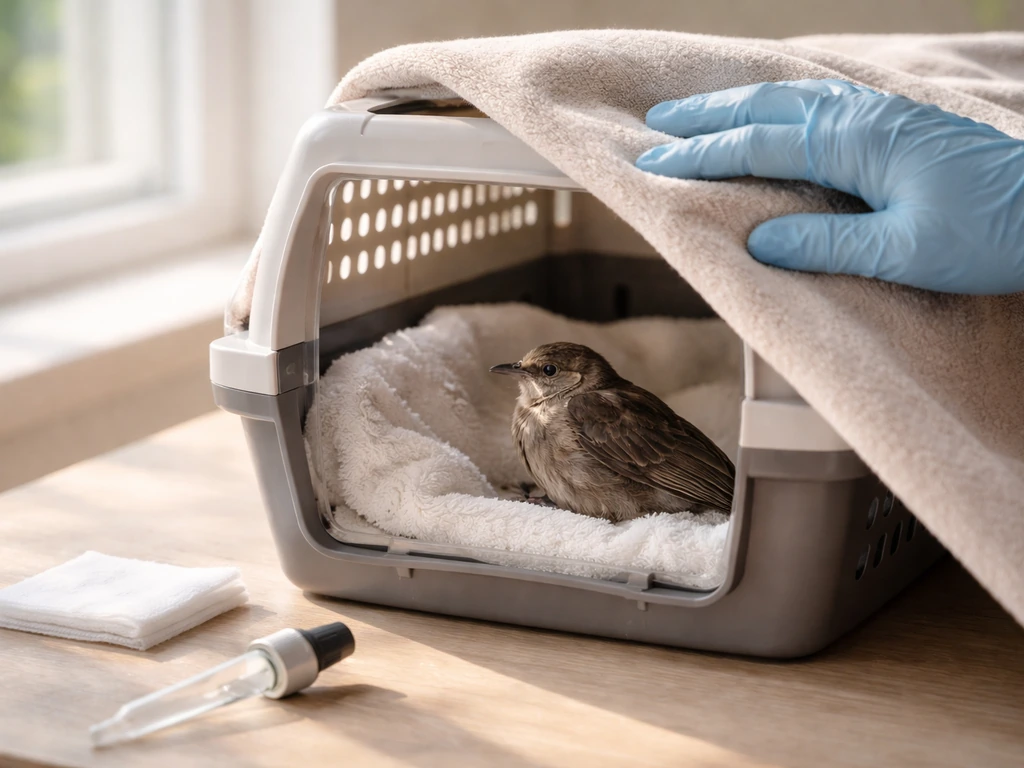
No bird species can scientifically predict disease or death in humans. There is zero peer-reviewed evidence for it. What birds can do, however, is show behavioral and physical changes that signal they are sick or shedding pathogens, and that can be an early warning that an illness is circulating in your environment. So the real question is not which bird is psychic, but how you read what your bird is actually telling you through its symptoms.
Which Bird Can Predict Disease and Death? What to Do

Marcus Webb
18 May 2026
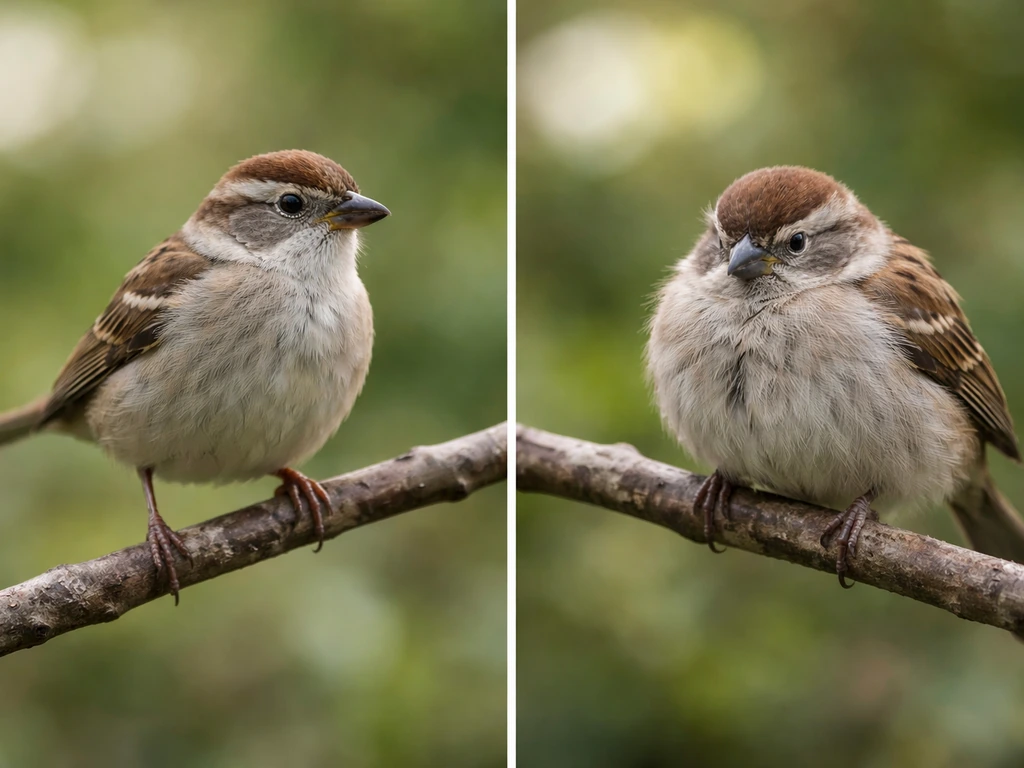
Myth vs reality: can any bird truly predict disease and death?

The short version: no. There is no documented mechanism by which a bird perceives future illness in a human and communicates it symbolically. The CDC frames bird-to-human disease transmission entirely around exposure routes, such as inhaling particles from infected birds, dried droppings, or feathers, not around any warning behavior the bird performs. What looks like a "prediction" is almost always one of two things: a bird that is already sick and shedding a pathogen you could be exposed to, or a normal bird behavior that gets retrospectively labeled as meaningful after something bad happens.
That second point matters a lot. Humans are wired to find patterns, especially around frightening events like illness or death. If someone later gets sick or dies, any unusual bird behavior from the days before gets reinterpreted as a sign. This is classic selection bias: the thousands of times a crow sat on a fence without anyone dying afterward just don't get remembered or reported.
None of this means birds are irrelevant to disease. They are actually excellent early indicators, just not in the mystical sense. A sick bird in your home or yard means a pathogen may be present. That is the signal worth paying attention to.
Where the idea comes from (folk belief, observation, and media)
The practice of interpreting bird behavior as an omen goes back thousands of years. The Romans formalized it into a system called augury, where trained priests called augurs would read the flight patterns, calls, and feeding behavior of birds to determine whether the gods approved of a planned action. A broader version of this, ornithomancy, appears across cultures from ancient Greece to medieval Europe and beyond. Owls, ravens, and crows accumulated the heaviest death-omen associations in Western traditions, largely because of their nocturnal habits, dark coloring, and scavenging behavior around battlefields and cemeteries.
These cultural associations got reinforced every time a bird happened to be present near a death, and modern media amplifies this loop constantly. A news story or social media post about someone's parrot behaving strangely before a death in the family will spread far and fast. The thousands of parrots that behaved strangely for entirely mundane reasons (stress, a change in routine, a respiratory infection) and where nothing dramatic followed never get shared at all.
There is also a kernel of real observation buried underneath the folklore. In crowded or unsanitary conditions, animals do get sick before humans, and historically people noticed that. The problem is that the mechanism is exposure and infection, not prophetic communication.
How to interpret bird "warnings" correctly (behavior + visible symptoms)
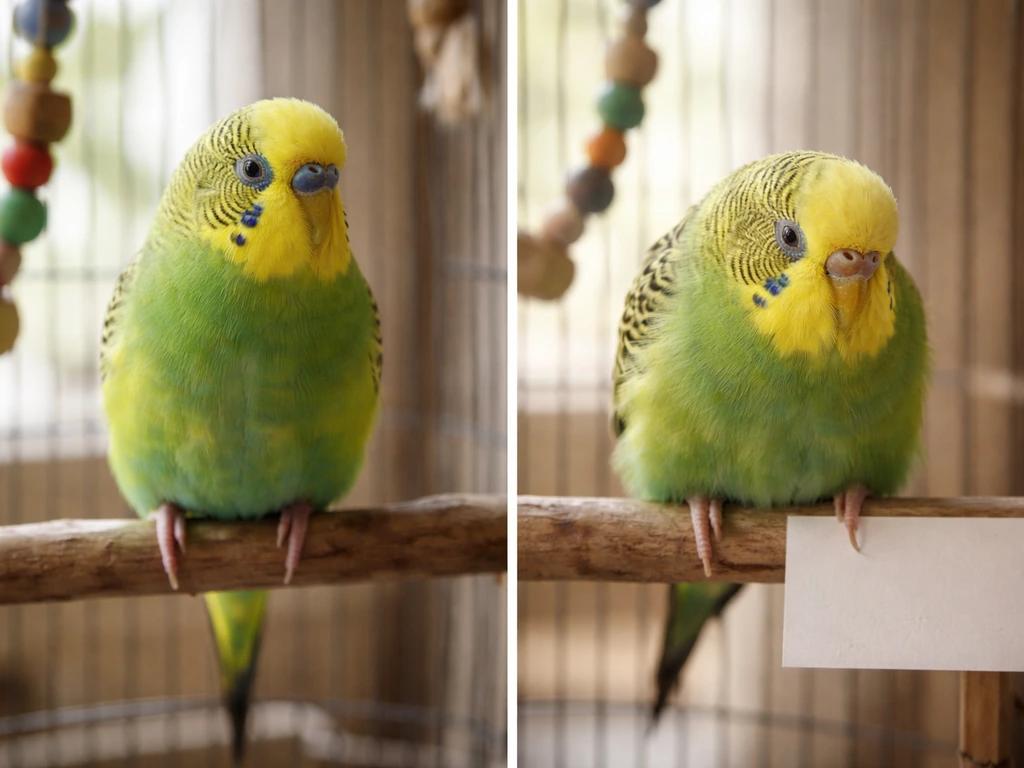
Here is the practical reframe: instead of asking whether a bird is predicting something, ask what the bird's behavior is actually telling you about its own health right now. That is genuinely useful information.
One major challenge is that birds are hard-wired to hide illness. In the wild, showing weakness attracts predators. By the time you notice something is wrong, your bird may have been sick for one to two weeks already. That means you cannot wait for dramatic symptoms. You need to know what normal looks like for your specific bird so that subtle changes register early.
The most reliable early warning signs to watch for include:
- Changes in appetite: eating less or stopping eating entirely is a red flag, and anorexia combined with lethargy warrants immediate veterinary attention
- Posture changes: a healthy bird stands upright and alert; a sick bird often sits low, fluffs its feathers, and keeps its eyes half-closed
- Respiratory signs: open-mouth breathing at rest, wheezing, tail bobbing with each breath, clicking or rattling sounds, and neck stretching while breathing are all serious
- Droppings and urates: changes in color, consistency, or volume can indicate infection, liver disease, or internal problems
- Feather condition: sudden feather loss, poor grooming, or broken pin feathers outside of a normal molt can signal illness or nutritional deficiency
- Neurologic signs: loss of balance, head tilting, tremors, or seizures require emergency veterinary care
- Sudden death in one or more birds with no apparent prior symptoms, especially in a flock
For respiratory rate specifically: normal resting rate for smaller birds is roughly 30 to 60 breaths per minute, and for larger birds it is around 15 to 30 breaths per minute. Counting for 15 seconds and multiplying by four gives you a quick baseline. If your bird is clearly working hard to breathe, that is an emergency, not a "wait and see" situation.
The difference between stress behavior and illness is worth knowing. A bird that just moved, met a new person, or had its routine disrupted may be quiet, fluffed, or less active for a day or two. That is normal stress. Illness looks different: it persists, it progresses, and it usually involves physical signs like droppings changes or labored breathing alongside the behavioral changes.
Bird species and risk profiles: which birds are most likely to show illness signs
Not all birds carry the same risk profile, and context matters as much as species. Here is a practical breakdown:
| Bird type / context | Key illness risk | Early detection difficulty |
|---|---|---|
| Pet parrots, cockatiels, parakeets (single bird) | Psittacosis (Chlamydia psittaci), aspergillosis, respiratory infections | High: disease-masking instinct is strong; by symptom onset, illness is often advanced |
| Pet finches and canaries | Avian pox, respiratory infections, mite-related illness, bacterial infections | Moderate to high: small body mass means rapid deterioration once symptoms appear |
| Backyard poultry / small flocks | Avian influenza, Newcastle disease, Marek's disease, aspergillosis | Moderate: flock size can help early detection since multiple birds may be affected |
| Wild songbirds at feeders | Salmonella, Mycoplasma conjunctivitis, West Nile virus | Low detection window: by the time a wild bird looks sick at a feeder, it is usually seriously ill |
| Wild waterfowl and shorebirds | Avian influenza (can be asymptomatic carrier) | Very low: wild birds may shed H5N1 without any visible symptoms at all |
| Newly acquired birds (any species) | Any infectious disease from prior environment | High risk window: Merck notes birds from pet stores or bird shows are more likely to carry infectious disease |
The species-specific point that often surprises people: wild waterfowl can carry highly pathogenic avian influenza and show no signs of illness at all. Of the birds most often discussed in this context, wild waterfowl can carry highly pathogenic avian influenza and may look completely normal while shedding virus what bird carries the most diseases. Their behavior tells you nothing about whether they are shedding virus. This is the exact opposite of the "bird as omen" idea, because the most dangerous situation involves birds that look completely normal.
Parrots and their relatives (psittacines) carry the highest zoonotic risk in the pet category because of their close contact with owners and the nature of psittacosis transmission through inhaled particles. Birds in crowded environments like aviaries, shelters, or recently acquired from a bird show are at elevated risk of infectious disease regardless of species.
Common bird illnesses that change behavior and can look like "foretelling"
Several real bird diseases produce the kinds of behavioral changes that historically got interpreted as omens. Knowing what they actually are helps you respond correctly instead of symbolically.
Psittacosis (parrot fever)
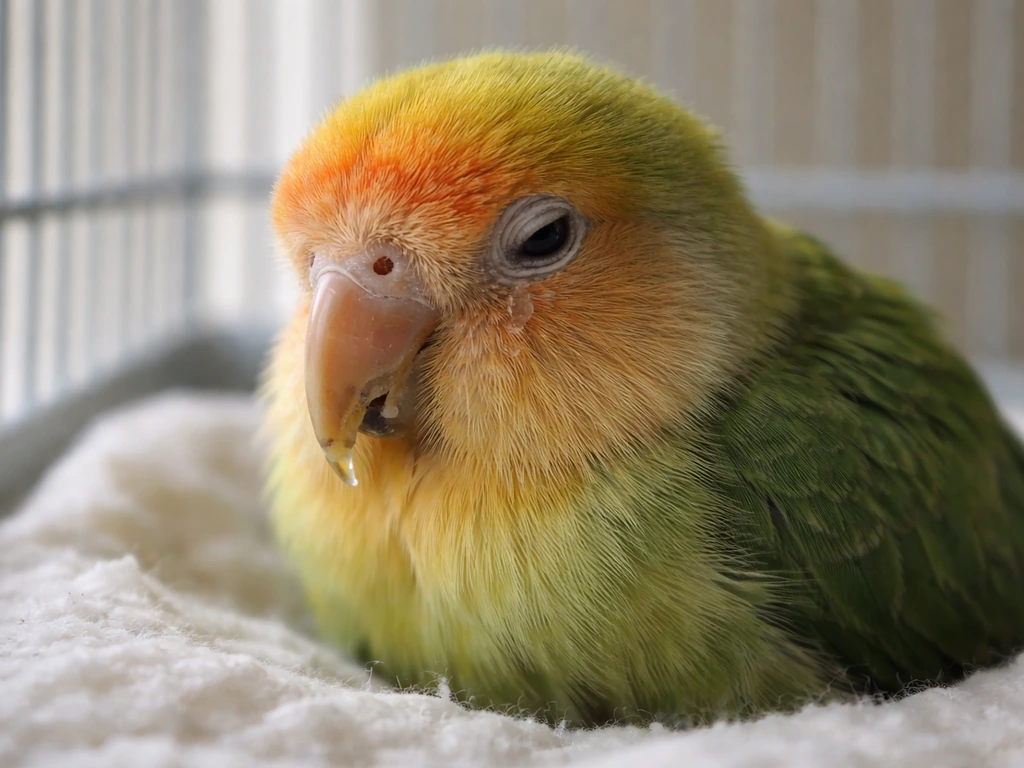
Caused by Chlamydia psittaci, psittacosis affects parrots, cockatiels, parakeets, and many other bird species. Infected birds may show nasal or eye discharge, lethargy, loss of appetite, and loose greenish droppings, but the tricky part is that many birds shed the organism without looking sick at all. Humans can catch it by inhaling contaminated particles and can develop severe pneumonia. The CDC notes that healthcare providers often miss the diagnosis because it looks like other respiratory illnesses, which is exactly why telling your doctor about bird exposure matters.
Aspergillosis
This fungal infection of the respiratory tract can be subtle at first. Merck notes that one of the early signs is a change in a bird's vocalization before obvious breathing difficulty appears, which is the kind of thing that could easily be misread as unusual or ominous behavior. As it progresses, affected birds show gasping, neck stretching while breathing, somnolence, and emaciation. It is not directly transmissible to healthy humans under normal circumstances, but it signals an unhealthy environment (poor ventilation, damp conditions, moldy substrate) that warrants attention.
Avian influenza
In poultry and some wild birds, highly pathogenic avian influenza can cause sudden death with little warning, or it can cause respiratory distress, neurologic signs, and dramatic drops in egg production. The sudden-death pattern in a flock is exactly the kind of event that historically drove "death omen" stories about birds. The reality is that it is a fast-moving viral infection, not a prediction.
Respiratory infections (bacterial and viral)
Various bacterial and viral respiratory infections can cause the classic warning-sign cluster: wheezing, tail bobbing, open-mouth breathing, and lethargy. These are among the most common reasons pet birds end up in emergency avian vet visits. Open-mouth breathing at rest is never normal and should be treated as an emergency sign regardless of what is causing it.
What to do today: monitoring, isolation, hygiene, and when to call a vet
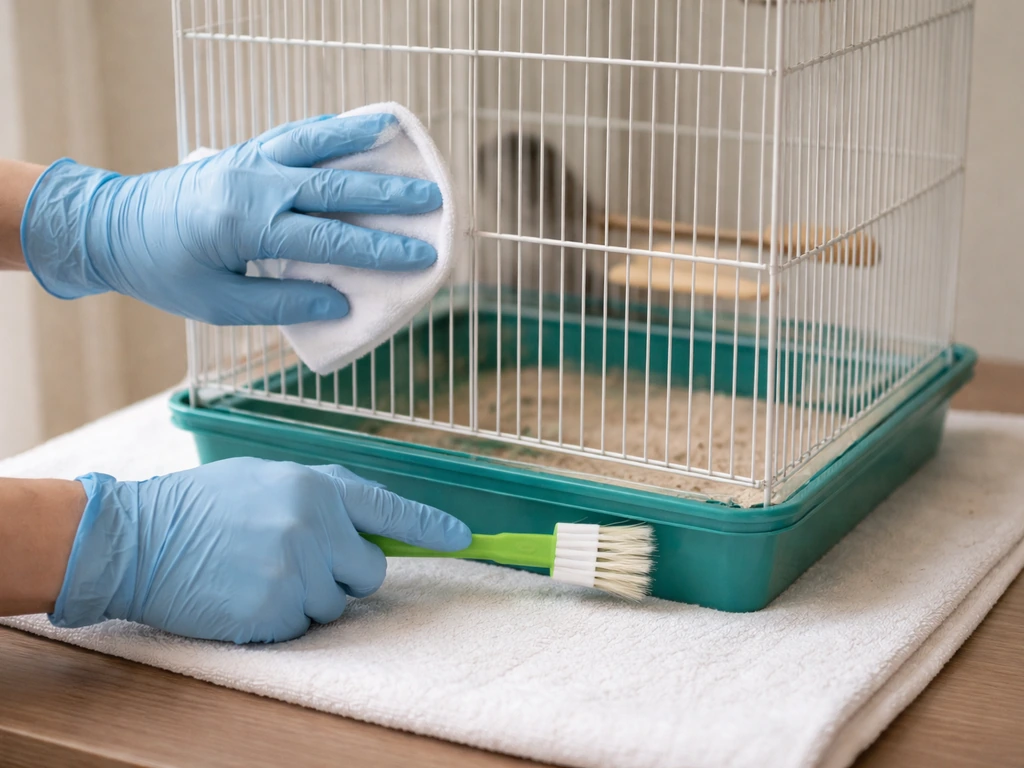
If you are reading this because your bird is acting strangely, here is what to do right now, in order.
- Observe and log: note the exact symptoms you are seeing, when they started, any changes in droppings, eating, drinking, vocalization, and posture. Photos and short videos are genuinely helpful for your vet.
- Check respiratory rate: count breaths for 15 seconds and multiply by four. Compare to the normal ranges (30 to 60 per minute for small birds, 15 to 30 for larger birds). If the rate is high and the bird is visibly working to breathe, skip the next steps and call a vet now.
- Isolate the sick bird: move it to a separate room away from other birds. VCA Canada recommends a separate room, not just a different cage, so you can monitor food intake, droppings, and activity independently and reduce stress from other animals.
- Provide warmth: a sick bird should be kept warm, around 85 to 90 degrees Fahrenheit, because maintaining body temperature is metabolically expensive when ill. A warm (not hot) lamp positioned on one side of the cage gives the bird the option to regulate.
- Do not dry-sweep or vacuum near the bird's area: this stirs up dust, dander, and dried droppings that may contain pathogens. Use a damp cloth or paper towels instead.
- Clean food and water containers at least once daily: daily cleaning is minimum; twice daily is better when a bird is ill.
- Wash your hands thoroughly after handling the bird or anything in its environment: use soap and water before and after, and avoid touching your face.
- Call an avian veterinarian: do not wait until the bird is barely alive. VCA explicitly warns against waiting until the bird is on its "death's doorstep." Birds deteriorate fast once visible symptoms appear, and early treatment has far better outcomes.
- If you have multiple birds and one has died suddenly: treat the other birds as exposed, isolate them, and contact a vet or your state animal health official the same day.
When to call a vet immediately (do not wait)
- Open-mouth breathing or gasping at rest
- Visible tail bobbing with every breath
- Bird found on the bottom of the cage and unable to perch
- Seizures, head tilting, or loss of balance
- Complete refusal to eat for more than 24 hours combined with lethargy
- Sudden death of one or more birds in a flock
- Cyanosis or color change in skin, beak, or feet (blue, gray, or very dark pink)
If you have been in close contact with a sick bird and you develop respiratory symptoms, fever, or feel unwell, tell your doctor about the bird exposure. This is critical for psittacosis diagnosis specifically, because clinicians often do not think to test for it unless the patient mentions bird contact.
When it's about wild birds: reporting, safety, and testing basics
If your concern is about wild birds, the approach is different from dealing with a sick pet. The most important rule: do not handle sick or dead wild birds with your bare hands. This applies whether you find one dead bird or a cluster of them.
Wild birds showing signs of neurological disturbance (circling, head tilting, falling over) or dying in unusual numbers should be reported to your state wildlife management agency. If you find a single dead bird, your state may or may not request it for testing depending on current surveillance priorities. If you find multiple dead birds of the same species, especially waterfowl or raptors, that is worth reporting to both your state wildlife agency and your state department of agriculture.
If you need to move a dead bird for any reason, use gloves and a plastic bag turned inside out, or a shovel, and double-bag it. Wash your hands thoroughly afterward. Avoid any action that kicks up feathers, dried droppings, or dust from the area around the bird.
For backyard flock owners, USDA APHIS has a dedicated reporting line for suspected avian influenza cases. Signs like sudden death, severe respiratory distress, or dramatic drops in egg production in multiple birds should be reported immediately. APHIS coordinates with state animal health officials to investigate, test, and respond. Do not wait to see if more birds get sick before calling.
Wild birds near your property, including waterfowl and shorebirds, can be asymptomatic carriers of avian influenza, meaning they look completely normal while shedding virus. Wild birds can be blank" rel="noopener noreferrer">asymptomatic carriers of avian influenza, so the absence of obvious illness does not mean they are safe. If you find bird nests in your yard, understand that some birds can carry pathogens that spread through contamination, even when they look healthy asymptomatic carriers. This is why biosecurity for backyard flocks focuses on preventing contact with wild birds, not on watching wild birds for signs of illness. There is no "omen" to watch for there. The risk management approach is structural: fence, cover runs, do not share equipment with other flocks, and do not let wild birds access your feed or water.
Testing of wild birds is handled by agencies, not by individual members of the public. If a situation warrants testing, the wildlife agency or APHIS will collect samples through their own protocols with proper PPE. Your job as a member of the public is to report what you saw, where, approximately how many birds were affected, and what the birds looked like, then step back and let the professionals handle the investigation.
The broader takeaway is this: bird behavior is genuinely informative about avian health, which in turn can have real implications for human health through zoonotic exposure. But the mechanism is always biological, always traceable to specific pathogens and specific exposure routes. Reading a bird's symptoms accurately gives you something far more useful than an omen: it gives you a head start on protecting yourself and getting your bird the care it needs. If you are wondering can you get sick from kissing a bird, treat any contact with bird droppings, saliva, or feathers as a potential exposure and follow basic hygiene.
FAQ
If no bird can predict disease and death, how should I use what I’m seeing instead?
No. If you have to make a decision, use bird behavior as a cue to act on exposure risk, not to predict outcomes. The useful question is “Is my bird changing in a way that suggests illness right now (persistent, worsening, physical signs)?” If breathing looks involved (open-mouth breathing at rest, tail bobbing, heavy work of breathing), treat it as urgent regardless of your “omen” theory.
How can I tell whether my bird’s quietness is stress or an early infection?
Stress can overlap with early illness, so rely on persistence and escalation. Stress usually improves within about 24 to 48 hours after the trigger (new person, move, routine change), while illness tends to persist, progress, and bring physical signs like droppings changes, nasal or eye discharge, or labored breathing.
What’s the best way to measure a bird’s breathing at home, and when does it become an emergency?
Count respirations for a full 60 seconds if you are unsure, then compare to your bird’s own normal at rest. Also check posture and effort, not just the number. Resting breathing that looks “worky,” includes open-mouth breathing, or comes with tail bobbing should be treated as an emergency even if the breath count seems only mildly elevated.
Can a bird look healthy and still be shedding something dangerous?
Yes, but “looks normal” does not mean “low risk.” Wild waterfowl and other birds can shed pathogens asymptomatically, so absence of obvious illness is not reassurance. For backyard flocks, the safest approach is preventing contact and contamination (cover feed and water, keep wild birds out, and avoid shared equipment).
If I develop respiratory symptoms after bird exposure, what should I tell my doctor specifically?
If your concern is psittacosis exposure, call your clinician promptly and mention specific bird contact (species if known, dates, and whether you handled the bird or cleaned droppings). Testing can be missed when clinicians are not told about bird exposure, so the exposure history is as important as symptoms.
What are safe, practical steps if I need to clean droppings in my home or near my cage?
Use PPE and avoid aerosolizing dust. If you must clean, wear gloves, consider a mask rated for fine particles, dampen droppings before removal, and avoid sweeping or blowing. Bag contaminated materials, then wash hands and change clothing if the cleaning was close-contact.
What should I do if I find a sick or dead wild bird in my yard?
Don’t handle sick or dead wild birds with bare hands, even if you are “only moving it a short distance.” Use gloves plus a plastic bag or shovel, double-bag if needed, and avoid actions that kick up feathers, dust, or dried droppings. Wash thoroughly afterward.
When should I report wild bird illness or deaths, and what details matter?
Report clusters or unusual patterns, not just any single death. Multiple dead birds of the same species, especially waterfowl or raptors, and neurologic disturbance (circling, head tilting, falling over) are strong triggers to contact your state wildlife agency. For backyard flocks with sudden death or rapid worsening, don’t wait for “proof” from additional cases.
My pet bird seems off. Should I monitor at home for a few days or treat it as urgent?
If you have a pet bird showing possible respiratory illness, isolate from other birds and seek avian veterinary care quickly. Do not rely on home observation for “how long to wait,” because birds can hide illness and worsen before obvious signs. Bring notes on onset, diet, droppings, and breathing changes, and ask about testing based on bird exposure history.
If I accidentally kissed or snuggled a bird, what should I do next?
No. “Kissing a bird” is not something to do, because exposure can occur from droppings, saliva, and feathers. If contact happens, treat it as a potential exposure by washing hands, avoiding further face contact, and watching for respiratory symptoms, especially if you have high-risk conditions.
Next Article
Bird Trauma Symptoms: Signs, Triage, and First Aid Steps
Recognize bird trauma symptoms, triage urgency, and give safe first aid for bleeding, fractures, head injuries, and shoc