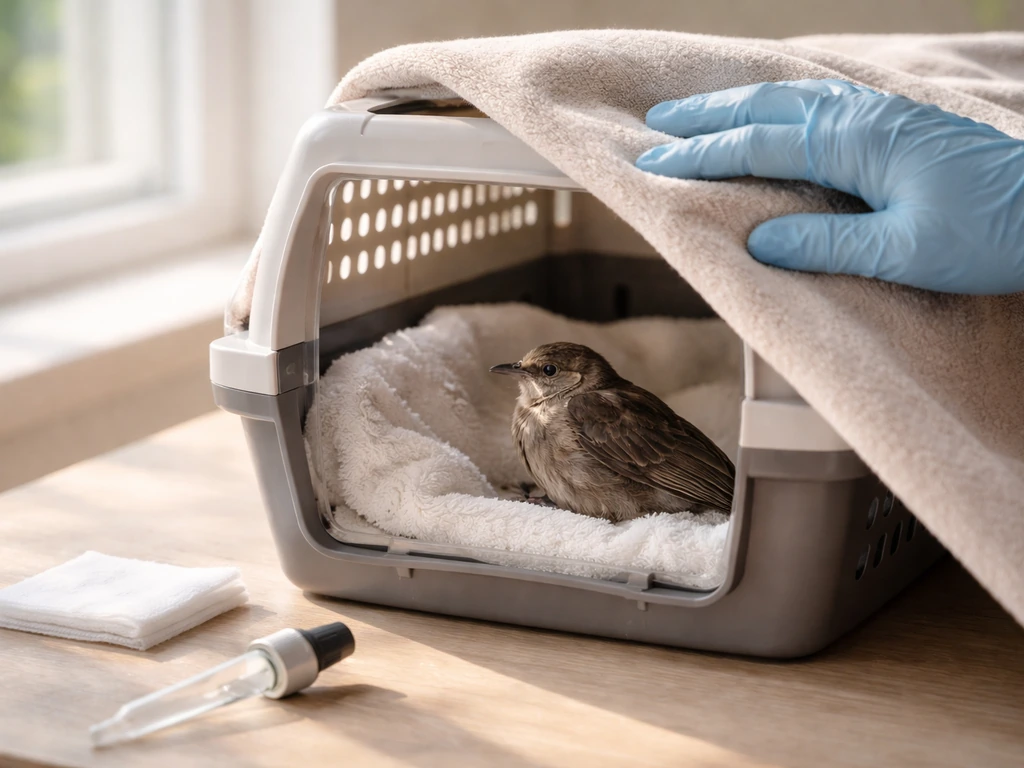
If your bird is losing weight or looking thin after you've used a product called 'Skinny Bird,' the first thing to know is this: HUM Nutrition's Skinny Bird is a human weight-management supplement, not a product intended for birds at all. If you are asking about bird sulfa dosage for dogs, it is important to avoid using any medication not specifically prescribed for your bird supplement. It contains 5-HTP, Caralluma fimbriata, green tea extract (with 33 mg of caffeine per serving), and chromium. If a bird has accidentally ingested any of it, that's a potential poisoning situation, not a normal 'side effect.' Get your bird away from the product immediately and read through the warning signs below.
Hum Skinny Bird Side Effects: What to Watch and Do Now

Marcus Webb
30 Apr 2026
What 'Hum Skinny Bird' Actually Refers To
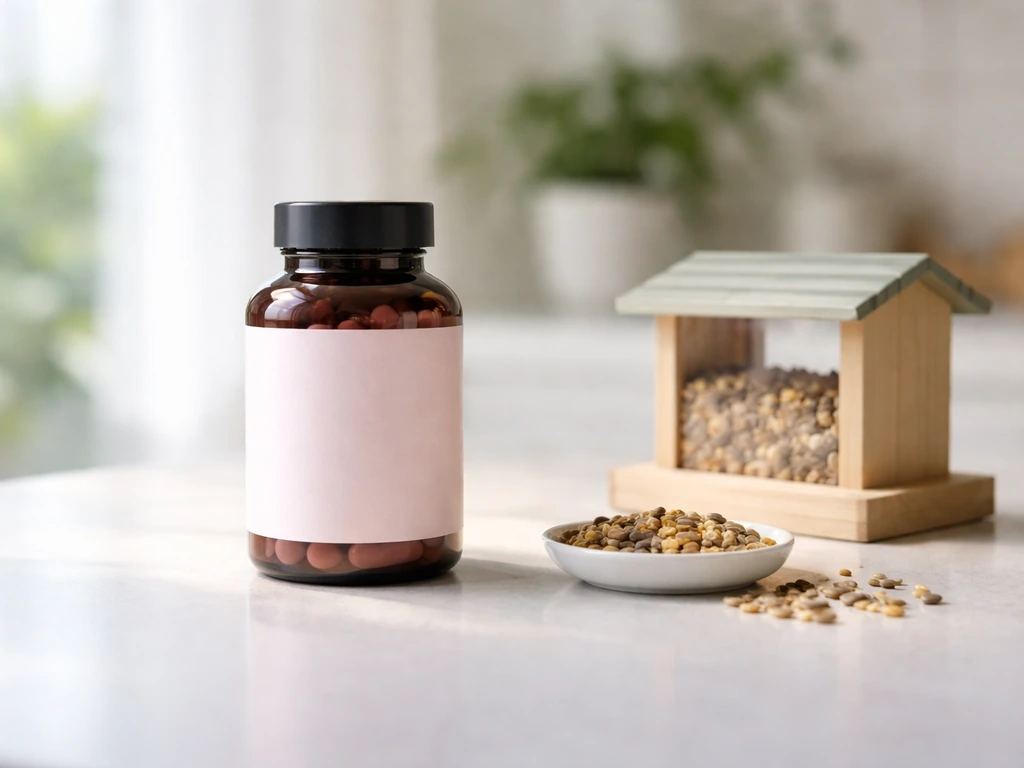
The phrase 'hum skinny bird side effects' almost always comes from one of two places: someone searching about HUM Nutrition's 'Skinny Bird' supplement (a human product) after their bird was exposed to it, or someone who has noticed their bird looking skinny and is using 'skinny bird' as a descriptive phrase while wondering if a supplement or food they've been giving is causing the problem. Jade bird side effects are handled the same way: confirm the exact ingredient or exposure and treat any suspicious ingestion as urgent.
HUM Nutrition is a human supplement brand. Skinny Bird is one of their products marketed to people for appetite control and weight management. It is not a bird food, avian supplement, or veterinary product. If you came across this name on packaging or a bottle and assumed it was something made for birds, that's a completely understandable mix-up given the name, but the product is not safe for avian use.
If you're in the other camp and your bird has just been looking skinny or losing weight and you're trying to figure out why, the sections below on side effects, warning signs, and assessment will still walk you through exactly what to look for. Either way, you're in the right place.
Side Effects to Watch For If a Bird Was Exposed
The four main ingredients in HUM's Skinny Bird are not tested or approved for use in birds. Each one carries real risks if a bird ingests even a small amount. Here's what each ingredient can do:
| Ingredient | What It Does in Humans | Potential Risk to Birds |
|---|---|---|
| 5-HTP | Raises serotonin levels to reduce appetite | CNS depression, tremors, ataxia, seizures, hyperthermia, mydriasis (dilated pupils), diarrhea |
| Green Tea Extract (33 mg caffeine) | Mild stimulant, metabolism support | Cardiac arrhythmias, hyperactivity, tremors, rapid heart rate; birds are highly sensitive to caffeine |
| Caralluma fimbriata | Appetite suppressant herb | Unknown in birds; GI irritation is plausible |
| Chromium | Blood sugar regulation support | At high doses, chromium can cause GI and kidney toxicity in animals |
The 5-HTP concern is particularly serious. According to veterinary toxicology references, 5-HTP ingestion in animals can trigger a cluster of neurological signs including CNS depression, tremors, incoordination, seizures, and even hyperthermia. Birds are small and metabolize compounds very differently from mammals, so even a fragment of a tablet can deliver a significant dose relative to their body weight.
Caffeine is another real danger. Birds are known to be highly sensitive to stimulants. The green tea extract in this product contains 33 mg of caffeine per human serving. A small parrot or finch exposed to even a fraction of that amount could show rapid breathing, trembling, or heart irregularities.
Health Risks and Warning Signs That Can Look Like 'Side Effects'
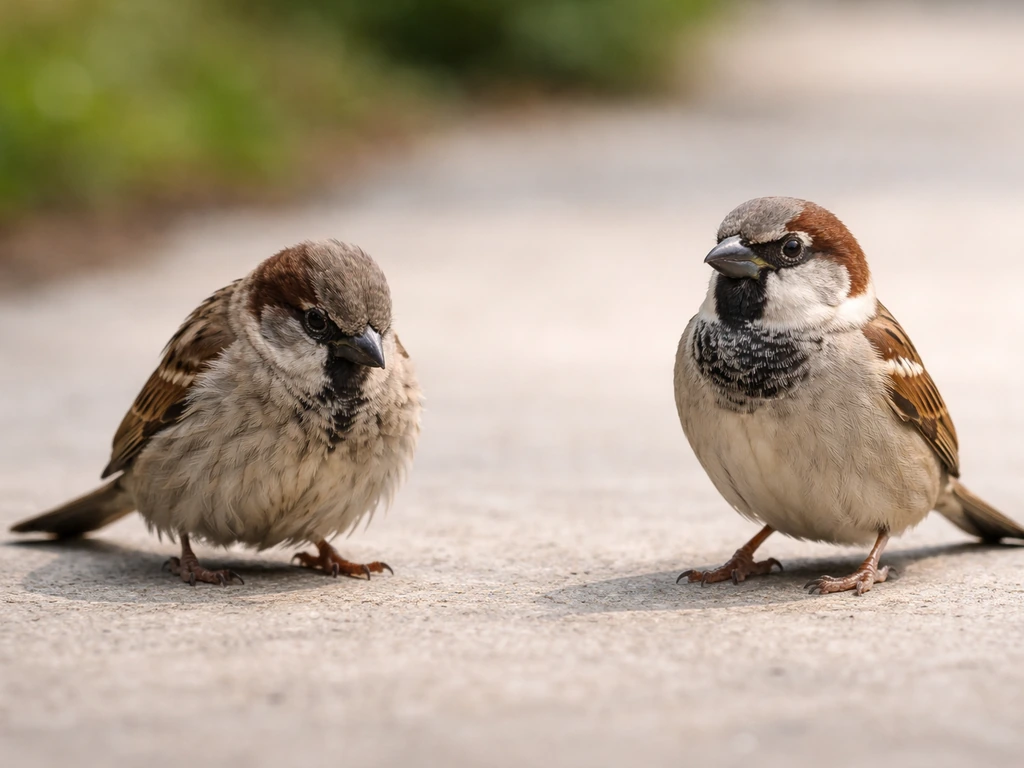
Sometimes a bird looks skinny or unwell not because of a supplement exposure, but because of an underlying illness that's been quietly progressing. These conditions can mimic supplement toxicity, or they can develop alongside it. It's worth knowing the difference.
Weight loss in birds is almost always a sign that something is seriously wrong. If you are also wondering about whether changes around a bird nest could relate to cancer risk, that is a separate question from supplement exposure bird nest vs cancer. Birds have fast metabolisms and don't carry a lot of reserve. By the time a bird looks visibly thin, the problem has usually been going on for a while. Common causes of wasting and a skinny appearance include bacterial or viral infections, intestinal parasites, liver disease, kidney disease, heavy metal toxicosis (from household sources like old blinds, curtain weights, mirror backings, or jewelry), and nutritional deficiencies from a poor diet.
Heavy metal poisoning is worth calling out specifically because it's more common in pet birds than most owners realize. Lead toxicosis in birds is associated with blood lead levels above 20 mcg/dL combined with clinical signs, and the sources are often everyday household items. A bird that looks skinny and is also showing neurological signs like head tilting, circling, or weakness may have heavy metal toxicosis rather than a supplement reaction, and that requires immediate veterinary testing.
Respiratory illness is another condition that can look like a supplement side effect. If you're looking at home remedies for a bird cough, be cautious with anything like bird nest products and confirm avian safety first bird nest good for cough. A bird that is fluffed up, sitting low on the perch, and losing weight might have a respiratory infection, not a reaction to something it ate. The symptom overlap with other illnesses is significant, which is why home assessment matters.
How to Assess Your Bird at Home Right Now
Before you call the vet or panic, do a quick and calm assessment. You don't need any equipment. Just observe your bird for 5 to 10 minutes without disturbing it, and then do a brief hands-on check if your bird will tolerate it.
What to look at and what it tells you
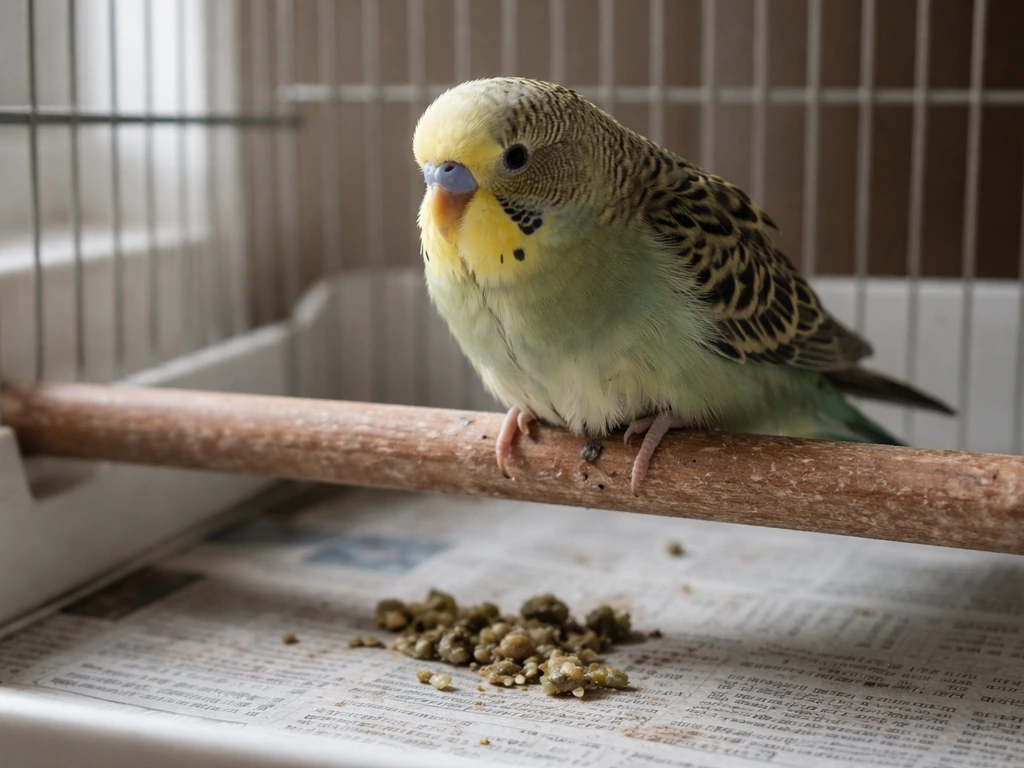
- Posture: Is the bird sitting low on the perch or on the cage floor? Floor-sitting in a bird that normally perches is a serious red flag for illness or weakness.
- Feathers: Fluffed-up feathers at room temperature usually mean the bird is cold, sick, or both. A healthy bird should hold its feathers fairly smooth when alert.
- Breathing: Count breaths or watch the tail. A healthy bird's tail should not bob noticeably with each breath. Tail-bobbing, open-mouth breathing, or audible clicking/wheezing are respiratory warning signs.
- Keel bone: Gently feel along the center of the chest. The keel bone is the ridge you'll find. If it feels sharp and prominent with no meat on either side, the bird is underweight.
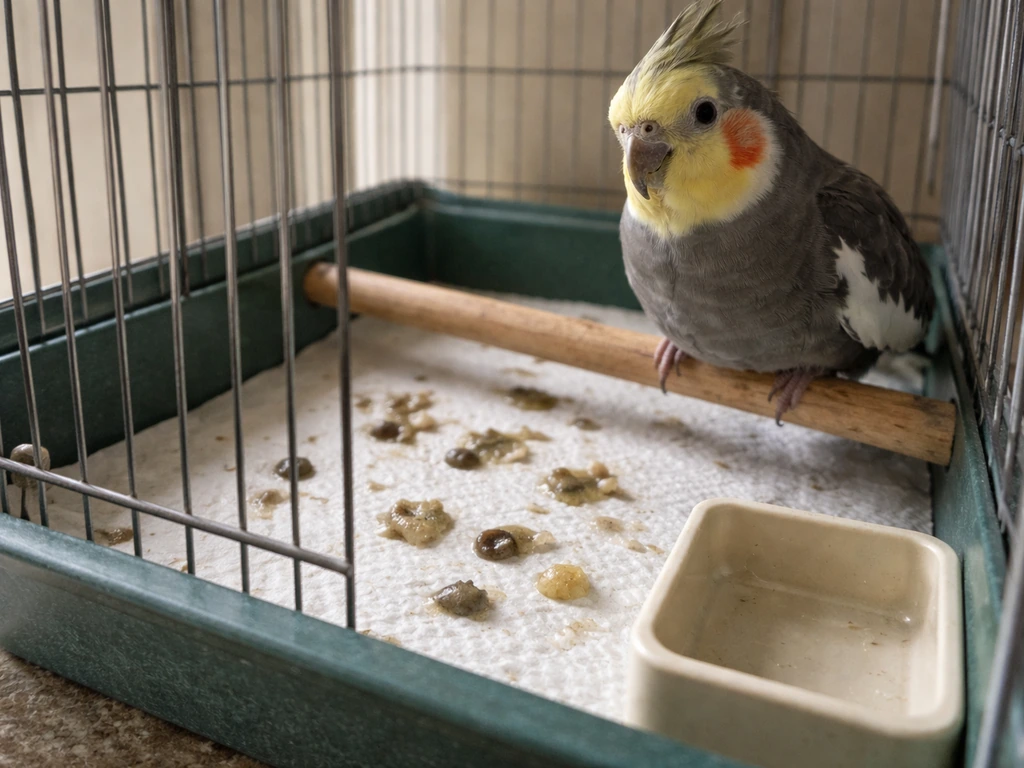
- Droppings: Look at the cage floor. Normal droppings have a firm green or brownish solid part, a white urate center, and a small amount of clear liquid. Watery, all-liquid, bright green, bloody, or completely absent droppings all warrant concern.
- Appetite: Has the bird eaten today? A bird that won't touch food is in trouble, especially if it has also lost weight.
- Eyes: Both eyes should be open, clear, and bright. Closed or half-closed eyes in a normally alert bird suggest illness or extreme weakness.
If the bird is still alert, eating, perching normally, and producing normal droppings, you have a little time to monitor carefully. If any of the above warning signs are present, treat it as urgent.
What to Do Right Now If You Suspect a Problem
- Remove the product immediately. If HUM Skinny Bird or any human supplement is anywhere your bird could access, remove it from the environment right now. Don't wait to assess first.
- Do not give any more of the supplement. Even if you were giving it intentionally thinking it was bird-safe, stop completely.
- Keep the bird warm. A sick or stressed bird loses heat quickly. Make sure the environment is at least 80 to 85°F (27 to 29°C). A simple way to do this is to place a heating pad on a low setting under half the cage so the bird can move away if too warm.
- Offer fresh water immediately. Dehydration can develop quickly in small birds. Make sure clean, fresh water is easily accessible. Do not add supplements, electrolyte powders, or anything else to the water unless directed by a vet.
- Offer soft, easy-to-eat foods. If the bird has a reduced appetite, try offering warm soft foods like cooked plain rice, mashed sweet potato, or the bird's usual seed/pellets in a location it can easily reach.
- Note the timeline. Write down when you first noticed symptoms, when the bird may have been exposed, and what you've seen change. This information helps a vet triage the situation faster.
- Keep the product packaging. If your bird may have ingested HUM Skinny Bird or any supplement, keep the bottle so the vet can see the exact ingredients and concentrations.
- Watch closely for the next 2 to 4 hours. If the bird's condition is stable, monitor every 30 minutes. If symptoms worsen at any point, go directly to an emergency avian vet.
When to Contact an Avian Vet Urgently
Some situations cannot wait for a routine appointment or for the bird to 'see how it does overnight.' If any of the following are true, contact an avian vet or emergency animal hospital right now:
- Open-mouth breathing or audible wheezing, clicking, or gurgling sounds
- Tail bobbing with every breath
- Seizures, tremors, or muscle twitching
- Complete loss of balance or inability to perch
- Unresponsiveness or extreme lethargy where the bird doesn't react to your presence
- Confirmed or suspected ingestion of HUM Skinny Bird or any supplement containing 5-HTP or caffeine
- No droppings in the cage for more than 12 hours
- Bloody droppings or droppings that are entirely liquid
- Sudden severe weight loss (you can feel the keel bone sharply with little or no muscle mass)
- Head tilting, circling, or other neurological signs that suggest possible heavy metal toxicosis
When you call, be ready to describe what the bird ingested, how much, when, and what symptoms you're seeing. If you can bring the product packaging, do it. An avian vet may want to run blood work, including heavy metal panels or toxicology, to rule out poisoning from multiple possible sources.
If you cannot reach an avian vet, contact a general emergency veterinary clinic and ask if they have experience with birds. It's not ideal, but it's better than waiting.
Prevention: Safer Feeding and Supplement Habits Going Forward
The single most important preventive step is to never give a bird any supplement, herb, or food product that was not specifically formulated and approved for avian use. Human supplements, even those with 'natural' or 'herbal' labels, can be dangerous or lethal to birds in very small doses. The HUM Skinny Bird situation is a good example of a product name that could easily be mistaken for something bird-related.
When choosing supplements or additions to a bird's diet, look for products that list the target species on the label and are sold by avian-specific or veterinary suppliers. If you're unsure, ask an avian vet before introducing anything new. This applies to vitamins, weight-management products, herbal remedies, and any food-based supplement.
Here are some practical prevention steps to follow going forward:
- Store all human medications and supplements in locked or inaccessible cabinets, away from any area where birds are housed or supervised.
- Before buying anything labeled as a 'bird' product, verify it is an avian product and not a human supplement with a bird-themed name.
- Do a household hazard check for common sources of heavy metal toxicosis: old venetian blinds, curtain weights, leaded glass, cheap jewelry, and some older painted items.
- Schedule a baseline wellness exam with an avian vet at least once a year. Weight loss caught early is far easier to treat than wasting that has gone on for weeks.
- Weigh your bird regularly at home using a small kitchen scale. Tracking small weight changes weekly gives you early warning of a problem before visible wasting occurs.
- If you're researching any bird health supplement, cross-check the ingredients against the Merck Veterinary Manual or ask an avian vet before use.
It's also worth noting that some readers may come to this topic from an interest in other bird-related health supplements, like edible bird's nest products, which have a very different safety profile and use context. Edible bird's nest has been associated with soothing effects on the respiratory system, which is why some people look into bird nest benefits for lungs. The side effects concern there is quite separate from what we've covered here, but if you're researching avian-related supplements broadly, keeping the source and species clearly in mind every time is the habit that prevents most problems.
To sum it up: if a bird has been exposed to HUM Skinny Bird, treat it as a toxic ingestion and contact a vet. If you suspect bird exposure, bird and be prenatal side effects are also a reason to seek prompt avian guidance rather than waiting.
If your bird is simply looking thin or losing weight, use the home assessment steps above, watch for the red-flag symptoms listed, and get in to an avian vet within 24 to 48 hours at most. Weight loss in birds moves fast, and early action makes a real difference.
If you're considering using bird nest remedies for eczema, it is still best to check with a clinician first, since natural products are not automatically safe for everyone bird nest for eczema.
FAQ
My bird might have eaten a Skinny Bird tablet or powder, what should I do first?
Do not try to “treat it at home” by inducing vomiting or giving charcoal unless an avian vet tells you to. Instead, remove access to the product, save the packaging or label, and call an avian vet or emergency clinic for ingestion guidance based on the bird’s species and the estimated amount.
If the amount was tiny, are hum skinny bird side effects still possible?
The risk is not only the full serving size. Small birds can receive a high dose from crumbs, a soaked treat, or a partially dissolved tablet in spilled water. If you are unsure how much was ingested, treat it as potentially toxic and get veterinary advice right away.
What warning signs suggest this is poisoning rather than a normal illness?
Symptoms can overlap with many other illnesses, so the timing and pattern matter. If you notice neurological signs like tremors, seizures, circling, head tilting, or unusual heat behavior (panting, overheating), treat it as urgent even if the bird is not immediately vomiting.
Can I wait overnight if my bird is still eating but looks thinner?
If the bird is alert, eating, and has normal droppings, you can monitor closely for the next few hours while you arrange an avian appointment, but weight loss itself is a red flag in birds. If there is any neurological change, labored breathing, weakness, or rapid deterioration, skip monitoring and seek emergency care.
Could a skinny appearance be from something else in the home, not the supplement?
Keep track of exactly what else was involved. Household sources like lead-containing items, contaminated toys, old blind hardware, curtain weights, or certain metals can cause wasting and neurological signs. When you call the vet, mention these nearby items so they can decide whether to test for heavy metals or consider other toxic exposures.
How quickly would my bird show signs after exposure to 5-HTP or caffeine?
5-HTP and caffeine exposure can cause fast-onset nervous system and stimulant effects. Even when symptoms are mild at first, birds can worsen quickly, especially if they continue to contact the product (spills on feathers, licking residue). Remove residue from the area and follow vet instructions.
Is a ‘natural’ weight-management supplement safe for birds if it seems gentle for humans?
Do not assume that “human” or “natural” means safe for birds. Herbal and weight-management supplements can be concentrated, and birds have different metabolism and sensitivity than people. Only give products explicitly formulated and labeled for birds.
What information will an avian vet need when I report hum skinny bird side effects concerns?
For an accurate triage call, estimate three things: bird species and weight, the form ingested (tablet, capsule, powder, tea-like liquid), and the time since exposure. Also describe the current symptoms and whether the bird was still eating normally when you noticed the issue.
If my bird has breathing issues, can I use home remedies while I wait for the vet?
Avoid using home remedies to “cover” symptoms, such as cough syrups, herbal soaks, or bird-nest products, until you know what’s going on. Many remedies add new variables or introduce additional ingredients that are not proven safe for the specific species.
What if more than one bird was around the product, but only one looks thin?
If multiple birds share the same cage or feeding area, treat it as a group risk. Even if only one looks thinner, check the others’ posture, appetite, droppings, and breathing, and let the clinic know you suspect more than one exposure.
Next Article
Bird Trauma Symptoms: Signs, Triage, and First Aid Steps
Recognize bird trauma symptoms, triage urgency, and give safe first aid for bleeding, fractures, head injuries, and shoc