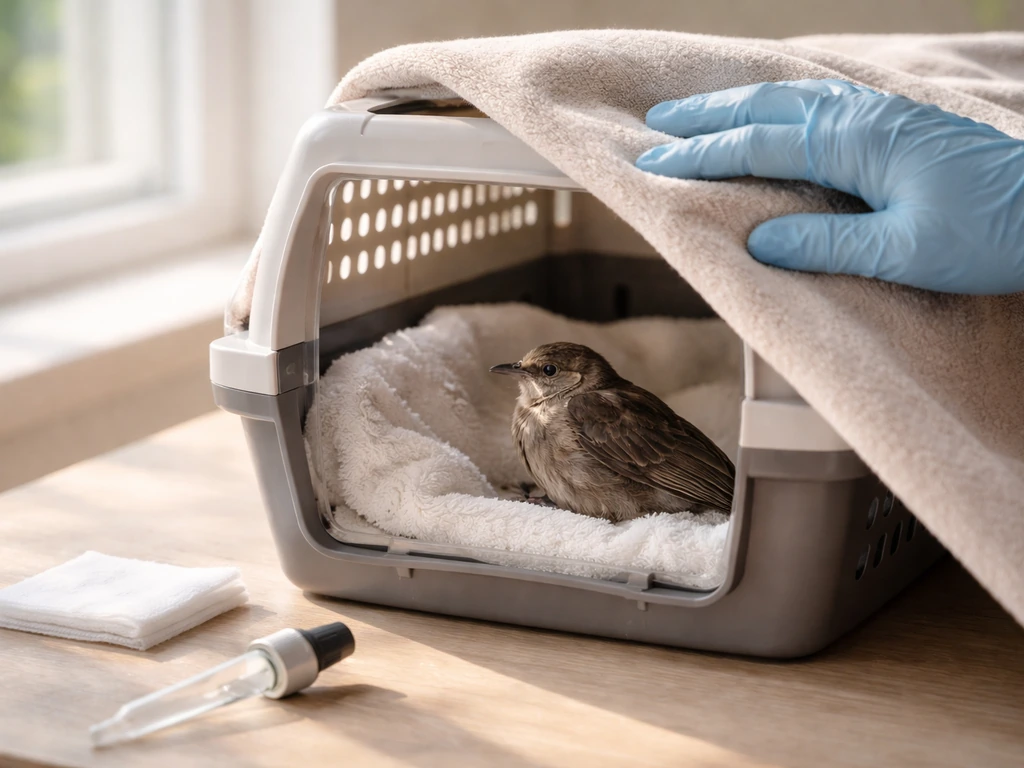
The most common bird health problems fall into four main categories: respiratory issues, digestive problems, feather and skin conditions, and behavioral or neurological changes. Birds are wired to hide illness, so by the time you notice something is wrong, the problem is often more advanced than it looks. Knowing exactly what to watch for, body system by body system, helps you catch problems earlier and decide quickly whether you need an avian vet today or can monitor at home for a short time.
Bird Health Problems: Symptoms, Causes, and What to Do

Marcus Webb
6 May 2026
Common bird health issues by body system
Organizing health problems by body system is the most practical way to approach this, because different systems give different warning signs and point toward different causes. The American Association of Avian Veterinarians (AAV) groups bird illness signs into behavior/neurologic, respiration, digestion, skin/feathers, and droppings, and that framework is genuinely useful in day-to-day observation.
| Body System | Common Conditions | Key Warning Signs |
|---|---|---|
| Respiratory | Pneumonia, air sac infections, tracheitis, fungal infections, toxin exposure | Open-mouth breathing, tail bobbing, wheezing, clicking sounds, nasal discharge |
| Digestive | Crop stasis, candidiasis, bacterial infections, parasites, liver/kidney disease | Regurgitation, diarrhea, enlarged crop, weight loss, loss of appetite |
| Skin and Feathers | Feather-destructive behavior, external parasites, bacterial/fungal skin infection, psittacine beak and feather disease, fowl pox | Plucked or chewed feathers, bald patches, scabs or crusted lesions, abnormal feather color |
| Droppings | Infection, toxin ingestion, organ disease | Color changes (red, black, lime-green, pale yellow), watery urine portion, blood in stool |
| Behavioral / Neurologic | Heavy metal poisoning, infection, nutritional deficiency, trauma | Lethargy, hiding, shifting body weight, lameness, falling off perch, abnormal head movements |
This applies to most species you might keep, including cockatiels, canaries, parakeets, parrots, and finches. The specific conditions differ somewhat by species, but the observation approach stays the same. Canaries, for instance, can be especially sensitive to air quality issues, while cockatiels are prone to respiratory infections and feather problems. But across all of them, that instinct to mask illness means you have to look closely and often.
How to recognize symptoms and spot red flags
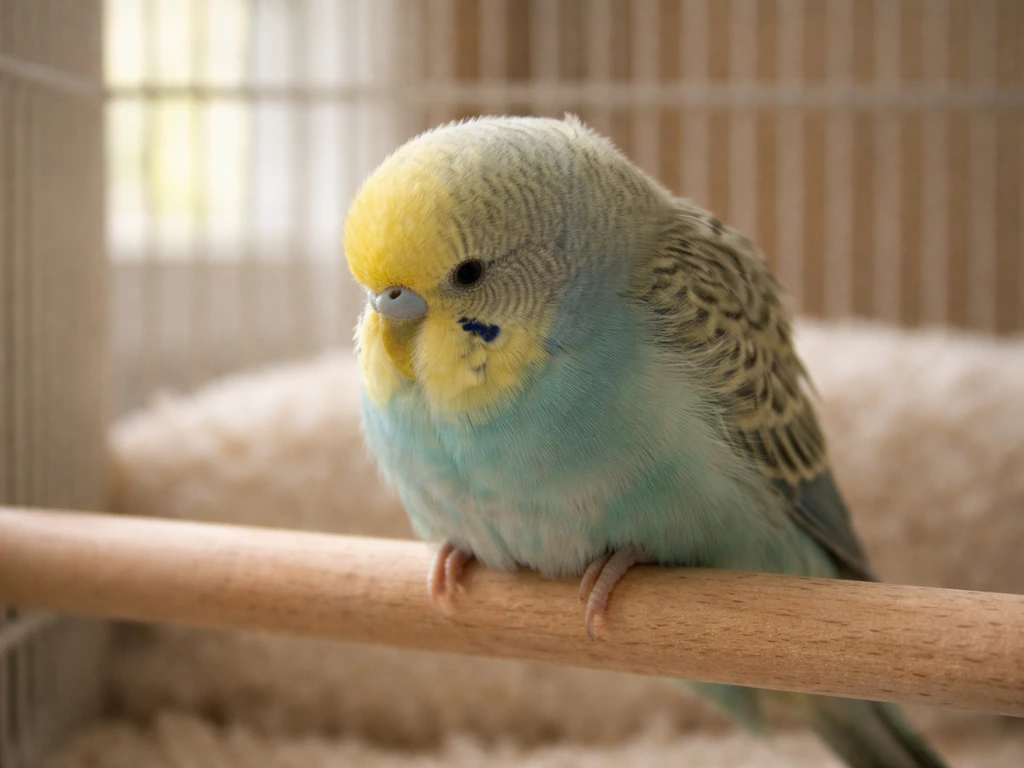
The single most important rule in bird health observation is this: you need to know your bird's normal baseline before you can spot abnormal. Check your bird every day at roughly the same time. Look at posture, droppings, feathers, eyes, nares (nostrils), and activity level. A bird that is suddenly quieter, sitting lower on its perch, or has its feathers fluffed up when it's not cold is telling you something.
A few general red flags show up across almost every type of illness. Lethargy and hiding are at the top of the list. Birds instinctively suppress signs of illness to avoid appearing vulnerable, so visible illness usually means the bird has been sick for longer than it seems. Sudden changes in vocalization, a shift in the way the bird balances on its perch, and any kind of discharge from the eyes, nares, or mouth are all worth taking seriously.
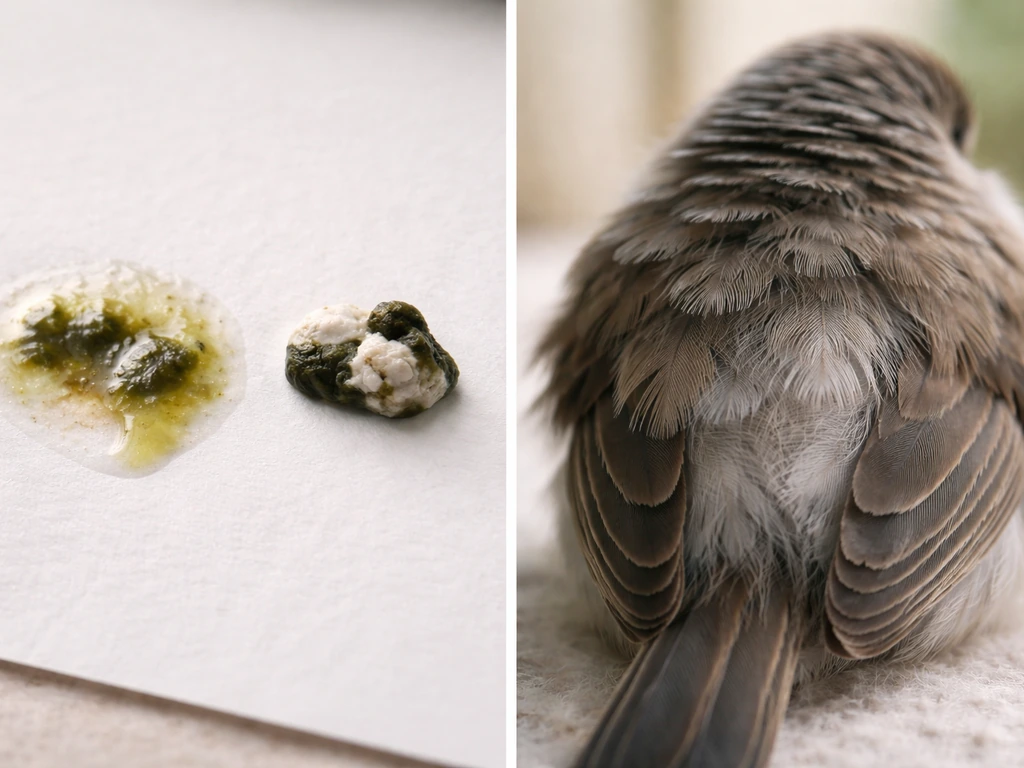
Droppings are one of the most underused diagnostic tools bird owners have. Normal droppings have three parts: a solid dark green or brown fecal portion, white or beige urates, and a small amount of clear liquid urine. Any change from that baseline, including lime-green droppings (which can indicate chlamydiosis/parrot fever), very pale or yellow urates, red or tarry-black feces (which can point to blood and possible heavy-metal poisoning), or a much larger watery component than usual, warrants a closer look and often a vet call.
Daily observation checklist
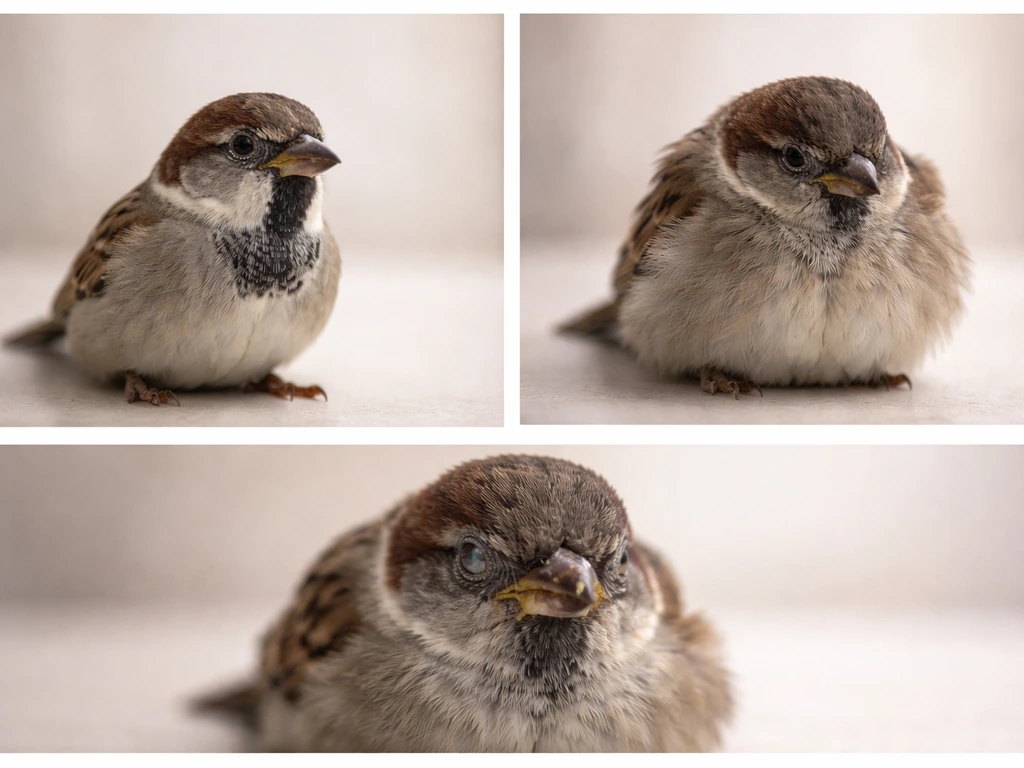
- Posture: is the bird sitting upright and alert, or hunched with feathers fluffed?
- Eyes: clear and bright, or dull, partially closed, or swollen?
- Nares and beak: any discharge, crusting, or swelling around the face?
- Breathing: quiet and even at rest, or visibly labored?
- Droppings: normal color, consistency, and volume for this bird?
- Activity and vocalizations: normal energy and sounds, or noticeably quieter and less active?
- Feathers: smooth and well-groomed, or broken, plucked, or discolored?
- Weight: a gram scale is genuinely useful here; a drop of even a few grams in a small bird can indicate illness
Respiratory problems in birds
Respiratory problems are one of the most urgent categories in bird health, and they deserve extra attention. Birds have a fundamentally different respiratory system from mammals, with air sacs extending into bones and throughout the body, which makes infections and toxic exposures spread quickly and become life-threatening fast.
Signs of respiratory distress
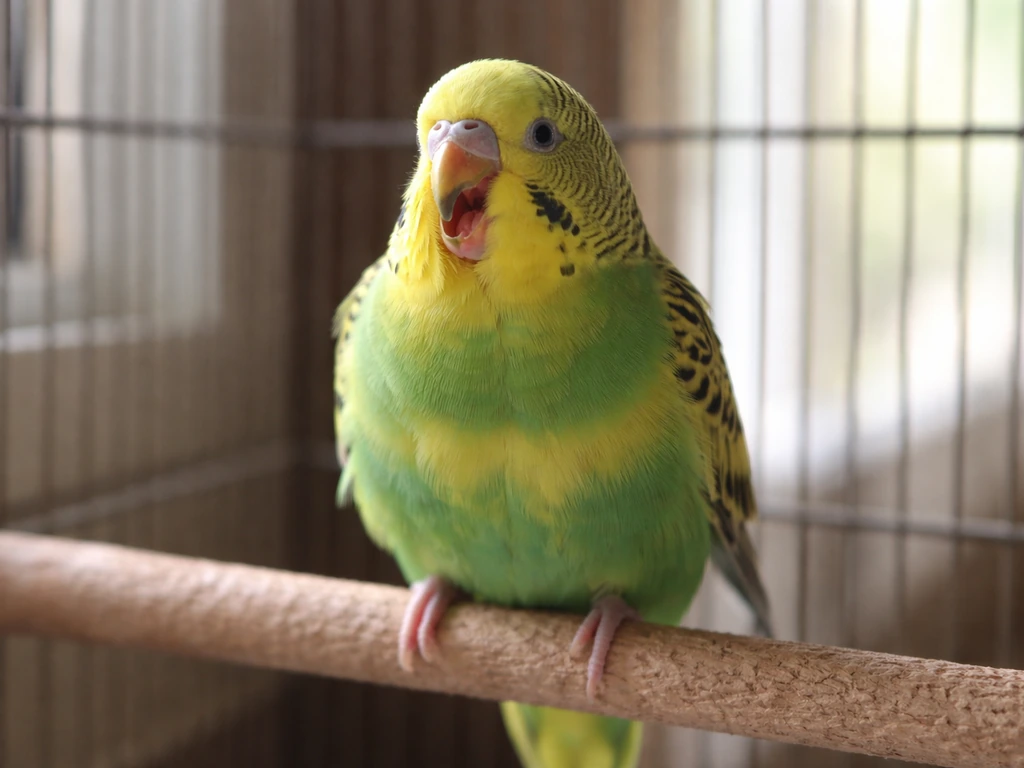
The clearest sign is open-mouth breathing. A bird at rest should breathe with its beak closed. If your bird is breathing with its mouth open, that is an emergency signal. Paired with that, watch for tail bobbing: the tail moving visibly up and down with every single breath means the bird is working hard just to breathe. Other signs include an exaggerated chest/sternal movement, the bird stretching its neck upward, wing flapping or wing pumping while breathing, audible clicking or wheezing sounds, a change in the bird's voice, and a fluffed-up, weak appearance. Any combination of these signs means you should contact an avian vet immediately, not wait.
Likely causes
Respiratory causes range from direct infections (bacterial pneumonia, air sac infections, tracheitis, fungal infections like aspergillosis) to environmental triggers. Birds have extremely sensitive respiratory tracts, and chemical fumes, including gasoline, pesticides, cleaning sprays, scented candles, non-stick cookware fumes (PTFE/Teflon), and even strong perfumes, can cause severe and rapid respiratory distress. Chlamydiosis (parrot fever) is another important cause, especially in birds that have been recently acquired or exposed to new birds. Respiratory signs can also be part of systemic illness affecting other organ systems.
What to do right now
If you suspect a chemical or fume trigger, move the bird immediately to fresh air in a warm, stable environment. Remove any potential aerosol or chemical source. Do not wait to see if the bird improves on its own when open-mouth breathing or tail bobbing is present. Call an avian vet or emergency animal hospital right away. Keep the bird warm (around 80-85°F is a reasonable target for stabilization while you arrange transport) and minimize handling and stress. Do not attempt to give any medications without vet guidance.
Digestive, skin, and feather problems
Digestive issues: what to look for and why it matters
Diarrhea in birds can result from digestive upset, infection (bacterial, fungal, or parasitic), toxin ingestion, stress, or organ disease involving the liver or kidneys. The key distinction is whether it resolves quickly or persists. Ongoing diarrhea, especially combined with low energy, reduced appetite, weight loss, vomiting, blood in droppings, or difficulty perching, needs prompt veterinary attention. When you call the vet, be prepared to describe what the droppings look like: color, consistency, whether there is blood, and how long you have noticed the change.
Crop problems are common and often misread as minor. The crop, located at the base of the neck, should feel full after eating and empty before the next meal. If your bird's crop stays enlarged and full-feeling hours after eating, has a sour odor coming from the mouth, or the bird is regurgitating, those are signs of crop stasis. This can be caused by candidiasis (a yeast infection, especially common in young birds or recently stressed birds), bacterial infections, or physical obstructions. If the crop is very distended, the bird is weak, or breathing seems harder than normal, that combination needs same-day veterinary care.
Skin and feather problems: what to look for
Feather problems are one of the most visible signs of illness but also one of the trickiest to interpret, because they can be caused by everything from behavioral issues to serious infections. Abnormal feather color, broken or ragged feathers, feather plucking or chewing (especially around the chest and legs), bald patches, and feather loss beyond a normal molt are all worth investigating. Leg problems in cockatiels can show up as limping, swelling, or trouble gripping the perch, and they often need a hands-on avian vet exam chest and legs. Check the skin underneath any bald patches: redness, flaking, crusting, or small raised scabs could indicate bacterial or fungal infection, external parasites like mites or lice, or viral conditions like psittacine beak and feather disease.
Fowl pox is worth knowing about: it starts as small scabs that become raised, crusted, and expanded. In advanced cases, birds with fowl pox can also develop respiratory signs, including open-mouth breathing, so it bridges more than one body system. If you see crusty skin lesions alongside breathing changes, mention both to your vet.
- Feather plucking or self-mutilation: behavioral causes are possible but rule out medical causes first
- Bald patches with abnormal skin underneath: suggests infection, parasites, or systemic disease
- Crusty or scabbed lesions on beak, face, or legs: could be mites, pox, or bacterial infection
- Swelling around the face or eyes alongside feather changes: possible infection, needs vet evaluation
Infectious vs. non-infectious: how to narrow the cause safely
Trying to figure out whether a bird's illness is infectious or non-infectious matters because it shapes urgency and the risk to other birds in your home. You cannot confirm a diagnosis at home, and the honest advice here is not to try. But you can use some straightforward questions to guide your thinking before you talk to a vet.
- Has the bird been exposed to any new birds recently? New additions, visits to bird shows, or even secondhand equipment can introduce bacterial and viral infections.
- Has anything changed in the environment? New cleaning products, air fresheners, candles, cooking with non-stick pans, or recent pest treatments are all potential non-infectious, toxic triggers.
- Is more than one bird showing signs? Multiple sick birds at the same time points more strongly toward an infectious cause.
- Is the bird on a changed or poor diet? Nutritional deficiencies can mimic illness signs and are non-infectious but still serious.
- Has there been any physical trauma (flying into windows, cat attack, fall)? This is non-infectious and needs to be ruled out.
- Are droppings showing colors like lime-green (possible chlamydiosis) or red/black (possible heavy-metal toxicity)? These patterns suggest specific causes that need lab testing to confirm.
Even if the cause looks obviously environmental to you, do not delay a vet call when serious symptoms are present. Respiratory disease causes are often multifactorial, meaning there can be more than one thing going on at the same time. Your job is to notice and document, not to diagnose.
At-home first aid and supportive care: what's safe and what's not
The goal of avian first aid is stabilization until you can get your bird to a qualified avian veterinarian, not treatment or diagnosis. That distinction matters a lot, because well-meaning interventions can cause harm if they're done without proper knowledge.
What you can safely do at home
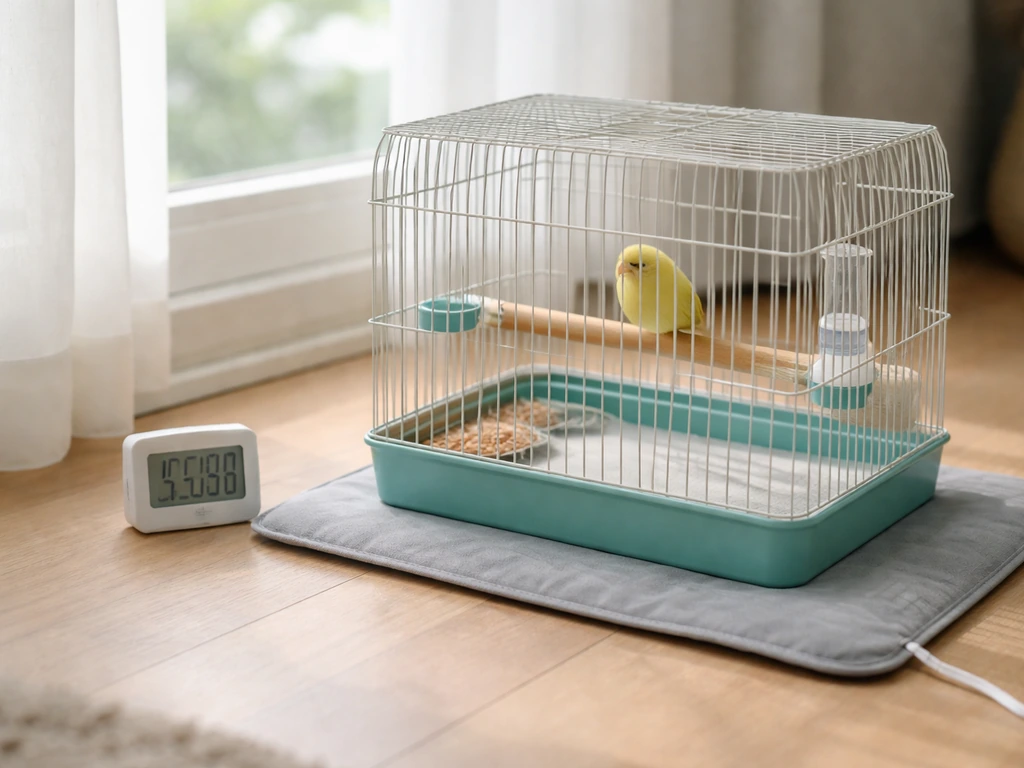
- Keep the bird warm: a sick bird that is fluffed or lethargic benefits from a warm environment around 80-85°F. A heating pad set to low under one side of the cage (not the whole floor) or a heat lamp positioned safely nearby works. Always give the bird an area to move away from the heat.
- Minimize stress: reduce handling, cover part of the cage to reduce visual stimulation, and keep the environment quiet.
- Offer fresh water and familiar food: do not force feed or force water. Make it accessible and let the bird choose.
- Move the bird away from potential toxins: if you suspect fumes or chemicals, fresh air in a warm room is the immediate priority.
- Observe and document: note the timeline of when symptoms started, what changed in food or environment, what the droppings look like, and if possible take a short video showing breathing pattern or behavior.
- Weigh the bird on a gram scale if you have one: a sudden weight drop is an objective indicator of how sick the bird is.
What you must not do
- Do not give any human medications, over-the-counter remedies, or leftover bird medications without direct veterinary guidance. Many human medications are lethal to birds even in tiny doses.
- Do not force food or water into the bird's mouth.
- Do not attempt to splint a suspected broken limb or manipulate an injured wing.
- Do not try to drain a swollen crop or manipulate the crop at home.
- Do not use heating pads at high settings or allow the bird to overheat: birds can go from hypothermic to hyperthermic very quickly.
- Do not expose a sick bird to other birds until the cause is known.
When to see an avian vet urgently
Some situations do not allow for a wait-and-see approach. If your bird shows any of the following signs, contact an avian vet or emergency animal hospital immediately. Do not wait overnight.
- Open-mouth breathing or tail bobbing with every breath
- Audible breathing sounds: wheezing, clicking, or gurgling
- Wing pumping or neck stretching while breathing
- Cyanosis (bluish or very pale coloring around the beak or skin)
- Complete inability to perch or stand
- Seizures, uncoordinated movement, or sudden collapse
- Obvious trauma (impact with window, attack by another animal, fall from height)
- Known or suspected toxin ingestion or fume exposure
- Very distended or sour-smelling crop with weakness
- Bloody droppings or droppings that are very dark or tarry
- The bird has not eaten or drunk anything in 24 hours
- Sudden dramatic change in behavior or loss of consciousness
What to bring and what to tell the vet
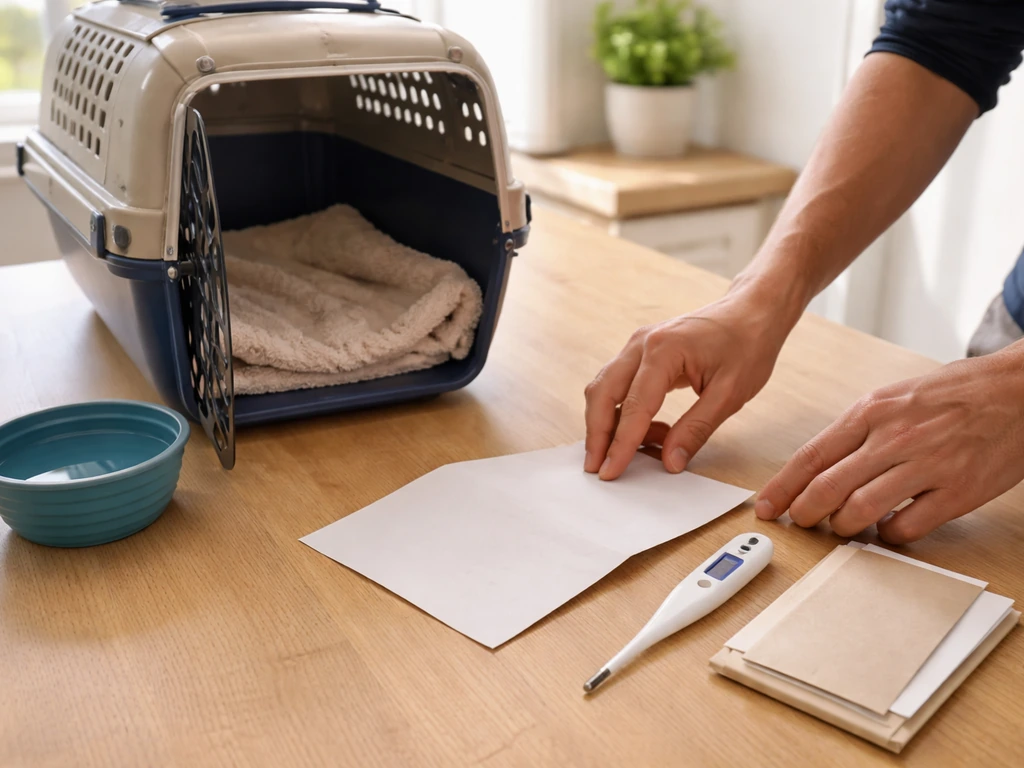
Going in prepared makes the appointment faster and more useful.
Before you go or when you call, have this information ready: when symptoms first appeared and how they have progressed, the bird's normal diet and any recent changes to it, any environmental changes (new products, recent cleaning, new foods, other animals), the bird's normal weight if you have it, any current medications, and a sample of the most recent droppings if possible (a fresh one in a clean container or a paper towel). If your cockatiel is showing sickness signs, prioritize the same kind of documentation so the vet can narrow the likely cause faster cockatiel bird sick symptoms.
A short video showing the bird's breathing or behavior is often more useful than a verbal description. Keep your avian vet's number and the nearest emergency animal hospital's number saved in your phone now, before you need them. Having the bird's baseline weight and a brief health history already written down can shave critical time off a triage call.
If you are also managing a canary or a cockatiel alongside other species, it is worth noting that individual species have their own vulnerability patterns. Canary bird sick symptoms are often subtle at first, so watch closely for breathing, droppings, and activity changes. Canaries are particularly sensitive to air quality and respiratory irritants. For canary bird health problems, air quality and respiratory irritants are a common trigger, so monitor closely and act quickly if you see distress.
Cockatiels have their own set of common health patterns worth knowing in depth. Common cockatiel bird sick symptoms often start as subtle behavior changes, but they can quickly progress into respiratory or digestive distress. Cockatiels also have their own common health patterns, so learning what to watch for can make early detection much more likely. For example, canary birds can also show health problems like respiratory distress, digestive changes, or feather abnormalities, so watch for those patterns early canary bird health problems. The observation principles here apply across species, but species-specific detail helps you ask better questions when you do reach your vet.
FAQ
Is open-mouth breathing always an emergency, even if the bird seems alert otherwise?
Yes. If you see open-mouth breathing, tail bobbing with every breath, or the bird is otherwise struggling to breathe, treat it as an emergency even if you cannot identify the cause. For stabilization, keep the bird warm in a calm area, remove the bird from any possible fumes immediately, and arrange an avian vet or emergency visit right away, do not try home “breathing treatments” or give antibiotics without guidance.
How can I tell if “fluffed feathers” is just cold versus a bird health problem? (What should I check first?)
In birds, a fluffed posture can mean illness, but it can also be a response to cold. Use context: if the bird is fluffed while it is in a warm environment, is quieter than normal, sits lower on the perch, has abnormal droppings, or shows eye or nares discharge, assume it is abnormal. If only a single mild behavior change occurs and the environment is confirmed warm, recheck on a short interval, but respiratory red flags still override any wait time.
If I cannot collect a droppings sample, what should I track to help a vet decide quickly?
Fresh droppings are most useful, but you can still monitor accurately if you cannot collect a sample. Track what you see in the cage or liner at the same time each day, note color and consistency changes (especially urates becoming very pale or yellow, or watery volume increasing), and photograph the droppings if possible. When you call the vet, report onset timing and any changes in appetite, energy, or breathing.
My bird spits up food, is that always crop stasis or could it be something else?
Regurgitation and vomiting are easy to confuse. Regurgitation typically looks like undigested food or a wet, recent meal coming back without the same forceful “vomit” pattern, and it often overlaps with crop stasis concerns. If the crop stays enlarged for hours, there is a sour odor, or the bird appears weak or has breathing difficulty, do not treat it as normal overeating. Arrange same-day avian care if the crop is distended or the bird looks unwell.
When should I stop treating mild symptoms as “maybe it will pass” and instead assume higher risk?
Yes, several situations increase risk even if symptoms look mild at first. Newly acquired birds or birds exposed to new flock members raise the odds of contagious respiratory disease, and household fume exposures can cause rapid respiratory decline. Also, birds that stop eating are more likely to worsen quickly, because nutrition and hydration are crucial for recovery.
What is the safest way to prepare for transport if my bird might need emergency care?
Do it carefully. Use a clean, quiet transport setup, minimize handling, and keep the environment warm and stable for stabilization. Avoid forcing the bird to eat or drink, do not attempt medications or “home remedies,” and do not scrub or apply topical products to unknown skin lesions unless a vet tells you to. If breathing is compromised, prioritize airflow and immediate vet triage.
How do I decide whether my bird’s bird health problems are likely infectious or environmental when I cannot diagnose?
Yes. Birds often mask illness, but some patterns still help. Rapid onset after a specific event (new cleaning product, scented item, aerosol, non-stick cookware use, new bird exposure) points toward environmental or infectious triggers, while gradual changes over days with appetite drop or weight loss points toward systemic disease. If you see changes in droppings plus any respiratory signs, assume the problem may not be isolated to one body system.
What should I do if I only notice tail bobbing, but no open-mouth breathing yet?
Tail bobbing is a particularly strong indicator because it suggests respiratory effort. If you notice it, treat it as urgent, especially when paired with open-mouth breathing, audible sounds, or voice changes. Even if the bird is not collapsing, do not “monitor overnight,” move to fresh air, keep it warm, and call an avian vet or emergency hospital immediately.
Can I give leftover antibiotics or any home medicine while waiting for an avian vet?
Do not. Guessing dosing, using human medications, or giving antibiotics without confirmation can worsen outcomes, delay correct care, or mask symptoms the vet needs to see. For any suspected respiratory distress, crop stasis, or toxin exposure, stabilization and immediate veterinary contact are the priority. If you already gave something, tell the vet exactly what, how much, and when.
If I have more than one bird, should I isolate the sick one right away, and what else should I change?
If you manage multiple species, assume higher cross-contamination risk when symptoms appear after shared air or shared handling items. Separate the sick bird from other birds, use dedicated towels and tools for each bird, and wash hands thoroughly between cages. Because some respiratory illnesses spread quickly and birds hide symptoms, treat any respiratory or sudden droppings change in one bird as a potential whole-room issue.
Next Article
Bird Trauma Symptoms: Signs, Triage, and First Aid Steps
Recognize bird trauma symptoms, triage urgency, and give safe first aid for bleeding, fractures, head injuries, and shoc