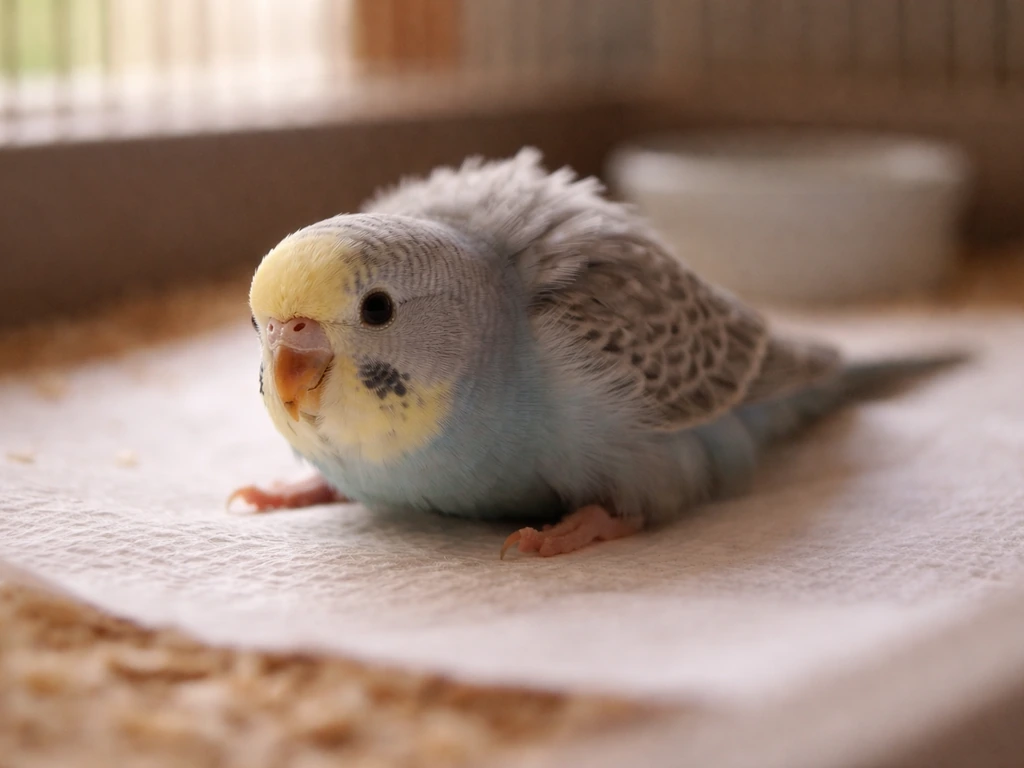
When bird owners search for 'bird egg syndrome symptoms,' they're almost always describing the signs of egg binding, also called dystocia. This is when a female bird cannot pass an egg naturally, and it is a genuine medical emergency. The most important symptoms to watch for are: sitting on the cage bottom, weakness or inability to perch, a visibly swollen abdomen, straining without producing anything, tail bobbing, and labored or open-mouth breathing.
Bird-Egg Syndrome Symptoms: Warning Signs in Birds

Marcus Webb
4 May 2026
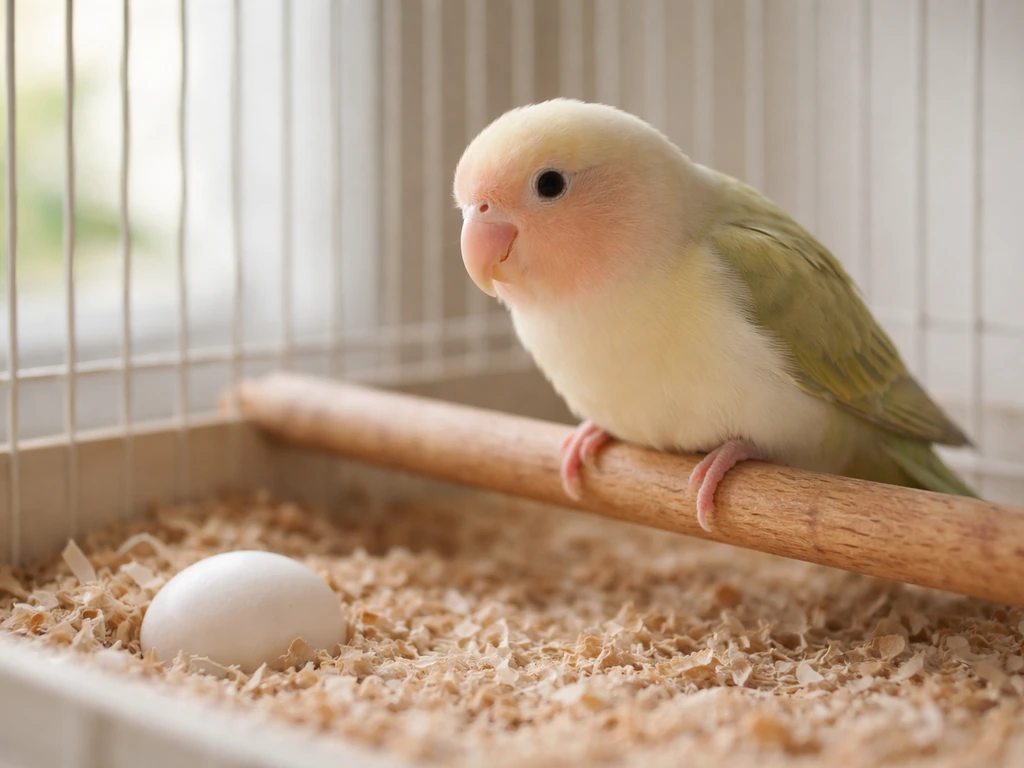
Watch for breathing difficulty, weakness, tail bobbing, and a swollen abdomen, because young bird sickness symptoms can also overlap with reproductive distress and require urgent vet assessment. If you want to compare what you are seeing to bird pregnancy symptoms, focus on breathing changes and weakness first symptoms to watch for.
If you are seeing these symptoms in a young pigeon, the same urgent evaluation for egg binding or other reproductive problems is important symptoms of young bird sickness in pigeons. If your bird is showing any combination of these signs and she is reproductive-age, do not wait to see if she improves on her own.
What 'bird egg syndrome' actually means
'Bird egg syndrome' is not a formal clinical diagnosis. It's a caretaker phrase that typically refers to egg binding (dystocia), where an egg gets stuck and the bird cannot expel it. Clinically, the condition involves an egg that is delayed or retained somewhere in the reproductive tract, whether at the shell gland, in the oviduct, or near the vent.
The term can also serve as an umbrella for a cluster of related reproductive problems that look similar from the outside. These include impacted oviduct (where multiple eggs or material builds up and blocks passage), egg yolk peritonitis (yolk leaking into the body cavity and causing serious inflammation), and cloacal prolapse. Each of these is a distinct diagnosis, but at home they can all look a lot alike, which is exactly why prompt veterinary evaluation matters.
The mechanics behind egg binding vary. Sometimes the egg is simply too large (for example, a double-yolked egg in a poultry hen). Other times the bird has low calcium (hypocalcemia), which weakens the muscles needed to push the egg through. Trauma to the vent, vitamin A deficiency, oviductal disease, or even being a first-time layer can all contribute. Understanding that there are multiple possible causes is useful because it shapes the information your vet will need from you.
Core symptoms you can spot at home
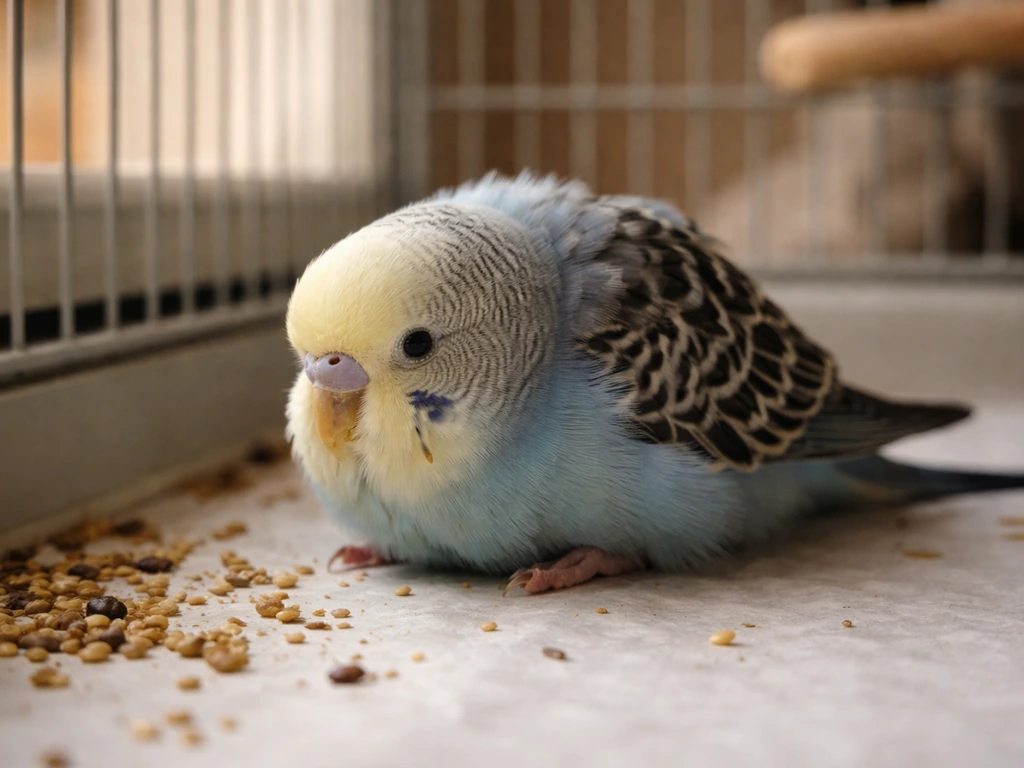
These are the signs most consistently described across clinical references for egg binding in pet birds. You do not need to see all of them for the situation to be serious. Even two or three of these together in a reproductive-age hen warrants urgent attention.
- Sitting on the cage bottom or the floor of the enclosure instead of on a perch
- Weakness, lethargy, or appearing puffed up and hunched
- Visible swelling or distension of the lower abdomen
- Straining, with repeated pushing motions and nothing passing
- Bloody droppings or droppings that look abnormal in color and volume
- Decreased droppings overall, or alternatively very voluminous, watery droppings
- Tissue visibly protruding from the vent (this is a serious emergency sign)
- Abruptly stopping egg production after an active laying period
- Tail bobbing, which indicates labored breathing
- Open-mouth breathing, especially in more advanced cases
A note on droppings: changes in droppings are often the first thing caretakers notice. When the reproductive tract is obstructed, the bird may strain and produce very little, or droppings may look entirely different from normal. Bloody droppings in an egg-laying bird should always be taken seriously.
Behavior and reproductive signs to watch for
Behavioral changes often come before the more obvious physical symptoms. A bird approaching egg binding may become unusually restless, spend time hiding or sitting in corners, or lose interest in food and interaction. These are subtle but real warning signs.
On the reproductive side, the timing clue that stands out is an abrupt stop in laying. If a bird has been laying regularly and then suddenly produces nothing for more than a day or two while acting unwell, that pattern is a red flag. A healthy hen slows laying gradually. A stuck egg tends to stop things entirely.
Some birds will show hormone-driven behaviors before egg binding becomes a crisis: shredding paper, seeking out dark enclosed spaces, adopting a squatting posture, or rubbing the vent area. These behaviors signal an active reproductive cycle and mean you should be watching the bird more closely than usual. If hormonal nesting behavior was present and then the bird suddenly becomes quiet, weak, and stops moving around normally, that shift is significant.
It is worth noting that abnormal posture and positioning, such as sleeping on and off during the day, sitting low on a perch, or holding one leg differently, can all be part of the clinical picture in egg-related reproductive problems. These are easy to overlook individually but meaningful when combined with other signs.
When it is an emergency: red flags that mean act now
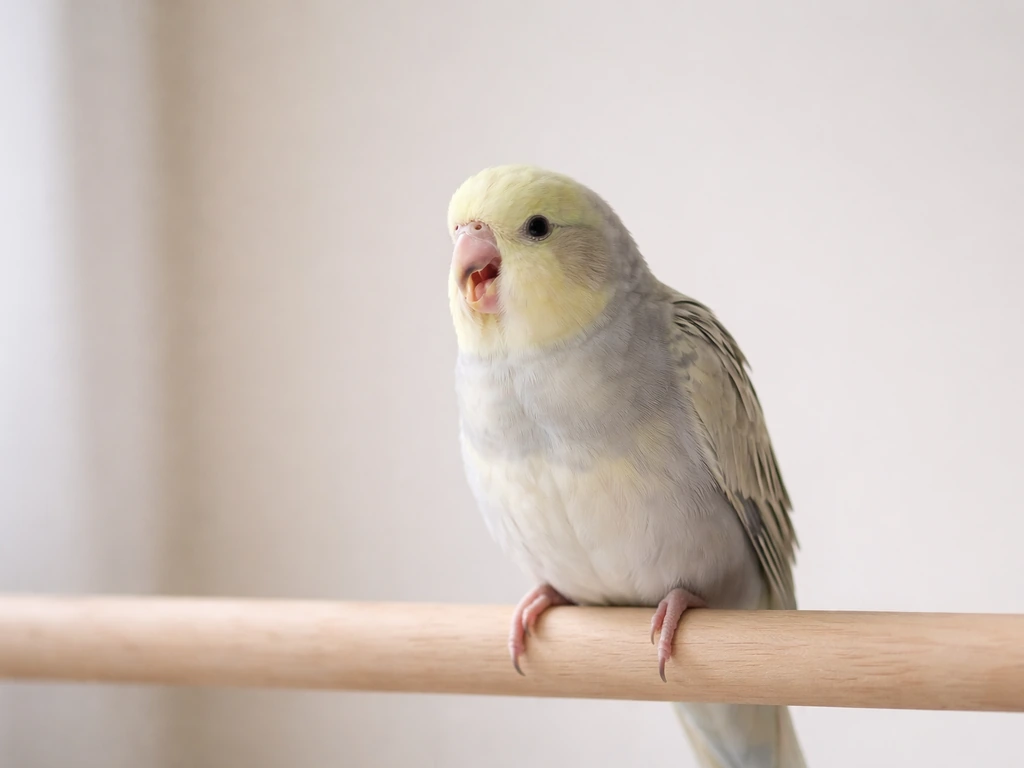
Some symptoms move this situation from 'call your vet today' to 'go now.' If your bird is showing any of the following, do not delay:
- Open-mouth breathing or labored breathing at rest
- Pronounced tail bobbing (the tail pumps up and down with each breath)
- Blue or very pale tissue color around the vent or beak
- Tissue or mass protruding from the vent
- Collapse or inability to hold herself upright
- Seizure or tremoring
- No egg produced after 24 to 48 hours of visible straining or obvious laying behavior
- Paralysis or severe weakness in the legs
Respiratory compromise is particularly alarming. When a retained egg presses against internal structures, it can compromise breathing. A bird that is blank" rel="noopener noreferrer">open-mouth breathing and tail bobbing is working hard just to get air, and that is a crisis. Egg binding can lead to death if untreated, and the prognosis gets worse the longer the egg has been stuck. This is not a condition to watch for a few days.
How to check your bird safely while waiting for the vet
There are a handful of safe, low-risk things you can observe and do at home while arranging emergency veterinary care. The key word there is 'while arranging.' Home monitoring is not a substitute for a vet visit.
- Look without handling first. Observe posture, breathing rate, and whether the bird is on the perch or the floor. Note whether the abdomen looks visibly swollen or rounded.
- Check the vent area visually from a short distance. Look for any tissue protrusion, discharge, blood, or a visible egg pressing outward. Do not attempt to push or pull anything.
- Assess breathing. Watch for tail bobbing, open-mouth breathing, or any clicking sounds. Count how many breaths per minute if you can (normal ranges vary by species, but rapid or labored breathing is abnormal).
- Note droppings. Are there any? Are they bloody, unusually watery, or absent? This information is valuable for the vet.
- Keep the bird warm. A warm, humid environment (around 85 to 90 degrees Fahrenheit) can sometimes help ease muscle contractions. A simple approach is placing the bird in a container near a bowl of warm water, or near a warm-mist humidifier. Do not use a heat lamp directly on the bird.
- Do not attempt to manually extract or push an egg. This risks rupturing the egg inside the bird, which can be fatal.
- Do not give calcium supplements or medications without veterinary guidance, even though calcium is part of the clinical treatment. Dosing matters and giving it incorrectly can cause harm.
One important practical point: you might try to feel for an egg by gently palpating the abdomen, and you may feel nothing. That does not rule out egg binding. Clinical references confirm that even trained veterinarians using palpation can miss eggs, especially soft-shelled or broken ones. Imaging (x-ray or ultrasound) is what actually confirms it.
Conditions that can look just like egg-related symptoms
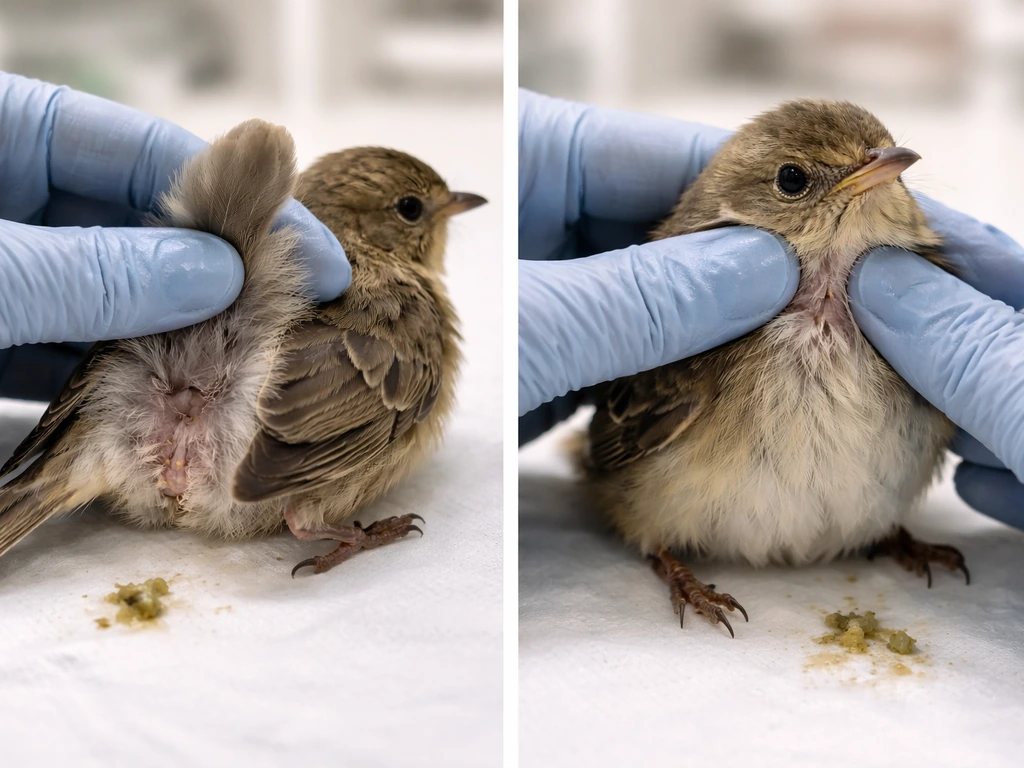
The tricky part about egg-related symptoms is that several other serious bird illnesses produce an almost identical picture. This is not a reason to assume the best. It is a reason to get a proper diagnosis rather than guessing.
| Condition | Overlapping symptoms | Key differences to note |
|---|---|---|
| Egg binding (dystocia) | Floor-sitting, weakness, swollen abdomen, straining, tail bobbing | Active or recently active laying history; egg may be palpable or visible at vent |
| Egg yolk peritonitis | Abdominal distention, weakness, labored breathing, lethargy | May not have had recent laying behavior; abdomen often fluid-filled rather than firm; can occur in non-laying birds |
| Impacted oviduct | Straining, swollen abdomen, no egg production | May involve multiple retained eggs or debris; more chronic in progression |
| Cloacal prolapse | Tissue protruding from vent | Visible prolapsed tissue is the defining sign; may or may not be egg-related |
| Respiratory illness | Labored breathing, weakness, tail bobbing, puffed up appearance | Usually no abdominal swelling or straining; not reproductive-age specific; affects both sexes equally |
| Ascites (fluid accumulation) | Swollen abdomen, weakness, labored breathing | Abdomen feels fluid-like and fluctuant, not firm; multiple causes including cardiac or liver disease |
Egg yolk peritonitis in particular can be easy to confuse with egg binding at home because both can cause abdominal swelling and depression. But peritonitis is an inflammatory condition where yolk material leaks into the body cavity, and it may occur in birds that are not in an active laying cycle. It requires different treatment. This is another reason why VCA's recommendation holds up: treat any combination of these signs as an egg-related emergency until a vet rules out other causes.
If you are also thinking about related topics like egg-bound bird symptoms more broadly, or reproductive symptoms during a bird's laying period, the overlap between those situations and what is described here is significant. The symptom clusters share a lot of common ground, and the urgency threshold is similar across all of them.
What to do next: vet visit prep and what to tell them
When you call or arrive at an avian vet, the more information you can give them immediately, the faster they can help your bird. Here is what to prepare:
- Species, age, and sex of the bird
- When she last laid a normal egg, and whether laying has been regular recently
- How long current symptoms have been present and whether they are getting worse
- Whether you have seen her straining, and for how long
- What her droppings look like now versus normal (bloody, absent, watery)
- Whether any tissue is protruding from the vent
- Her diet, including whether she receives calcium-rich foods and vitamin supplements
- Whether this is her first laying season or if she has had egg-related issues before
- Any medications or home treatments you have already tried
The vet will likely do a physical exam, which may include palpating the abdomen for a firm egg-shaped mass. Expect imaging: x-ray is the standard first step to identify a shelled egg, its size, and position. If a soft-shelled or broken egg is suspected, ultrasound may be used instead or in addition. Blood work (CBC and serum chemistry panel) may also be recommended to check calcium levels, look for signs of infection, and assess organ function, especially if the bird has been symptomatic for a while.
Treatment options the vet may discuss include warm, humid supportive care, calcium and fluid supplementation, hormone therapy to stimulate contractions, lubrication, or in more serious cases, manual removal or surgery. The treatment path depends heavily on where the egg is, whether it is intact, and how long it has been retained. This is all the more reason to go early rather than waiting to see if things resolve on their own.
If you have been wondering whether your bird might just be showing normal pregnancy-like or pre-laying behaviors rather than something serious, it can be genuinely hard to tell from the outside. Pregnant bird symptoms like those seen with egg binding should be evaluated by an avian vet as soon as possible, because waiting can make complications worse.
The safest approach is always to err on the side of calling your avian vet when multiple symptoms appear together, especially weakness, floor-sitting, and any change in breathing. If you are dealing with a young pigeon and suspect a related “young bird” illness, ask your avian vet specifically about how to cure young bird sickness in pigeons, because the cause and treatment can differ from egg-binding.
Birds hide illness well, and by the time the signs are obvious, the window for easy treatment is often already narrowing.
FAQ
Is “bird-egg syndrome symptoms” the same thing as a formal diagnosis like egg binding?
No. “Bird-egg syndrome” is a caretaker description, not a diagnosis. If your bird is reproductive age and is straining, sitting low, weak, or breathing with effort, assume a retained egg or another reproductive emergency and get an avian vet to confirm with imaging (x-ray or ultrasound).
I tried to feel for an egg and felt nothing, does that mean it is not egg binding?
If you cannot feel an egg during careful, gentle handling, it still does not rule out egg binding. Soft-shelled, broken, or positioned eggs can be missed even by trained clinicians, so imaging is the decision-maker.
What should I avoid doing at home if I suspect bird egg syndrome symptoms?
Do not try home force-feeding, pulling, or inserting anything into the vent. Also avoid giving OTC pain meds or hormones without a vet’s direction, because dehydration, calcium imbalance, and other reproductive conditions can worsen without appropriate dosing and support.
How do I interpret a sudden stop in laying when I’m watching for bird-egg syndrome symptoms?
A sudden stop in laying plus illness can be more concerning than gradual reduction. If your bird was producing normally and then stops entirely for more than a day or two while looking unwell, treat it as urgent rather than “maybe she just skipped a cycle.”
If my bird only shows one or two symptoms, when does it become an emergency?
Watch the pattern, not just one moment. If the bird is floor-sitting or tail bobbing repeatedly, straining without output, and showing any breathing difficulty, it is safer to seek emergency care the same day rather than waiting for a full 24 to 48 hours.
Can young-bird or other illness symptoms look like bird-egg syndrome symptoms?
Yes, but it helps to prioritize. Breathing changes (open-mouth breathing, tail bobbing, labored breathing) and overall weakness are the highest-risk overlap points. If those are present, assume a retained egg or another internal complication until the vet rules out the cause.
Are bloody droppings ever “normal,” or are they always a concern with egg-related symptoms?
Bloody droppings, especially in a laying bird, should be treated as a red-flag complication. It can signal trauma, an inflammatory reproductive condition, or tissue injury, and it warrants immediate avian vet assessment.
My bird has been acting hormonal, does that mean it is safe as long as she is eating?
Behavior can be an early clue. Restlessness, hiding, unusual squatting, shredding paper, or vent-focused rubbing can precede the crisis, so if these behaviors appear and then the bird becomes quiet, weak, and stops moving normally, escalate care promptly.
Is there anything low-risk I can do at home while waiting for the vet?
Temperature, humidity, and hydration support may be used only while you are arranging emergency care, but they do not replace diagnosis. Treat supportive measures as a bridge, not a cure, especially if breathing effort or inability to perch is present.
What information should I gather before calling an avian vet for bird egg syndrome symptoms?
Do. Write down when symptoms started, whether she has been laying, the last normal droppings you saw, any changes in breathing posture, and any history of calcium supplements, prior egg problems, or vitamin deficiencies. Bring that timeline when you call the clinic.
If the symptoms look like egg binding, can a vet still diagnose a different reproductive problem?
Yes. Egg yolk peritonitis and other reproductive problems can mimic egg binding externally, and treatment differs. A vet may use imaging plus blood work (for example, calcium level checks and infection markers) to separate these conditions.
I suspect a reproductive-type problem in a young pigeon, should I handle it differently than adult hens?
If your bird is not yet fully mature or is a young pigeon, the safest approach is to ask the avian vet what young-bird illness may be possible, because the causes and treatments can differ. Use the same urgency triggers, especially breathing difficulty, marked weakness, and floor-sitting.
Next Article
Egg Bound Bird Symptoms: Signs, Causes, and What to Do Now
Learn egg bound bird symptoms, causes, and safe next steps, plus when it needs urgent avian vet care.