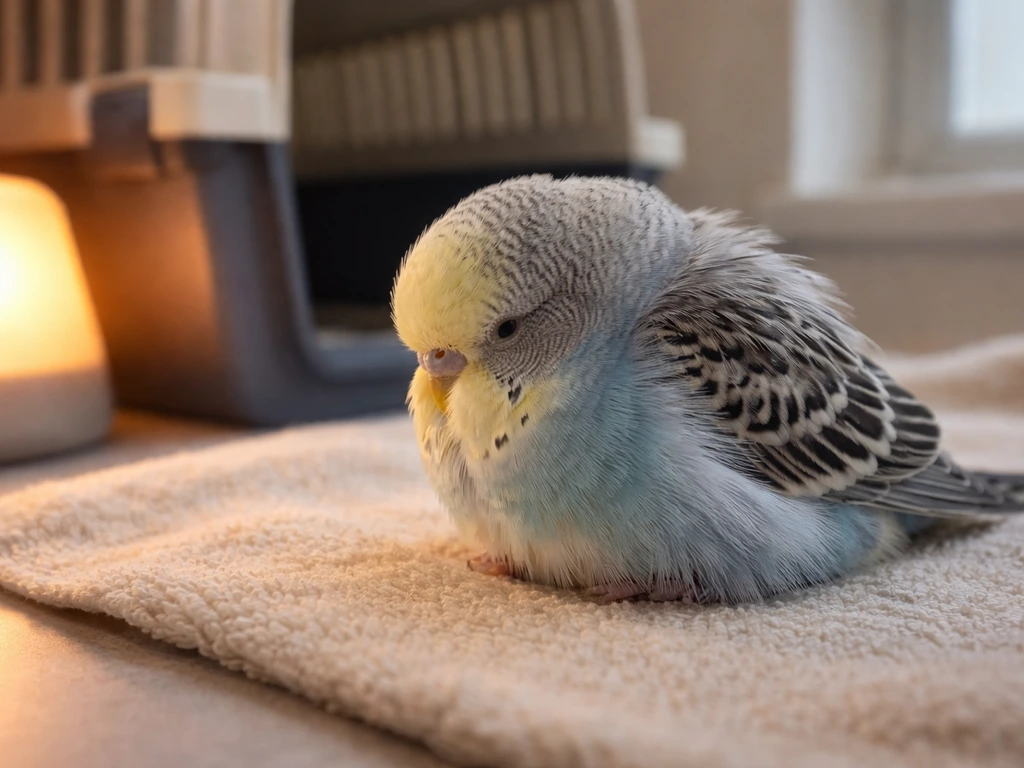
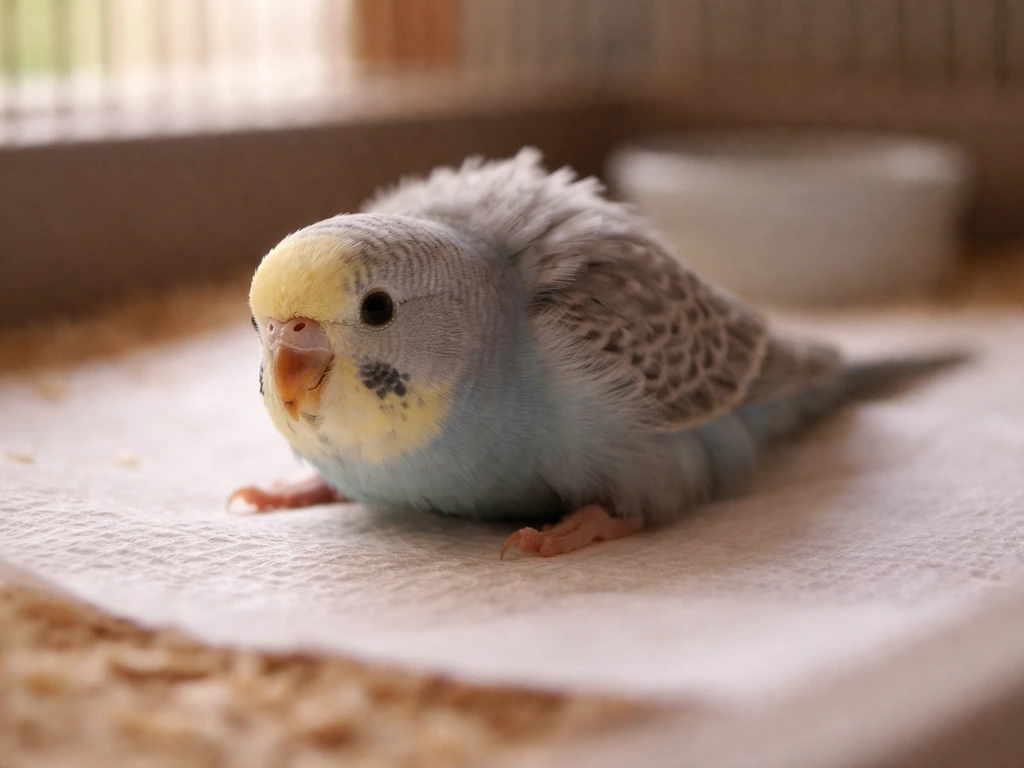
An egg bound bird is one where an egg has become stuck in the oviduct and can't pass on its own. The most common signs are a bird sitting on the bottom of the cage looking fluffed and lethargic, straining near the vent without producing anything, a visibly swollen or distended abdomen, and a bobbing tail. This is a genuine emergency. Without treatment, egg binding can be fatal within 24 to 48 hours, sometimes faster if the bird goes into shock.
Egg Bound Bird Symptoms: Signs, Causes, and What to Do Now

Marcus Webb
3 May 2026
What egg binding is and why it's urgent
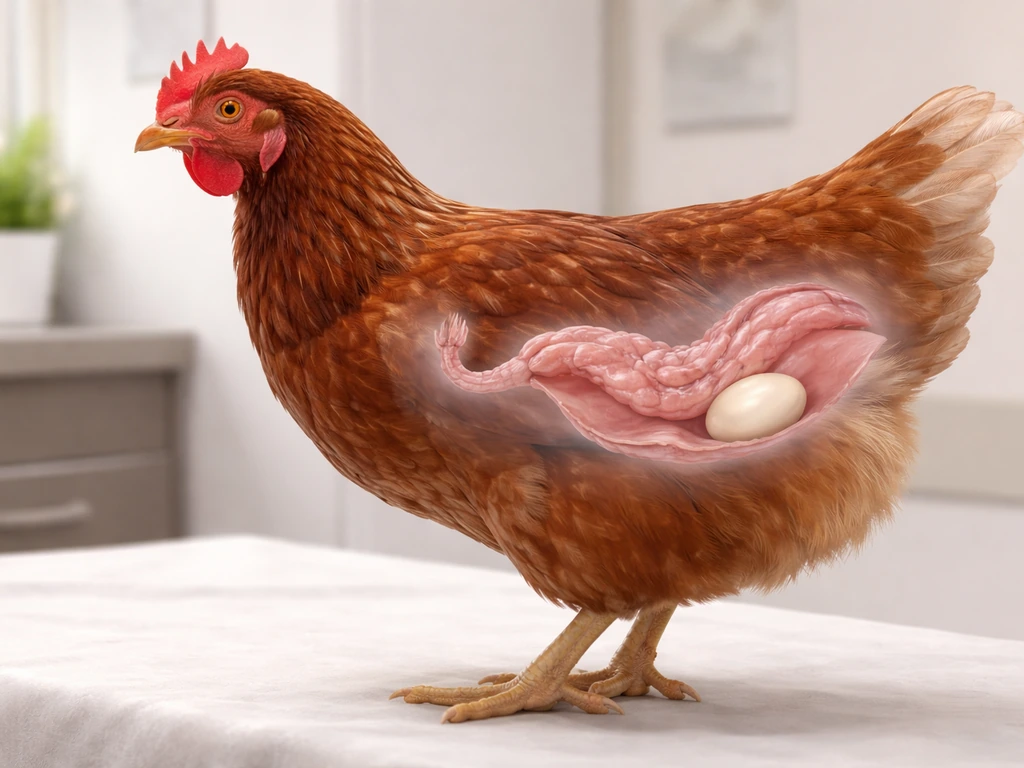
Egg binding (medically called dystocia) happens when an egg gets lodged somewhere in the reproductive tract, most often in the shell gland or vagina, and the bird can't expel it through normal oviposition. This is different from a bird simply taking longer than usual to lay. The egg is physically stuck, and the longer it stays there, the more damage it can do.
The reason this becomes life-threatening so quickly is pressure. A retained egg presses against major blood vessels, the kidneys, and the nerves supplying the legs. It can also cause cloacal prolapse, infection, oviduct rupture, or internal bleeding if the egg breaks inside the bird. Birds are also prone to going into shock when they're in serious distress, which is why a 2025 veterinary journal paper describes egg binding as potentially fatal if not treated promptly.
The prognosis is actually fair to good when treatment happens quickly, so the urgency isn't meant to panic you. It's meant to make sure you don't wait it out hoping she'll work through it on her own.
Egg bound bird symptoms to watch for
Symptoms can range from subtle early signs to full-blown emergency presentation. If you think your bird might be having bird pregnancy symptoms, use the signs above as a quick screening and contact an avian vet right away if anything seems off egg binding. Common young bird sickness symptoms can sometimes look similar to egg binding, so it helps to know what to watch for and when to treat it as an emergency. The tricky part is that birds hide illness well, so by the time you clearly notice something is wrong, the situation may already be serious. In young pigeons, the symptoms of young bird sickness in pigeons can look like subtle lethargy before they worsen quickly.
Behavioral signs
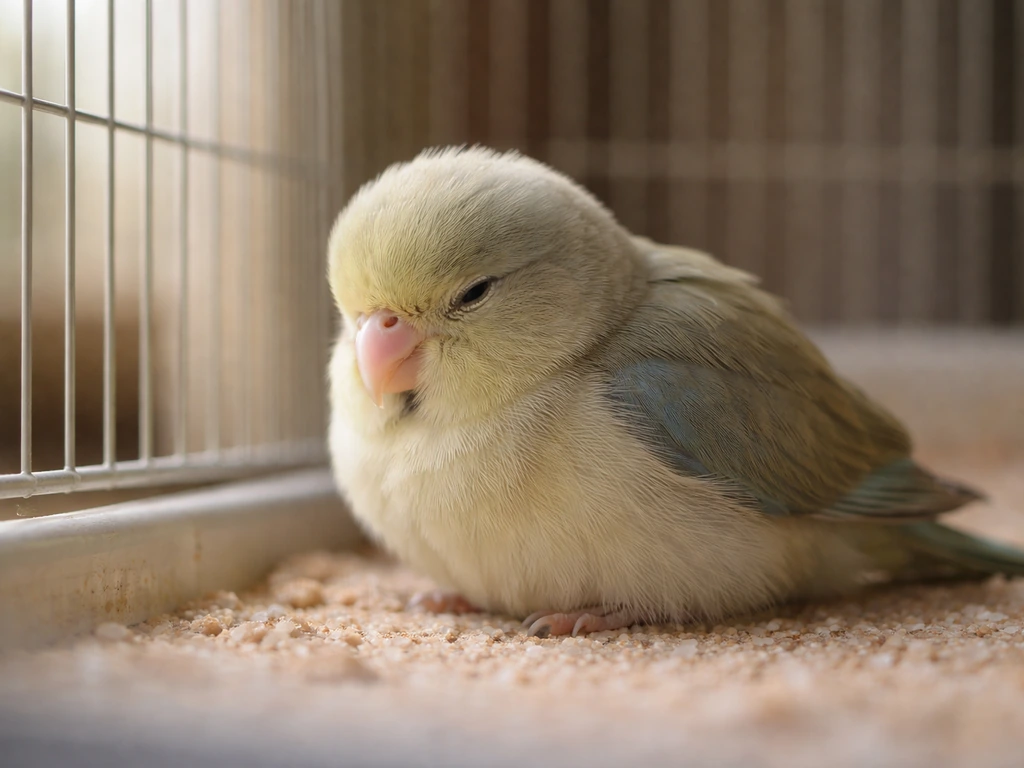
- Sitting on the cage floor or at the bottom of the enclosure (one of the most telling signs in any sick bird)
- Looking fluffed up, hunched, or unusually still
- Eyes closed or half-closed during the day when the bird would normally be active
- Depression or unresponsiveness to things that normally get a reaction
- Straining repeatedly near the vent or cloaca without producing droppings, urates, or an egg
- Loss of interest in food or water
- Unusual restlessness or moving in and out of the nest box repeatedly
Physical signs
- Tail bobbing, which is a rhythmic up-and-down tail movement that happens as the bird strains abdominally
- Visibly distended or swollen abdomen, sometimes firm to the touch
- A swollen, pasted, or reddened vent area
- Difficulty breathing, open-mouth breathing, or increased sternal (chest) movement
- Weakness or wobbling, especially in the legs (pressure from the egg on pelvic nerves can cause partial paralysis)
- In some cases, a visible or palpable egg-shaped mass in the lower abdomen
The tail bob is worth paying close attention to. It's not the same as normal breathing movement. When a bird is straining against a retained egg, the tail pumps noticeably with each abdominal effort. Combined with any other sign on this list, it's a strong indicator something is seriously wrong.
Smaller birds like budgerigars, cockatiels, lovebirds, and canaries tend to deteriorate faster than larger parrots, so if you have a small bird showing even two or three of these signs and she's been in or near a nest, don't wait to see if she improves.
How to tell egg binding apart from other common issues
This is one of the hardest parts. Egg binding shares symptoms with several other conditions, and you genuinely cannot diagnose it with certainty just by looking at the bird. SpectrumCare's avian team makes this point clearly: the signs overlap too much to rely on appearance alone. That said, you can use context and symptom patterns to make a reasonable judgment about urgency.
| Condition | Shared symptoms with egg binding | Key differences |
|---|---|---|
| Egg binding | Straining, lethargy, tail bob, distended abdomen, floor-sitting | Context: active layer or breeding season; may feel a firm mass low in abdomen |
| Cloacal prolapse | Straining, tissue at vent, distress | Visible reddish tissue protruding from the vent (not just swelling) |
| Constipation / fecal retention | Straining, lethargy, reduced droppings | No egg-laying history; no abdominal mass; fecal obstruction may be palpable higher |
| Egg yolk peritonitis | Lethargy, swollen abdomen, distress | Often follows a laying history; abdomen may feel fluid-filled rather than firm |
| Impacted oviduct | Similar presentation to egg binding | May involve accumulated material, mummified eggs; needs imaging to differentiate |
| Reproductive tract tumor or mass | Straining, distension, weakness | No recent egg-laying activity; chronic presentation rather than acute onset |
The clearest contextual clues that point toward egg binding: the bird is female (or at least suspected female), she's been showing nesting behavior, she's in breeding condition or has laid eggs before, and the onset was relatively sudden. If she's been declining slowly over weeks, something else may be going on. That said, even if you're not sure, straining plus floor-sitting in a female bird during laying season is a vet call, not a wait-and-see situation. If you’re seeing symptoms like floor-sitting in a laying hen or companion bird, it can help to look up pregnant bird symptoms as a quick starting point.
It's also worth noting that some conditions related to egg laying, like egg yolk peritonitis, can follow egg binding or happen alongside it. If you're reading about bird-egg syndrome symptoms in connection with this, those presentations can overlap in complex ways that make professional diagnosis even more important. If you are seeing bird-egg syndrome symptoms, keep in mind that the presentation can overlap with other laying-related problems, so professional diagnosis matters.
Common risk factors and why symptoms show up
Understanding why egg binding happens helps you make sense of the symptoms and know whether your bird fits a higher-risk profile.
Nutritional deficiencies
Calcium and vitamin D3 deficiency (hypocalcemia) is one of the leading causes. The oviduct needs calcium to contract properly and move the egg along. Without it, the muscles essentially lose their ability to push. Vitamin A deficiency also plays a role, affecting the tissue integrity of the reproductive tract. Birds on all-seed diets are especially vulnerable to both. Proper UVB lighting matters too: birds synthesize vitamin D3 through sun exposure, and without it (or a quality UVB bulb), calcium metabolism breaks down even if the diet seems adequate.
Laying history and breeding stress
- First-time layers are at higher risk because the reproductive tract is untested
- Chronic egg laying depletes calcium reserves and exhausts the oviduct
- Older birds have reduced muscle tone in the reproductive tract
- Obese birds or those with little exercise have weakened abdominal muscle support
Physical and anatomical factors
Sometimes the egg itself is the problem: oversized, misshapen, or soft-shelled eggs are harder to pass. Previous trauma to the vent or vagina (from pecking injuries or prior difficult laying) can cause scarring that narrows the passage. Oviductal disease, adhesions, hernias, and tumors can all physically obstruct the egg's path. Genetic predisposition has also been identified as a factor in some species and breeding lines.
Safe immediate steps you can take right now

There are a few things you can do at home while you're arranging veterinary care. The goal here is supportive comfort, not treatment. Do not attempt to manually extract the egg yourself.
What to do
- Keep her warm: set up a warm, quiet enclosure at around 85°F (29°C). You can use a heating pad on a low setting under half the cage (so she can move away if too hot), or position a lamp nearby. Birds have body temperatures in the 103 to 106°F range, and warmth supports their metabolism and reduces shock risk.
- Keep her calm and minimize handling: stress makes everything worse. Put her in a quiet room away from other animals, loud noises, and activity.
- Make sure fresh water is accessible: hydration matters, but don't force fluids. Just make sure she can reach water easily.
- Remove perches if she's weak or falling: dropping a few inches is a real injury risk for a bird with leg weakness.
- Note her symptoms and timing: write down when you first noticed signs, whether she's been laying recently, what her diet is, and any other relevant history. Your vet will need this.
What not to do
- Do not try to push or massage the egg out yourself. You can rupture the oviduct or break the egg internally, turning a serious situation into a fatal one.
- Do not force-feed water or food. Aspiration is a real risk.
- Do not give calcium supplements on your own without vet direction. The dose and form matter, and incorrect supplementation can cause problems.
- Do not soak the bird in warm water hoping it will relax the muscles enough to pass the egg. While some sources suggest this, it's not a reliable or safe DIY fix and delays proper care.
- Do not wait more than a few hours to contact a vet if the bird is clearly in distress.
When to seek emergency avian vet care and what to expect
Call an avian vet immediately, not tomorrow, if your bird shows any of the following: she's on the cage floor and can't stand, she's breathing with her mouth open or her whole body is heaving, she has tissue protruding from the vent, she's unresponsive or nearly unresponsive, or she's been visibly straining for more than an hour without result. These are shock-level emergency signs.
Even if symptoms seem less severe, contact a vet the same day if you suspect egg binding. The window for effective medical management is narrow. PetMD recommends seeking veterinary assistance immediately any time egg binding is suspected, and that's sound advice.
What to bring and tell the vet
- The bird's age, sex, and species
- When symptoms started and what you've observed
- Her laying history (how often, last egg laid)
- Her normal diet
- Any supplements or medications she receives
- Whether she's had egg-related problems before
- Whether she has access to UVB lighting
What the vet will likely do
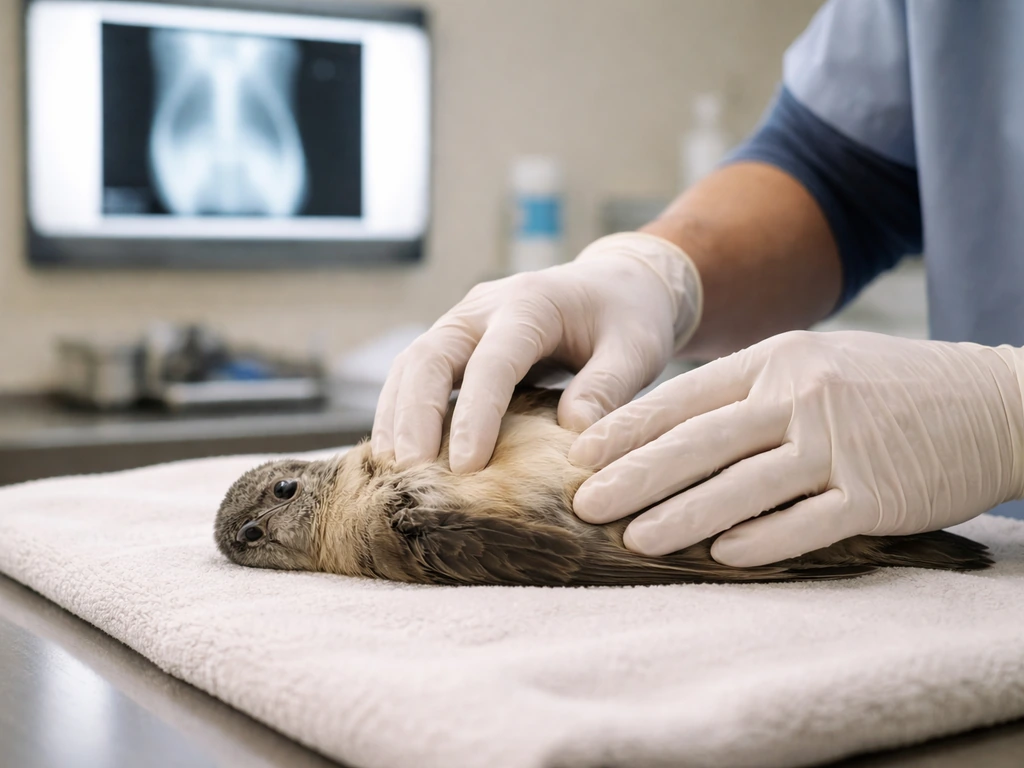
The vet will palpate the abdomen to feel for a firm, egg-shaped mass. X-rays can show a calcified egg clearly. If the egg is soft-shelled or if the vet suspects a broken or impacted egg, ultrasound, laparoscopy, or laparotomy may be used instead since soft shells don't show up well on X-ray.
Mild cases are often managed with supportive care: supplemental heat, injectable fluids for rehydration, calcium and vitamin D3 to restore oviductal muscle function, and sometimes oxytocin to stimulate contractions. If the egg is close to the cloaca, sedation may allow gentle extraction using medical lubricant, cotton swabs, and careful massage. This is the least invasive approach and works well when caught early.
More advanced cases where the egg can't be safely extracted, or where the oviduct is ruptured or severely damaged, may require surgical intervention including salpingohysterectomy (removal of the oviduct). Labs like a complete blood count and chemistry panel can help identify underlying issues like hypocalcemia and guide treatment decisions.
The prognosis with prompt treatment is fair to good. The earlier you act, the more options the vet has and the better the outcome tends to be. Waiting is the biggest risk factor you can actually control. Young birds with egg-binding symptoms often need urgent avian care, because the same supportive steps and vet treatments apply to how to cure young bird sickness in pigeons.
FAQ
If my bird seems slightly better, can I still wait to see if she passes the egg?
Some birds will have mild sitting and straining for a short period, then rapidly worsen. If the bird has been on the floor, puffed, and straining for more than about 60 minutes with no egg, treat it as an emergency and call an avian vet immediately rather than “waiting to see.”
Can I just give calcium or vitamin D3 supplements at home to treat egg bound bird symptoms?
Avoid giving oral calcium or vitamin D3 as the only action. In egg binding, the issue is often mechanical obstruction, and incorrect dosing can worsen other problems. Instead, contact an avian vet same-day, and let them decide whether injectable calcium and D3 are appropriate.
Is gentle squeezing or massage safe while I’m waiting for the vet?
Do not try to squeeze the abdomen, massage forcefully, or apply oil around the vent. Those actions can trigger internal injury, cloacal damage, or rupture if the egg is impacted or already compromised. If the vet prescribes supportive care, follow their exact instructions.
How can I tell the difference between normal laying effort and egg bound bird symptoms?
Normal egg laying can include brief pauses and mild tail movement, but egg binding typically shows repeated straining with failure to produce any egg plus a distinct “effort” pattern (often bobbing tail with each abdominal push). If there is any distended abdomen or lethargy combined with straining, assume urgency.
What symptoms mean this is an emergency right now, not “call later”?
Mouth-open breathing, full-body heaving, unresponsiveness, or tissue protruding from the vent are shock-level signs. These warrant emergency transport immediately, do not wait for a scheduled appointment.
Are egg binding symptoms more dangerous in small birds?
Smaller birds decompensate faster because their reserves are limited and the same obstruction creates quicker shock. If a small bird (like a budgie, lovebird, canary, or cockatiel) shows two or more key signs during breeding or laying time, treat it as urgent even if she is still responsive.
My bird is nesting and behaving like she might be laying, does that automatically mean egg binding?
Breeding behavior, nesting in particular, does not guarantee a fertilized or normal egg-laying event. A female can develop egg binding during hormonally driven egg production, so context helps but does not replace a vet call when straining and floor-sitting occur.
What other conditions can look like egg bound bird symptoms?
Yes, symptoms can overlap with other reproductive or systemic problems, including infections, yolk-related complications, or internal obstructions. If the pattern includes ongoing straining without an egg and a distended abdomen, assume egg binding until an avian vet confirms otherwise.
If my bird was egg bound before, is she at higher risk next time?
Past “hard egg” episodes can signal a predisposition, such as prior trauma, scarring, or nutritional issues. Make a prevention plan with your avian vet, including checking diet, calcium delivery strategy, and whether UVB lighting is adequate for your specific species.
What should I do if I don’t see obvious straining but she looks ill during laying season?
Some birds will not show obvious straining early, especially if they are very young, stressed, or weak. If she is on the bottom, fluffed, and not acting right during the laying period, prioritize a veterinary assessment because early signs can be subtle.
Is it okay to provide supplemental heat while I arrange the vet appointment?
Heat support is generally reasonable for comfort, but it should not replace urgent care. Warmth can make a sick bird feel better temporarily, but it will not remove a physically stuck egg, so keep the bird warm and proceed with immediate veterinary contact.
What recovery and prevention steps should I plan after my bird is treated for egg binding?
After treatment, prevention should focus on correct calcium and D3 metabolism, including UVB quality and diet composition, plus managing breeding triggers and nest access. Ask the vet whether to adjust photoperiod, remove breeding items if appropriate, and schedule a follow-up to catch recurrent issues early.
Next Article
Bird Shock Symptoms: How to Spot and Respond Fast
Learn bird shock symptoms, spot warning signs fast, rule out similar emergencies, and take safe first steps today.