Young bird sickness in pigeons is not one single disease. It is a mixed condition caused by a combination of viruses, bacteria (especially E. coli), coccidia, and protozoa, and it mostly strikes youngsters between about 6 and 16 weeks of age. The good news is that fast action makes a real difference. Isolate the sick bird, get it warm, support hydration, then work through the symptoms to figure out whether you are dealing with a respiratory problem, a gut problem, canker, or something else entirely. If you suspect an egg bound bird instead, look for related egg bound bird symptoms and seek urgent care if straining or lethargy is present. That diagnosis drives what treatment is actually appropriate.
How to Cure Young Bird Sickness in Pigeons: Step-by-Step

Marcus Webb
11 May 2026
Spot the warning signs in young pigeons
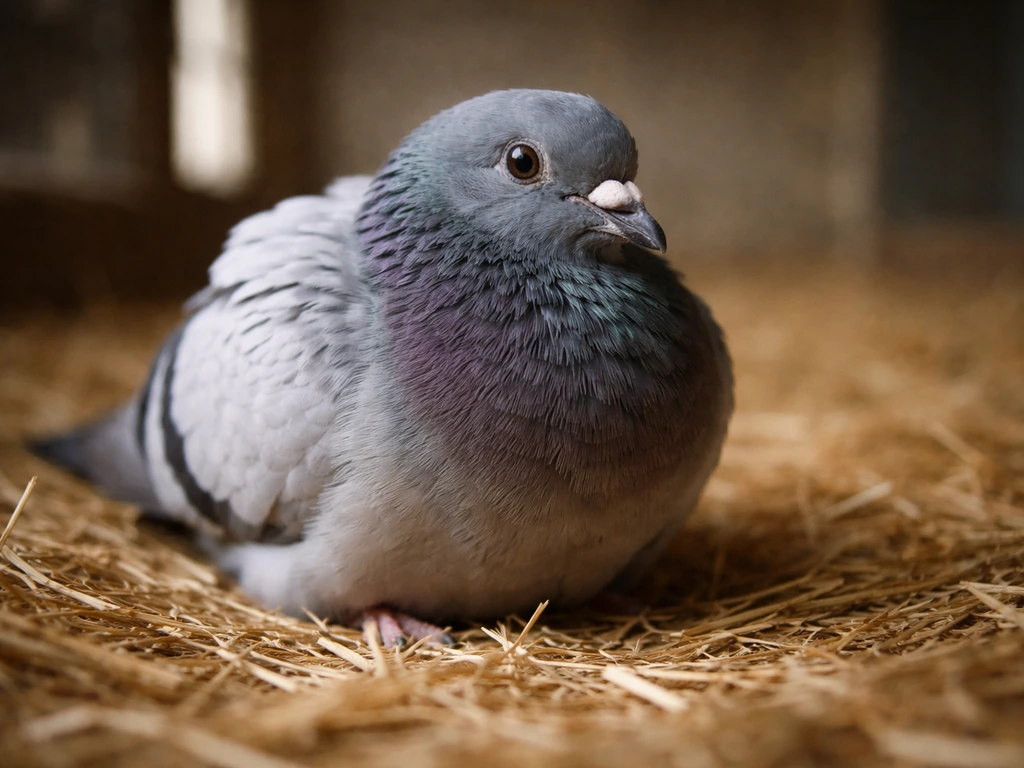
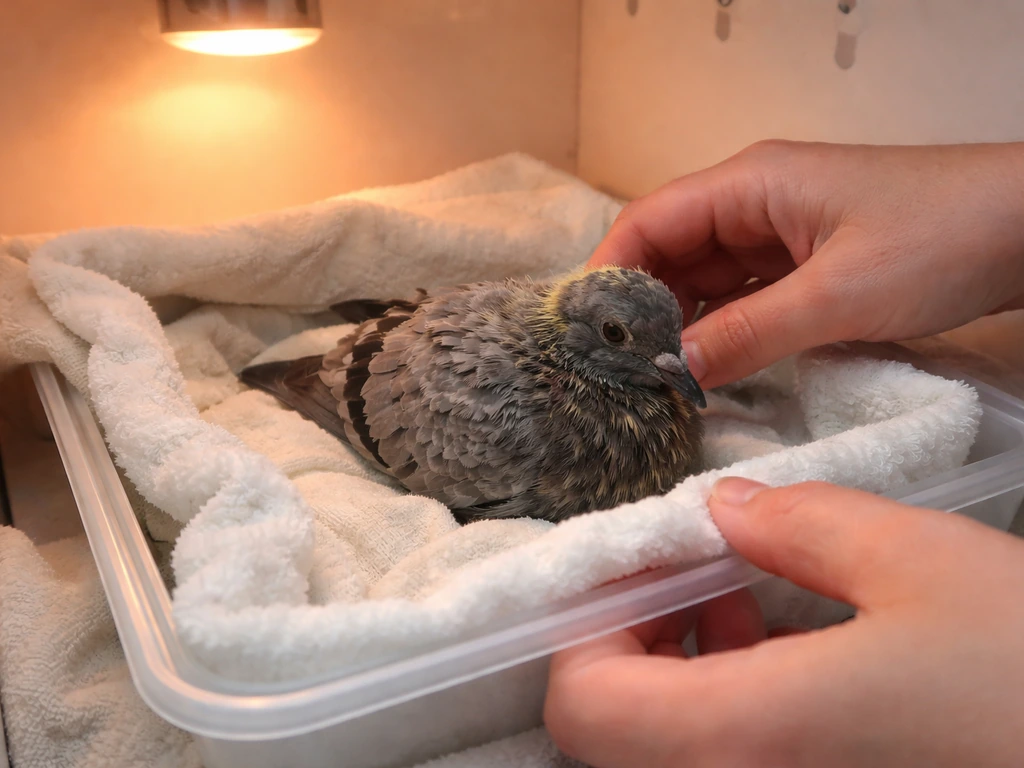
Young pigeons hide illness well in the early stages, so you often catch it later than you would like. The first thing to look at is energy and posture. A sick youngster will fluff up, sit low on the perch or floor, and stop moving toward food when you approach. That alone is a red flag in a bird that was previously active.
After posture and energy, check these areas one by one:
- Breathing: Is the beak open at rest? Is the tail bobbing up and down with every breath? Can you hear wheezing, clicking, or rattling? Any of these means the respiratory system is under stress.
- Droppings: Watery or greenish droppings, especially in volume or frequency beyond normal, suggest a gut component to the illness.
- Mouth and throat: Look inside with a small light. Yellow or white cheesy-looking deposits in the mouth, throat, or crop area point toward canker (trichomoniasis), which is one of the most common infections passed from adults to youngsters through crop milk.
- Crop: Gently feel the crop. If it is slow to empty, feels sour-smelling when you open the beak, or the bird is regurgitating, you may be dealing with crop stasis, sour crop, or canker.
- Weight and condition: Run your finger along the breastbone (keel). A sharp keel that stands out prominently means the bird has lost significant body mass.
- Hydration: Pinch a small fold of skin lightly. If it stays tented rather than snapping back, the bird is dehydrated.
Because young birds often present with several mild signs at once rather than one dramatic symptom, do not wait for things to get worse before acting. The combination of lethargy plus poor droppings plus any feeding reluctance is enough to start supportive care immediately. If you also want a fuller breakdown of what these symptoms look like in different scenarios, the symptoms of young bird sickness in pigeons topic covers this in more detail.
Common causes, and why it matters which one you are dealing with
Young bird sickness is a term that covers several overlapping problems that tend to hit around the same stressful life events: weaning, first training flights, basketing with birds from other lofts, and hot weather. Stress lowers immunity and that is when infections take hold. The main causes you will encounter are:
- Bacterial infections (especially E. coli): Watery or green droppings, lethargy, poor appetite, sometimes accompanied by mild respiratory signs.
- Coccidiosis: Loose or bloody droppings, weight loss, lethargy. More likely to be GI-dominant without much respiratory involvement.
- Canker (trichomoniasis): Passed from adults through regurgitated crop milk. Look for yellow or caseous (cheesy) deposits inside the mouth, throat, or crop. Birds drool, regurgitate food, and lose weight fast. Adult birds can carry it without showing any symptoms themselves.
- Respiratory viruses (including pigeon paramyxovirus/PPMV-1): Open-mouth breathing, tail bobbing, lethargy, and sometimes neurological signs like head twitching or circling in more advanced cases. Importantly, paramyxovirus has no specific antiviral treatment, only supportive care.
- Hexamitiasis: An intestinal parasite causing diarrhea and wasting, with limited effective treatment options.
- Thrush/sour crop (Candida): Whitish fungal growth in the throat and crop, often secondary to antibiotic overuse or other illness weakening the gut.
The reason identifying the likely cause matters is that treatment is different for each. Giving antibiotics to a bird with canker does nothing useful. Giving an antiprotozoal to a bird with a viral respiratory infection will not help either. You need to match the treatment to what you are actually seeing.
What to do right now: immediate home stabilization
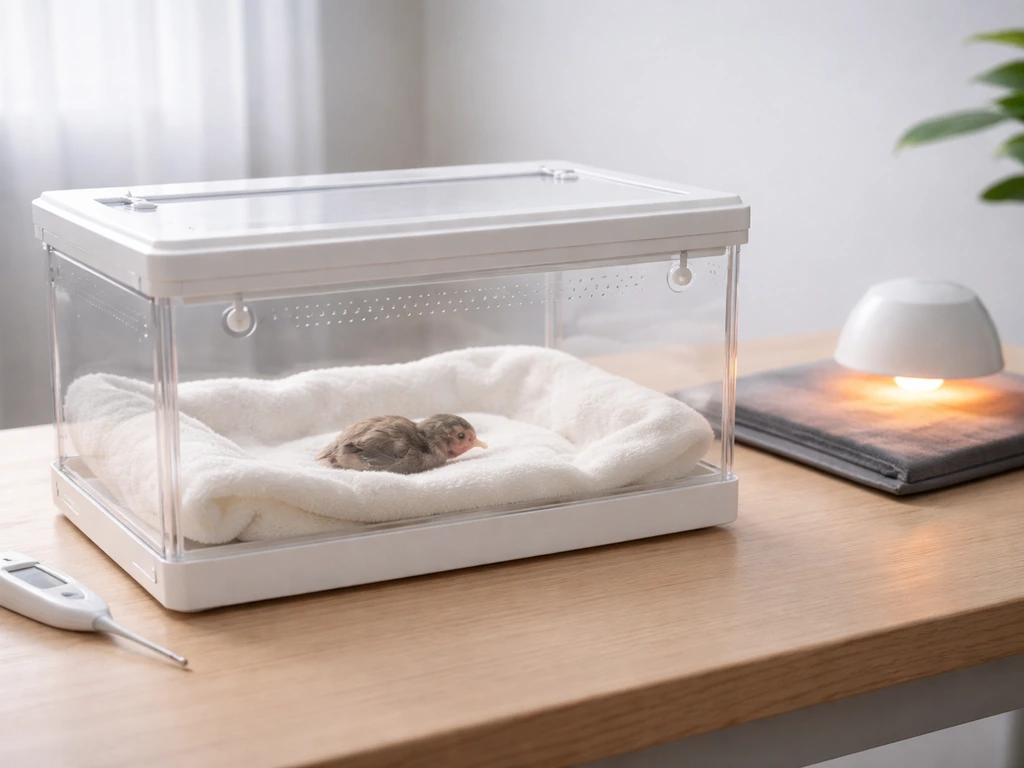
Before you figure out a specific treatment plan, stabilize the bird. A cold, dehydrated youngster cannot digest food, cannot mount an immune response, and can deteriorate quickly. These are your first priorities.
Isolation
Move the sick bird out of the loft immediately. Young bird sickness spreads through flock contact, droppings, and shared feeding. Use a clean box or cage with no contact with other birds. This protects your flock and reduces stress on the sick youngster.
Warmth
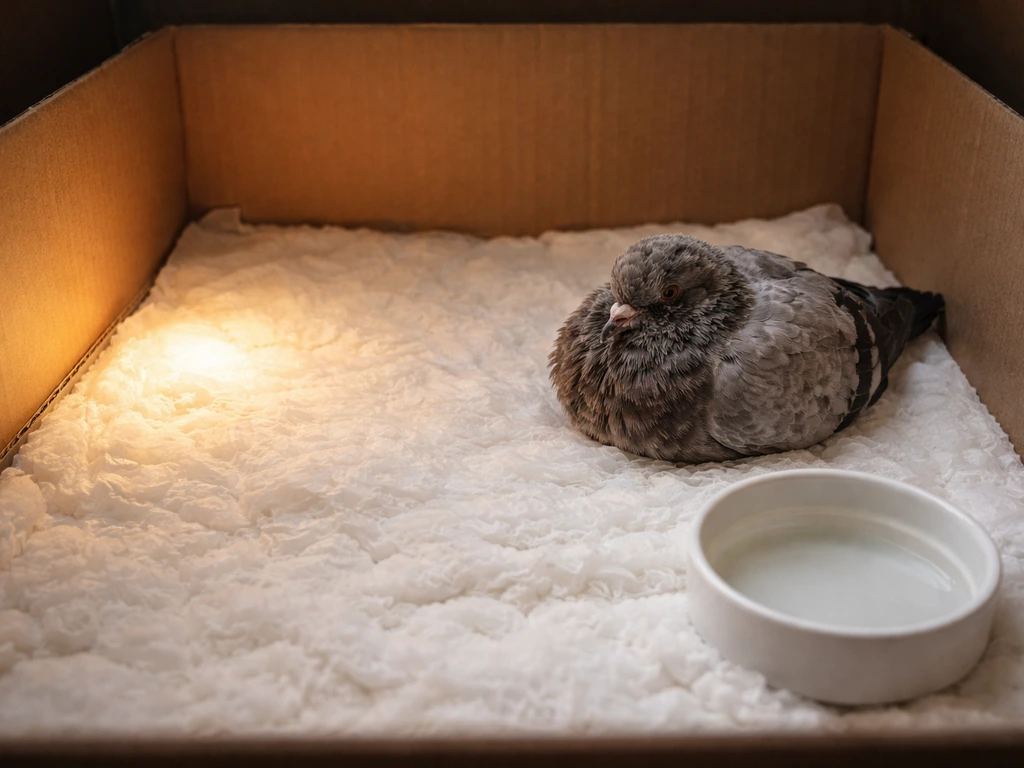
A sick young pigeon needs warmth, but it has to be done correctly. Set up a heat source on one side of the enclosure only, so the bird can move toward or away from warmth as needed. A temperature around 85 to 90 degrees Fahrenheit (29 to 32 degrees Celsius) on the warm side works well. Never enclose the bird in heat with no escape route, as overheating is also dangerous. A simple desk lamp or a heat pad on half the floor works fine.
Hydration
Fresh, clean water should always be available. If the bird is not drinking, you can offer small amounts of water by dripping it at the tip of the beak (not forcing it into the beak). An electrolyte solution formulated for birds can help a dehydrated youngster recover faster. Do not use human sports drinks.
Feeding support
If the bird is not eating on its own, do not attempt syringe or tube feeding without proper training. The aspiration risk is real and significant, meaning food or liquid going into the lungs instead of the crop can cause rapid death or severe respiratory damage. If you need to offer something while waiting for vet guidance, small amounts of thawed frozen peas (not canned) can be gently offered by hand. Only small, frequent amounts. If the bird is eating on its own even a little, encourage that and provide easily digestible grain.
Choosing the right treatment based on what you are seeing
Once the bird is isolated and warm, your next job is to match the symptoms to the most likely cause and choose a treatment path. Pregnant bird symptoms can also show up as appetite changes, lethargy, and unusual droppings, so symptom patterns matter for making the right call match the symptoms. The table below gives you a practical starting framework.
| Main symptoms | Most likely cause | First treatment approach |
|---|---|---|
| Watery/green droppings, lethargy, poor appetite, no respiratory signs | Bacterial (E. coli) or mixed infection | Adenosan (YBS-specific supportive treatment); add antibiotic like furazolidone if no improvement in 3 days |
| Loose droppings, wasting, no mouth lesions, no respiratory signs | Coccidiosis or hexamitiasis | Anticoccidial treatment (e.g., amprolium) for cocci; vet guidance needed for hexamitiasis |
| Yellow/cheesy deposits in mouth or throat, regurgitation, drooling | Canker (trichomoniasis) | Antiprotozoal: ronidazole, metronidazole, or carnidazole; treat whole flock |
| Open-mouth breathing, tail bobbing, lethargy, possible neurological signs | Paramyxovirus or respiratory infection | Supportive care only for viral causes; antibiotics only if secondary bacterial infection confirmed |
| Whitish fungal growth in throat/crop, off feed, sour smell from beak | Thrush/sour crop (Candida) | Antifungal treatment; review antibiotic history and loft hygiene |
A word on Adenosan: it is the most commonly recommended first-line treatment for classic young bird sickness presentations involving GI symptoms and general malaise. If there is no meaningful improvement within 3 days on Adenosan, standard practice is to add adjunctive antibiotic therapy. Do not skip the 3-day reassessment point.
Medications: what helps, what to avoid, and when not to self-treat
Some treatments are reasonably safe to use at home with good information. Others have narrow safety margins, require diagnostics first, or are legally restricted depending on where you live. Here is how to think about each category.
Reasonable to use with care
- Adenosan (YBS treatment product): Appropriate as a first response to mixed young bird sickness. Follow label dosing carefully.
- Ronidazole (Ridzole 10%) or metronidazole for canker: Used when you have confirmed or strongly suspected canker based on oral lesions. Treat all birds in the flock at the same time, not just the sick one. Carnidazole at 10 mg per bird given once orally is also used. Metronidazole dosing for pigeons is around 60 mg/kg orally. Regulatory status varies by country, so check availability.
- Electrolyte supplements: Safe and beneficial for any sick bird showing signs of dehydration.
- Anticoccidials (amprolium): Commonly used for coccidiosis, available in many pigeon supply stores.
Use only with vet guidance
- Broad-spectrum antibiotics (oxytetracycline, chlortetracycline, furazolidone): Useful for bacterial components but using them without a clear indication risks making things worse by disrupting gut flora or masking what is really wrong.
- Antifungals: Candida/thrush requires antifungal treatment, but the right drug and dose depend on severity. Vet input is strongly recommended.
- Any injectable medications: Do not attempt these without proper training.
Do not use
- Human antibiotics or antiparasitics not formulated for birds (dosing is unreliable and some are toxic to pigeons).
- Multiple medications simultaneously without guidance (interactions and toxicity risks are real).
- Dimetridazole in countries where it is prohibited, as regulatory restrictions exist in several regions.
One critical point: paramyxovirus (PPMV-1) has no specific treatment. If you are dealing with a respiratory presentation that matches PPMV-1 (open-mouth breathing, neurological signs, lethargy), the approach is purely supportive. In some countries, PPMV-1 is also a notifiable disease, meaning you may be legally required to report it to agricultural authorities. Check your local rules.
When to stop DIY and call an avian vet urgently
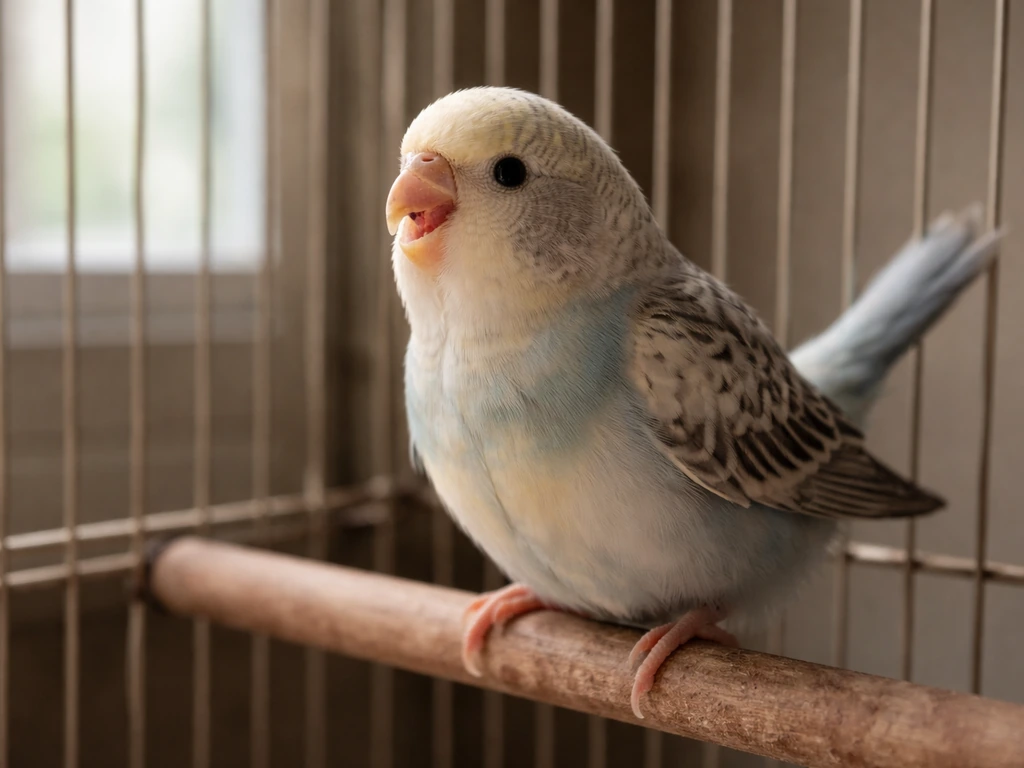
There is a clear line between what home care can realistically support and what needs professional assessment. Cross any of the items below and stop waiting.
- Open-mouth breathing at rest, audible wheezing or clicking, or visible tail bobbing with every breath. Respiratory distress in birds is always an emergency.
- Blue or pale coloring around the beak, nostrils, or visible tissues (indicating oxygen deprivation).
- Collapse, seizures, uncontrolled tremors, or sudden inability to stand or perch.
- Swelling around the face, eyes, or body.
- No improvement or active worsening after 24 to 48 hours of supportive care.
- Complete refusal to eat or drink for more than 24 hours, especially in a small or underweight bird.
- Suspected paramyxovirus with neurological signs.
Before you go to the vet, take notes. Write down when symptoms started, what you have given already (product name, dose, how many days), what the droppings look like, and whether other birds in the loft are showing any signs. If you suspect bird-egg syndrome symptoms, include that possibility in your notes for your avian vet symptoms started. This information significantly speeds up diagnosis and helps the vet make better treatment decisions faster.
If you do not already have an avian vet contact, find one now rather than waiting for a crisis. Not every general vet is comfortable treating pigeons. Look for someone with avian or exotic animal experience.
Recovery timeline and keeping it from coming back
What to expect during recovery
A youngster with a straightforward bacterial or protozoal infection that gets prompt supportive care and the right targeted treatment typically shows noticeable improvement within 3 to 5 days. Appetite usually returns first, then energy, then droppings normalize. Full recovery to normal weight and condition can take 2 to 3 weeks, sometimes longer in birds that were severely depleted when treatment started.
Birds recovering from a viral illness like paramyxovirus take longer and some never fully return to racing performance. Neurological signs, if they developed, may persist or improve slowly over weeks to months. Be realistic about this and do not rush the bird back into the loft or training schedule.
Preventing a repeat outbreak in the loft
Young bird sickness outbreaks are almost always promoted by a combination of stressors that you can manage. The most common triggers are weaning stress, basketing young birds with unknown birds from other lofts, hot and humid conditions, and overcrowding. Address each one systematically.
- Deep clean and disinfect the loft properly after any outbreak, including perches, drinkers, feeders, and floors. Protozoa like Trichomonas survive in water sources.
- Treat all birds in the flock at the same time when canker or coccidiosis is confirmed, not just the visibly sick ones. Adult birds often carry trichomoniasis with no symptoms but pass it to youngsters through feeding.
- Quarantine any new birds for at least 2 to 3 weeks before introducing them to your established flock.
- Avoid basketing young birds with unknown birds during training until the young bird season is established and birds are in good condition.
- Check that drinkers are cleaned and refreshed daily. Stagnant water is a key transmission route for several infections.
- Avoid overcrowding. Stress from density directly suppresses immunity in young pigeons.
- Consider vaccination for paramyxovirus if your birds compete in races or shows. This is worth discussing with an avian vet, particularly if PPMV-1 is active in your area.
The honest reality is that you cannot completely eliminate the risk of young bird sickness in an active racing loft. What you can do is build a management routine that reduces stressors, catches sick birds early, and responds quickly. Birds identified and treated promptly have a genuinely good chance of full recovery. The ones that suffer most are the ones where illness is missed until it is severe or has already spread through the young bird team.
FAQ
How long should I wait before I change course if my pigeon youngster is improving on treatment?
Do a reassessment on a fixed timeline, if the plan you chose includes Adenosan, check for meaningful improvement by day 3. If appetite, posture, or droppings are not clearly trending better, switch to a vet-directed plan rather than extending the same approach, because some causes need different targeted drugs.
What droppings and feeding signs mean it is more urgent than “start supportive care and watch”?
If you see straining, open-mouth breathing, neurological changes, repeated regurgitation, or a complete refusal to approach food combined with sitting low and fluffed up, treat it as an emergency. Those patterns can indicate egg-bound issues, severe respiratory disease, or advanced systemic infection, and delay increases risk.
Is it safe to keep a sick young pigeon warm with a heat pad all day while I’m at work?
Warmth helps, but avoid leaving a bird in a heat-only setup without an escape route. Set heat on one side so the bird can self-regulate, and check temperature at the level of the bird, because overheating can worsen dehydration and respiratory stress.
Can I give probiotics, vitamins, or immune supplements along with treatment?
In general, focus first on hydration, warmth, and the specific targeted therapy for the suspected cause. If you add supplements, keep them consistent and small, and avoid starting many new products at once, because it becomes harder to tell what is actually improving the bird.
What if the bird will drink water but refuses to eat, should I still avoid feeding?
Drinking is a good sign, but refusal to eat often means GI dysfunction or severe stress. You can offer small amounts of easily handled options and encourage natural eating, if the bird still will not eat reliably, do not move to tube or syringe feeding without training because aspiration risk is high.
How can I reduce the chance of spreading the illness to the rest of my loft while isolating?
Use a separate, cleaned container with dedicated tools, separate gloves or thorough hand washing, and do not share the same feeding spoon or grit pan between sick and healthy birds. Isolation alone is not enough if you move back and forth carrying droppings on clothing or equipment.
What should I include in my notes for the avian vet to get faster diagnosis?
Record dates and times symptoms began, each product name and dose, how many days each was given, water intake and appetite changes, and detailed droppings description (color, consistency, presence of mucus or blood). Also list recent stress events like weaning, training flights, basketing, and weather or overcrowding.
Can paramyxovirus be cured at home if I catch it early?
There is no specific cure for PPMV-1, so home care is supportive, warmth and hydration management, and careful isolation. Because it can be legally reportable in some locations, confirm local reporting rules and avoid exposing other pigeons during the entire recovery period.
If Adenosan doesn’t work within 3 days, what’s the safest next step?
Do not keep repeating the same treatment hoping it will “kick in.” Reassess the pattern of symptoms, and arrange avian vet guidance for adjunct antibiotics or alternative targeted therapy, because the wrong add-on can waste time if the cause is viral respiratory disease or another non-susceptible condition.
How soon after recovery can a young pigeon return to training or the loft?
Return should be gradual and delayed until normal posture, appetite, and droppings are stable, and energy is back, since viral recoveries can take longer. If neurological signs occurred, assume recovery may be weeks to months and avoid rushing back to racing because relapse risk increases with premature exposure.
What are the most common management mistakes that worsen young bird sickness outbreaks?
Common mistakes include overcrowding, mixing unknown birds without a quarantine period, skipping heat and humidity control during hot weather, and delaying isolation until illness is severe. Another frequent error is starting multiple medications at once, which blurs symptom tracking and slows correct cause identification.
Next Article
Bird-Egg Syndrome Symptoms: Warning Signs in Birds
Learn bird egg syndrome symptoms, red flags, and what to check at home, plus when to call an avian vet now.