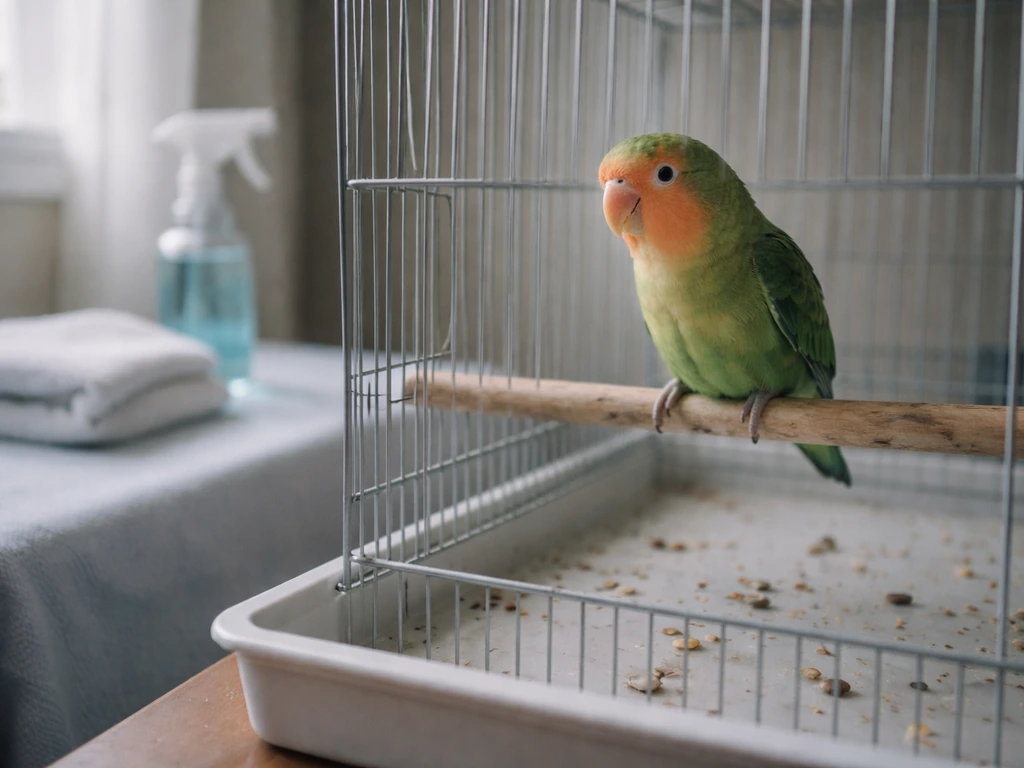
Yes, birds can pass diseases to humans, and it happens more often than most people expect. The main ones to know are psittacosis, salmonella, campylobacter, avian influenza (bird flu), histoplasmosis, and a few others. Most exposures happen through contact with droppings, feathers, or respiratory secretions, not from being near a bird in general. The risk is real but manageable once you know what to watch for and how to handle birds safely. Wild bird diseases can spread to people too, so the same exposure routes and safe handling practices apply.
Bird Diseases That Humans Can Catch: Symptoms and Safety Steps

Marcus Webb
4 May 2026
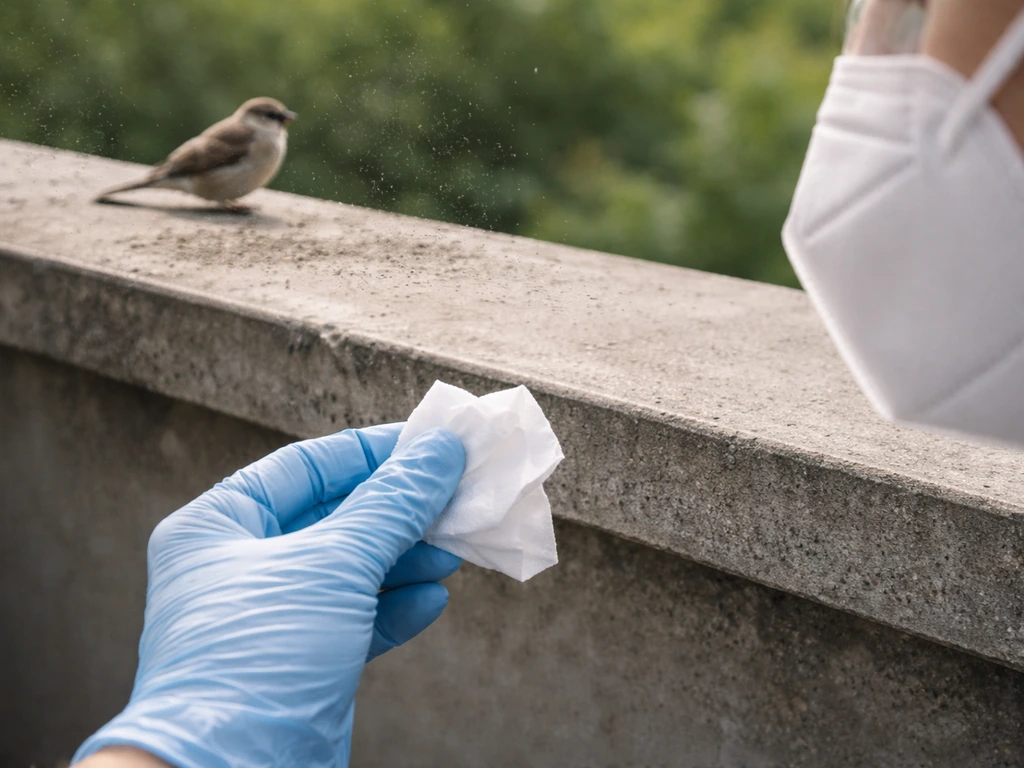
What 'bird diseases humans can catch' actually means
The technical term is zoonotic disease, an illness that jumps from animals to people. With birds, transmission almost always happens through one of a few specific routes. Understanding these routes is the most practical thing you can do, because it tells you which situations are actually risky and which aren't.
- Inhaling dried droppings or respiratory secretions: When bird feces or mucus dry out, they become fine dust particles that can float into the air. Breathing that dust is the primary exposure pathway for psittacosis and histoplasmosis, and a significant one for bird flu.
- Direct contact with droppings, feathers, or contaminated surfaces: Touching a cage, perch, or any surface covered in bird waste and then touching your eyes, nose, or mouth is a classic fomite transmission route for salmonella, campylobacter, and other pathogens.
- Bites or scratches: Less common but still a risk, especially with wild birds or stressed pet birds. Broken skin gives bacteria a direct entry point.
- Handling sick or dead birds: This is the highest-risk scenario, especially for avian influenza. Both sick birds and birds that appear completely healthy can shed pathogens in their droppings and secretions.
One point that surprises a lot of people: a bird doesn't have to look sick to be contagious. Birds infected with chlamydia psittaci (the bacteria behind psittacosis) can shed it without showing any symptoms at all. Chlamydia psittaci is the bird form of chlamydia that can cause psittacosis in people, so it is not the same as what people typically mean by human chlamydia infections. Chlamydia in birds is usually transmitted through contaminated droppings and respiratory secretions that get into the air or hands. That's why safe handling habits matter every single time, not just when a bird looks unwell.
The bird diseases most worth knowing about
Here's a practical overview of the diseases with the most real-world relevance, whether you have pet birds, backyard poultry, or just interact with wild birds regularly.
| Disease | Pathogen type | Main source | Typical incubation |
|---|---|---|---|
| Psittacosis (parrot fever) | Bacteria (Chlamydia psittaci) | Parrots, parakeets, cockatiels, pigeons, poultry | 5–14 days |
| Salmonellosis | Bacteria (Salmonella spp.) | Poultry, backyard flocks, reptiles, wild birds | 6 hours to 6 days |
| Campylobacteriosis | Bacteria (Campylobacter spp.) | Poultry, wild birds, undercooked poultry meat | 2–5 days |
| Avian influenza (bird flu) | Influenza A viruses (H5N1, etc.) | Infected poultry, wild waterfowl, sick/dead birds | 1–5 days typically |
| Histoplasmosis | Fungus (Histoplasma capsulatum) | Soil enriched with bird or bat droppings (not direct bird contact) | 3–17 days |
| Mycobacterial infection (NTM/MAC) | Nontuberculous mycobacteria | Bird droppings in soil or water, some environments | Variable, weeks to months |
| Ringworm (dermatophytosis) | Dermatophyte fungi | Skin/feather contact with infected birds | 4–14 days |
Psittacosis
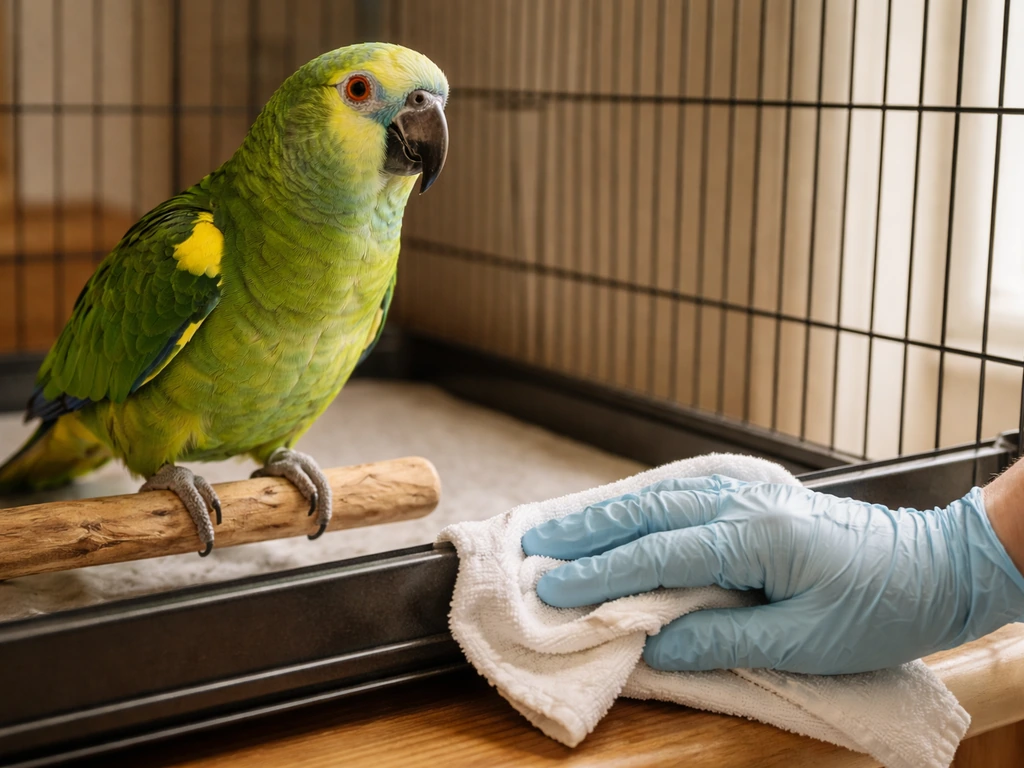
This is the big one for pet bird owners. Psittacosis is caused by Chlamydia psittaci and most commonly infects people who inhale dust from dried droppings or respiratory secretions of infected birds. Parrots, parakeets, cockatiels, and pigeons are the most common sources, but it can come from many bird species. With appropriate antibiotic treatment (usually doxycycline), it's rarely fatal, but untreated it can become a serious pneumonia. If you've been around birds and develop flu-like symptoms 5 to 14 days later, psittacosis should be on your radar. The CDC’s clinical overview notes the incubation period for psittacosis is typically 5 to 14 days and emphasizes prompt antibiotic treatment flu-like symptoms 5 to 14 days later, psittacosis should be on your radar.
Salmonella and Campylobacter
These bacterial infections are mostly about fecal contamination. Salmonella can hit within hours to a few days of exposure and causes the classic food poisoning symptoms: nausea, vomiting, diarrhea, stomach cramps, and fever. Campylobacter usually takes 2 to 5 days to show up and causes similar GI symptoms. Even healthy-looking poultry or backyard birds can shed Salmonella in their droppings. The exposure route is almost always hands-to-mouth after handling birds or their environment without washing up properly.
Avian influenza (bird flu)
Most people don't catch bird flu from casual bird contact, but the risk goes up sharply when you're handling sick or dead birds, touching contaminated feces or litter, or working in environments with confirmed infections. The CDC advises avoiding contact with surfaces contaminated with saliva, mucus, or feces from birds with confirmed or suspected avian influenza. Eye redness or irritation can appear within 1 to 2 days of exposure. Severe cases can progress to pneumonia requiring hospitalization. If you've had unprotected exposure to a sick or dead bird during an active outbreak, that's a situation to report to your doctor.
Histoplasmosis
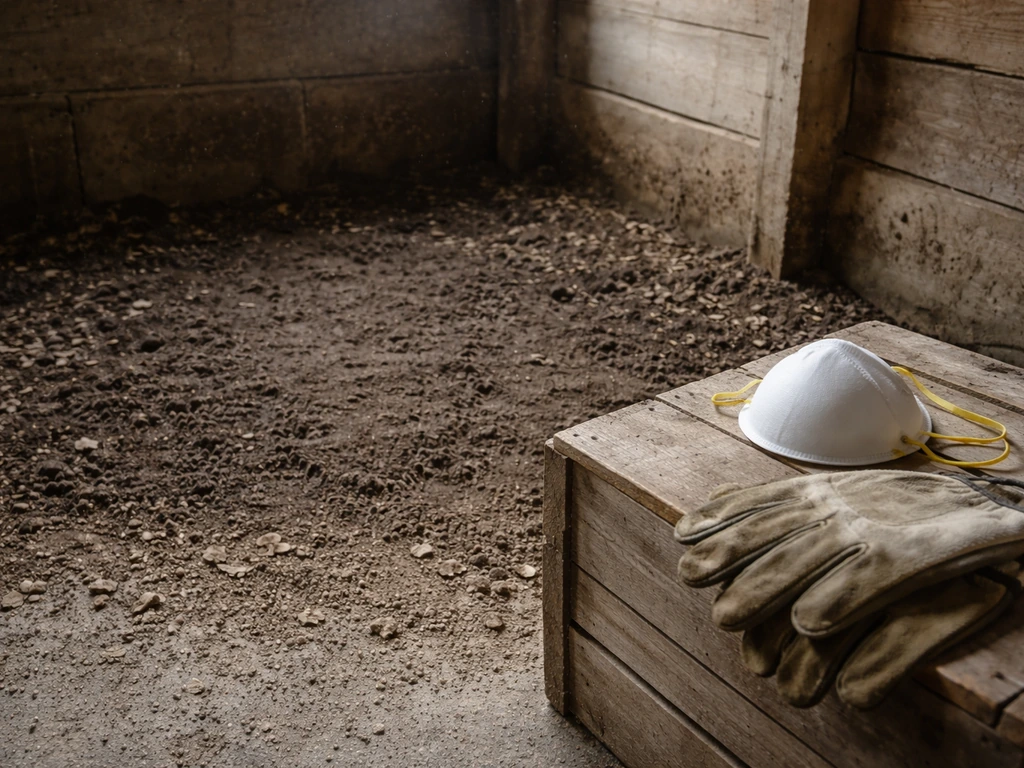
Histoplasmosis is a fungal lung infection from inhaling Histoplasma spores, which thrive in soil enriched by bird or bat droppings. Symptoms of histoplasmosis usually appear 3 to 17 days after breathing in the fungus About Histoplasmosis. You don't catch it directly from a bird, you get it from disturbing contaminated soil or a heavily soiled environment, like cleaning out a barn, attic, or roosting site. It's more of an environmental exposure than a direct bird-to-human transmission, but it's closely associated with bird droppings. Many people have mild or no symptoms, but some develop fever, cough, chest pain, and fatigue.
Symptoms in humans to watch for after bird exposure
The challenge is that most bird-associated illnesses start with symptoms that look like a standard cold, flu, or stomach bug. This article covers what is bird disease in humans and the most important human symptoms to watch for after exposure. What matters is the combination of symptoms plus the timing relative to your bird exposure. Here's what to watch for: Conjunctivitis can also occur after bird exposure, but most cases are linked to specific pathogens and still warrant basic precautions like hand hygiene and avoiding eye contact bird conjunctivitis.
- Fever, chills, and fatigue: Present in almost all of these infections and usually the earliest sign
- Respiratory symptoms (cough, chest pain, shortness of breath): Most relevant for psittacosis, bird flu, and histoplasmosis
- Headache and muscle aches: Common with psittacosis and histoplasmosis
- Eye redness or irritation: Can appear within 1–2 days of avian influenza exposure
- Nausea, vomiting, diarrhea, and stomach cramping: Points toward salmonella or campylobacter after handling birds or their environment
- Skin rash or ring-shaped lesion: Suggests ringworm (dermatophytosis) from skin or feather contact
- Persistent cough or unexplained weight loss weeks after exposure: Could indicate a mycobacterial infection, worth discussing with a doctor
Keep mental notes (or actual notes) about when you were last around birds, what you were doing (cleaning a cage, handling a sick bird, disturbing a roosting area), and when your symptoms started. That timeline is genuinely useful information for your doctor.
How to spot a bird that might be a zoonotic risk
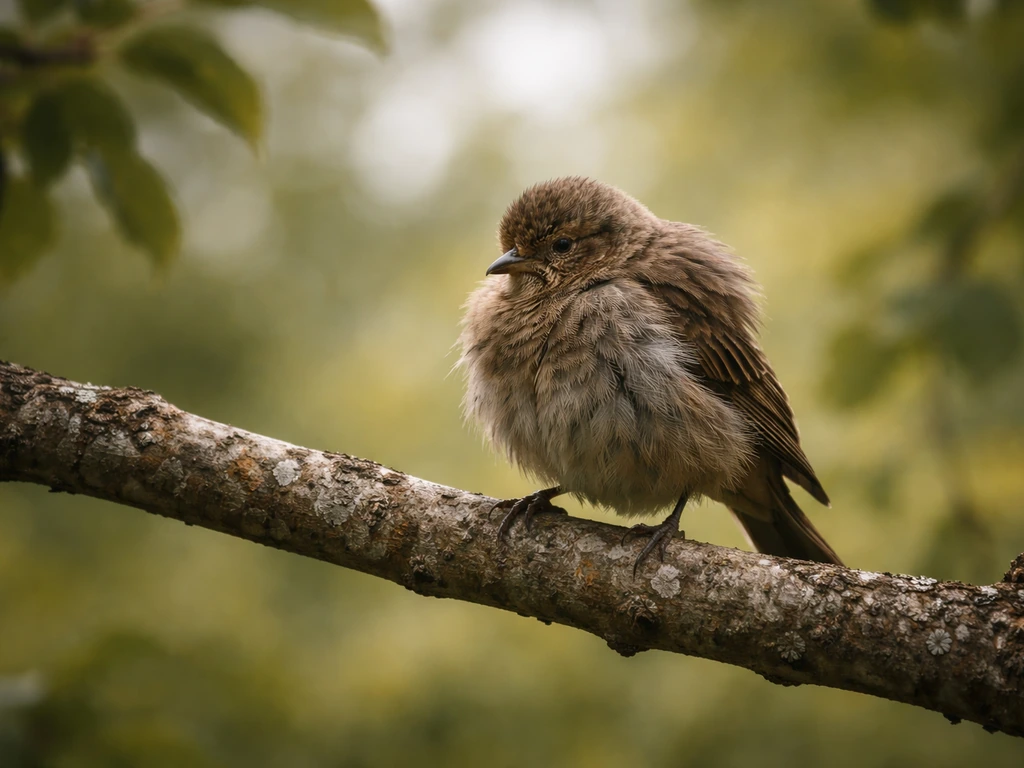
Recognizing a sick bird early protects both the bird and you. But remember the key caveat from before: birds can be infectious even without obvious symptoms. That said, there are warning signs that should raise your alert level and prompt you to use extra protective measures immediately.
- Ruffled or fluffed feathers held for extended periods (a sign the bird is conserving heat and feeling unwell)
- Nasal or eye discharge, including watery or crusty secretions around the eyes or nostrils
- Lethargy, weakness, or unusual stillness (a normally active bird sitting motionless on the cage floor)
- Labored or noisy breathing, open-mouth breathing, or tail-bobbing with each breath
- Loose, discolored, or unusually foul-smelling droppings
- Swollen face, eyes, or (in poultry) swollen combs or wattles
- Sudden weight loss visible as a prominent keel/breastbone
- Sudden death in one or more birds in a flock
Wild birds showing any of these signs, especially if they're not flying away from you, which is abnormal, should be treated as potentially infectious. Don't handle them with bare hands. For pet birds, any of these signs warrant isolation from other birds and a call to an avian vet.
What to do right now after a potential exposure
If you've just had contact with a sick or dead bird, disturbed a heavily droppings-contaminated area, or had unprotected contact with a bird in an area with known disease activity, here's the immediate triage sequence:
- Wash your hands thoroughly with soap and water right away. If soap isn't available, use an alcohol-based hand sanitizer with at least 60% alcohol as a temporary measure until you can wash properly.
- Avoid touching your face, eyes, nose, or mouth until your hands are clean.
- Remove and wash any clothing that had direct contact with the bird, its droppings, or contaminated surfaces.
- Clean your shoes before going inside, especially if you've walked through an area with heavy bird droppings or a flock environment.
- If you inhaled a lot of dust from droppings or feathers (for example, cleaning a heavily soiled enclosure without a mask), make a note of the date and watch for respiratory symptoms over the next 5 to 14 days.
- If it was a wild bird and bird flu is active in your area, or if the bird was visibly sick, contact your local health department to report the exposure and ask about next steps.
- Write down the details: date, type of bird if known, what you were doing, and any PPE you had on. This matters if you need to see a doctor.
When to see a doctor vs. when to call a vet
These two decisions often need to happen in parallel, not sequentially. Here's how to think about each.
Go to a doctor (or call one) if:
- You develop fever, cough, chest pain, or shortness of breath within 5–14 days of handling birds, especially parrots, pigeons, or poultry
- You have GI symptoms (vomiting, diarrhea, cramps) that start 6 hours to 5 days after bird handling
- Your eye becomes red or irritated after unprotected contact with a sick bird, particularly during an active bird flu situation
- You had unprotected exposure to a confirmed or suspected bird flu flock and develop any symptoms
- Symptoms are worsening after 48 hours or you have underlying health conditions (immunocompromised, elderly, pregnant)
- You're unsure whether your symptoms relate to a bird exposure — just tell your doctor about it. They need that information to make the right call.
Call an avian vet if:
- Your pet bird shows any of the warning signs listed above, especially lethargy, respiratory distress, or unusual droppings
- Multiple birds in the same space are getting sick simultaneously
- A bird in your flock dies suddenly without obvious cause
- You're caring for a wild bird that appeared sick and you want to know whether it's safe to continue or needs wildlife rehabilitation
- Your bird was recently acquired or exposed to new birds and is now showing symptoms
When you speak to either a doctor or vet, lead with the fact that there was bird exposure, when it happened, and what you were doing. That context changes the diagnostic picture significantly. For psittacosis in particular, it's notoriously hard to diagnose without the clinical clue of bird contact, doctors sometimes miss it if that history isn't offered.
PPE and safe handling: the practical breakdown
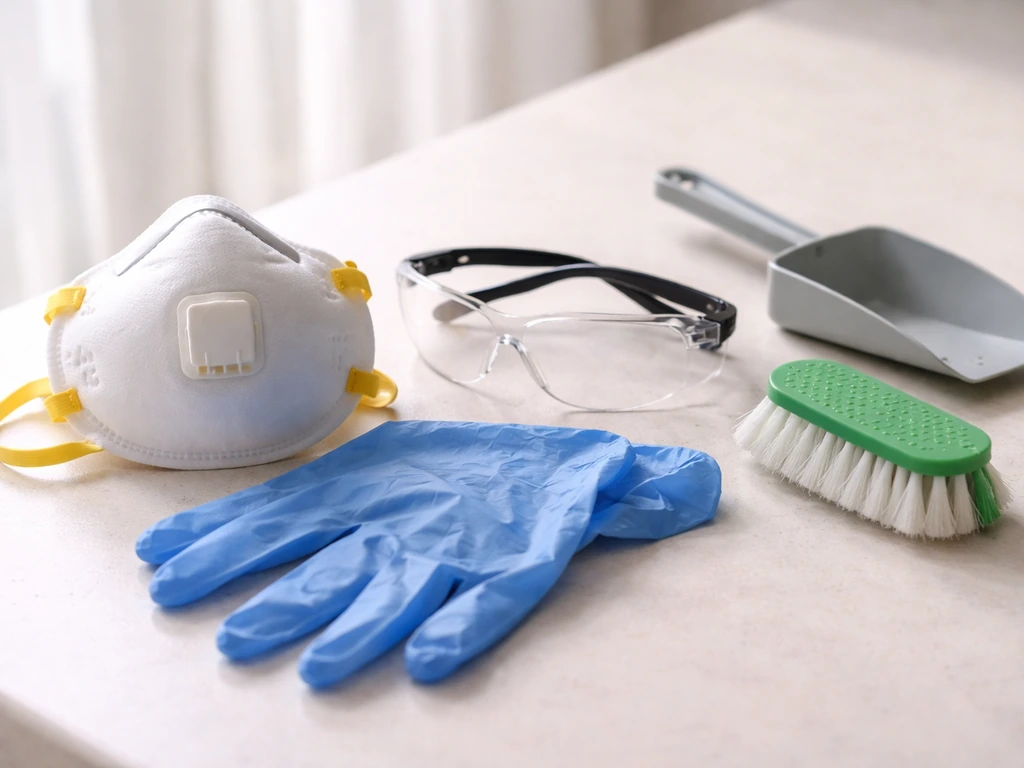
You don't need full hazmat gear for routine pet bird care, but you do need to match your protection level to the risk level of what you're doing. Here's a practical breakdown:
| Situation | Minimum PPE | Recommended additions |
|---|---|---|
| Routine cage cleaning (healthy pet bird) | Disposable gloves, wash hands after | Consider a basic dust mask if cage is heavily soiled or poorly ventilated |
| Cleaning a heavily soiled enclosure or roosting area | N95 respirator, disposable gloves | Eye protection (goggles or face shield), old clothing or coverall |
| Handling a sick pet bird | Disposable gloves, wash hands immediately after | N95 respirator if bird has respiratory symptoms or psittacosis is suspected |
| Handling a sick or dead wild bird | Disposable gloves — do not handle bare-handed | N95 respirator, eye protection, bag the bird carcass before disposal |
| Working around a confirmed or suspected bird flu flock | N95 respirator, disposable gloves, eye protection (goggles/face shield) | Protective coverall or apron, boot covers, head cover |
For cage cleaning specifically, the CDC recommends scrubbing with detergent, rinsing, applying a disinfectant with at least 5 minutes of contact time, and then rinsing again. Don't dry-sweep or blow out a cage, that stirs up dust and puts particles in the air. Use damp methods to clean, or wear respiratory protection when dry material is unavoidable.
After any bird handling, wash hands with soap and water before eating, drinking, or touching your face. If you're working in a contaminated area, the rule is to keep wearing PPE until there are no more infected birds, eggs, feces, or contaminated litter present. Don't lower your guard just because active bird removal is done.
A prevention plan for bird owners and caretakers
Consistent habits do more than any single protective measure. These are the routines worth building into your regular bird care:
Daily and weekly hygiene
- Wash hands with soap and water every time after touching birds, droppings, cages, perches, food bowls, or any bird-related items
- Keep cages and enclosures clean to prevent droppings from drying out and becoming airborne dust — remove waste frequently rather than letting it accumulate
- Clean and disinfect food and water dishes regularly; contaminated water is an often-overlooked exposure route
- Don't eat, drink, or smoke in areas where birds are kept or allowed to roam
Ventilation and environment
- Ensure the area where you keep birds is well-ventilated, especially when cleaning — open windows or use a fan to move air out, not toward you
- Avoid stirring up dust in bird environments; use damp cloths or spritz surfaces lightly with water before wiping
- If you have a heavily droppings-contaminated space (old roosting site, neglected enclosure), treat the cleanup like a higher-risk task and use respiratory protection from the start
Isolating sick birds
- If a bird shows any signs of illness, isolate it from other birds immediately in a separate cage or room
- Use separate tools (food dishes, cleaning supplies) for the sick bird and wash your hands after every contact with it
- New birds should be quarantined from existing birds for at least 30 days — this reduces the chance of introducing a pathogen your flock hasn't been exposed to
- Contact an avian vet before assuming a sick bird will recover on its own; early diagnosis protects both the bird and your household
Wild bird interactions
- Never pick up or handle a sick or dead wild bird with bare hands
- If you need to move a dead bird (from a yard or walkway), use gloves and a plastic bag turned inside out, then double-bag it before disposal
- Wash hands and clean shoes after walking through areas with heavy bird activity or droppings
- Report unusual numbers of sick or dead birds in your area to your local wildlife or health authority — it may indicate an active outbreak worth knowing about
Bird ownership and working around birds is genuinely low-risk when these habits are consistent. The people who run into trouble are usually those who let hygiene routines slide, skip PPE for 'just a quick cage clean,' or don't recognize the warning signs in their birds early enough. Knowing which diseases are possible, what they look like, and what to do in the first few hours after exposure puts you in a much better position than most.
FAQ
If I cleaned a bird cage but I wore gloves, do I still need to worry about bird diseases that humans can catch?
Gloves reduce skin contact, but they do not stop exposure from dust you inhale, splashes to your eyes, or particles that get on the outside of the glove and then transfer when you touch your phone, door handles, or your face. After cage work, remove gloves carefully, wash hands with soap and water, and avoid eye rubbing. If you dry-swept or used compressed air, treat the risk as higher and consider a mask during cleanup next time.
What’s the safest way to clean droppings from a room or attic without stirring spores and dust?
Use wet cleaning methods (spray with water or an approved cleaner, then scrub), avoid dry sweeping or blowing, and ventilate the space. If you cannot avoid disturbing heavily soiled material, use respiratory protection rated for dust (for example an N95 or better) and eye protection. After cleanup, keep people and pets out until the area is settled and surfaces are fully cleaned.
How long after bird exposure should I watch for symptoms?
Different infections have different timing. As a rule of thumb, psittacosis often shows up about 5 to 14 days after exposure, while salmonella and campylobacter can begin within hours to a few days for GI illness. For any symptoms, track the exact date and activity (handling, cage cleaning, working around litter), because timing is a key clue for clinicians.
Do I need to isolate my pet bird from other birds if it looks healthy but acted unusual once?
Yes, if the bird had respiratory signs, unusual behavior, or you recently learned there was illness risk around it, isolate it from other birds even if it seems mostly normal. Separate cages, dedicated tools, and strict hand hygiene are more helpful than waiting for obvious symptoms, because some birds can shed pathogens before they look sick.
If I see a wild bird that is injured or not flying away, what should I do to reduce my risk?
Do not handle it with bare hands. Keep your distance, avoid contact with feathers and droppings, and let a wildlife professional handle it if possible. If you must be near the bird to secure a safe perimeter, keep your hands away from your face, wash after contact with any contaminated surfaces, and watch for eye irritation or flu-like symptoms in the following days.
Can bird diseases spread through feathers or bird cages I touched days ago?
Yes, contamination can persist on surfaces and become airborne when dust is disturbed, even after the bird is no longer present. The risk usually drops after proper cleaning and disinfection, but avoid sweeping or vacuuming dry dust. Use damp cleaning and disinfectants with adequate contact time, then rinse and ventilate.
What should I tell my doctor or emergency department after a high-risk bird exposure?
Provide three details: what type of bird exposure occurred (pet, poultry, wild), the exact timing, and what you did (cleaned cage, handled a sick or dead bird, disturbed roosting area, had unprotected contact). Mention whether you inhaled dust or had eye exposure. This context can change the differential diagnosis and helps them decide on testing or treatment.
Is conjunctivitis after bird contact always a sign of a serious infection?
Not always, but eye redness after bird exposure should be treated as a meaningful signal. Some cases relate to specific pathogens, and regardless of cause you should avoid rubbing the eyes, wash hands frequently, and seek medical advice if symptoms are significant, worsening, or accompanied by fever or respiratory symptoms.
What are common mistakes people make that increase risk after handling birds?
Dry sweeping, blowing out cages, skipping handwashing before eating or touching your face, and touching your phone or household surfaces with contaminated gloves are frequent issues. Another common mistake is delaying PPE during cleaning, even when the bird looks healthy. Build a routine that assumes contamination can be invisible.
Should I take antibiotics or seek testing automatically after any bird exposure?
Usually no. Testing and treatment depend on your symptoms, the exposure type, and local outbreak risk. However, if you had unprotected contact with a sick or dead bird during an active avian influenza event, or you develop concerning symptoms with matching timing, contact a clinician promptly rather than waiting for it to resolve.
Next Article
How Does a Bird Get Chlamydia? Transmission and What to Do
How birds contract chlamydia through droplets, droppings, contaminated food and dust, and what to do if you suspect it.