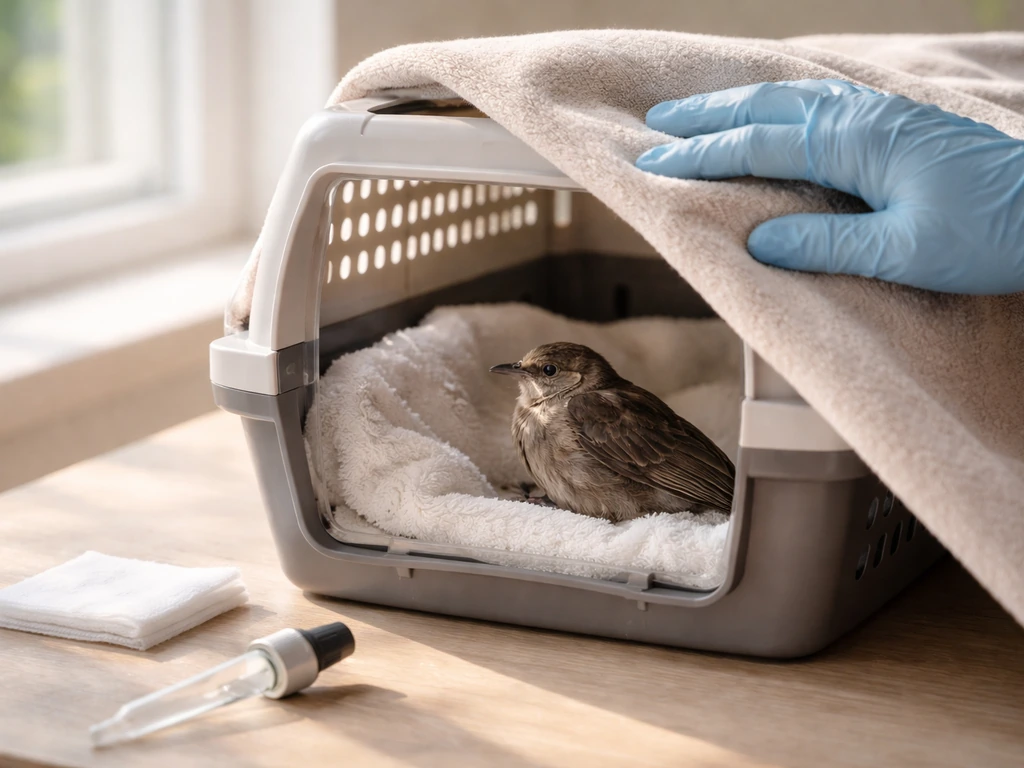
If your budgie's beak looks off, the first thing to figure out is whether you're looking at a real problem or just normal wear. Budgie beaks are tough, living structures that grow continuously and show wear from daily use, so minor surface changes are expected. But beak problems in budgies can also signal infection, mite infestation, nutritional deficiency, or even liver disease, and those things need to be caught early. If you're noticing beak-related changes along with other symptoms, it can help to compare them to budgie bird health problems to decide what needs urgent attention. Here's how to tell the difference, what to check today, and when to call a vet.
Budgie Bird Beak Problems: Checklist and What to Do Now

Marcus Webb
21 Apr 2026
The most common reasons a budgie's beak looks abnormal
Most beak problems in budgies fall into a handful of categories. Knowing which one you're likely dealing with makes it much easier to figure out your next step.
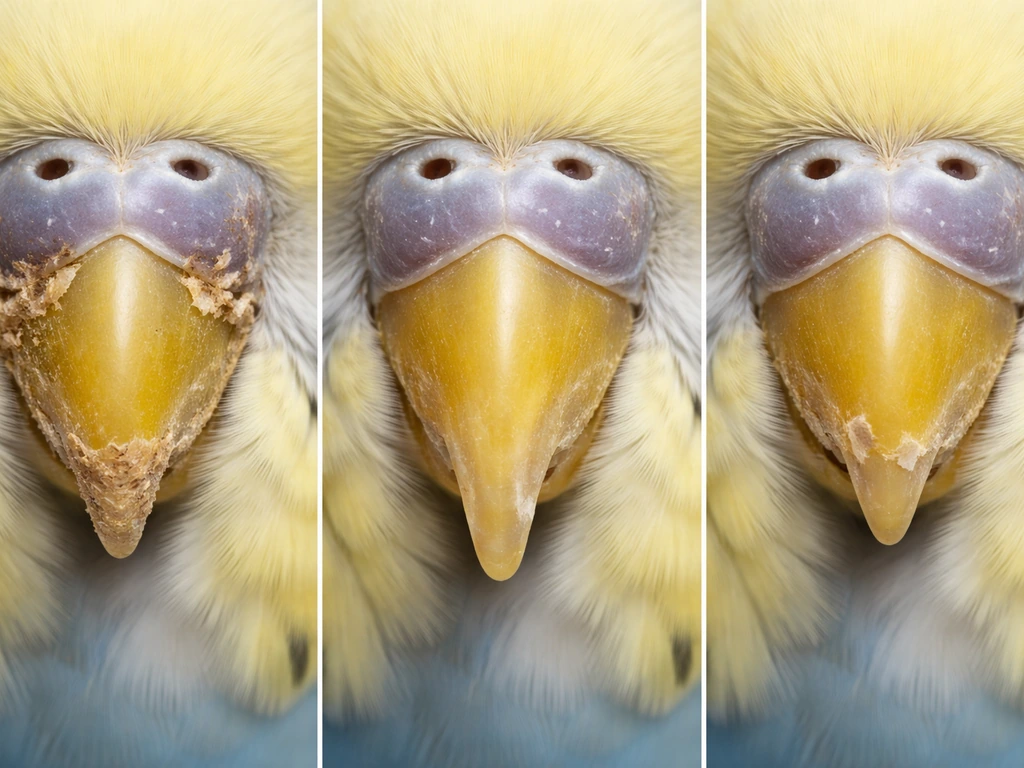
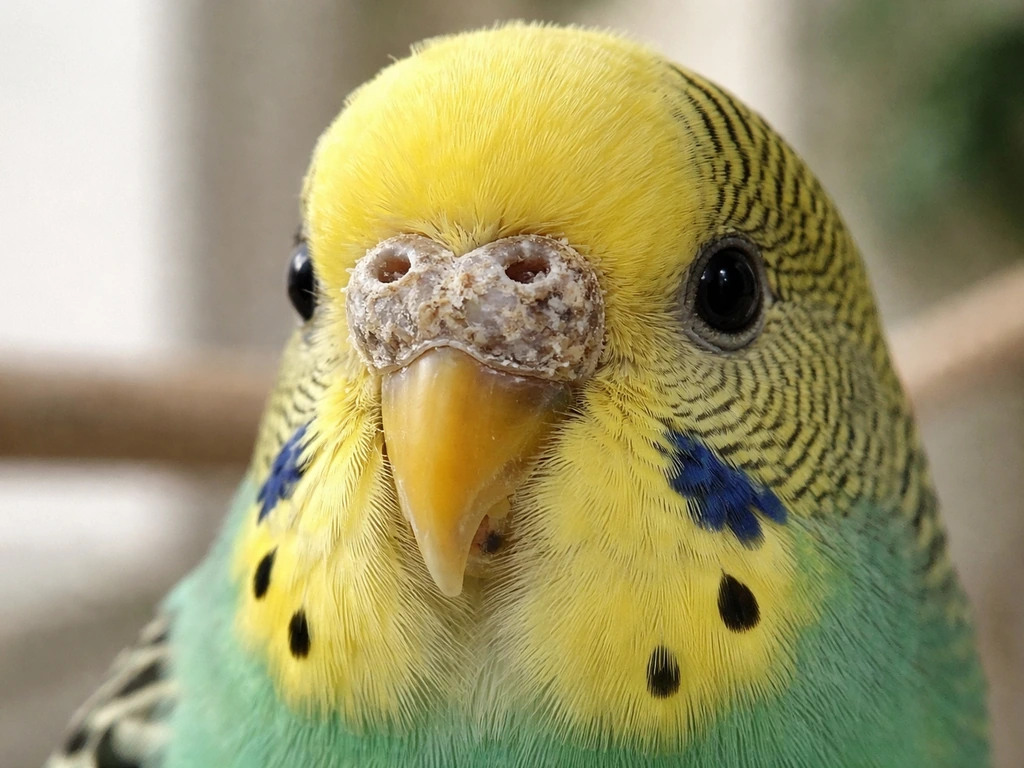
- Scaly face mites (Knemidocoptes): One of the most common beak-area problems in budgies. The mite burrows into the skin around the cere and beak, causing a fine white crusty coating that starts at the cere or corners of the mouth and can spread to the beak itself, eyelids, throat, and legs. The beak can actually become malformed if the infestation is left untreated.
- Nutritional deficiencies: Diets that are mostly seed-based commonly cause deficiencies in vitamin A, vitamin D3, and calcium. These deficiencies are directly linked to beak overgrowth, flaking, and soft or brittle keratin.
- Liver disease: Beak overgrowth in budgies is often a symptom of underlying liver problems, especially in birds on all-seed diets. The connection is well documented, and overgrowth in an older bird with a poor diet should always raise this flag.
- Trauma or injury: A budgie that has flown into a window, been startled into the cage bars, or had a run-in with another bird can crack, chip, or fracture the beak. Even partial fractures can be serious.
- Bacterial or fungal infection: Sores, swelling, or soft spots on the beak can indicate an infection in the beak tissue itself. This usually needs veterinary diagnosis and treatment.
- Psittacine Beak and Feather Disease (PBFD): Caused by a circovirus, PBFD can cause beak malformation and deformity alongside feather problems. It's a less common but serious differential to be aware of, especially if beak changes appear alongside feather abnormalities.
Normal beak wear vs. something worth worrying about
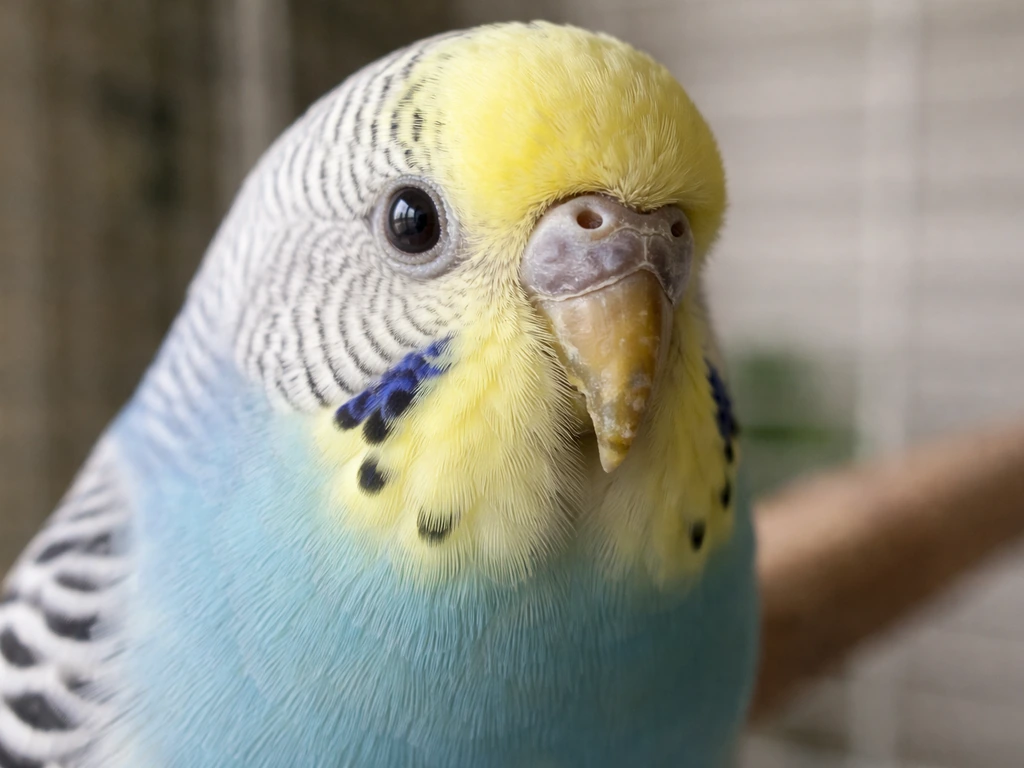
A healthy budgie beak is smooth, firm, symmetrical, and comes to a clean point on the upper mandible. The edges of the nares (nostrils) sit on either side of the cere and should have smooth, even margins. The beak surface can have very fine, barely perceptible layering, which is the normal result of keratin being continuously replaced as the outer layer wears off. A tiny bit of surface flaking on its own, especially in a bird that eats well and has good enrichment, can be normal shedding.
What is not normal: overgrowth where the upper beak curves far past the lower, a beak that is visibly asymmetrical or twisted, rough or sponge-like texture around the cere, crusting that builds up on or around the beak and nares, soft spots, bleeding, swelling, or a beak that appears pale, discolored, or crumbly. If the beak is making it hard for your budgie to pick up food or eat, that crosses the line from cosmetic to clinical.
| What you see | Likely normal or concerning? | What it usually means |
|---|---|---|
| Very slight surface layering/flaking | Can be normal | Natural keratin shedding, especially with good diet and foraging |
| Fine white crust around cere/beak corners | Concerning | Possible scaly face mites, needs vet check |
| Upper beak overhanging lower beak significantly | Concerning | Overgrowth, possibly from liver disease or nutritional deficiency |
| Beak visibly twisted, crossed, or asymmetrical | Concerning | Malocclusion, trauma, or developmental problem |
| Smooth beak with tiny chip from minor contact | Usually minor | Mechanical trauma, monitor closely for bleeding or further damage |
| Crack or split in the beak | Concerning | Structural injury, risk of infection, needs vet assessment |
| Swelling, soft spot, or sore on beak/cere | Concerning | Possible infection, abscess, or mite damage |
| Beak discolored, pale, or crumbly | Concerning | Possible metabolic or nutritional disease |
Signs that suggest infection or serious disease
Some beak symptoms on their own are worrying. But certain combinations of signs mean you should be calling an avian vet today, not waiting to see how things develop.
Contact a vet immediately if your budgie shows any of the following:
- Open-mouth breathing, wheezing, rapid breathing, or tail bobbing (the tail moves visibly up and down with each breath). These are signs of respiratory distress and are always an emergency in a small bird.
- Bleeding from the beak that cannot be stopped.
- Swelling around the head, face, or beak that has appeared suddenly.
- Refusal to eat, especially combined with any other symptom on this list.
- A beak that is cracked through to the base, severely fractured, or partially detached.
- Discharge from the nares (nostrils), especially if thick, discolored, or blocking airflow.
- Crusting that has spread rapidly to the eyes, throat, or legs alongside beak changes (this pattern fits scaly face mite infestation moving through the body).
- Sudden change in voice or complete silence in a bird that was previously vocal.
- Lethargy, fluffed feathers, or the bird sitting on the bottom of the cage alongside any beak symptom.
It's worth noting that many of these warning signs overlap with general illness signs in budgies. If you've noticed other changes alongside beak problems, such as changes in droppings, abnormal feathers, or unusual behavior, those details together paint a much clearer picture of how sick your bird may be. The State Veterinary Institute Prague (BFDV) notes that transmission can occur through feather dust, feces, and aerosols from contaminated environments, and it recommends PCR-ready sample types such as feathers, droppings, and blood blank" rel="noopener noreferrer">feathers, feces, and aerosols from contaminated environments. If you notice bird behavior problems along with beak changes, that combination is a strong sign you should check for underlying illness. If you also notice abnormal feathers, mites, infection, or nutrition issues can be part of the same overall problem. If your budgie seems unwell along with beak changes, use this guide to understand budgie bird sick symptoms and decide when it is time to call the vet. Beak problems rarely exist in total isolation from overall health.
Simple checks you can do at home today
Before your vet appointment, or while you're deciding whether to make one, you can do a structured check at home. Work through these areas systematically.
Diet quality and nutritional balance

Look honestly at what your budgie has been eating. A diet of mostly dry seed is a significant risk factor for vitamin A, vitamin D3, and calcium deficiencies, all of which are directly linked to beak overgrowth, poor keratin quality, and flaking. If your bird's diet is seed-heavy, that is one of the most actionable things you can address right now. Budgies need a varied diet that includes high-quality pellets, fresh leafy greens, and limited fruit alongside seed.
Chewing and foraging opportunities
Budgies naturally wear their beaks down through foraging and chewing. If your bird has limited access to safe chewing materials, cuttlebone, mineral blocks, or forage toys, the beak may not be getting the mechanical wear it needs. Check that cuttlebone is available and that your budgie is actually using it. Some birds ignore cuttlebone if it's positioned awkwardly or if they've never been introduced to it.
Perch variety and abrasion surfaces
Uniform smooth dowel perches don't provide the natural abrasion that helps keep both beaks and nails in shape. Check whether your bird has access to different textures: natural wood branches of varying diameters, rope perches, and at least one slightly rougher surface. This also matters for foot health, which is worth checking while you're looking the bird over.
Signs of mites around the cere and beak
In good light, look closely at the cere (the fleshy area above the upper beak where the nostrils are) and the corners of the mouth. Scaly face mites cause a distinctive fine, whitish, crusty or honeycomb-textured coating in these areas. If you're dealing with scaly or crusty face issues, explore scouse bird problems to spot mites and related skin symptoms earlier. It often starts small and can be mistaken for dry skin. If you see any crusty buildup with that fine, porous texture, mites are a strong possibility and your bird needs a vet visit for skin scraping diagnosis and appropriate treatment.
Humidity and environment
Very dry environments can contribute to excessive flaking and poor keratin quality. If your home is particularly dry, especially in winter with heating running, this can affect your budgie's beak and skin condition. A light occasional misting or a shallow bath dish can help. Check that the cage is clean and free of accumulated feces and old food, both of which can harbor bacteria and fungi.
Injury assessment
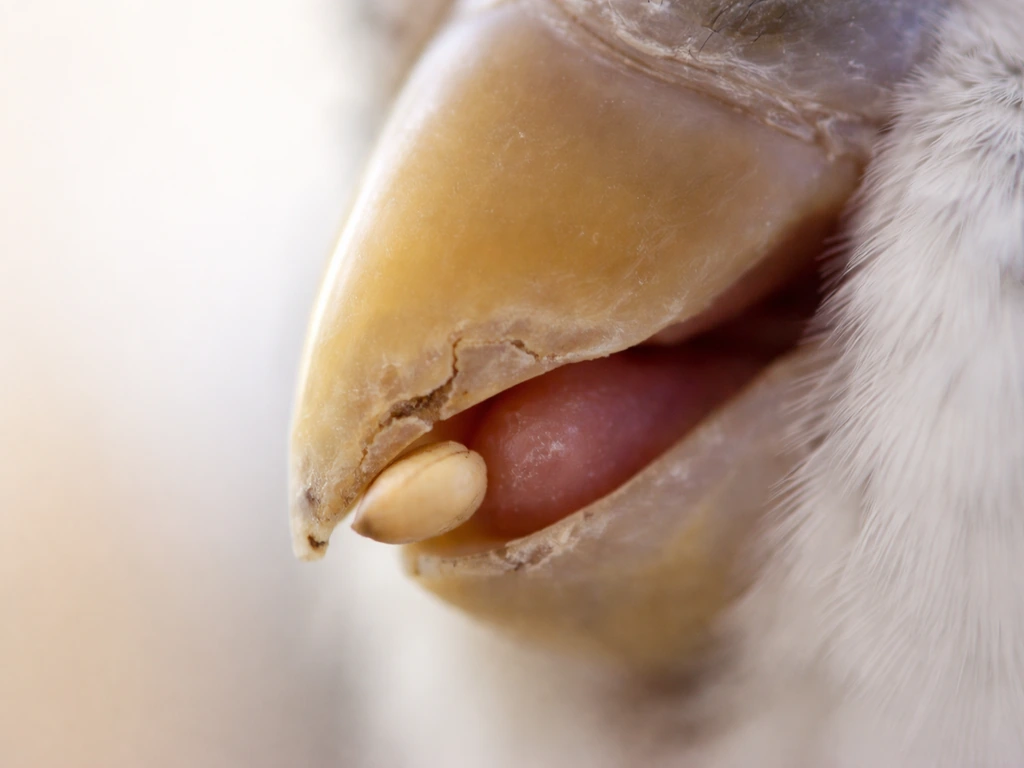
Look at the beak carefully for cracks, chips, asymmetry, and any bleeding. Watch your bird eat: can it pick up food, crack seeds, and swallow normally? Difficulty manipulating food is a red flag that the beak is structurally compromised or painful. Also check whether the upper and lower mandibles meet correctly when the bird closes its mouth.
Beak overgrowth: what it means and how it's managed
Beak overgrowth is one of the most common beak problems seen in budgies. The upper beak grows continuously and under normal circumstances is worn down by eating, chewing, and rubbing against the lower beak and hard surfaces. When something disrupts that balance, the upper beak can curve downward far beyond the lower beak, making eating difficult and eventually impossible.
In older budgies especially, significant overgrowth is more often linked to underlying disease than to malocclusion or mechanical problems. Liver disease is the most commonly associated condition, and it's often tied to years of seed-only diets. Nutritional deficiencies in vitamin A, D3, and calcium can also cause overgrowth. This is why beak overgrowth should never just be treated as a grooming problem: it's a symptom that warrants investigation of what's driving it.
Should you trim your budgie's beak at home?
The short answer is: no, not if you can help it, and definitely not if the overgrowth is significant. Beak trimming in birds carries real risks. Overtrimming can cause pain, malocclusion, and in the worst cases, severe hemorrhage. The beak contains blood vessels that are not always visible from the outside, and cutting too far into living tissue is easy to do without proper training and equipment. Using tools like nail clippers or scissors on a beak can cause the beak to split or crack and can jar the base of the beak, causing further damage.
If the overgrowth is mild and your vet has shown you exactly what to do and where the safe trim zone is, minor maintenance may be something you can eventually handle. But the first trim should always be done by a vet or an experienced avian specialist. An avian vet will also use the appointment to check for the underlying cause, which is the more important part.
What vets do and what you can manage at home
What to expect at the vet
An avian vet will start with a physical exam that includes assessing beak conformation, the cere, nares, and the surrounding tissues. For suspected mites, they'll do a skin scraping and look for the mites under a microscope. If liver disease or metabolic issues are suspected based on beak appearance or diet history, blood work is typically recommended. For infections, cultures may be taken. If the beak needs trimming, they'll do it safely using appropriate tools and technique, and they can do it under light sedation if the bird is very stressed or the trim is complex.
Treatment depends on the cause. Scaly face mites are usually treated with an antiparasitic medication (commonly ivermectin or moxidectin applied topically). Nutritional deficiencies are addressed through diet changes and sometimes short-term supplementation. Liver disease typically requires dietary intervention, possibly medication, and monitoring. Infections may need antibiotics or antifungals prescribed by the vet after identifying the organism.
What you can safely do at home
While you're waiting for a vet appointment or after you've had a diagnosis, there are several things you can do at home that are safe and genuinely helpful:
- Improve the diet immediately: shift toward a pellet-based diet with fresh vegetables and reduce seed to a smaller portion of daily intake. This addresses the nutritional root cause of many beak problems.
- Make sure cuttlebone and a mineral block are accessible and positioned so the bird can easily use them.
- Add natural wood perches of varying thickness to encourage normal beak and nail wear.
- Keep the cage clean: remove old food and feces daily to reduce bacterial and fungal exposure.
- Do not apply any topical treatments, creams, or home remedies to a mite-affected cere or beak without veterinary guidance. Petroleum-based products sometimes suggested online can block the nares and cause respiratory problems.
- If you suspect a minor crack or chip with no bleeding, keep the bird calm, limit flying, and get a vet appointment as soon as possible.
- If there is active bleeding from the beak, apply gentle pressure with a clean cloth and get to a vet or emergency avian clinic immediately.
How to prevent beak problems long term
Prevention comes down to four things: good nutrition, physical enrichment, a safe environment, and regular monitoring. Get these right and you dramatically reduce the chance of dealing with beak problems in the first place.
Diet and nutrition
Vitamin A and calcium are the two most commonly deficient nutrients in budgies kept on seed-only diets, and they're directly linked to beak and keratin problems. A high-quality pellet base covers most of these gaps. Add dark leafy greens like kale, spinach, and parsley for natural vitamin A. Cuttlebone provides calcium and gives the bird something to chew. Limit seed, fruit, and table scraps, which are high in fat and sugar but nutritionally incomplete.
Enrichment and foraging
Budgies are active, intelligent birds that naturally spend a large portion of the day foraging and chewing. Providing foraging toys, safe wood pieces to chew, and varied food textures keeps the beak working the way nature intended and prevents boredom-related issues. A bird that is mentally and physically stimulated is less likely to develop stress-related health problems overall.
Perch variety and cage safety
Use perches of different diameters and textures. Natural wood branches are ideal. Avoid sandpaper perch covers, which can cause sore feet without meaningfully helping beak or nail wear. Check the cage for anything with sharp edges or small gaps where a beak could get caught during climbing or play. If you have multiple birds, monitor for bullying, since beak injuries between birds are not uncommon.
Routine monitoring
Make a habit of looking at your budgie's beak, cere, and nares once a week in good lighting. You're looking for changes in symmetry, texture, color, and any crust buildup. Catching scaly face mites early, for example, makes treatment much more straightforward than managing a case that has spread across the face and legs. Regular vet checkups, at least once a year for a healthy budgie, give a professional the chance to spot changes you might miss. Early detection of beak abnormalities, before they become structural problems, is the most effective prevention strategy of all.
Beak health doesn't exist in isolation. Changes in the beak often reflect what's happening in the rest of the body, from nutritional status to liver function to parasitic load. If you're already tracking your bird's overall health, including its droppings, weight, feather condition, and behavior, beak changes will be easier to catch and put in context. Staying observant is the single most useful thing a budgie owner can do.
FAQ
My budgie’s beak looks slightly rough and the surface seems to flake, is it definitely a problem?
Not necessarily. Very fine, minimal flaking can be normal keratin shedding, especially if the beak is still smooth overall and your bird is eating normally. The key difference to watch for is pattern and severity, normal shedding is superficial and not crumbly, while abnormal issues tend to involve crusting around the nares/cere, pale or discolored areas, or anything that affects food pickup.
How can I tell if the beak overgrowth is really malocclusion versus liver or another disease?
Look at the pattern and the bird’s age and overall context. In older budgies, major overgrowth is more often tied to internal disease than a simple bite alignment issue, especially with a long history of seed-only diets. Also check for accompanying signs like reduced appetite, weight change, droppings changes, lethargy, or overall skin changes, those point more toward systemic problems rather than just mechanical wear.
Is it ever safe to file or trim my budgie’s beak at home if it’s getting long?
In general, no. Even when the beak seems “just too long,” trimming carries risks because blood vessels can be involved deeper than you can see. If you try to file, you can also create uneven edges that worsen biting and feeding. The safer approach is to have an avian vet assess the cause first, and only do maintenance if they have marked a precise safe trim zone for you.
What should I do immediately if my budgie cannot pick up food or drops it from the beak?
Treat it as urgent. Offer smaller, softer foods temporarily (for example, finely chopped leafy greens or a moistened pellet, depending on what your bird tolerates) while you arrange an avian vet visit. Do not force hard seeds, if your budgie cannot crack them, pushing can worsen pain or cause further injury.
Could mites on the face be causing the beak problems, even if the beak itself looks okay?
Yes, face mite issues can affect the areas around the cere and nares first, and crusting there can make the beak look involved or interfere with normal openings and feeding. If you see a fine whitish, honeycomb textured crust around the cere or nostrils, that pattern strongly suggests scaly face mites and typically needs a vet diagnosis (skin scraping) and prescription treatment rather than home cleaning alone.
Do sandpaper perch covers ever help with beak or nail issues?
They can hurt more than help. Sandpaper-style covers may cause sore feet and do not replicate the useful abrasion pattern of natural wood with varying diameters and textures. Use natural branches or other textured surfaces, and include at least one perch that provides gentle, consistent wear without irritating the skin.
My budgie is on a seed-heavy diet, how long after diet change should I expect beak-related issues to improve?
Expect gradual improvement rather than quick reversal. Diet changes can start correcting deficiencies, but beak keratin and shape changes take time, and significant overgrowth usually reflects a longer-term process. If you see worsening over days, new bleeding, crust expanding around the nares, or feeding difficulty, diet adjustment alone is not enough and you should book an avian vet promptly.
If the beak has a small crack or chip but my budgie eats normally, should I still see a vet?
It’s still worth evaluating, especially if the crack is near the cere/nares, there is any bleeding, or the edges look rough enough to snag. Chips can sometimes expose living tissue or create an abnormal bite that leads to further keratin breakdown. A vet can check whether the crack is superficial shedding versus structural compromise.
Could environmental dryness or cage cleanliness be the main cause, or do I still have to worry about infection?
Dryness and hygiene can contribute to flaking, but they usually do not explain crusting that spreads around the nares/cere or any soft spots, bleeding, or swelling. If crust looks porous or honeycomb-like, or if the beak area is inflamed, assume mites or infection until ruled out. Clean the cage, provide mild humidity support, and still arrange an exam if the beak signs are persistent or progressing.
How often should I check my budgie’s beak, and what exactly should I record?
A once-a-week check in good lighting is a good baseline. Focus on symmetry (upper versus lower alignment), surface texture (smooth versus sponge-like), color (pale or discolored areas), and presence or expansion of crust around the nares/cere. If you track photos with the same lighting and angle, you can spot subtle progression and give your vet more actionable information.
Next Article
Bird Trauma Symptoms: Signs, Triage, and First Aid Steps
Recognize bird trauma symptoms, triage urgency, and give safe first aid for bleeding, fractures, head injuries, and shoc