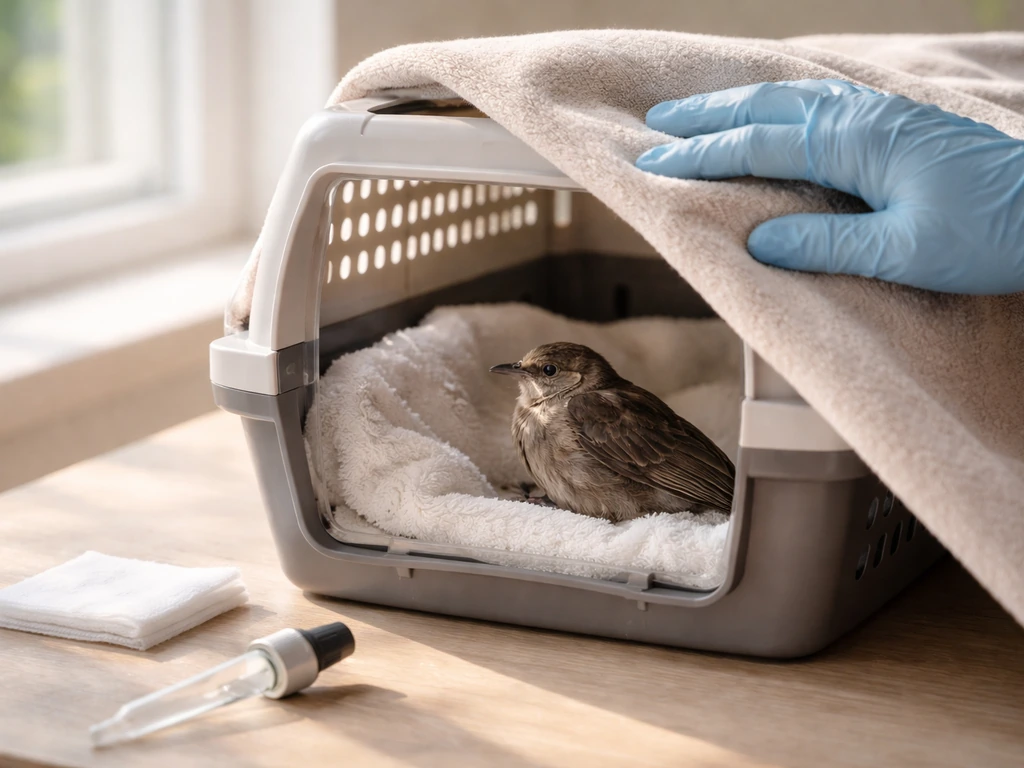
If you searched 'common white throat bird' and landed here, there are two very different things you might be dealing with: a bird species that naturally has a white throat as part of its normal markings, or a bird in your care whose throat looks white or abnormal and you're worried something is wrong. These are completely different situations, and figuring out which one applies to you is the first thing to do before anything else.
Common White Throat Bird: Identify Signs and Get Help Now

Marcus Webb
23 Mar 2026
What 'common white throat bird' likely refers to: species vs. symptom
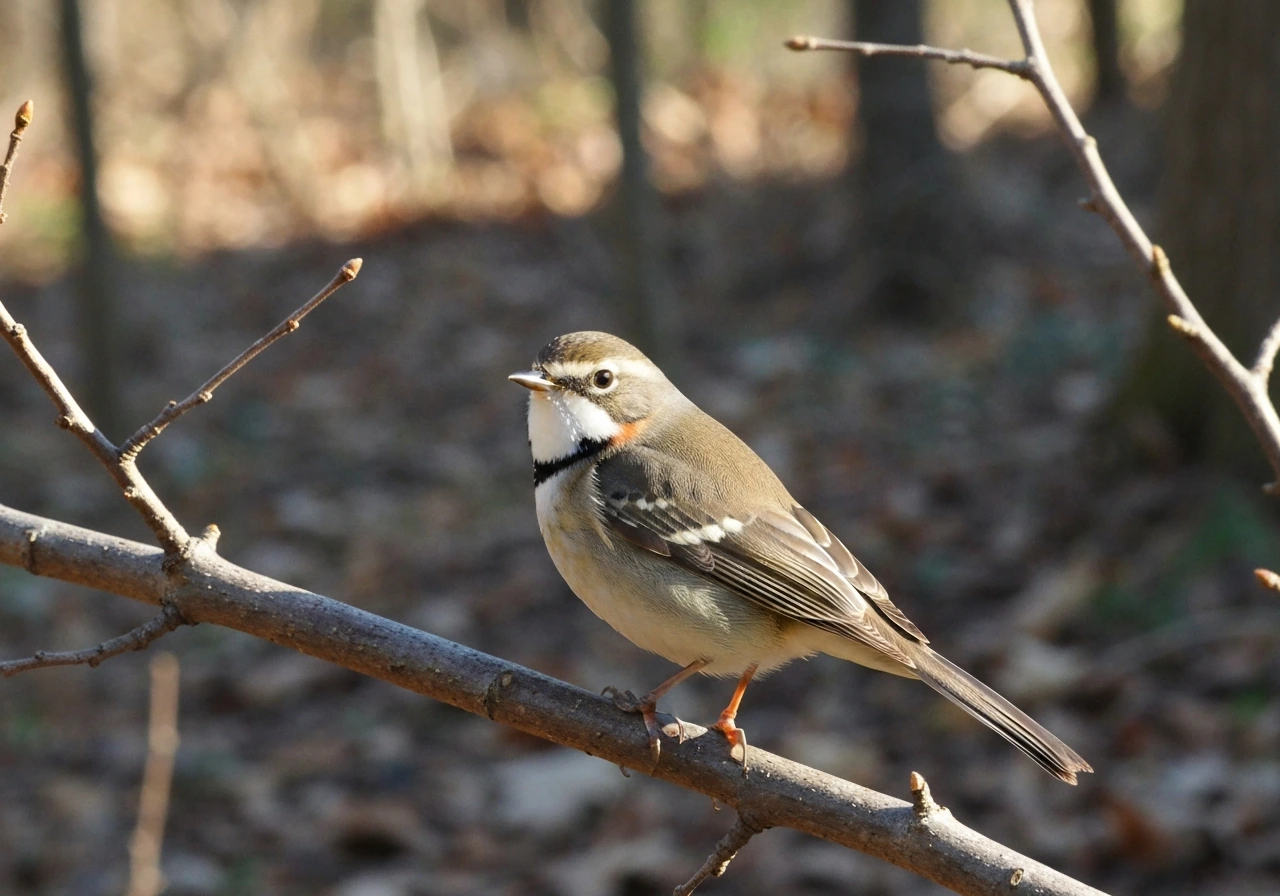
In the bird-watching world, 'white throat' is a naming descriptor used across many completely unrelated species. The white-throated sparrow (Zonotrichia albicollis) is probably the most commonly referenced, known specifically for its crisp white throat patch. There's also the white-throated spadebill and several other wild species where 'white throat' just describes a plumage feature, not a health condition.
For pet bird owners, the phrase works differently. If you have a budgerigar (budgie), for example, they actually have what are called 'throat spots,' which are part of their completely normal plumage pattern. These are the two outermost spots situated at the base of each cheek patch on the neck and throat area. They are supposed to be there. Exhibition and breed standards specifically describe throat spots as part of a budgie's standard markings. So if your budgie has visible spots near the throat/cheek area and is otherwise acting normally, that is very likely just normal coloring.
Where things get serious is when a caretaker notices something white, pale, cheesy, or off-color inside or around the throat of a bird that did not look that way before, especially when paired with behavioral changes. That is a symptom, not a species trait, and it needs a different response entirely. The rest of this guide is focused on helping you figure out which situation you're in.
Typical signs and symptoms to look for, especially in the throat and respiratory area
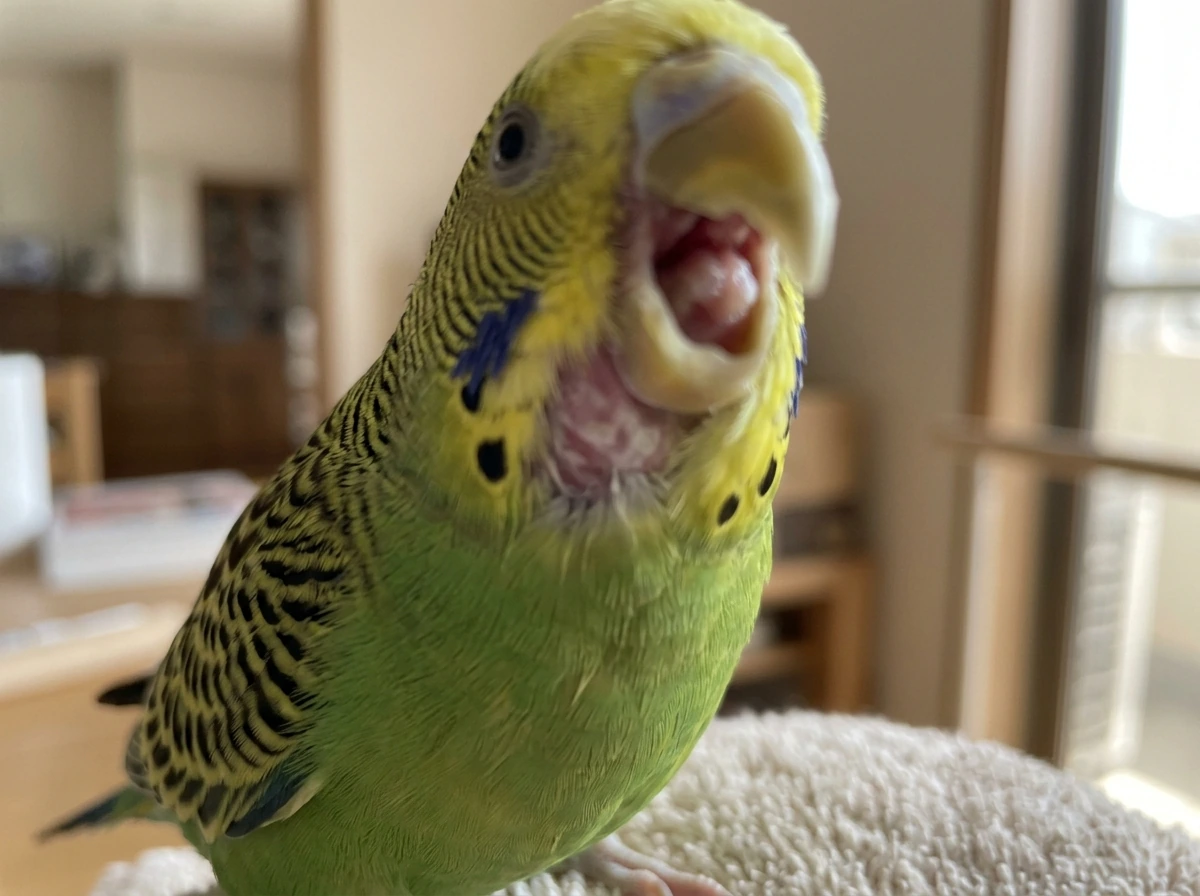
When a bird has an actual throat or upper respiratory problem, the white appearance in the throat is usually just one piece of the picture. A healthy bird has a clear, clean oral cavity. You should not see white plaques, cottage-cheese-like deposits, excessive mucus, swelling, or redness when you gently look at the inside of the beak.
Here are the specific signs worth watching for if you suspect something is wrong:
- White, yellowish, or gray patches, plaques, or deposits inside the mouth, on the tongue, or at the back of the throat
- Swelling around the throat, crop area, or face
- Changes in voice: singing less, voice sounds hoarse or muffled, clicking or wheezing when vocalizing
- Labored or noisy breathing: tail bobbing with each breath, open-mouth breathing, audible wheezing or clicking at rest
- Discharge from the nostrils or eyes (clear, cloudy, or colored)
- Head shaking, repeated attempts to swallow, or pawing at the beak or face
- Reduced appetite or complete refusal to eat, which in birds can escalate quickly
- Fluffed feathers, hunched posture, or sitting low on the perch
- Lethargy: not responding to you the way the bird normally does, sleeping more than usual during daylight
- Weight loss, which you can feel by gently touching the keel (breastbone)
Not every bird with a throat problem will show all of these. Some birds hide illness well until things are advanced, which is why behavioral changes (quiet, fluffed, off food) matter just as much as visible throat signs.
Why a bird might develop a white throat appearance: the main causes
Several different conditions can cause abnormal white or pale tissue in or around a bird's throat. Understanding the likely cause helps you know how urgent the situation is.
Candidiasis (fungal/yeast infection)
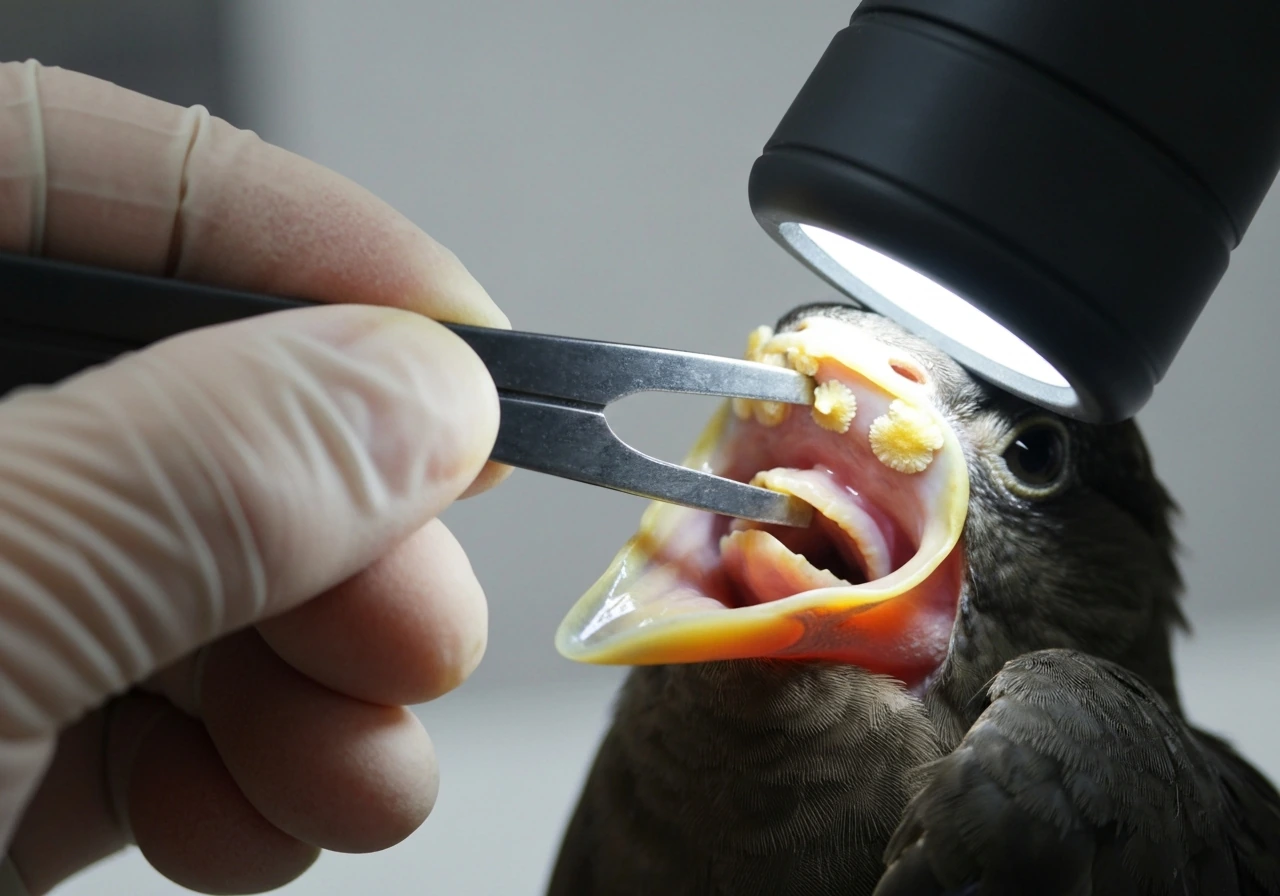
Candida is a yeast that lives naturally in small amounts in a bird's digestive tract. When the immune system is weakened, when a bird has been on prolonged antibiotics, or when sanitation is poor, blank" rel="noopener noreferrer">Candida can overgrow. It typically produces white, thick, cottage-cheese-like deposits in the mouth, crop, and throat, often what people mean when they ask how to identify a thrush bird. It is one of the most common causes of visible white material in the throat area of pet birds and is seen frequently in young birds, birds under stress, or birds recovering from other illnesses, often what people mean when they ask how to identify a thrush bird.
Trichomoniasis (canker)
This is a parasitic infection caused by Trichomonas gallinae. It produces yellow-white, cheesy lesions inside the mouth and throat. It is common in pigeons and doves and can spread to other birds through shared water or food sources. The lesions can grow large enough to interfere with swallowing and breathing.
Bacterial infections
Bacterial upper respiratory infections can cause inflammation, mucus buildup, and in some cases, visible whitish or yellowish discharge in and around the throat. These can occur on their own or secondary to a viral illness. Streptococcal and other bacterial infections are known to cause visible changes in the oral cavity.
Poxvirus (wet/diphtheric form)
Avian pox in its wet form causes lesions inside the mouth, throat, and upper airway. The diphtheritic (“wet”) form of avian pox affects mucous membranes of the upper GI tract (including the mouth/pharynx) and respiratory tract (including the trachea). These can appear white or yellowish and can be severe enough to block breathing. It is more commonly seen in wild birds but can affect pet birds, especially if they have had contact with wild birds or mosquitoes.
Vitamin A deficiency
A diet deficient in vitamin A is extremely common in seed-only birds. It leads to squamous metaplasia, where the mucosal lining of the mouth, throat, and airways changes in texture and color, often producing white plaques or blister-like spots, which can lead people to wonder what bird has white spots on wings. This is one of the most preventable causes and is frequently seen alongside other signs of poor nutrition.
Normal markings misread as a symptom
As noted above, some birds have white throat markings as part of their normal plumage. Budgie throat spots are a classic example. If the bird is eating, vocalizing, active, and behaving normally, and the white you see is on the feathered exterior of the throat rather than inside the beak, it is very likely just plumage.
How to confirm what you're seeing: safe home checks and when not to guess
You can do a careful home observation without putting the bird at risk. The goal is to gather information, not to diagnose or treat. Here is how to approach it safely.
- Observe the bird undisturbed first: Watch from a short distance without approaching. Note breathing rate, posture, whether the tail is bobbing, whether the beak is open at rest, and overall activity level.
- Check feathers and body condition: Is the bird fluffed? Sitting low? Feathers smooth and tight indicate alertness; fluffed feathers while sitting low are a warning sign.
- Listen for breathing sounds: Any clicking, wheezing, rattling, or labored breathing is significant. A quiet, calm bird that breathes without visible effort is a better sign.
- Look at the exterior of the throat and face: Check for swelling, discharge from nostrils, or crusting around the eyes or beak. Do this visually without restraining the bird if possible.
- If you must look inside the beak: Only do this if you are experienced handling the bird and the bird is calm. Hold the bird gently in a towel, support the head, and look with a bright light at the inside of the mouth and throat. You are looking for white patches, lesions, mucus, or anything that looks out of place. Do not probe, poke, or try to remove any material yourself.
- Never use a swab, cotton bud, or your finger to scrape at throat lesions: This can cause bleeding, push debris further into the airway, or cause the bird to panic and aspirate material.
- Check food and water intake: Has the bird eaten today? Is the crop normal in size (not swollen, hard, or squishy when it should be empty)? A bird that has not eaten in 24 to 48 hours needs veterinary attention promptly.
- Review recent history: New birds added to the household, change in diet, recent antibiotic use, contact with wild birds, or a recent stressful event can all point to a likely cause.
If after your observation you are not confident that what you see is normal plumage, or if you see any lesions inside the beak, do not guess further. An avian vet can do a proper oral examination, take cultures or swabs, and identify the cause quickly and safely.
What you can do right now vs. what needs a vet
It is important to be honest about what home care can and cannot accomplish here. There is no safe home treatment for white throat lesions in birds. What you can do at home is supportive care while you get the bird to a vet, not a replacement for veterinary assessment.
Supportive steps you can take at home right now
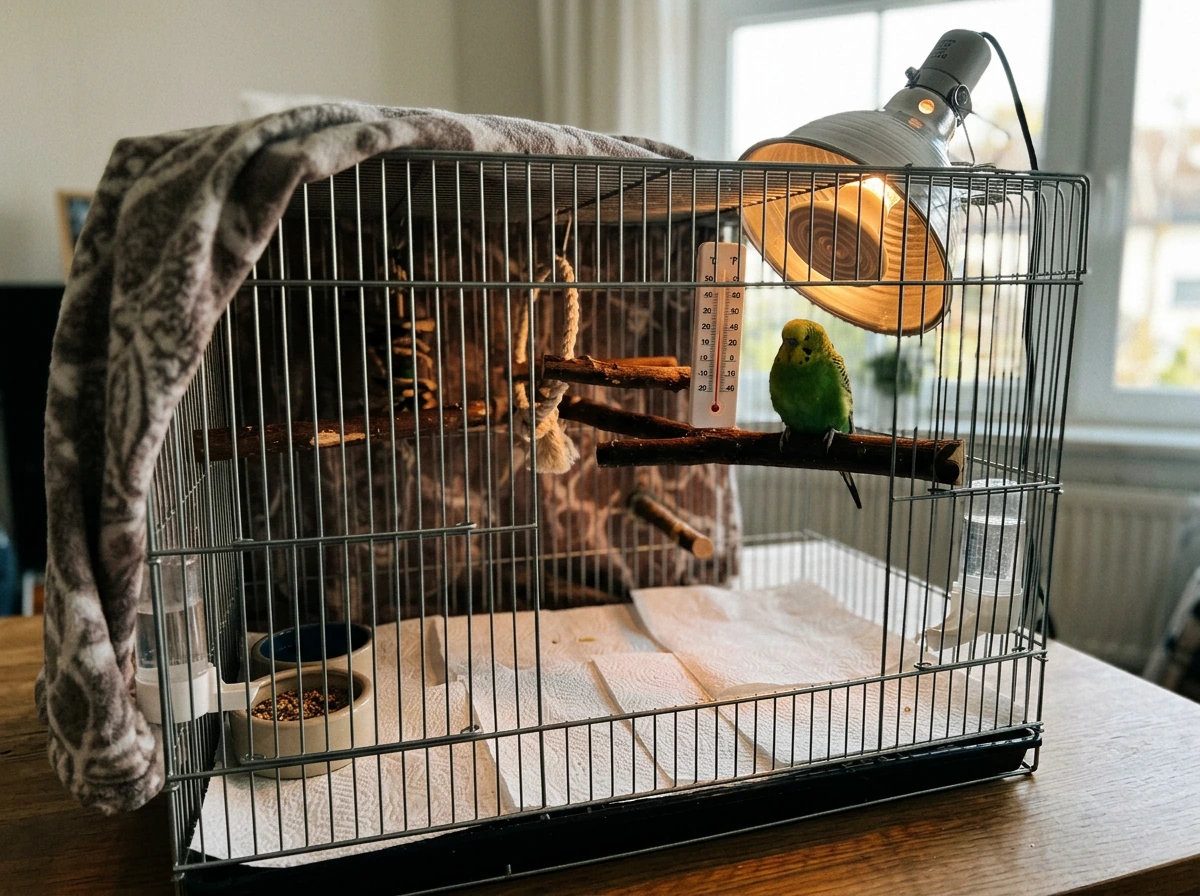
- Keep the bird warm: Sick birds lose heat rapidly. A temperature of around 85 to 90 degrees Fahrenheit (29 to 32 degrees Celsius) in part of the enclosure gives the bird the option to self-regulate. A heating pad on low under half the cage, or a heat lamp positioned safely, works well.
- Reduce stress: Move the bird to a quiet space away from other pets, loud noise, and drafts. Stress suppresses the immune system and makes any illness progress faster.
- Isolate from other birds immediately: If you have multiple birds, separate the sick bird to its own cage and equipment. Use separate food and water dishes, and wash hands thoroughly between handling birds.
- Ensure access to fresh water: Dehydration worsens quickly in sick birds. Make sure clean water is easily reachable. If the bird is too weak to reach the regular water dish, move it closer.
- Offer easy-to-eat foods: Soft, palatable foods may encourage a bird with throat discomfort to keep eating. Avoid forcing food or water.
- Do not give over-the-counter medications designed for humans or other animals: Antifungals, antibiotics, and antiparasitics for humans or mammals can be toxic to birds. Do not attempt to treat throat lesions with anything at home.
What requires an avian vet
- Diagnosis of the specific cause: Candidiasis, trichomoniasis, bacterial infection, poxvirus, and vitamin A deficiency all look similar and require different treatments. A culture, swab, or physical examination is needed to tell them apart.
- Prescription antifungals (e.g., nystatin or fluconazole) for confirmed candida
- Antiparasitic treatment (e.g., metronidazole) for trichomoniasis
- Appropriate antibiotics for confirmed bacterial infections
- Nutritional correction and supplementation if vitamin A deficiency is involved
- Crop lavage or flushing if the crop is impacted or heavily infected
- Assessment of airway compromise if lesions are large or breathing is affected
The bottom line: supportive warmth and isolation buy you time, but they do not treat the underlying problem. If your bird has visible white lesions inside its throat, is not eating, or is showing any respiratory symptoms, the vet visit should happen today or tomorrow at the latest, not in a week.
Preventing recurrence and reducing spread
Once you have addressed the immediate situation, making changes to prevent a repeat matters. Most throat and respiratory conditions in birds are either contagious between birds or strongly tied to husbandry and diet.
For pet birds in a household
- Quarantine any new bird for at least 30 days before introducing it to existing birds. Keep it in a completely separate room with its own supplies.
- Clean and disinfect cages, perches, food dishes, and water dishes regularly. Many pathogens, including Trichomonas, spread easily through contaminated water.
- Upgrade diet away from seed-only feeding. Incorporate leafy greens, cooked vegetables, and a formulated pellet to address vitamin A deficiency, which makes birds far more susceptible to oral and respiratory infections.
- Avoid sharing equipment between birds even when all birds appear healthy.
- After treating one bird for candida or trichomoniasis, have all in-contact birds examined even if they show no symptoms.
For wild birds at feeders
- Clean bird feeders and baths at least once a week with a 10% bleach solution, then rinse thoroughly and let dry before refilling.
- If you notice wild birds looking sick (fluffed, lethargic, lesions visible near the beak), remove and clean all feeders for at least two weeks to reduce congregation and spread.
- Trichomoniasis (canker) spreads at shared water sources, so changing water in baths daily during an outbreak matters.
- Avoid overcrowding feeders. Multiple smaller feeders spread birds out and reduce contact-based transmission.
Red flags: when to seek urgent veterinary care today
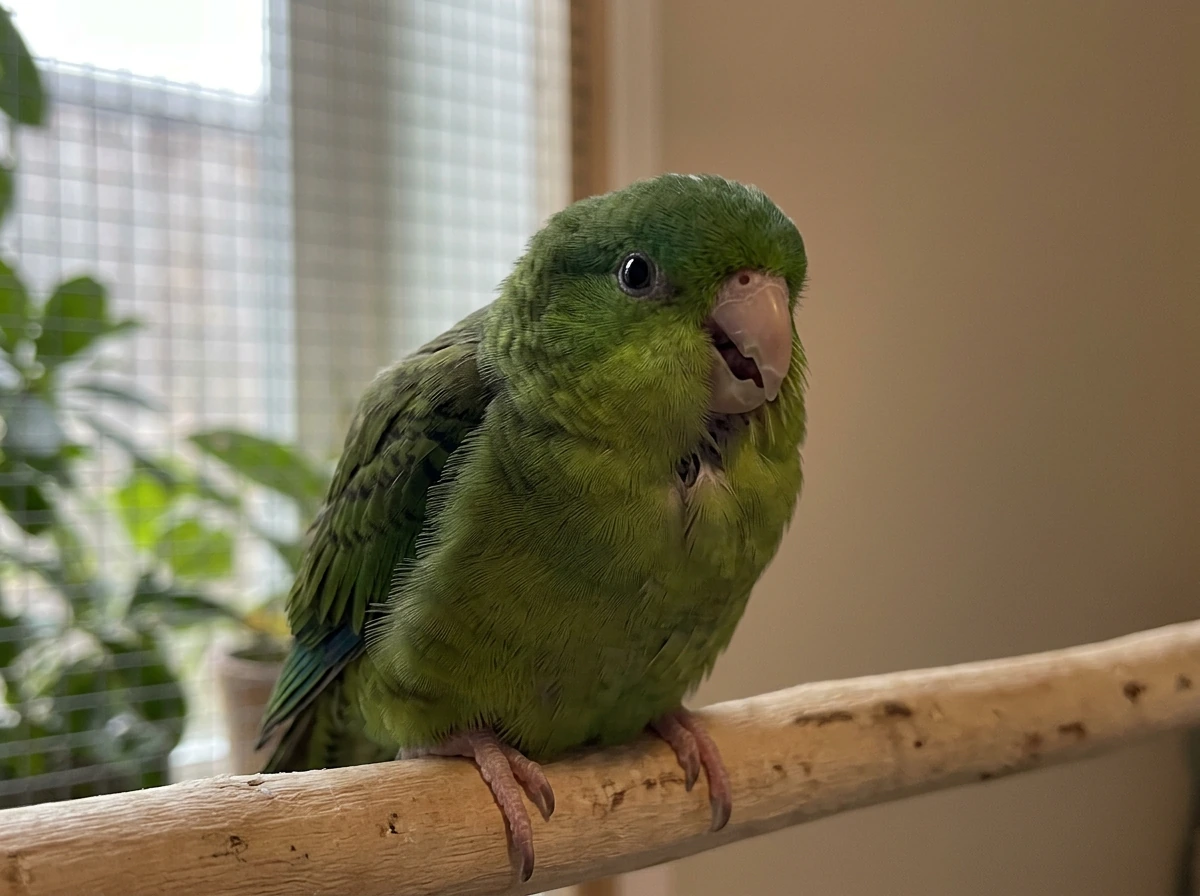
Birds deteriorate fast once they are visibly sick. Unlike mammals, birds often hide illness until they physically cannot compensate anymore. By the time you see obvious symptoms, the situation may already be advanced. These signs mean you should not wait for a scheduled appointment. Contact an avian vet or emergency animal hospital now.
- Open-mouth breathing at rest: This is not normal in birds and indicates significant respiratory compromise.
- Tail bobbing with every breath: This means the bird is using extra muscles just to breathe and is in respiratory distress.
- Audible wheezing, clicking, or rattling while breathing or at rest
- Blue or purplish tint to the skin around the beak, feet, or legs (cyanosis): This indicates oxygen deprivation and is a critical emergency.
- Complete collapse or inability to perch or stand
- Visible, large white or cheesy masses inside the mouth or throat that are visibly obstructing the airway
- No food or water intake for more than 24 hours
- Seizure-like activity or uncoordinated movement
- Sudden rapid weight loss (the keel bone feels very prominent)
- The bird is a baby or juvenile, which have far less reserve than adults and can crash within hours
If your bird is showing any of these signs, time matters more than anything else. Call ahead to the clinic so they can prepare, and keep the bird warm during transport. Do not stop to research further if the bird is in visible distress.
A quick reference: white throat in birds at a glance
| Scenario | Likely meaning | What to do |
|---|---|---|
| White feathers/markings on throat exterior, bird acting normally | Normal plumage (e.g., budgie throat spots, wild species markings) | No action needed; observe behavior for reassurance |
| White, cheesy deposits inside beak or throat, mild symptoms | Possible candidiasis or vitamin A deficiency | Isolate, keep warm, see avian vet within 24 to 48 hours |
| Yellow-white lesions inside throat, bird having trouble swallowing | Possible trichomoniasis (canker) | Isolate, see avian vet promptly; do not share water with other birds |
| White/yellow plaques inside mouth, wild bird appearing sick at feeder | Possible canker, pox, or other infection | Remove feeders, clean thoroughly, do not handle without gloves |
| Any white throat sign plus open-mouth breathing, tail bobbing, or collapse | Respiratory emergency regardless of cause | Seek emergency veterinary care immediately |
The most important thing to take away: if the white you see is on the outside of a healthy, active bird, it is almost certainly just feathers. If it is inside the beak or throat of a bird that is off its food, breathing differently, or acting sick, it needs a vet, and the sooner the better. You can also reference guides on related conditions like thrush-type infections in birds or how to identify species-specific throat markings if you are still working out what you are looking at.
FAQ
How can I tell if the white throat is just plumage (like throat spots) versus something in the mouth or throat?
Use the bird’s posture and location of the white. Normal throat spots and markings sit on the feathered skin outside the beak area, they look matte and part of the feather pattern. Abnormal lesions are typically in or right at the opening of the beak, they look like plaques, film, or deposits, and they may smear or look “stuck” rather than feather-like.
Is it ever safe to put my fingers near a sick bird’s beak to check for white deposits?
Generally avoid handling the inside of the mouth. If a bird is stressed, you can worsen breathing and increase aspiration risk. Instead, look from a distance with bright light, note what you see, and if lesions appear to be inside, prioritize an avian vet exam rather than further home inspection.
What if my bird has white around the throat but it is still eating and acting normal?
Still monitor closely, because some conditions can start mildly. Keep notes on appetite, droppings, breathing sounds (clicking, open-mouth breathing), and whether the white changes over 24 to 48 hours. If the white is clearly on feathers only and the mouth looks clean, it is likely normal plumage, but if the color is inside the beak or there is any respiratory change, arrange a vet visit.
Can thrush-like white material be mistaken for food residue or mucus?
Yes. True lesions often look thicker and plaque-like rather than thin residue, and they tend to persist or worsen rather than clear quickly after eating. Also, food residue usually matches what the bird ate and does not typically cause new breathing effort or reduced appetite. If you see cottage-cheese-like material plus any behavior change, treat it as abnormal and get a vet check.
When should I treat this as an emergency instead of waiting for the next appointment?
Consider it urgent if you see any breathing difficulty (mouth open, tail bobbing, wheezing, clicking), refusal to eat, lethargy, significant drooling, or rapidly spreading white lesions. Birds can decline fast, so if there is visible distress or the bird is not eating, contact an avian emergency service immediately.
How do I reduce spread to other birds while I’m waiting for the vet?
Isolate the bird in a separate cage and keep separate bowls, perches, towels, and cleaning tools. Wash hands and change clothes after handling. If you suspect a contagious cause like Trichomonas or avian pox, do not share water dishes between birds and avoid communal bathing until cleared.
What supportive care is generally appropriate at home before the vet, and what should I avoid?
Supportive warmth and minimizing stress are helpful, especially during transport. Avoid giving human antifungal or antibiotic medications, and avoid “scraping” any deposits, because that can injure tissue and increase bleeding or aspiration. If the bird is swallowing poorly, do not attempt force-feeding without vet guidance.
If vitamin A deficiency is a cause, why is it still important to see a vet when there are throat lesions?
Because visible throat plaques may result from infections or other non-nutritional diseases that vitamin changes alone will not fix. A vet may also check for additional signs of malnutrition and determine whether the bird needs correction plus targeted treatment. Nutrition support is best done as part of a plan after examination.
What information should I prepare for the vet to speed up diagnosis?
Bring details like when the white started, whether it’s getting bigger, whether it’s on the feathers or inside the beak, current diet (seed-only versus pellets and fresh foods), antibiotic use in the last few weeks, and any exposure to wild birds or shared water sources. Also note respiratory sounds and any change in droppings or water intake.
Next Article
Bird Trauma Symptoms: Signs, Triage, and First Aid Steps
Recognize bird trauma symptoms, triage urgency, and give safe first aid for bleeding, fractures, head injuries, and shoc