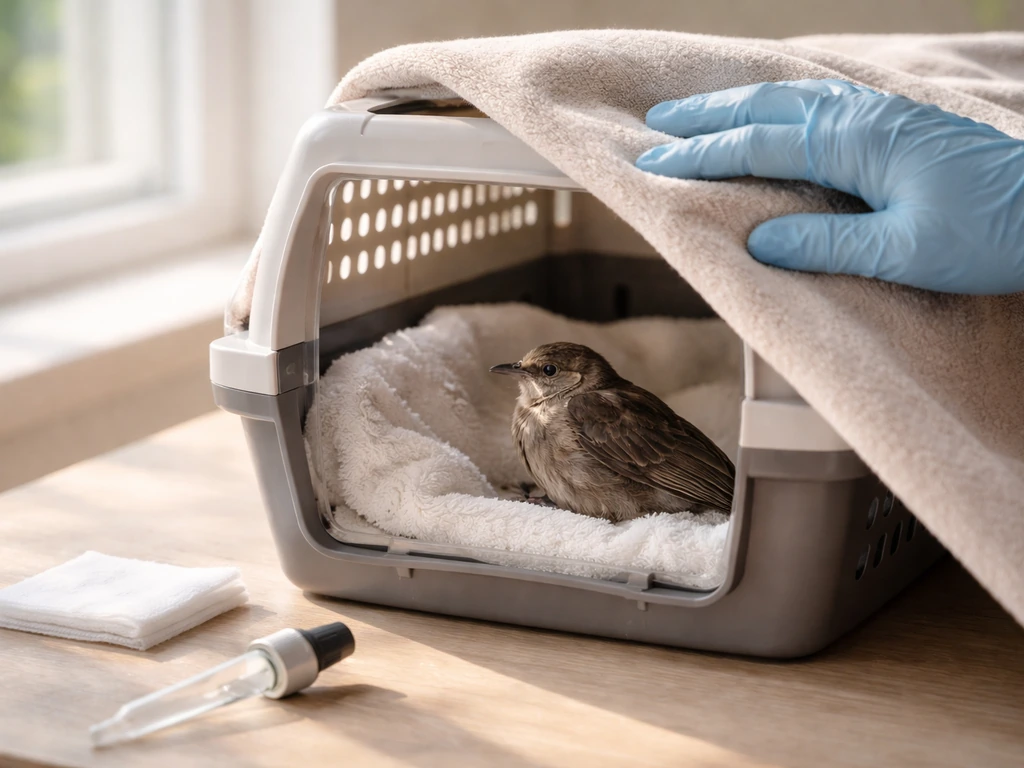
If you're searching for 'Bird Brown cancer,' you're most likely asking about Bird Brown from the TV show Alaskan Bush People, not a pet bird. If you meant Bird Brown from Alaskan Bush People and wondered about her cancer, this guide explains how people searches like that usually get confused with pet-bird health concerns Bird Brown cancer. Bird Brown is a human cast member, not a bird. There's no verified veterinary case of a pet bird named 'Bird Brown' with a cancer diagnosis. If your concern is actually about a pet bird showing worrying symptoms right now, this guide will walk you through what cancer looks like in birds, what else could be causing those signs, and exactly what to do next.
Does Bird Brown Have Cancer? Symptoms and Next Steps

Marcus Webb
23 Apr 2026
What 'Bird Brown' actually refers to
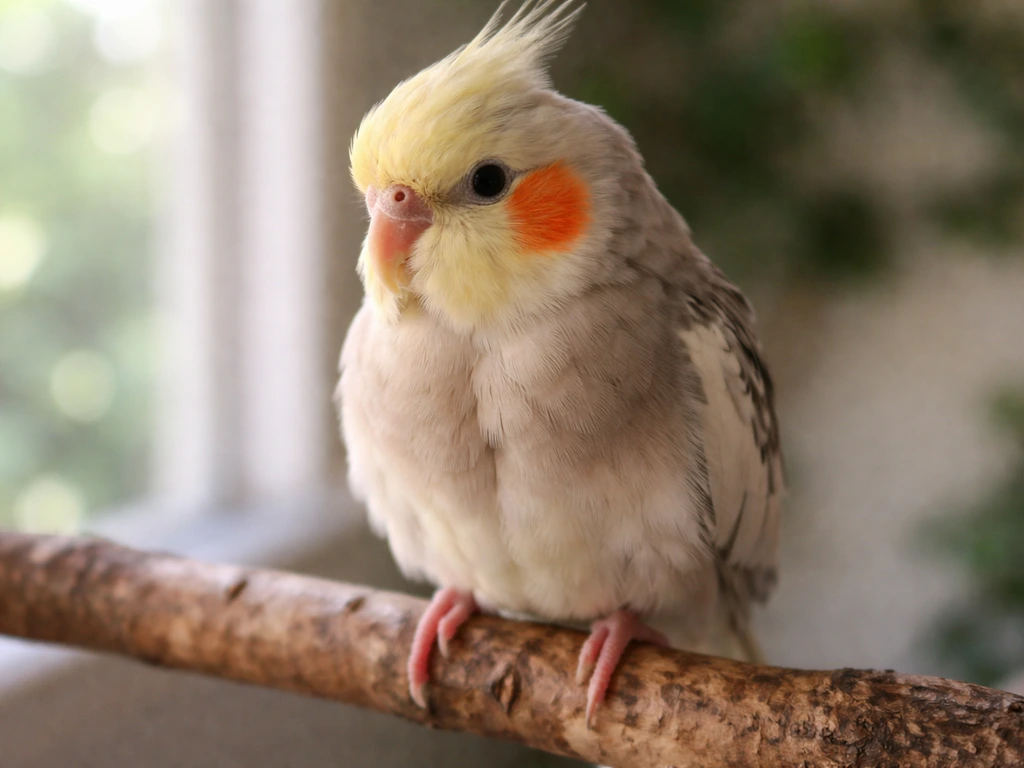
Bird Brown is a cast member of the reality TV show Alaskan Bush People. She's a person, and questions about her health belong in a celebrity news context, not an avian health guide. If you've landed here because of a news story about her cancer scare, a quick search for Alaskan Bush People updates will give you current information on that. If you're specifically asking, “does Bird Brown from Alaskan Bush People have cancer,” the most reliable updates are in current celebrity health news sources. If you've landed here because of a news story about her cancer scare, a quick search for Alaskan Bush People updates will give you current information on that does harley bird have cancer.
On the other hand, if you have a pet bird and you're worried about cancer, or you found a lump, noticed weight loss, or saw your bird acting off, you're in the right place. The rest of this guide is for you. It covers what cancer actually looks like in pet birds, what else could explain those signs, and the exact steps to take today.
It's also worth knowing that questions about cancer in birds are more common than you'd think. People search related topics like whether a specific bird has cancer, or whether bird nests can cause cancer in humans, which points to how much confusion exists around birds and cancer as a topic. If you're trying to understand whether a bird from Alaskan Bush People is sick, remember this guide is about pet bird cancer symptoms and what to do next is bird from alaskan bush sick whether a specific bird has cancer. This article focuses on your pet bird's health.
What cancer looks like in birds
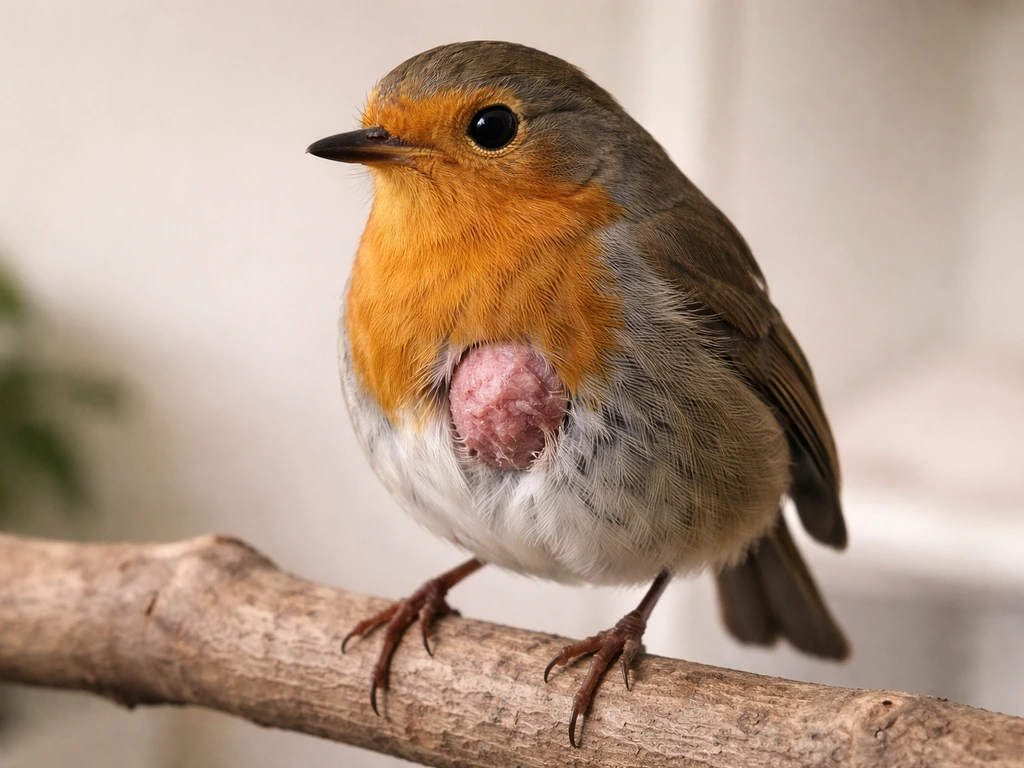
Tumors in birds can develop in almost any organ or tissue: skin, sinuses, the gastrointestinal tract, lungs and air sacs, liver, spleen, kidneys, reproductive tract, bone, and even the brain. That wide range means there's no single 'cancer symptom' to watch for. Instead, you're looking for changes that don't resolve on their own within a day or two.
One critical thing to understand: birds are prey animals and instinctively hide illness. By the time you notice something is wrong, your bird has likely been sick for days or even weeks already. That makes early recognition genuinely important.
- A visible lump, bump, or swelling anywhere on the body, especially one that's growing or feels firm
- Unexplained weight loss, even if the bird is still eating
- Persistent loss of appetite or dramatic reduction in food intake
- Lethargy, sitting puffed up on the cage floor, or reluctance to perch
- Open-mouth breathing, tail bobbing, or increased effort to breathe at rest
- Swollen or distended abdomen
- Changes in droppings (color, consistency, or volume) that last more than a day or two
- Abnormal growths around the beak, eyes, or cloaca
- Discharge from the nostrils or eyes
- Sudden behavioral changes like aggression, disorientation, or circling (possible neurological involvement)
Open-mouth breathing at rest is considered a very serious sign. If your bird is breathing with its mouth blank" rel="noopener noreferrer">open while sitting still, that warrants an immediate call to an avian vet, not a wait-and-see approach.
Conditions that look a lot like cancer but aren't
This is important: most lumps and masses in birds are not malignant tumors. Many things can look like cancer and aren't. Before you spiral, know that a vet still needs to evaluate the bird, but the list of possibilities is long.
| Condition | Common Signs | Key Difference from Cancer |
|---|---|---|
| Abscess or granuloma | Firm lump, localized swelling | Often caused by bacterial or fungal infection; responds to treatment |
| Egg binding | Straining, swollen abdomen, sitting on cage floor, tail bobbing | Reproductive emergency; primarily affects female birds |
| Psittacosis (Parrot Fever) | Sneezing, difficulty breathing, tail bobbing, swollen abdomen from liver enlargement, diarrhea | Bacterial infection; treatable with antibiotics |
| Nutritional deficiency | Weight loss, poor feather quality, lethargy | Linked to diet history; improves with correction |
| Benign fatty tumor (lipoma) | Soft, movable lump, often on chest or abdomen | Common in budgies; usually non-malignant |
| Fungal disease (Aspergillosis) | Respiratory distress, lethargy, weight loss | Fungal infection of the respiratory tract; can mimic cancer on imaging |
| Internal parasites | Weight loss, diarrhea, lethargy | Detectable on fecal testing |
| Ingrown feather or cyst | Localized lump under skin | Not a tumor; minor surgical intervention usually resolves it |
| Chronic respiratory infection | Wheezing, nasal discharge, tail bobbing | Often bacterial or viral; responds to targeted treatment |
The point isn't that you should try to diagnose the difference at home. You can't, and neither can anyone else without testing. The point is that most of these conditions are treatable, and ruling out the common ones is step one of any proper workup.
When to call an emergency vet today vs. schedule soon
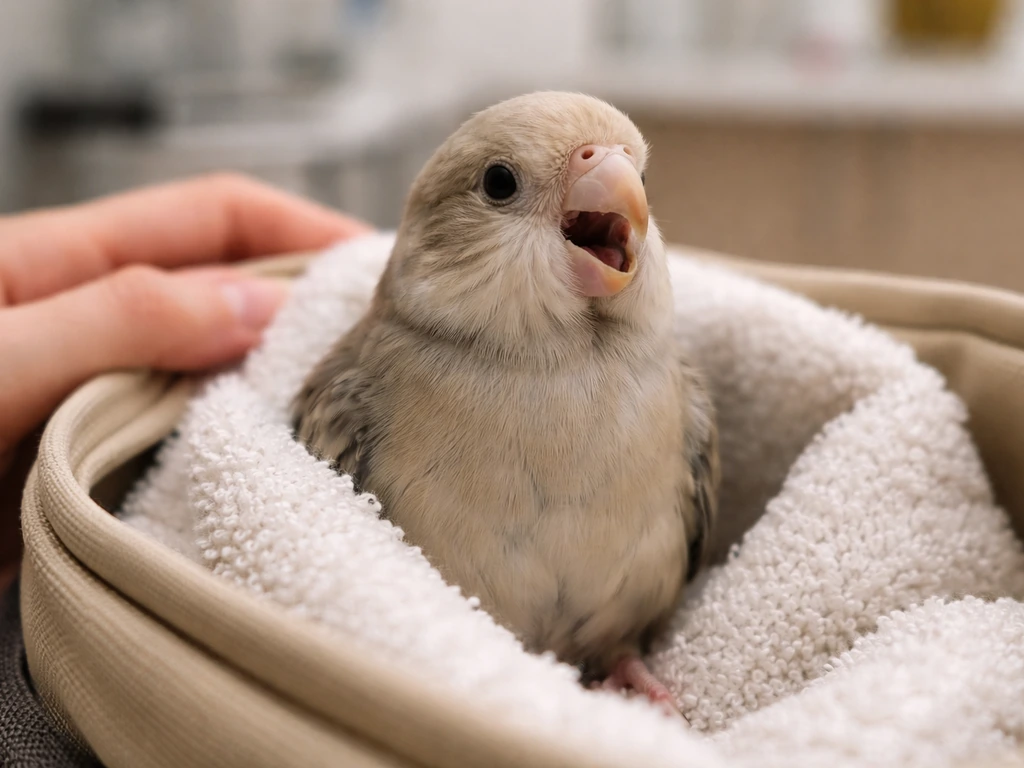
Some signs in birds mean act now, not tomorrow. Others are concerning but allow a day or two to get a scheduled appointment. Knowing the difference matters.
Call an avian vet or emergency clinic immediately if you see:
- Open-mouth breathing at rest, gasping, or audible wheezing
- Tail bobbing with every breath (a sign of real respiratory effort)
- Bleeding that won't stop
- Complete collapse, inability to perch, or loss of consciousness
- Straining in a female bird with a known or possible egg (egg binding is a life-threatening emergency)
- Sudden neurological signs: falling over, circling, head tilt, seizure-like movements
Schedule an appointment within a few days if you notice:
- A lump or mass that is new or growing, but the bird is otherwise eating and acting normally
- Gradual weight loss over several weeks
- Persistent soft or loose droppings lasting more than 48 hours
- Reduced appetite without other acute signs
- Subtle lethargy or change in social behavior that has lasted more than a couple of days
- Mild nasal discharge or occasional sneezing that isn't resolving
When in doubt, call your avian vet and describe what you're seeing. Most will tell you over the phone whether it sounds like an emergency or something to monitor briefly. Don't guess; just call.
What an avian vet will actually do to check for cancer
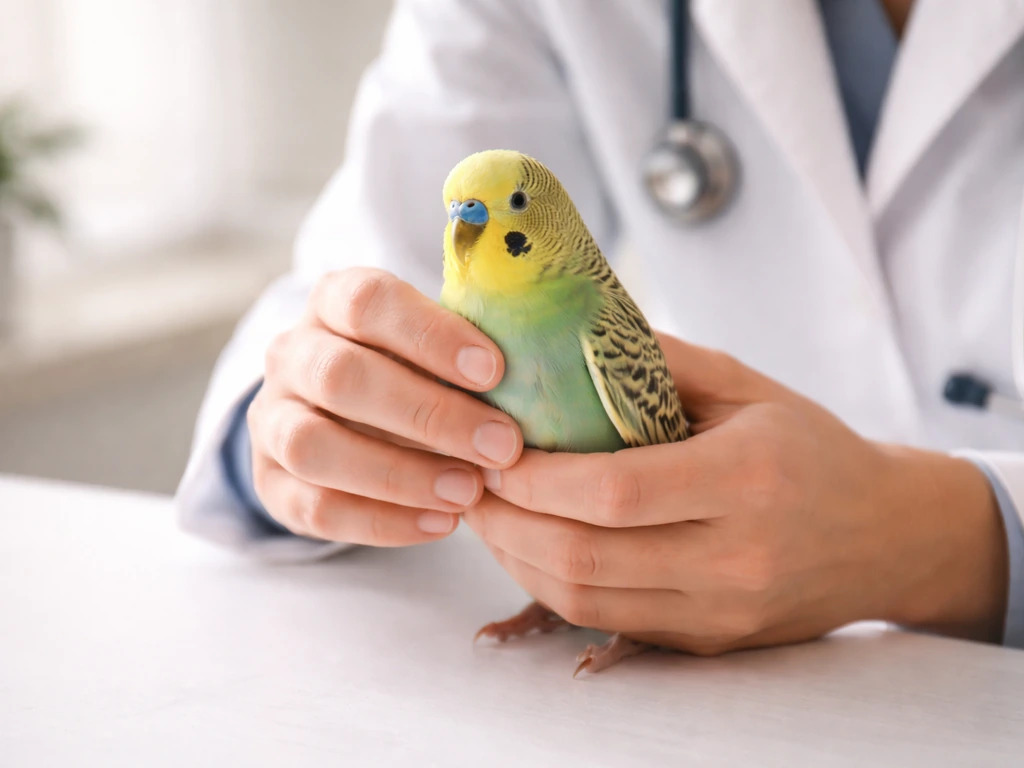
A vet visit for a bird with suspected cancer or a mass isn't a single test. It's usually a layered process that starts with the most accessible diagnostics and goes deeper depending on what turns up.
- Physical exam: The vet will palpate any visible or detectable masses, assess body condition, check muscle mass, evaluate respiratory pattern, and look for any external abnormalities.
- Bloodwork (CBC and chemistry panel): This checks organ function (liver, kidneys), looks for anemia or elevated white blood cells suggesting infection or inflammation, and gives a baseline picture of overall health before any procedures.
- Radiographs (X-rays): Standard for detecting internal masses, enlarged organs, fluid, bone involvement, or lung changes. Barium contrast X-rays are sometimes used to outline the GI tract.
- Ultrasound: Useful for soft-tissue masses and can guide fine-needle aspiration (drawing cells from a mass without surgery).
- CT scan: More detailed imaging when the location or extent of a mass needs better definition, or before surgery.
- Cytology (fine-needle aspirate): Cells are collected from a mass with a needle and examined under a microscope. This can identify cancer cells, infection, or inflammation, though it doesn't always give a complete picture of how aggressive a tumor is.
- Biopsy and histopathology: A tissue sample is sent to a pathology lab. This is the most definitive test for confirming cancer type and behavior. When cytology results are unclear or treatment planning requires certainty, biopsy is the next step.
- Fecal testing and cultures: Used to rule out parasites, bacterial, or fungal infections that are mimicking cancer symptoms.
Cytology is a useful guide, but it has limits. A biopsy gives the pathologist more tissue to work with and provides a more reliable diagnosis when you need to make decisions about surgery or other treatments. Your vet will advise which tests make sense for your bird's specific situation.
What you can do at home right now while arranging care
You can't treat cancer at home and you shouldn't try to. But there are genuinely useful things to do before the vet visit that will help you give better information and keep your bird as stable as possible.
- Weigh your bird if you have a gram scale. A kitchen scale that reads in grams works fine. Write the number down. Even one data point is useful, and it gives the vet a baseline.
- Watch and write down exactly what you're seeing: when symptoms started, how often you're noticing them, whether they're getting worse, and any recent changes (new food, new cage location, new bird in the house, recent stress).
- Check the droppings closely. Normal droppings have three parts: dark solid (feces), white chalky (urates), and clear liquid (urine). Changes in any of these are worth noting and even photographing.
- Keep the bird warm and reduce stress. Sick birds lose heat fast. Moving the bird to a quiet, warm area (around 85°F or 29°C for a bird showing illness) can help stabilize them while you arrange transport.
- Don't try to force-feed or give supplements you haven't discussed with a vet. Some well-intentioned additions can interfere with testing or worsen certain conditions.
- Avoid covering the cage completely if your bird is having breathing difficulty. Airflow matters.
- Note any environmental factors: dust, smoke, cleaning products, new air fresheners, or candles. Respiratory symptoms in birds are sometimes toxin exposure, not infection or cancer.
Treatment options and realistic outcomes
If your bird is diagnosed with cancer, the treatment options depend heavily on the type of tumor, where it is, how advanced it is, and how healthy the bird is overall. There's a real range of outcomes, and it's worth having an honest conversation with your vet about what's realistic for your specific bird.
Surgery
Surgical removal is the most common treatment for accessible tumors in birds. If a mass is external or in a location that can be reached safely, surgery to excise it is often the first recommendation. The success of surgery depends on whether the entire tumor can be removed with clean margins. Some tumors, like certain respiratory adenocarcinomas, are locally invasive and can recur if not fully removed. Tumors near the kidneys or other internal organs present a much harder surgical challenge.
Radiation and chemotherapy
These options exist in avian oncology and can be successful in some patients, but they're not universally available and require a specialist. Not every avian vet has access to radiation therapy, and chemotherapy protocols for birds are still an evolving area. If your vet recommends referral to an avian oncology specialist, that's worth pursuing.
Palliative and supportive care
For birds where surgery isn't possible due to tumor location, advanced stage, or the bird being too fragile to survive anesthesia, palliative care is a valid and compassionate path. This can include pain management, anti-inflammatory medications, nutritional support, and modifications to housing and routine that reduce stress and maintain quality of life. The goal shifts from cure to comfort, and that's a legitimate medical choice.
Setting realistic expectations
Some bird cancers, especially when caught early and in accessible locations, can be treated successfully with good outcomes. The exact outcome for a specific bird can vary a lot, so you still need the diagnosis to understand how much health a pet bird is likely to have after treatment Some bird cancers. Others, particularly internal tumors found late, carry a much more guarded prognosis. The honest answer is that outcome depends entirely on what you're dealing with. The only way to know is to get a diagnosis. Skipping the vet because you're afraid of the answer doesn't help your bird; going in gives you options.
FAQ
How can I tell if I’m asking about the wrong “Bird Brown,” and what should I do if I meant a pet bird?
If you mean a TV personality, there is no way to confirm a diagnosis without a reliable, public source, and it would not be an avian case. If you mean your pet bird, a sudden change is still worth treating as urgent, because prey animals often hide illness until it is advanced. Use the bird emergency signs in the article to decide whether to call right away.
If my bird has a lump, does that automatically mean it is cancer?
Yes, in many cases. In birds, benign growths, inflammatory masses, and abscesses can look similar to tumors. A key practical step is to document the change (when you first noticed it, size trend, appetite, breathing, droppings) and bring those notes to the avian vet, because the timeline helps narrow causes before any testing.
My bird is breathing with its mouth open while resting, is that an emergency?
Mouth-open breathing at rest is the clearest “act now” sign. If it happens, do not wait for your next scheduled appointment. Keep the bird warm and quiet (reduce handling), check for obvious obstructions, and call an avian vet immediately for same-day guidance.
What symptoms should I monitor for more than a day or two, and what should prompt a call sooner?
Even if your bird seems stable, symptoms that do not improve within 1 to 2 days should trigger a vet call. Birds can mask illness, so “watching it for a week” can miss the window where treatable problems are easier to manage. When you call, describe whether symptoms are worsening, and whether breathing, appetite, or weight appear affected.
Is it ever reasonable to wait a few days before seeing an avian vet for suspected cancer?
Because birds hide illness, waiting to “see if it resolves” can delay diagnosis. A better decision aid is severity plus duration: if the symptom is severe (like open-mouth breathing) it is urgent, if it is moderate but persistent it still needs an appointment quickly. Calling the vet for triage is usually the safest middle path.
What information can I gather at home so the vet can evaluate my bird faster?
At-home diagnosis is not reliable, but you can still help the vet. Prepare a list of the bird’s age, species, diet, housing, other pets in the home, recent diet changes, and any environmental exposures (smoke, aerosols, new plants). Also bring photos of the lump or affected area taken at the same angle and distance for comparison over time.
Can I try medication or home treatment while waiting for the appointment?
Do not start human pain medicines or leftover antibiotics without veterinary direction, because some drugs can be dangerous for birds (including certain anti-inflammatories and dosing forms). If the vet tells you to give medication before the visit, follow instructions exactly. Otherwise, focus on reducing stress, maintaining warmth, and ensuring access to food and water.
What tests will a vet typically do first when cancer is suspected in a bird?
The best first tests depend on where the mass is and what your bird can tolerate. Your vet may start with accessible diagnostics such as imaging and fluid or tissue sampling (cytology), then recommend deeper testing like a biopsy when needed for surgical planning. The practical takeaway is that it is often a stepwise process, not a single “cancer test.”
Is cytology enough, or will my bird need a biopsy to confirm cancer?
Cytology can provide useful clues, but it may not fully capture how aggressive or what specific tumor type it is. When decisions about surgery or other treatments depend on accurate tissue diagnosis, your vet may recommend biopsy for more reliable results. Ask your vet whether cytology is likely to change the treatment plan for your bird.
When is surgery usually considered, and what determines whether it can be curative?
Surgery can be worthwhile for external or accessible tumors, but outcomes depend on whether the tumor can be removed completely with clean margins. If the mass is locally invasive or near critical internal structures, surgery may be harder or less curative. Ask your vet to explain what “fully removable” means for the tumor location in your bird’s case.
Should I pursue an avian oncology referral if my vet suggests it?
Referral matters when radiation or specialized oncology services are not available locally, or when complex cases need advanced staging and treatment options. If your current vet recommends a specialist, treat that as a practical next step rather than a sign that the case is hopeless. You can ask what additional tests or treatments the specialist is likely to offer.
What does palliative care look like for a bird when surgery or cure is not possible?
Palliative care is not “giving up.” For birds that cannot safely undergo surgery, anesthesia, or other curative therapy, comfort-focused plans can include pain control, anti-inflammatory medication, supportive feeding strategies, and habitat adjustments to reduce stress and improve breathing or mobility. It is a valid option when quality of life is the main goal.
What questions should I ask my vet about prognosis and realistic next steps?
Outcomes vary widely by tumor type, location, stage at detection, and how healthy your bird is. If cure is uncertain, the vet can still help you plan realistic short-term goals such as stabilizing breathing, controlling pain, and improving appetite. Ask for both a “best-case” and “most likely” scenario so you can make decisions aligned with your bird’s situation.
Next Article
Bird Trauma Symptoms: Signs, Triage, and First Aid Steps
Recognize bird trauma symptoms, triage urgency, and give safe first aid for bleeding, fractures, head injuries, and shoc