There is no confirmed cancer diagnosis for Bird Brown from Alaskan Bush People. Coverage of her health has used phrases like 'borderline tumor' and 'cancer scare,' which means a growth was found that hadn't crossed into full malignancy at the time of reporting. Her mother, Ami Brown, is the family member who received a confirmed lung cancer diagnosis. If you're a bird owner who searched this topic because your own bird is showing worrying symptoms, the practical guidance below will help you figure out what you're actually dealing with and what to do next.
Does Bird From Alaskan Bush People Have Cancer? Vet Guide

Marcus Webb
28 Apr 2026

What 'cancer scare' actually means vs a confirmed diagnosis
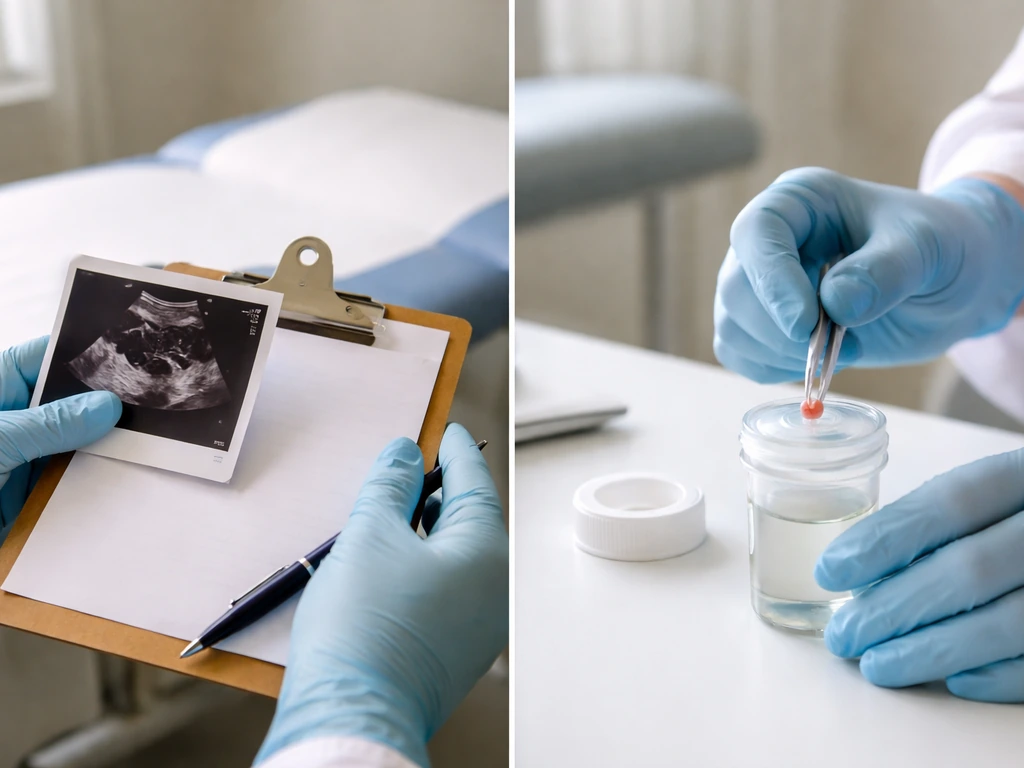
The distinction matters a lot. A 'cancer scare' or 'borderline tumor' means imaging or examination found something abnormal, but lab work or a biopsy either wasn't done yet or didn't confirm malignancy. According to the Merck Veterinary Manual, cancer is specifically defined as a malignant tumor or growth that destroys healthy tissue. A borderline or benign growth does not meet that definition. Until cytology or histology confirms malignancy, the correct language is 'suspected mass' or 'growth of unknown type,' not cancer.
For bird owners, this distinction is just as important. A lump or swelling on your bird is not automatically cancer. It could be a benign cyst, an abscess, a granuloma, scar tissue, or an ingrown feather. The only way to know is diagnostic testing, and even then, the process takes several steps.
Cancer signs vs signs of other common bird illnesses
Birds are good at hiding illness, so by the time you notice something is off, the problem is often well established. The tricky part is that many cancer symptoms overlap heavily with respiratory infections, bacterial infections, parasites, and other very treatable conditions. Knowing which signs point more specifically toward a tumor versus something else helps you have a much better conversation with a vet.
| Sign or Symptom | Could Suggest Cancer | Could Also Suggest |
|---|---|---|
| Visible lump or swelling | Tumor, mass | Abscess, granuloma, cyst, ingrown feather |
| Weight loss | Neoplasia affecting digestion or metabolism | Bacterial/viral infection, parasites, poor diet |
| Lethargy or fluffed feathers | Advanced systemic disease | Infection, nutritional deficiency, stress |
| Open-mouth breathing or tail bobbing | Mass pressing on airway | Respiratory infection, air sacculitis, pneumonia |
| Facial or periocular swelling | Tumor near sinuses | Sinusitis, upper respiratory infection |
| Oculonasal discharge | Less typical for cancer | Respiratory infection, chlamydiosis |
| Changes in droppings | Internal organ involvement | Dietary change, infection, kidney/liver disease |
| Exercise intolerance | Cardiopulmonary compromise | Heart disease, infection, obesity |
Respiratory symptoms in particular are common red herrings. Open-mouth breathing, tail bobbing during expiration, coughing, and exercise intolerance are classic signs of pulmonary disease or obstructive tracheal disease, not necessarily a tumor. A mass can certainly cause these signs, but so can an upper respiratory infection that responds well to antibiotics. Never assume the worst without a proper workup.
How to assess your bird at home
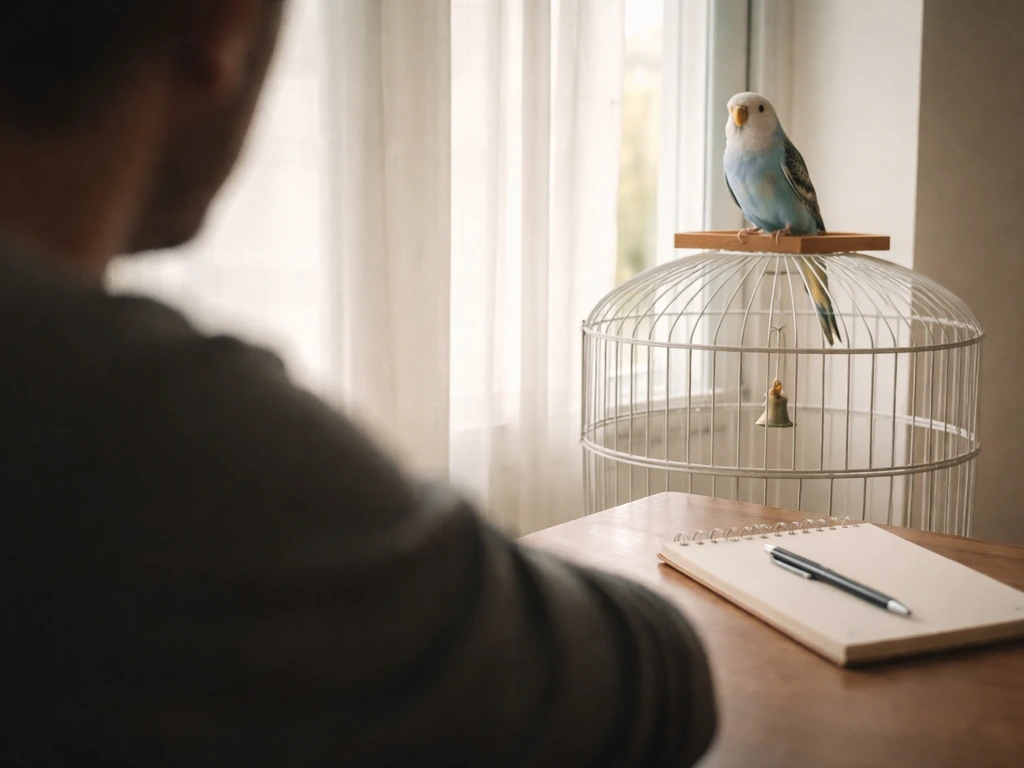
Before you call the vet, do a calm, systematic observation of your bird. You don't need to handle it or stress it out. Just watch for five to ten minutes from a comfortable distance, then make notes. This information is genuinely useful to the vet and can help them triage how urgently you need to be seen.
What to look at and write down
- Breathing: Is the beak open at rest? Is the chest or tail visibly moving with each breath? Any clicking, wheezing, or rattling sounds?
- Posture: Is the bird sitting fluffed up or hunched? Does it shift weight off one foot? Is it sitting low on the perch?
- Activity: Is it moving around normally, or staying in one spot? Does it react when you approach?
- Weight: Gently feel the keel bone (the ridge running down the center of the chest). If it feels sharp and prominent with little muscle on either side, the bird has lost significant weight.
- Droppings: Note color and consistency of feces (solid part), urates (white/cream part), and urine (liquid). Photograph them if they look abnormal.
- Eyes and nares: Any discharge, crustiness, or swelling around the eyes or nostrils?
- Feathers and skin: Any patches of missing feathers, visible lumps, or areas of swelling? Note location and approximate size.
- Appetite: Has food consumption changed? Is the bird ignoring favorite foods?
- Duration: How long have you noticed these signs? Did anything change in the environment around the same time?
Photograph or video anything visible, especially abnormal lumps, abnormal droppings, or labored breathing. A 30-second video of your bird breathing at rest can be more useful to a vet than a verbal description.
Other things that can look like cancer but aren't
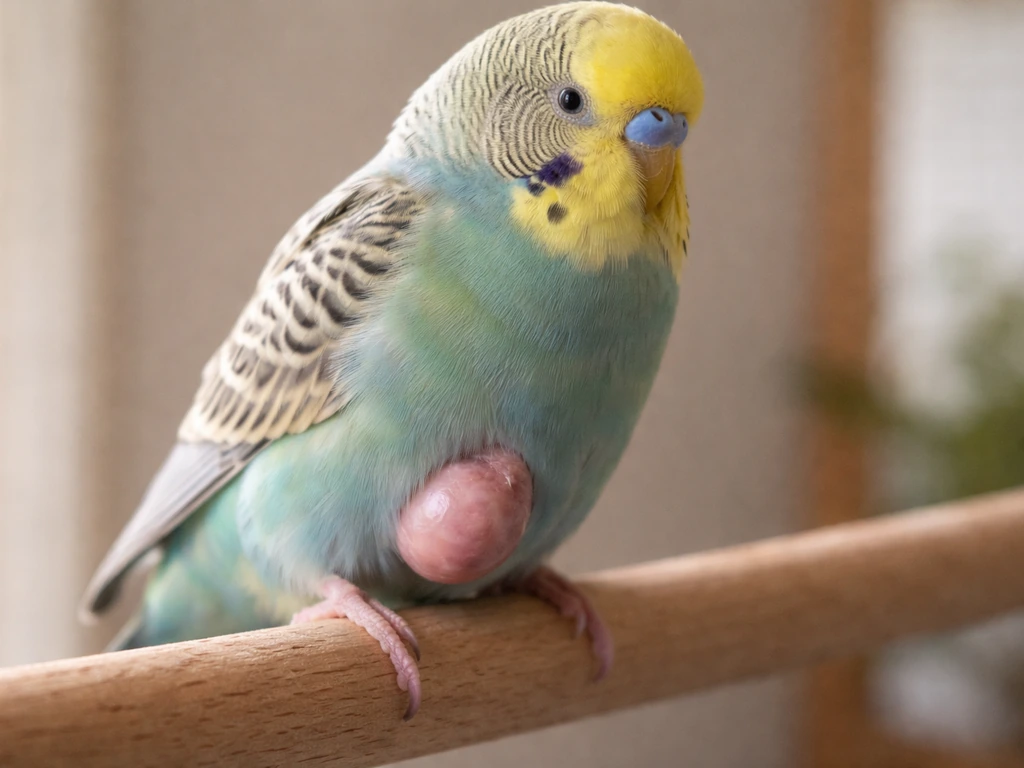
A visible mass is the symptom most likely to send a bird owner down the cancer rabbit hole, but most lumps in birds are not malignant tumors. Here are the most common alternatives that cause the same visual alarm:
- Abscess: A pocket of infection that forms a firm or fluctuant swelling. Very common and very treatable with drainage and antibiotics.
- Granuloma: A mass of inflammatory tissue, often caused by bacterial or fungal infections like Aspergillus. Can grow large and look exactly like a tumor on exam.
- Ingrown feather cyst: Especially common in species prone to feather cysts (like some canary breeds). Forms a visible swelling under the skin.
- Lipoma: A benign fatty tumor, very common in budgerigars and Amazon parrots. Soft, moveable, and usually grows slowly over months or years.
- Xanthoma: A yellowish, thickened skin lesion often caused by dietary fat imbalance. Not malignant.
- Scar tissue or hematoma: Following an injury, these can feel firm and look like a lump.
- Goiter: An enlarged thyroid, especially in iodine-deficient budgerigars, can cause visible swelling in the neck/crop area and respiratory signs.
Weight loss without a visible lump raises a different set of possibilities: internal parasites, bacterial infection, proventricular dilatation disease (PDD), liver disease, or kidney problems are all more statistically common than internal malignancy in pet birds. That doesn't mean cancer is off the table, but starting diagnostics with the most common causes first is standard practice.
When to call an avian vet right now
Some signs are emergencies. If your bird shows any of the following, don't wait for a scheduled appointment. Call an avian vet or emergency animal hospital today.
- Open-mouth breathing at rest: This means the bird is struggling to get enough air through its normal airway. It is an emergency.
- Pronounced tail bobbing with every breath: The tail pumping up and down rhythmically indicates significant respiratory effort, often linked to pulmonary or obstructive disease.
- Audible respiratory noise (clicking, wheezing, rattling): Any sound with breathing is abnormal and warrants same-day evaluation.
- Complete loss of balance or inability to perch: Neurological or severe systemic disease.
- Seizure or collapse: Immediate emergency.
- No movement and minimal response to stimulation: The bird may be in critical condition.
- Sudden severe swelling, especially around the face or neck: Can compromise the airway rapidly.
When you call, tell the receptionist exactly what you're seeing. Mention if there is open-mouth breathing or tail bobbing. Triage happens on the phone, and being specific about those signs ensures you get seen quickly. Ask specifically whether the practice has an avian-experienced vet or if they can recommend one nearby.
Questions to ask at the appointment
- Could this mass or symptom be something other than a tumor, like an abscess or granuloma?
- What is the least invasive test that can tell us what this growth is?
- Do you recommend a fine needle aspirate first, or go straight to biopsy?
- What does the radiograph show about internal organ size and air sac involvement?
- If this turns out to be malignant, what are the realistic treatment options for this species?
What the vet will actually do: tests and what they tell you
A proper avian workup for a suspected mass or systemic illness typically follows a logical order from least to most invasive.
Physical examination and weight: The vet will weigh the bird and palpate for masses, assess muscle condition, listen to the chest, and look at the eyes, nares, and mouth. A lot can be learned here before any imaging.
Radiography (X-ray): This is the most useful first imaging step. Unlike in mammals, ultrasound has limited value in birds because the air sac system is gas-filled and blocks the sound waves. Radiographs show organ size, bone changes, calcification, and some masses. Two views (lateral and ventrodorsal) are standard.
blank" rel="noopener noreferrer">Fine needle aspirate (FNA): If a surface mass is present, the vet passes a small needle into it and collects cells for cytology. Fine Needle Aspiration (FNA) cytology is described as a minimally invasive technique used to obtain cellular material from a nodule or mass, and it very rarely requires anesthesia Fine needle aspirate (FNA). This is quick, low-risk, and can often distinguish an abscess from a lipoma from a malignant tumor in the same visit.
Biopsy and histology: If cytology is inconclusive or the mass is internal, a tissue sample is needed for histologic examination. This gives a definitive answer on whether the growth is malignant, what cell type it is, and how aggressive it looks. Endoscopy can be used to visualize and biopsy internal lesions including air sac masses.
Blood work: A complete blood count and chemistry panel can point to infection, liver disease, kidney disease, or systemic inflammation, all of which can mimic or accompany a tumor. It also assesses whether the bird is stable enough for anesthesia if a biopsy is planned.
Treatment options and making hard decisions
If a diagnosis of malignant cancer is confirmed, the three main treatment routes in avian medicine are surgery, chemotherapy, and radiation therapy. These are used alone or in combination depending on the tumor type, location, and the bird's overall condition.
Surgery is the most practical option for accessible, discrete masses in otherwise healthy birds. Complete removal with clean margins offers the best chance of a cure. The prognosis depends heavily on tumor type and whether spread has occurred.
Chemotherapy is used for blood-based cancers or when surgery isn't feasible. Protocols vary widely by species and tumor type. Response rates are inconsistent, and the goal is often to slow progression rather than achieve a cure.
Radiation is less commonly used in birds due to equipment requirements, but it does exist as an option in specialist centers, often alongside surgery.
Palliative and supportive care is a valid and compassionate path when a bird is elderly, the tumor is inoperable, or the owner cannot pursue aggressive treatment. This means managing pain, maintaining quality of life, ensuring good nutrition, and minimizing stress. Anti-inflammatory medications, warmth, easy access to food and water, and reduced handling are all part of supportive care. The goal shifts from cure to comfort.
The decision about how aggressively to treat is genuinely difficult, and there is no single right answer. Factors like the bird's age, species, the tumor's behavior, and what the bird's daily quality of life looks like all matter. An avian vet experienced in oncology can walk you through what's realistic for your specific situation, which is far more useful than any general rule.
What we can and can't conclude right now
Regarding Bird Brown from Alaskan Bush People: based on available public reporting, she had a health scare involving a borderline tumor, not a confirmed cancer diagnosis. Her mother Ami Brown is the family member documented to have had confirmed lung cancer. If new information has emerged since this was written, check current reporting directly. If you're trying to confirm whether Harley Bird has cancer in particular, the key point is that symptoms alone cannot confirm malignancy without diagnostic testing does harley bird have cancer.
Regarding your own bird: you can't conclude cancer from symptoms alone, and neither can a vet without testing. Because can bird nest cause cancer depends on the type of exposure and your bird's symptoms, it still needs an evidence-based assessment by a vet conclude cancer. This approach matters because Bird Brown from Alaskan Bush People has only had a health scare described as a borderline tumor, not a confirmed cancer diagnosis. What you can do right now is observe carefully using the checklist above, document what you're seeing, and get an avian vet appointment scheduled. If you are asking about Crazed Bird specifically, you can also check how much health it has so you know what to expect in a fight how much health does Crazed Bird have. If breathing symptoms are present, make that call today. Most of what looks alarming in birds turns out to be a treatable infection, a benign mass, or a nutritional issue. Getting a proper diagnosis as early as possible is always what gives your bird the best chance, regardless of what the underlying cause turns out to be.
If you're also wondering about health concerns in other birds, similar questions come up around recognizing illness in specific birds and whether certain birds associated with public figures are sick. The same framework applies: look for specific symptoms, document them, and get a vet's assessment before drawing conclusions.
FAQ
What wording would actually confirm cancer versus a “borderline tumor” or “scare”?
If your goal is to confirm whether Bird Brown has cancer, look for wording that includes confirmed diagnostics, such as biopsy results, histology, cytology confirmation, staging, or an oncology provider statement. Phrases like “borderline,” “suspected,” or “health scare” usually mean malignancy was not proven at the time of reporting.
Why can a bird’s lump look like cancer but turn out to be something treatable?
In birds, a lump is often mistaken for cancer when it is actually something that needs completely different treatment, like an abscess from a bacterial infection or a benign fatty mass. That is why many clinics start with a fine needle aspirate (FNA) for surface masses, because it can separate infection from neoplasia faster than waiting for imaging alone.
Should I try medication at home to see if it’s “not cancer”?
Do not start antibiotics, ivermectin, or steroids on your own to “rule out” cancer based on symptoms. The wrong medication can mask the real cause, worsen certain infections, or complicate diagnostic interpretation. Instead, schedule an avian vet visit and bring your symptom notes and any videos.
When breathing signs are present, how urgent is the situation?
If your bird is breathing with its beak open, tail-bobbing, or has significant exercise intolerance, treat it as potentially urgent even if the mass is small. Those patterns can reflect severe lower respiratory disease or airway obstruction, which can deteriorate quickly, so ask for same-day triage.
What should I do if cytology results come back inconclusive?
If an FNA is inconclusive, ask whether the next step should be repeat cytology, imaging to determine internal versus external origin, or tissue biopsy for histology. In other words, “unclear cells” should lead to a defined plan, not a “watch and wait” without a timeline.
How does the workup change if the bird seems weak or anesthesia is risky?
For internal masses, veterinarians often prioritize stabilization first, then imaging and sampling. When anesthesia is risky, the workup may start with radiographs and blood work to assess infection, organ function, and how safe it is to proceed with biopsy or endoscopy.
Can I remove a bird lump at home to avoid cancer treatment?
Do not try to resect a mass yourself, even if it seems superficial. Birds have fragile tissues, and bleeding or infection can rapidly worsen outcomes and make later diagnostics harder. If the vet says surgery is appropriate, they will plan margins and anesthesia safely.
What questions should I ask to understand whether the tumor is operable or has spread?
Ask your vet about whether the mass is likely localized or whether they recommend checking for spread, such as chest imaging and appropriate lab work. In avian cases, determining operability and potential metastasis affects whether the best option is surgery, palliative care, or another route.
What info from daily life helps the vet distinguish cancer from other causes?
If your bird is stable but has weight loss or droppings changes, bring a fresh fecal sample (or photo of stool) when possible and note diet, appetite, water intake, and activity changes. Malignancy is only one cause, and documenting nutrition and output helps the vet differentiate intestinal disease, parasites, infections, and metabolic problems.
If it’s called “suspected” rather than confirmed, what follow-up timeline should I expect?
For a “borderline” or “suspected” mass, ask what the monitoring interval should be and what specific changes would trigger immediate recheck, like faster growth, increased respiratory effort, appetite drop, or lethargy. A clear follow-up plan prevents delays if the growth becomes clearly malignant.
Next Article
Does Bird Brown Have Cancer? Symptoms and Next Steps
Learn whether symptoms could mean cancer in birds, what else it mimics, and next steps to get avian vet testing.