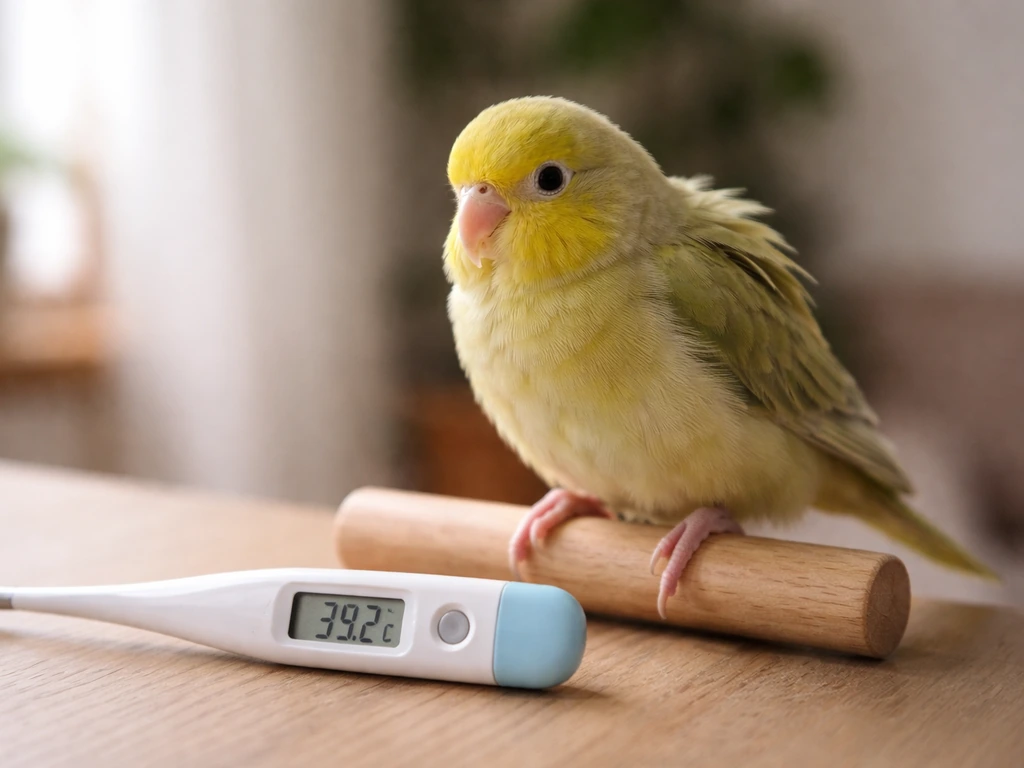
Bird disease is a broad term covering any illness or disorder that affects a bird's health, whether it's caused by bacteria, viruses, fungi, parasites, toxins, poor nutrition, or stress. For pet bird owners, it usually means something has changed in how their bird looks, acts, or sounds, and they need to figure out how serious it is. For people worried about wild birds, it often means a concern about contagious outbreaks or whether sick birds pose a risk to other animals or humans. If you're wondering why bird fever is named that, it helps to look at how the term developed and what the symptoms were originally used to describe. Either way, the basics of recognizing, narrowing down, and responding to bird disease are the same.
What Is Bird Disease? Symptoms, Causes, and Next Steps

Marcus Webb
2 May 2026
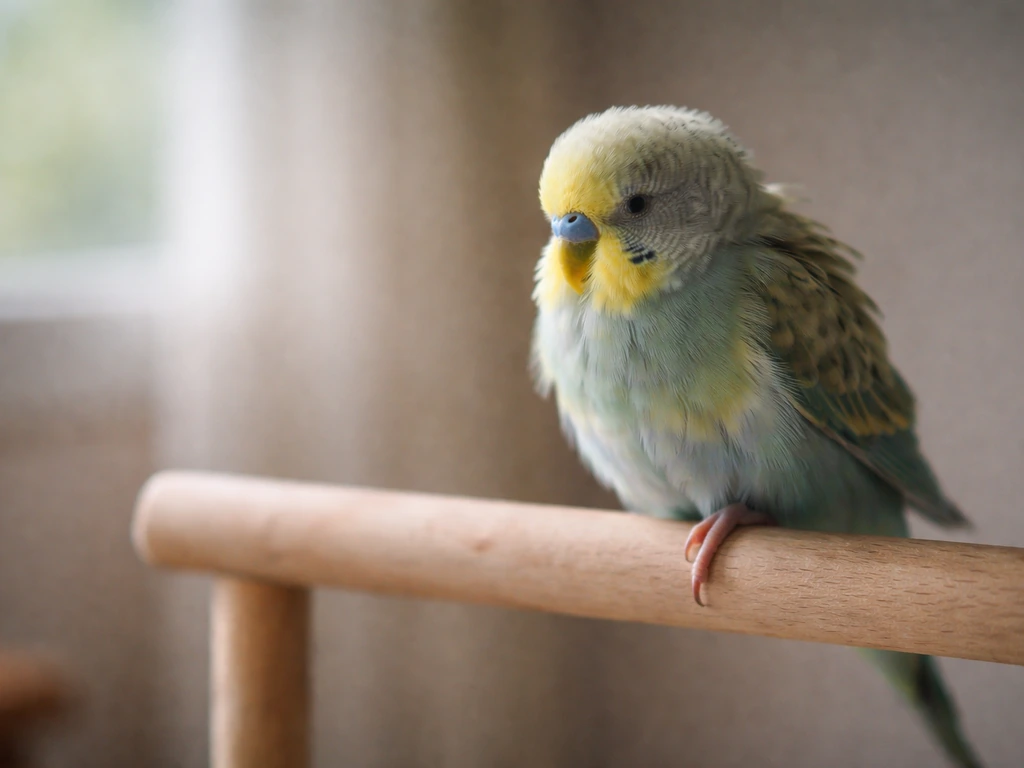
What people usually mean by bird disease
In veterinary medicine, avian disease covers two main categories: infectious and non-infectious. Infectious diseases are caused by a living agent, such as bacteria, viruses, fungi, or protozoa, and many of these can spread between birds. Non-infectious problems include toxicities, nutritional deficiencies, trauma, organ disease, and husbandry problems that create illness without any germ being involved. Both categories can produce symptoms that look identical from the outside, which is one reason narrowing down the cause matters so much.
When someone searches for what bird disease is, they're usually asking one of three things: what's wrong with their pet bird right now, what illness is spreading through wild bird populations locally, or whether a sick bird they've encountered is dangerous to handle. is the fever bird real. “What is bird virus” is usually asking about viral illnesses in birds, including how they spread and what symptoms to watch for. If you can, note whether symptoms started in one bird or several and where the birds were located, since that helps narrow down what bird disease is going around. A fever bird is not a single disease, but the term is often used online to describe a sick bird that seems to be running a fever or has increased body temperature what is a fever bird. All three questions matter, and this guide addresses each one.
Common signs and symptoms to watch for
Birds are prey animals by instinct, which means they hide illness for as long as possible. By the time a bird looks visibly sick, the problem has usually been going on for a while. That's why subtle early changes are the ones worth catching.
Respiratory signs
- Open-mouth breathing or beak breathing at rest
- Tail bobbing with each breath (the tail pumps up and down noticeably)
- Audible clicking, wheezing, or rattling sounds when breathing
- Nasal discharge or crusty nostrils
- Coughing or sneezing repeatedly
Digestive and droppings changes
- Diarrhea or droppings that are consistently watery, oddly colored (green, yellow-green, black), or foul-smelling
- Undigested food in droppings
- Loss of appetite or refusing favorite foods
- Weight loss, often visible as a prominent keel bone
Behavioral and general signs
- Fluffed feathers while sitting still (a bird puffing up is usually trying to conserve heat because it doesn't feel well)
- Lethargy, sleeping excessively during daylight, or sitting at the bottom of the cage
- Reduced vocalization in normally chatty birds
- Loss of balance, head tilting, or neurological signs like circling or tremors
- Discharge from the eyes
Skin and feather signs
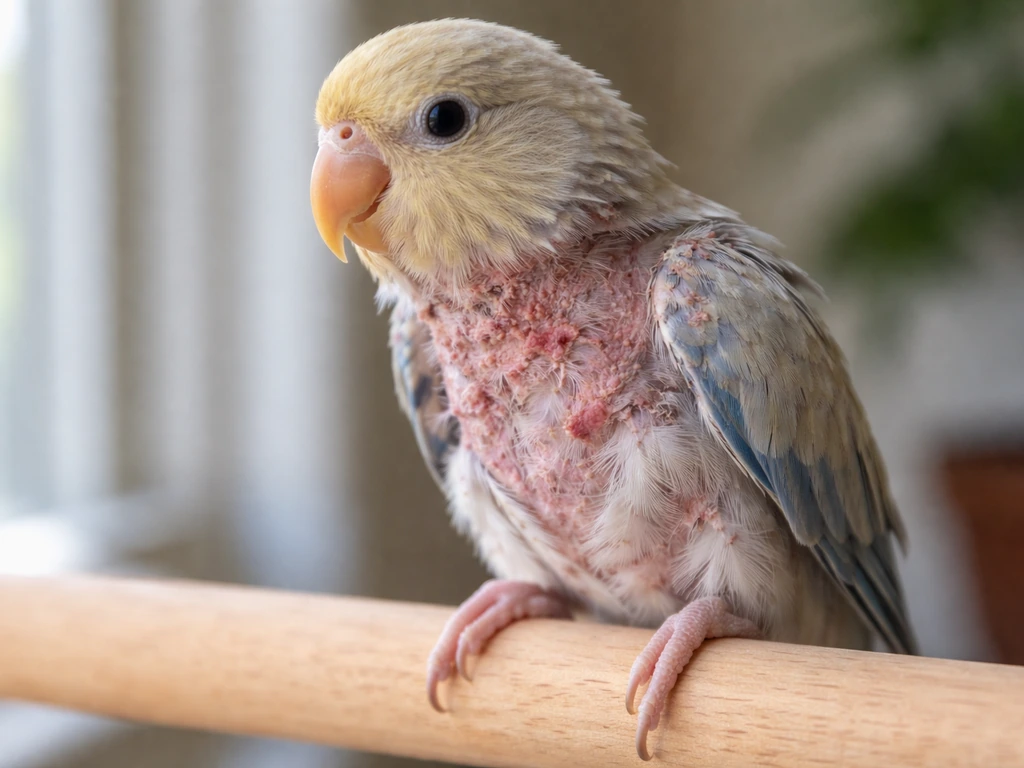
- Feather loss in patches or damaged feathers outside of normal molt season
- Feather plucking or self-mutilation
- Skin lesions, scabs, or abnormal growths
- Crusty or deformed beak and nail growth
One important note on feathers: many owners assume any feather damage means mites, but feather mites rarely affect pet birds despite being a popular assumption. Feather and skin problems can signal local irritation or systemic illness, so feather loss alone doesn't tell you the cause.
The most common contagious bird illnesses
These are the infections most likely to be behind a bird that's clearly sick or that could spread to other birds in your care.
Respiratory infections
Aspergillosis is a fungal infection caused by inhaling Aspergillus spores, which are common in dusty or moldy environments. Young birds and immunocompromised birds are most vulnerable. The spores lodge in the airways, form fungal growth, and cause serious lung disease. It's not contagious bird-to-bird but is dangerous because it progresses quietly. Diagnosis requires demonstrating actual tissue invasion, not just detecting the fungus in the environment, which is one reason symptoms alone can't confirm this one.
Avian influenza (bird flu) is a viral respiratory disease that can range from mild to catastrophically severe depending on the strain. Highly pathogenic strains cause systemic disease with high mortality and can produce neurological signs like torticollis, drooping wings, incoordination, and paralysis alongside respiratory symptoms. This is a disease that matters for both pet and wild bird owners and remains an active concern in 2026. For the latest guidance on bird disease, including current outbreaks and emerging recommendations, check reliable public health and avian veterinary updates remains an active concern in 2026.
Newcastle disease is another highly contagious viral illness with signs that vary depending on the strain, including respiratory distress, nervous system signs, and digestive upset. It spreads rapidly between birds and has serious consequences for flocks.
Bacterial infections
Psittacosis, also called avian chlamydiosis, is caused by Chlamydia psittaci and is one of the most important bacterial diseases in pet birds, particularly parrots. Signs are frustratingly nonspecific: ruffled feathers, anorexia, apathy, eye or nasal discharge, respiratory distress, and greenish-yellow urates in the droppings. It's a zoonotic disease, meaning it can be transmitted to humans, which makes it reportable in many regions. Critically, infected birds can shed the bacteria for extended periods without showing any obvious symptoms, so a bird can look perfectly healthy and still be a source of infection.
Gut and protozoal infections
Giardiasis is a protozoal infection where microscopic parasites invade the intestines and cause digestive upset. Adult birds can carry and shed the organism without appearing sick. Coccidiosis, another protozoal disease, presents primarily with diarrhea. Both spread through contact with infected feces, so hygiene and isolation matter enormously when one bird in a group gets sick.
Non-infectious causes that look like disease
Not every sick-looking bird has a germ. Several non-infectious problems can produce symptoms that appear identical to infectious illness, and they're more common than many owners expect.
| Non-Infectious Cause | Common Symptoms It Mimics | Key Clue |
|---|---|---|
| Toxin exposure (fumes, household chemicals, Teflon off-gassing) | Sudden collapse, respiratory distress, death | Rapid onset, often affects multiple birds at once |
| Nutritional deficiency (especially all-seed diets) | Lethargy, feather problems, weakness, immune failure | Gradual onset, history of poor diet |
| Heavy metal poisoning (lead, zinc from cage hardware) | Neurological signs, vomiting, weakness | Access to metal objects, paint, or old cage parts |
| Stress and poor husbandry | Feather plucking, immune suppression, weight loss | Recent change in environment, new birds, insufficient light or sleep |
| Trauma (collisions, cat/dog attacks) | Sudden change in behavior, wing droop, bleeding | Environmental history or visible injury |
Anorexia and lethargy are two symptoms that can point toward any of these causes, or toward infectious disease. They're not specific, but they can indicate severe illness requiring immediate attention. Don't wait to see if a lethargic, not-eating bird bounces back on its own.
How to narrow down what's going on at home
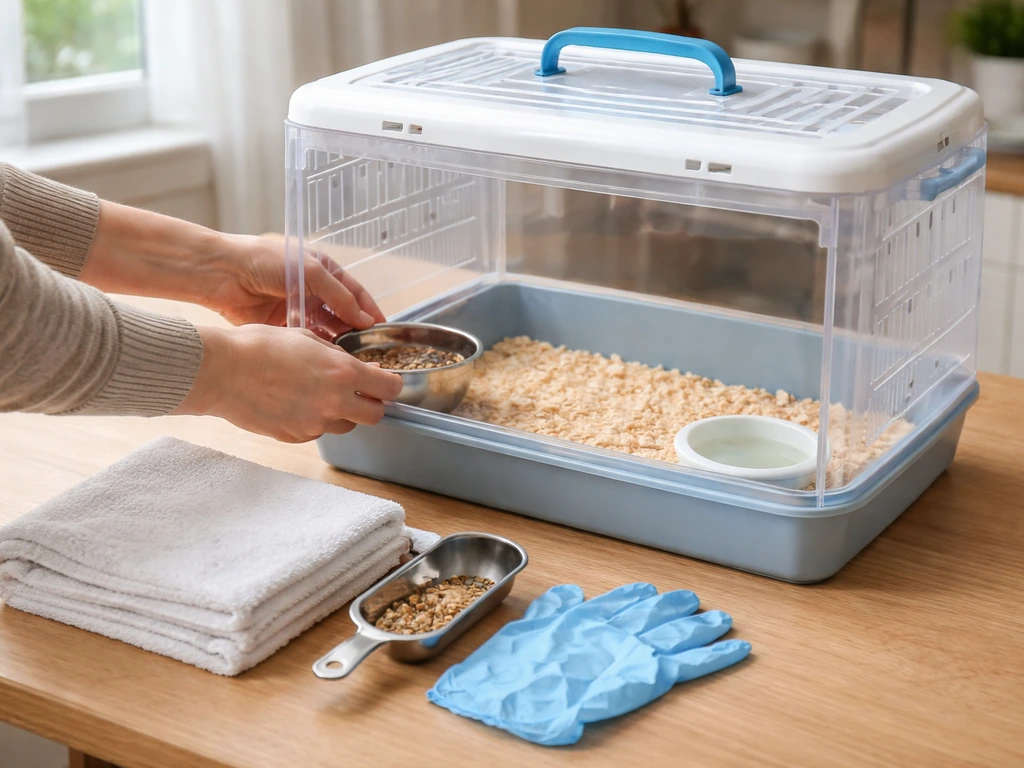
You can't diagnose bird disease at home, but you can gather observations that help a vet work faster and that help you decide how urgently to act. Go through these questions methodically.
- Check breathing first: Is the bird breathing with its beak open? Is the tail bobbing visibly with each breath? Either of these is an emergency signal. Don't wait.
- Look at posture: Is the bird fluffed up, sitting at the cage bottom, or unable to grip the perch? This indicates significant illness.
- Examine the droppings: Look at color, consistency, and volume. Bright green or yellow-green liquid droppings, black tarry droppings, or blood in the droppings are all red flags.
- Check food and water intake: Has the bird eaten today? Refused favorite treats? A bird that hasn't eaten in 24 hours is at serious risk because birds have fast metabolisms.
- Note the timeline: Did this come on suddenly within hours, or has it been a gradual decline over days or weeks? Sudden onset often suggests toxin exposure or acute infection. Slow decline suggests nutritional, chronic, or systemic disease.
- Think about recent exposures: New birds introduced without quarantine? New cage, toys, or foods? Any fumes, candles, or cooking with nonstick pans? Any access to metal parts or plants?
- Check for other birds affected: If multiple birds fell ill at the same time, think toxin or highly contagious pathogen. If only one bird is sick, it could be either.
- Look at feathers and skin: Any unusual patches of feather loss, skin lesions, or growths? This adds a separate category of disease possibilities.
Write down what you observe and when it started. Vets ask these questions in the exam room, and having clear answers saves time and money.
When to call an avian vet immediately
Some situations are not wait-and-see. If you see any of the following, contact an avian veterinarian or emergency exotic animal clinic right now.
- Open-mouth breathing or beak breathing at rest
- Tail bobbing with every breath
- Inability to stand, grip the perch, or hold the head upright
- Seizures, circling, head tilting, or other neurological signs
- Blood in droppings or frank bleeding anywhere
- Complete refusal to eat or drink for more than 12 to 24 hours
- Sudden collapse or unresponsiveness
- Suspected toxin exposure (fumes, chemicals, plants, metals)
- Rapid or visible weight loss over a short period
- Any wild bird that is grounded, unable to fly, or approachable by humans (wild birds that let you walk up to them are usually very ill)
Birds decline fast. Their high metabolic rate means that what looks like mild illness in the morning can become critical by evening. Erring on the side of calling is always the right move.
A note on zoonotic risk: some avian diseases, including psittacosis and avian influenza, can potentially be transmitted to humans. CDC’s June 2024 technical report notes analyses indicating HPAI A(H5N1) viruses have a high degree of genetic identity and identifies no significant mammalian adaptive substitutions (in particular regarding the HA gene) relevant to zoonotic and human-to-human transmission blank" rel="noopener noreferrer">specific mammalian adaptive substitutions. Cornell notes that blank" rel="noopener noreferrer">avian influenza is an influenza A virus that occurs naturally in wild aquatic birds such as ducks, geese, and gulls. If you're handling a sick bird, wash your hands thoroughly after contact, avoid touching your face, and wear disposable gloves when cleaning droppings or cages. If you develop flu-like symptoms after contact with sick birds, mention the exposure to your doctor.
Prevention and daily care that actually makes a difference
Most bird diseases are preventable or at least manageable with consistent basic care. These habits reduce your risk significantly.
Quarantine new birds
Any new bird brought into a home with existing birds should be housed in a completely separate room, not just a separate cage, for at least 30 days. This is the single most effective disease-prevention step you can take. Many contagious illnesses, including psittacosis, can be carried by birds that look perfectly healthy.
Keep things clean
Clean food and water dishes daily. Clean and disinfect the cage thoroughly at least weekly. For wild bird feeders and birdbaths, aim to clean and disinfect them at least once per month, more often if you notice sick birds nearby. Use disposable gloves when cleaning, and wash your hands thoroughly afterward.
Manage ventilation and air quality
Good airflow reduces the concentration of fungal spores that cause aspergillosis, and it reduces the buildup of dust and dander that stresses respiratory systems. Avoid nonstick cookware fumes, aerosol sprays, scented candles, and cigarette smoke near birds. These are common toxin sources that owners don't always connect to sudden bird illness.
Feed a proper diet
An all-seed diet is one of the most common causes of chronic illness in pet birds. Seeds are high in fat and low in many essential nutrients. A balanced diet for most pet parrots includes quality pellets as the base, supplemented with fresh vegetables, some fruit, and limited seeds as treats. Nutritional deficiency quietly undermines immune function and sets the stage for infections that a healthy bird would fight off.
Reduce unnecessary stress
Chronic stress suppresses a bird's immune response and makes them vulnerable to infections they'd otherwise handle fine. Consistent sleep schedules (10 to 12 hours of darkness), minimal exposure to predators or aggressive animals, appropriate social interaction, and environmental stability all matter more than most owners realize.
What the vet process actually looks like
Avian veterinary diagnosis starts with a thorough history, which is why your home observations matter so much. The vet will ask about diet, housing, other animals, recent changes, and the timeline of symptoms. From there, the physical exam covers weight, feather condition, respiratory sounds, abdominal palpation, and general appearance.
Diagnostic testing often includes bloodwork to assess organ function and infection markers, fecal analysis for parasites and bacterial overgrowth, and sometimes imaging like X-rays to check the lungs and air sacs. For suspected psittacosis, specific testing for Chlamydia psittaci is needed because standard culture doesn't catch it reliably. For aspergillosis, diagnosing it definitively requires demonstrating actual fungal tissue invasion, not just finding Aspergillus in the environment.
Treatment depends completely on the cause. Bacterial infections are treated with antibiotics specific to the organism involved. Fungal infections like aspergillosis require antifungal medications, often for extended periods. Protozoal infections need antiparasitic drugs. Toxin exposures require supportive care and sometimes specific antidotes. Nutritional deficiencies improve with corrected diet and sometimes supplementation.
While you're waiting for a vet appointment, keep the bird warm (around 85 to 90 degrees Fahrenheit for a sick bird), minimize handling and stress, make sure fresh water is accessible, and isolate it from other birds in the household. Don't give human medications, and don't try over-the-counter bird treatments without guidance, as these can mask symptoms and delay proper diagnosis.
Bird disease covers a wide spectrum, from minor husbandry issues to serious zoonotic infections like psittacosis and avian influenza. The current outbreak landscape, including what bird disease is going around in your area and whether specific species like hummingbirds are affected, can shift quickly, so checking local wildlife health alerts is worthwhile if you're concerned about wild birds. What stays constant is the approach: watch carefully, document what you see, act quickly when red flags appear, and lean on an avian vet for anything beyond basic observation.
FAQ
How can I tell if a sick bird is infectious versus non-infectious?
You often cannot tell by appearance alone, since infectious and non-infectious conditions can look similar. The best decision aid is pattern and risk: new birds, sudden onset after exposure, symptoms spreading within a group, and diarrhea or respiratory signs in multiple birds all increase the likelihood of contagious disease, which means prompt isolation and a call to an avian vet.
What should I do first if I suspect bird disease in my home?
Start with immediate separation in a dedicated area, minimize handling, and improve hygiene (wash hands before and after, disinfect surfaces, avoid shared utensils). Then document the timeline, temperature if you can safely measure it, appetite, droppings, breathing effort, and any recent diet or environment changes so the vet can triage urgency faster.
Is it safe to bring a sick wild bird indoors?
Usually, it is safer to avoid prolonged contact. If you must help, use disposable gloves, limit handling, and wash hands after. Contact a local wildlife rehabilitator or animal health hotline for guidance, especially if the bird shows neurologic signs or severe respiratory distress, since some causes can be high-risk.
Can birds shed disease without looking sick?
Yes. Several infections can be carried or shed even when the bird appears normal, including psittacosis and some intestinal protozoa. This is why quarantine of all new birds matters, because “healthy looking” does not reliably mean “non-infectious.”
Do I need to isolate a sick bird even if there’s only one bird?
If it is your only bird, isolation still matters because you can still spread pathogens via hands, clothing, food bowls, and aerosols from cleaning. Keep cleaning tools separate, handle the sick bird last, and do not share cage liners or perches between rooms.
When should I treat this as an emergency versus scheduling a standard visit?
Treat it as an emergency if the bird is declining quickly, refuses food, is struggling to breathe, is very weak or unable to perch, has significant neurologic signs (such as head tilt, paralysis, or severe incoordination), or has obvious blood, severe diarrhea, or repeated vomiting. Birds can worsen within hours, so calling immediately is appropriate.
What temperature is safe to use at home for a sick bird?
Using warmth can help, but it should not be extreme. The article suggests about 85 to 90°F for a sick bird while you arrange care. Also ensure the bird can move away if it is too warm, and avoid heat sources that could dry the airways or create fire risk.
Should I take droppings samples to the vet?
Yes, it can speed up diagnosis. Collect fresh droppings in a clean container as soon as possible after onset, especially if diarrhea, color changes, or urate changes are present. Label the time collected, and keep it cool and sealed until the appointment to preserve what the lab needs.
Why are feather problems not always mites?
Feather loss can result from local skin irritation, molting, trauma, allergies, nutritional imbalance, or systemic disease. Feather mites are less common in many pet situations, so a pattern of widespread illness symptoms (breathing issues, appetite loss, lethargy, abnormal droppings) should push the focus toward medical causes, not just external parasites.
Can I use human antibiotics or leftover medications?
No. Bird diseases need cause-specific treatment, and using the wrong drug can delay effective care or worsen outcomes. In addition, some illnesses are not bacterial at all, so antibiotics can be ineffective, and dosing differences can be dangerous for small birds.
Do I need to report psittacosis or suspected avian influenza?
In many regions, psittacosis is reportable, and avian influenza can trigger public health actions. If you suspect one of these or you receive a lab result suggesting them, ask your vet about local reporting steps and follow their instructions for protecting household contacts and other animals.
How long should quarantine last if a new bird comes home sick or tests positive later?
If a bird is sick on arrival, treat it as medically urgent rather than waiting for a timeline. For healthy birds, the article recommends keeping new birds in a separate room for at least 30 days, but if illness appears, the quarantine period typically needs to extend until the cause is identified and the bird has improved under veterinary guidance.
Next Article
Is the Fever Bird Real? Symptoms, Causes, and What to Do
Answer is the fever bird real, identify bird fever signs, likely causes, urgent red flags, and safe steps to take now.