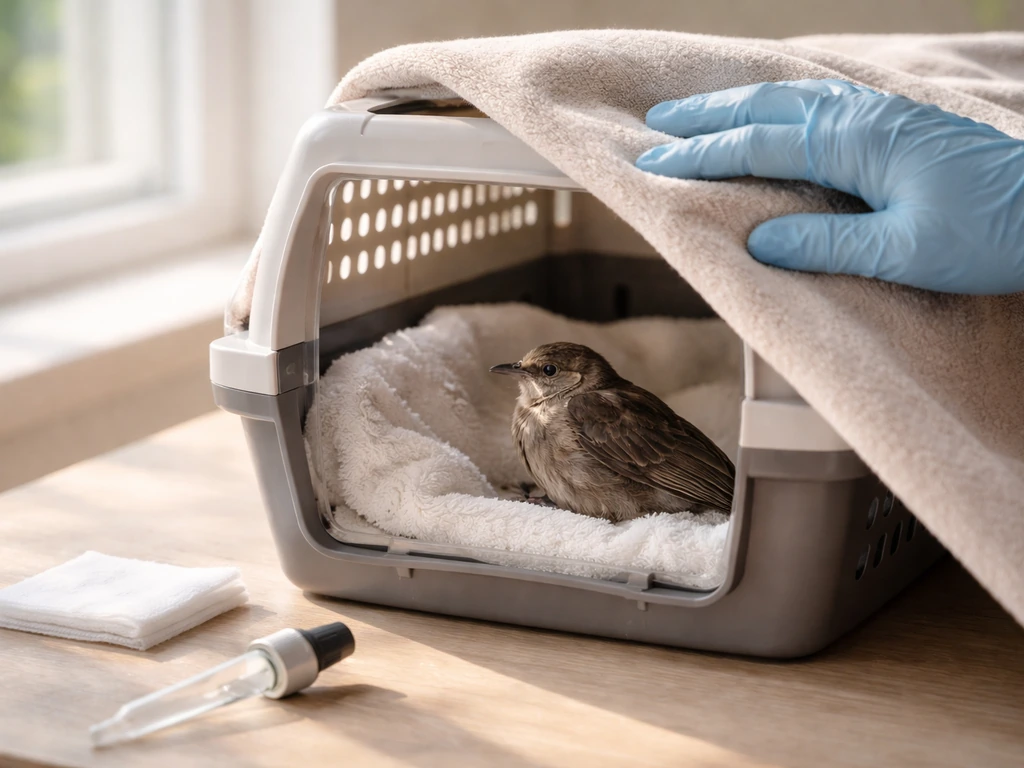
Yes, bird feathers can make you sick, but the risk depends a lot on the situation. For most healthy people, casual contact with feathers causes nothing more than mild irritation or an allergic reaction. The more serious health risks come from feather dust, contaminated feathers from sick birds, or repeated heavy exposure without any protection. Knowing which category you fall into makes it much easier to figure out what to do next.
Can Bird Feathers Make You Sick? Symptoms, Risks, What To Do

Marcus Webb
29 Apr 2026
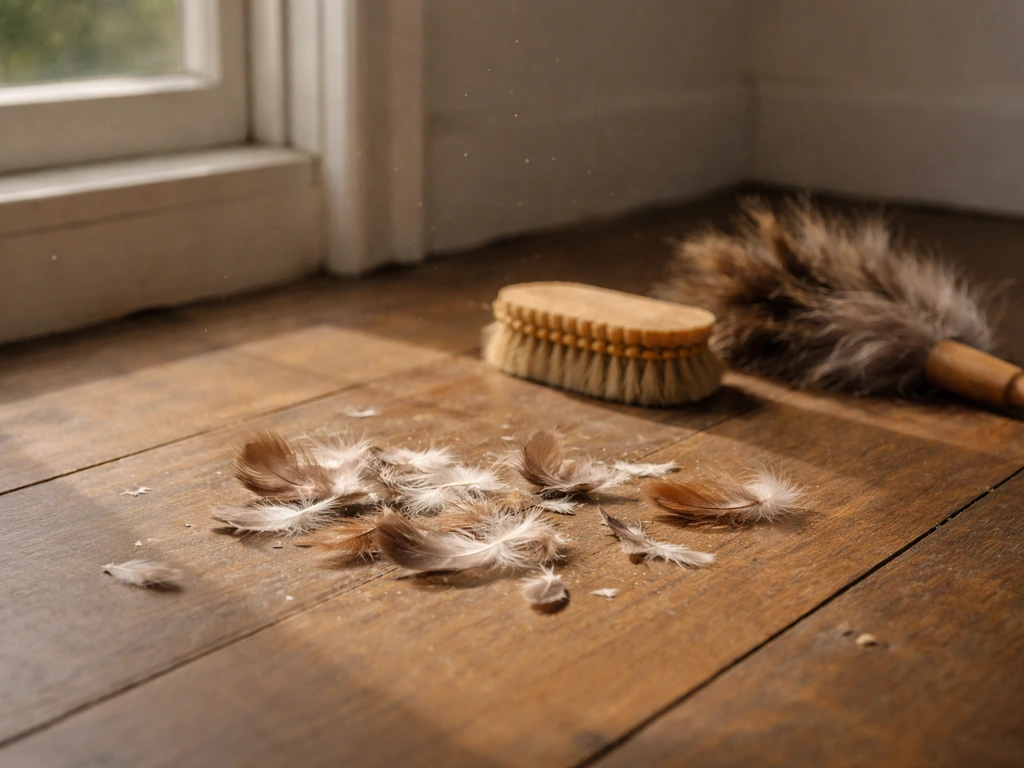
How feathers can affect people
There are three main ways feathers cause health problems: allergic reactions, physical irritation, and contamination from pathogens or parasites.
Allergy is the most common issue. Feathers carry proteins that can trigger IgE-mediated (Type I hypersensitivity) allergic responses in sensitized people. This is the same immune mechanism behind dust mite or pet dander allergies. Many people who think they are reacting to feathers are actually reacting to feather dust, which is a fine powder that birds shed constantly during normal preening. If you live with a pet bird, this dust builds up on surfaces and circulates in the air every time the bird flaps or you disturb the cage.
Physical irritation is separate from allergy. Tiny feather barbs and particles can irritate the eyes, skin, and airways even in people who have no allergic sensitization at all. This is not an immune reaction, it is just mechanical irritation, and it usually resolves quickly after you remove yourself from the exposure.
Contamination is the route that creates the real infection risk. Feathers from sick birds, or feathers that have had contact with bird droppings, can carry bacteria, fungi, or viruses. This is especially relevant during cleanup of cages, coops, or areas where wild birds congregate. Dry droppings on or near feathers can become airborne as fine dust particles, and breathing that dust is how most feather-related infections actually happen.
Common symptoms after feather exposure
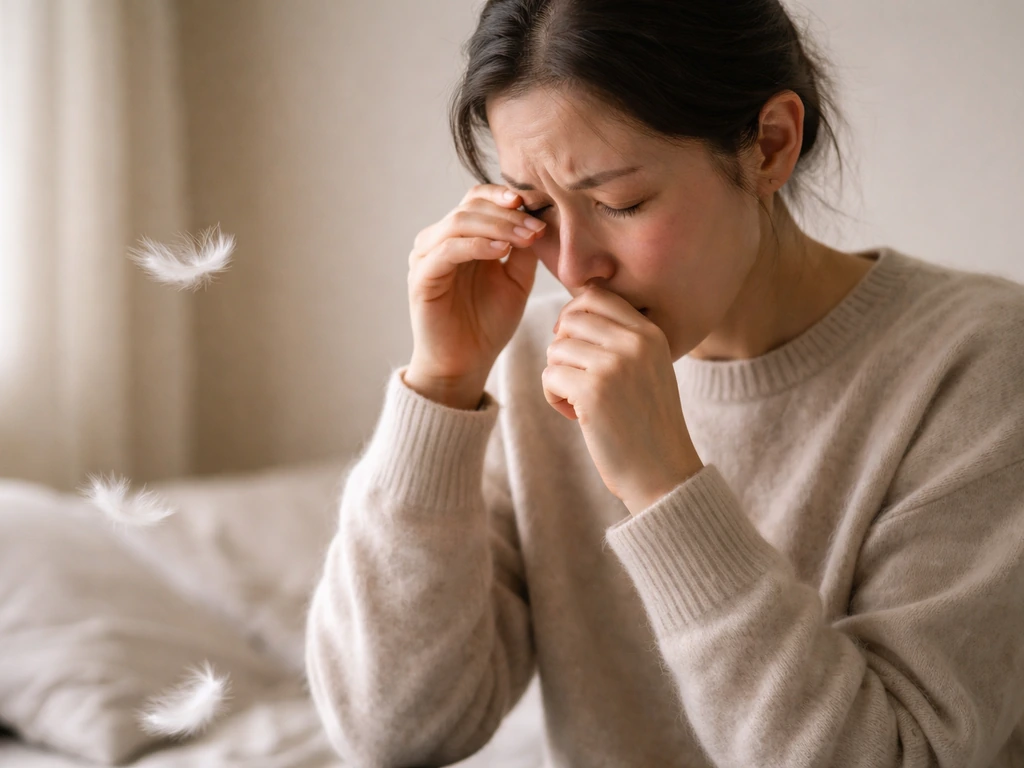
The symptoms most people notice fall into three groups, and timing matters for figuring out what is going on.
| Symptom Type | Common Examples | Typical Timing |
|---|---|---|
| Allergic / respiratory | Sneezing, runny nose, watery eyes, itchy throat, wheezing, coughing | Minutes to hours after exposure |
| Skin irritation | Redness, itching, hives, rash at contact site | Minutes to hours after exposure |
| Infection-related (flu-like) | Fever, chills, headache, muscle aches, dry cough, chest tightness, fatigue | Days after exposure (5–14 day incubation for some infections) |
If your symptoms show up within minutes of handling feathers and clear up when you leave the area, that points to allergy or irritation. If you felt fine during exposure but develop fever, chills, or a persistent dry cough several days later, that is a more concerning pattern that warrants medical attention. The distinction between immediate and delayed symptoms is one of the most useful things to track.
Serious but less common infections to know about
Feather-related infections are not common, but they are real. Here are the main ones worth knowing.
Psittacosis (parrot fever)
Psittacosis is caused by the bacterium Chlamydia psittaci, which birds can carry and shed in their droppings, feather dust, and secretions. You do not need to handle a sick bird directly to be exposed. Simply cleaning a cage or being in a room with a shedding bird can be enough if ventilation is poor. The incubation period is typically 5 to 14 days. Symptoms come on abruptly: fever, chills, headache, muscle aches, and then a dry, nonproductive cough that can progress to breathing difficulty and chest tightness. It is treatable with antibiotics, but it can become serious if it goes unrecognized.
Histoplasmosis
Histoplasmosis is a fungal infection caused by Histoplasma capsulatum, which thrives in soil enriched by bird or bat droppings. It is not spread directly by feathers, but cleaning up an area where feathers and droppings are mixed (a chicken coop, a roosting site, or under a wild bird feeder) can disturb contaminated material and send fungal spores into the air. The CDC specifically warns against sweeping or shoveling dry dusty material for this reason. Most healthy people exposed to small amounts have mild or no symptoms, but heavy exposure or an already-compromised immune system can lead to a serious lung infection.
Avian influenza (bird flu)
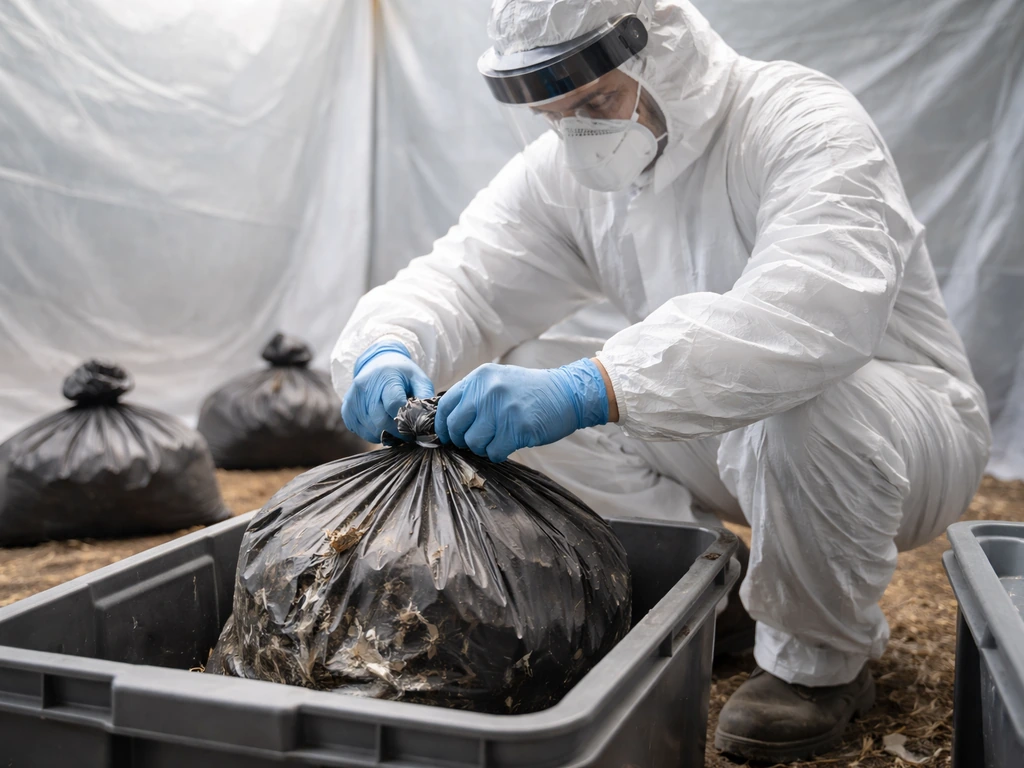
Human cases of avian influenza from feather contact alone are rare, but the risk goes up during cleanup or depopulation of infected flocks. This is why you can't get diseases from a bird the office unless dust or contamination is disturbed during cleaning feather contact alone. The CDC flags feather and dust disturbance during cleaning as a route for virus dispersal into the air. Bird flu symptoms in people can range from mild respiratory illness to severe pneumonia.
This is why PPE guidance for anyone cleaning up after a suspected or confirmed infected flock is so specific about N95 respirators and minimizing dust. During a plague outbreak, wearing a properly fitted bird mask can help reduce your exposure to airborne contamination when birds are shedding dust or droppings why bird mask during plague.
Mites and other parasites
Wild bird feathers can carry bird mites. These mites do not survive long on humans and cannot complete their life cycle on us, but they can cause intense itching and a skin rash before they die off. If you have handled wild bird feathers and developed an itchy rash, this is a plausible cause.
Risk factors that make feather exposure more dangerous
Not all feather exposures carry equal risk. Several factors shift you from the low-risk to the higher-risk category.
- Immunocompromised status: People with HIV, cancer, organ transplants, or who take immunosuppressant medications are significantly more vulnerable to infections like histoplasmosis and psittacosis.
- Living with a pet bird: Daily low-level exposure to feather dust and dander is far more cumulative than a one-time encounter. Long-term bird owners can develop hypersensitivity pneumonitis (also called bird fancier's lung), a chronic inflammatory lung condition.
- Contact with wild birds or their feathers: Wild birds are more likely to carry unknown pathogens than healthy, well-cared-for pet birds.
- Contact with a sick bird's feathers: If the bird was visibly ill, its feathers and surroundings are more likely to be contaminated with active pathogens.
- High-intensity or enclosed exposure: Cleaning a coop or cage in a confined space without ventilation dramatically increases the amount of dust and particles you inhale.
- Frequency and duration: A single brief encounter is much lower risk than daily repeated handling without protection.
- Existing respiratory conditions: Asthma, COPD, or other lung conditions make you more susceptible to both irritation and infection from feather dust.
What to do right now after exposure or finding feathers
If you have already been exposed, here is what to do immediately.
- Leave the area. Get yourself away from the source of feathers, dust, or droppings and into fresh air.
- Wash your hands thoroughly with soap and water. Do this before touching your face, eyes, or mouth.
- Change and wash your clothes if you were in heavy contact with feathers or a dusty environment. Bag the clothes before carrying them through your home.
- Rinse your eyes with clean water if you got dust or particles in them.
- Do not go back in and sweep or stir up the material dry. If cleanup still needs to happen, wet the area first with water or a disinfectant spray to suppress dust before collecting it.
- Note the date of exposure. If symptoms develop in the next 5 to 14 days (especially fever, chills, or a dry cough), you will want to tell a doctor when the exposure happened.
- Check the bird if you have a pet bird. Unusual feather loss, discharge, lethargy, or changes in droppings in the bird are signs you should consult an avian vet, because a sick bird is a higher exposure risk for everyone in the household.
Safe handling, PPE, and keeping your living space clean
Prevention comes down to three things: controlling dust, using the right protective equipment, and keeping the bird's environment clean.
Protective equipment
For routine pet bird care, washing your hands after handling the bird or cleaning the cage is usually sufficient if the bird is healthy. For more intensive cleaning, especially of coops, aviaries, or areas with visible droppings, use an N95 respirator (the CDC and OSHA both specifically recommend this over a standard dust mask), disposable gloves, and eye protection. A disposable head cover is a good idea if dust is heavy. When you remove PPE, do it carefully to avoid touching your face, and wash your hands immediately after.
Cleaning technique matters
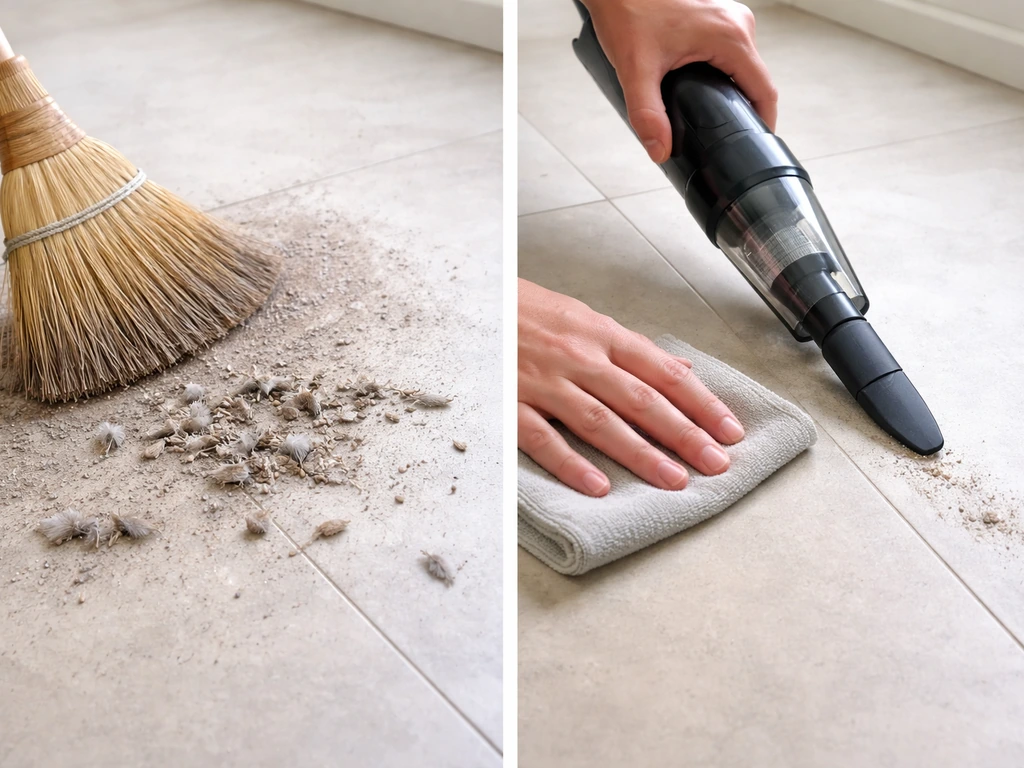
Never dry sweep or vacuum a space that has accumulated bird droppings or feathers without HEPA filtration. Sweeping sends particles airborne where they stay suspended for minutes. The CDC and NIOSH recommend spraying the area with water or a disinfectant first to wet down the material, then scooping or wiping it up. Dispose of the material in sealed bags.
Ventilation and living-space hygiene
If you keep a pet bird indoors, feather dust will accumulate on surfaces throughout your home. Regular damp-wiping of surfaces near the bird's cage, using an air purifier with a HEPA filter in the room, and keeping the bird's area well ventilated all help reduce your daily exposure load. Do bird baths spread disease, especially when contaminated with droppings and become a source of bird-to-bird exposure? Avoid keeping birds in bedrooms if you have asthma or allergies. Change cage liners frequently so droppings do not dry out and become aerosolized during normal activity.
When to see a doctor or an avian vet

For your own health, see a doctor if you develop any of the following after feather or bird exposure. Make sure to tell them about the exposure, including when it happened, what type of bird was involved, and whether the bird appeared sick.
- Fever, chills, or sweats that start 5 to 14 days after exposure
- A dry, persistent cough that is new or worsening
- Shortness of breath or chest tightness
- Severe headache combined with muscle aches and fatigue
- Eye redness or discharge that does not clear up
- A skin rash that is spreading or not improving after 48 hours
- Any respiratory symptoms that are worsening rather than improving after a few days
- Symptoms in a person who is immunocompromised, pregnant, elderly, or very young, where the threshold for seeking care should be lower
For your bird, contact an avian vet if you notice feather problems alongside any signs of illness. Abnormal feather loss, damaged or malformed feathers, lethargy, changes in droppings, loss of appetite, discharge from the eyes or nares, or labored breathing in the bird are all red flags. A sick bird does not just need care for its own sake. It is also a higher transmission risk for the people around it, and getting the bird evaluated and treated early reduces that risk for everyone in the household.
If both you and the bird are showing symptoms at the same time, that is a situation where you should contact both a doctor and an avian vet without delay. Concurrent illness in a bird and its owner is a recognized pattern in psittacosis cases, and both need to be evaluated and potentially treated together. This is similar to the way outbreaks like Sesame Street Big Bird having the Birdy Pox can spread attention and concern, so treating early matters sesame street big bird has the birdy pox.
FAQ
If I felt fine right after touching feathers, should I still worry later?
Yes, monitor for delayed symptoms over the next several days. Allergy or simple irritation usually improves once you leave the exposure, while infections like psittacosis can start after an incubation window (often 5 to 14 days). If you develop fever, chills, worsening cough, or shortness of breath later, seek care and mention the feather or droppings exposure and timing.
Can I get sick from feathers on clothing or furniture without cleaning bird areas?
Potentially, mainly through feather dust and any dried contamination that gets disturbed when the items are shaken, laundered, or moved. If feathers or droppings accumulated on fabric, avoid shaking them out, damp-wipe nearby surfaces, and wash hands after handling. If someone in the home is immunocompromised, use stricter dust control (eye protection and an N95 during cleanup).
What’s the difference between a feather allergy and an infection you might catch from droppings?
Allergy or irritation tends to happen quickly during exposure and improves soon after removal, often with itching, sneezing, watery eyes, or mild throat irritation. Infection patterns are more likely delayed and involve systemic symptoms like fever, headache, muscle aches, or a persistent cough that worsens. If symptoms include fever plus respiratory trouble, treat it as infection until ruled out.
Do I need an N95 respirator for all feather exposure, like handling a few loose feathers?
Usually not for a brief, clean contact with healthy birds, especially if you can avoid creating dust. An N95 is more important when you are cleaning accumulated feathers or dried droppings, doing deeper cage or coop work, or working in poorly ventilated spaces. If you can see or smell dust being disturbed, upgrade from a standard mask to an N95.
Is vacuuming safe if I do it carefully?
Regular vacuuming can still aerosolize fine particles unless the vacuum has true HEPA filtration and the job is done without blasting dust. If you do not have a HEPA vacuum, avoid dry vacuuming or sweeping. Wet down material first, then wipe or scoop and dispose in sealed bags.
Can children or people with asthma get worse from feather dust even without an allergy diagnosis?
Yes. Feather dust particles can irritate airways and trigger bronchospasm in people with asthma, even when they are not classically sensitized. Keep birds out of bedrooms during flares, use HEPA air filtration in the room where the bird lives, and seek medical advice if coughing or wheezing starts after exposure.
What should I do if I already swept up dried droppings before I knew the risk?
Ventilate the area, avoid re-drying or shaking debris, and use damp cleaning methods afterward if possible. If you have symptoms, especially fever or a persistent cough, contact a clinician and describe the cleanup and when it happened. For high-risk people in the home (pregnancy, immunocompromised status), consider professional guidance or stricter protective steps for future cleanups.
How long do I need to keep the room ventilated after cleaning to reduce risk?
A practical approach is to improve air exchange before you return to normal activities. Run fans or open windows during cleanup, continue ventilation for a period afterward until dust smell and visible particles are gone, and avoid disturbing surfaces again (no sweeping or shaking) during that window. If you have an air purifier with HEPA, keeping it running after cleanup can further reduce airborne particulates.
What symptoms in my bird mean I should stop exposure and call an avian vet urgently?
Stop handling and arrange urgent evaluation if you see labored breathing, marked lethargy, abnormal feather loss, discharge from the eyes or nares, changes in droppings (especially if persistent), loss of appetite, or significant changes in behavior. When a bird appears ill, the exposure risk to people can increase during cleaning or dust disturbance.
Can bird mites from wild feathers cause illness beyond skin itching?
For most people, bird mites mainly cause intense itching and a rash, and they typically do not complete their life cycle on humans. Systemic symptoms are not typical. If you have spreading rash, fever, or symptoms that do not match mite exposure, get medical evaluation to rule out other causes.
Next Article
Bird Trauma Symptoms: Signs, Triage, and First Aid Steps
Recognize bird trauma symptoms, triage urgency, and give safe first aid for bleeding, fractures, head injuries, and shoc