Yes, bird baths can spread disease between birds, but the risk is manageable and depends heavily on how often you clean the bath, how many birds are using it, and what time of year it is. A neglected bath with murky, droppings-filled water is a genuine transmission point for several avian illnesses. A clean, regularly refreshed bath is not something to lose sleep over.
Do Bird Baths Spread Disease? Risk, Signs, and Prevention

Marcus Webb
6 May 2026
How disease spreads through bird bath water
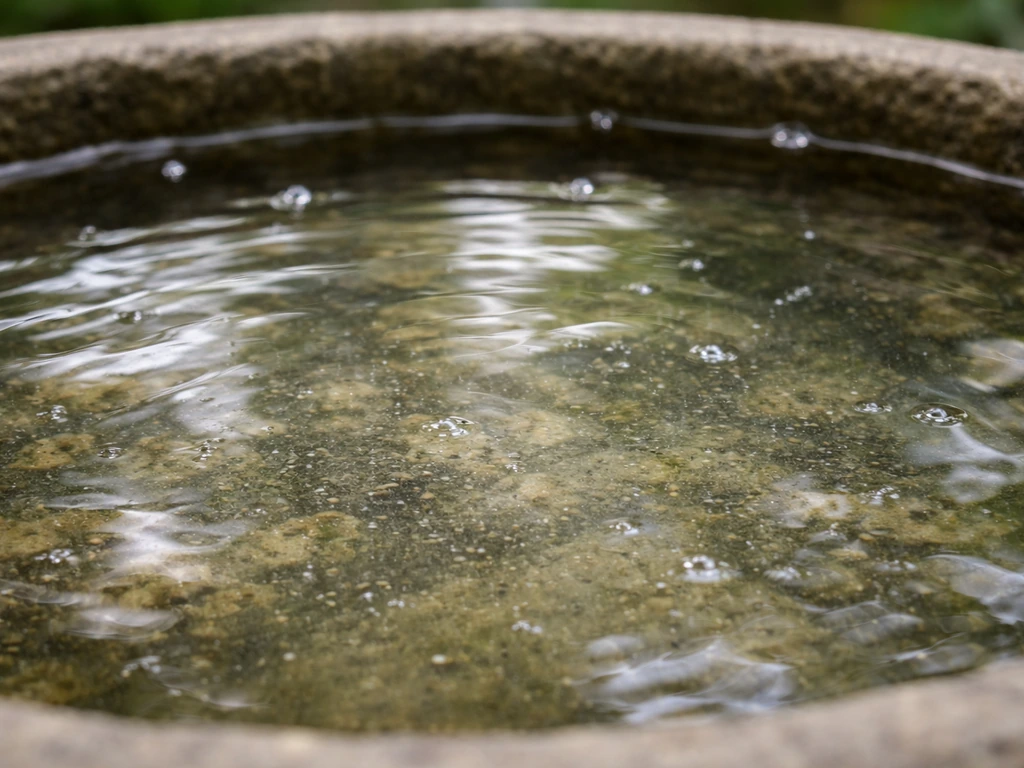
Shared water is one of the most efficient ways pathogens move between birds. When an infected bird drinks, bathes, or simply perches over the water, it can deposit bacteria, viruses, protozoa, or fungal spores directly into the basin. The next bird that drinks or dunks its head picks those up. It really is that direct.
A few specific diseases worth knowing about: Trichomoniasis spreads when infected birds drop contaminated material back into water sources, and the protozoan that causes it can survive in pooled water long enough to infect the next visitor. Avian pox can transmit indirectly when virus-containing scabs from infected birds contaminate water or wet surfaces around the bath. If you notice pox-like scabs on a bird, follow the same cleaning and disinfection steps right away to help stop avian pox from spreading. Mycoplasma gallisepticum, the bacterium behind house finch conjunctivitis, travels easily among birds that congregate at shared water and feeding stations. Salmonella is another real concern: the CDC linked a 2021 Salmonella outbreak to wild songbirds and specifically called out bird baths and feeders as transmission points.
Wet surfaces around the bath matter too, not just the water itself. A bird that wipes its beak on the rim, or a sick bird that leans against the edge, leaves pathogens behind on a surface that stays damp and warm. Avian influenza is also on researchers' radar: the USGS has ongoing work examining water and environmental surfaces as transport pathways for infectious avian influenza.
When the risk is low vs. when it gets higher
Not every bird bath is an equal-opportunity disease vector. A few variables shift the risk significantly.
| Factor | Lower Risk | Higher Risk |
|---|---|---|
| Water freshness | Changed daily or every other day | Standing for several days or more |
| Bird crowding | A few birds visiting throughout the day | Dense, constant crowding, especially mixed species |
| Season | Cool, dry weather | Warm, humid months when bacteria multiply faster |
| Droppings/mucus | Basin clean between visits | Visible droppings, mucus, or debris in water |
| Bath placement | Open area, easy to spot sick birds | Dense shrubs, hard to monitor or access |
| Mosquito presence | Low mosquito activity | High mosquito season (relevant to avian pox spread) |
Summer is the highest-risk season for several reasons at once: warmer water accelerates bacterial growth, mosquito populations peak (which matters for avian pox), and migratory birds mix species that wouldn't normally share water. Winter isn't risk-free, but a heated bath that's kept clean and not overcrowded is far less concerning than a neglected summer bath.
Signs that sick birds may be visiting your bath
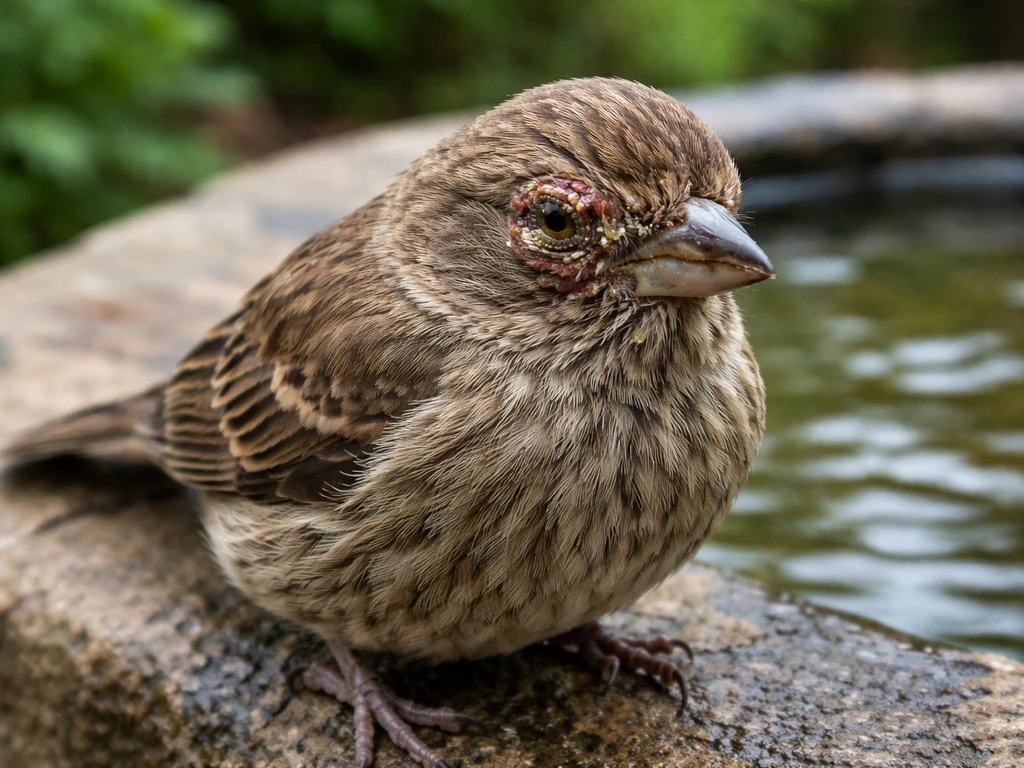
If sick birds are using your bath, you'll often see clues before you even look at the water. Get into the habit of watching the birds, not just enjoying them.
- Swollen or crusty eyes, especially the matted feathers around the eye that signal Mycoplasma conjunctivitis in house finches
- A bird that lingers at the bath or feeder much longer than normal, too weak or disoriented to fly off
- Visible growths, wart-like nodules, or rough patches on the skin, feet, or beak (possible avian pox)
- Fluffed feathers in warm weather, which usually means the bird is trying to conserve heat because it's unwell
- Difficulty swallowing or repeated head shaking near the water (a trichomoniasis sign)
- Mucus or unusual debris in the bath water that wasn't there when you last checked
Environmental clues also matter. If the water looks greenish, scummy, or has a foul smell between your scheduled cleanings, that's a sign of heavy contamination and you should change and disinfect it immediately rather than waiting for your regular cleaning day. Environmental conditions can affect how long avian influenza viruses persist on surfaces, according to OSHA background material.
How to clean and disinfect a bird bath safely
The CDC's recommendation for disinfecting bird baths is a diluted bleach solution: 9 parts water to 1 part bleach, with a minimum soak time of 10 minutes. That's the standard, and it works. Here's the full process step by step.
- Put on disposable gloves before you touch anything. The CDC specifically recommends this when cleaning feeders and baths, and it's a good habit regardless of whether you think birds are currently sick.
- Empty the basin completely and discard the water away from areas where birds congregate.
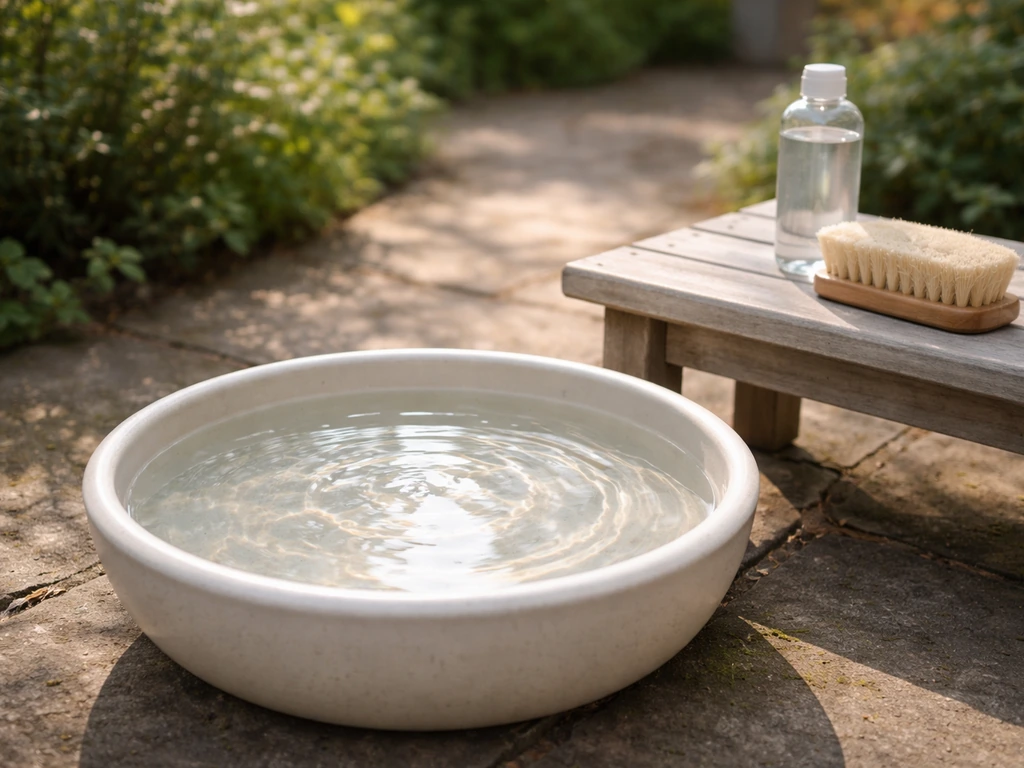
- Use a stiff brush to scrub the entire basin, including the rim and any rough surfaces where pathogens can hide in crevices. Plain water and scrubbing removes the bulk of organic material.
- Rinse thoroughly with clean water to remove loose debris.
- Mix your disinfectant: 1 part household bleach to 9 parts water. Fill or saturate the basin with this solution.
- Let it soak for at least 10 minutes. Don't rush this step.
- Rinse the basin very thoroughly with fresh water, multiple times. Bleach residue is harmful to birds, so rinsing until there is no smell is the goal.
- Allow the bath to air dry completely before refilling if possible, or refill with fresh water once you're satisfied all disinfectant is gone.
- Dispose of your gloves and wash your hands with soap and water.
A common question is whether rinsing alone is enough for routine maintenance between full cleanings. For a quick daily refresh, emptying and refilling with fresh water is better than nothing. But rinsing does not disinfect. It removes some contamination but won't reliably kill pathogens. Only the bleach soak does that, which is why the full cleaning on a regular schedule matters.
One more note on products: avoid dish soaps with added fragrances or antibacterial agents that aren't fully rinsed off, and skip any cleaner that isn't bird-safe unless you can rinse the basin completely. Diluted bleach is effective precisely because it breaks down quickly when rinsed. Harsher chemical disinfectants may leave residues that are harder to clear.
How often to clean and how to prevent re-contamination
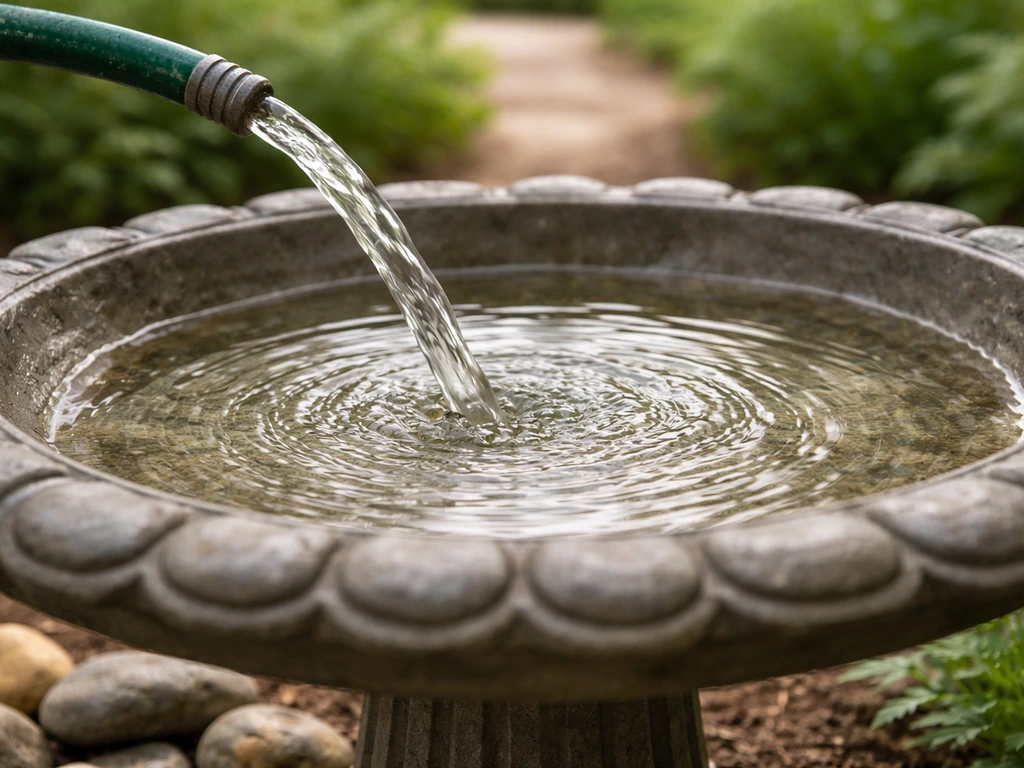
The CDC's minimum recommendation is a full cleaning at least once a month, but that's a floor, not a target. In warm weather with heavy bird traffic, cleaning every one to two weeks is more realistic for actually reducing disease risk. During outbreaks in your area (local wildlife agencies sometimes post alerts), bump that up to weekly.
- Change the water daily or every other day during warm months, even between full cleanings
- Place the bath in a shaded spot during summer to slow algae growth and bacterial multiplication, but not so sheltered that you can't monitor it
- Keep the bath away from feeders if possible, since birds shaking seeds, hulls, and debris into the water speeds up contamination
- Use a bath with a smooth, non-porous surface: rough concrete or heavily textured basins trap organic material and are harder to scrub clean
- Remove fallen leaves, feathers, or debris promptly since organic matter fuels bacterial growth
- If you have multiple baths, rotate cleaning them so at least one is always freshly disinfected
Backyard setups vs. pet birds and aviaries
If you keep pet birds or maintain an aviary, the stakes are different from a backyard wild-bird setup. Wild birds carry pathogens that domestic and captive birds may have no immunity to. Cross-contact between wild birds and your pet birds is the main thing to prevent.
Never place your pet bird's water dish or aviary water source where wild birds can access it, even briefly. Outdoor aviaries should have solid or fine-mesh roofing and sides that prevent wild birds from perching on top and dropping droppings into the enclosure. If your bird's cage or aviary is near a window where wild birds congregate outside, check that there's no way for droppings or debris to enter through gaps.
Don't share water containers between indoor pet birds and your backyard setup, and clean your hands thoroughly before handling your pet bird after working with wild-bird equipment. The same bleach-and-rinse protocol applies to pet bird water dishes, though you'll want to do it more frequently, typically daily rinsing and regular disinfection, since pet birds drink from their bowls many times a day.
For backyard-only setups, the risk of disease reaching you personally is low if you wear gloves when cleaning and wash up afterward. In most cases, the main concern is infection risk, but bird droppings and contaminated water can also make people feel unwell, especially if you touch your face after cleaning make you sick. That said, avian diseases and the question of transmission between birds and people is worth being aware of, particularly with avian influenza. The CDC's guidance for bird hobbyists specifically mentions wearing disposable gloves and practicing good hygiene when cleaning baths and feeders.
When to contact a vet or get help
For wild birds, your role is mostly observation and reporting. If you spot a sick or injured wild bird near your bath, the NYSDEC recommends contacting your regional wildlife agency or a licensed wildlife rehabilitator. Don't attempt to treat a wild bird yourself, and don't bring it inside if you have pet birds, since that's an easy way to introduce illness into your home flock.
If you're seeing multiple sick birds at your bath or feeder over a short period, that's a signal to take the bath down temporarily, disinfect it thoroughly, and report the situation to your local wildlife agency or state department of environmental conservation. Clusters of sick birds can indicate an active outbreak, and reporting helps wildlife managers respond.
For pet bird owners, contact an avian vet promptly if your bird shows any of the following: labored breathing, nasal discharge, eye swelling or discharge, sudden changes in droppings, loss of appetite, or unusual lethargy. These signs can escalate quickly in birds, and waiting to see if things improve on their own often costs critical time. If your pet bird had any recent exposure to wild birds or shared water sources and then develops symptoms, mention that exposure to the vet immediately.
Bird baths are genuinely worth keeping. They support wild bird populations and give you a front-row view of local bird life. The goal isn't to stop using them but to use them responsibly. Clean them on schedule, watch for signs of sick visitors, and keep your pet birds' water sources fully separate. During a plague or other wildlife outbreak, a bird mask can be one extra layer of protection while you clean and handle contaminated areas. Those three habits go a long way.
FAQ
Can I spread disease by just touching the bird bath rim or perching area, without the birds drinking from it?
Yes. Birds can leave pathogens on damp surfaces like the rim or edge, and you can pick them up on your hands and then touch your face or household surfaces. Wear disposable gloves during cleaning, avoid touching your eyes and mouth, and wash hands immediately after.
Is a bird bath with moving water or a fountain safer than a still-water bath?
It can be lower risk in some ways because it reduces standing water, but it does not eliminate transmission. Pathogens can still accumulate in biofilm, splash zones, and the basin. Clean and disinfect the basin and any recirculating components on the same schedule as a still bath.
Do I need to disinfect every day, or is rinsing enough if I refresh the water frequently?
Daily emptying and refilling is helpful, but rinsing does not disinfect. For routine disease control, keep rinsing or refilling between full cleanings, and do the bleach soak on your regular schedule (often every 1 to 2 weeks in warm heavy-traffic periods).
How do I disinfect without harming the birds or plants nearby?
Use the diluted bleach ratio and a full rinse after the minimum soak time. Avoid over-dosing, and do not let birds splash or drink until the basin is fully rinsed and dry. If you have plants directly under the bath, rinse runoff paths too so bleach residues do not linger in soil.
What should I do if the water looks normal but I saw a sick bird at the bath?
Treat it as contamination even if the water appears clear. Remove the bath water, scrub the basin, then disinfect with the bleach soak and refill with fresh water. Increase observation for new sick birds nearby and consider temporary removal until the area calms down.
Will bleach kill algae and scum, or should I scrub first?
Scrubbing first makes disinfecting more effective. Remove visible debris, then apply the diluted bleach so it contacts surfaces directly. If scum or biofilm is stubborn, multiple rounds of cleaning plus the disinfecting soak may be needed.
Can mosquitoes and mosquito larvae make disease risk worse even if my bath is clean?
They can. Pooled water supports mosquitoes, and mosquito activity is associated with higher risk for avian pox transmission during warm months. Keep water refreshed more often in summer, drain completely when you can, and consider mosquito-proofing practices like regularly brushing out edges where larvae hide.
How can I tell whether to take the bath down temporarily?
If you see repeated sick, lethargic, or obviously symptomatic birds using the same site within a short window, or you notice a sudden increase in sick birds around the bath and feeder, take the bath down, disinfect thoroughly, and report the cluster to your local wildlife agency.
Can I use a different disinfectant than diluted bleach if I have something else at home?
Avoid switching to cleaners that are not specifically bird-safe, and do not rely on “natural” disinfectants unless you know they work as disinfectants for pathogens. Bleach works here because it breaks down and can be fully rinsed; harsh disinfectants may leave residues that are difficult to clear and may not kill the same range of organisms.
Is it safe to use soap on the bird bath before the bleach step?
You can remove grease and loosen debris with a gentle, fully rinsable cleaner, but soap residues can interfere with disinfection if they are not thoroughly rinsed. If you do use any product, rinse completely first, then follow with the bleach soak and final rinse.
If I have pet birds indoors, can wild birds contaminate the air or only the water?
Water contact is the main pathway, but droppings and contaminated debris can also enter indoor spaces through open windows, gaps near cages, or contaminated tools and hands. Keep wild birds out of pet areas, prevent access to any water source, and dedicate cleaning tools to wild-bird work versus pet-bird work.
What is the minimum safety gear I should use when cleaning the bath?
At minimum, use disposable gloves and avoid touching your face during cleaning. If you are dealing with a visible outbreak or heavy droppings, consider eye protection and a mask to reduce exposure to aerosolized or splashed material, then wash hands and launder any clothing that got splashed.
When should I contact a wildlife professional versus just cleaning the bath?
Contact a wildlife rehabilitator or your regional wildlife agency if you find multiple sick or injured wild birds, if birds keep returning with symptoms over several days, or if you notice an unusual cluster near the bath. Do not attempt treatment yourself, and do not bring wild birds inside if you have pet birds.
Next Article
Can Bird Feathers Make You Sick? Symptoms, Risks, What To Do
Learn if bird feathers can cause sickness, key symptoms, real infection risks, and safe cleanup and when to see a doctor