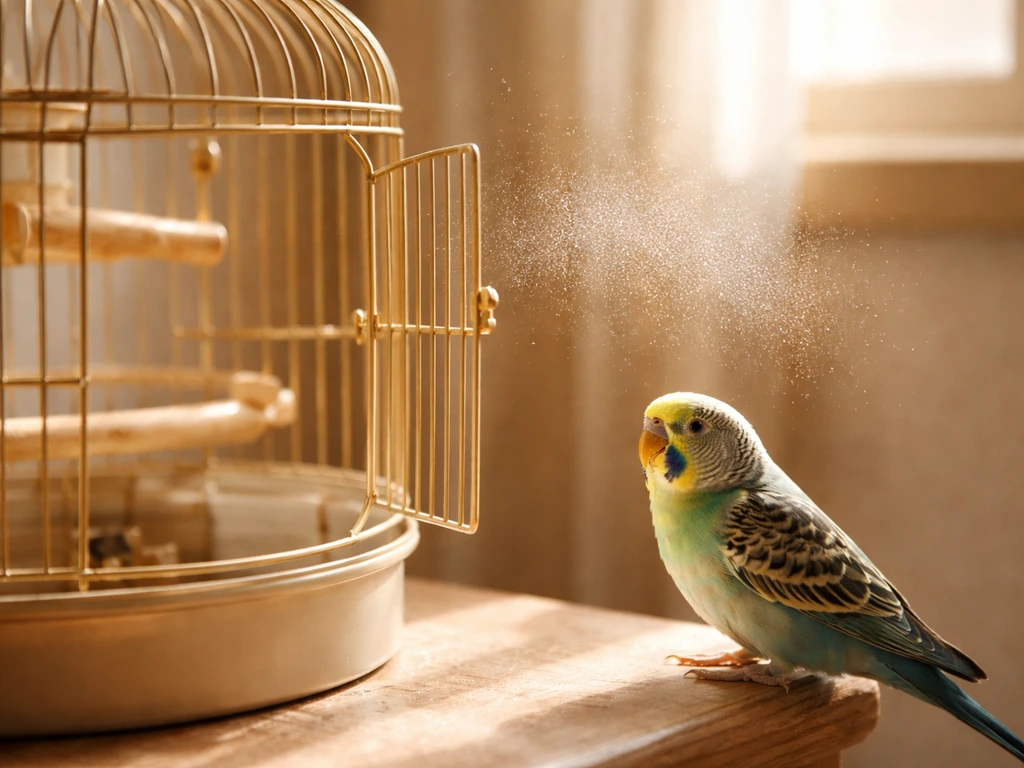
Yes, bird allergies are genuinely common, especially among people who spend a lot of time around pet birds. Estimates suggest there are around 25 to 30 million pet birds kept in U.S. homes, and a meaningful number of people exposed to them develop allergic symptoms ranging from mild sneezing to more serious respiratory problems. The more serious end of the spectrum, a condition called Bird Fancier's Lung (a type of hypersensitivity pneumonitis), affects somewhere between 0.5% and 7.5% of dedicated bird keepers. Milder allergic reactions like rhinitis, conjunctivitis, and asthma flare-ups are considerably more common than that. If you're noticing symptoms around birds, the odds are real enough that it's worth paying attention.
Are Bird Allergies Common? Symptoms, Causes, and Next Steps

Marcus Webb
3 May 2026

How common bird allergies really are
To put it in context: roughly 44.6% of Americans aged 6 and older show measurable sensitization to at least one allergen, according to NHANES data. Birds are just one of many possible triggers in that broad pool, but they're a recognized and well-documented one. Bird allergy sits alongside cat, dog, dust mite, and mold allergy as a real indoor allergen concern, not a fringe issue.
Among people who actively keep birds, especially species like budgerigars, parakeets, and pigeons, exposure is intense and ongoing. That's where sensitization rates climb. Casual contact with wild birds outdoors is a lower-risk situation, but people who handle birds, clean cages, or live in homes where birds fly freely are in a different exposure category entirely.
The allergens don't just come from feathers. Droppings, a waxy powder called "bloom" on feathers (especially in cockatoos and cockatiels), proteins from bird skin cells (dander), and even proteins in bird saliva and serum can all trigger immune responses. Pigeon droppings in particular contain a mucin antigen that contributes to sensitization. So the more time you spend in a bird's environment, the more allergen sources you're regularly exposed to.
Bird allergy vs. other reactions: dust, feathers, mites, and dander
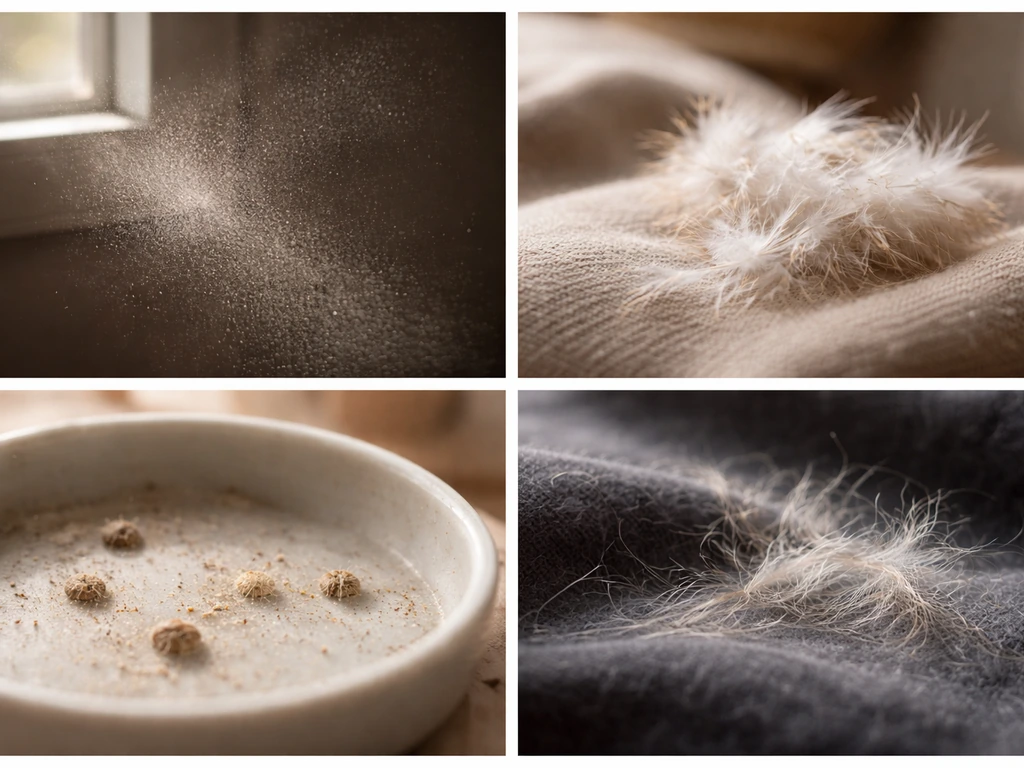
This is where things get genuinely tricky, and it's worth slowing down here. Not every reaction that happens around birds is actually caused by birds. Indoor environments that include birds also tend to have higher levels of house dust, mold, and other allergens, all of which can produce nearly identical symptoms.
Dust mite allergy is one of the most common confounders. About 97% of people with dust mite allergy are sensitized to a protein called Der p 1, and dust mite allergen is present in almost every indoor environment. Here's the complicating part: some older skin-prick test materials used for bird allergy diagnosis were found to be contaminated with mite allergen, meaning a positive "bird allergy" test wasn't always actually confirming a bird allergy. Modern testing is better, but the overlap is real and worth knowing about.
Bird mites are a completely separate issue. These are tiny parasitic mites that live on birds and can bite humans when their bird host is removed or dies. Bird mite bites cause itching and skin irritation, not respiratory symptoms. If you're getting skin reactions but no respiratory issues, and especially if you've recently had a bird nest nearby or handled wild birds, mites may be the culprit rather than a true allergic response to bird proteins.
Feathers themselves can trigger reactions, though the proteins embedded in feather structures and in the skin cells attached to feathers are the real problem, not the feather fiber alone. Bird dander (tiny particles of shed skin) behaves similarly to cat or dog dander and becomes airborne easily, landing on surfaces and staying suspended for hours. If you're wondering what is bird dander, it explains the shed-skin particles and why they spread through the air. If you want to understand more about bird dander specifically, that topic covers the full picture of what it is and how it spreads.
| Trigger | Main symptoms | Timing clue | Who's most at risk |
|---|---|---|---|
| Bird dander/proteins | Runny nose, sneezing, itchy eyes, asthma, cough | Starts quickly after exposure; can linger for hours | Regular bird owners, cage cleaners |
| Bird Fancier's Lung (HP) | Cough, fever/chills, chest tightness, breathlessness | 4–8 hours after intense exposure, often after you've left the area | Heavy/long-term bird keepers, pigeon fanciers |
| House dust mites | Sneezing, congestion, asthma | Ongoing; worse in dusty environments or at night | Anyone in poorly ventilated indoor spaces |
| Bird mites | Skin itching, bites, rash (no respiratory symptoms) | After contact with infested birds or nests | People handling wild birds or with nests nearby |
| Mold (in bird environments) | Respiratory irritation, cough, congestion | Builds over time; worse in damp cage areas | Bird owners in humid environments |
Common symptoms and when they show up
True bird allergies (IgE-mediated) tend to produce symptoms fairly quickly, usually within minutes to an hour of contact. These classic allergic symptoms include:
- Sneezing and runny or stuffy nose (allergic rhinitis)
- Itchy, red, or watery eyes (allergic conjunctivitis)
- Itchy skin or hives after direct contact
- Coughing or wheezing, especially in people with asthma
- Tightness in the chest
Hypersensitivity pneumonitis (Bird Fancier's Lung) follows a different timeline. An acute attack typically begins 4 to 8 hours after a period of intense exposure, and here's the part that confuses a lot of people: the symptoms often show up after you've already left the bird environment. So if you clean the cage, go out for the afternoon, and then feel feverish and short of breath by evening, that delayed pattern is a key clue. Symptoms of an acute episode include cough, chest tightness, breathlessness, and flu-like feelings like fever and chills.
Chronic exposure without acute episodes can lead to a subtler picture: a persistent cough, gradually worsening breathlessness during activity, and fatigue. This is the more dangerous pattern because it's easy to attribute to other things and can result in lasting lung damage if not addressed.
Who is more likely to react
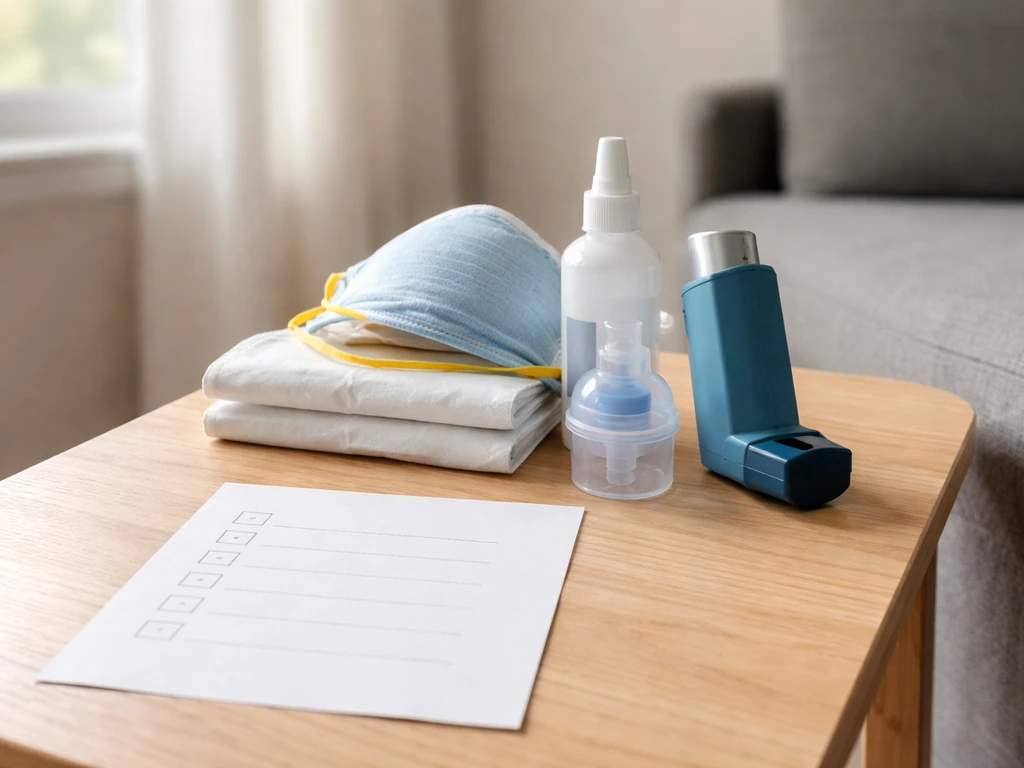
Some people are at genuinely higher risk of developing bird-related allergies or hypersensitivity pneumonitis. Knowing where you fall helps you decide how seriously to take mild symptoms.
- People with existing asthma or other allergies (hay fever, cat/dog allergy) are more likely to also sensitize to birds
- Regular, close-contact bird handling, especially cage cleaning, increases cumulative exposure dramatically
- Keeping multiple birds or high-dander species like cockatoos and cockatiels raises exposure levels
- Living in a small or poorly ventilated space with birds concentrates airborne allergens
- Pigeon and budgerigar fanciers who handle large numbers of birds face the highest documented risk for Bird Fancier's Lung
- Children and the elderly may respond more strongly to indoor allergen loads
- People with a family history of allergic disease (atopy) have a genetic predisposition to sensitization
It's also worth noting that sensitization can develop over time. You might have kept birds for years without a problem and then start reacting. Repeated low-level exposure can gradually build up immune sensitization, so a long symptom-free history doesn't rule out the possibility that a new reaction is bird-related.
How to figure out if it's actually bird allergy
Clues you can pick up at home
Start by tracking the pattern of your symptoms. Keep a simple log for one to two weeks: when symptoms appear, how severe they are, and what you were doing in the two to eight hours beforehand. A few things to look for:
- Symptoms that reliably worsen after cage cleaning or handling your bird and improve when you're away from home for a day or two
- Respiratory symptoms that appear several hours after bird contact (suggesting HP rather than classic allergy)
- Symptoms that persist year-round regardless of pollen season (pointing away from seasonal allergens)
- Skin reactions only after direct contact with the bird or its feathers
- Absence of respiratory symptoms but presence of skin itching after time near old nests (suggesting mites rather than allergy)
If symptoms improve noticeably when you spend a few days away from the bird environment, that's a meaningful clue. It won't confirm the diagnosis, but it points you in the right direction for a conversation with a doctor.
Getting a proper diagnosis
Home observation is a starting point, not an endpoint. For a real answer, you need allergy evaluation. An allergist can perform skin-prick testing or specific IgE blood tests (like RAST/ImmunoCAP) for bird allergens including feather and serum proteins from relevant species. Merck Manual Professional Edition explains that allergic conditions can be diagnosed using skin testing and allergen-specific serum IgE testing based on clinical history and exam specific IgE blood tests (like RAST/ImmunoCAP). Blood tests can also check for IgG antibodies to bird antigens, which are elevated in Bird Fancier's Lung. Lung function tests and chest imaging may be ordered if HP is suspected.
When you go, bring your symptom log and be specific about what birds you're exposed to, how often, in what kind of space, and whether symptoms are immediate or delayed. That information shapes what tests get ordered and how results are interpreted.
Managing and preventing reactions at home
You don't necessarily have to choose between your birds and your health, especially for mild to moderate allergic symptoms. A combination of environmental controls and hygiene changes can significantly reduce your exposure and symptom burden. AAAAI also recommends using vacuum cleaners with small-particle or HEPA filtration when cleaning to help reduce airborne allergens.
Reduce airborne allergen levels
- Use a HEPA air purifier in the room where your bird lives. Multiple studies have found portable HEPA air cleaners improve allergy and asthma symptoms, and they're genuinely effective at capturing fine airborne particles including dander and feather debris
- Keep the bird in a room that can be closed off from bedrooms, especially if nighttime symptoms are a problem
- Increase ventilation: open windows when weather allows or use exhaust fans to dilute indoor air
- Keep indoor humidity between 30 and 50 percent. This reduces mold growth and also suppresses dust mite populations that compound allergen load
- Avoid keeping birds in small, poorly ventilated spaces like bathrooms or walk-in closets
Cleaning practices that actually help

- Clean the cage frequently, ideally daily for droppings and weekly for a thorough clean
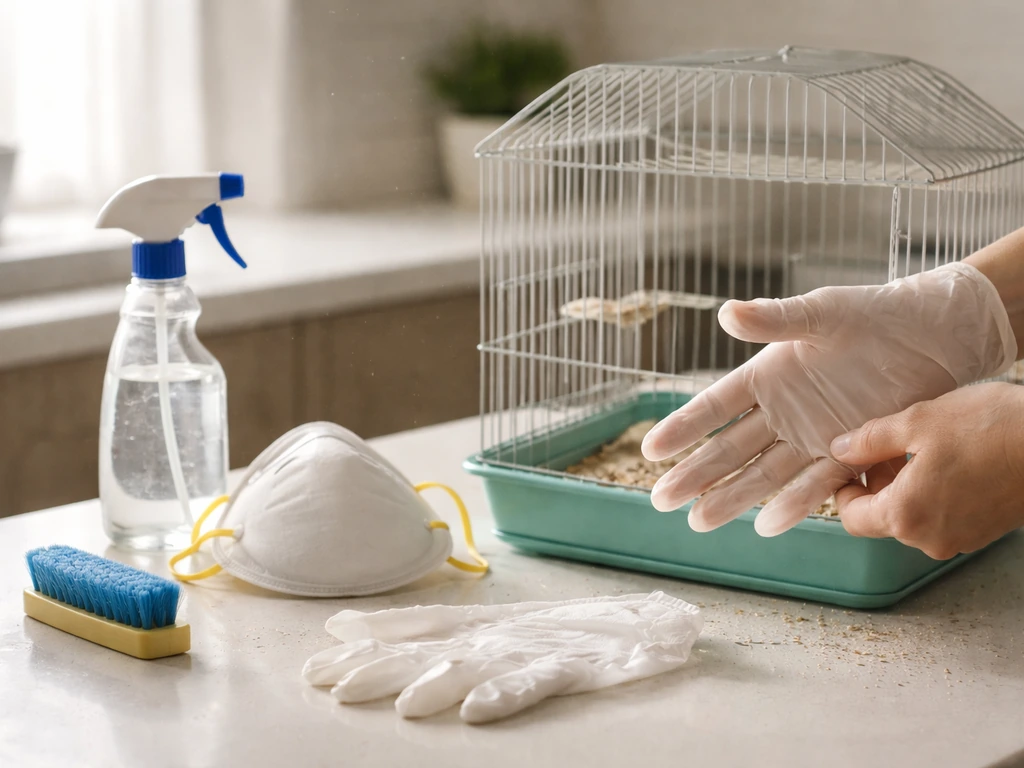
- Wear an N95 or FFP2 respirator mask and gloves when cleaning. This is not overkill: cage cleaning creates a burst of aerosolized allergen and is the highest-exposure activity
- Use a HEPA-filter vacuum for floors and upholstery rather than sweeping, which resuspends particles. Note that even HEPA vacuuming can temporarily raise personal allergen exposure in the immediate area during cleaning
- Wipe hard surfaces with a damp cloth rather than dry dusting
- Wash hands thoroughly after handling your bird or its accessories before touching your face
Other practical steps
- If someone else in the household can do cage cleaning, that's worth arranging during periods of high sensitivity
- Keep the bird out of the bedroom entirely, and wash bedding weekly in hot water (above 130°F) to control dust mite allergen alongside bird allergen
- Ask your doctor about non-sedating antihistamines for managing day-to-day allergic rhinitis symptoms while you work on environmental controls
- Allergen immunotherapy (allergy shots or sublingual drops) exists for some allergens and may be an option worth discussing if symptoms remain significant despite environmental measures
When to see a doctor, and when it's urgent
Mild sneezing and eye irritation that respond to antihistamines and improve when you're away from birds are manageable at home in the short term. But several situations call for prompt medical attention rather than waiting.
See a doctor soon (within days, not weeks) if:
- Respiratory symptoms are new and don't resolve with standard allergy measures
- You develop a recurring cough, breathlessness, or chest tightness that appears hours after bird exposure
- You experience fever, chills, or flu-like symptoms that seem linked to bird exposure. This pattern is the hallmark of acute hypersensitivity pneumonitis and needs evaluation
- Asthma symptoms are worsening and not responding well to your usual quick-relief inhaler
- You've had symptoms for weeks and they're getting progressively worse rather than staying stable
Go to the emergency room or call emergency services immediately if:
- You have severe breathing difficulty or feel like you can't get enough air
- Your throat feels like it's swelling or closing
- You develop signs of anaphylaxis: sudden hives or swelling, dizziness, rapid heartbeat, or a sense that something is seriously wrong after exposure. Use epinephrine if you have a prescribed auto-injector and call emergency services right away
Hypersensitivity pneumonitis is not a minor nuisance. Repeated acute episodes without treatment can progress to chronic lung damage that doesn't fully reverse. If the delayed symptom pattern (feeling ill several hours after bird contact) sounds familiar, getting evaluated sooner rather than later genuinely matters. A doctor can run the relevant blood tests and imaging to catch it before it causes lasting harm.
The good news is that most people with bird allergies manage them successfully without having to give up their birds. The key is identifying what's actually causing the reaction, taking targeted steps to reduce exposure, and knowing which symptoms need professional attention. Start with your symptom log, make the practical environment changes, and then get properly tested so you're working with real information rather than guessing.
FAQ
Are bird allergies common in the general population, or mainly among pet bird owners?
Bird allergies are common enough that they appear regularly in allergy clinics, but the “common” part mostly applies to people with ongoing indoor exposure (pet bird ownership, cage cleaning, or birds that freely fly around the home). Casual outdoor contact is less likely to cause a sustained allergic pattern, so context matters when deciding whether your symptoms are truly bird-driven.
Can I suddenly develop a bird allergy if I never reacted before?
Yes, they can start suddenly after years without symptoms. Sensitization can build gradually from repeated low-level exposure, so a new bird, a change in how the bird is cleaned, moving cages to a different room, or more time spent close to the bird can be the tipping point.
How can I tell if my symptoms are IgE allergy versus Bird Fancier’s Lung?
A delayed reaction is a major clue for Bird Fancier’s Lung, symptoms often start 4 to 8 hours after intense exposure and may feel worse after you leave the bird area. IgE-type allergy symptoms (like sneezing or itchy eyes) usually begin within minutes up to about an hour, so timing can help you and your clinician choose the right workup.
What if I react to birds but also react in other places in my house?
Sometimes. Classic “bird allergy” symptoms can overlap with dust mite, mold, and other indoor triggers, so you can get a false sense of certainty if you only focus on birds. If you notice symptoms also occur when the bird is out of the room, even for a short time, ask your doctor to evaluate competing allergens rather than assuming it’s the feathers.
Can I have bird-related symptoms even if my allergy test is negative?
You can still have a bird-related problem even if tests come back negative, especially if your exposure history is strong but timing and allergen source are unclear. That’s one reason a symptom log and details about the species and your daily tasks are so important for choosing the right tests, interpreting borderline results, and deciding next steps.
If I get itchy skin after being around birds, does that mean it’s a bird allergy?
Bird mites are different from bird allergens, they cause primarily skin itching and irritation rather than breathing symptoms. If your reaction is mainly on exposed skin and flares after handling wild birds or finding a bird nest nearby, consider mites or insect-related causes instead of treating it as true allergy.
Is it always dangerous if symptoms get worse after I leave the bird area?
“Worsening after leaving” the bird environment is more concerning for hypersensitivity pneumonitis than simple irritation from dust. However, short-term irritant effects can also happen, so the pattern should guide you. If you feel feverish, have cough or chest tightness, or symptoms persist or recur after repeated exposures, you should get evaluated rather than just waiting it out.
Can bird allergens trigger symptoms without direct contact, like while I’m just in the home?
Yes. Symptoms can be triggered by indirect exposure, airborne dander particles can stay suspended on surfaces and in the air for hours. Practical steps like keeping birds out of the bedroom, using a properly sized HEPA air purifier, and improving ventilation can reduce exposure even if you’re not directly touching the bird.
What should I do if I have breathing symptoms around birds, not just sneezing?
For respiratory symptoms, the next step is not only “try an antihistamine.” If you have wheezing, shortness of breath, chest tightness, or delayed flu-like illness after bird exposure, contact a clinician promptly and ask about both IgE allergy and hypersensitivity pneumonitis evaluation. For sudden severe symptoms, emergency care is appropriate.
Do allergy tests need to target specific bird species I’m exposed to?
Species can matter. Different birds produce different proteins and allergen loads, and “relevant species” testing may be needed for the most accurate results. When you schedule evaluation, tell the allergist which birds you have (for example budgerigars, cockatoos, pigeons) and whether the bird’s behavior changed (like molting or being kept in a different room).
Next Article
What Is Bird Dander and How to Reduce It Safely
Learn what bird dander is and how to cut exposure safely with cleaning, filtration, ventilation, and allergy action step