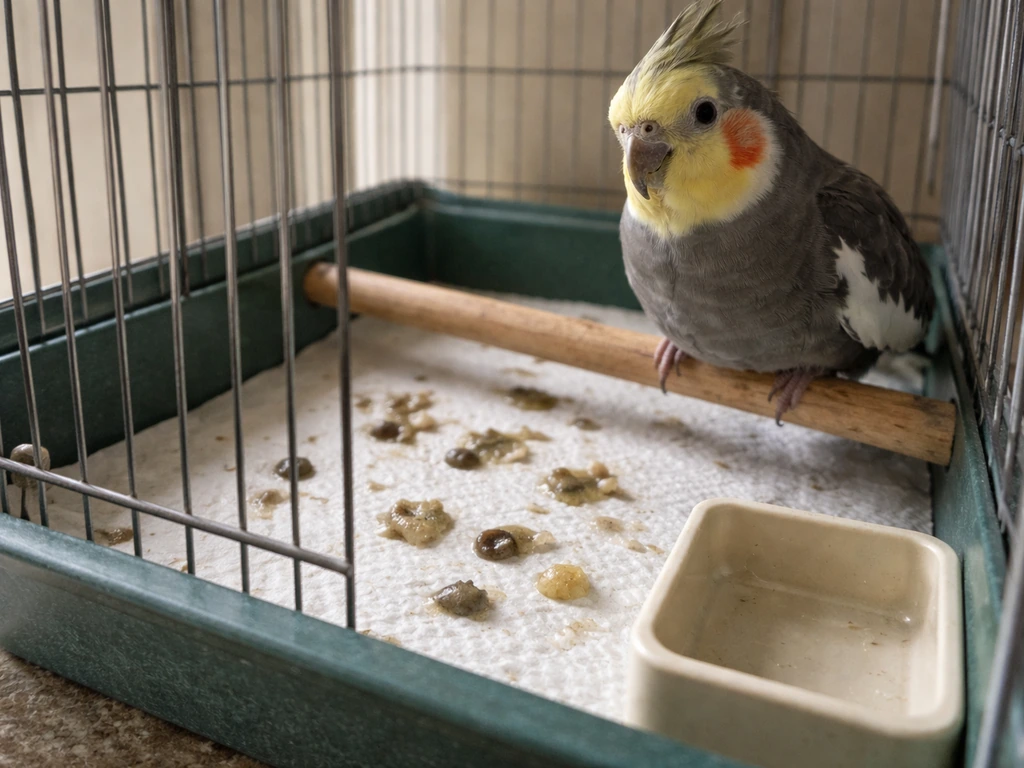
Bird nest material is not good for eczema, and applying it to broken or inflamed skin is genuinely risky. Wild bird nests can carry mites, bacteria, fungal spores, allergens from feathers and droppings, and other irritants that can make a flare significantly worse. If you are considering using jade bird products or nest materials, be aware of jade bird side effects, which can include skin irritation and flare-ups. No major dermatology organization recommends bird nest material as an eczema treatment, and safer, evidence-backed options exist that work without those risks. If you are worried about a more serious issue like bird nest vs cancer claims, it is still best to rely on proven medical guidance rather than skin-contact products evidence-backed options exist.
Is Bird Nest Good for Eczema? Safety, Risks, and Alternatives

What's actually inside a bird nest that affects eczema
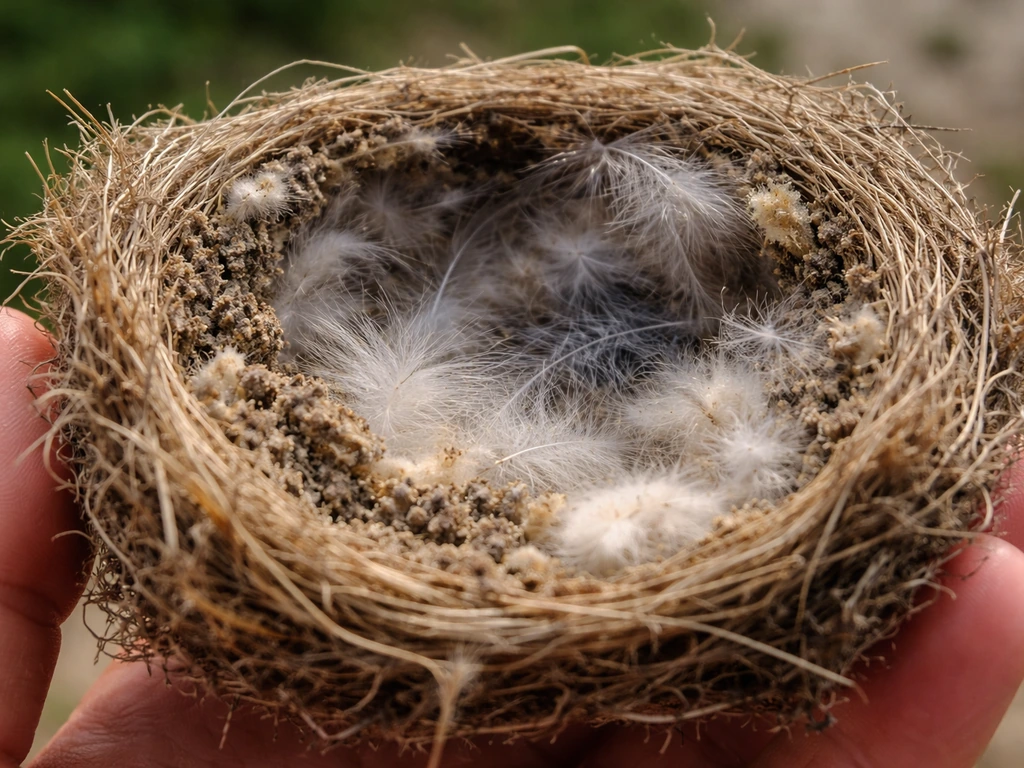
A real bird nest is not a clean, inert object. It is built from whatever materials are available: plant fibers, feathers, down, mud, saliva, insect parts, and often fecal matter from the nesting birds. Each of those components can affect sensitive or eczema-prone skin in different ways.
- Feathers and down: These contain allergenic proteins found in serum, skin scales, and droppings. IgE-mediated sensitization to feather proteins is well documented, meaning someone with eczema and an underlying atopic tendency could react strongly to direct skin contact.
- Bird droppings: Fecal material in nests can carry Histoplasma capsulatum fungal spores. Histoplasmosis is typically a respiratory concern (inhaled spores), but disturbing dry, contaminated nest material can aerosolize those spores, creating a dual exposure risk when you are handling it close to your face.
- Bird mites: Ornithonyssus bursa and related avian mites live in active nests and feed on birds. When a nest is disturbed or birds leave, mites look for new hosts. Direct skin contact with an infested nest can cause avian mite dermatitis, also called gamasoidosis, which produces intense itching and a rash that looks very similar to eczema and makes an existing flare far worse.
- Bacteria and mold: Damp nest material supports bacterial and mold growth. Staphylococcus aureus is already a known eczema trigger and colonizer of eczema-affected skin. Adding more bacterial load through contaminated material is the opposite of what you want.
- Mechanical irritants: Coarse plant fibers, dried droppings, and debris physically irritate the skin barrier, which is already compromised in eczema.
When bird nest use would make eczema worse (and who should avoid it entirely)
Honestly, there is no situation where applying wild bird nest material to eczema-affected skin is advisable. But certain groups face a higher risk of a serious reaction.
- People with known feather or bird allergies: If you already react to feather pillows or bird dander, contact with nest material can trigger a significant allergic contact response on top of your existing eczema.
- Anyone with open, weeping, or infected eczema: Broken skin has no barrier against bacteria and mold in nest material. This is the scenario most likely to result in a secondary skin infection.
- Children with atopic dermatitis: Their skin barrier is more compromised, their immune response is more reactive, and they are more likely to rub or scratch, spreading any contamination.
- People with respiratory conditions: Handling dry or dusty nest material near the face puts Histoplasma spores and other airborne allergens directly into the breathing zone, which can worsen asthma or allergic rhinitis that often coexists with eczema.
- Anyone living in or near areas with large bird roosting populations: Nests in those environments tend to have heavier fungal and bacterial loads.
It is also worth noting that collecting or possessing most wild bird nests in the United States is illegal under the Migratory Bird Treaty Act unless you have a specific permit. The U.S. Fish & Wildlife Service explains that most bird nests are protected under the Migratory Bird Treaty Act, and removing or destroying nests generally requires a valid permit, which may be issued when nests create human health or safety concerns or when birds are in immediate danger collecting or possessing most wild bird nests in the United States is illegal under the Migratory Bird Treaty Act unless you have a specific permit. This is not a minor footnote: removing a nest from a wild bird is a federal offense, and that legal reality should stop most people before the health question even comes up.
If you already have nest material: risk reduction steps
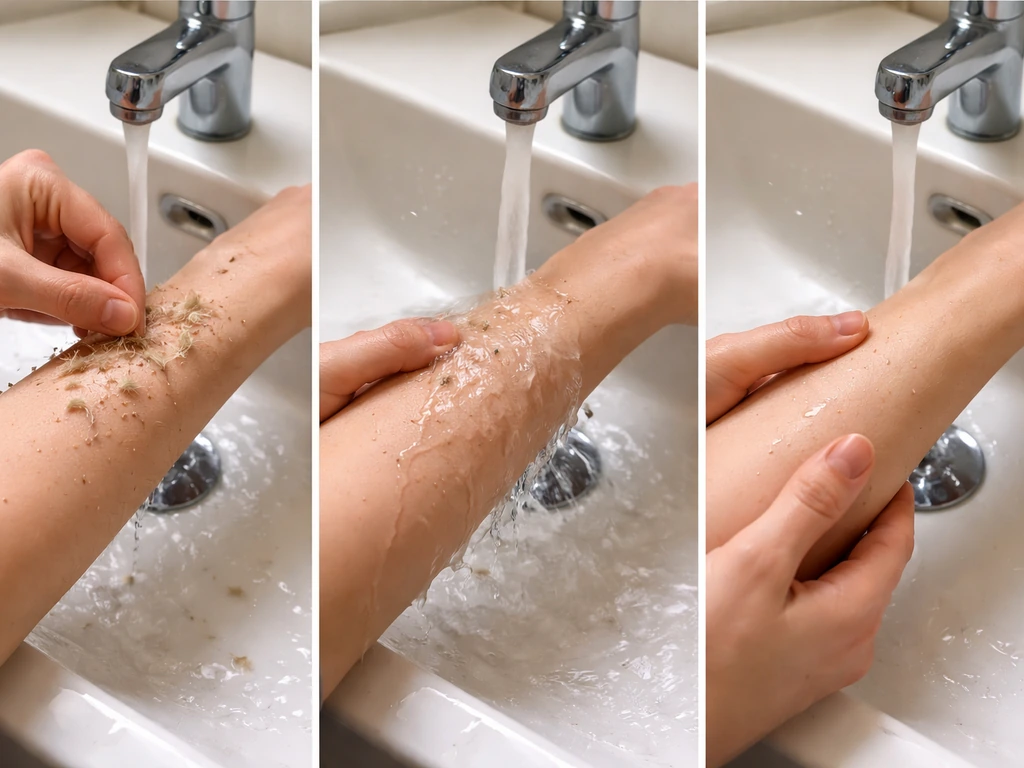
If you have already handled bird nest material and your skin is reacting, or you are thinking about whether to continue using it, here is the practical sequence to follow.
- Stop contact immediately. Remove the material from skin contact and wash the area thoroughly with lukewarm water and a fragrance-free, gentle cleanser.
- Do not scratch. Scratching drives any mites, bacterial material, or allergens deeper into compromised skin.
- Photograph any reaction. Take a clear photo with a timestamp if the skin changes. This helps a doctor assess what happened and how quickly it progressed.
- Watch for escalating signs. Spreading redness, warmth, swelling, pus, or fever are signs of possible skin infection and need medical attention, not home management.
- Handle remaining nest material safely. If you need to dispose of it, wear gloves and a dust mask (N95 if available), place it in a sealed bag, and wash your hands thoroughly after. Avoid shaking or dry-sweeping it, which can aerosolize fungal spores.
- Do not patch-test at home with nest material. Patch testing for allergic contact dermatitis is a controlled clinical procedure where standardized allergen panels are applied to the upper back for 48 to 96 hours and read by a trained clinician. Applying a random piece of nest to your skin at home is not a patch test; it is an uncontrolled exposure with no safety monitoring.
What actually works for eczema flare-ups
Evidence-based eczema management focuses on restoring the skin barrier, reducing inflammation, and cutting off contact with known triggers. Here is what major dermatology organizations recommend.
| Treatment | What it does | Best used when |
|---|---|---|
| Fragrance-free emollients and moisturizers | Restore and protect the skin barrier | Daily maintenance and immediately after bathing |
| Topical corticosteroids (prescription) | Reduce inflammation during flares | Active flares, as directed by a doctor |
| Bleach baths (measured, diluted) | Reduce Staph aureus bacterial load on skin (roughly 1 teaspoon per gallon of water; 2-3 times per week) | Moderate-to-severe atopic dermatitis with frequent infections |
| Wet wrap therapy | Intensively hydrates skin and helps topical treatments absorb; involves soaking, applying topical medication, moisturizer, then moist cotton layer and dry outer layer | Acute, severe flares, especially in children |
| Trigger avoidance (fragrance, wool, heat, sweat) | Prevents flare initiation | Ongoing daily habit |
None of these involve animal-derived or foraged materials. The AAD, National Eczema Association, and Mayo Clinic consistently point to fragrance-free moisturizers and topical anti-inflammatory treatments as the foundation of care, not unregulated home remedies. If you are curious about other natural-sounding products (like those discussed in adjacent topics such as bird nest benefits for lungs or bird nest good for cough), the same principle applies: the bird nest being referenced in those wellness contexts is edible swiftlet nest, not physical nest material used on skin, and those uses are entirely separate from eczema management. For lung health and cough, people are usually referring to edible swiftlet nests, not using bird nest material on skin.
The bird health angle: what nest handling means for birds and their caretakers
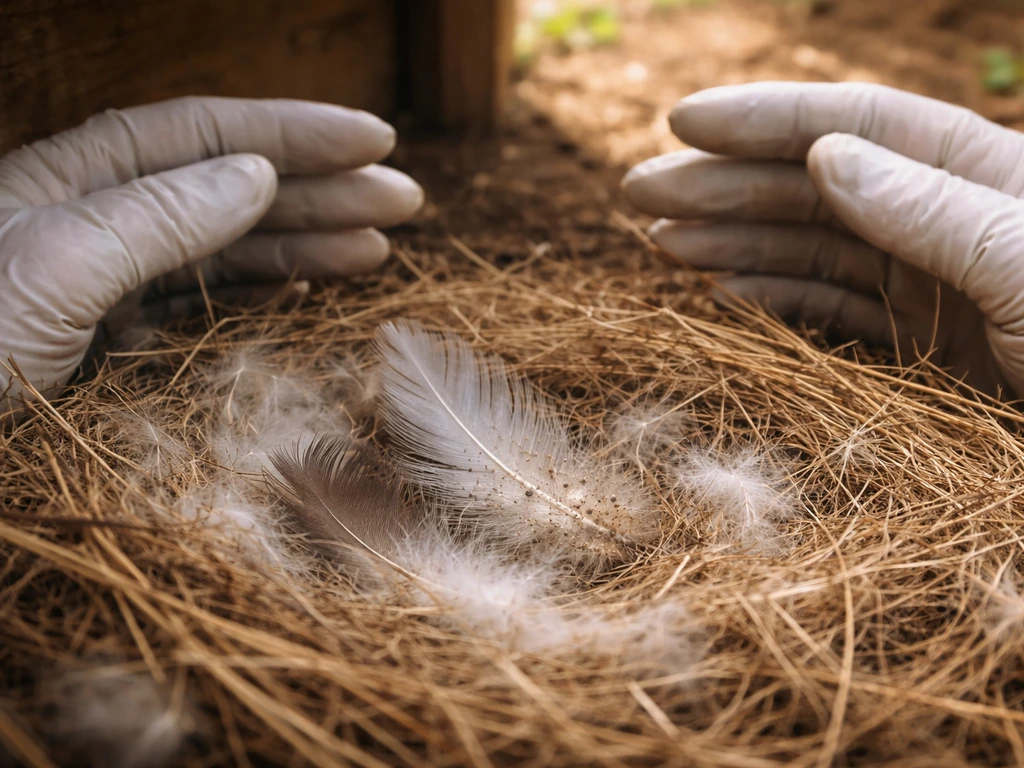
If you work with birds, care for pet birds, or are dealing with a nest situation in or around your home, the health risk runs in both directions. Bird nests are ecosystems for mites, lice, and bacteria that primarily affect the birds themselves.
Feather mites and avian lice live in feathers and nesting material and can cause skin and feather disorders in pet birds, including over-preening, feather damage, and skin irritation. When you handle a nest from a bird that is ill or heavily parasitized, you bring those organisms into direct contact with your own skin. Mites like Ornithonyssus bursa do not reproduce on human skin, but they will bite and cause a rash while they are present.
For pet bird owners, if your bird is scratching excessively, losing feathers in patchy areas, or seems restless and uncomfortable in ways that go beyond normal preening, the nest and nesting material should be examined and replaced. An avian vet can advise on whether mites or another skin/feather condition is involved. Treating the nest environment is part of treating the bird.
For wild birds in or around a structure, disturbing or removing an active nest is a federal offense for most migratory species in the U.S. Contact a licensed wildlife rehabilitator or local wildlife authority for guidance before touching anything.
When to see a doctor or vet, and what to watch for
For your own skin: go to a doctor if you see these signs
- Skin that becomes swollen, warm, and increasingly red after nest contact, especially if it spreads beyond the original area
- Yellow or green discharge, crusting that was not there before, or a wound that smells different
- Fever, chills, or flu-like symptoms within a day or two of handling nest material (potential sign of systemic infection or histoplasmosis exposure)
- A rash that looks like bites or small red bumps in a line or cluster (possible mite dermatitis)
- Existing eczema that suddenly becomes much harder to control after the exposure
- Difficulty breathing or a new respiratory wheeze after handling dusty nest material
For your bird: call an avian vet if you notice
- Visible mites or lice on feathers or around the nest area
- Bald patches, broken feathers, or skin that looks irritated, red, or scaly
- Excessive scratching, head shaking, or restlessness that is out of character
- Any bird appearing lethargic, fluffed up, or not eating (these are general illness signs that need prompt veterinary evaluation regardless of nest involvement)
The bottom line is straightforward: bird nest material is not a treatment for eczema, it carries real contamination risks that can make eczema worse, and the evidence-based alternatives are well established and accessible. If you are asking about bird nest products for dogs, do not give or apply them, and instead talk with a veterinarian about a safe, evidence-based sulfa dosage only when a dog has been diagnosed and needs it bird nest material is not a treatment for eczema. There are claims that bird nests have medicinal benefits, including for cancer, but these are not supported by strong clinical evidence and should not replace standard cancer care. If a reaction has already started, stop the exposure, follow basic hygiene steps, and see a doctor quickly if the skin is getting worse rather than better. If you are looking up “hum skinny bird side effects,” be aware that reactions and skin irritation can be serious, so it is best to rely on eczema care that is proven and safer.
FAQ
What should I do if I already put bird nest material on my skin for eczema and it started stinging or itching?
Stop the exposure right away and gently rinse with lukewarm water. Avoid reapplying any remaining material, do not scrub, and apply a fragrance-free moisturizer to protect the barrier. If redness, swelling, blistering, or rapidly worsening rash develops, seek medical care promptly because that pattern can suggest contact dermatitis or infection.
Can bird nest products be safe for eczema if my skin is not currently flaring?
Even when your eczema looks calm, bird nest material is still an unregulated biological mixture that can contain mites, allergens, and microbial material. “Not flaring” does not mean “no sensitivity,” so skin contact can trigger delayed reactions. Safer options are fragrance-free moisturizers and eczema-directed anti-inflammatory treatments rather than animal-derived foraged materials.
Is there any “clean” way to use bird nest material on eczema without contamination risks?
No practical preparation method makes wild or natural bird nest material reliably clean for eczema-prone skin. Boiling, soaking, or drying may reduce some organisms but can still leave allergen residues, spores, and irritants. For eczema, barrier-first care is safer than trying to sterilize or improvise.
What if I only used edible swiftlet nest, not physical bird nest material, on or near my skin?
Edible swiftlet nest is a different product category than physical nest material and is not meant to be used as a topical eczema treatment. If you are considering it orally, be cautious about allergies and discuss with your clinician if you have multiple food allergies, asthma with allergies, or prior reactions to animal products.
Are there situations where a doctor might recommend a bird-related remedy for eczema?
Dermatology guidance generally does not recommend bird nests or similar animal-foraged topical remedies. If someone offers a “bird” product, ask your clinician specifically about ingredients, testing, and whether it is intended as a topical eczema therapy, not a folk treatment.
How can I tell if my reaction is from irritation versus infection after exposure to bird nest material?
Irritation or contact dermatitis often causes itching and redness that follows exposure. Infection concerns include increasing pain, warmth, honey-colored crusting, pus, fever, or rapidly expanding areas despite gentle barrier care. If you see those red flags, get evaluated rather than continuing home treatment.
If I have pet birds and there is nest material at home, how do I reduce eczema flare risk without harming the birds?
Handle nests with gloves or have someone else do it, wash hands and change clothes after cleaning, and consider having an avian vet assess suspected mites or feather disorders in your bird. Replace contaminated nest material and reduce dust and feather exposure in the environment, while using standard eczema skin care for you.
What hygiene steps are smart if a nest was inside my home and I touched it once?
Avoid touching your face afterward, wash exposed skin with mild soap and water, and launder clothing or bedding that contacted the nest. If your skin becomes more inflamed over the next 24 to 48 hours, stop self-exposure and use your usual eczema regimen, then contact a clinician if worsening occurs.
Is collecting or removing bird nests legal, and does the answer change the health advice?
Legality is separate from health, but it matters. In the U.S., removing an active wild bird nest is often prohibited under the Migratory Bird Treaty Act unless you have proper authorization. Even if it were legal, the contamination and allergy risks to eczema-prone skin still make exposure a bad idea.
What are the best first-line eczema alternatives to try instead of bird nest material?
Use fragrance-free moisturizers frequently, apply prescribed topical anti-inflammatories when you flare, and identify trigger patterns (irritant soaps, fragrances, rough fabrics, heat, sweat). If your eczema is moderate to severe or keeps recurring, ask a dermatologist about a stepped plan such as intermittent anti-inflammatory use, patch testing for contact allergens, or systemic options when needed.
If I want to use a “natural” product, how do I choose something safer than bird nest material?
Look for products designed for eczema care that list known, simple ingredients, are fragrance-free, and are specifically marketed for sensitive or inflamed skin. Avoid topical products that are untested, foraged, or that involve feathers, animal secretions, or biological materials meant for other uses.
Should I use bird nest material on dogs or other pets if I have eczema concerns?
Do not apply bird nest material to pets as a skin remedy. For dogs, discuss treatment with a veterinarian, especially if you suspect a diagnosis like atopic dermatitis, flea allergy, or infection. Using unverified topical “bird” products can worsen inflammation and complicate diagnosis for both pet and owner.
Hum Skinny Bird Side Effects: What to Watch and Do Now
Get help for hum skinny bird side effects: spot wasting signs, check droppings and appetite, and know when to call an av