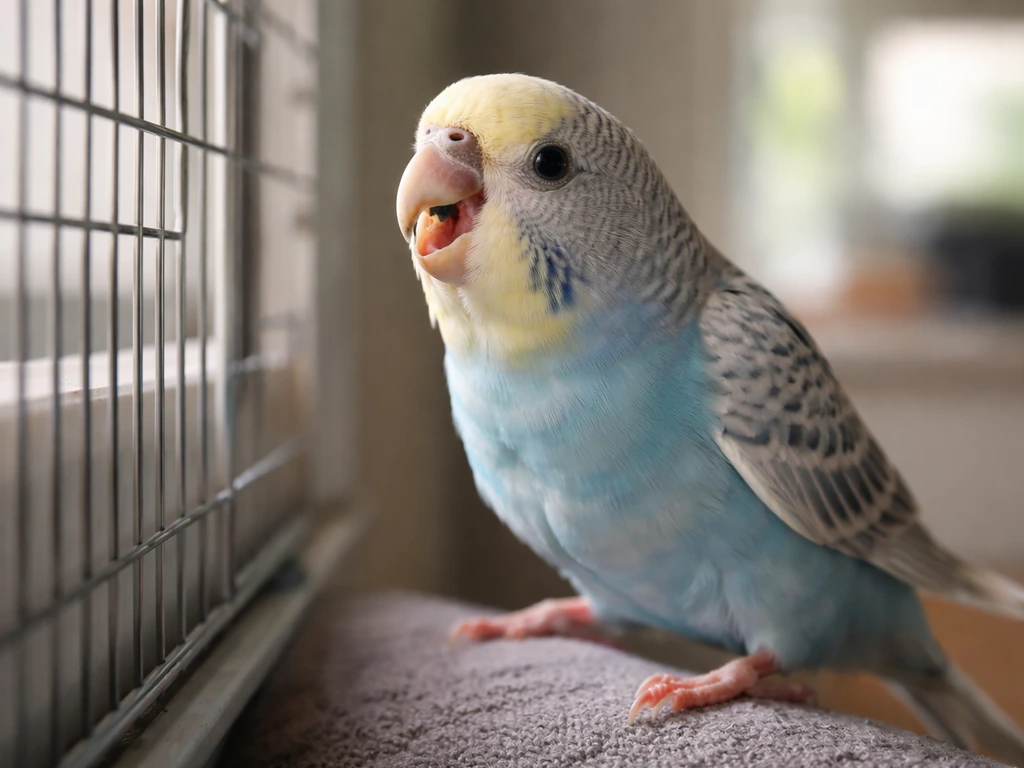
If your bird is breathing with its mouth open, bobbing its tail with every breath, or making clicking or wheezing sounds, those are the clearest warning signs of a respiratory problem that needs attention today. Respiratory illness moves fast in birds, and the difference between catching it early and facing an emergency can come down to a few hours. Knowing how to tell if your bird has a respiratory infection can help you spot changes early and act fast. This guide walks you through what to look for, how to tell respiratory illness from something else, what's likely causing it, and exactly when to stop watching and start driving to an avian vet. If you’re already seeing these warning signs, use a clear plan for how to treat bird respiratory infection and know when home steps are no longer enough.
Bird Respiratory Problems: Symptoms, Causes, and Next Steps

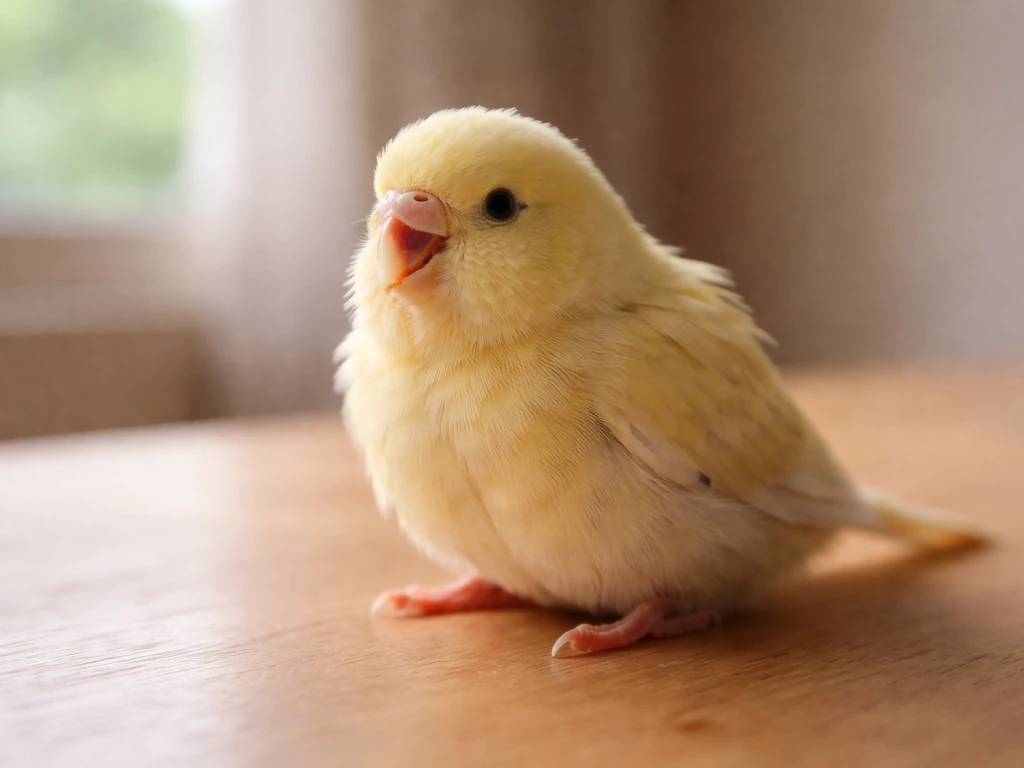
Common signs of bird respiratory infections
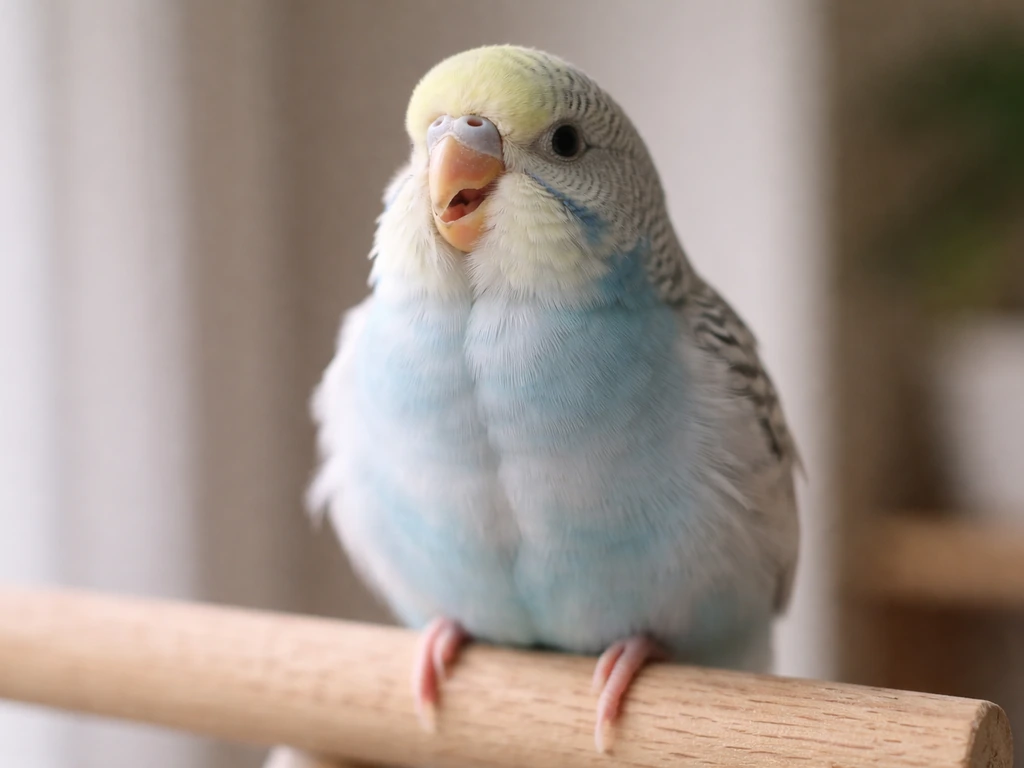
Birds hide illness well, so by the time symptoms are obvious, the problem has usually been building for a while. Respiratory infection signs tend to show up in a cluster rather than one at a time. Here are the ones that matter most:
- Open-mouth breathing or beak breathing, especially when the bird is at rest
- Tail bobbing with each breath, a compensatory motion the bird makes when breathing is labored (very common in budgies and cockatiels)
- Audible sounds during breathing: wheezing, clicking, rattling, or high-pitched whistling
- Frequent sneezing, or sneezing that produces discharge rather than dry sneezes
- Nasal or eye discharge (clear, cloudy, or colored)
- Voice changes: altered chirping, squeakiness, or near-silence in a normally vocal bird
- Neck or head stretching upward and forward, which birds do to try to open their airway
- Rapid, shallow breathing or visibly increased chest and abdominal movement
- Lethargy, fluffed feathers, and sitting low or hunched on the perch
- Reduced appetite or complete refusal to eat
The combination of open-mouth breathing and tail bobbing together is a particularly serious signal. Either one on its own is worth watching closely. Both together at rest means the bird is working hard just to breathe, and that warrants urgent evaluation rather than a wait-and-see approach. Discharge around the nares or a crusty buildup near the nostrils is another reliable early indicator, especially in upper respiratory infections.
How to tell if it's actually a respiratory problem
Not every bird that looks sick has a respiratory infection. A few other conditions can look similar enough to cause confusion, and it's worth ruling them out before assuming the lungs or airways are the problem.
Stress and fear responses
A bird that's frightened, overheated, or freshly caught and handled may breathe with its mouth open temporarily. This is normal and resolves within minutes once the bird calms down in a quiet environment. True respiratory illness does not resolve with rest. If the open-mouth breathing continues after 10 to 15 minutes of calm quiet, treat it as a medical concern.
Digestive problems
Gastrointestinal illness can cause lethargy, fluffed feathers, and reduced appetite just like a respiratory infection can. The key difference is breathing. A bird with a digestive problem will breathe normally, with a closed beak and no audible sounds. If the breathing looks and sounds fine, the issue is more likely digestive or systemic rather than respiratory. Merck notes that Newcastle disease, for example, can combine respiratory signs with bright yellow-green diarrhea, which would suggest a broader illness rather than a straightforward respiratory infection.
Injuries and physical trauma
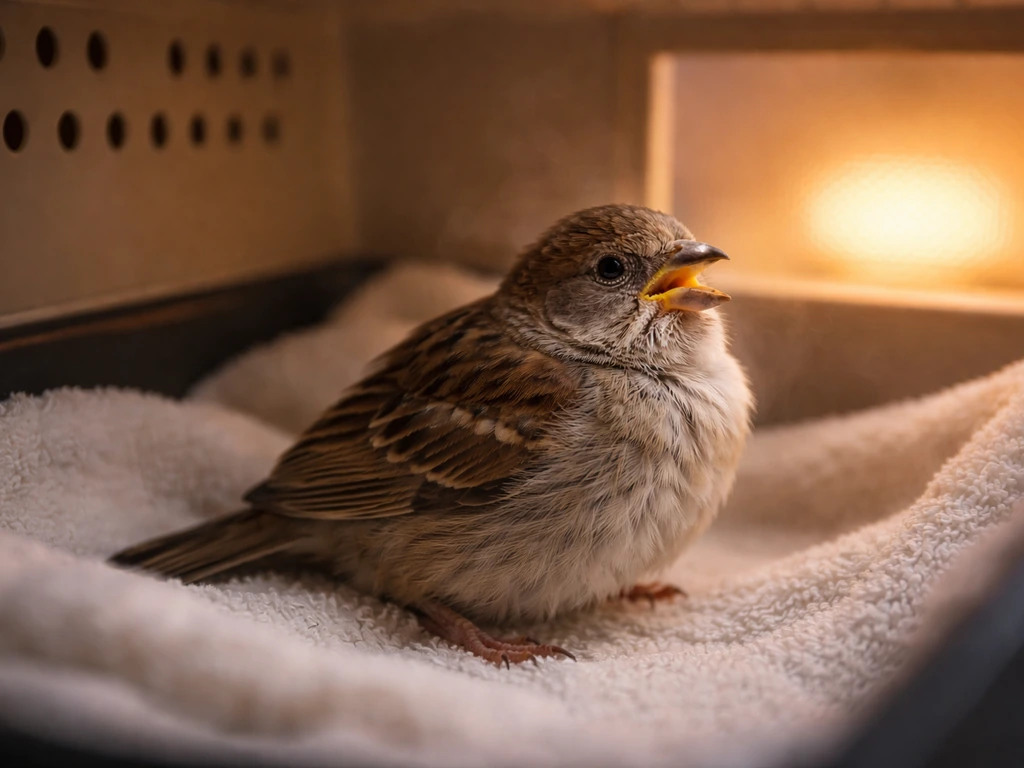
A bird that has flown into a window or been grabbed by another animal may show labored breathing from pain, shock, or internal injury rather than infection. Look for other physical signs: asymmetry, one wing drooping, blood, or an unusual posture. Breathing distress from trauma still needs urgent veterinary care, but the treatment approach is completely different from treating an infection.
General weakness or other illness
Birds with liver disease, kidney problems, or egg binding can also appear weak and fluffed. Again, the breathing pattern is your clearest guide. Normal, quiet breathing with the beak closed points away from a primary respiratory cause. Abnormal breathing, sounds, or discharge points toward it.
Likely causes of bird respiratory problems
Respiratory problems in birds don't always come from the same source. Knowing the categories helps you understand what your vet may be looking for.
Bacterial infections
Bacterial infections are among the most common causes of respiratory illness in pet birds. One example is bordetellosis, which causes mouth breathing, tracheal rales (rattling sounds in the throat), altered vocalization, and clear nasal discharge. Psittacosis, caused by Chlamydia psittaci, is another important one to know about: it can cause respiratory signs and is also zoonotic, meaning humans can contract it by inhaling dried particles from an infected bird's droppings, feathers, or respiratory secretions. That's one reason bird respiratory illness deserves to be taken seriously even beyond the bird's own welfare.
Fungal infections
Aspergillosis is caused by Aspergillus, a mold found virtually everywhere in the environment. Birds that are immunocompromised, stressed, or kept in damp or poorly ventilated conditions are most at risk. It can affect the lungs and air sacs and is notoriously difficult to diagnose without testing, since it requires demonstrating actual tissue invasion rather than just the presence of the fungus. A bird with suspected aspergillosis needs veterinary workup, not home remedies.
Viral infections
Viruses like Newcastle disease can produce respiratory signs alongside neurological symptoms or bright-colored diarrhea. Younger birds and newly imported or recently rehomed birds are particularly vulnerable to severe viral respiratory illness, where loss of appetite and labored breathing can come on quickly.
Parasites
Air sac mites are a parasitic cause of respiratory symptoms that's easy to overlook because it mimics bacterial or viral infection almost exactly. In heavy infestations, birds (especially canaries and finches) show clicking or whistling sounds during breathing, tail bobbing, sneezing, and open-mouth breathing. The mites live in the trachea and air sacs, directly obstructing airflow. This is one more reason a vet examination matters: you can't tell just by watching whether the cause is infectious or parasitic.
Physical and environmental causes
Aspiration pneumonia (inhaling food or liquid into the airway), foreign body obstruction, airway irritation from smoke or chemicals, and allergic pneumonitis can all produce dyspnea that looks like infection. These are important differentials because the treatment approach is very different from treating a germ-based infection.
When to treat at home vs. when to see an avian vet urgently
This is the most important call you'll make, so let's be direct about it.
Go to an avian vet urgently, same day or immediately, if your bird shows any of these signs:
- Open-mouth breathing that doesn't resolve after resting quietly for 10 to 15 minutes
- Tail bobbing with every single breath
- Audible wheezing, clicking, or rattling sounds
- Bluish or grayish discoloration around the beak or skin (cyanosis), indicating dangerously low oxygen
- Neck stretched upward and forward combined with open-mouth breathing
- Collapse, inability to perch, or extreme weakness
- Gasping or labored breathing that appears to be getting worse minute by minute
- Discharge from the nares or eyes alongside any breathing difficulty
These are emergency-level signs. A nearly occluded trachea from pus, mucus, or a foreign object can go from manageable to fatal very quickly. Acute respiratory compromise in birds can escalate in hours, not days. If you're seeing these signs, the time for supportive home care has already passed and professional oxygen therapy and diagnostics are what the bird needs.
You might reasonably monitor at home for a short window (12 to 24 hours at most) only if symptoms are very mild: a single episode of sneezing with no discharge, slightly fluffed feathers in an otherwise alert bird that's still eating and drinking, or a mild nasal crustiness with no breathing changes. Even then, if things don't improve within that window or any breathing symptoms develop, get to a vet. There is no safe home antibiotic or antifungal for birds, and guessing wrong on the cause can make things worse.
What a vet visit for respiratory problems will involve
Walking in prepared helps you give a useful history and understand what's happening. An avian vet's evaluation typically moves through several steps.
First, the vet will take a history: how long symptoms have been present, what the bird eats, housing setup, exposure to other birds, any recent changes in environment, and whether other birds in the household are affected. Being specific and honest here makes a real difference to the diagnosis.
Then comes the physical exam. The vet will observe the bird's breathing pattern before handling, since restraint is stressful and can temporarily alter respiratory rate. They'll look for discharge, assess body condition, listen to the lungs and air sacs with a stethoscope, and check for abnormal sounds. They'll also assess the severity of respiratory distress to decide whether the bird is stable enough for further testing right now.
Diagnostic testing may include radiographs (X-rays) of the lungs and air sacs, which can reveal fluid, consolidation, foreign bodies, or fungal granulomas. For suspected aspergillosis, the vet may recommend additional imaging such as CT, or a biopsy, since confirming fungal tissue invasion is required for a definitive diagnosis. Cultures from nasal discharge or choanal swabs can identify bacterial or fungal pathogens. Blood work helps assess overall health and immune status. If psittacosis is suspected, specific testing for Chlamydia psittaci will be run, partly because of the human health implications.
Immediate supportive care steps while you get help
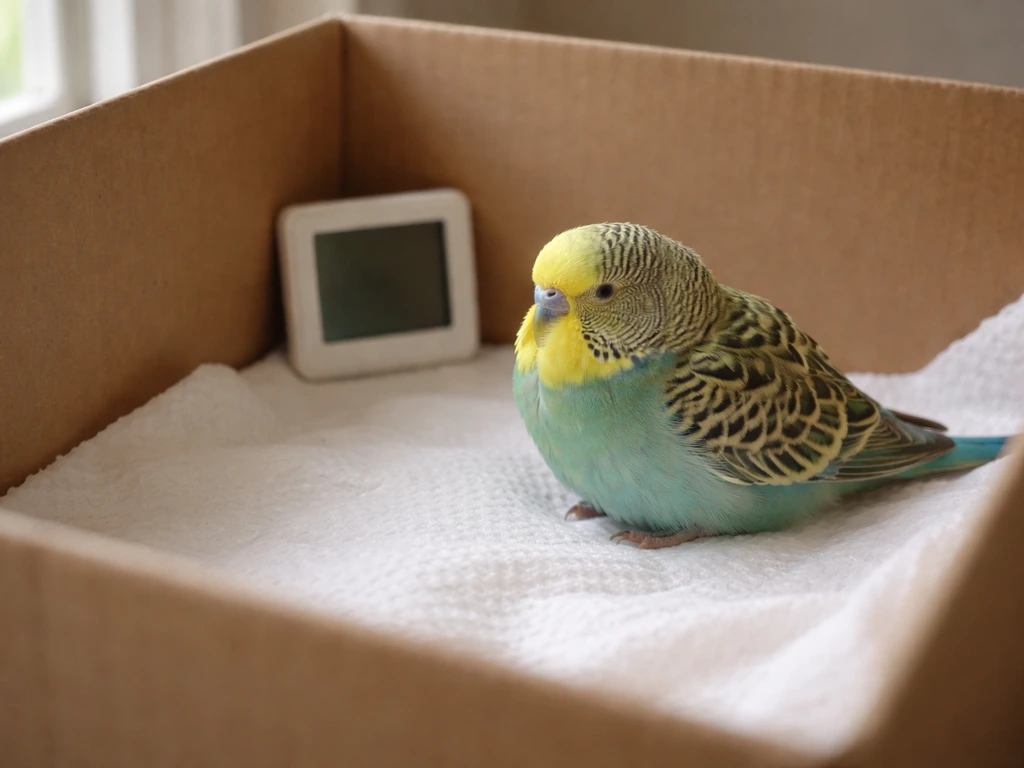
These steps are about stabilizing the bird and buying time until you can reach a vet. They are not a substitute for veterinary treatment.
- Move the bird to a warm, quiet space. Keep the temperature around 85 to 90 degrees Fahrenheit for a sick bird, since maintaining body temperature reduces metabolic stress. A hospital cage or a standard cage with a heating pad on one side (so the bird can move away from heat if needed) works well.
- Reduce handling to a minimum. Every time you pick up a bird in respiratory distress, you increase its stress and oxygen demand. Observe from a distance.
- Improve air quality immediately. Move the bird away from any smoke, cooking fumes, aerosols, air fresheners, candles, or non-stick cookware fumes. These can be acutely toxic to birds and will make any respiratory issue dramatically worse.
- Ensure fresh water is accessible, placed low so the bird doesn't have to strain to reach it.
- If you have multiple birds, separate the sick one right away to reduce transmission risk and reduce the sick bird's social stress.
- Do not attempt to give human medications, essential oils, or herbal remedies. Many are toxic to birds, and none are appropriate substitutes for a vet-prescribed treatment.
If you're transporting the bird to a vet, keep the carrier warm and covered to minimize stress. A dark, quiet environment during transport helps keep the bird calmer, which directly reduces respiratory demand during a crisis.
Prevention and reducing the chance of recurrence
Once a bird has had a respiratory infection, preventing recurrence is about controlling the environment and the stressors that compromise immune function in the first place.
| Risk factor | What to do about it |
|---|---|
| Poor ventilation and damp conditions | Ensure good airflow without drafts. Clean cages, water dishes, and perches regularly. Address any mold or moisture in the room. |
| Exposure to Aspergillus mold | Avoid damp substrates like wet wood chips. Keep the bird's area dry and avoid storing old seed that can harbor mold. |
| Introducing new birds | Quarantine any new bird for at least 30 days in a separate room before introducing it to resident birds. Have it examined by a vet before integration. |
| Chronic stress | Provide adequate sleep (10 to 12 hours of dark, quiet time), species-appropriate diet, and enrichment. Stressed birds have weakened immune responses. |
| Household air toxins | Eliminate non-stick (PTFE) cookware, scented candles, air fresheners, and smoking in the bird's environment permanently. |
| Overcrowding | Do not keep more birds together than the space comfortably supports. Crowding increases disease transmission and stress simultaneously. |
| Delayed vet care | Schedule wellness exams with an avian vet at least once a year. Many respiratory problems are caught earlier in birds that have a baseline health record. |
Recognizing whether a bird has a respiratory infection, understanding what it might be, and acting appropriately goes hand in hand with knowing what breathing problems in birds look like compared to other signs of illness. The more familiar you are with your bird's normal breathing, sounds, and behavior, the faster you'll catch a deviation when it starts. That early recognition is genuinely the most powerful tool you have. Knowing bird lung symptoms can help you decide how urgently your bird needs an avian vet. Knowing bird keepers lung symptoms alongside the breathing signs above can help you judge how urgently your bird needs an avian vet.
FAQ
If my bird is panting or breathing with an open beak, how can I tell whether it is stress-related versus true bird respiratory problems?
Use a timed calm test: place the bird in a quiet, dark, draft-free area and watch for 10 to 15 minutes. If the open-mouth breathing stops and the breathing sounds settle, it was likely stress or heat. If it persists after the quiet period, treat it as a medical respiratory concern and contact an avian vet the same day.
What should I do right away at home while I arrange an urgent avian vet visit?
Minimize handling and keep the bird warm, calm, and in clean air (no aerosols, incense, smoke, or strong cleaners). Use a covered, dark carrier if transport is needed. Avoid home “breathing treatments” like steaming or nebulizing unless your vet specifically instructs it, because added humidity or incorrect meds can worsen certain causes.
Can I give leftover antibiotics or antifungals to treat bird respiratory problems?
Do not give human antibiotics or leftover medications. There is no safe one-size-fits-all home regimen for bird respiratory problems, and some drugs can harm birds or mask symptoms enough to delay correct testing. If infection type is uncertain (bacterial, fungal, parasitic, or aspiration), veterinary guidance is essential.
Is sneezing alone enough to worry about bird respiratory problems?
One isolated sneezing episode can be monitored briefly only if the bird remains alert, eats and drinks, has a closed beak with normal breathing, and shows no nasal discharge or audible sounds. If sneezing becomes frequent, discharge appears, breathing changes start, or there is no improvement within 12 to 24 hours, seek an avian vet.
How can I tell whether the breathing issue is from the airways versus the lower lungs or air sacs?
Practical clues come from sounds and pattern. Audible rattling in the throat, wheeze, or clicking that changes with breathing can point toward airway or upper tract involvement, while more labored breathing, persistent tail bobbing, and exercise or rest intolerance suggest lower air sac compromise. Radiographs and, when needed, advanced imaging help confirm location and severity.
If one bird in my house is sick, should I isolate it and what about other birds?
Yes, isolate immediately to reduce spread and cross-contamination, especially if psittacosis or viral disease is possible. Also separate food dishes and clean shared surfaces with bird-safe disinfectants. Notify the avian vet whether any other birds have breathing signs, appetite changes, or diarrhea, since that affects what tests they prioritize.
What environmental changes at home most commonly trigger or worsen bird respiratory problems?
Watch for airborne irritants and immune stressors: cigarette smoke, vape aerosol, fragrance plugins, cleaning sprays, new aerosols, dusty bedding, and damp, poorly ventilated rooms. Mold exposure and chronic humidity can increase risk for aspergillosis, so improving ventilation and removing moisture sources can be part of recurrence prevention under a vet’s guidance.
My bird had a wet cough or “gurgling” sound after eating. Could this be aspiration pneumonia?
It can be. If respiratory symptoms began after eating or drinking, especially with sudden coughing, gurgling, head-bobbing during feeds, or a change in voice, aspiration pneumonia becomes a concern. Aspiration treatment differs from infectious causes, so tell the vet exactly when the symptoms started relative to feeding.
How is tracheal obstruction or a foreign body different from an infection in day-to-day signs?
Foreign body or near-occlusion can cause rapidly progressive distress, sometimes with sudden onset and severe breathing effort. You may see pronounced open-mouth breathing, persistent tail bobbing, distress that escalates quickly, or reduced ability to vocalize. Because obstruction can become fatal fast, this is an emergency-level situation rather than something to wait out.
What information should I bring to the vet to help them diagnose bird respiratory problems faster?
Bring a timeline (when symptoms began), a list of current diet and treats, the housing setup (bedding, cage placement, ventilation), any recent rehoming or new birds, and any exposures to smoke, aerosols, or cleaning chemicals. Also note whether there is nasal discharge, changes in droppings, voice changes, and whether the bird is eating and drinking normally.
Bird Lung Symptoms: What to Watch and What to Do Today
Spot bird lung symptoms, judge severity fast, identify likely causes, and know urgent steps for today and avian vet care