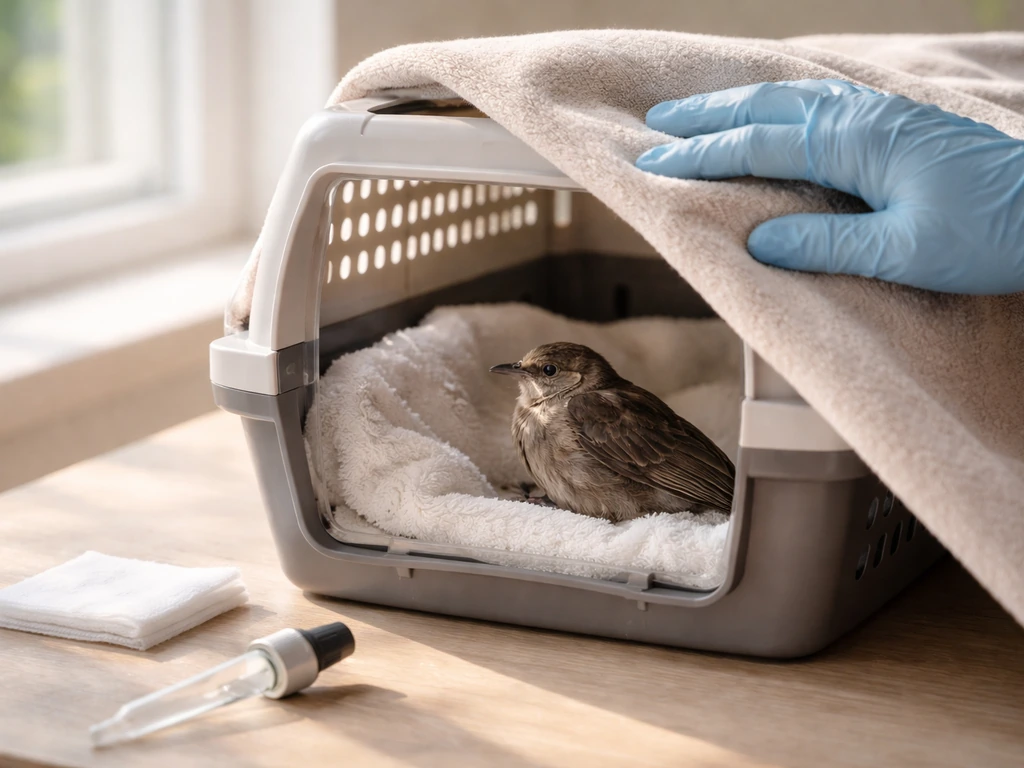
Bird lung symptoms are any signs that point to the lower airways or lungs being involved in a respiratory problem. They're different from a simple upper-respiratory sniffle, and they tend to be more serious. If your bird is showing changes in its breathing, body posture, or energy level, this guide will help you figure out what you're looking at, how urgent it is, and exactly what to do next.
Bird Lung Symptoms: What to Watch and What to Do Today

Marcus Webb
20 Apr 2026
What bird lung symptoms actually look like
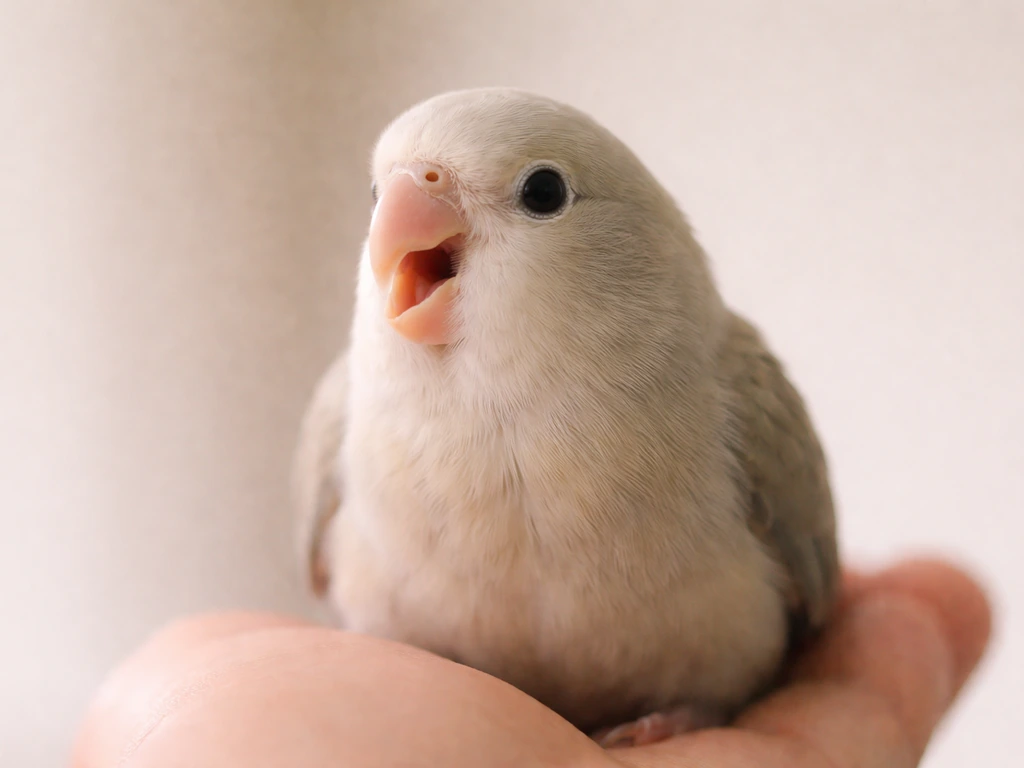
Birds hide illness well, so by the time you notice something is wrong, the problem may already be moderate to serious. Lower-airway and lung involvement in birds tends to show up as a cluster of signs rather than just one obvious symptom. Here's what to look for:
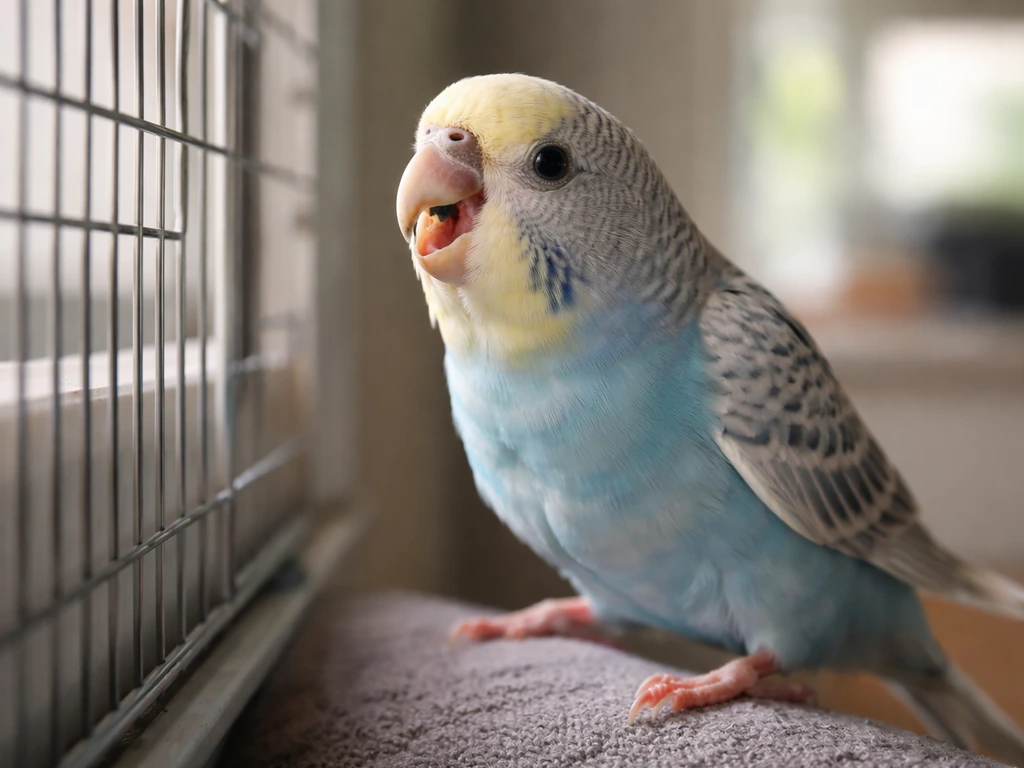
- Open-mouth breathing: a bird breathing with its beak open at rest is a red flag. Healthy birds breathe through their nostrils.
- Tail bobbing: the tail pumps up and down with each breath, which means the bird is working hard to move air.
- Exaggerated chest or body movement: the whole body rocks or heaves with each breath instead of the chest rising and falling quietly.
- Neck stretching: the bird extends its neck forward or upward, trying to open its airway.
- Audible breathing sounds: clicking, wheezing, rattling, or squeaking sounds with each breath.
- Nasal discharge: wet, crusty, or discolored nostrils, sometimes with discharge matting feathers above the beak.
- Voice or vocalization changes: a bird that sounds raspy, quieter than usual, or has stopped singing or talking.
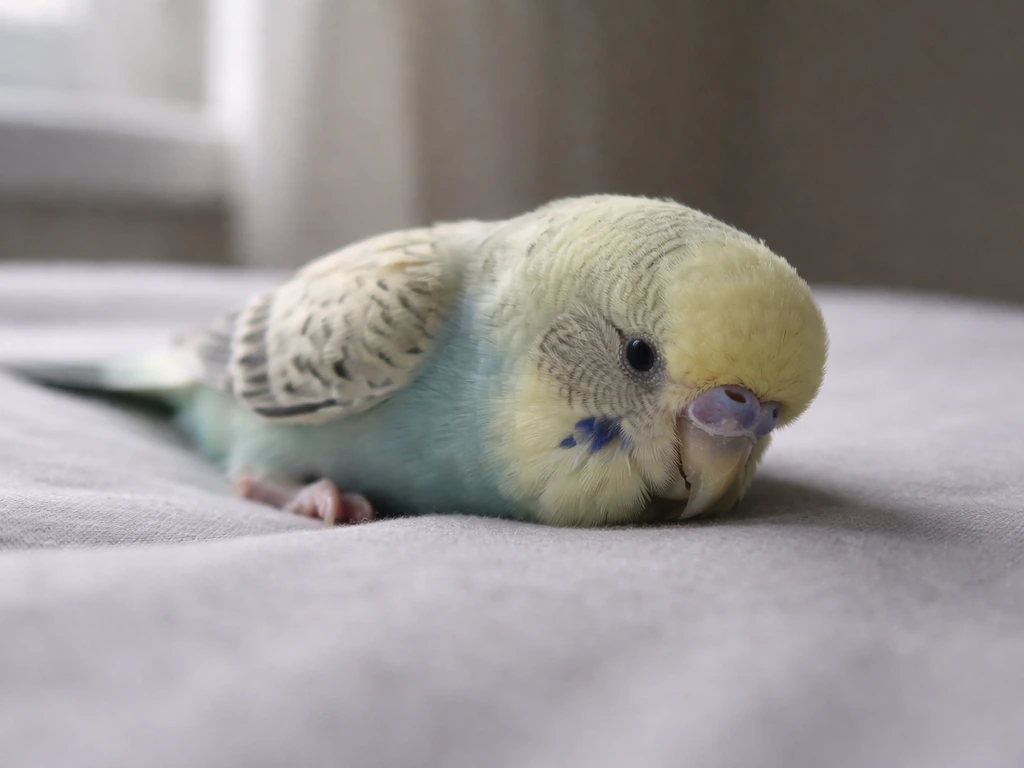
- Fluffed feathers and hunched posture: a classic sign of a sick bird, often paired with eyes partially closed.
- Lethargy and reduced activity: staying at the bottom of the cage, not moving between perches, reluctance to fly.
- Loss of appetite: not eating or eating significantly less than normal.
- Cyanosis: a bluish or purple tint to the skin around the beak, feet, or cere, indicating poor oxygen delivery (an emergency sign).
The combination of tail bobbing plus open-mouth breathing is particularly important. Either one alone warrants close attention. Both together means you're dealing with significant respiratory compromise and need to act quickly.
Quick at-home assessment and severity checklist
Before you call the vet or head to the clinic, spend two or three minutes doing a calm, systematic observation. Don't handle the bird repeatedly as stress can worsen breathing. Watch from a short distance and note the following.
What to observe and record
- Breathing rate and effort: count breaths per minute at rest. Most healthy small birds breathe 60 to 80 times per minute; larger parrots breathe slower. If the bird is visibly working to breathe, that matters more than the exact count.
- Tail movement: is the tail bobbing with every breath, occasionally, or not at all?
- Beak position: open or closed at rest?
- Body posture: upright and alert, or hunched and fluffed?
- Perching: is the bird on its normal perch, or is it sitting on the cage floor?
- Sounds: any audible clicking, wheezing, or rattling?
- Discharge: any moisture, crust, or color change at the nostrils or around the beak?
- Recent exposures: any aerosols, cleaning products, scented candles, non-stick cookware (Teflon), new birds, or changes in environment in the last 48 to 72 hours?
- Time of onset: when did you first notice symptoms, and have they gotten worse?
Severity tiers
| Severity | Signs present | What to do |
|---|---|---|
| Emergency | Open-mouth breathing, collapse, inability to perch or stand, cyanosis, known toxin exposure (Teflon, aerosol) | Go to an avian emergency vet immediately. Do not wait. |
| Urgent | Tail bobbing at rest, audible breathing sounds, severe lethargy, no interest in food for 24+ hours | Call an avian vet today. Same-day appointment is the goal. |
| Concerning | Mild voice change, occasional wheeze, slightly fluffed feathers, mild nasal discharge | Schedule a vet visit within 24 to 48 hours. Monitor closely. |
| Watch and monitor | Single mild sneeze, brief fluff that resolves, no other signs | Log symptoms and monitor. If anything progresses, move up a tier. |
Common causes of lower respiratory symptoms in birds
Several very different conditions can produce overlapping lung symptoms in birds. Understanding the main categories helps you give your vet useful information and think through what might have triggered this.
Bacterial respiratory infections
Bacterial pneumonia and air sac infections are among the more common causes of serious respiratory illness in pet birds. Organisms like Mycoplasma, Chlamydia psittaci (the cause of psittacosis), Bordetella, and various gram-negative bacteria can infect the lower airways and air sacs. These often present with discharge, breathing changes, and systemic illness.
Bacterial respiratory infections can be hard to distinguish from other causes, so watch for breathing changes and get an avian vet involved early how to tell if your bird has a respiratory infection. Psittacosis deserves a specific mention because it is zoonotic, meaning it can spread to humans, so if this is suspected your vet will want to know about anyone in the household who is also feeling unwell.
The CDC’s MMWR compendium (2000) outlines standardized control measures for psittacosis in pet birds and humans, including procedures to prevent spread from birds to people Psittacosis deserves a specific mention because it is zoonotic.
Fungal infections (Aspergillosis)
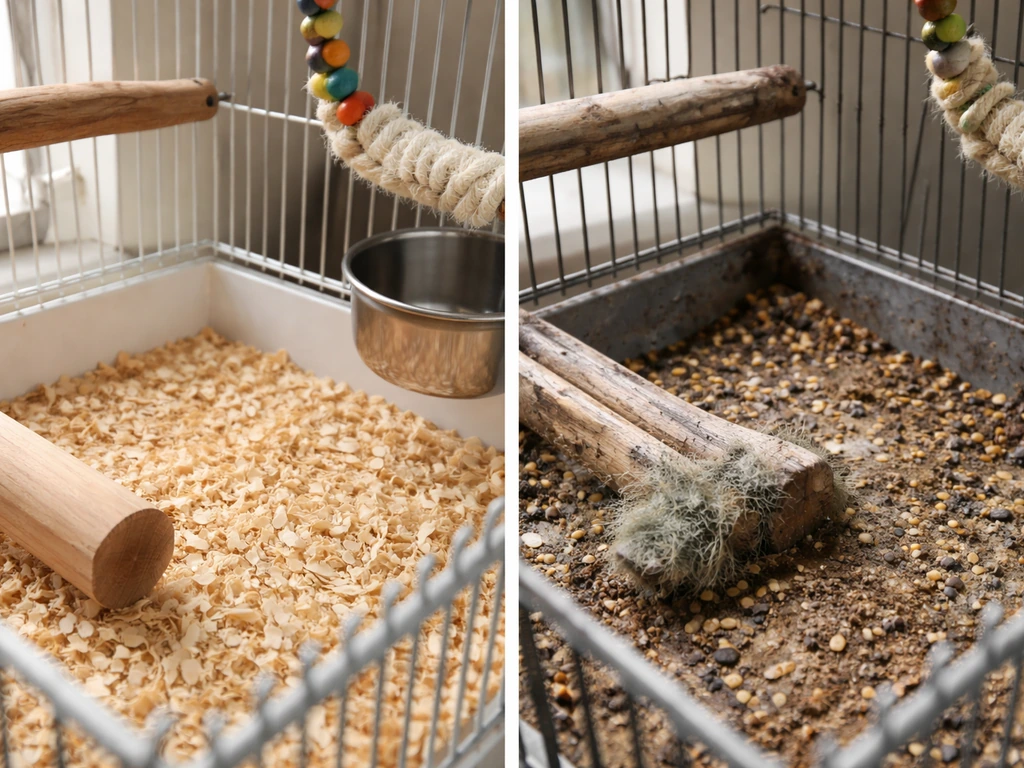
Aspergillus fumigatus is a mold that causes aspergillosis, a serious fungal infection of the respiratory tract and air sacs. It's common in immunocompromised birds, birds under stress, or those kept in damp, poorly ventilated environments. It often progresses slowly, so birds can show subtle signs like voice changes, mild exercise intolerance, and gradual weight loss before obvious breathing distress appears. It's notoriously difficult to treat and requires a definitive diagnosis before starting antifungal therapy.
Viral respiratory disease
Several viruses affect the avian respiratory tract, including Psittacine Beak and Feather Disease (PBFD) virus, Pacheco's disease, and avian influenza in wild and domestic birds. Viral infections often come with systemic signs beyond just breathing: feather abnormalities, neurological signs, or rapid deterioration. Viral illness typically cannot be treated directly, so management focuses on supportive care and preventing secondary infections.
Environmental and toxic causes
This is a category that catches many bird owners off guard. Overheated polytetrafluoroethylene (PTFE) coatings on non-stick cookware release fumes that can kill a bird within minutes. blank" rel="noopener noreferrer">Aerosol sprays, scented candles, essential oil diffusers, cigarette smoke, paint fumes, and air fresheners are all respiratory irritants that can cause acute lower-airway inflammation. Birds have extremely sensitive respiratory systems compared to mammals. If a bird was fine an hour ago and is suddenly in distress, look for a recent environmental change first. Bird keepers lung, a hypersensitivity pneumonitis reaction in humans caused by exposure to bird proteins, is a related condition worth knowing about if anyone in the home has respiratory symptoms too.
Aspiration and foreign material
Birds can aspirate food, liquid, or other material, especially if hand-fed at the wrong angle or if they have other conditions affecting swallowing. Aspiration causes sudden-onset respiratory signs, sometimes with coughing or regurgitation, and can lead to aspiration pneumonia.
Chronic and systemic conditions
Heart disease, tumors pressing on the air sacs, obesity, and nutritional deficiencies (particularly vitamin A deficiency, which damages respiratory lining) can all produce respiratory symptoms over time. These tend to develop gradually and are more common in older birds or birds on poor diets.
Symptom patterns that help separate conditions
You can't diagnose your bird at home, but pattern recognition helps you give your vet a more complete picture and think through urgency. Here's how different presentations tend to differ:
| Pattern | Likely category | Key clues |
|---|---|---|
| Sudden onset, bird was fine 1 hour ago | Toxic/environmental exposure | Recent Teflon, aerosol, candle, or smoke exposure. Check the environment first. |
| Slow onset over days or weeks, weight loss, voice change | Aspergillosis or chronic bacterial infection | Often in stressed birds, recent diet change, damp housing |
| Discharge from nostrils, sneezing, and breathing changes | Bacterial or Chlamydial (psittacosis) infection | New bird in household, recent stress, bird fair or group exposure |
| Breathing distress after eating or hand-feeding | Aspiration | Sudden onset, coughing, possible regurgitation |
| Multiple birds affected at once | Contagious infectious disease or environmental cause | Check all birds; isolate sick ones; review shared exposures |
| Single older bird, progressive symptoms, no exposure history | Chronic disease, tumor, or heart condition | Age of bird, long-term diet quality, weight trend |
Species and age also matter. Young birds and recently acquired birds are more vulnerable to infectious causes. Amazon parrots and African Greys are particularly susceptible to aspergillosis. Budgies and cockatiels are prone to bacterial respiratory infections. A bird that was recently purchased from a pet store or a bird fair, or housed near a new bird, is at higher risk for infectious respiratory disease. If you're trying to figure out whether this is contagious or environmental, ask yourself: are other birds in the home affected, or is it just this one? If it's just one bird and there was a clear environmental event, lean toward environmental. If multiple birds are showing signs, assume contagious until proven otherwise.
What to do today: isolation, environment, and safe supportive care
While you're arranging veterinary care, there are practical steps you can take right now to help your bird and avoid making things worse.
Isolate the sick bird
If you have multiple birds, separate the sick bird immediately into its own cage in a separate room. Use separate food and water dishes, and wash your hands thoroughly between handling different birds. This is important whether the cause turns out to be infectious or not, because it reduces stress on the sick bird and protects the others.
Improve air quality right now
- Remove all potential irritants: put away non-stick cookware (or stop using it entirely), turn off aerosol air fresheners, scented candles, and essential oil diffusers.
- Ventilate the space gently: fresh air is helpful, but avoid cold drafts directly on the bird.
- Do not use aerosol sprays, cleaning products, or plug-in air fresheners anywhere near the bird.
- If you smoke, smoke outside and change your clothes before handling the bird.
Keep the bird warm and calm
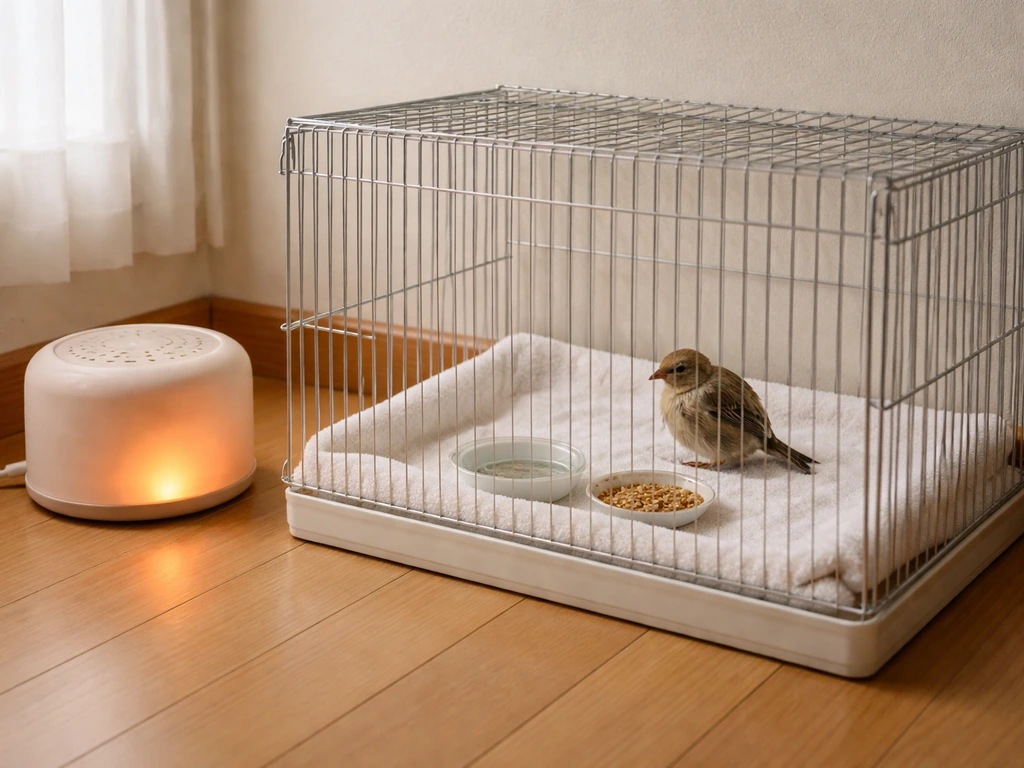
A sick bird uses a lot of energy just maintaining body temperature. Place the bird's cage in a warm (not hot), quiet area, away from drafts and noise. A temperature of around 85 to 90 degrees Fahrenheit can be helpful for a bird in respiratory distress, achieved with a heating pad on the lowest setting placed under half the cage (so the bird can move away if needed) or a heat lamp positioned to one side. Do not enclose the bird completely as that can cause overheating. Keep handling to an absolute minimum because stress significantly worsens respiratory distress.
Support hydration and access to food
Make food and water easy to access. A bird in distress may not climb to its normal food cup, so place dishes near the bottom of the cage or on the cage floor. Do not attempt to force-feed or give oral medications unless specifically instructed by your vet. If the bird is having breathing trouble, the risk of aspiration from force-feeding is real. If your bird is showing bird breathing problems, watch closely for worsening symptoms and contact an avian vet promptly.
What not to do
- Do not give over-the-counter medications, vitamins, or supplements without vet guidance. Some can make things worse.
- Do not use steam or humidifiers without vet advice. While sometimes recommended, steam can worsen fungal conditions.
- Do not delay calling the vet to 'see how it goes' if symptoms are moderate or severe.
- Do not expose other birds to the sick bird while awaiting diagnosis.
When to see an avian vet (and the signs that mean right now)
Any bird showing respiratory symptoms should be evaluated by an avian vet. The question is how fast. Some signs mean today, and some mean this minute. Here's the breakdown.
Go to an emergency vet immediately if you see
- Open-mouth breathing at rest
- Tail bobbing with every single breath
- The bird is collapsing, falling off its perch, or can't stand
- Cyanosis: blue or purple tint to skin, beak, or feet
- The bird was exposed to overheated non-stick cookware (Teflon), aerosol sprays, or fumes from any source and is now in distress
- Rapid deterioration over minutes to hours
These are true emergencies. Birds in respiratory failure can deteriorate and die very quickly. Do not wait until morning if you're seeing these signs at night. Find an emergency avian clinic or exotic animal emergency hospital. Not all general practice vets are equipped to treat birds, so call ahead.
Schedule a same-day or next-day appointment if you see
- Audible breathing sounds like clicking, wheezing, or rattling
- Nasal discharge that is thick, discolored, or bilateral
- Lethargy combined with any respiratory sign
- Not eating for more than 24 hours alongside other symptoms
- Tail bobbing that comes and goes
How vets diagnose and treat bird respiratory and lung issues
Knowing what to expect at the vet can help you prepare and understand why certain steps are taken. Avian respiratory diagnosis involves more than just listening to the bird's chest.
The diagnostic process
The vet will start with a physical exam, but in a bird with respiratory distress they may stabilize the bird with oxygen first before handling it, since handling a bird in severe distress can trigger cardiac arrest from stress. Supportive care for bird respiratory problems often includes warmth and oxygen supplementation when needed under veterinary guidance respiratory distress. Once the bird is more stable, the exam will assess breathing sounds with a small stethoscope, overall condition, weight, and visible symptoms.
From there, diagnostics typically include some combination of the following depending on the bird's condition and what the exam suggests:
- Radiographs (X-rays): the most common imaging tool for evaluating air sacs and lungs. Can reveal fluid, masses, consolidation, or air sac changes. Birds have air sacs throughout their body, not just lungs, so radiographs cover a lot of anatomy.
- Complete blood count and blood chemistry panel: helps identify infection, inflammation, organ involvement, and overall health status.
- Cultures and sensitivity testing: swabs from the choanal slit or trachea can identify bacterial organisms and guide antibiotic selection.
- Cytology: examination of cells from swabs or washes to look for infection, fungal organisms, or abnormal cells.
- Aspergillus serology or antigen testing: specific testing for fungal infection when aspergillosis is suspected.
- Chlamydia (psittacosis) testing: important when discharge, systemic illness, or known exposure to new birds is present.
- Endoscopy: in some cases, a small camera can be used to directly visualize the air sacs and obtain samples. Requires anesthesia.
- CT scan: available at some specialty practices and provides more detailed imaging than standard radiographs.
Treatment approaches
Treatment is tailored to the underlying cause, which is why diagnosis first matters so much. Giving antibiotics to a bird with a fungal infection, for example, won't help and wastes valuable time. That said, here are the typical treatment strategies by category:
| Cause | Typical treatment approach |
|---|---|
| Bacterial infection | Targeted antibiotics based on culture results, often for 3 to 6 weeks or longer. Supportive care. |
| Aspergillosis | Long-term antifungal medications (voriconazole, itraconazole). Can take months. Prognosis depends on how advanced it is. |
| Chlamydiosis (psittacosis) | Doxycycline for 45 days minimum. All in-contact birds may need treatment. Zoonotic disease: human contacts should see a doctor. |
| Viral infection | Supportive care: warmth, fluids, nutritional support, prevention of secondary infection. No direct antiviral treatment for most avian viruses. |
| Toxic/environmental injury | Remove from exposure, oxygen therapy, supportive care. Prognosis depends on severity and speed of response. |
| Aspiration pneumonia | Antibiotics, supportive care, address underlying cause of aspiration. |
| Chronic or systemic disease | Targeted treatment for the underlying condition plus supportive management. |
Supportive care is a major component of treatment for almost every respiratory condition. This includes warmth, fluid support (sometimes subcutaneous or intravenous fluids), nutritional support, and in severe cases oxygen supplementation at the clinic. A bird receiving appropriate supportive care while waiting for culture results has a much better chance of recovery than one that isn't.
Preventing respiratory problems from coming back
Once your bird has recovered, the most useful thing you can do is figure out what caused the problem and address it. Respiratory problems in birds have a tendency to recur if the underlying risk factors aren't resolved.
Quarantine new birds properly
Any new bird entering your home should be quarantined for a minimum of 30 days, in a completely separate airspace from your existing birds. This is the single most effective way to prevent introduction of infectious respiratory disease. Ideally, take a new bird to an avian vet for a health check before ever letting it share air with your established birds.
Eliminate household respiratory hazards
- Replace all non-stick (PTFE-coated) cookware with stainless steel, cast iron, or ceramic alternatives.
- Never use aerosol sprays, scented candles, wax melts, essential oil diffusers, or plug-in air fresheners in spaces the bird occupies.
- Keep the home smoke-free. Secondhand smoke is a significant respiratory irritant for birds.
- Use bird-safe cleaning products and ventilate well after any cleaning.
- Avoid painting, using adhesives, or doing renovation work near your bird without moving it to a different location entirely.
Optimize housing and diet
Cage hygiene matters more than many owners realize. Mold can grow in damp cage substrate, in water bowls that aren't changed daily, and in soft foods left in the cage. Aspergillus spores are everywhere, but a bird living in a damp or dirty environment is constantly breathing in higher concentrations. Clean cages regularly, use dry substrate, and change water daily.
Vitamin A deficiency is a common underlying factor in birds prone to respiratory infections. It damages the mucous membranes lining the respiratory tract, making them more vulnerable to pathogens. A varied diet that includes dark leafy greens and orange-yellow vegetables provides beta-carotene, which birds convert to vitamin A. If your bird is on a seed-only diet, that's a significant nutritional risk factor worth discussing with your vet.
Schedule regular avian vet checkups
Annual wellness exams by an avian-experienced vet allow for early detection of conditions like aspergillosis or chlamydiosis before they become serious. Blood panels and physical exams can pick up changes long before a bird shows obvious symptoms. Given how well birds mask illness, proactive monitoring is genuinely worth it. If your bird has had a respiratory infection before, your vet may recommend more frequent checkups or specific monitoring tests.
Respiratory issues in birds can be complicated, and the signs of lung involvement overlap across many different conditions. The practical takeaway is this: take breathing symptoms seriously from the start, remove obvious environmental hazards immediately, isolate the sick bird, and get an avian vet involved as soon as possible. Early action consistently produces better outcomes than waiting to see if a bird improves on its own.
FAQ
How do I decide whether bird lung symptoms are an emergency right now or can wait until morning?
If your bird is open-mouth breathing, tail bobbing, breathing with the body slumped, or you notice rapid worsening over minutes to an hour, treat it as urgent and seek an emergency avian clinic. “Wait and see” is risky because respiratory failure can progress quickly, especially after an environmental trigger or exposure.
Can I give my bird my own inhaler, antibiotics, or cough medicine to help breathing until the vet sees them?
Do not try to medicate at home with leftover human inhalers, cough syrups, or antibiotics. Birds can aspirate during forced treatments, and the wrong medicine can delay proper diagnosis (for example, fungal disease will not improve with antibiotics). If your vet hasn’t prescribed something specific for your bird, focus on warming, quiet, and minimizing handling while you arrange care.
Is it safe to use a humidifier or steam in the room to help bird lung symptoms?
Yes, but it should be done only to support breathing after your vet advises it. Incorrect humidity or temperature can worsen stress or breathing. If you are using any warming method, keep it gentle (around the mid to high 80s °F), provide an escape option so your bird can move away, and never enclose the cage so tightly that heat builds up.
What signs are more meaningful than just one abnormal breath or one cough?
Watch for consistent “work of breathing,” meaning effortful breathing plus reduced energy, reduced interest in food, or posture changes (such as staying low, sitting fluffed and still, or holding the body differently). One-off sounds like a single sneeze may be minor, but a pattern that repeats or steadily intensifies is more concerning.
If my bird’s breathing looks okay while resting, could it still have lung symptoms?
Lower-airway disease often presents with tail movement or open-mouth breathing, but you can also see changes like abnormal voice, gradual weight loss, or exercise intolerance when disease is developing. If breathing looks normal at rest but worsens with movement or calls, that can still point to lung or air sac involvement.
What if the bird’s breathing problems started suddenly after using non-stick cookware or an air freshener?
Remove any potential irritant immediately, then give the bird time in fresh air and a warm, quiet room. If symptoms start abruptly right after cookware use, aerosols, scented products, smoke, or strong cleaners, acute irritation is more likely. Even then, a sudden respiratory crash still needs an avian vet evaluation.
Should I isolate the sick bird, and how should I act if other birds start showing symptoms?
If you have multiple birds, separate the sick bird right away and wash hands between birds. If signs appear in more than one bird, treat it as potentially contagious and contact an avian vet promptly. Also keep the remaining birds’ environments stable (no new aerosols, no damp bedding) while you wait for guidance.
Could bird lung symptoms actually be aspiration, and how can I tell?
If you observe regurgitation, coughing during or after meals, or sudden breathing changes after eating or swallowing issues, aspiration moves higher on the list. Avoid force-feeding and avoid changing feeding angle or technique without vet advice, because aspiration can worsen lung inflammation and lead to aspiration pneumonia.
What specific information should I write down before calling the avian vet?
For a helpful history, note the timing (when it started and whether it was sudden), what changed in the environment (new birds, cleaning products, cookware, dampness), current feeding and water intake, whether there is nasal discharge or eye discharge, and whether you hear any abnormal sounds. Mention any recent household illnesses because that can affect suspicion for zoonotic causes.
What can I safely check at home besides watching, without making breathing worse?
You can take a quick “comfort pulse” without stressing the bird: observe breathing rate and effort from a short distance, check body position (for example, fluffed, crouched, or keeping to one spot), and note whether tail bobbing occurs. Avoid repeated handling or trying to listen closely with your face near the bird.
Can bird lung symptoms be caused by something other than an infection, and what clues point to that?
Yes. In older birds, birds with long-term poor nutrition, or birds previously exposed to damp, dirty, or dusty environments, underlying issues like fungal disease, heart strain, tumors, or vitamin A deficiency can contribute to slower-onset respiratory problems. If symptoms are gradual and recurring, ask your vet about underlying risk factors, not only the current flare.
What will the avian vet likely do first, and how do I ask the right questions about testing?
Even if you suspect a specific cause, diagnostics can change the treatment plan. Ask whether your vet will prioritize stabilization (oxygen and warmth) first, then consider testing based on the most likely category (for example, cultures, imaging, or targeted testing for zoonotic infections or fungal disease). This helps avoid giving the wrong treatment while waiting.
Next Article
Bird Trauma Symptoms: Signs, Triage, and First Aid Steps
Recognize bird trauma symptoms, triage urgency, and give safe first aid for bleeding, fractures, head injuries, and shoc