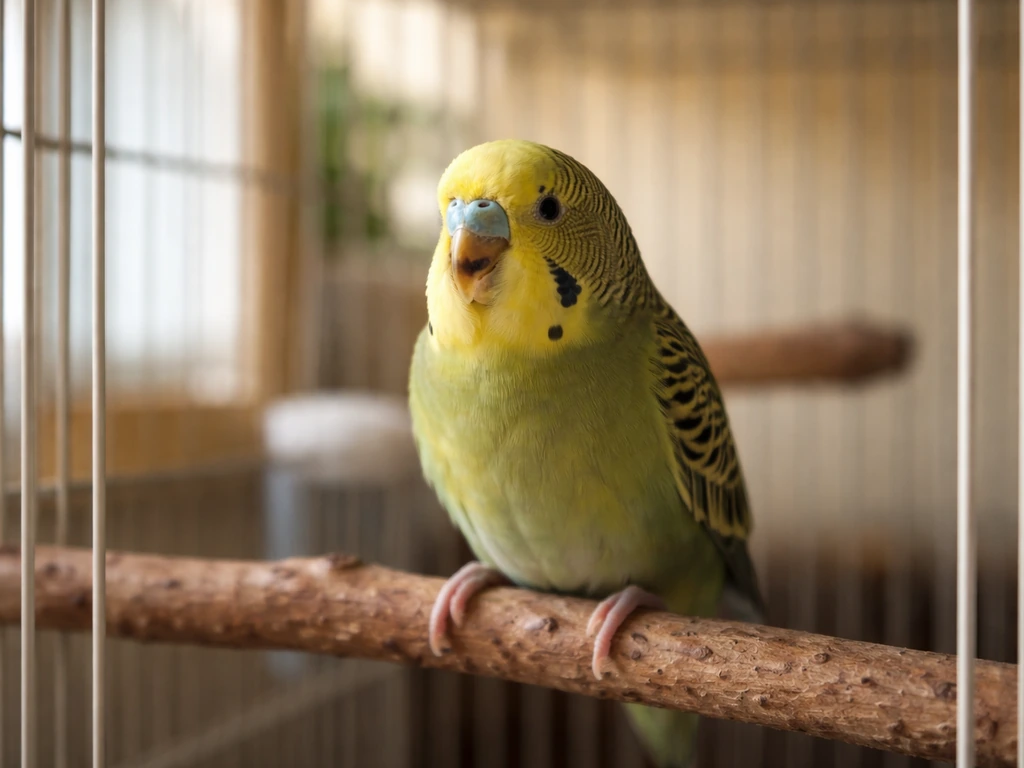
If you keep birds and you've been dealing with a cough, shortness of breath, or flu-like symptoms that seem to flare up around your birds and improve when you're away from them, that pattern is worth taking seriously. It could be bird keeper's lung, the informal name for hypersensitivity pneumonitis (HP) triggered by inhaling proteins from bird droppings, feathers, and dander. The good news is that catching it early and reducing your exposure can stop it from progressing. The key is recognizing what's happening and acting on it today, not waiting to see if it gets better on its own.
Bird Keepers Lung Symptoms: Causes, Red Flags, and Next Steps

Marcus Webb
21 May 2026
What bird keeper's lung actually is (and what sets it off)
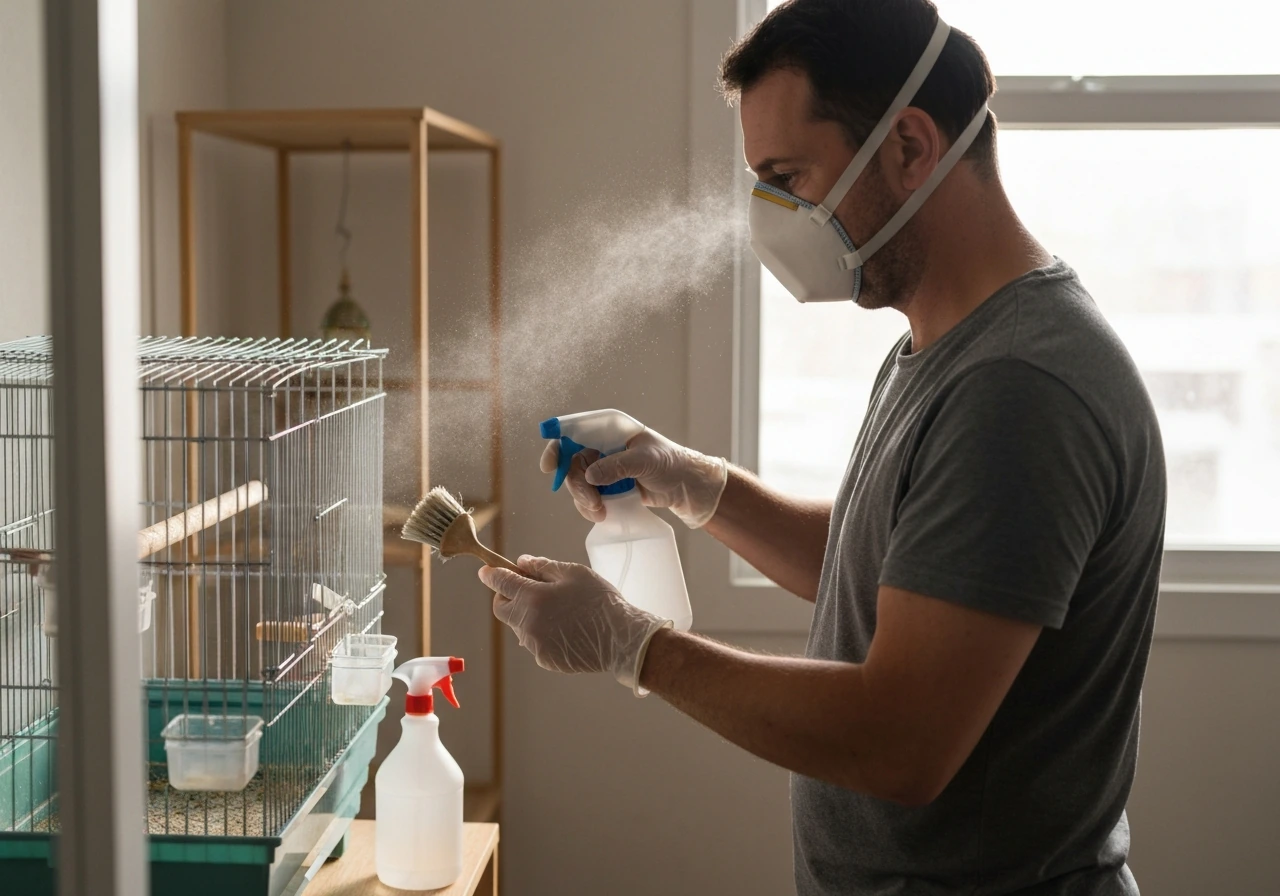
Bird keeper's lung is a form of hypersensitivity pneumonitis, an inflammatory lung disease where your immune system overreacts to something you've been inhaling. It's not an infection and it's not a standard allergy. It's a deeper immune response that affects the lung tissue itself and the small airways, causing inflammation that can, over time, lead to scarring if you keep getting exposed.
The specific triggers in bird keeping are proteins found in bird droppings, feathers, and shed skin cells (dander). The NHLBI lists bird droppings, feathers, and animal skin cells shed by fur-bearing animals as environmental triggers for hypersensitivity pneumonitis. You don't need to be doing anything unusual to get exposed. Routine daily care, cleaning cages, changing bedding, or even just being in the same room as your birds can put enough of these microscopic particles into the air to trigger a reaction in someone who has become sensitized.
A few other exposure sources are worth knowing about. Contaminated humidifiers, air conditioning units, or water aerosols in the bird room can also carry antigens. Even feather-filled pillows or down comforters have been reported to cause HP in people who have no direct contact with live birds. If you keep pigeons specifically, the risk is particularly well-documented, but it applies to parrots, cockatiels, chickens, ducks, and other birds too.
Symptoms to watch for: acute vs chronic patterns
Bird keeper's lung can show up in two distinct ways, and recognizing which pattern you're dealing with matters for what you do next.
The acute pattern: flu-like, delayed onset
Acute HP has a characteristic timing that makes it easier to spot once you know it. Symptoms typically appear 4 to 8 hours after a period of heavy exposure, which means by the time you feel sick, you may have already left the bird room. That delay is a big reason people miss the connection. You clean the cage in the afternoon, feel fine for a few hours, then feel awful by evening.
- Fever and chills
- Muscle aches and general fatigue
- Headache
- Dry or productive cough
- Chest tightness (sometimes described as a squeezing sensation)
- Shortness of breath
These symptoms can resolve within a day or two once you're away from the source, which is also part of what makes HP tricky to diagnose. People assume they had a passing bug and go right back to their birds without realizing what caused the problem.
The chronic pattern: gradual and easy to dismiss
Chronic HP develops over weeks to months of repeated or continuous low-level exposure. There are no dramatic fever spikes. Instead, you notice a worsening cough that never quite goes away and shortness of breath that gets worse over time, especially with activity. If you notice persistent coughing or shortness of breath around your birds, it can be a sign of bird breathing problems that should be evaluated.
This kind of bird respiratory problems can worsen over time if you keep getting exposed. Bird lung symptoms can vary based on timing, severity, and whether exposure is acute or chronic. Some people attribute this to aging, deconditioning, or just seasonal allergies. That's a dangerous assumption because chronic HP can progress to irreversible lung fibrosis if exposure continues.
The single most useful clue for both patterns is this: do your symptoms improve meaningfully when you're away from your birds for a few days? If yes, that is a strong signal that your lungs are reacting to something in your bird environment, and you need medical evaluation.
When to treat it as urgent vs when to schedule a checkup
Most cases of suspected bird keeper's lung are not emergencies, but some situations absolutely require immediate action. Know these red flags.
Call 911 or go to the ER right now if you have
- Severe difficulty breathing or you feel like you can't get enough air
- Blue or gray color on your lips, fingernails, or skin
- Chest pain or pressure
- Sudden confusion or difficulty staying alert
- Fainting or feeling like you might faint with shortness of breath
These symptoms indicate your oxygen levels may be dangerously low. Don't try to manage this at home.
See a doctor within 24 to 48 hours if you have
- Shortness of breath that is noticeably worse than normal for you, even without severe distress
- Fever with cough and chest tightness that came on after bird care
- Symptoms that have now happened more than once following bird exposure
- A cough that has lasted more than 3 weeks without a clear cause
If your symptoms are mild and you're not sure, the safer call is always to contact a doctor. HP that's caught early and managed with exposure avoidance is far more treatable than HP that has had months or years to cause structural damage to your lungs.
How bird keeper's lung differs from allergies, asthma, and infections
A few practical questions can help you think through what you might be dealing with before your medical appointment. This isn't a substitute for a diagnosis, but it helps you describe your situation accurately to your doctor. Because respiratory infections can also cause cough and shortness of breath, it helps to ask your clinician how to tell them apart from bird keeper's lung based on your symptoms and timing how to tell if your bird has a respiratory infection.
| Condition | Typical timing | Fever present? | Key distinguishing feature | Responds to bird avoidance? |
|---|---|---|---|---|
| Bird keeper's lung (HP) | Symptoms 4–8 hrs after exposure, or slow buildup over weeks/months | Yes, in acute HP | Symptoms improve away from birds; no infection found | Yes, often within 1–2 days |
| Allergic rhinitis/eye allergy | During or shortly after exposure | No | Runny nose, itchy eyes, sneezing dominate; lungs less affected | Partly |
| Allergic asthma | During or shortly after exposure | No | Wheezing, airflow obstruction, responds to bronchodilators | Partly |
| Respiratory infection (bronchitis, pneumonia) | Develops over days regardless of bird contact | Often yes | Not linked to bird exposure pattern; antibiotics may help | No |
| COVID-19 or flu | Develops over days, not exposure-dependent | Yes | Upper respiratory symptoms, systemic illness; no bird link | No |
The exposure-response pattern is the most reliable clue you have at home. Classic allergies and asthma tend to produce symptoms during or right after bird contact. HP often peaks hours after you've walked away, or it builds so gradually you barely notice the link. Infections happen on their own schedule and aren't triggered by spending an afternoon cleaning bird cages.
One more thing worth mentioning: bird droppings can carry organisms like Histoplasma and Cryptococcus, and there is a documented (though less common) risk of Mycobacterium tuberculosis co-exposure in some clinical contexts. Your doctor may want to rule out these infections, particularly if BAL (a lung-fluid analysis procedure) is part of your workup. That's not something to panic about, just something to be transparent about with your medical team when describing your exposure history.
What doctors typically test to confirm hypersensitivity pneumonitis
HP diagnosis follows a structured process, and it usually requires more than one type of test. No single result confirms it on its own. The 2020 clinical practice guidelines from the ATS, JRS, and ALAT identify three main areas doctors evaluate.
Exposure history and serum IgG testing
Your doctor will ask detailed questions about your bird contact, the types of birds, how your space is ventilated, cleaning routines, and whether symptoms improve when you leave for a few days. Blood tests for specific serum IgG antibodies (also called precipitins) against bird proteins can support the diagnosis by showing your immune system has responded to those antigens. A positive result confirms exposure and sensitization but doesn't confirm disease on its own.
HRCT chest imaging
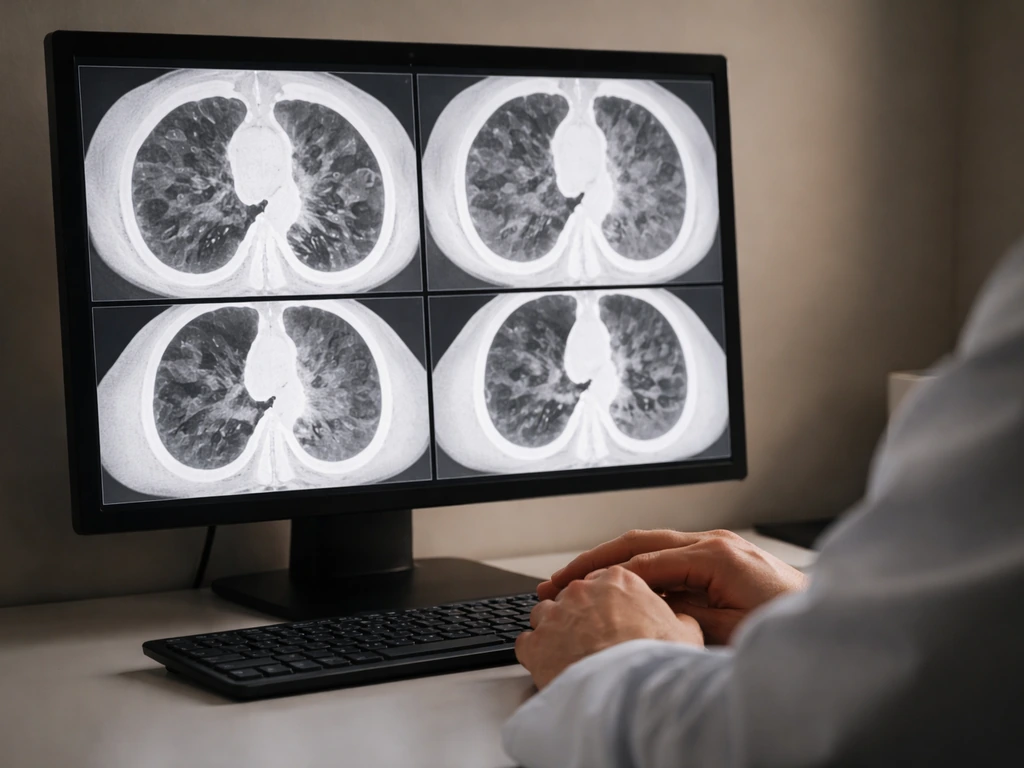
High-resolution CT (HRCT) of the chest is the main imaging tool. It can show characteristic patterns like centrilobular nodules, ground-glass opacities, or in more advanced disease, signs of fibrosis. A plain chest X-ray may look normal in early HP, so if your doctor orders imaging and it comes back clear, pushing for HRCT is reasonable if your symptoms are suggestive.
Bronchoalveolar lavage (BAL) and possibly biopsy
If imaging and blood tests leave the diagnosis unclear, your doctor may recommend bronchoscopy with BAL, a procedure where a small scope is passed into your lungs and fluid is analyzed. In HP, the BAL fluid typically shows elevated lymphocytes (greater than 20% is considered a diagnostic indicator). This test also helps rule out active lung infections, including tuberculosis in relevant settings. In some cases, a lung biopsy (transbronchial or surgical) may be needed if all other results remain inconclusive.
Your oxygen saturation will also be measured, likely at rest and possibly with exercise. Supplemental oxygen may be prescribed if levels are low.
Immediate steps to reduce your exposure right now
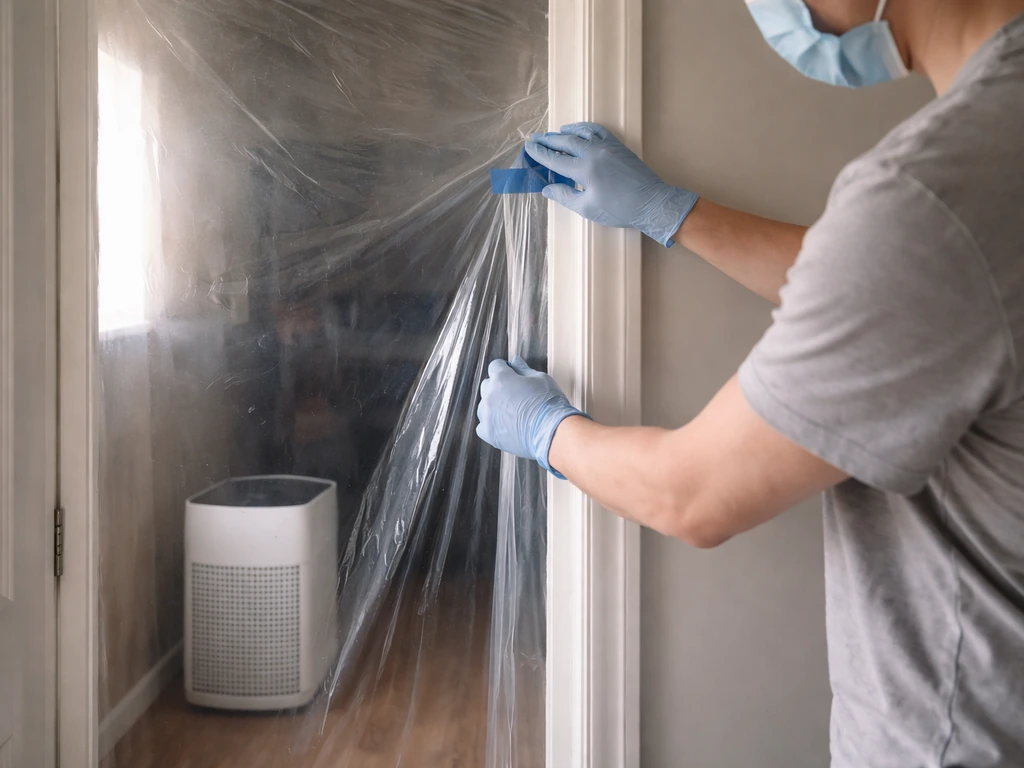
If you're currently experiencing symptoms and suspect bird keeper's lung, the most important thing you can do today is reduce your contact with bird-related dust and aerosols. Symptoms in early HP typically resolve within 1 to 2 days of removing the exposure. That alone is both therapeutic and diagnostic.
- Stay out of the bird room or bird housing area as much as possible. If someone else can take over bird care temporarily, let them.
- Open windows and run fans or ventilation to move stale air out of rooms where birds live.
- If you must handle birds or clean cages, wear a fitted N95 respirator (not a basic surgical mask). An N95 filters out the fine particulates that carry bird proteins.
- Do not dry-sweep or use a regular vacuum to clean up droppings or bedding. Dry sweeping sends particles airborne where you can inhale them. Instead, lightly mist the area with water first, then use a HEPA-filtered vacuum or damp wipe to collect material.
- Seal used bedding and droppings in a closed bag before disposal.
- Avoid using compressed air to blow out cage debris.
- If you use a humidifier in the bird room, turn it off and clean it thoroughly. Contaminated humidifiers and misters are documented HP triggers on their own.
If your symptoms clear up significantly within 1 to 2 days away from your birds, that is important information to bring to your doctor. It supports the exposure-response pattern that points toward HP rather than infection or other causes.
Long-term prevention for ongoing bird care
If you've had a confirmed or suspected case of HP and want to continue keeping birds, environmental control becomes your most important tool. Complete exposure avoidance is the single most effective long-term measure. But if rehoming your birds isn't possible or desired, there are practical steps that meaningfully reduce your ongoing risk.
Cleaning practices
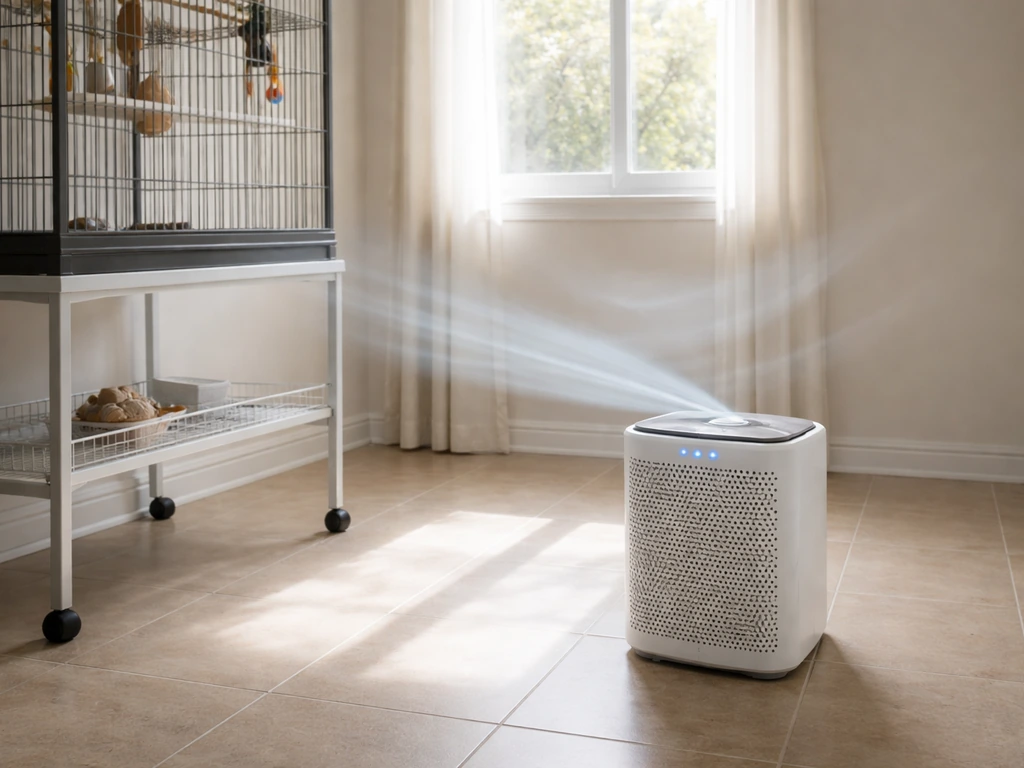
- Never dry-sweep or blow out cage debris. Always wet-clean or use a HEPA-filtered vacuum.
- Clean cages regularly so droppings don't accumulate and dry out into fine dust.
- Wash your hands and change clothes after handling birds or cleaning their space.
- Avoid handling birds or cleaning their enclosures during acute symptom flares.
Ventilation and air filtration
- Keep the bird room separate from your main living areas and bedroom if possible.
- Ensure the bird space has dedicated ventilation that vents outside, not into the rest of your home.
- Use a HEPA air purifier in the bird room and change filters on schedule.
- Avoid ceiling fans that recirculate settled dust back into the air.
Humidity and equipment
- Keep humidity controlled and avoid letting it get too high, as high moisture can promote mold growth that compounds lung irritation.
- Clean humidifiers, misters, and air-conditioning units regularly. Contaminated aerosols from these devices are a recognized HP trigger.
- Choose bedding materials that produce less dust when disturbed, and avoid dry, flaky substrates that aerosolize easily.
Personal protective equipment
Wear an N95 or P100 respirator during cage cleaning, bedding changes, or any task that stirs up dust. A P100 half-face respirator offers even higher filtration and is worth using if you're working in an enclosed space or cleaning a large number of birds. Standard dust masks are not adequate because they don't filter particles small enough to carry bird proteins deep into your lungs.
Medical follow-up and vaccinations
Once you've been evaluated for HP, your doctor may recommend lung function monitoring over time to catch any progression early. Staying current on vaccinations for influenza and pneumonia is also recommended, since respiratory infections can worsen underlying lung conditions. If you are dealing with a respiratory infection instead of hypersensitivity pneumonitis, treatment depends on the suspected cause and should be guided by a clinician treat bird respiratory infection. If corticosteroids or inhalers are prescribed, use them as directed and report any changes in your breathing between appointments.
Early-stage HP is often reversible with avoidance and appropriate care. The longer exposure continues after symptoms start, the higher the risk of permanent lung changes. That's why acting today, even before you have a formal diagnosis, is the right call. Reduce your exposure now, document how your symptoms respond, and get evaluated by a doctor who can assess your lungs properly.
FAQ
If I wear an N95 or P100 while cleaning, will that prevent bird keepers lung symptoms?
N95 or P100 can reduce what you inhale, but they work best if you use them correctly. Use a fit-tested respirator when possible, wear it during all cleaning and bedding changes, and avoid touching the front. Even with a mask, if symptoms consistently return after you resume normal care, you likely need exposure avoidance or medical evaluation rather than relying on PPE alone.
Should I test the connection by going back to my birds to see if symptoms return?
Do not restart bird exposure to “prove” the diagnosis. If symptoms come back the same way each time you’re around birds, that pattern is enough to justify prompt medical assessment. Re-exposure can increase the chance of progression from inflammation to scarring, especially in chronic hypersensitivity pneumonitis.
If my symptoms go away when I leave the bird room, do I still need to see a doctor?
Yes, but it can delay treatment. Even when symptoms seem to lift within 1 to 2 days away from birds, the underlying immune response may already be ongoing, particularly with repeated low-level exposures. If you have recurring episodes, worsening over weeks, or reduced exercise tolerance, ask about HP evaluation even if each episode fully settles.
Can bird keepers lung symptoms feel like the flu even if it is not an infection?
“Feverish” does not rule out HP. Acute hypersensitivity pneumonitis can include malaise and flu-like feelings, and the key distinguishing feature is timing and exposure linkage, not whether you have a fever. A clinician will consider your symptom pattern, imaging, and whether infections are likely.
How can I tell whether my symptoms are allergies or bird keepers lung?
Purely seasonal allergies are less likely to cause a delayed peak after heavy bird exposure. In HP, symptoms often peak hours after being in the bird environment or build gradually with ongoing exposure. If you notice symptoms specifically when you clean, disturb bedding, or after several hours away, that is more consistent with HP than classic pollen allergy.
Could humidifiers, AC, or mold be causing or worsening my bird keepers lung symptoms?
Molds can complicate the picture because damp areas, humidifiers, and poor ventilation can aerosolize other irritants. If you have symptoms that flare with bird care but also with humidifiers or musty rooms, tell your clinician about all moisture sources. Treatment and diagnosis may involve evaluating both bird-related exposure and non-bird environmental contributors.
Do I need direct contact with droppings to develop bird keepers lung symptoms?
Yes. You can have symptoms when cleaning or caring for birds even if you never directly touch droppings. For some people, feather and dander alone in the same room, or contaminated airflow from the bird area, is enough to trigger disease. Treat “being in the room” as meaningful exposure, not exposure only when you handle birds.
What if my breathing does not improve quickly after leaving my birds?
If you already have chronic symptoms, quick improvement after a brief time away may be incomplete, because ongoing inflammation can take longer to settle. Lack of immediate relief does not rule out HP, and progressive cough or shortness of breath with activity should still be evaluated. Your doctor may use lung function testing and HRCT to assess severity and scarring risk.
What infections or other conditions should be ruled out when bird keeper’s lung is suspected?
Other tests can be important depending on your case. For example, your clinician may evaluate oxygen levels and consider infectious testing, especially when BAL is planned, and may also assess other causes of interstitial lung disease. If you have risk factors for tuberculosis, immunosuppression, or travel, explicitly mention those so the infection workup is properly prioritized.
What should I do with my birds right now while waiting for an appointment?
If you might have HP, the safest approach is to stop the triggering exposure until you are assessed. That can mean pausing cage cleaning, having someone else handle birds temporarily, improving ventilation, and using strict respiratory protection. If you cannot fully avoid exposure, document symptom timing, and keep your clinician updated, but do not “push through” ongoing symptoms.
Next Article
How to Tell If Your Bird Has a Respiratory Infection
Spot breathing, nasal, eye and behavior signs of bird respiratory infection and know when to seek urgent avian care.