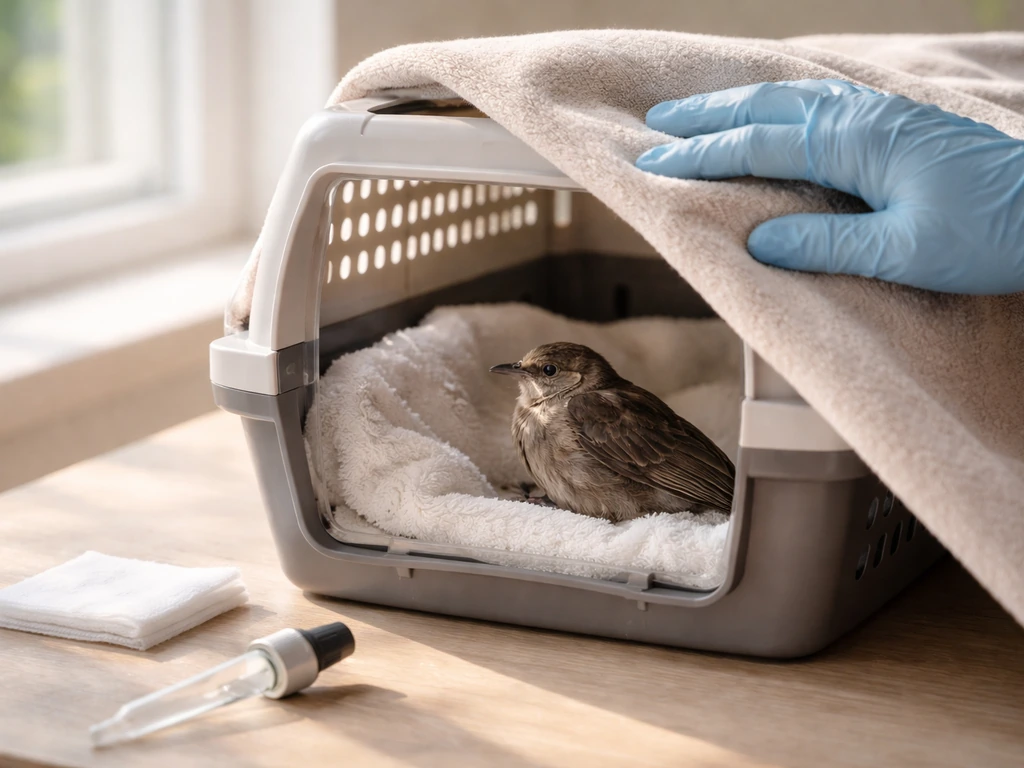
When a bird owner says their bird has a "bird chest" problem, they usually mean one of two things: the chest area looks abnormal (swollen, sunken, or moving strangely), or the bird is clearly working hard to breathe. Both are real concerns, and both can stem from several different causes ranging from a simple irritant exposure to a serious respiratory infection. The most common culprits are bacterial, fungal, or viral respiratory infections, but toxic fume exposure, parasites, heart issues, and physical trauma can all produce the same visual signs. Knowing which cause you're dealing with starts with watching your bird closely and acting quickly.
What Causes Bird Chest Problems and Labored Breathing

Marcus Webb
29 Apr 2026
What "bird chest" actually looks like

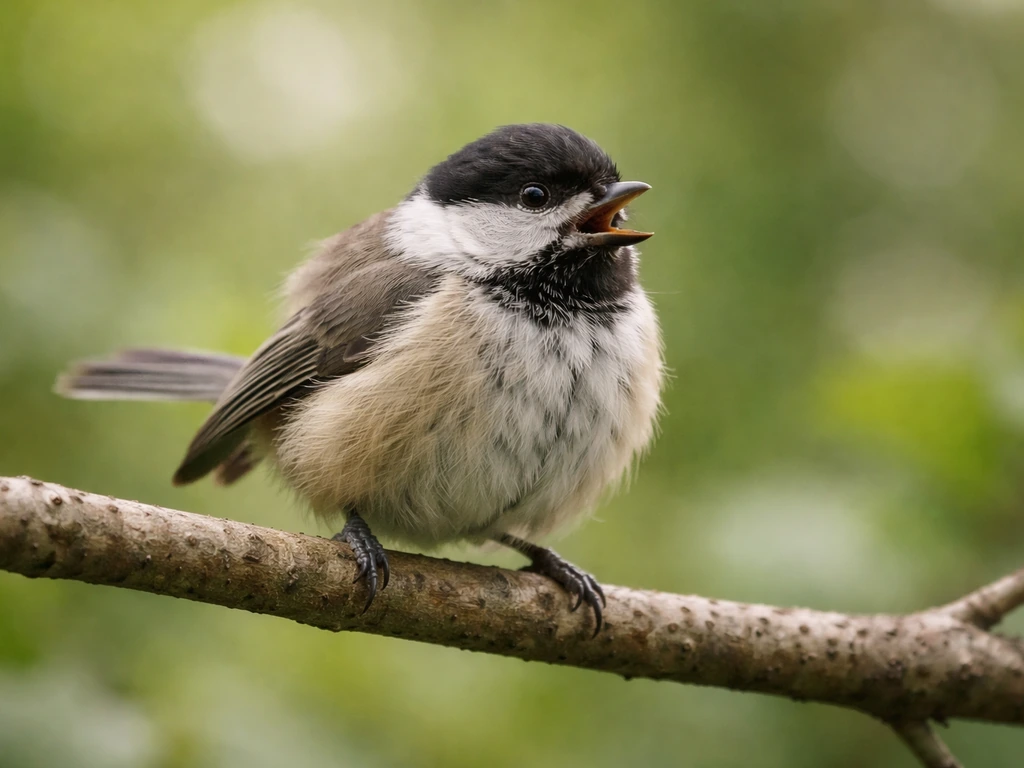
The term gets used a few different ways, so it's worth being clear about what you're seeing. Most people searching this are noticing abnormal chest movement or breathing effort in their bird, not a structural deformity in the bird's breastbone. Here are the signs that typically prompt concern:
- Tail bobbing: the tail pumps up and down rhythmically with each breath, even while the bird is sitting still
- Open-mouth breathing at rest: the bird holds its beak open to breathe without any obvious exertion
- Exaggerated sternal (chest) motion: you can clearly see the chest wall heaving with each breath
- Neck stretching: the bird extends its neck out and upward, as if trying to open the airway
- Wing abduction: the bird holds its wings slightly away from the body (a posture that helps increase chest expansion)
- Clicking or wheezing sounds: audible noises during breathing that aren't normal vocalization
- Nasal discharge or crusty nares
- Voice changes: the bird's normal call sounds different, muffled, or raspy
Any of these signs at rest, meaning without the bird having just flown or been physically stressed, should be taken seriously. Tail bobbing and open-mouth breathing at rest in particular are markers of significant respiratory effort. Some bird owners also notice actual changes in the appearance of the chest, like swelling, asymmetry, or loss of muscle mass over the keel bone. Those can point to different issues (fluid accumulation, a mass, or severe weight loss from illness), but often the underlying cause overlaps with the respiratory causes below.
The most common causes: infections and airway inflammation
Respiratory infections are by far the most frequent reason a bird develops these chest and breathing signs. Birds are uniquely vulnerable because their respiratory system includes air sacs, thin-walled structures that extend throughout the body cavity. When those get inflamed (a condition called airsacculitis), breathing becomes visibly labored even though the problem isn't just in the lungs.
Bacterial infections
Bacterial respiratory infections are common in pet birds and can range from a localized sinus infection to full-blown pneumonia or airsacculitis. Chlamydia psittaci, the bacterium that causes psittacosis, is one of the most important to know about. One concern with psittacosis is that it can be contagious to people, especially if a bird is shedding the bacteria Chlamydia psittaci. It causes respiratory illness in birds including nasal discharge, labored breathing, and lethargy, and it can also spread to humans, making it a zoonotic concern. Mycoplasma gallisepticum is another bacterial pathogen that starts in the upper respiratory tract and can work its way down into the airways and air sacs, causing chronic respiratory disease with non-specific signs that are easy to miss early on. Many other bacterial species (Gram-negative bacteria like E. coli or Klebsiella, for example) can infect the respiratory tract, especially in birds that are already stressed or immunocompromised.
Fungal infections (especially aspergillosis)
Aspergillosis is caused by Aspergillus mold spores, which birds inhale from their environment. It's particularly dangerous because it targets the air sacs and lungs and can cause significant respiratory distress, including tachypnea (rapid breathing) and gasping in acute cases. Birds with long-term vitamin A deficiency are especially vulnerable because the deficiency weakens the mucosal lining of the respiratory tract, reducing its ability to block invading pathogens. Merck Veterinary Manual also notes that long-term malnutrition, especially vitamin A deficiency, weakens birds' respiratory defenses and predisposes them to chronic aspergillosis long-term vitamin A deficiency weakens the mucosal lining of the respiratory tract. Amazon parrots on all-seed diets, for instance, are classic candidates. Signs of aspergillosis also include depression, ruffled feathers, and reduced appetite alongside the breathing changes.
Viral infections
Several viruses can cause upper and lower respiratory signs in birds, depending on the species involved. Avian influenza, paramyxoviruses, and others can all cause respiratory distress along with systemic illness. Viral infections often set the stage for secondary bacterial or fungal infections, which is part of why a sick bird can deteriorate quickly if not treated. The clinical signs (open-mouth breathing, discharge, lethargy) look similar across infectious causes, which is exactly why getting a vet diagnosis rather than guessing at home matters.
Other causes that can look like chest or breathing problems
Not every case of labored breathing or abnormal chest movement comes from an infection. Several other conditions can produce the same visual signs, and it's worth knowing what they are.
Toxic fumes and airborne irritants
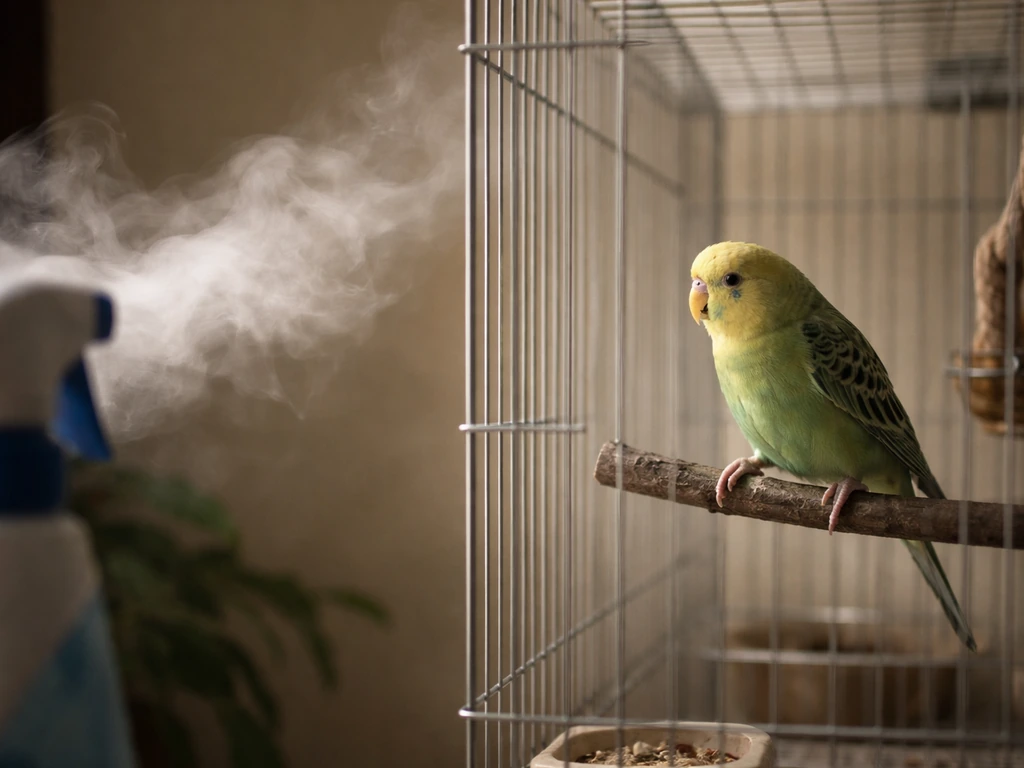
This is one of the most underappreciated causes and also one of the fastest-moving emergencies. Birds have an extremely efficient respiratory system that makes them far more sensitive to airborne toxins than mammals. Polytetrafluoroethylene (PTFE, commonly known as Teflon) fumes released from overheated non-stick cookware can be lethal to a bird in minutes. ISVMA’s exotic toxicoses guidance notes that birds are particularly sensitive to PTFE (Teflon) fumes when heated, and it discusses the resulting respiratory impact as part of the poisoning risk PTFE (commonly known as Teflon) fumes. Aerosol sprays, cleaning products, scented candles, air fresheners, ammonia from a dirty cage, cigarette smoke, and paint fumes can all cause sudden respiratory distress. If the breathing problem came on very suddenly with no other warning signs, and you recently used any kind of spray or heated a non-stick pan, fume exposure should be your first thought.
Parasites affecting the respiratory tract
Air sac mites are a real and sometimes overlooked cause of respiratory distress, particularly in canaries and Gouldian finches. These tiny parasites can infest the entire respiratory tract, including the trachea and air sacs, causing breathing sounds, clicking noises, open-mouth breathing, and general weakness. In one r/cockatiel thread, people described episodes with tail bobbing and clicking or popping sounds during breathing, consistent with airway or air-sac involvement like air-sac or tracheal causes clicking or ticking sounds with each breath. If you keep finches and your bird is making clicking or ticking sounds with each breath, this is high on the list of differentials.
Heart and cardiovascular problems
Heart disease in birds can cause fluid accumulation around the heart or in the body cavity, which compresses the air sacs and lungs and makes breathing visibly difficult. This tends to present more gradually, often in older birds or those with a history of a poor diet. The chest may look distended or the bird may have reduced exercise tolerance before the more obvious breathing signs appear. Heart-related respiratory signs are harder to distinguish from infection-related ones without veterinary diagnostics.
Aspiration and foreign material

Aspiration (inhaling food, liquid, or foreign material into the airway) can cause sudden-onset breathing difficulty, sometimes with gagging or coughing-like movements. It's most common in hand-fed chicks but can happen to adult birds too. A bird that was recently hand-fed or medicated and suddenly develops labored breathing may have aspirated.
Trauma and musculoskeletal injury
Physical trauma, such as flying into a window, being caught by another pet, or a fall, can injure the chest wall, ribs, or surrounding muscles. This can affect breathing mechanics directly, causing the bird to take shallow breaths due to pain or structural damage. If you know or suspect your bird had an impact injury, this moves up the differential list immediately.
How to assess how serious things are right now
You don't need to be a vet to do a basic at-home assessment. What you're doing here is figuring out how urgent this is, not diagnosing the cause.
| What to check | Less urgent signs | More urgent signs |
|---|---|---|
| Breathing at rest | Slightly faster than normal, breathing through nostrils | Open-mouth breathing, tail bobbing, audible wheeze or click |
| Posture | Mildly fluffed, sitting low | Neck stretched out, wings held away from body, hunched and unresponsive |
| Discharge | None, or very mild clear nasal discharge | Colored (yellow, green) nasal or eye discharge, crusting around nares |
| Timeline | Mild signs for 1-2 days, still eating and alert | Sudden onset, worsening quickly, or signs present for more than 48 hours |
| Appetite and energy | Eating less but still interested in food | Not eating, not moving, unresponsive to stimulation |
| Environment clues | No recent changes to cage or home | Recent use of sprays, cleaning products, new non-stick cookware, soiled cage |
Tail bobbing at rest is a hard line for me. If the tail is rhythmically moving up and down while the bird sits still, that bird is working too hard to breathe and needs veterinary attention that day, not tomorrow. Same with open-mouth breathing at rest. Those are not signs you monitor and wait on.
Safe steps you can take right now
While you're figuring out your next move, here are things you can do immediately that are safe and genuinely helpful for a bird with respiratory symptoms. These won't replace a vet visit, but they can reduce further harm and support the bird.
- Move the bird to a clean, warm area. Birds in respiratory distress benefit from a warm, stable environment (around 85-90°F for sick small birds). Avoid drafts.
- Remove all airborne irritants immediately. Turn off scented candles, air fresheners, and aerosols. If you used any cleaning products recently, ventilate the space. If non-stick cookware was involved, move the bird outside or to a completely different part of the house with fresh air first.
- Stop using non-stick cookware in your home entirely until the bird has recovered, and ideally permanently.
- Clean the cage if it is visibly soiled. Ammonia buildup from droppings is a direct irritant to the respiratory tract. Use fragrance-free, bird-safe cleaners only.
- Do not add any supplements or medications to the water without veterinary guidance. Well-intentioned additions can complicate diagnosis and sometimes cause harm.
- Keep the bird calm and minimize handling. Stressed birds in respiratory distress can deteriorate quickly when over-handled.
- Note everything: when signs started, what you've observed, any recent environmental changes, what the bird has been eating, and whether any other birds in the home are affected.
When to go to the vet urgently (and what to tell them)
Go to an avian vet the same day if you see any of the following: open-mouth breathing at rest, tail bobbing at rest, audible clicking or wheezing, the bird is unable to perch or is sitting on the cage floor, the bird is unresponsive or minimally responsive, breathing has worsened over the past few hours, or you suspect fume or chemical exposure. If it's after hours, contact an emergency exotic animal clinic. A bird that is severely dyspneic may need hospitalization with 24-hour monitoring, oxygen therapy, and potentially an air sac cannula to bypass an upper airway obstruction.
When you call or arrive at the clinic, tell the vet the following information:
- Species, age, and sex of the bird (if known)
- Exactly when you first noticed the breathing change and whether it came on suddenly or gradually
- Any recent environmental changes (new products used, cooking, cleaning, renovation, new birds added)
- Current diet
- Whether other birds in the home are showing similar signs
- Any previous health issues or prior diagnoses
- Whether the bird has been to a vet recently and what, if anything, was prescribed
The more specific you can be, the faster the vet can narrow things down. Respiratory cases often need to be stabilized before diagnostics can even begin, so having this information ready saves valuable time.
What vets actually do to diagnose and treat this
If the bird is severely distressed on arrival, the vet's first priority is stabilization, not diagnosis. That may mean placing the bird in an oxygen-enriched environment, keeping handling minimal, and giving supportive medications before any tests are run. Physical exams may be shortened if the bird is too fragile to handle safely.
Once the bird is stable enough, here's what the diagnostic workup typically looks like:
| Test | What it checks for | When it's used |
|---|---|---|
| Thoracic radiographs (X-rays) | Lung opacity, air sac changes, cardiac size, masses, trauma | Standard for any lower respiratory signs |
| Bacterial culture and sensitivity | Identifies specific bacteria and which antibiotics will work | From tracheal wash, choanal swab, or transtracheal sample |
| PCR testing | Detects specific pathogens including Chlamydia psittaci (psittacosis), Aspergillus, Mycoplasma, viruses | When specific infections are suspected |
| Complete blood count and chemistry panel | Infection markers, organ function, overall health status | Standard workup for any sick bird |
| Endoscopy | Direct visualization of the trachea, syrinx, and air sacs | When obstruction or structural disease is suspected |
| Fungal culture or antigen testing | Confirms aspergillosis | When aspergillosis is high on the differential |
| Fecal or respiratory smear | Parasites including air sac mites | In at-risk species like canaries and finches |
Culture and PCR results can take several days to come back. Because of that, vets often start empirical treatment (broad-spectrum antibiotics, antifungals, or anti-inflammatory medications) based on clinical presentation while waiting for lab results. This is standard practice in avian emergency cases and not a sign of guesswork. Supportive care like nebulization, fluid therapy, and nutritional support often runs alongside specific treatment.
Treatment pathways vary significantly by cause. Bacterial infections get antibiotics matched to culture results when possible. Aspergillosis requires long courses of antifungal medication and is notoriously difficult to treat. Air sac mites in finches are typically treated with ivermectin or similar antiparasitic agents. Fume-exposed birds get supportive care and oxygen, with the prognosis depending heavily on the degree of exposure. Psittacosis is treated with doxycycline for an extended course, and because it's zoonotic, your vet will likely advise you on human exposure precautions as well. If psittacosis or bird fancier's lung (a hypersensitivity reaction to bird proteins rather than an infection) is on the table, those carry their own specific management approaches worth understanding separately.
The key takeaway across all of these: respiratory problems in birds don't resolve on their own the way a human cold might. Birds hide illness until they can't, which means by the time you're seeing obvious breathing signs, the condition is often already advanced. Early veterinary care consistently leads to better outcomes than waiting to see if things improve.
FAQ
If my bird is breathing fast, does that always mean it’s an emergency?
Not always, but rate alone is not enough. If the bird is at rest showing open-mouth breathing, tail bobbing, gasping, or clicking, that is emergency-level respiratory effort. If it’s only mildly increased after mild stress (like handling) and settles back to normal within 10 to 15 minutes, it still warrants a vet call, especially if the bird has discharge or reduced appetite.
How can I tell the difference between respiratory distress and a heart-related cause at home?
You usually cannot confirm the cause at home, but you can note patterns. Heart-related problems often come with reduced stamina over days to weeks, and may show abdominal swelling, pale or bluish gums, or fluidy-looking body contour. Infection often comes with nasal discharge, fever-like depression, or a sudden change. Either way, if breathing is labored at rest, treat it as urgent and get avian evaluation the same day.
Can I treat “bird chest” symptoms with a human cough medicine or antibiotics left at home?
No, do not use human cough syrups, decongestants, or leftover antibiotics without a vet. Birds metabolize many drugs differently, and some medications can worsen breathing mechanics or mask signs while the underlying cause progresses. If you suspect toxicity, focus on immediate removal from fumes and urgent veterinary assessment, not medication trials.
What should I do if I recently used a product like candle, air freshener, or cleaner before the symptoms started?
Move the bird to clean, fresh air immediately, turn off any scents or aerosol products, and ventilate the room. Avoid fans that blow directly over the bird, which can dry airways further. Bring the product label or exact name to the vet, because the specific chemical matters for supportive care and for predicting how quickly symptoms can escalate.
My bird’s chest looks sunken or asymmetrical, does that point to infection?
Not necessarily. Sunken areas can reflect muscle loss from chronic illness, but asymmetry can also be caused by trauma, a mass, or localized fluid. If there is any breathing effort, tail bobbing, or abnormal posture at rest, still treat it as respiratory distress and get diagnostics rather than assuming it’s only a cosmetic deformity.
Are air sac mites only a concern for finches?
They are most commonly discussed in canaries and Gouldian finches, but mites can cause similar respiratory signs in other small birds too. The practical difference is what is most likely based on species and husbandry. If your bird has clicking or ticking with each breath and you keep companion birds with seed-based diets, tell the vet so they can include mites in the differential and plan the right parasite testing.
What tests should I expect, and why might the vet start treatment before results come back?
A typical workup may include a physical exam, imaging (often X-rays), and sampling for culture and PCR when indicated. Because cultures and PCR can take days, clinicians often begin empiric therapy to stabilize the bird and prevent rapid deterioration, especially when breathing is already labored. Ask the vet what they are targeting first (bacteria, fungus, inflammation, parasites, toxicity) and how they will adjust once results return.
Could “bird fancier’s lung” cause my bird’s symptoms directly?
Bird fancier’s lung affects people, not birds. For birds, the respiratory problem comes from infections, mold exposure, mites, toxic fumes, or other causes discussed in the article. However, if you and your birds share exposure, your vet may advise human precautions because some bird pathogens, like psittacosis, are zoonotic and require careful handling.
What “supportive care” is safe for me to do at home while waiting for the appointment?
Keep handling minimal, keep the bird warm, reduce stress, and eliminate any aerosol or smoke exposures. Do not force-feed or put a nebulizer solution at the bird without veterinary instructions. If the bird is struggling to breathe, do not suction the airways or attempt to open the beak to “help breathing,” those actions can worsen injury or aspiration.
If my bird improves after removing fumes or after a first antibiotic dose, should I still go to the vet?
Yes. Partial improvement can happen when inflammation calms or when exposure stops, but infections, aspergillosis, mites, and heart issues often need targeted treatment and follow-up. Also watch for relapse within 24 to 72 hours. Any prior episode of tail bobbing or open-mouth breathing at rest is a strong reason to keep the veterinary plan even if the bird seems better.
How quickly can PTFE or other fume exposure become fatal?
In susceptible birds, respiratory injury from overheated non-stick cookware fumes can progress extremely fast. The article notes minutes-level risk, so treat sudden onset after exposure as an immediate emergency. If symptoms start, do not wait for home monitoring, remove the bird from the source and go to an emergency avian clinic right away.
Next Article
Bird Trauma Symptoms: Signs, Triage, and First Aid Steps
Recognize bird trauma symptoms, triage urgency, and give safe first aid for bleeding, fractures, head injuries, and shoc