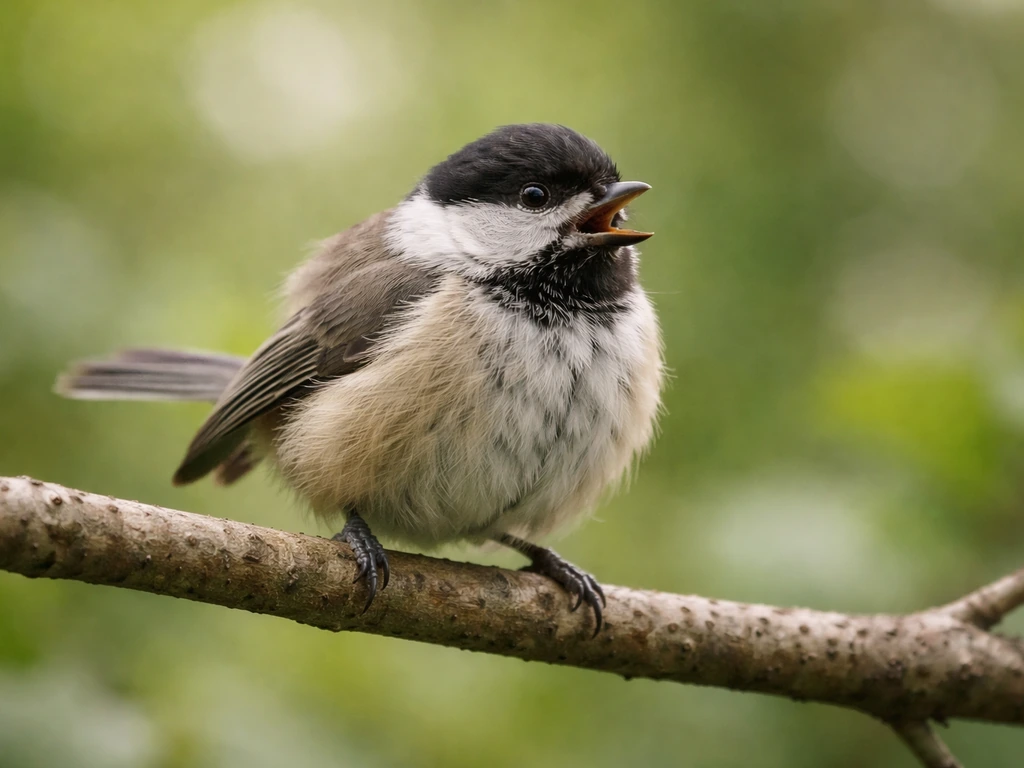
When bird owners search for 'bird lung,' they're almost always worried about one thing: their bird is breathing strangely and they want to know if it's serious. In most cases, 'bird lung' refers to lower-respiratory disease in pet or wild birds, meaning the lungs and air sacs are involved, not just the nose or throat. This is a bigger deal than a simple sniffle, and the signs that point to it include tail-bobbing with every breath, open-mouth breathing, wheezing or clicking sounds, and a bird that looks puffy, quiet, or exhausted. If your bird is doing any of those things right now, keep reading because the next few sections tell you exactly what to watch for and what to do first.
What Is Bird Lung? Symptoms, Causes, and What to Do Now

Marcus Webb
2 May 2026
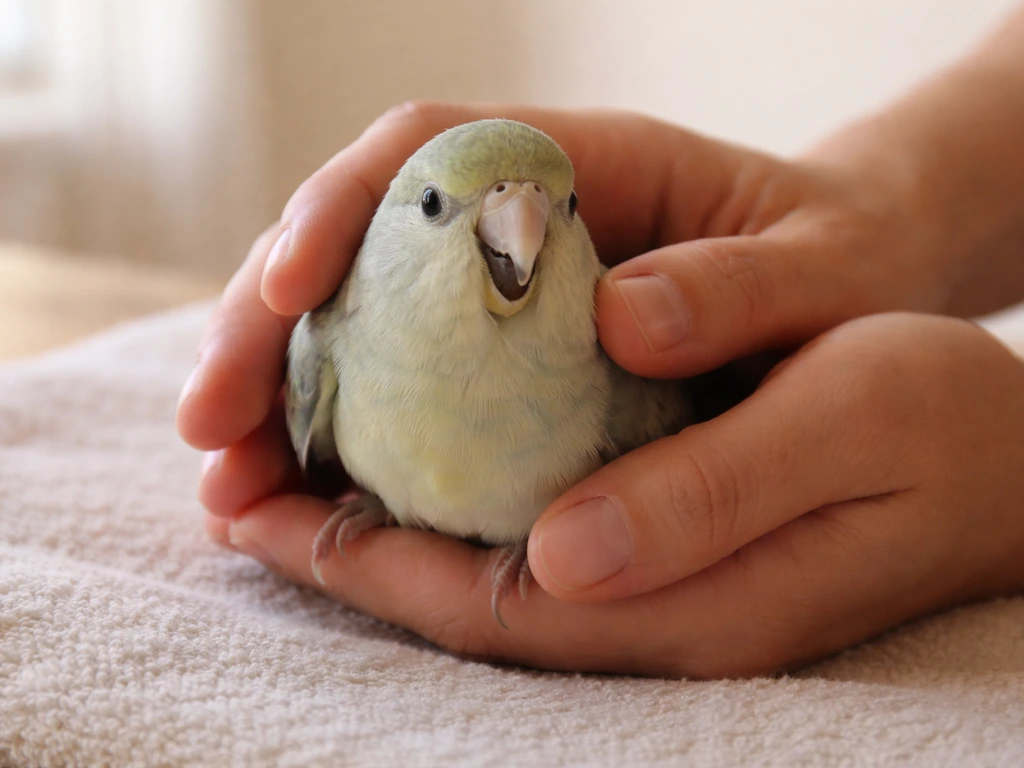
What 'bird lung' actually means and what to suspect first

Birds have a respiratory system that's very different from ours. Instead of just two lungs that inflate and deflate, they have rigid lungs connected to a system of air sacs that extend through much of the body cavity. When vets talk about lower-respiratory or 'lung' disease in birds, they often mean the lungs and those air sacs are both involved. A specific condition called airsacculitis, which is inflammation of the air sacs, is one of the most common things found in birds with serious breathing trouble.
The term 'bird lung' also comes up in a completely different context worth knowing: Bird Fancier's Lung is an allergic lung condition in people, not birds. It's a type of hypersensitivity pneumonitis where a human's immune system overreacts to proteins in bird feathers, droppings, or dust. If you're a bird owner and you've been having your own coughing or shortness of breath, that's worth looking into separately. If you have a bird chest or your symptoms feel triggered around your birds, it may help to ask your doctor about bird-related allergic or infectious causes your own coughing or shortness of breath. This article focuses on respiratory disease in the bird itself, but the connection to human health is real and is covered later.
When your bird's lungs or air sacs are affected, the first things to suspect depend on the situation. Stress, illness, or immune suppression can trigger infections that were previously kept in check. Newly acquired birds, young birds, and birds that have recently moved or been exposed to other birds are at higher risk. Birds weakened by other illness are also prime candidates for respiratory flare-ups.
Lower-respiratory ('lung') trouble vs. upper-airway problems
Not all breathing weirdness means the lungs are involved. A bird with a mild upper-airway issue (nose, sinuses, or upper trachea) will often sneeze, have a little discharge from the nostrils, or sound slightly congested. That's not great, but it's usually not an emergency. Lower-respiratory disease, where the lungs, air sacs, bronchi, or syrinx (the bird's vocal organ) are involved, looks and sounds much more serious.
| Feature | Upper-Airway Issue | Lower-Respiratory ('Lung') Disease |
|---|---|---|
| Breathing effort | Mostly normal, occasional sneezing | Labored, visibly effortful with every breath |
| Tail movement | Normal, no unusual bobbing | Tail bobs up and down with each breath |
| Mouth | Usually closed while breathing | Open-mouth breathing, gaping |
| Sounds | Sneezing, mild congestion | Wheezing, clicking, wet or high-pitched noises |
| Posture | Largely normal | Fluffed, hunched, sitting on cage floor |
| Activity level | Mostly alert and active | Lethargic, reluctant to move, exercise intolerance |
| Nasal discharge | Present, often watery or mild | May be present but breathing signs dominate |
| Voice changes | Uncommon | Common, especially with aspergillosis or syrinx involvement |
Tail-bobbing is one of the most reliable red flags. When a bird's airway or air sacs are compromised, breathing requires extra muscular effort, and you can see the tail pump with each breath. Open-mouth breathing in a bird that isn't overheated is also a serious warning sign: it usually means airflow is restricted somewhere in the respiratory tract, whether by mucus, pus, a mass, or inflammation. If you're seeing both tail-bobbing and open-mouth breathing together, that's a combination that needs veterinary attention today.
Common causes of breathing and lung problems in birds
Infectious causes
- Bacterial infections: General bacterial respiratory infections are common, and Mycoplasma and Chlamydia (the bacteria behind psittacosis, also called parrot fever or ornithosis) are among the most important. Chlamydiosis can range from mild to severe and is also transmissible to humans.
- Aspergillosis: This fungal infection caused by Aspergillus species is one of the leading causes of lower-respiratory disease in birds. It tends to develop slowly and can cause dyspnea, tail bobbing, exercise intolerance, and voice changes before breathing difficulty becomes obvious. Vets consider it in any bird with respiratory signs plus weight loss or unusual bloodwork.
- Air sac mites: These parasites can infest the air sacs and trachea, causing clicking or wheezing noises, open-mouth breathing, tail bobbing, voice changes, and reduced activity. Symptoms can be worse at night or after any kind of stress.
- Viral infections: Various avian viruses can affect the respiratory tract, with severity depending on the species and virus involved.
- Aspiration-related infections: Bacteria introduced when a bird inhales liquid (often during force or syringe feeding) can set up secondary pneumonia or air sac infection.
Non-infectious causes
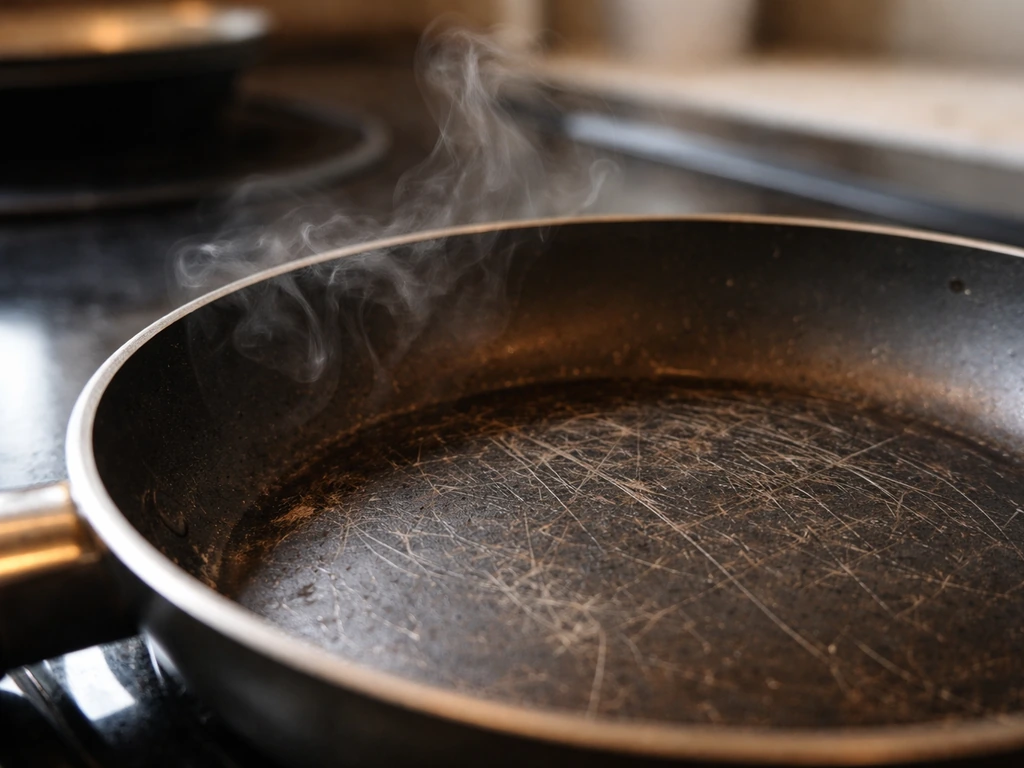
- Inhaled toxins and fumes: Bird respiratory tracts are extremely sensitive to airborne chemicals. Non-stick cookware fumes (polytetrafluoroethylene, or PTFE) are notorious for killing birds rapidly. Smoke, perfumes, aerosol sprays, scented candles, cleaning products, and even strong cooking fumes can cause acute respiratory distress or chemical pneumonitis.
- Poor air quality: Dust, mold spores, cigarette smoke, and inadequate ventilation are ongoing low-level stressors that can damage respiratory tissue over time or trigger acute reactions.
- Aspiration: Inhaling food, water, or regurgitated material can cause immediate distress and set up secondary lung problems.
- Masses or tumors: Growths in or near the airways can compress the trachea or air sacs and cause progressive breathing difficulty.
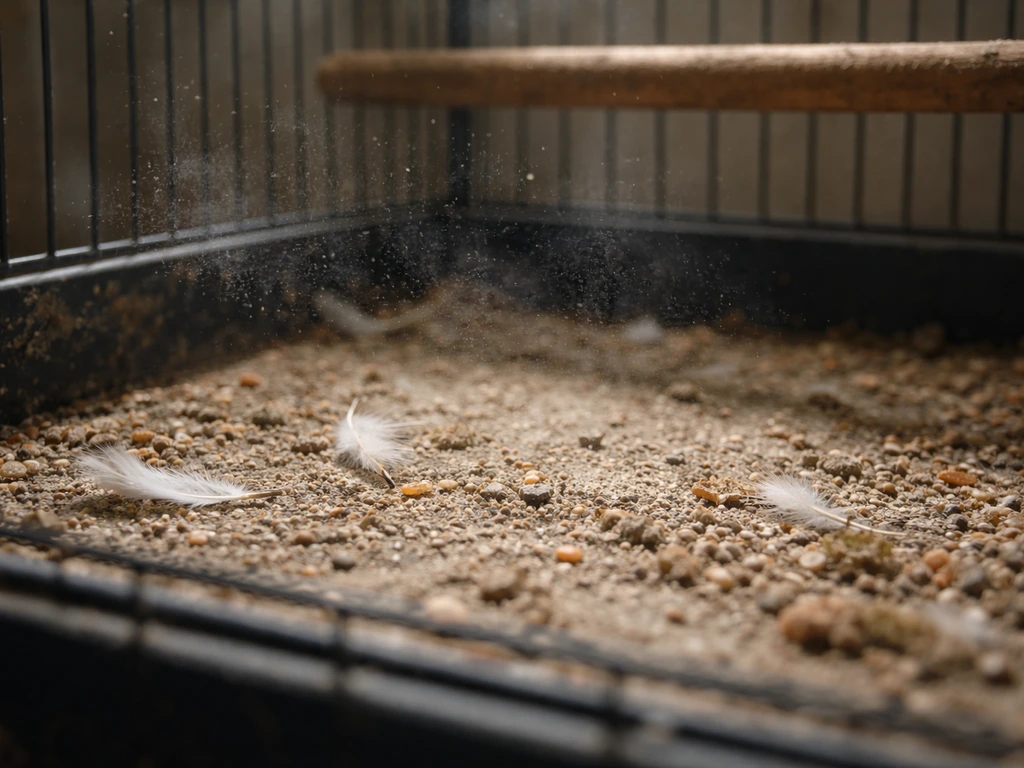
It's also worth noting the human-health angle here. If the bird has Chlamydia psittaci (psittacosis), people in the household can get sick by breathing dust contaminated with dried bird droppings or secretions. Bird Fancier's Lung and psittacosis are both discussed later because they can cause different symptoms and have different risks for people Chlamydia psittaci. Separately, if you as a bird owner have been developing your own respiratory symptoms, Bird Fancier's Lung, an allergic hypersensitivity reaction to proteins in bird feathers and droppings, is something a doctor should evaluate. These are distinct conditions from what's affecting your bird, but they share the same environment.
Symptom checklist and what the patterns mean
Use this checklist to assess your bird right now. The more items you check, and the more severe they are, the more urgently you need veterinary care.
- Tail bobbing with every breath (a clear sign of significant respiratory effort)
- Open-mouth breathing or gaping when the bird isn't hot or stressed
- Wheezing, clicking, or wet gurgling sounds during breathing
- Fluffed feathers with eyes partially or fully closed
- Sitting on the cage floor instead of a perch
- Obvious lethargy, not responding to stimuli it would normally notice
- Nasal discharge, crusty nares, or bubbles at the beak
- Voice changes: hoarseness, loss of voice, or unusual sounds
- Neck stretching while breathing (often seen with aspergillosis)
- Reduced or no appetite, visible weight loss
- Coughing or retching-like movements
- Blue or purple color around the beak or feet (cyanosis, an emergency)
A bird with only mild sneezing and slightly watery nasal discharge, eating and acting normally otherwise, can usually be monitored for a short time while you arrange a vet appointment. A bird with tail-bobbing, open-mouth breathing, lethargy, or any combination of those needs to be seen today. Cyanosis (bluish color) or collapse is a life-threatening emergency: go immediately.
Pattern matters too. Acute onset after cooking with blank" rel="noopener noreferrer">non-stick pans, burning something on the stove, or using an aerosol spray strongly suggests toxin inhalation. Texas A&M Veterinary Medical Diagnostic Laboratory case studies on blank" rel="noopener noreferrer">polytetrafluoroethylene or Teflon toxicosis note that exposed birds may show difficult breathing, wheezing or gasping, weakness or depression, anxious behavior, and may even be found dead, so a toxin exposure history matters. Gradual worsening over weeks combined with weight loss and exercise intolerance points more toward aspergillosis or a chronic infection. Gradual worsening over weeks combined with weight loss and reduced exercise tolerance can point to fungal infections like aspergillosis, which is one of the common causes behind what many people describe as bird chest. Sudden signs after bringing home a new bird suggest an infectious cause that warrants isolating your birds and calling a vet.
What to do right now at home
These steps are safe and appropriate while you assess the situation and arrange veterinary care. They won't cure whatever is wrong, but they can stabilize your bird and prevent things from getting worse quickly.
- Move the bird to a warm, quiet location. Birds in respiratory distress benefit from warmth (around 85-90°F for a sick bird is often recommended, but avoid overheating). Reduce handling and stress as much as possible.
- Remove any airborne irritants immediately. Turn off scented candles, air fresheners, and aerosols. If you cooked with non-stick pans recently, open windows and ventilate the space. Don't use any sprays, cleaners, or perfumes near the bird.
- Check the environment. Look for signs of smoke, mold, excessive dust, or anything that could be a fume source. Move the bird away from the kitchen.
- If you have multiple birds and suspect something infectious, isolate the sick bird. Use separate food and water dishes, and wash your hands between handling different birds.
- Offer fresh water and soft, easy-to-eat food. Don't force-feed. Aspiration risk is real in a bird that's already having trouble breathing.
- Observe and note down what you see. Write down what the breathing looks like, when it started, any recent changes in the environment, new foods, new products used, or new birds introduced. Your vet will need this.
- Don't use oily ointments, petroleum jelly, or any home remedies on or near a bird with breathing problems. These can make things worse.
Humidity can help some birds with mild upper-airway congestion (a steamy bathroom for 10-15 minutes, for example), but don't do this with a bird in significant distress or if you suspect a fungal cause, because Aspergillus thrives in damp conditions.
When to get to an avian vet urgently and what to expect
Go today, not tomorrow, if your bird has any of the following: open-mouth breathing, tail bobbing with every breath, visible wheezing or clicking, cyanosis (blue tinge around beak or feet), collapse, inability to stay on the perch, or extreme lethargy. These are not 'wait and see' situations. Birds are prey animals that hide illness until they can't anymore, which means by the time you can obviously see a bird is struggling to breathe, things have usually been building for a while.
When you arrive, expect the vet to observe the bird before handling it (restraint adds stress and can worsen things in a bird that's already compromised). A severely distressed bird may be placed in an oxygen-supplemented incubator before any examination or diagnostics. Once the bird is stable enough, the vet will do a hands-on exam including listening to the chest, and will likely recommend some combination of the following.
- Blood work (CBC): A complete blood count helps identify infection, inflammation, or patterns consistent with fungal disease (high white cell counts or elevated monocytes can suggest aspergillosis).
- Radiographs (X-rays): Chest imaging can show changes in lung tissue, air sac opacity, or masses. Note that a normal initial X-ray doesn't completely rule out lung injury, particularly with toxin inhalation.
- CT scan: More detailed imaging to look at the trachea, syrinx, bronchi, and air sacs when X-rays aren't conclusive.
- Swabs and cultures: Oropharyngeal, tracheal, or bronchial swabs may be taken for PCR testing or bacterial culture to identify the organism causing infection.
- Sinus aspirate or nasal flush: If upper-respiratory involvement is prominent, the vet may collect material directly from the nasal passages.
- Aspergillus testing: Specific blood or swab tests may be run if fungal disease is suspected.
Good questions to ask at the appointment: What do you think is most likely going on? Is this potentially contagious to my other birds or to me? Do we need isolation? What signs should make me come back immediately?
Treatment options by likely cause and what's safe at home
What vets typically prescribe
| Likely Cause | Typical Treatment Approach |
|---|---|
| Bacterial infection (including psittacosis/Chlamydia) | Antibiotics (doxycycline is often used for chlamydiosis); duration and route depend on severity |
| Aspergillosis (fungal) | Antifungal medications (such as voriconazole or itraconazole); treatment is often long-term |
| Air sac mites | Antiparasitic medications; the whole household flock may need treatment |
| Viral infection | Supportive care (no direct antivirals for most avian viruses); fluids, nutrition, warmth |
| Toxin inhalation / chemical pneumonitis | Oxygen support, anti-inflammatory medications, supportive care; remove the source immediately |
| Severe respiratory distress (any cause) | Oxygen therapy, nebulization with saline or medications, possibly injectable medications and fluid support |
What you can and can't do safely at home
At home, safe supportive steps are warmth, quiet, clean air, fresh water, and easy-to-access food. That's about it. Do not attempt to give human medications, over-the-counter animal medications, or anything you haven't specifically been told to give by an avian vet. Do not use oily substances on the bird's nares or beak. Do not use steam or humidity therapies if you suspect a fungal cause. Do not force fluids or food into a bird with breathing problems because aspiration is a real risk.
Nebulization (delivering medication or saline as a fine mist the bird breathes in) is something vets sometimes prescribe for home use after a proper diagnosis. Don't attempt to improvise this without specific instruction. If your vet does send you home with nebulization equipment and medications, follow their protocol exactly.
Preventing respiratory problems and reducing future risk
Many serious bird lung problems are preventable with good ongoing management. Air quality is the biggest factor most bird owners can control directly.
- Never use non-stick (PTFE-coated) cookware in a home with birds. The fumes produced when these pans overheat are rapidly lethal to birds. Stainless steel or cast iron are safe alternatives.
- Keep the bird's area away from the kitchen, especially during cooking. Smoke, steam, and fumes from any cooking can be irritating.
- Don't smoke near birds, and don't use aerosol sprays, scented candles, air fresheners, or strong cleaning products in rooms where birds live.
- Clean cages and water dishes regularly to prevent bacterial and mold buildup. Dry cages thoroughly after cleaning.
- Quarantine any new bird for at least 30 days before introducing it to other birds. Many respiratory infections show up during this window when the stress of a new environment triggers illness.
- Maintain a stable, appropriate temperature. Drafts and sudden temperature changes can stress birds and make them more susceptible to infection.
- Schedule regular wellness checkups with an avian vet, even when your bird seems healthy. Many respiratory conditions are caught earlier with routine physical exams.
- Learn your bird's baseline normal behavior, droppings, breathing rate, and weight. Small changes are easier to catch when you know what 'normal' looks like.
- If you keep multiple birds, develop a protocol for isolating any bird showing signs of illness before it can spread to others.
Early recognition is genuinely the most powerful tool you have. The signs described in this article, particularly tail-bobbing, open-mouth breathing, voice changes, and progressive lethargy, are your earliest warnings. Acting on them quickly, removing environmental triggers immediately and getting to an avian vet when the signs are serious, gives your bird the best chance at a full recovery.
FAQ
Is “bird lung” the same thing as pneumonia in birds?
Not always. “Bird lung” usually refers to lower-respiratory disease involving the lungs and air sacs, and it can include infections, inflammation, and fungal disease. Pneumonia is one possibility, but vets often use broader terms like airsacculitis or air-sac involvement because birds’ air sacs can be affected even when the lungs themselves look different.
Can my bird have “bird lung” but not be wheezing or clicking?
Yes. Some birds primarily show effortful breathing signs like tail-bobbing, open-mouth breathing, voice changes, or just increasing fatigue and reduced activity. Not hearing obvious sounds does not rule out lower-respiratory disease, especially if breathing effort is increasing.
What should I do if I have more than one bird and one is showing signs?
Treat it as potentially contagious until the vet says otherwise. Move the affected bird to a separate, well-ventilated area, keep caretakers consistent (wash hands and change clothes), and avoid sharing water dishes, seed cups, or perches. Ask your vet whether isolation is needed and for how long based on the suspected cause.
How can I tell if my bird’s breathing problem is upper-airway (nose/throat) versus lung/air-sac?
Upper-airway issues more often cause sneezing, nasal discharge, and mild congestion with normal or near-normal breathing effort. Lung or air-sac involvement is more likely when you see tail-bobbing, open-mouth breathing (not from overheating), persistent wheeze or clicking, or a bird that looks puffy or exhausted.
Is open-mouth breathing always an emergency?
It is a serious sign, especially if the bird is not overheated. If the bird’s mouth is open to breathe, or you see it paired with tail-bobbing or reduced ability to perch, you should seek urgent avian care the same day. If it follows heat exposure and the bird improves quickly when cooled, still call your vet if it does not rapidly return to normal.
What should I avoid trying at home, even if online advice sounds helpful?
Avoid human inhalers, oral decongestants, antibiotics or steroids unless an avian vet instructs you, and avoid homemade nebulization. Also avoid oil-based products on the nares or beak, and do not use steam or added humidity if fungal disease is on the table or if the bird is actively struggling to breathe.
Can “bird lung” problems be caused by household aerosols or cooking fumes?
Yes. Acute breathing trouble after non-stick pan overheating, burning food, strong sprays, smoke, or aerosol products can indicate inhaled irritants or toxins. If the onset is sudden and linked to an exposure, tell the vet exactly what happened (products used, duration, and when symptoms started) because management and diagnosis can differ.
Is it safe to use a humid steamy bathroom if my bird is sick?
Only in mild cases and only as a temporary comfort measure. Do not use steam if the bird is in significant distress, if symptoms are worsening quickly, or if you suspect fungal disease, because moisture can worsen conditions where Aspergillus-like organisms thrive.
What tests should I expect the vet to consider?
Expect diagnostic steps to confirm lower-respiratory involvement and find the cause. Depending on severity, that can include chest listening, imaging, and sometimes sampling such as tracheal or air-sac evaluation. Ask whether the plan is aimed at infection, inflammation, or fungal disease, since treatments differ.
If my bird has psittacosis risk, what does that change for me?
It changes the precautions you take at home. Until the vet clarifies the cause, avoid aerosolizing dust (no dry sweeping), wear a mask if you must clean, and wash hands thoroughly. Ask the vet specifically whether your bird could be shedding Chlamydia psittaci and what hygiene steps they recommend during treatment.
How urgent is “wait and see” for mild symptoms?
A short observation window may be reasonable only for mild sneezing or slight watery nasal discharge when the bird is eating and behaving normally. If any lower-respiratory red flags appear, such as tail-bobbing, open-mouth breathing, voice changes, lethargy, or decreased perch ability, switch to same-day veterinary care.
Next Article
What Causes Bird Chest Problems and Labored Breathing
Causes of bird chest and labored breathing: infections, asthma, aspiration, parasites, heart issues, fumes, plus what to