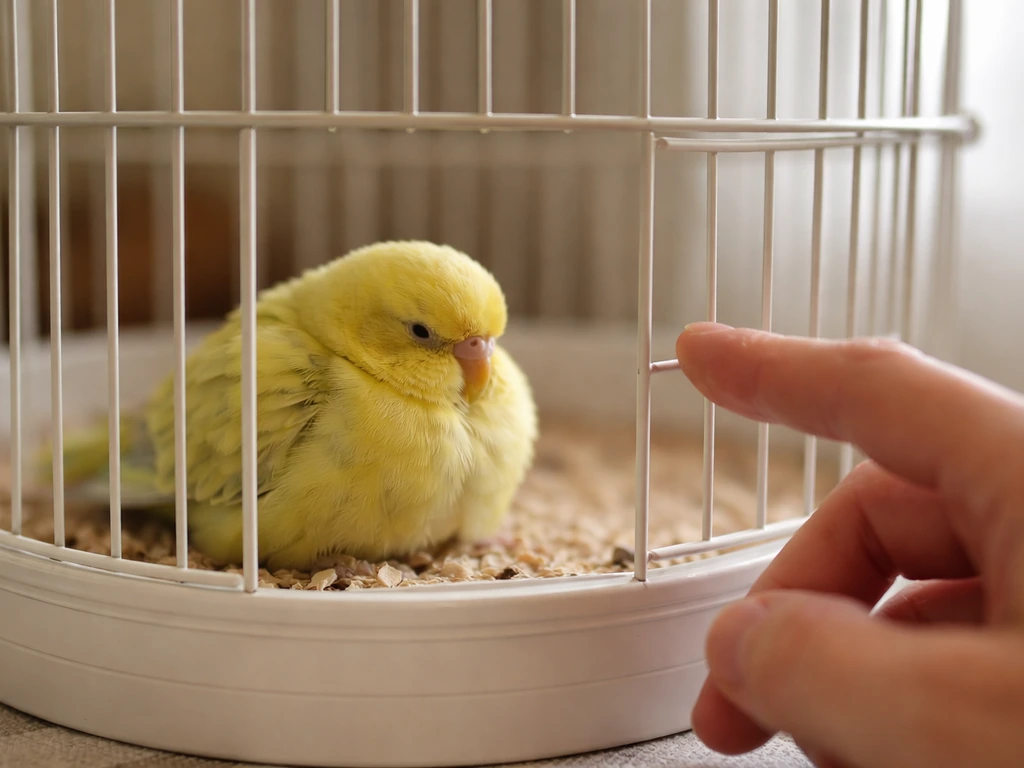
Birds hide illness until they can't anymore. By the time you notice something is wrong, your bird may have been sick for days. The most important thing you can do is learn the symptom clusters that matter most: respiratory distress (open-mouth breathing, tail bobbing, wheezing), changes in droppings, posture shifts like fluffing or sitting at the cage bottom, and neurological signs like tremors or loss of balance. SpectrumCare (non-affiliate) says to see your vet immediately when birds show open-mouth breathing, tail bobbing, increased breathing noises, weakness, or a fluffed up appearance. Once you spot a pattern, you can decide whether to monitor carefully at home or head to an avian vet today. This guide walks you through exactly that.
Bird Diseases and Symptoms: Identify Illness Signs Fast

Marcus Webb
25 Apr 2026
Symptoms you should not ignore: a quick checklist
Some signs are non-negotiable. If your bird is showing any of the following, do not wait and see. These are either immediately life-threatening or indicate serious disease that moves fast in birds.
- Open-mouth breathing at rest (not just after exertion)
- Tail bobbing with every breath, or rhythmic pumping of the tail
- Audible wheezing, clicking, or gurgling sounds
- Collapse or inability to stand or grip the perch
- Seizures, tremors, or sudden loss of coordination
- Uncontrolled bleeding from a feather, nail, or beak
- Pale or bluish tissues around the beak, feet, or face
- Bright yellow or lime-green urates in droppings (possible liver disease)
- Blood in the droppings
- Sudden and significant weight loss (especially if you can feel the breastbone sharply)
- No food or water intake for more than 24 hours
- Sitting at the bottom of the cage, eyes closed, completely fluffed
These signs all warrant same-day or emergency veterinary contact. The rest of this guide helps you interpret the less dramatic but still important warning signs, and tells you what to do while you're figuring things out.
Symptom clusters by body system
Thinking in systems helps you communicate clearly with a vet and narrow down what's going on. Here's what to look for in each.
Respiratory system
Respiratory disease is one of the most common and serious avian health problems. Signs range from subtle (slightly increased breathing rate, ruffled feathers, sitting quietly with eyes half closed) to obvious (open-mouth breathing, pronounced tail pumping, wheezing). Upper respiratory disease often shows up as discharge from the nostrils or eyes, periocular swelling, or changes in voice. Lower airway disease tends to cause more dramatic distress. Any respiratory sign is worth taking seriously because birds compensate hard and can deteriorate quickly.
Digestive system
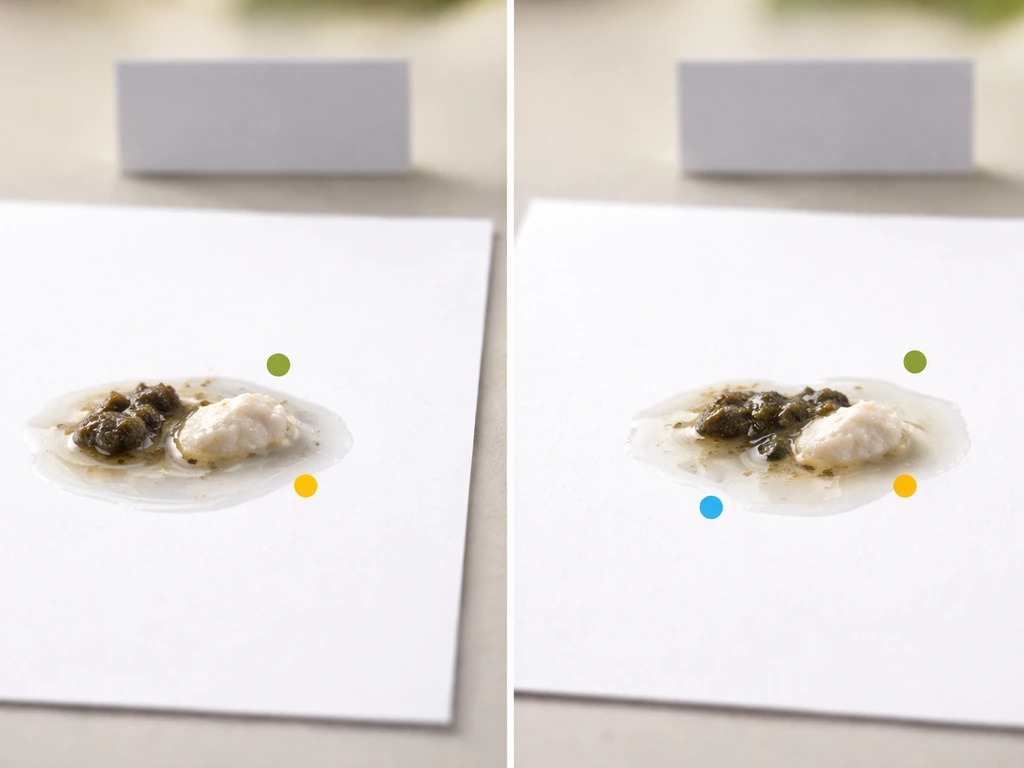
Watch the droppings closely. Normal droppings have three parts: the solid fecal portion (usually green or brown), the white or cream-colored urates, and a small amount of clear liquid urine. Diarrhea, extremely watery droppings, changes in urate color, blood, or undigested food in the droppings all signal a digestive or systemic problem. Infectious causes like Giardia can cause loose, malabsorption-type stools. Oral lesions, regurgitation, and loss of interest in food round out the digestive warning signs.
Skin and feathers
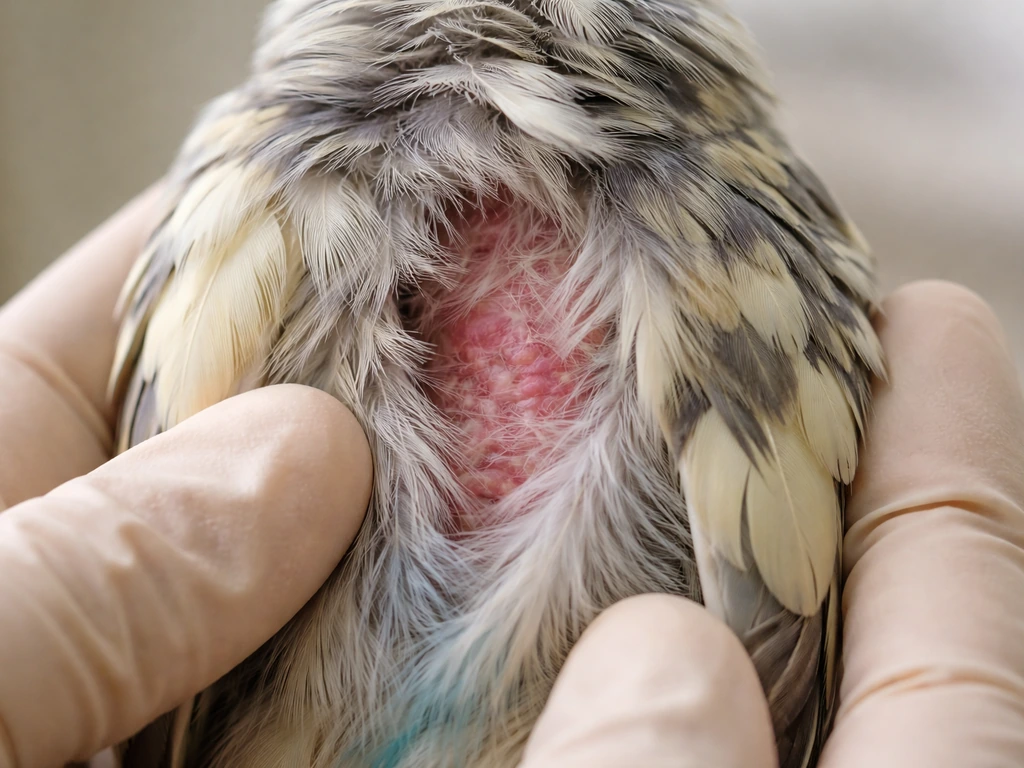
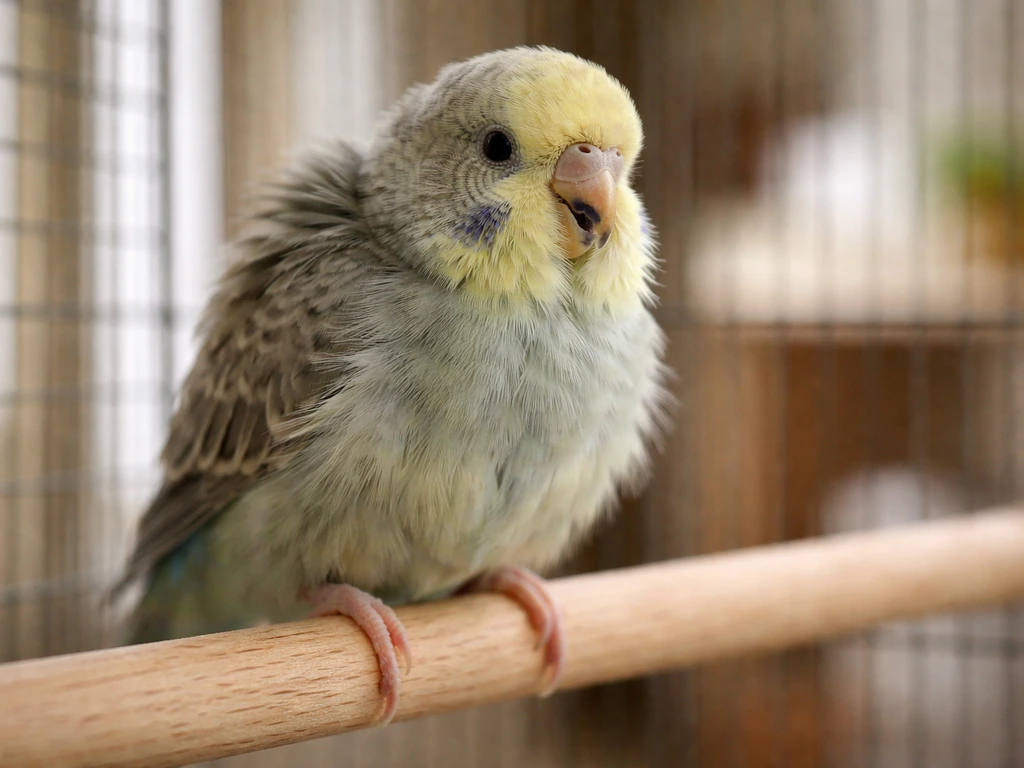
Feather quality and skin condition tell you a lot. Chronically fluffed feathers suggest the bird is trying to conserve heat, which points to fever, systemic illness, or chills. Look for feathers that are broken, abnormally shaped, discolored, or slow to regrow. Bald patches, excessive preening, and visible skin irritation can indicate parasites, fungal infection, or a nutritional problem. Any visible lumps, swellings, or wounds on the skin deserve attention.
Neurological system
Neurological signs in birds can be alarming because they often escalate. Watch for tremors (especially of the head or wings), loss of balance or ataxia (stumbling, falling off the perch), opisthotonus (neck arching backward), seizures, or progressive weakness that leads to inability to stand. Some CNS infections like avian encephalomyelitis cause a pattern that starts with tremors and moves toward paralysis. These signs can also occur alongside respiratory distress or diarrhea, which complicates the picture. Neurological symptoms are always a reason to contact an avian vet the same day.
How to read droppings, appetite, and posture
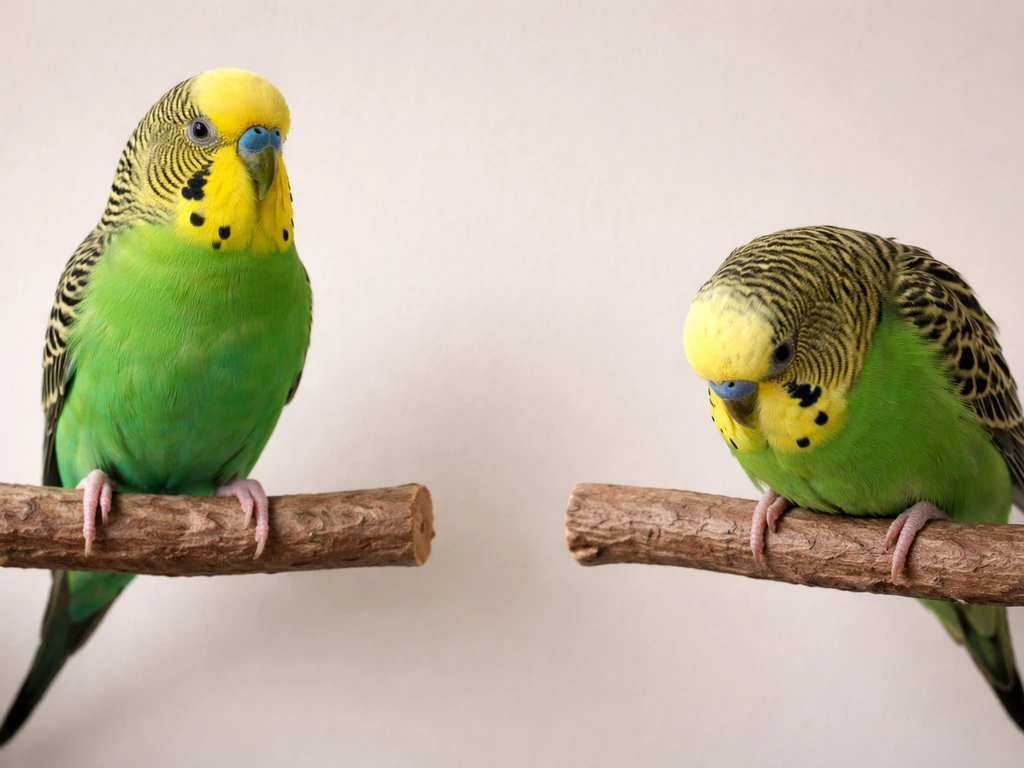
These three things together give you a fast picture of how sick a bird actually is. A single change in one area might mean little. Two or three changes together usually means something real is happening.
Droppings
The most common mistake bird owners make is calling any wet dropping "diarrhea." Most of the time, watery droppings are actually polyuria, meaning there's more liquid urine than usual, not true fecal diarrhea. This matters because the causes are different. True fecal diarrhea means the solid part looks loose, mushy, or unformed. Polyuria means the solid part looks normal but sits in a puddle of clear liquid. Both need investigation if they persist, but polyuria combined with yellow or lime-green urates is a stronger signal for liver or kidney disease and warrants faster action. Blood in any component of the dropping is always urgent.
Appetite
A bird that stops eating is a bird in trouble. Birds have a very high metabolic rate and can't go long without fuel. Reduced appetite combined with weight loss (you can feel the keel bone as a sharp edge rather than something padded by muscle) is a sign that disease has already progressed significantly. Some birds will sit near the food dish but not eat, or pick food up and drop it. These partial-eating behaviors still count as a concern, especially if they continue for more than a day.
Posture
A healthy bird holds itself upright, grips the perch firmly, and stays alert. A sick bird tends to fluff its feathers (to conserve heat), hunch over, sit low on the perch, or move to the bottom of the cage entirely. Eyes that stay closed or half-closed during the day, even without respiratory sounds, can indicate mild respiratory disease or significant systemic illness. The inability to perch or maintain grip is a serious finding. Think of posture as the bird's overall energy status made visible.
Respiratory signs in birds: what you're seeing and why it matters
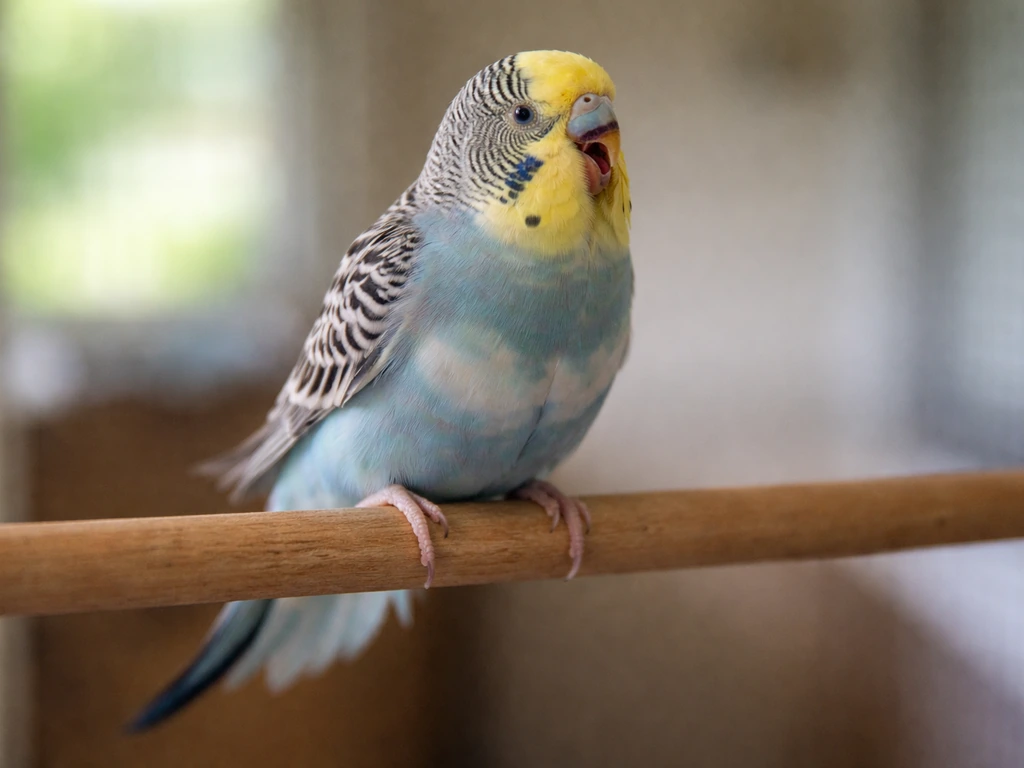
Respiratory disease is the area where acting fast matters most, so it gets its own section.
Open-mouth breathing
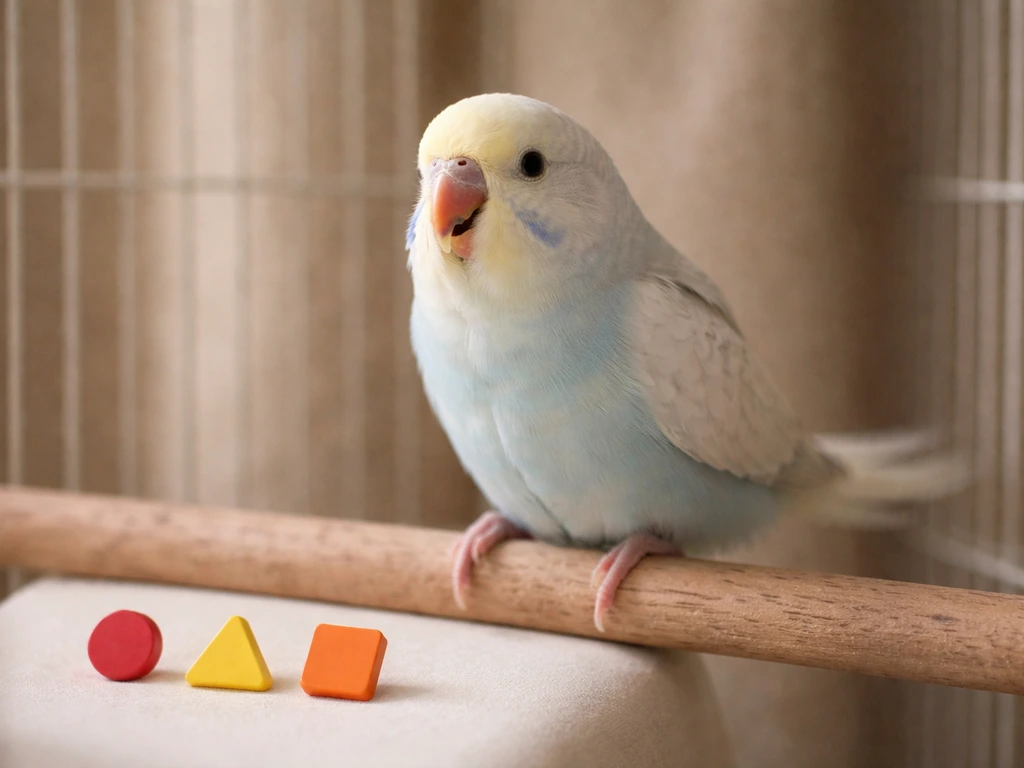
If your bird is breathing with its beak open at rest, that's a medical emergency. Bird choking symptoms are especially urgent because they can quickly become an airway emergency. It means the bird can't get enough oxygen through its normal breathing route. This can be caused by a respiratory infection, inhaled toxins (overheated non-stick cookware fumes are a known killer), fungal disease like aspergillosis, organ enlargement pushing on the air sacs, trauma, or obstruction of the trachea from mucus or foreign material. You can't tell which one it is at home, and you shouldn't try. Get to an avian vet.
Tail bobbing
Tail bobbing means the bird is using accessory muscles to breathe, which is a sign its normal respiratory muscles aren't keeping up. Watch the tail: in a distressed bird, it pumps visibly up and down with each breath. This is different from a single tail flick, which is normal behavior. Rhythmic, constant tail movement at rest is a respiratory distress sign. It often appears alongside open-mouth breathing or increased sternal motion (the chest moving more than usual).
Nasal discharge and eye swelling
Discharge from the nostrils (often caking the feathers around the nares), watery or crusty eyes, and swelling around the eyes or face are signs of upper respiratory tract disease. These tend to be less immediately dangerous than lower airway distress, but they're still infections that need diagnosis and often treatment. Oculonasal discharge combined with a change in voice or breathing sounds points clearly toward respiratory disease.
Wheezing and other breathing sounds
Healthy birds breathe quietly. Wheezing, clicking, rattling, or gurgling all indicate partial obstruction or fluid somewhere in the respiratory tract. These sounds can come from the upper airway (nasal passages, trachea) or lower airway (lungs, air sacs). Even a bird that seems calm but has abnormal breathing sounds needs to be evaluated.
Less-common but serious signs: weight loss, bleeding, weakness, and sudden death risk
These signs either indicate disease that's already quite advanced or create a direct risk of death without fast intervention.
Significant weight loss
Because birds have feathers, you can't see weight loss by looking. Get in the habit of gently feeling the keel bone (breastbone) regularly. In a healthy bird, there's a small amount of muscle on either side. When you can feel the keel as a sharp, prominent ridge, the bird has lost significant muscle mass. This can happen with chronic infections, malnutrition, internal parasites, organ disease, and cancer. By the time you feel it, the bird needs a vet, not just more food.
Bleeding
Bleeding that won't stop is an emergency. Blood feathers (new, actively growing feathers that have a blood supply) can bleed significantly if broken. A broken blood feather on the wing or tail may need to be removed by a vet to stop bleeding. Beak or nail injuries that bleed can often be addressed with styptic powder or cornstarch, but if bleeding doesn't stop within a few minutes, get help. Internal bleeding or blood in the droppings requires immediate veterinary evaluation.
Weakness and collapse
A bird that collapses, can't rise, or is completely unresponsive to normal stimuli is in crisis. Even if the bird rallies briefly, collapse is a sign of severe systemic disease. Don't wait to see if it happens again.
Sudden death risk
Birds can die very quickly once they decompensate. This is partly because they mask illness so well until they can't anymore. If another bird in the same household or aviary has died suddenly or unexpectedly, treat every remaining bird as potentially exposed and contact a vet about testing, even if others look healthy. The same applies to wild birds: if you find multiple dead birds in a small area, that's a public health and wildlife concern worth reporting.
What to do at home right now
Home care is about stabilization, not treatment. You're trying to keep the bird stable while you get professional help, not cure it yourself. Here's a practical framework.
Warmth and quiet first
A sick bird loses heat fast. Move it to a warm, quiet space away from drafts, other pets, and household activity. A temperature around 85 to 90 degrees Fahrenheit (29 to 32 degrees Celsius) is appropriate for a clearly ill bird. You can achieve this with a heating pad set on low under one half of the cage (so the bird can move away if too warm), or a heat lamp positioned at a safe distance. Keep the environment dim, not pitch black. Darkness reduces stress without causing the bird to panic.
Monitoring: what to track
- Breathing rate and pattern: is it labored, noisy, or open-mouthed?
- Posture: is the bird perching normally, sitting low, or on the cage floor?
- Droppings: note the color, consistency, and amount of each component
- Food and water intake: is the bird eating or drinking at all?
- Activity level: is it responding to you, moving around, or sitting completely still?
- Weight: if you have a gram scale, weigh the bird daily and note changes
Things not to do at home
- Do not force-feed or force-medicate unless specifically instructed by an avian vet
- Do not give human medications, over-the-counter bird tonics, or antibiotics without veterinary guidance
- Do not handle a respiratory-distressed bird more than absolutely necessary: handling increases stress and oxygen demand
- Do not place the bird in a completely sealed container without ventilation
- Do not assume improvement after a few hours means the bird is fine: birds rally temporarily even when seriously ill
Cleaning the environment
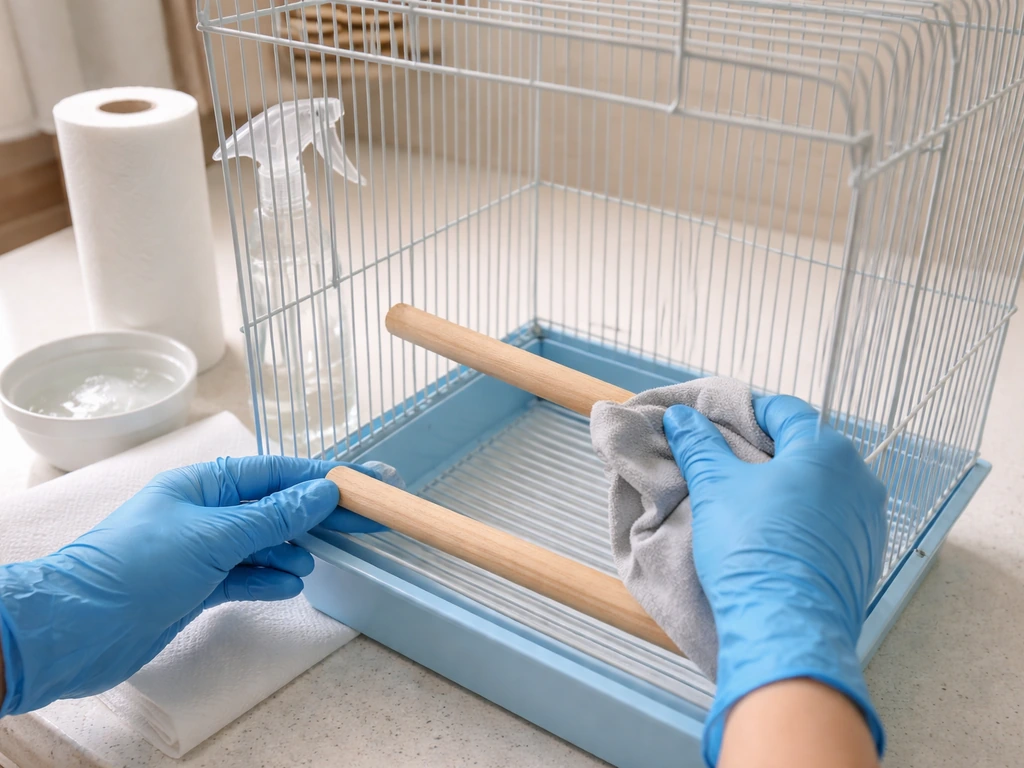
If you suspect an infectious disease, clean the cage thoroughly before disinfecting. Organic material like feces, food, and bedding will neutralize most disinfectants, so the physical cleaning step matters. A diluted household bleach solution (roughly half a cup of bleach per gallon of water, or about 1:32) is effective for hard surfaces. Rinse thoroughly and allow to dry completely before returning the bird to the environment.
When to call an avian vet urgently and how to prepare
The short version: if your bird is showing any of the symptoms from the checklist at the top of this article, call an avian vet today. Don't wait overnight. Birds mask disease so effectively that by the time they look obviously sick, things are often more advanced than they appear.
Go immediately for these signs
- Open-mouth breathing or pronounced tail bobbing at rest
- Wheezing, clicking, or gurgling sounds
- Seizures, tremors, collapse, or inability to stand
- Pale or blue-tinged tissues
- Uncontrolled bleeding
- Exposure to known toxins (non-stick cookware fumes, smoke, cleaning products)
- Sudden onset of complete lethargy with no response to stimulation
- Yellow or lime-green urates, or blood in droppings with lethargy
Schedule promptly (within 24 hours) for these signs
- Watery droppings lasting more than 12 to 24 hours
- Reduced appetite for more than one day
- Nasal discharge or eye discharge that is new or worsening
- Persistent fluffed posture or sitting at the cage bottom
- Noticeable weight loss or sharp keel bone
- Any behavioral change that is clearly out of character and lasting
How to prepare for the visit
Before you leave, take photos or video of any abnormal symptoms, especially breathing patterns and posture. If you can, also note any bird symptoms you observe beyond breathing, such as droppings and posture changes breathing patterns and posture. Bring a fresh dropping sample if possible (collected within the last few hours on a clean surface). Note when symptoms started, what the bird has eaten recently, any recent changes in environment, and whether the bird has had any contact with new birds or the outdoors. If you have a gram scale, note the bird's current weight. Having this information ready saves time at the visit and helps the vet prioritize testing.
If you're taking a respiratory-distressed bird to the vet, keep the travel container warm and dark, minimize handling during transport, and call ahead so the clinic knows you're coming with a bird in distress. Avian vets may prioritize stabilization in a quiet, oxygen-supplemented environment before doing a full physical exam, and that's the right approach for a severely compromised bird.
Recognizing symptoms early is the single most useful thing you can do for a sick bird. The sooner you catch a change in droppings, posture, or breathing, the more treatment options exist. Topics like bird dehydration symptoms and changes in bird sick symptoms often overlap with what's covered here, so if your bird's presentation doesn't fit neatly into one category, look at the full picture rather than one sign in isolation.
Bird diabetes symptoms may also overlap with these warning signs, so tell your vet about any increased thirst or unusual weight change bird sick symptoms. Bird depression symptoms can also show up as unusual hiding, low energy, and changes in appetite, so consider both physical signs and behavior together bird sick symptoms. When in doubt, call an avian vet and describe what you're seeing. That conversation costs nothing and can make a real difference.
FAQ
How quickly can bird diseases and symptoms worsen, and when should I stop waiting and call a vet immediately?
Birds often deteriorate within hours once breathing or neurologic function declines. Any open-mouth breathing at rest, rhythmic tail bobbing, tremors, loss of balance, collapse, or blood that will not stop should be treated as same-day or emergency. If symptoms are progressing over a few hours, do not “recheck later,” call an avian vet right away.
Is it ever okay to monitor at home if my bird seems “a little off”?
You can monitor short-term only when the bird is stable, breathing is quiet, droppings are within the expected pattern, and posture and appetite are not worsening. If any sign is new and worsening, or if you see two or more symptom clusters together (for example droppings changes plus posture changes), switch from monitoring to contacting an avian vet.
What’s the difference between polyuria (watery output) and true diarrhea, and why does it change what the vet will suspect?
Polyuria typically leaves the solid fecal portion looking normal, with clear liquid urine pooling around it. True fecal diarrhea shows loose or unformed solid feces. Polyuria plus yellow or lime-green urates raises concern for kidney or liver involvement, so it generally warrants faster evaluation than watery droppings alone.
My bird has watery or crusty eyes but no obvious breathing trouble. Should I still worry?
Yes. Oculonasal discharge, periocular swelling, and crusting around the eyes or nares point to upper respiratory tract disease even if the chest looks okay. Because birds can hide severity, any eye discharge with changes in voice, breathing sounds, or appetite should be evaluated promptly by an avian vet.
Can feather fluffed-up behavior happen from cold or stress, or does it always mean systemic illness?
Fluffing can be caused by temperature changes or stress, but it becomes more concerning when it is persistent during the day, paired with droppings or appetite changes, or combined with eyes staying closed. If the bird still fluffs after you correct the environment to a warm, draft-free setting, contact an avian vet.
What should I do if my bird won’t eat but seems alert otherwise?
Partial eating, sitting by the food dish without eating, or picking up food and dropping it still counts as a red flag. Check for normal water intake, observe droppings frequency and urate color, and contact a vet if reduced appetite continues beyond 24 hours, or sooner if you notice weight loss, lethargy, or any breathing or neurologic signs.
How do I check keel bone condition safely and what does it mean if it feels sharp?
Gently handle the bird with calm support, using your fingers to feel the breastbone ridge. A slightly prominent keel with some muscle is typical, but if the keel feels sharply prominent with little padding on either side, that suggests significant muscle loss. That generally means the bird needs veterinary evaluation promptly, not just diet changes.
What if my bird makes clicking or gurgling sounds only occasionally? Does that still count as abnormal breathing?
Occasional sounds can still indicate partial obstruction or fluid in the respiratory tract, especially if they are new for your bird. If you hear any wheezing, clicking, rattling, or gurgling, treat it as abnormal, monitor the breathing rate and posture closely, and plan an avian vet assessment.
What should I tell the vet when I call, and what info is most helpful?
Describe the exact behaviors you see, including whether breathing is open-mouth at rest, whether tail bobbing is rhythmic, what the droppings look like (solid, urates color, watery vs unformed), and when symptoms started. Mention recent diet, recent environmental changes, and any new bird or outdoor exposure. Photos or short videos of breathing and posture are extremely helpful.
I found dead birds in the same household or area. What does that mean for the other birds I still have?
Sudden deaths can indicate infectious disease or environmental exposure. Treat remaining birds as potentially exposed even if they look okay, and contact an avian vet about testing or guidance. For clusters of dead wild birds in one area, consider reporting as a public health and wildlife concern.
What home care steps are safest while I’m arranging transport, especially for respiratory distress?
Focus on stabilization: keep the bird warm in a draft-free, quiet space (about 85 to 90 F, with an option for the bird to move away), reduce stress with dim lighting, and limit handling. Prepare the carrier in advance so transport is quick. Call ahead, because the clinic may prioritize stabilization before a full exam.
Can I use household disinfectants immediately, and what’s the safest way to clean after possible infection?
Clean first, then disinfect. Remove organic material like droppings and bedding because it can reduce disinfectant effectiveness. After cleaning, use an appropriate diluted bleach solution for hard surfaces, rinse thoroughly, and allow everything to dry completely before reintroducing the bird or items.
If a blood feather bleeds, should I stop it at home every time?
You can manage minor, externally visible bleeding from beaks or nails with styptic powder or cornstarch and seek help if bleeding does not stop within a few minutes. For broken blood feathers, bleeding can be harder to control, and a vet may need to remove the feather to stop ongoing hemorrhage. Blood in droppings or internal bleeding signs require immediate veterinary care.
Are neurological signs always the result of infection, or could they be something else?
Neurologic signs can arise from infections, toxin exposure, trauma, metabolic or organ problems, and vitamin deficiencies, and home observation cannot reliably separate these causes. Because neurologic symptoms can escalate quickly, same-day avian vet contact is the safest next step even if there is no obvious respiratory or digestive issue.
Next Article
Bird Sick Symptoms: Signs, Clusters, and What to Do Now
Identify bird sick symptoms by category, spot red flags, and take safe next steps for pet or wild birds.