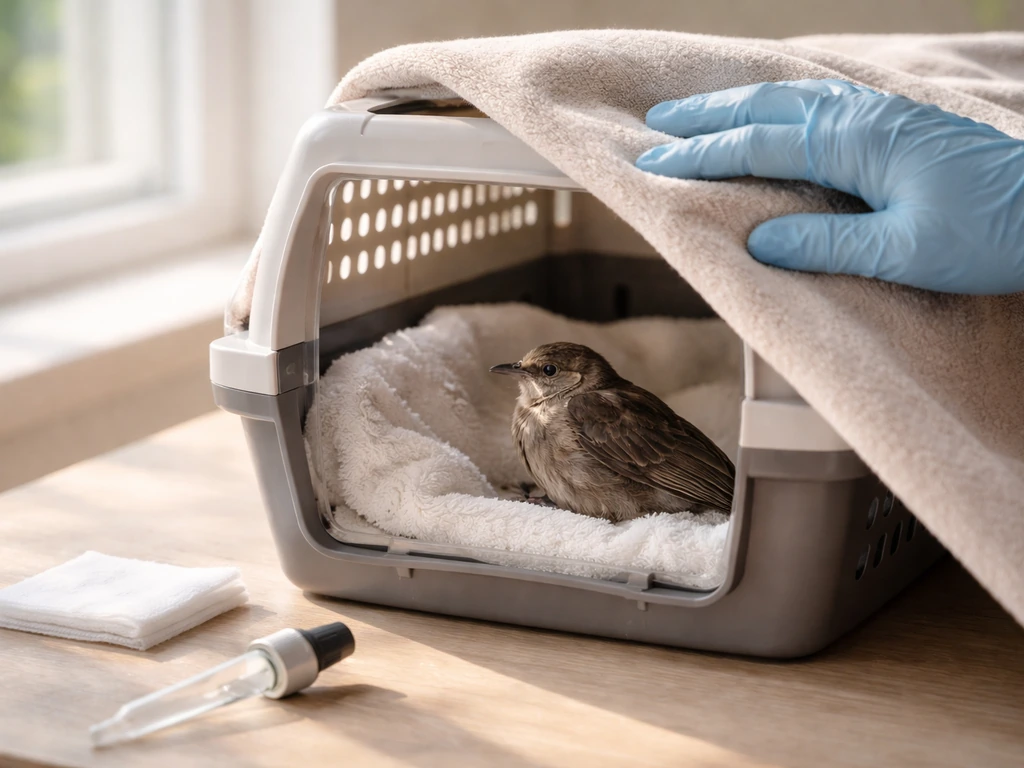
If your bird looks off and you're trying to figure out whether it's actually sick, trust that instinct. Birds are prey animals, which means they hide illness until they can't anymore. By the time you notice something wrong, it often matters. This guide walks you through the most common sick bird symptoms, how to read them together, what's a true emergency, and what to do right now.
Bird Sick Symptoms: Signs, Clusters, and What to Do Now

Marcus Webb
19 Apr 2026
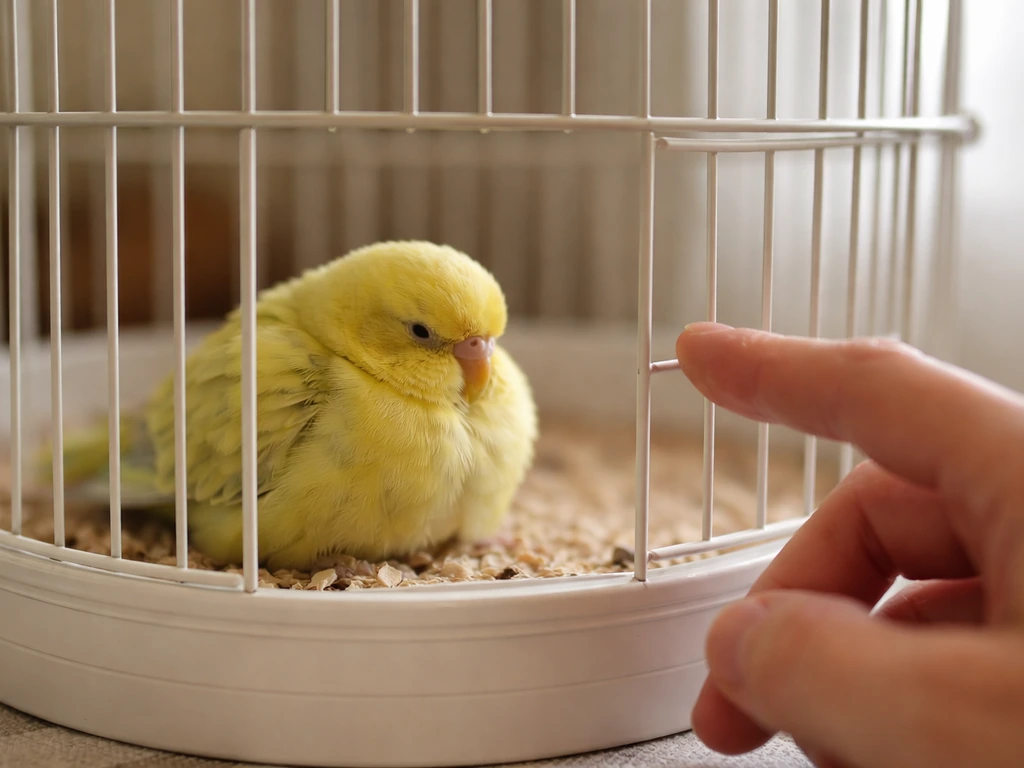
Quick checklist: Is your bird sick right now?
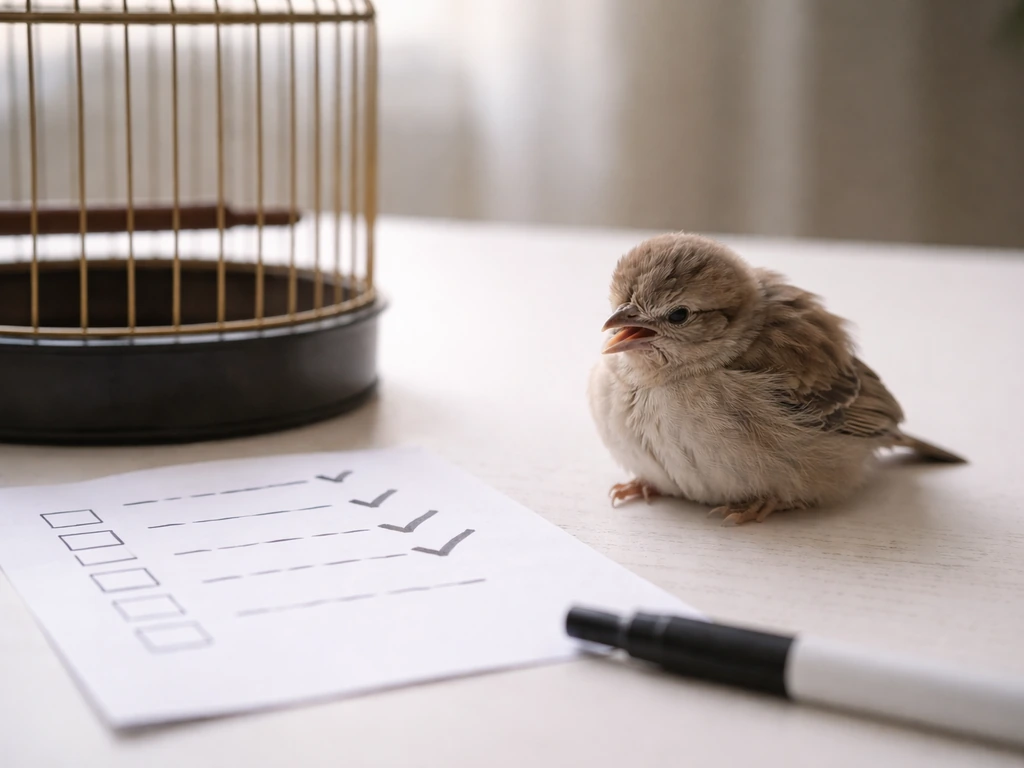
Run through this list and check off anything you're seeing. The more boxes you tick, the more urgently you should act.
- Sitting fluffed up or huddled, especially at the bottom of the cage
- Open-mouth breathing or labored breathing at rest
- Tail bobbing noticeably with each breath
- Clicking, wheezing, or rasping sounds while breathing
- Nasal discharge, crusting around the nostrils, or watery eyes
- Discharge or crusting around the mouth
- Droppings that are watery, discolored, bloody, or absent
- Fewer droppings than usual (healthy birds produce roughly one every 20 to 30 minutes)
- Reduced appetite or inability to pick up and manipulate food
- Lethargy, not moving, or not reacting to you normally
- Tremors, head tilting, loss of balance, or seizure-like movement
- Feathers in poor condition, excessive feather picking, or bald patches
- Scaly or crusty lesions on the face, beak, or legs
- Straining without producing droppings or urates
Even one or two of these signs, especially breathing changes or neurological signs, can warrant same-day veterinary attention. Multiple signs together almost always do.
Symptom categories to know
Sick bird symptoms tend to cluster into a few main categories. Understanding which category you're dealing with helps you communicate clearly with a vet and make sense of what you're seeing.
Respiratory symptoms
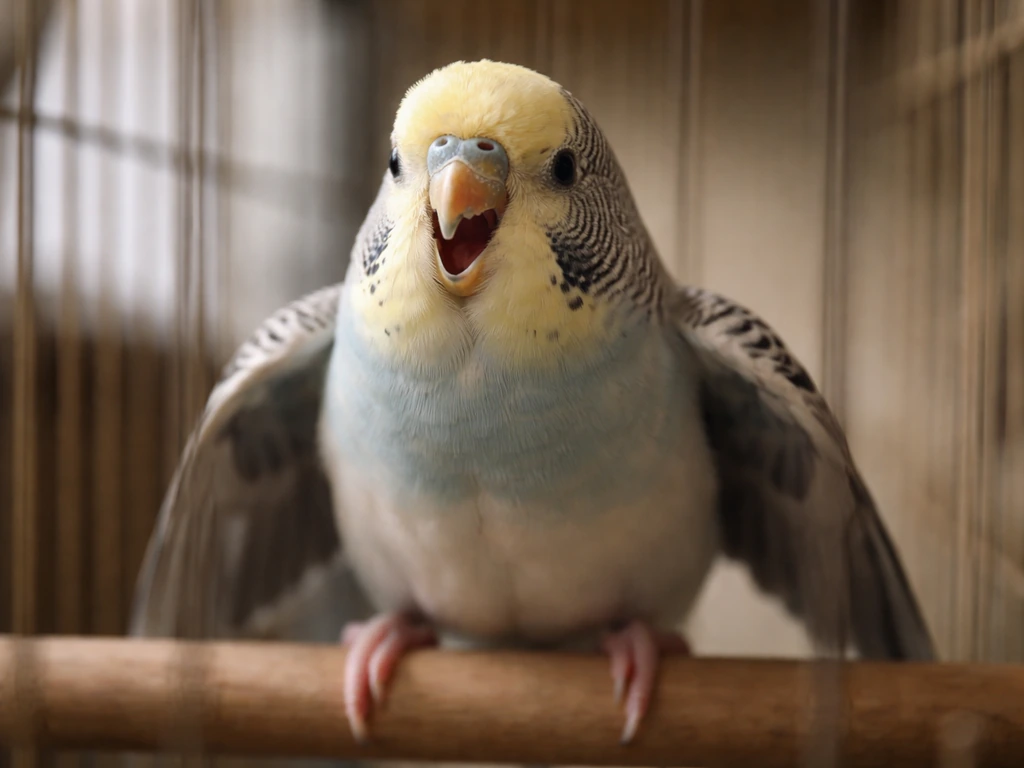
Respiratory signs are some of the most urgent things to catch in birds. Open-mouth breathing at rest is always serious. A bird breathing with its mouth open when it's not overheated or just flown is struggling to get air, and that needs attention fast. If you notice bird choking symptoms like open-mouth breathing or stridor, treat it as urgent and contact an avian vet right away. Other respiratory signs include coughing, sneezing, wheezing, clicking sounds, a runny nose, and tail bobbing with each breath. That tail bob is the bird using extra muscles to breathe, which means it's working harder than it should.
You might also notice wing-flaring during breathing, which is another sign of respiratory effort. Crusting around the nostrils or mucoid discharge in the choanal slit (the notch in the roof of the mouth) can indicate upper respiratory tract disease. Ocular discharge often shows up alongside respiratory signs in infections because the nasal passages and eyes share drainage pathways in birds.
Digestive symptoms
Healthy droppings have three parts: the dark solid feces, the white or cream urates, and the clear liquid urine. Any shift in color, consistency, or volume is worth noting. Because diabetes can happen in pet birds too, familiarizing yourself with bird diabetes symptoms can help you spot the pattern earlier. Loose or watery feces, feces that are green when they shouldn't be, or droppings that are absent entirely can all point to a problem. If droppings have been abnormal for more than 24 hours, that's a vet call. Straining to produce droppings and getting nothing out is an urgent sign, as is a bird that can't pick up or swallow food.
Neurological symptoms
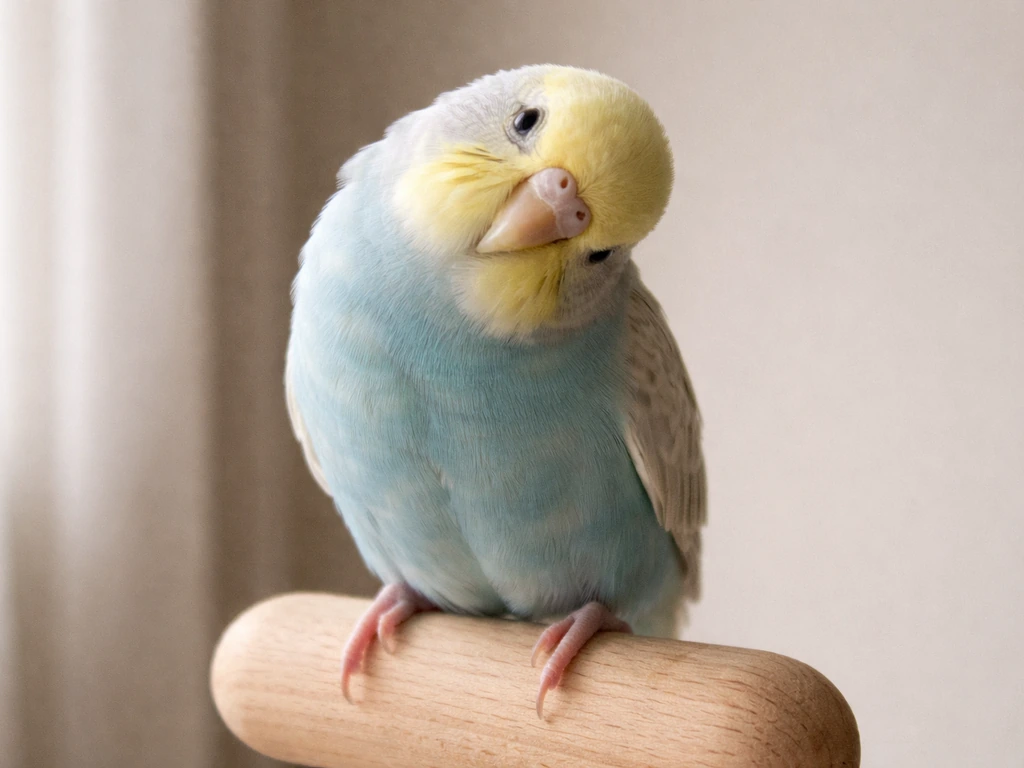
Neurological signs in birds can look alarming, and they often are. Head tilting, falling off the perch, circling, tremors, and seizure-like episodes all fall into this category. Ataxia (wobbling or uncoordinated movement) is another key sign. Some causes are treatable if caught early, such as calcium deficiency, which can trigger tremors and seizures, but these require prompt veterinary evaluation. Any neurological sign combined with lethargy or respiratory changes is an emergency.
Skin and feather symptoms
Feather problems can be slow-developing or sudden. Poor feather condition, excessive preening, feather picking, and patches of missing feathers can all indicate illness. Sometimes it's a nutritional problem, like vitamin A deficiency, which also causes respiratory and mucosal signs. Other times it's a parasite. Knemidocoptiasis, caused by a burrowing mite, produces scaly, cratered encrustations on the face, beak, and legs and can damage eyelids and cause feather loss. Lice and mites are diagnosed via skin scraping or tape samples examined under a microscope. Any visible lesion on the skin warrants a vet's assessment.
General and systemic symptoms
Lethargy is often the first and most obvious sign something is wrong. A bird that's unusually quiet, sitting fluffed up for long periods, not engaging with you or its environment, or sitting at the bottom of the cage instead of on its perch is showing systemic illness signals. These general signs often accompany whatever more specific disease is happening underneath. Don't wait for them to get worse. A bird that's hiding how sick it is and can no longer hide it is often already quite unwell.
How to read symptoms based on your bird's situation
Pet birds
With a pet bird, you have the advantage of knowing what's normal for that individual. Any deviation from the bird's baseline, in energy, voice, droppings, appetite, or appearance, is meaningful. Parrots, cockatiels, and budgies are among the most commonly kept birds, and each has species-specific quirks, but the symptom categories above apply broadly. Older birds or birds on an all-seed diet (which is low in vitamin A) may be more prone to nutritional problems that show up as respiratory or feather signs. A bird that's been exposed to aerosols, nonstick cookware fumes (PTFE toxicity), scented candles, or household chemicals can go from normal to critical in under an hour, so exposure history matters enormously.
Wild birds
If you've found a wild bird that looks sick or injured, the approach is different. Handling wild birds has legal and practical considerations, and the goal is usually to stabilize and transfer, not to treat at home. If a wild bird is sitting on the ground, not flying, and clearly distressed or injured, contact a licensed wildlife rehabilitator. Don't attempt extended home care. For baby birds specifically, check first whether it's a nestling (featherless or sparsely feathered) or a fledgling (mostly feathered, learning to hop and fly). Fledglings often look helpless but are usually being monitored by parents nearby. Unless you see clear injury or illness, leave fledglings alone. A nestling that has fallen from a nest can often be returned to it. When in doubt, call a wildlife rehab line before touching the bird.
Age and species considerations
Young birds of any species are more fragile and can decline faster than adults. An older bird with a chronic condition may show subtle, slow-building symptoms versus an acute illness that hits fast. Larger parrots (like macaws or African greys) sometimes mask illness longer and can appear relatively alert until they crash. Small birds like finches and canaries have very fast metabolisms, meaning they deteriorate quickly once symptoms appear. If you have a small bird showing any combination of the signs above, act within hours, not days.
Red flags that mean you need a vet today
Some symptoms are urgent, and some are emergencies. Here's the distinction.
These are go-right-now emergency signs, meaning call an avian vet or emergency animal hospital immediately:
- Open-mouth breathing or labored breathing at rest
- Tail bobbing with every breath (sign of respiratory distress)
- Any breathing abnormality following aerosol exposure or overheated nonstick cookware
- Seizures, uncontrolled tremors, or complete loss of balance
- Uncontrolled or significant bleeding
- Straining continuously but unable to produce any droppings or urates
- Complete collapse or inability to stand
These are urgent signs, meaning call and get an appointment today or within hours:
- Sitting fluffed and huddled, especially at the bottom of the cage
- Droppings absent or severely abnormal for more than 24 hours
- Discharge or crusting around the mouth or nostrils
- Ocular discharge combined with any other symptom
- Not eating or unable to manipulate food
- Significant lethargy or sudden change in behavior
- Sneezing, wheezing, or clicking sounds
- Head tilt, ataxia, or circling without a clear cause
Birds can decompensate fast. A bird showing two or more urgent signs that isn't improving within an hour or two should be treated as an emergency.
How to stabilize your bird and document symptoms before the vet visit
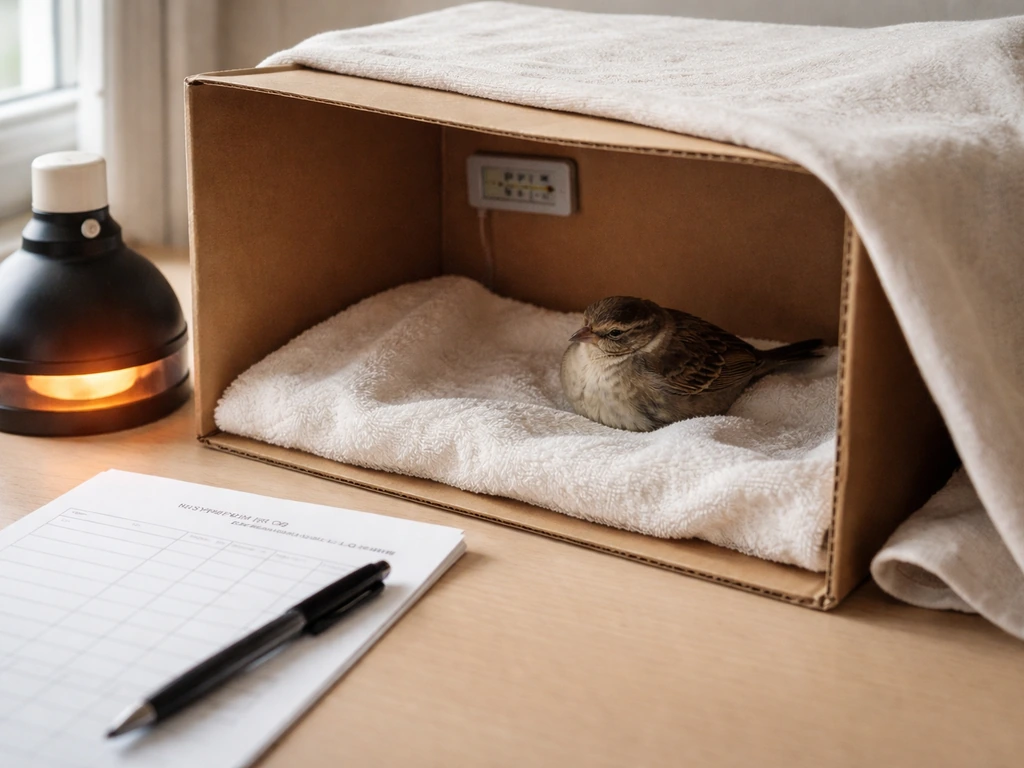
While you're arranging veterinary care, there are a few practical things you can do to keep your bird stable and give the vet the best information possible. The Avian Welfare Coalition’s shelter resources hub also emphasizes using supportive first steps like keeping the bird calm and comfortable, then arranging appropriate care documents for sick or injured birds blank" rel="noopener noreferrer">heat and calm/rest are key first steps while arranging care. For ill or injured non-bleeding birds, the Avian Welfare Coalition’s supportive-care guidance recommends immediate supportive care and using a heated enclosure with a target temperature range of about 85, 90°F (starting around 85°F).
- Keep the bird warm. Sick birds lose body heat quickly. Move it to a quiet, warm area (around 85 to 90 degrees Fahrenheit for a bird in distress) away from drafts, other pets, and noise. A small box lined with a soft towel works if the bird can't perch.
- Don't force food or water. Offering it is fine, but don't try to syringe anything into a bird that's having trouble breathing or swallowing. You risk aspiration.
- Note the time symptoms started. Was it sudden or gradual? Did something happen before it started (a new food, exposure to fumes, a visitor, a change in environment)?
- Observe and write down the droppings. What do they look like? How many has the bird produced in the last hour? Take a photo if you can.
- Watch the breathing pattern. Is the tail bobbing? Is the mouth open? Count breaths per minute if you can do it without stressing the bird further.
- Check for any recent exposures. Cleaning products, air fresheners, scented candles, nonstick pan overheating, new plants, or new foods.
- Document appetite and energy level. When did the bird last eat? Is it alert, responsive, or dull?
- Take a photo or short video. A 30-second video of the bird's breathing or movement is enormously helpful for the vet.
- Collect a fresh dropping sample in a clean container if the vet asks for a fecal sample.
- Do not give any medications unless directed by a vet. Even well-intentioned home treatments can interfere with diagnostics or make things worse.
What the vet will likely look at and what could be causing this
A vet experienced with birds will start with a hands-on physical examination, assessing the bird's weight, muscle condition, breathing, and a look inside the mouth at the choana. From there, diagnostics are staged based on how stable the bird is. Common workups include a Gram stain or culture of the choana or cloaca (to look for bacterial overgrowth or pathogens), blood work (a complete blood count and biochemistry panel), fecal examination (to check for parasites, yeast, or bacteria), and radiographs to look at organ size and structure, including the respiratory system and gastrointestinal tract.
Many bird diseases present with overlapping symptoms, which is why getting a diagnosis matters rather than guessing at home. Because bird diseases can look similar early on, pay close attention to the specific symptoms and how they cluster. Bird symptoms that affect breathing, droppings, or energy can all overlap, so if you are trying to match what you see to bird symptoms, focus on the combined pattern and timing. Because bird diseases and symptoms often overlap, a careful pattern check helps your vet narrow down likely causes faster. Here's a practical overview of what commonly sits behind the symptoms you're seeing:
| Symptom Pattern | Common Causes to Rule Out |
|---|---|
| Respiratory signs (breathing changes, discharge, sneezing) | Bacterial or fungal respiratory infection, vitamin A deficiency, foreign body, lower airway disease |
| Digestive signs (loose droppings, appetite loss, straining) | GI infection (bacterial, viral, or yeast), parasites, poisoning or toxin ingestion, foreign body, systemic illness |
| Neurological signs (tremors, seizures, ataxia, head tilt) | Calcium deficiency (hypocalcemia), heavy metal toxicity (lead, zinc), viral infection, trauma, nutritional deficiency |
| Skin and feather problems (poor condition, lesions, picking) | Mite or lice infestation, vitamin A deficiency, bacterial or fungal dermatitis, behavioral/psychological causes, underlying systemic illness |
| General lethargy and fluffing with any other sign | Systemic infection, metabolic disease, organ disease, toxin exposure, advanced nutritional deficiency, trauma in wild birds |
Vitamin A deficiency, for example, can look like a respiratory infection because it affects the mucous membranes and immune barriers, producing sneezing, nasal discharge, periorbital swelling, poor feather quality, and anorexia all at once. A vet won't assume it's an infection without ruling out nutritional causes, especially in birds fed mainly seed-based diets.
For wild birds, the differential is broader. Trauma from window strikes, cat injuries, or car impacts is common and often produces neurological or musculoskeletal signs without obvious external wounds. Infectious diseases like avian influenza can also cause systemic and neurological signs in wild birds. A wildlife rehabilitator or wildlife clinic is the right contact for any wild bird that appears sick or injured.
Related concerns like dehydration, depression-like behavioral changes, and digestive upset each have their own specific patterns worth understanding in more depth. Dehydration, for instance, often compounds respiratory and digestive illness, making recovery harder. Dehydration can also drive specific bird dehydration symptoms like lethargy and dry, tacky tissues, so it's worth considering early. If your bird's symptoms seem more behavioral or mood-related, that's a separate thread worth exploring too.
The main thing to take away: sick bird symptoms rarely point to just one cause on their own, but the combination of symptoms, how quickly they appeared, and your bird's history will give a vet a lot to work with. The sooner you get that information in front of someone who can act on it, the better the outcome is likely to be.
FAQ
My bird is breathing with its mouth open at rest, does that always mean an emergency?
If you see open-mouth breathing at rest, tail bobbing with each breath, stridor, or wheezing/clicking that is not tied to recent exertion or overheating, treat it as a same-day priority. Birds can worsen quickly because they cannot “rest out” breathing difficulty, and delaying to see if it passes is a common cause of poor outcomes.
How many sneezes are “too many” before I should call a vet?
A single episode of sneezing can be mild, especially right after a dusty environment change, but you should escalate when sneezing clusters with any of these: runny or crusted nostrils, reduced appetite, ocular discharge, tail bobbing, or increased respiratory effort. When signs persist beyond a short window, contact an avian vet even if the bird otherwise seems alert.
My bird is still perching, is it possible it’s still seriously sick?
Yes. Birds may hide illness until they are near decompensation, so “still perching” does not rule out serious disease. Use both behavior and physiology together, for example decreased appetite plus subtle breathing changes, or droppings changes plus quiet fluffed sitting.
What does it mean if my bird stops having droppings, even for a day?
Absence of droppings can reflect anything from dehydration to blockage or inability to pass stool, and it can also overlap with egg-laying issues in some females. Because birds can decline fast when elimination is altered, a vet call is warranted if droppings are absent for more than about a day, or sooner if the bird is straining or lethargic.
My bird isn’t eating and looks weak, what should I do while waiting for the appointment?
Start by checking for breathing effort and coordination, then look at hydration and swallowing. Practical next steps include keeping the bird warm, minimizing handling stress, and offering appropriate food only if swallowing and breathing appear stable. Do not try to force-feed, and do not give medications not prescribed for birds.
Tremors or head tilting can be many things, how urgent is it to see a vet?
Calcium deficiency and other metabolic causes can produce tremors or seizure-like episodes, but so can toxins and infections. Because the right treatment depends on the cause, you should treat any neurological sign as urgent, especially when combined with respiratory changes, lethargy, falling, or repeated episodes.
My bird has scaly face or leg lesions, is it just irritation or could it be mites?
It depends on the pattern. Respiratory and mucosal signs plus feather changes can point to vitamin A deficiency or infectious disease, and parasites can mimic or contribute to poor feather condition. If you see scaly crusting on the face or beak, scabby or cratered lesions on legs, or eyelid involvement, those are strong reasons to get a diagnosis rather than just changing feed.
My bird is quieter than usual, how do I tell stress from sickness?
Some stress reactions and environmental triggers can temporarily change behavior, but illness-related lethargy usually comes with other deviations like appetite drop, altered droppings, abnormal breathing sounds, or fluffed resting for long periods. If lethargy is new and persistent, treat it as a symptom cluster, not just a mood change.
Can feather picking happen from stress alone, or should I still treat it as a medical symptom?
Feather picking and excessive preening can be caused by mites or lice, but they can also be driven by skin irritation from diet, dryness, or contaminants. If picking is sudden, worsening, or paired with missing feathers, skin lesions, respiratory or nasal signs, assume something medical is contributing and schedule an exam to identify parasites or nutritional problems.
My bird hit a window and looks okay for a bit, when should I worry?
Yes. Even without visible outward injury, birds can have internal trauma that shows up as neurological signs, weakness, or abnormal balance after a window strike, fall, or cat encounter. If the bird is uncoordinated, very quiet, or has any respiratory effort, contact an emergency or urgent avian wildlife professional rather than waiting for “normal behavior” to return.
If I find a wild fledgling that looks helpless, when should I intervene or call rehab?
For wild fledglings, it’s often best to watch from a distance because parents commonly feed them nearby. You should contact a wildlife rehabilitator if the bird is unable to stand or hop normally, has obvious injury or bleeding, has open-mouth breathing, is making persistent distress calls with no parental response, or seems hypothermic or weak.
What information should I gather before I call or arrive at an avian clinic?
A practical way to document symptoms is to note the start time, whether breathing is at rest or only after activity, and a quick list of any changes in droppings (color, watery versus paste, reduced volume, absence). Recording short videos of breathing and droppings and writing down recent exposures (new cleaning products, aerosols, scented candles, nonstick cookware use) gives the vet actionable context.
Next Article
Bird Trauma Symptoms: Signs, Triage, and First Aid Steps
Recognize bird trauma symptoms, triage urgency, and give safe first aid for bleeding, fractures, head injuries, and shoc