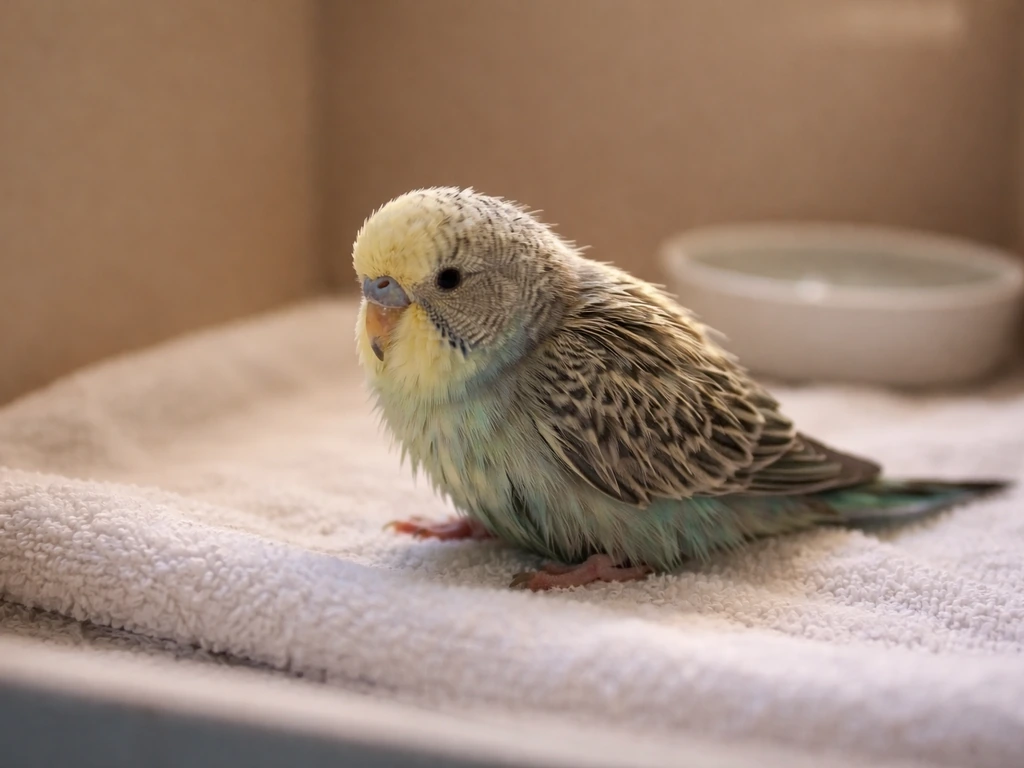
If your bird is sitting puffed up at the bottom of the cage, [breathing with its mouth open](https://www. uaex. uada. edu/publications/pdf/FSA-8002.
Bird Symptoms: How to Spot, Triage, and Act Fast

Marcus Webb
5 May 2026
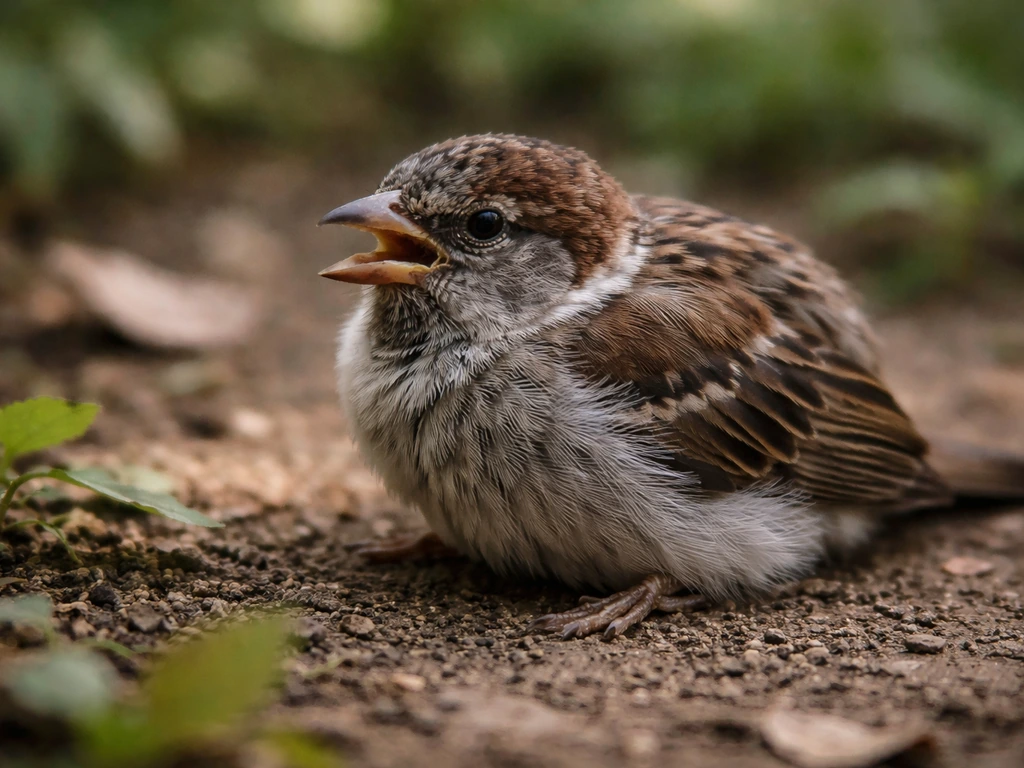
pdf), or hasn't touched food or water today, those are serious warning signs that need attention now. University of Pennsylvania veterinary nursing materials also list tail bobbing and open beak breathing as signs suggestive of avian respiratory distress during triage [tail bobbing and open beak breathing as signs of avian respiratory distress during triage](https://www. vet. upenn.
edu/docs/default-source/penn-annual-conference/pac-2019-proceedings/companion-animal-track-2019/nursing-track-tue-2020/liz-vetrano---the-avian-triage. pdf? sfvrsn=9af6f2ba_2). Most birds hide illness until they can't anymore, so by the time you notice something is off, it's usually been going on for a while.
This guide walks you through exactly what to look for, what symptom patterns likely mean, and how to decide whether you can monitor at home or need to call an avian vet today.
How to spot bird symptoms quickly
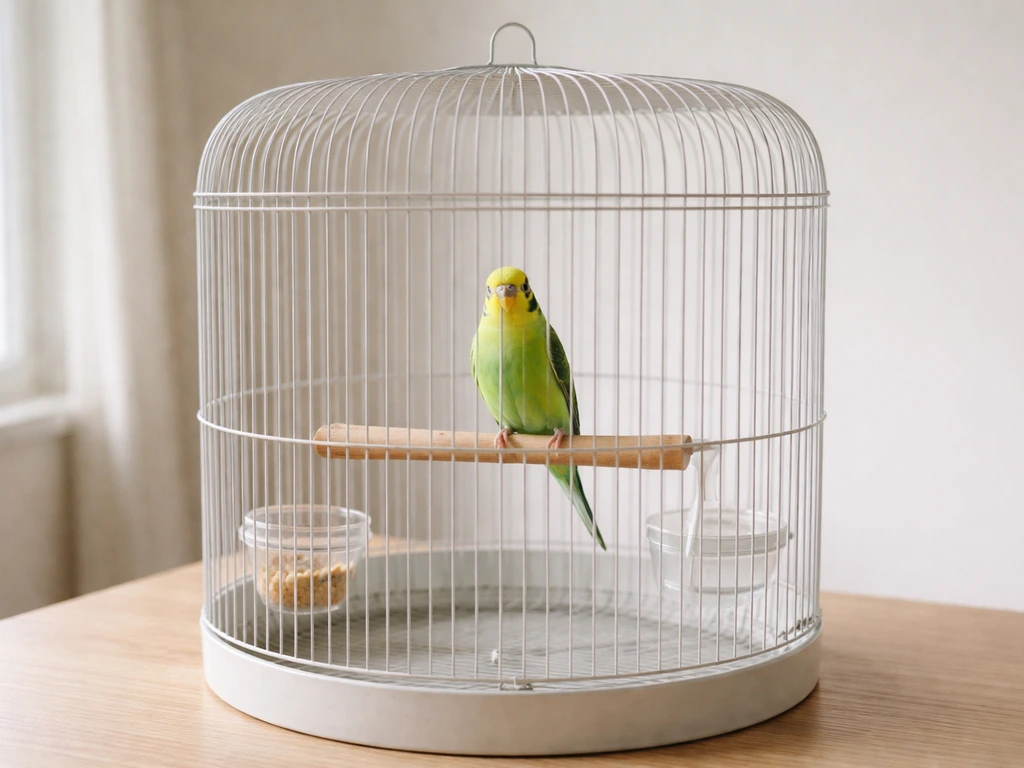
The fastest way to assess a bird is to observe it from a distance first, before you approach the cage. Birds will often try to look normal when they sense a human nearby, so your best window is those unguarded moments. Stand back and run through these checks in order:
- Posture: Is the bird perching normally and upright, or is it hunched, leaning, or sitting on the cage floor?
- Feathers: Are they smooth and held close to the body, or puffed out continuously even in a warm room?
- Eyes: Both eyes should be open, bright, and symmetrical. Closed or half-closed eyes at an unusual time are a red flag.
- Breathing: Watch the chest and tail. At rest, breathing should be quiet and barely visible. Count breaths for 15 seconds and multiply by 4.
- Activity: Is the bird moving around, vocalizing, and reacting to its environment, or is it quiet and disengaged?
- Droppings: Check the cage floor. Normal droppings have three distinct parts: green or brown solid feces, white or cream urates, and clear liquid urine.
- Food and water: Note whether the food levels have dropped since the last check and whether the bird is actually eating or just sitting near the bowl.
Normal resting respiration rates vary by species. Cockatiels breathe at roughly 40 to 50 breaths per minute at rest. Budgerigars (parakeets) breathe faster, around 60 to 75 breaths per minute. Anything noticeably faster than these baselines, especially if paired with visible effort or tail movement, is worth taking seriously. If you don't know your bird's normal baseline, now is a good time to count and record it while the bird appears healthy, so you have something to compare against later.
Respiratory and breathing warning signs
Respiratory problems are among the most urgent bird emergencies you'll encounter. Common bird diseases can show up as respiratory symptoms, and the fastest clues often come from changes in breathing rate and posture bird diseases and symptoms. Birds have a very different respiratory system from mammals, with air sacs extending throughout the body, which means infections spread fast and breathing can deteriorate quickly. The warning signs to know are:
- Open-mouth breathing at rest: This is always serious. A bird should only breathe through its mouth briefly after intense physical exertion. If it's doing this while just sitting on a perch, treat it as an emergency.
- Tail bobbing: A rhythmic pumping or bobbing of the tail with each breath at rest indicates the bird is working hard to breathe and is using extra muscles to do it.
- Wheezing, clicking, or wet sounds: Any audible noise during normal breathing is abnormal. Healthy birds breathe silently.
- Nasal discharge: Crusty, wet, or discolored material around the nostrils, or a nostril that looks plugged or asymmetrical.
- Voice changes: A hoarse, raspy, or absent vocalization in a bird that normally chatters can point to a respiratory or syringeal problem.
- Head shaking or sneezing repeatedly: Occasional sneezing is normal, but frequent sneezing with discharge or head shaking is not.
- Labored or visibly heaving breathing: Any time the whole body appears to be involved in breathing.
Common causes of respiratory symptoms in birds include bacterial infections (such as Chlamydiosis, which is also known as psittacosis and can affect humans), Aspergillus fungal infection, Mycoplasma, and viral illnesses. Poor air quality in the home is also a major factor: nonstick cookware fumes, scented candles, aerosols, and cigarette smoke can cause sudden acute respiratory distress. If the breathing problem came on suddenly while cooking or spraying something nearby, remove the bird to fresh air immediately and call a vet.
Digestive, droppings, and appetite changes
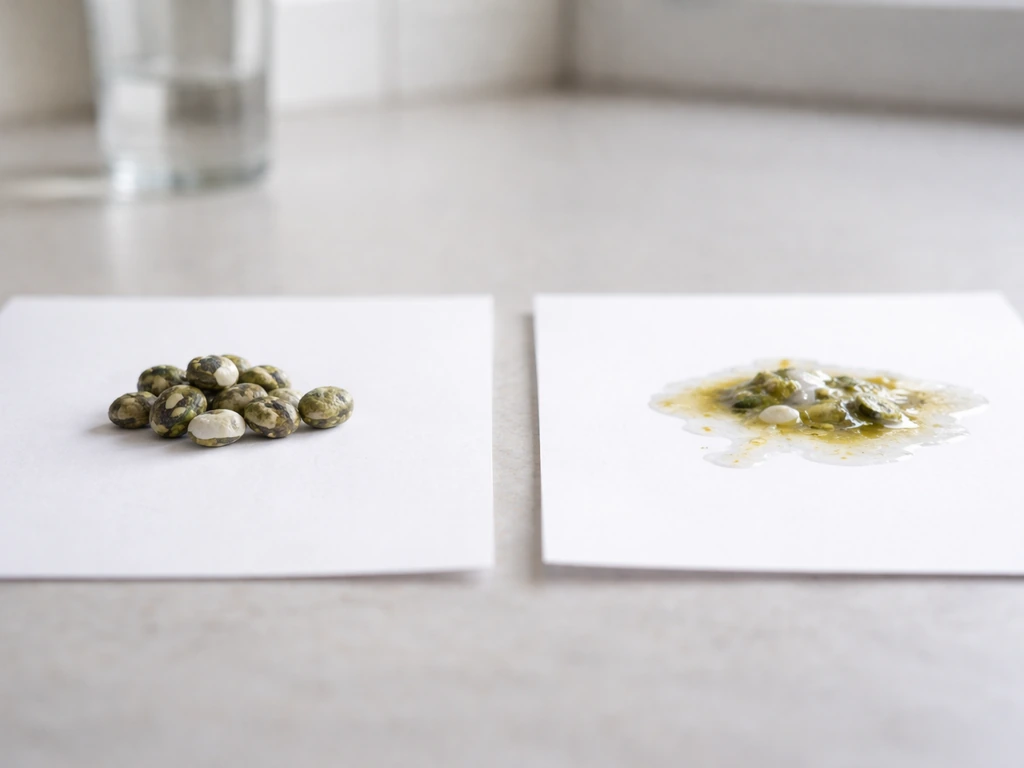
Droppings are one of the most reliable health indicators available to you, because they change visibly when something is wrong internally. Get familiar with what your bird's normal droppings look like so changes stand out. Here's what different abnormalities can point toward:
| Dropping change | What it may indicate |
|---|---|
| Watery or very loose droppings (diarrhea) | Infection, dietary change, stress, parasites, or systemic illness |
| All-green or lime-green droppings with little solid | Not eating (anorexia), liver disease, or heavy metal toxicity |
| Black or tarry droppings | Bleeding in the upper digestive tract, serious concern |
| Red or blood-tinged droppings | Bleeding in the lower digestive tract or cloaca, urgent |
| Yellow or mustard-colored urates | Liver disease, bacterial infection, or chlamydiosis |
| Increased urine (very wet droppings) | Kidney disease, diabetes, or dietary excess of fruit/vegetables |
| No droppings at all | Obstruction or complete anorexia, urgent |
A bird that stops eating for more than 24 hours is in serious trouble. Birds have high metabolic rates and can deteriorate into hypoglycemia and organ stress very quickly when they stop taking in calories. Similarly, a bird that is drinking far more water than usual, or appears uninterested in water when it normally drinks regularly, warrants attention.
Vomiting or regurgitation is also significant: regurgitation toward a toy or mirror can be normal bonding behavior, but vomiting (where the head shakes and food is expelled forcefully) is not normal and often points to infection, toxin ingestion, or crop problems. Because bird diabetes symptoms can also affect drinking, appetite, and overall energy, it is worth asking your avian vet to rule it out if these signs show up together.
Feathers, skin, eyes, and behavior changes
Feathers and skin
Feather condition is a long-term health indicator. Healthy feathers should be smooth, shiny, and well-structured. Chronic stress, poor nutrition, and certain diseases like Psittacine Beak and Feather Disease (PBFD) cause feathers to look dull, develop stress bars (thin horizontal lines across the feather shaft), break easily, or fail to grow in correctly. Feather-destructive behavior, where the bird chews, plucks, or over-preens its own feathers, is a common problem with both physical and psychological roots and is worth a vet evaluation if it persists. Scaly or crusty skin around the beak or feet in budgerigars is often caused by Knemidokoptes mites and is very treatable when caught early.
Eyes
Both eyes should look identical in size, clarity, and brightness. Swelling around one or both eyes, discharge, cloudiness, or a partially closed eye all indicate a problem. Periorbital swelling (puffiness around the eye) is commonly associated with respiratory infections and sinus disease in birds, since the sinuses sit just beneath the eye orbit. Any asymmetry between the two eyes is worth a vet call.
Behavior and posture
A healthy bird is interactive, curious, and responsive. Bird depression symptoms can overlap with general illness and stress signs, like sudden withdrawal, reduced interaction, and spending more time low in the cage.
Behavioral changes that suggest illness include sudden quietness in a normally vocal bird, sitting at the bottom of the cage (healthy birds almost always prefer to be up high), sleeping excessively during daylight hours, losing balance or falling off the perch, head tilting or circling (neurological signs), or a sudden change in temperament such as aggression or withdrawal in a previously tame bird.
A persistently puffed-up appearance is worth noting separately: birds puff up briefly when cold or sleeping, but a bird that stays puffed up throughout the day is almost certainly unwell. If your bird stays puffed up for much of the day along with breathing changes, those bird sick symptoms could signal a respiratory emergency.
Red flags that need urgent vet attention today
Some symptoms don't benefit from a wait-and-see approach. If your bird shows any of the following, contact an avian veterinarian today, not tomorrow:
- Open-mouth breathing at rest or any visible breathing effort
- Tail bobbing rhythmically with each breath
- Sitting on the cage floor and unable or unwilling to perch
- Complete loss of appetite for more than 24 hours
- Seizures, loss of balance, falling off the perch, or head tilting
- Blood in droppings, on feathers, or visible wounds
- Known or suspected toxin exposure (fumes, plants, heavy metals)
- Egg binding: a hen straining without producing an egg, especially with puffing, tail bobbing, or sitting on the floor
- No droppings for 12 or more hours
- Sudden inability to stand or paralysis of legs or wings
- Unconsciousness or unresponsiveness
Birds can go from concerning to critical within hours, not days. The instinct to wait and see is understandable, but it has cost many birds their lives. If you're unsure whether something qualifies as urgent, err toward calling the vet rather than waiting. Most avian vets will advise you on the phone whether it warrants an emergency visit.
What to do right now: next steps and safe supportive care
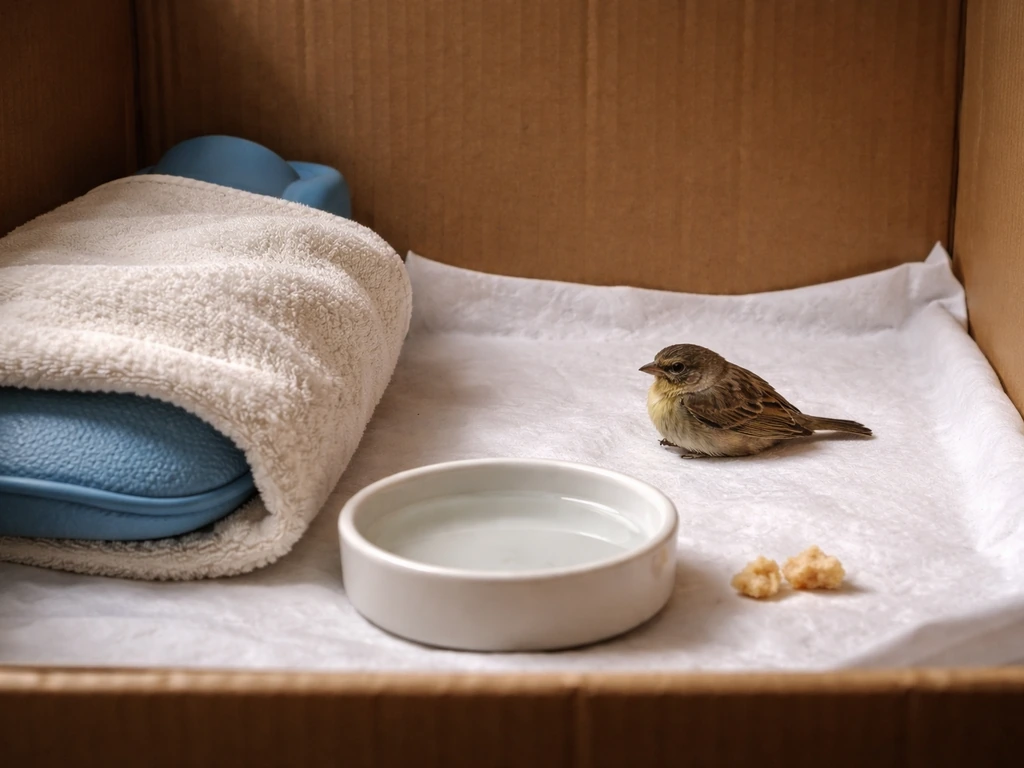
While you're arranging veterinary care, or if you're monitoring a bird with mild, non-urgent symptoms, there are a few things you can do to support the bird without causing harm. These steps won't replace veterinary treatment, but they can make a real difference in how the bird holds up while you wait.
- Keep the bird warm: A sick bird that isn't febrile benefits from warmth. Aim for an ambient temperature of around 85 to 90°F (29 to 32°C) on one side of the cage, so the bird can self-regulate. A hospital cage with a heat lamp on one end, or placing a heating pad under half the cage on low with a towel between the pad and cage bottom, works well. Do not cover the entire cage with heat; the bird needs a cool side to move to.
- Remove perches if the bird is weak: If the bird can't grip a perch steadily, lower or remove perches so it can rest safely on the cage floor with food and water within easy reach.
- Offer easily digestible food: Warm, soft foods like cooked plain rice, plain scrambled egg, or the bird's favorite seeds close to its resting spot may encourage eating.
- Minimize stress: Keep the environment quiet and calm. Limit handling and avoid loud noises, other pets, or sudden movements around the cage.
- Document everything: Take a short video of the bird's breathing and posture, photograph the droppings, and write down when symptoms started, what changed first, any new foods, products, or environmental changes in the past week, and your bird's age, weight if known, and species. Your vet will need all of this.
- If droppings are abnormal, collect a sample: Use a clean piece of wax paper or a clean container to collect a fresh dropping for the vet. Don't refrigerate it, just keep it at room temperature and bring it to the appointment.
- Call an avian vet, not a general practice: Not all vets are trained in avian medicine. Search for a certified avian vet or a practice that lists birds as a specialty.
One thing to avoid: do not give your bird over-the-counter medications, human medications, or anything recommended by a non-veterinary source without professional guidance. Many substances that are safe for mammals are toxic to birds, and masking symptoms with the wrong treatment can make diagnosis harder and delay effective care.
Pet birds vs. wild birds: handling, biosecurity, and stress
The symptoms to look for are the same whether you're dealing with a pet parrot or an injured wild bird, but the handling and safety considerations are very different.
Wild birds
If you've found a sick or injured wild bird, your first priority is to minimize stress and protect yourself. Wild birds can carry diseases transmissible to humans, including Chlamydiosis (psittacosis), Salmonella, and in rare cases, avian influenza. Always use gloves when handling a wild bird and wash your hands thoroughly afterward. Place the bird in a ventilated cardboard box lined with a clean cloth, in a quiet, warm, dark space.
Do not offer food or water unless directed by a wildlife rehabilitator, especially water, as a weak bird can easily aspirate it. Contact your local wildlife rehabilitation center or a wildlife vet rather than trying to treat it yourself. Stress alone can kill a wild bird quickly, so the quieter and less handled it is before reaching professional care, the better.
Pet birds and multi-bird households
If you have multiple pet birds and one becomes ill, isolate the sick bird in a separate room immediately. Use separate food and water dishes, separate tools, and wash your hands between handling birds. Many avian diseases spread easily through respiratory droplets, shared water sources, and fomites (contaminated surfaces). New birds should always be quarantined for a minimum of 30 days before introducing them to resident birds, even if they appear healthy. This is one of the most effective things you can do to prevent disease spread in a multi-bird home.
Environmental checks are also worth doing whenever a bird becomes ill. Check for drafts from air conditioning vents or windows, changes in humidity (very dry air worsens respiratory symptoms), any new scented products, cleaning sprays, or cooking fumes in the home, and whether the diet has changed recently. A bird's environment often explains symptoms that seem puzzling at first.
Putting it all together
Bird symptoms range from subtle behavioral shifts to acute emergencies. The most important skill you can build is knowing your individual bird's normal baseline, because that's what makes changes detectable early. Check your bird's posture, droppings, breathing, and activity daily. When something looks off, go through the checklist in this guide, match what you're seeing to the symptom clusters above, and let the red-flag list be your guide on urgency.
Symptoms like those related to dehydration, depression, or digestive changes can look similar on the surface but have very different causes and urgency levels, which is why pairing what you observe with the full picture of your bird's behavior, environment, and history matters so much when you speak with your vet. When in doubt, call early rather than late.
FAQ
How can I tell if bird symptoms are from stress versus a medical emergency?
A useful split is trend and physiology, stress often changes behavior first and breathing stays steady, while illness tends to show a paired physical change like persistent puffing, increased effort to breathe, tail bobbing, or droppings that shift consistently. If you see breathing changes or appetite drop plus a persistent low posture, treat it as medical and call an avian vet rather than waiting for it to “settle.”
What’s the best way to measure breathing rate during bird symptoms without stressing my bird?
Count breaths when the bird is calm and not moving, typically during unguarded resting moments from a short distance. Use a timer for a full 60 seconds, write the number down, and repeat once 15 to 20 minutes later if the bird remains settled. If you cannot get a reliable count because the bird is struggling, that itself is a reason to call urgently.
If my bird is puffed up, when does it stop being normal and become an emergency?
Brief puffing can happen during cold exposure or sleep, but puffing that lasts through most of the day, especially when paired with reduced activity, poor appetite, or breathing changes, is not a wait-and-see symptom. Also note if the bird stays low on the cage floor instead of choosing a perch.
Are droppings changes enough to diagnose what’s wrong, or should I also look for other bird symptoms?
Droppings are a strong early clue, but they do not pinpoint the cause by themselves. Track the full pattern, changes in color, volume, and urine component together, plus behavior (energy level, appetite), posture, and breathing effort. Share both “what changed” and “when it started” with your vet to speed triage.
My bird is drinking more water than usual, could that still be something other than diabetes?
Yes. Increased drinking can come from illness, temperature changes, medication effects, or digestive upset, so it should not be assumed as diabetes. If the bird is also lethargic, has altered droppings, or changes appetite, ask your avian vet to rule out multiple causes and consider bloodwork rather than relying on symptoms alone.
What should I do if vomiting and regurgitation look similar during bird symptoms?
Regurgitation for bonding usually looks relaxed, often involves bringing food to the mouth without forceful expulsion. Vomiting is typically more forceful, with head shaking and food expelled, and it is not normal. Forceful expulsion, especially when appetite is down, is an urgent reason to contact an avian veterinarian.
Can I give my bird a human medicine if it seems like it could help?
Avoid giving human over-the-counter medications or home remedies unless an avian veterinarian specifically tells you to. Many drug ingredients safe for people can be harmful or toxic to birds, and giving the wrong product can mask symptoms and delay correct diagnosis.
What if the bird symptoms started after cooking or spraying something nearby, do I need to rush even if the bird seems stable?
If symptoms began suddenly during exposure to fumes (nonstick fumes, aerosols, strong scents) and the bird shows any breathing effort or appetite drop, move the bird to fresh air immediately and call for guidance right away. Birds can worsen quickly, so “seems stable” is not a guarantee.
If I have multiple pet birds and one shows bird symptoms, how strict should isolation be?
Isolate the sick bird in a separate room immediately, and do not share food, water dishes, perches, or cleaning tools. Handle the sick bird last and wash hands thoroughly between birds. Because respiratory spread can occur through contaminated surfaces, even brief shared-contact routines can increase risk.
How long should I quarantine a new bird in a multi-bird home, even if it looks healthy?
Use a minimum of 30 days quarantine before introducing the bird to resident birds. Many contagious issues show no obvious signs at first, so separating housing, airflow, and shared items during quarantine is part of the protection, not optional.
What environmental changes should I check first when bird symptoms seem “out of nowhere”?
Start with drafts, humidity shifts, and new airborne irritants. Check for air conditioner or open-window drafts, very dry air, recent scented products, cleaning sprays, or any cooking changes. Then confirm diet changes (new seed mix, treats, or supplements), since nutrition and irritants can both trigger symptoms.
If I find a wild bird with bird symptoms, can I give water to help it recover?
Usually do not offer food or water unless a wildlife rehabilitator directs it. A weak bird can aspirate fluid, which can worsen breathing problems, and handling increases stress. Use a ventilated cardboard box, keep it warm and quiet, and contact local wildlife rehabilitation for specific instructions.
When should I call an avian vet for bird symptoms that seem mild?
Call early if you are unsure, because birds can progress from concerning to critical within hours. If symptoms persist beyond normal behavior patterns or involve respiratory effort, prolonged puffing, balance problems, head tilting, or refusal to eat for more than a day, treat it as urgent and seek phone triage at minimum.
Next Article
Bird Dehydration Symptoms: Signs, Causes, and Fast First Aid
Learn bird dehydration symptoms, quick checks, safe first aid steps, and when to rush to an avian vet.