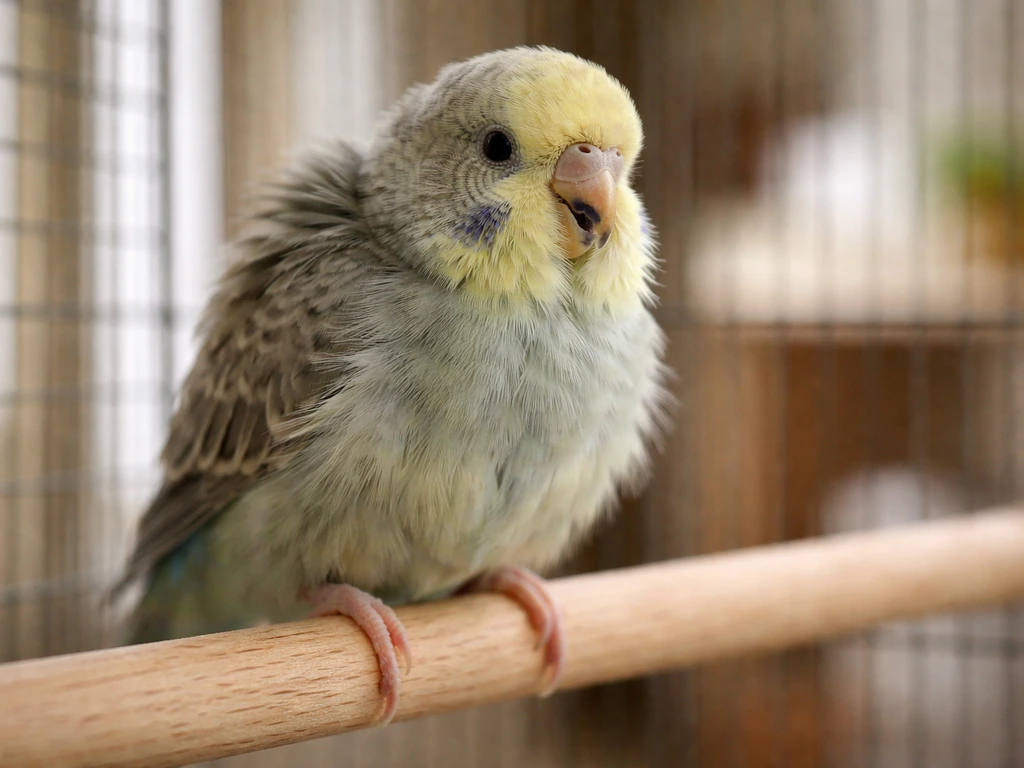
A dehydrated bird will often sit fluffed up and low on its perch, have sunken or dull eyes, produce little to no droppings, and feel lethargic or unresponsive to normal stimulation. Those are the signs that should put you on alert right now. Dehydration moves fast in birds because of their small body size and high metabolic rate, so knowing what to look for and what to do first can genuinely make the difference.
Bird Dehydration Symptoms: Signs, Causes, and Fast First Aid

Marcus Webb
4 May 2026
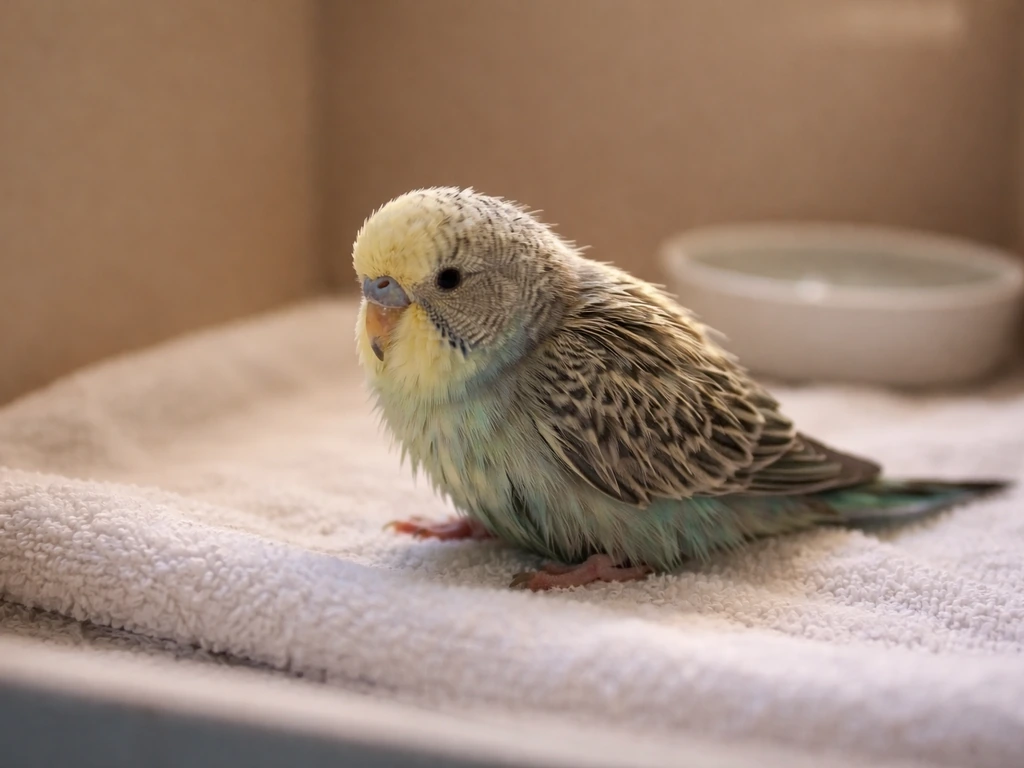
Early signs that a bird may be getting dehydrated
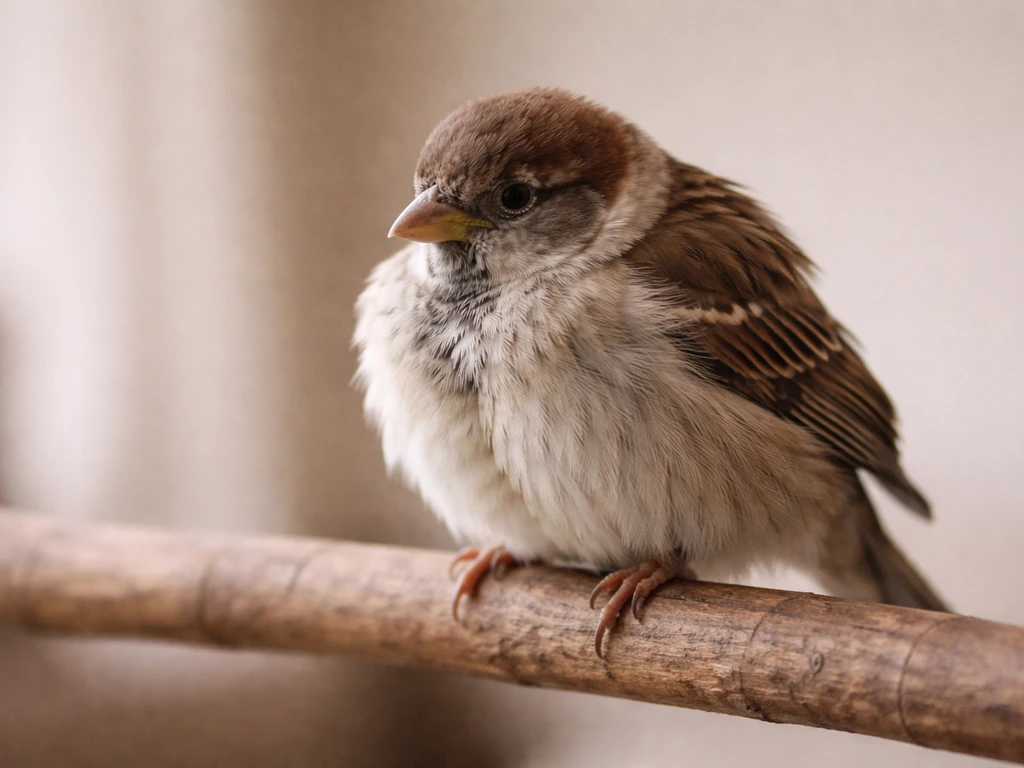
Dehydration in birds rarely announces itself with a single obvious sign. It usually shows up as a cluster of subtle changes that are easy to dismiss individually. The earlier you catch it, the simpler it is to address.
Early-stage dehydration tends to look like this: the bird is quieter than usual, less interested in food or play, and may be spending more time sitting still. You might notice the feathers are slightly fluffed even when the room is not cold. The droppings may be smaller, darker, or less frequent than normal. The bird may drink water on its own but still not be taking in enough, especially if it is unwell or stressed.
These early signs overlap with general illness, and that is worth keeping in mind. If you are already concerned about your bird being sick more broadly, dehydration is often part of the picture rather than the whole story. Conditions like stress, infection, or dietary problems can all reduce fluid intake at the same time they increase fluid loss.
What to look at: eyes, skin, droppings, and posture
These four areas give you the most useful information when you are trying to figure out how serious the situation is.
Eyes
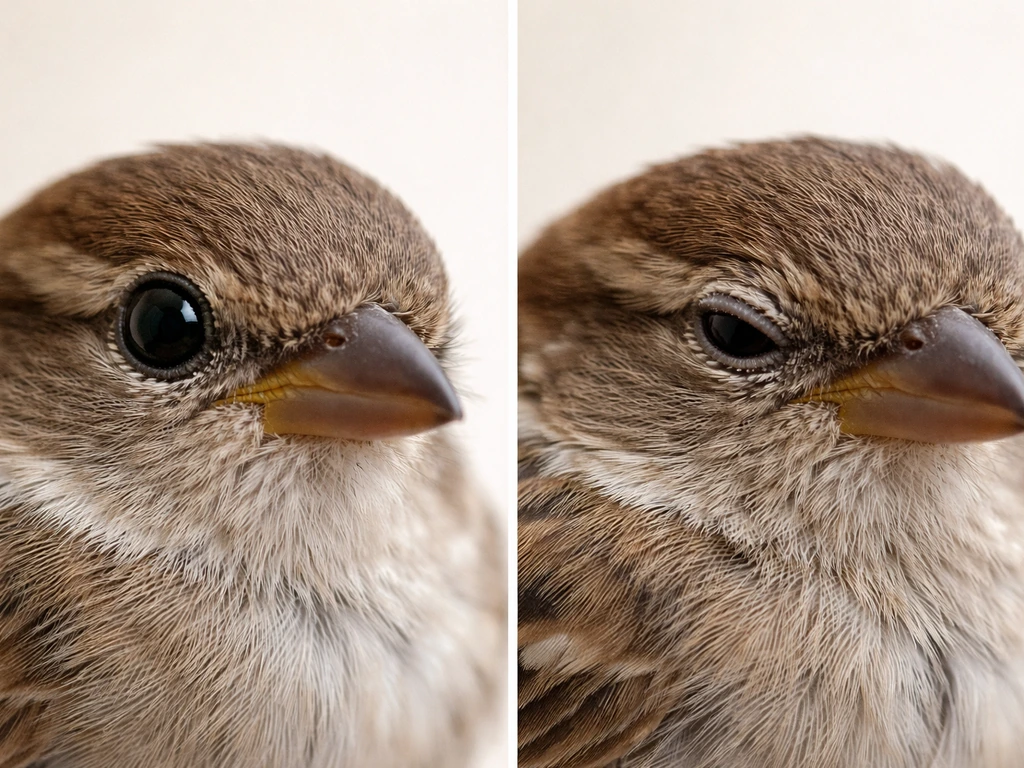
A hydrated bird has bright, clear, alert eyes. In a dehydrated bird the eyes can look sunken, dull, or partially closed. Sunken eyes are a sign that the fluid supporting the eye socket has been depleted, and that points toward moderate to significant dehydration. A bird with half-closed eyes that does not react when you approach it is in a more serious state and needs prompt attention.
Skin and tissue
One of the most reliable hands-on checks is looking at the skin around the keel (breastbone). In a dehydrated bird this skin can feel tacky or sticky rather than smooth and supple. You can also gently tent the skin (pinch it lightly and release) over the back or wing: well-hydrated skin snaps back quickly. Skin that stays tented or returns slowly suggests dehydration. Capillary refill time is another marker used in avian medicine: press gently on the mucous membranes inside the beak and watch how fast the pink color returns. If it takes longer than one second, that indicates the bird may be more than 7% dehydrated, which is clinically significant and warrants vet care.
Droppings
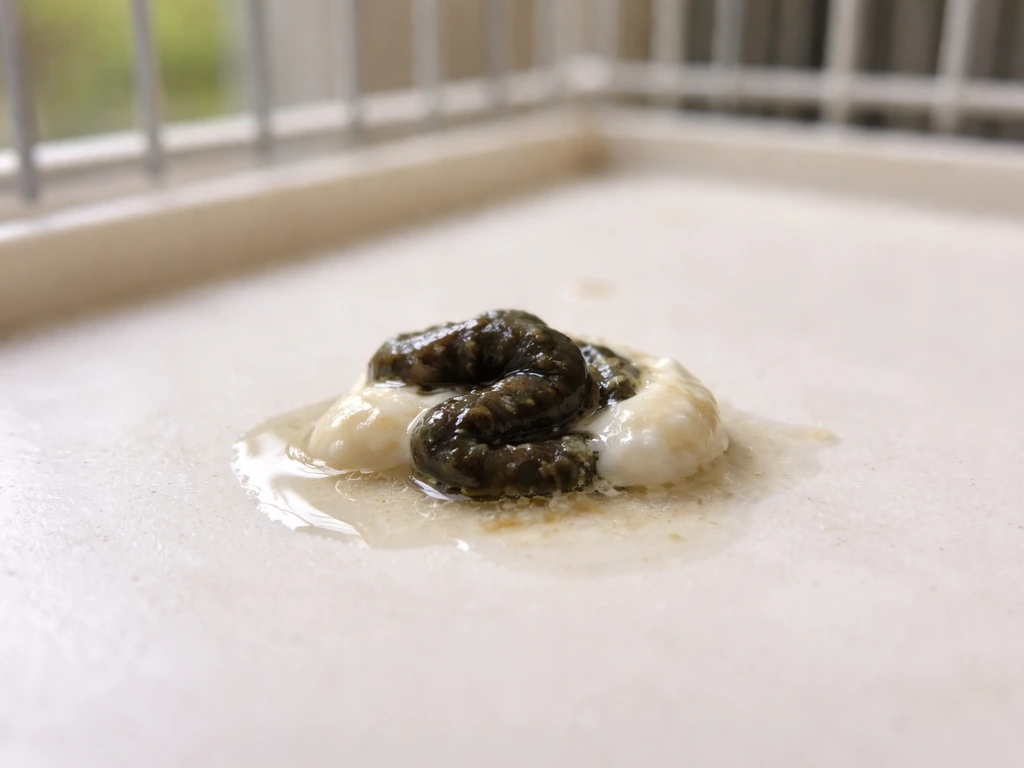
blank" rel="noopener noreferrer">Normal bird droppings have three parts: solid dark feces, white or cream urates, and clear liquid urine. When a bird is dehydrated, the liquid portion shrinks or disappears, and urates may look dark yellow, orange, or rust-colored instead of white. Very few or no droppings at all is a red flag on its own, whether from dehydration or because the bird has stopped eating and drinking entirely. Bird choking symptoms can also mimic other problems, so look for breathing trouble or sudden difficulty swallowing and get veterinary help right away if you suspect it. Either way, that warrants a vet call.
Posture and behavior
A bird that is dehydrated often adopts a low, hunched posture on the perch or on the cage floor. It may be too weak to perch properly and end up sitting on the bottom of the cage. Fluffed feathers combined with this low posture is a strong warning sign. Some bird diseases share early signs like fluffed feathers, weakness, and changes in droppings, so symptoms may overlap bird diseases and symptoms. Muscle weakness and reduced coordination can also show up as the bird staggers or struggles to grip its perch. In wild birds, dehydration often presents as a bird sitting on the ground and not flying away when approached.
Why birds become dehydrated
Understanding the cause matters because it shapes how you respond. The most common reasons a bird ends up dehydrated include:
- Heat exposure or overheating: birds in direct sun, poorly ventilated spaces, or near a heat source can lose fluids rapidly through respiration and evaporation
- No access to clean water: a clogged water dish, empty bottle, or contaminated water the bird refuses to drink
- Diarrhea or loose droppings: rapid fluid loss through the gastrointestinal tract, often caused by infection, dietary change, or parasites
- Illness that suppresses appetite and drinking: a sick bird often stops eating and drinking at the same time, so any underlying disease can trigger dehydration as a secondary effect
- Stress: a bird that has been relocated, handled roughly, or exposed to predators or loud environments may stop drinking
- Diet heavy in dry seeds with no fresh foods: seeds have very low moisture content, and a bird that eats only seeds needs adequate fresh water to compensate
- Vomiting or regurgitation: chronic regurgitation from crop infections or other causes leads to ongoing fluid loss
In wild birds, heat waves and drought conditions are the most common drivers. A bird found on the ground in summer heat is dehydrated until proven otherwise.
Quick checks you can do right now at home
Before you do anything else, run through these checks. They take about two minutes and give you a clearer picture of what you are dealing with.
- Check the water source: Is there water available? Is it clean, fresh, and at an appropriate level? Has the bird been seen drinking recently? An empty or fouled dish is an immediate fix.
- Look at the droppings on the cage floor or the area where the bird has been sitting: Count them and look at the color of the urates. Few droppings, dark or orange urates, or no liquid component are warning signs.
- Assess the skin over the keel: Part the feathers gently and touch the skin. Does it feel tacky or dry rather than smooth? Does it hold a tent when you pinch it lightly?
- Check the environment: What is the temperature? Is the bird in direct sunlight or near a heat vent? Is there adequate airflow? Ambient temperatures above 85°F (29°C) combined with no shade increase dehydration risk sharply.
- Watch the bird's breathing: A dehydrated or overheated bird may breathe with its mouth open or bob its tail with each breath. That adds urgency to the situation.
- Observe posture and responsiveness: Is the bird alert and reactive, or sitting low and not responding? A bird that does not respond when you gently approach or tap the cage is past the early stage.
If the checks reveal more than one warning sign together, treat this as a medical situation rather than something to monitor overnight.
Safe first steps to help a dehydrated bird right now
There are things you can do immediately that genuinely help, and there are things that seem helpful but can seriously harm a bird. Here is how to navigate that.
What to do
- Offer fresh, clean water immediately in a clean dish at a level the bird can reach easily
- Move the bird to a cooler, shaded, well-ventilated area if heat is a factor — aim for 70 to 80°F (21 to 27°C)
- Keep the environment calm and quiet to reduce stress, which impairs drinking and recovery
- For a wild bird that cannot fly, place it in a ventilated box in a cool, dark, quiet space while you arrange transport to a wildlife rehabilitator or avian vet
- If the bird is alert and able to swallow on its own, you can place a drop of plain water on the tip of its beak and see if it drinks voluntarily — do not force it
- Keep the bird warm if it seems cold or is showing signs of shock (shivering, very weak), but avoid overheating — a temperature around 85 to 90°F (29 to 32°C) is appropriate for a sick bird that is not overheated
What not to do
- Do not force water or fluids into the beak: a bird that cannot swallow properly will aspirate the liquid into its lungs, which can be fatal
- Do not use homemade electrolyte solutions with salt or sugar: the concentrations are almost impossible to get right at home and can make dehydration worse
- Do not give sports drinks, juice, or cow's milk: these are not appropriate for birds and can cause additional harm
- Do not handle the bird excessively: stress alone can kill a weakened bird, so minimize contact
- Do not delay calling an avian vet if the bird is unresponsive, unable to perch, or has been dehydrated for an unknown period
When dehydration becomes an emergency
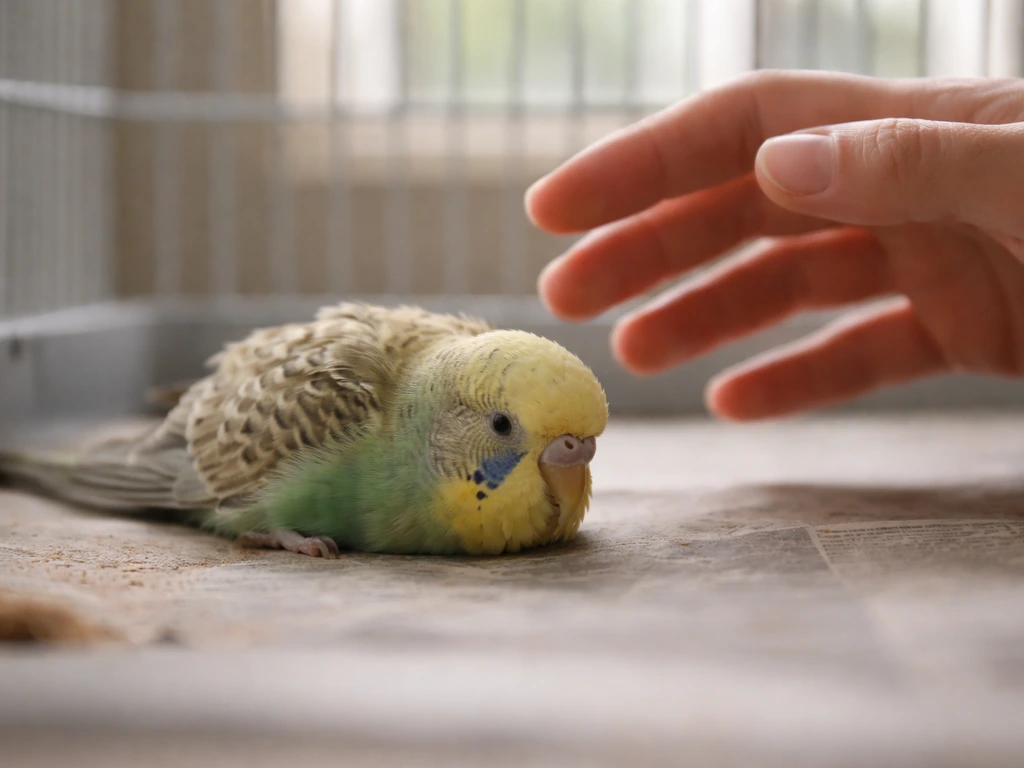
Some situations require a vet, not home care. Call an avian vet or go to an emergency exotic animal clinic immediately if you see any of the following:
- The bird is on the cage floor and cannot perch or stand
- Eyes are sunken and the bird is unresponsive or barely reacting
- The bird is breathing with its mouth open or showing tail-bobbing with each breath
- There are no droppings at all, or the droppings are dark red or black (which can indicate internal bleeding)
- Urates are deeply orange or brick-red rather than white or pale cream
- The bird has been vomiting or having watery diarrhea for more than a few hours
- The bird has not eaten or drunk anything for 24 hours or more
- You found the bird outdoors already collapsed or unable to move
- Capillary refill in the mouth tissue takes longer than one second
Birds can decline very quickly once dehydration becomes severe. If you are uncertain whether to call, call. An avian vet would rather advise you over the phone and send you home than see a bird that waited too long. This is also the point where dehydration can look similar to other serious conditions like bird diabetes symptoms, organ failure, or infectious disease, and only a vet can sort out which is driving the problem. Because some bird symptoms can overlap, it helps to compare the pattern you see with bird dehydration symptoms versus other issues.
How an avian vet diagnoses and treats dehydration
When you bring a dehydrated bird to a vet, the exam starts with a physical assessment: weight, body condition, skin turgor (that tenting test), mucous membrane color, capillary refill time, and eye condition. The vet will also assess whether the bird is in shock, which changes the treatment approach.
From there, the workup typically includes bloodwork to check kidney function, electrolytes, blood cell counts, and blood glucose. These results can confirm dehydration and often reveal the underlying cause at the same time, whether that is infection, kidney disease, liver problems, or something else. In some cases imaging like X-rays or ultrasound is used to look for internal causes.
Treatment for significant dehydration in birds almost always involves fluid therapy. Oral fluids work for mildly dehydrated birds that can still swallow, but moderately to severely dehydrated birds need fluids given subcutaneously (under the skin) or intravenously. Avian fluid therapy uses warmed crystalloid solutions, typically heated to around 100 to 102°F (38 to 39°C), to prevent chilling a bird that is already compromised. Merck Veterinary Manual advises [warming avian medications and fluids to about 102 to 106°F (38.
8 to 41°C)](https://www. merckvetmanual. com/exotic-and-laboratory-animals/pet-birds/management-of-pet-birds) during procedures to avoid chilling during fluid therapy. The dosing and route depend on how dehydrated the bird is and how quickly it needs to be stabilized.
Merck Veterinary Manual emphasizes that dehydration severity guides fluid deficit and resuscitation calculations and that fluid doses should be continually reassessed and titrated during treatment.
Beyond fluids, the vet will treat whatever caused the dehydration: antibiotics for infection, antifungals for yeast overgrowth, medication for parasites, dietary corrections, or management of chronic disease. Supportive care often includes heat support, nutritional support through tube feeding if the bird will not eat, and pain management if needed.
Recovery time depends on how dehydrated the bird was when treatment started and what the underlying cause turns out to be. A mildly dehydrated bird caught early can bounce back within a day or two. A bird that was severely dehydrated or had an undetected illness driving the problem may need several days of inpatient care or close monitoring at home with follow-up visits.
Putting it all together: your action plan
| Situation | What to do right now |
|---|---|
| Bird seems quiet, slightly fluffed, drinking less | Refresh water, move to a comfortable temperature, observe closely for 1 to 2 hours |
| Sunken eyes, tacky skin, sparse droppings, low on perch | Start home comfort steps, call an avian vet for same-day guidance |
| Bird on cage floor, unresponsive, open-mouth breathing, orange urates | Go to an avian vet or emergency exotic clinic immediately |
| Wild bird found on the ground in heat, not flying | Place in a cool dark box, contact a wildlife rehabilitator or avian vet right away |
Dehydration is one of those conditions where acting early gives you the best outcome by far. If your bird is showing even mild signs and you are not sure what is behind it, the safest move is always to reach out to an avian vet rather than wait. Bird depression symptoms can sometimes overlap with dehydration-related lethargy, so keep an eye on the specific dehydration signs listed here. The symptoms of dehydration can overlap significantly with other serious bird illnesses, so getting a professional set of eyes on the situation sooner rather than later is always the right call.
FAQ
If my bird is not in a hot area, can it still show bird dehydration symptoms?
In many cases, you should still treat it as urgent if the bird is quiet, fluffed, and has reduced droppings even when the room is normal temperature. Birds can become dehydrated from illness or poor intake, so lack of heat exposure does not rule dehydration out.
How reliable is the capillary refill test for dehydration, and what can affect the result?
Capillary refill can be misleading if the beak tissues are dry from age, cold stress, or poor lighting. Use the same mucous membrane area each time, do it gently, and if you also see sunken or partially closed eyes, treat it as significant and contact an avian vet.
Can I safely give water or oral fluids at home if I suspect bird dehydration symptoms?
No. Oral rehydration attempts can be dangerous if the bird cannot swallow normally, if there is choking risk, or if the bird is too weak to manage fluids. If the bird is lethargic, half-closed-eyed, or not clearly swallowing, skip home forced fluids and seek veterinary guidance.
My bird has fewer droppings, but not none, is that still dehydration?
A “small” droppings change can still matter if it persists alongside lethargy or tacky skin, because dehydration can start before droppings fully disappear. Track droppings over a few hours, and if there is a sudden drop plus low posture or dull eyes, call a vet.
What is the safest way to provide warmth at home while waiting for an avian vet?
Do not use room-temperature liquids, very cold water, or heat sources that can overheat a weak bird. Use only gentle warmth if needed (such as a stable, moderate ambient temperature), and focus on getting professional advice quickly rather than trying to “thermostat” the bird yourself.
When should I treat this as an emergency versus monitoring for a few hours?
If the bird is on the bottom of the cage, fluffed, weak, or not reacting normally, consider it moderate to severe until proven otherwise. Birds can worsen quickly, so a same-day avian vet call is appropriate when multiple dehydration signs cluster.
Can other illnesses mimic bird dehydration symptoms enough that I might misdiagnose?
Yes, some infections, kidney disease, toxicosis, and digestive problems can reduce fluid intake or increase fluid loss, and the droppings can look abnormal for reasons other than dehydration. That is why the pattern (eyes, skin tenting or tackiness, urates color, posture) should guide triage, but the cause should be confirmed by a vet.
What signs would make me suspect choking or an airway issue instead of dehydration?
If you see breathing difficulty, open-mouth breathing, repeated swallowing motions, or sudden inability to swallow, treat it as a separate urgent issue. Choking and airway problems can cause signs that overlap with dehydration, and they require immediate veterinary attention.
If my bird improves after first aid, how do I know the dehydration is actually resolved?
After fluids, you may see improvement in posture and responsiveness before droppings fully normalize. However, ongoing dark or rust-colored urates, continued lethargy, or worsening weakness means either dehydration is not resolved or an underlying condition is still active, so contact the vet.
What should I do to prepare for transport to an avian vet when dehydration is suspected?
If you must transport the bird, keep it in a ventilated, stable carrier, minimize handling, and avoid direct drafts. Include a recent photo of droppings (if possible) and note timing of symptom onset, water intake, and any diet changes, since these help the vet interpret dehydration severity.
Next Article
Bird Diseases and Symptoms: Identify Illness Signs Fast
Learn bird disease symptoms fast, spot respiratory, skin, droppings and behavior changes, and know urgent vet next steps