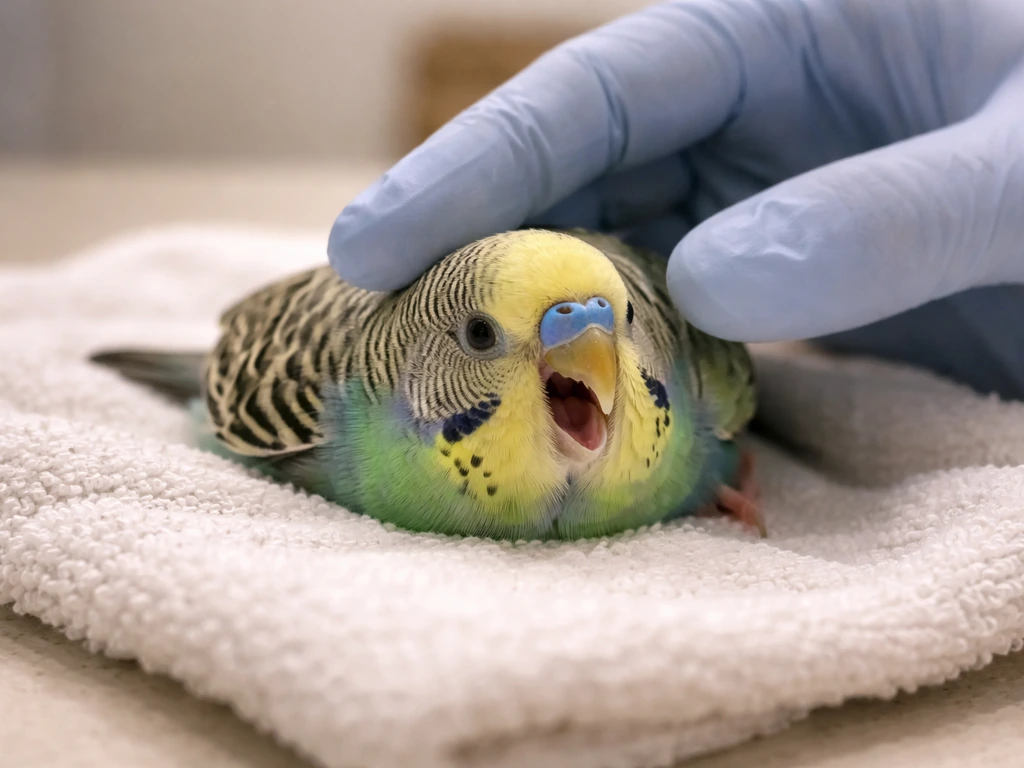
Birds don't show depression the way humans do, and "bird depression" isn't a formal veterinary diagnosis. What bird owners typically notice are behavioral changes like withdrawal, unusual quietness, reduced interaction, and loss of interest in food or toys. These signs matter a lot, but they almost always point to physical illness rather than a mood disorder. A bird that suddenly seems sad or shut down is usually a sick bird, and the sooner you act on that, the better the outcome.
Bird Depression Symptoms: Signs, Causes, and What to Do

Marcus Webb
16 May 2026
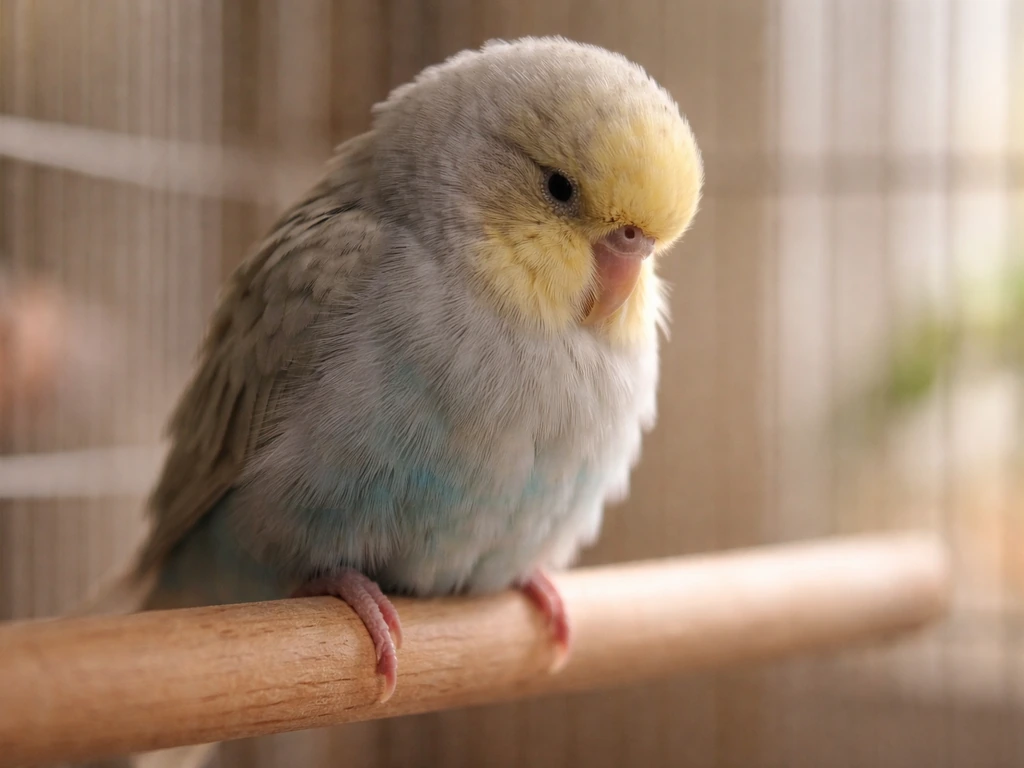
Common bird depression warning signs
The signs owners describe as "depression" are real and worth taking seriously. They just need to be understood as potential illness signals rather than emotional states. Birds are prey animals hardwired to hide weakness, which means by the time you notice something is off, the bird has often been struggling for a while.
- Sleeping more than usual, especially during daylight hours when the bird is normally active
- Sitting quietly on the perch with feathers fluffed up
- Reduced or absent vocalization in a bird that is normally chatty
- Loss of interest in food, treats, or favorite toys
- Avoiding interaction or pulling away from handling
- Sitting low on the perch or on the cage floor
- General unresponsiveness or dull, glassy eyes
- Reduced grooming or disheveled feather appearance
Any one of these on its own, briefly, might not be alarming. A bird sleeping a little longer after an active morning is normal. But two or more of these signs together, persisting for more than a day, should put you on alert.
Behavior and mood changes to watch for
Pay attention to changes from your bird's personal baseline, not from some general standard. Every bird has its own activity rhythm. What you're watching for is a meaningful shift from what is normal for that individual bird.
- Sudden reduction in talking, singing, or mimicking sounds in a bird that normally does these things
- Loss of interest in play or foraging activities
- Increased irritability or aggression when handled (this can signal pain)
- Hiding in the corner or back of the cage
- Repetitive, listless movements or long periods of inactivity
- Stopping step-up behavior or refusing to come out of the cage
- Reduced interest in flock mates or cage companions
Aggression showing up suddenly in a previously calm bird is easy to misread as a mood problem. It's often a pain response. The same goes for a bird that starts screaming more than usual. Behavioral extremes in either direction, more withdrawn or more agitated, can both indicate that something physical is wrong.
Physical and health clues that can mimic depression
This is the most important thing to check when a bird seems depressed. Physical illness produces almost every behavioral sign people associate with depression, and birds hide it well. You need to do a quick physical scan alongside any behavioral assessment.
Breathing
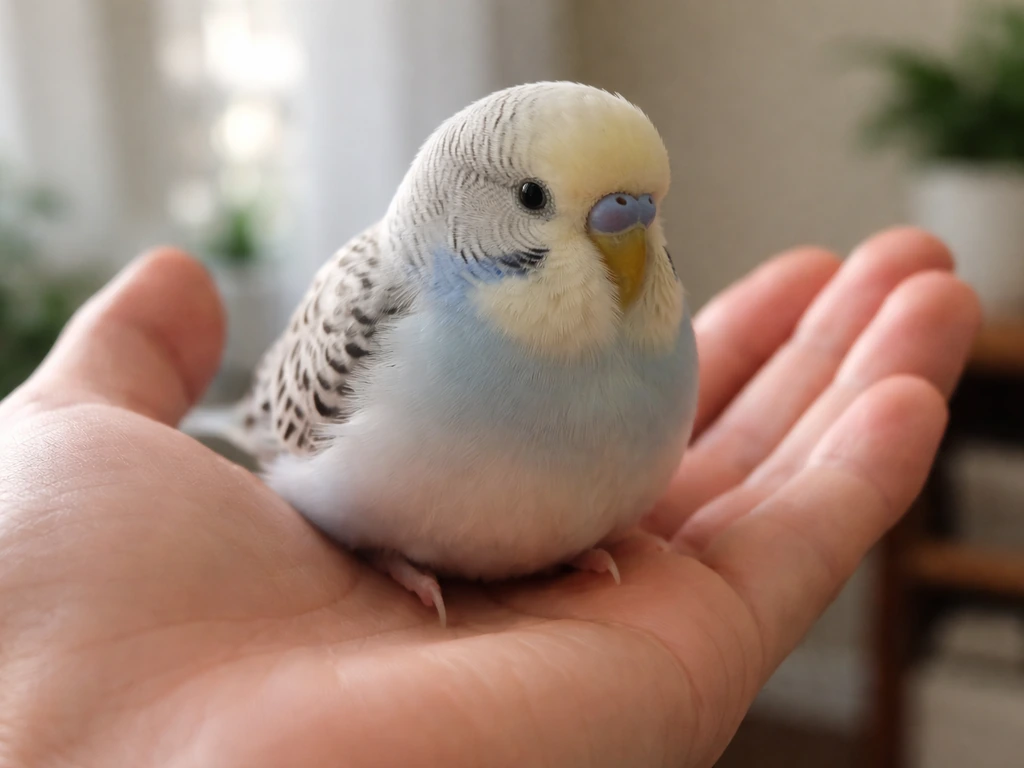
Watch the bird breathe for a full minute without disturbing it. If the bird’s breathing seems off along with other bird symptoms, treat it as illness evidence and consider getting an avian vet to evaluate the full picture. Normal breathing in a resting bird is quiet and barely visible. Signs of respiratory difficulty in birds can include blank" rel="noopener noreferrer">open-mouth breathing, increased sternal motion, and tail bobbing, which together can signal disease rather than normal rest. Tail bobbing with each breath, open-mouth breathing, visible effort in the chest or sternum, wheezing, clicking, or a high-pitched squeak during inhalation are all serious respiratory signs. These are not depression symptoms; they are respiratory emergencies. A bird sitting quietly and puffed up that is also showing any breathing abnormality should be seen by a vet the same day.
Appetite and droppings
A depressed-looking bird that is not eating is a sick bird until proven otherwise. Anorexia, meaning loss of appetite, and lethargy are common in pet and wild birds and can be caused by many conditions, including infectious disease, parasites, endocrine or hormonal disease, toxicities, nutritional imbalances, and organ-specific problems blank" rel="noopener noreferrer">Anorexia (loss of appetite) and lethargy. Diabetes can also be part of the underlying illness, and recognizing bird diabetes symptoms like changes in drinking and appetite can help you seek the right care sooner. Check the droppings too: healthy droppings have a formed dark portion, white urates, and minimal liquid urine. Loose, watery, discolored (green, yellow, or tarry black), or absent droppings all point to illness. Conditions ranging from infections and parasites to liver, kidney, or heart problems can cause lethargy and appetite loss together. Bird dehydration can also cause lethargy and appetite loss, so check water intake and for signs like sticky saliva, tacky gums, or dry droppings bird dehydration symptoms.
Feathers and weight
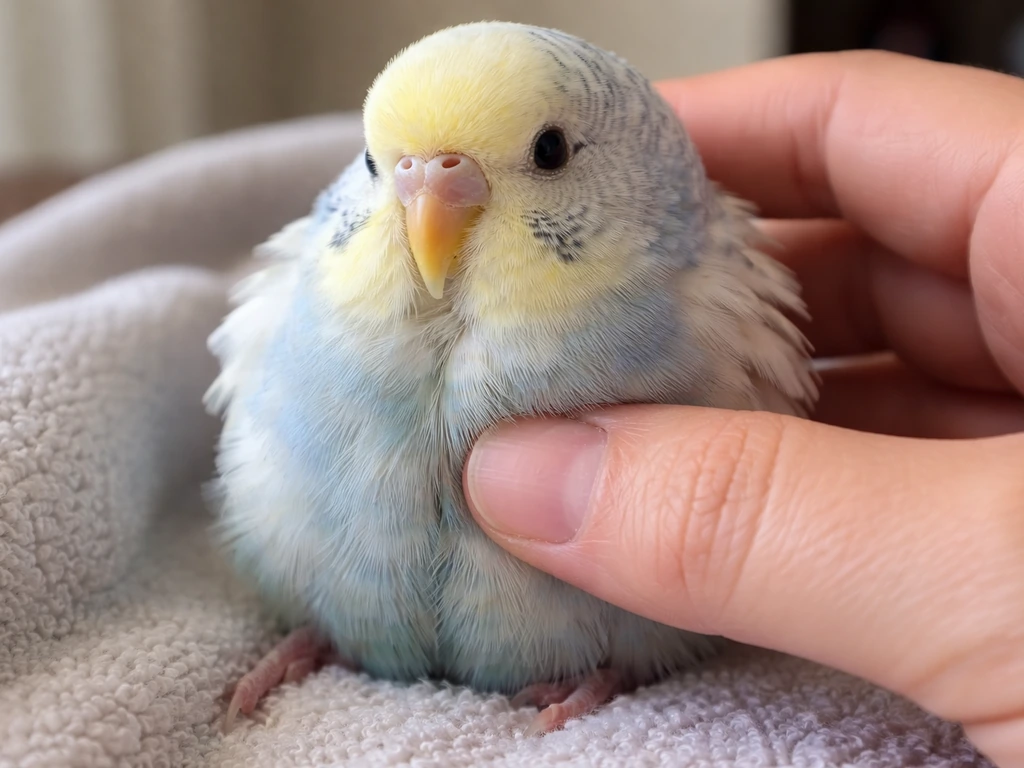
A bird that looks perpetually fluffed is often trying to conserve heat because it doesn't feel well. Run your finger down the breastbone (keel bone): if it feels sharp and prominent, the bird may have lost significant weight, which can happen quickly in birds and is always a concern. Over-groomed patches, missing feathers, or dull, brittle feathers can point to nutritional deficiencies or parasites rather than a psychological state.
Eyes, nose, and face
Discharge from the nostrils or eyes, swelling around the eyes or face, or wet, matted feathers around the nares all signal upper respiratory disease or infection. A bird with these signs and depressed behavior is dealing with a health problem, not a mood problem.
Species-specific differences
Parrots and larger companion birds
Parrots, cockatiels, conures, and other social psittacines are highly expressive and tightly bonded to their routines and companions. They are most likely to show obvious behavioral depression-like changes after losing a flock mate, a change in household, or when they are bored or understimulated. However, these birds are also prone to hiding serious illness behind subtle behavioral changes. A quiet parrot that used to be noisy is always worth watching closely for physical symptoms.
Finches, canaries, and smaller birds
Finches and canaries are even harder to read because they are naturally less interactive with humans. A finch sitting at the bottom of the cage is a major warning sign. Small birds have extremely fast metabolisms, which means they deteriorate much faster when sick. What might look like a bird having an off day can turn critical within hours. If a small bird is sitting puffed up, not singing, or on the cage floor, treat it as urgent.
Wild birds
A wild bird that allows you to approach it, appears fluffed or lethargic, or is sitting on the ground when it should be flying is almost certainly ill or injured, not depressed. Wild birds do not tolerate human presence unless something is very wrong. If you encounter one, minimize handling to reduce stress (handling alone can be dangerous for a compromised bird), keep it warm and quiet in a ventilated box, and contact a licensed wildlife rehabilitator as soon as possible.
How to assess the situation safely at home
You can do a lot of useful observation before you even open the cage. The goal is to gather information without stressing the bird further, since stress on a sick bird makes things worse.
- Observe from a distance first. Watch posture, breathing, and activity level for several minutes without approaching the cage.
- Check the cage floor for droppings. Note color, consistency, and volume compared to a normal day.
- Look at the food and water dishes. Has the bird eaten? Has the water level dropped? Are there wet feathers around the water dish suggesting the bird is drinking excessively?
- Watch for tail bobbing during breathing. Count respirations if you can. Normal resting rate for most pet birds is roughly 25 to 40 breaths per minute, though this varies by species.
- Check the nostrils for crustiness, discharge, or blockage.
- Weigh the bird if you have a gram scale. A sudden weight drop of even a few grams in a small bird is significant.
- Note when the behavior started and whether anything changed in the household around that time: new bird, new person, moved cage, changed food, temperature fluctuation, cleaning products used nearby.
Write these observations down before you call or visit a vet. A timeline and specific details are far more useful to an avian vet than a general sense that the bird "seems off."
When to see an avian vet urgently
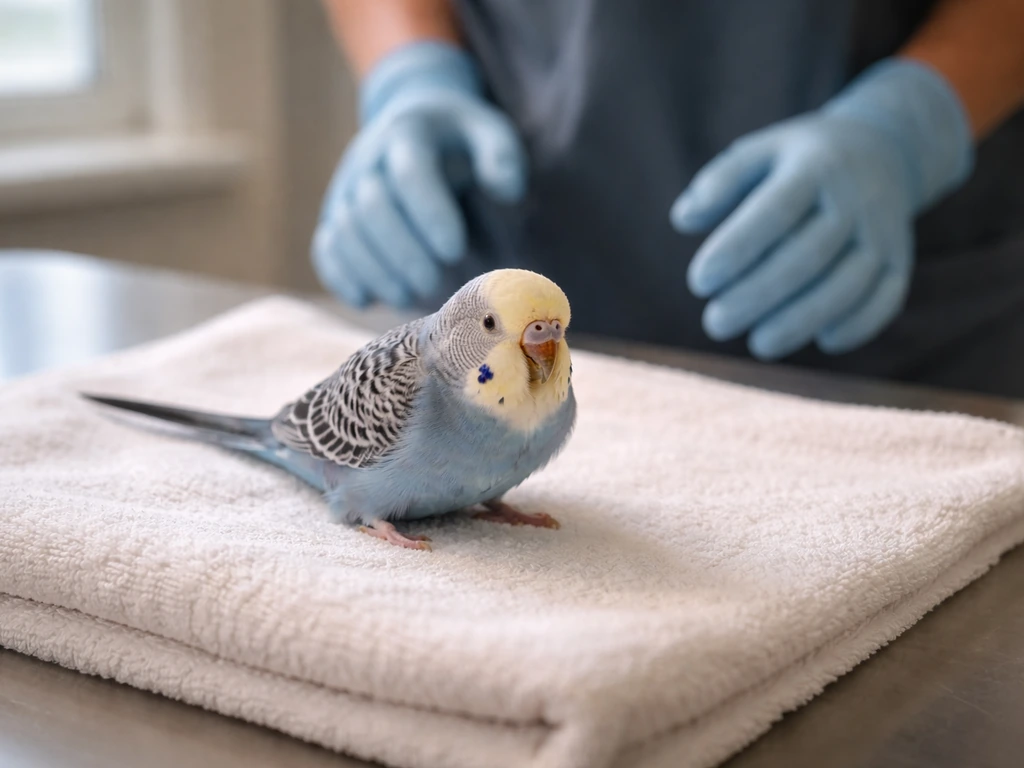
Some situations don't allow for wait-and-see. If you observe any of the following, contact an avian vet immediately, ideally the same day. Respiratory distress in birds is treated as an emergency, and even transporting the bird requires care to avoid adding stress.
- Open-mouth breathing at rest
- Tail bobbing with every breath
- Wheezing, clicking, or squeaking sounds during breathing
- Visible effort in the chest or neck while breathing
- Sitting on the cage floor and unable to perch
- Completely stopped eating for more than 24 hours (sooner for small birds)
- Significant visible weight loss or prominent keel bone
- Bloody, black tarry, or severely discolored droppings
- Eye or nasal discharge with lethargy
- Facial or periocular swelling
- Seizures, falling from the perch, or loss of coordination
- No response to stimuli or extreme weakness
When transporting a bird showing respiratory distress, keep handling to a minimum. A stressed, oxygen-deprived bird can crash quickly from the physical stress of being handled. Use a small, secure carrier with ventilation, keep the environment warm, and drive directly to the clinic without stops.
What's really behind "bird depression" and what to do next
Because "depression" is not a formal avian diagnosis, it's always worth asking what the actual underlying cause might be. The behavioral signs that owners label as depression are produced by a long list of real medical and environmental conditions.
| Possible cause | Typical accompanying signs | What to do |
|---|---|---|
| Infectious disease (bacterial, viral, fungal) | Lethargy, appetite loss, abnormal droppings, nasal discharge | Veterinary exam and testing urgently |
| Respiratory illness or infection | Tail bobbing, open-mouth breathing, wheezing, lethargy | Emergency vet visit same day |
| Parasites (internal or external) | Weight loss, feather damage, dull feathers, appetite changes | Veterinary exam and fecal test |
| Nutritional deficiency or poor diet | Feather problems, weakness, lethargy, gradual weight loss | Dietary review; vet guidance on supplements |
| Organ disease (liver, kidney, heart) | Lethargy, appetite loss, weight loss, abnormal droppings | Veterinary bloodwork and imaging |
| Toxin exposure (fumes, heavy metals) | Sudden onset lethargy, neurological signs, vomiting | Emergency vet immediately |
| Environmental stress (new pet, noise, moved cage) | Behavior change with normal physical exam findings | Identify and reduce stressor; monitor closely |
| Grief or social change (loss of companion) | Reduced vocalization, withdrawal, reduced eating | Increased interaction, enrichment; monitor for physical decline |
| Boredom or under-stimulation | Lethargy, repetitive behaviors, feather plucking | Enrichment, foraging toys, social time; vet if prolonged |
Environmental and social causes are real and worth addressing, but they should only be your working theory after physical illness has been ruled out or at least considered. If the behavioral change is sudden, severe, or accompanied by any physical symptom at all, physical illness needs to be the first assumption.
The most practical next step for any bird showing persistent depression-like signs is an avian vet exam. General practice vets have limited avian training, so look specifically for a vet with avian experience or a board-certified avian specialist. A good exam will include a physical assessment, weight check, and likely bloodwork or fecal testing. These are the tools that separate a sick bird from a stressed one, and they're the only way to get a real answer.
In the meantime, keep the bird warm, in a quiet environment, away from drafts and strong smells (cleaning products and non-stick cookware fumes are particularly dangerous to birds), and monitor closely. If you're also noticing changes in what the bird eats or drinks, or seeing altered droppings, note those details alongside the behavioral changes, as they paint a fuller picture for the vet.
FAQ
How long should I wait before I assume these bird depression symptoms are illness and not a mood issue?
Use timing and pattern, not just the presence of symptoms. A single brief change can be normal, but two or more depression-like signs that persist beyond 24 hours, or any sudden severe change, should be treated as potential illness. For very small birds (finches, canaries), “wait-and-see” should be minimal because they can worsen within hours.
What physical checks can I do at home that are actually useful for a vet, without stressing my bird?
Do a gentle resting observation first. Watch breathing for a full minute from a distance, then do a quick scan for keel (weight loss), fluffed posture, feather condition, and any visible nasal or eye discharge. Also quickly note droppings quality (formed dark portion, white urates, presence of watery urine) and whether food intake has changed since yesterday.
Does not eating always mean my bird is sick, even if the bird is active sometimes?
Not eating is a strong illness signal, but you can refine urgency by checking how long the bird has refused food and what “not eating” looks like. If the bird is refusing favored foods, dropping food items, or has reduced appetite plus abnormal droppings, treat it as illness until proven otherwise. If a bird is only eating less but still eating, track exact amounts for the vet rather than assuming it is behavioral.
What breathing signs should make me treat this as an emergency right away?
Any visible effort in the chest, tail bobbing with each breath, open-mouth breathing, wheezing, clicking, or a high-pitched squeak during inhalation are emergency-level respiratory indicators. If those occur alongside puffing or withdrawal, the same-day avian evaluation matters even if the bird seems “otherwise okay.”
My bird got quieter after a household change. Could stress alone cause depression-like symptoms?
Stress and routine disruption can cause withdrawal in social species, but birds also hide illness behind behavior changes. If the change is sudden, severe, or paired with any physical sign (breathing changes, droppings change, discharge, weight loss, abnormal posture), illness should remain the first assumption. If there are no physical signs, still monitor closely and address the stressor while arranging an avian check if the change persists beyond a day.
How can I tell if sudden aggression or more screaming is pain versus “acting out”?
A new aggressive pattern or louder screaming that appears alongside lethargy, fluffed posture, reduced food intake, altered droppings, or any breathing/feather changes is more likely pain or illness than emotion. If the bird also flinches when handled, holds the body oddly, or shows difficulty perching, prioritize a medical evaluation rather than behavior training.
Is puffing up always a sign of depression?
Puffing usually indicates discomfort or an energy-conserving state, often due to feeling unwell. The key add-on check is body condition: run your finger along the keel bone, if it feels sharp and prominent the bird may have significant weight loss. Puffing plus not singing, not moving much, or any breathing abnormality should be treated as medical.
What droppings findings are most concerning, and what details should I record?
Look for watery, discolored (green, yellow, or tarry black), absent, or reduced droppings. Also note whether liquid urine seems increased, whether the white urates are present and normal, and whether the bird’s droppings pattern changed since yesterday. Take note of where the droppings are in relation to urine spots, since mixing can mask normal structure.
If my bird is dehydrated, how does that show up and what should I do immediately?
Dehydration can cause lethargy and reduced appetite. Watch for sticky saliva, tacky gums, and dry or reduced droppings. In the immediate moment, focus on keeping the bird warm and in a quiet area, offer appropriate water access, and note water consumption changes for the vet. If dehydration signs are pronounced or combined with breathing issues, seek avian care the same day.
For social parrots, how can I judge whether bonding loss or boredom is the real problem?
If the bird is otherwise physically normal, you can treat social disruption or understimulation as a working theory while correcting the routine. But because parrots can mask illness, rule out physical red flags first (breathing effort, nasal or eye discharge, weight loss, droppings changes). If behavior doesn’t improve promptly after environmental adjustments, schedule an avian exam.
Why are finches and canaries so urgent when they look “off”?
They have faster metabolisms, so they can deteriorate quickly even when the early signs seem mild. A finch or canary sitting at the bottom of the cage, not singing, or staying puffed or on the cage floor is a major warning. Treat these as urgent and avoid extended waiting.
What should I do if I find a wild bird that seems lethargic or fluffed?
Minimize handling to avoid added stress, keep it warm and quiet in a ventilated box, and contact a licensed wildlife rehabilitator promptly. Wild birds tolerate human presence poorly, and fluffed lethargy or ground sitting usually indicates injury, shock, or illness rather than a behavioral “depression” state.
What information should I write down before calling or visiting an avian vet?
Create a short timeline: when the first change appeared, whether it was gradual or sudden, what changed in eating, drinking, and droppings, and whether breathing sounds or effort are present. Also note any recent environmental changes (new cleaning products, fumes, temperature shifts, household disruptions) and your bird’s baseline activity level for comparison.
How should I transport my bird if respiratory distress is suspected?
Keep handling to a minimum and use a small secure, ventilated carrier. Warm the environment, drive directly to the clinic, and avoid stops. The goal is to reduce stress and prevent oxygen deprivation from worsening during transport.
Next Article
Bird Choking Symptoms: What to Check and Do Now
Bird choking symptoms checklist plus safe first aid, how to tell airway blockage from illness, and when to seek an avian