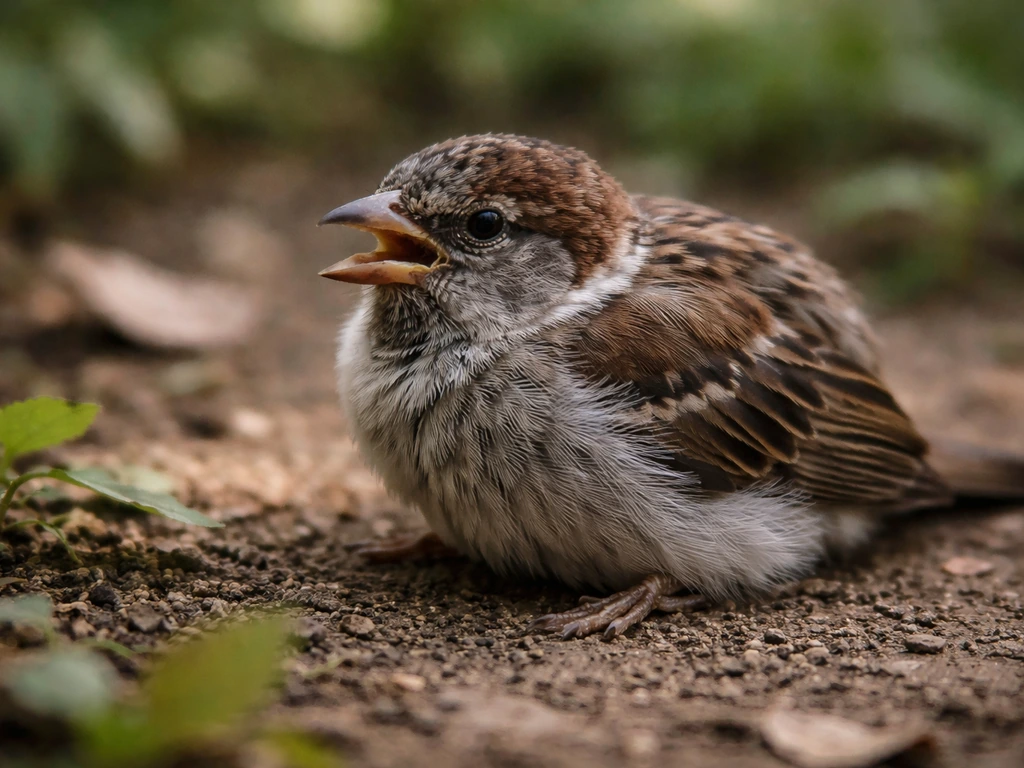
The most telling bird diabetes symptoms are drinking and urinating far more than usual, losing weight despite eating normally or even eating more, and becoming progressively lethargic and weak. You'll notice the droppings look watery, the bird seems less energetic, and the feathers may start looking rough. These signs can appear gradually, which is exactly why so many owners miss them until things get serious.
Bird Diabetes Symptoms: Warning Signs and Next Steps

Marcus Webb
13 May 2026
What people mean by "bird diabetes" and who it can affect
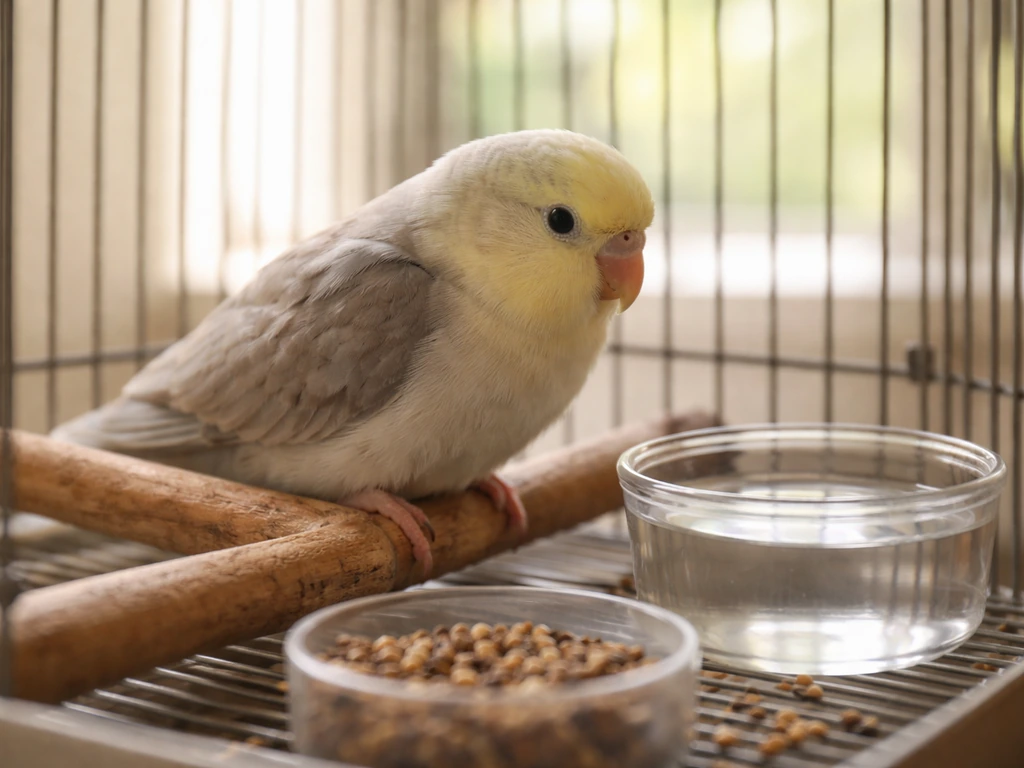
When vets and bird owners talk about "bird diabetes," they're almost always referring to diabetes mellitus, a condition where the bird's body either can't produce enough insulin or can't use it properly, causing blood glucose to climb to dangerous levels. It's considered rare in birds compared to mammals, but it does get diagnosed, particularly in parrots and other pet species. There are also documented cases in toucans and other exotic birds.
It's worth knowing that birds regulate glucose a bit differently from dogs or cats. Some species, especially granivorous (seed-eating) birds, rely more heavily on glucagon than insulin for glucose control, which means diabetes can look different depending on the species you're dealing with. This is part of why diagnosing it requires careful testing rather than just assuming a high blood sugar reading means diabetes.
Any pet bird can potentially develop diabetes mellitus, but it tends to show up more often in older birds and those fed a poor diet heavy in seeds and simple sugars. Obesity is a contributing risk factor. There's no single breed or species that's definitively "high risk," but parrots are the most commonly reported group in veterinary literature simply because they're the most common pet birds seen by avian vets.
Common bird diabetes symptoms to watch for
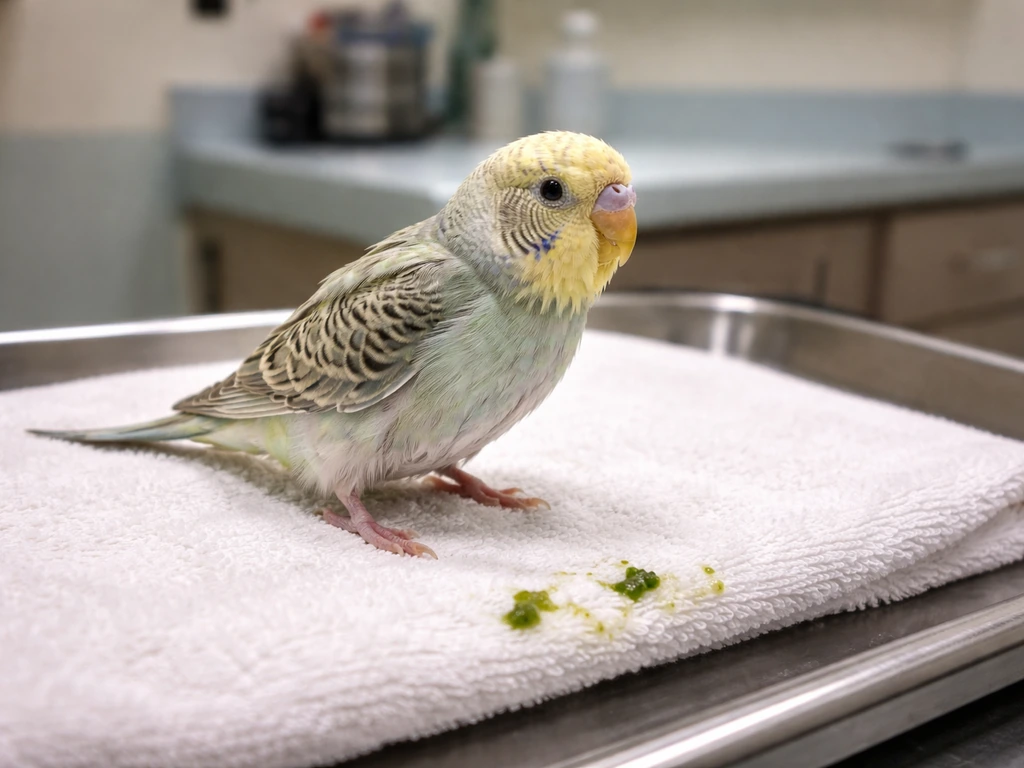
The classic cluster of signs is polyuria (excess urination) and polydipsia (excess thirst), combined with weight loss. A review article on avian diabetes also describes common clinical patterns in case material, with many birds showing weight loss and lethargy alongside PU/PD signs such as polyuria and polydipsia polyuria and polydipsia combined with weight loss.
Common bird diabetes symptoms, often grouped under “bird symptoms,” include increased thirst and watery droppings. In birds, you'll see this as very watery droppings, a noticeably wet cage bottom, and a bird that keeps going back to the water dish. Bird choking symptoms can sometimes be mistaken for other metabolic or illness signs, so watch closely for breathing trouble and contact an avian vet if anything seems off watery droppings.
Common bird diseases that cause watery droppings and drinking changes often come with a mix of symptoms, so tracking what you see is key for spotting bird diseases and symptoms early. Meanwhile the bird may actually be eating well or even eating more than usual (polyphagia), yet still losing body weight over time. That combination, good appetite plus weight loss plus watery droppings, is one of the clearest red flags for a metabolic issue like diabetes.
Lethargy and weakness tend to follow as the condition progresses. If you’re also seeing depression-like behavior, paired with watery droppings and weight loss, it can be part of bird depression symptoms linked to a metabolic problem. A bird that used to be active and social may start sitting low on the perch, fluffing its feathers, and losing interest in its surroundings. Feather quality can also decline, with birds looking duller or developing poor coat condition over weeks or months.
Here's a practical checklist of symptoms to watch for, roughly in the order they tend to appear:
- Watery or very wet-looking droppings that persist beyond a day or two (not explained by eating lots of fruit)
- Noticeably increased visits to the water dish and drinking in larger amounts
- Weight loss you can feel when you pick up the bird (the keel bone becomes more prominent)
- Eating the same amount or more but still losing condition
- Reduced activity, sitting fluffed, perching low, or sleeping more than normal
- Weakness in the legs or difficulty gripping the perch
- Dull, unkempt, or patchy feathers that weren't a problem before
- Possible sweet or unusual smell to the droppings (less commonly reported, but noted by some owners)
Catching these early is all about knowing your bird's baseline. Weigh your bird weekly on a small kitchen scale and log it. Changes of even a few grams matter in small birds. Also pay attention to the cage liner: if you're replacing it more often because it's soaked, that's a sign worth noting. Early changes in drinking and urination are easy to dismiss, but they're often the first thing that tips off a sharp owner.
Other diseases that can look like diabetes
This is really important: a lot of bird illnesses can mimic diabetes, and some of them are actually more common. Before assuming diabetes, you need a vet to rule out several other conditions, all of which can cause the same watery-droppings and increased-thirst pattern.
| Condition | Overlapping Signs | Clues That Point Away From Diabetes |
|---|---|---|
| Renal (kidney) disease | Polyuria, polydipsia, lethargy, depression, weight loss | Feather picking over the lower back/synsacrum, seizures in severe cases; kidney markers elevated on bloodwork |
| Liver disease | Lethargy, weight changes, abnormal droppings | Biliverdinuria (green urates), swollen abdomen, elevated liver enzymes on bloodwork |
| Diabetes insipidus | Extreme polyuria and polydipsia with watery droppings | Blood glucose is normal; the problem is with water regulation, not sugar metabolism |
| Infections (bacterial, viral, parasitic) | General lethargy, poor feather condition, appetite and weight changes | Often accompanied by respiratory signs, discharge, or sudden onset; infection markers on bloodwork |
| Hormonal/drug effects (corticosteroids, progesterone) | Elevated blood glucose, PU/PD | Linked to recent medication history; resolves when medication is adjusted |
| Pancreatic disease | Weight loss, poor digestion, abnormal droppings | May show changes in fecal consistency beyond just watery; enzyme changes on bloodwork |
Kidney disease deserves special mention because it's probably the most common cause of polyuria and polydipsia in pet birds, and it can look almost identical to diabetes at home. One clue that can help: if a bird with watery droppings also starts feather-picking around the lower back area (over the kidneys), that's a signal pointing more toward renal disease. Diabetes insipidus is another mimic worth knowing about. It has nothing to do with blood sugar but causes very similar drinking and urination patterns because the kidneys lose the ability to concentrate urine properly.
The honest answer is that you really can't reliably tell diabetes from these other conditions at home. The symptoms overlap too much. What you can do is observe and document, then get the bird to an avian vet for bloodwork that sorts it out properly.
When to call an avian vet urgently vs. monitor at home
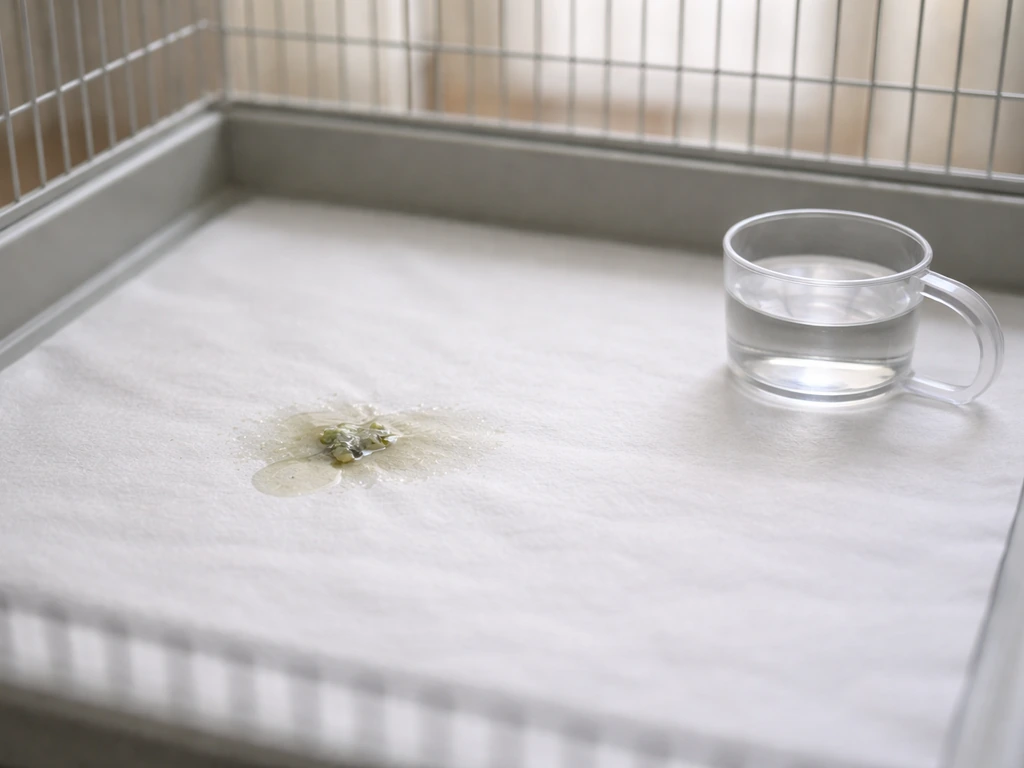
Watery droppings on their own for a few hours aren't always an emergency, especially if your bird just ate a lot of fruit or fresh vegetables. But if the watery droppings persist for more than 12 to 24 hours with no obvious dietary explanation, it's time to schedule a prompt veterinary evaluation, not a "wait and see for another week" approach.
Call an avian vet urgently (same day or emergency care if needed) if the watery droppings are happening alongside any of these:
- Lethargy or sitting low on the perch with fluffed feathers
- Weakness or difficulty standing/gripping
- Reduced or absent appetite
- Vomiting or regurgitation
- Any change in breathing (labored, tail bobbing, wheezing)
- Significant visible weight loss
- Abnormal urate color (bright green, red, black, or absent urates)
- Seizures or loss of coordination
If your bird is alert, eating, active, and only has slightly wetter droppings, you have a short window to monitor while you arrange an appointment. Track weight daily, log how often the bird drinks and how much the cage liner is soaking, and note any behavioral changes. Don't wait longer than a day or two even if the bird seems okay, because metabolic conditions can deteriorate quickly in small birds.
Sick birds are also masters at hiding illness until they can't anymore. If something feels off to you even if you can't point to a specific dramatic symptom, trust that instinct and get an avian vet's eyes on the bird. General bird sick symptoms and signs of systemic illness can be subtle, and a bird that looks "just a little off" today can crash surprisingly fast. bird sick symptoms.
How vets diagnose diabetes in birds
A vet can't confirm diabetes from symptoms alone, even classic ones. Diagnosis requires persistent findings on blood and urine testing, not just a single high reading. This matters because birds naturally have higher blood glucose than mammals, and stress alone from handling can push glucose up temporarily. A one-time high blood sugar result doesn't mean diabetes.
The core diagnostic picture a vet is looking for is the combination of persistent hyperglycemia (blood glucose consistently and substantially elevated, in confirmed diabetic cases sometimes exceeding 800 mg/dL), glucosuria (glucose appearing in the urine, sometimes at very high concentrations exceeding 2,000 mg/dL), and the bird's clinical signs matching the pattern. In birds with diabetes mellitus, urine glucose concentrations can be very high (reported over 2000 mg/dL) and blood glucose can also be substantially elevated (reported over 800 mg/dL), supporting glucosuria-based confirmation. All three pieces together build the case for diabetes mellitus.
Fructosamine testing is particularly valuable here. Because it reflects average blood glucose over roughly the past two to three weeks (based on how long serum proteins last), a high fructosamine level tells the vet that the hyperglycemia is persistent and not just a stress response from the vet visit. It's a much more reliable indicator of true long-term glucose elevation than a single blood glucose measurement.
Here's what a typical diabetes workup in a bird looks like:
- Full serum biochemistry panel: checks blood glucose, kidney function (uric acid, creatinine), liver enzymes, and pancreatic markers all at once
- Urinalysis: looks for glucosuria and ketonuria, which strongly support a diabetes diagnosis
- Fructosamine measurement: confirms persistent hyperglycemia rather than a single-point stress spike
- Complete blood count (CBC): helps identify infections, inflammation, or other concurrent disease
- Physical exam with weight assessment: documents body condition and any findings like fluid accumulation or organ enlargement
The bloodwork also serves another purpose: it helps rule out kidney disease, liver disease, pancreatitis, and infections that could be mimicking diabetes or contributing to the elevated glucose. Because so many conditions overlap, the full panel is more useful than just testing glucose alone. Some vets may also recommend imaging (X-rays or ultrasound) to evaluate organ size and structure, particularly if the initial bloodwork suggests liver or kidney involvement.
Treatment and management options
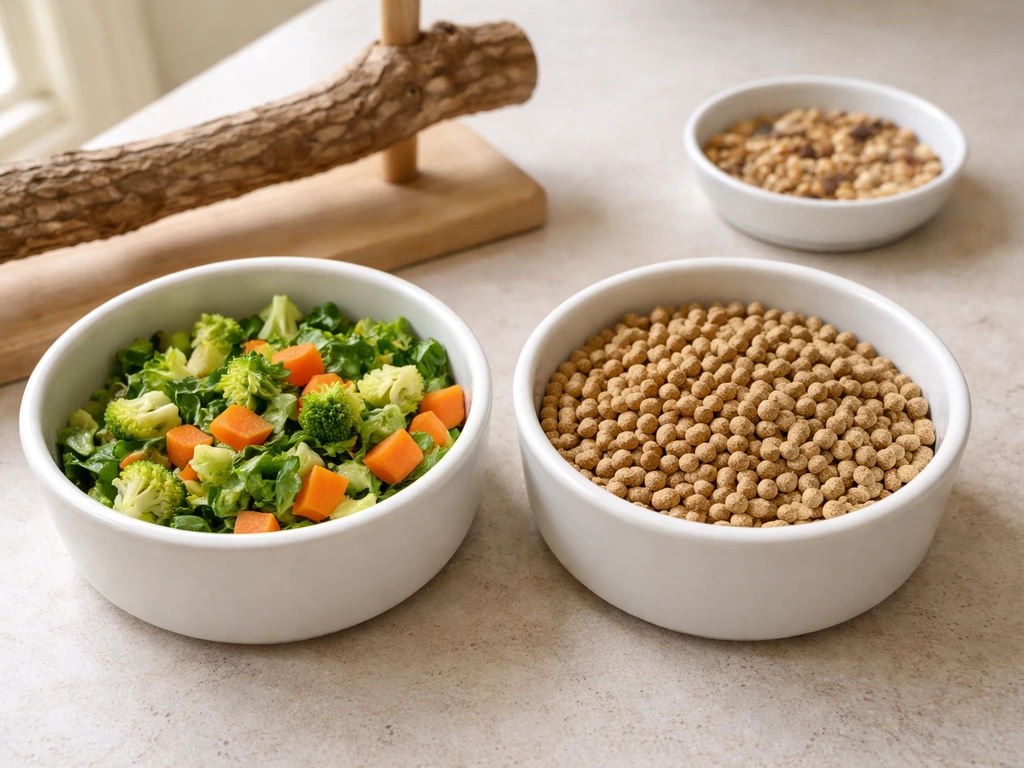
The first thing most avian vets will tackle is diet. Birds, especially parrots, are often fed seed-heavy diets that are high in fat and simple carbohydrates and nutritionally incomplete. Converting to a high-quality pelleted diet is almost always the starting point for managing diabetes mellitus in birds. Pellets provide more consistent, balanced nutrition and reduce the glucose spikes that come from sugary treats and high-fat seeds. Treats should be minimized or eliminated during treatment.
Insulin therapy may be added when dietary management alone isn't enough to bring glucose under control. This is done under veterinary direction only, because dosing in birds is tricky. Smaller birds often need higher doses relative to their body weight compared to what you'd calculate from mammal protocols, and the response can vary significantly by species. Some granivorous birds respond differently to insulin than others because their glucose regulation relies more on glucagon. Vets typically start at a conservative minimum dose and adjust based on monitoring. Insulin types used in avian medicine include NPH and protamine zinc analogs.
Supportive care is also a big part of management, especially in the early stages or during a crisis. This can include fluids to address dehydration (birds with polyuria and polydipsia can become dehydrated despite drinking a lot), nutritional support, and treatment of any concurrent conditions like kidney or liver disease. Addressing the underlying or contributing disease matters as much as targeting the glucose itself.
Ongoing monitoring at home is part of the treatment plan. Your vet will likely ask you to track body weight regularly, watch the droppings for improvement in the watery pattern, and note any behavior changes. Follow-up bloodwork, including fructosamine, helps the vet assess whether the treatment is working. If you're giving insulin, the vet will guide you on safe administration and monitoring for signs of hypoglycemia (low blood sugar), which is a real risk with insulin therapy.
Prognosis and preventing future episodes
Honest answer on prognosis: it's variable. Some birds respond well to dietary changes and insulin therapy, stabilize, and do well long term. Others have underlying organ damage or disease severity that limits what treatment can achieve. Published case reviews show a mix of outcomes, and the biggest factors affecting prognosis are how early the condition is caught, whether there's concurrent kidney or liver disease, and how well the bird tolerates and responds to treatment.
Catching it early matters more in birds than in many other species because they deteriorate faster. A bird that's been losing weight and showing watery droppings for weeks before seeing a vet is going to be harder to treat than one caught at the first signs. This is the main argument for routine home monitoring.
For prevention and reducing the risk of a future episode, the dietary changes are the most impactful thing you can do. Transitioning to a pelleted diet, limiting high-sugar fruits and treats, and maintaining a healthy body weight all reduce metabolic stress. Obesity is a risk factor, so keeping your bird active and at a healthy weight matters.
- Weigh your bird weekly on a gram scale and keep a simple log
- Transition to a veterinarian-recommended pelleted diet if you haven't already
- Limit seeds to occasional treats rather than a dietary staple
- Reduce high-sugar fruits and avoid processed or sweetened foods entirely
- Schedule annual wellness exams with an avian vet, including bloodwork for older birds
- Check droppings daily: changes in volume, consistency, or color are early warning signs worth noting
- Monitor water intake, if your bird is drinking noticeably more than usual, log it and mention it at the next vet visit
Bird dehydration and electrolyte imbalance are real risks that can develop alongside or as a result of diabetes, so staying ahead of hydration status is part of long-term care. If your bird has been diagnosed and treated, follow-up fructosamine testing every few months gives you and your vet a reliable picture of how well glucose is being controlled over time, rather than relying on a single snapshot measurement. It's the most practical tool for long-term disease monitoring in avian patients.
FAQ
Can stress from handling or the vet visit cause bird diabetes symptoms like increased drinking and watery droppings?
Stress can temporarily raise blood glucose, which can complicate diagnosis, but it should not usually cause sustained watery droppings and progressive weight loss. If the watery droppings and drinking behavior continue at home beyond a day, treat it as a real medical problem and get avian blood and urine testing.
How long should I observe watery droppings before assuming diabetes?
If there is no clear dietary trigger and watery droppings persist for more than 12 to 24 hours, schedule prompt evaluation. If you also notice increased drinking, weight loss, or a soaked cage bottom pattern that keeps worsening, do not wait longer than 1 to 2 days even if the bird seems alert.
What common conditions can most easily be mistaken for bird diabetes symptoms?
Kidney disease is a major mimic because it can produce similar polyuria and polydipsia. Diabetes insipidus also causes frequent drinking and dilute urine, even though blood sugar regulation is the issue is different. Because overlap is large, symptoms alone cannot reliably separate these conditions.
If my bird eats normally but is losing weight, does that still fit bird diabetes symptoms?
Yes. Weight loss can occur even with a normal or increased appetite (polyphagia) when insulin function is insufficient or glucose regulation is impaired. Normal eating does not rule out diabetes mellitus if other signs, especially watery droppings and increased drinking, are present.
How should I track drinking and droppings at home to help my avian vet?
Use a simple log, note how often the bird visits the water dish, and measure or estimate the cage liner saturation after a consistent interval (for example, every 4 to 6 hours). Also weigh daily on the same scale and record droppings frequency and consistency, not just color.
What is the most useful test if the vet suspects diabetes but my bird had a high blood glucose once?
Ask whether fructosamine testing is being used. It reflects average blood glucose over roughly the prior 2 to 3 weeks, helping determine whether the elevation is persistent rather than a short-term stress effect.
Why does the vet require urine testing, isn’t blood glucose enough?
In birds, a single glucose measurement can be misleading, stress can raise glucose briefly, and interpretation is species specific. Glucosuria, glucose in the urine, provides evidence that the body is spilling glucose consistently, which strengthens the diagnosis when paired with bloodwork and clinical signs.
If my bird is diagnosed with diabetes, should I stop sugary fruits or treats immediately?
Yes, minimize or eliminate sweet treats during the evaluation and early treatment period, because they can worsen glucose variability. If the diet is already seed-heavy, ask the vet about a controlled transition plan to pellets rather than making abrupt changes that could reduce intake.
Is insulin always required to treat bird diabetes symptoms?
Not always. Some birds respond well to dietary correction alone, especially when caught early, before significant organ damage. Insulin is added when glucose remains uncontrolled under veterinary monitoring, and it must be dosed carefully due to the risk of hypoglycemia.
How can I recognize hypoglycemia in a bird receiving insulin?
Monitor closely for sudden weakness, trembling, increased clumsiness, extreme lethargy, or collapse. If any of these occur, contact your avian vet immediately. Do not adjust insulin doses without the dosing plan your vet provides.
When should I seek emergency care instead of a routine appointment?
Seek same-day or emergency evaluation if watery droppings come with marked weakness, poor responsiveness, rapid weight loss over a short period, signs of dehydration (sunken eyes, skin staying tented), or any breathing trouble or significant behavioral decline. Birds can deteriorate faster than many owners expect.
Does prognosis depend more on how early treatment starts or on the type of bird?
Both matter, but timing often has a big impact. Early intervention before weeks of weight loss and before concurrent kidney or liver issues are established generally offers the best chance of stabilization. Species differences can affect response, but organ involvement and treatment tolerance are key predictors.
Next Article
Bird Symptoms: How to Spot, Triage, and Act Fast
Spot bird symptoms fast with triage steps, symptom clusters, red flags, and safe supportive care for pet or wild birds.