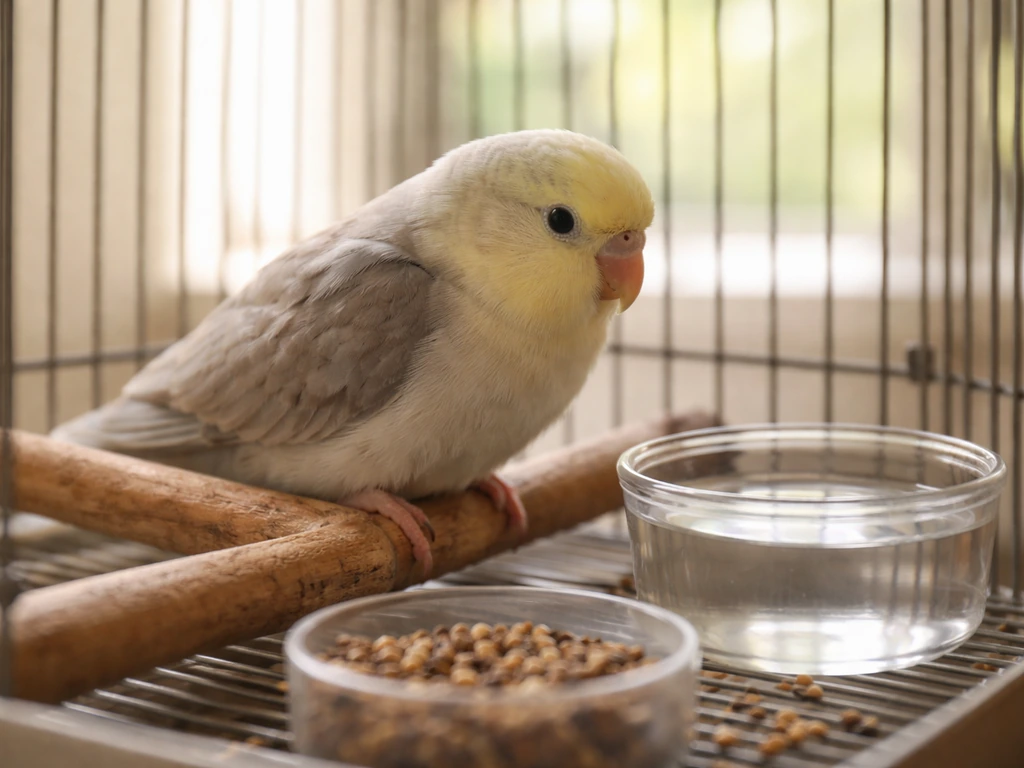
A bird that is choking or has an airway obstruction will typically show open-mouth breathing, neck stretching or extending forward, gasping, tail-bobbing with every breath, and sometimes a squeaking or gurgling sound with each inhale. Emergency and Critical Care , IVIS describes upper-airway obstruction patterns in birds, including gasping for air (often with neck extension) and squeaking sounds with each breath gasping or squeaking sounds with each inhale.
Bird Choking Symptoms: What to Check and Do Now

Marcus Webb
14 May 2026
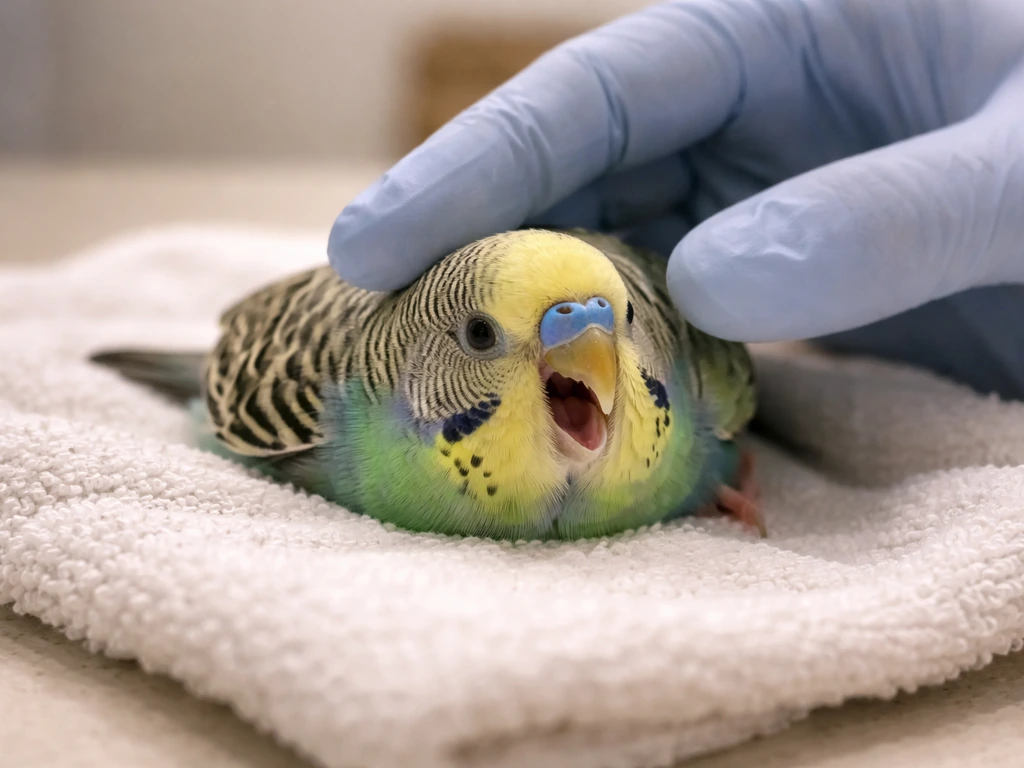
These signs of respiratory distress, such as open-mouth breathing, increased sternal motion, and tail bobbing, can reflect respiratory distress and should be interpreted alongside other findings. These signs can appear suddenly and escalate fast. If your bird is showing any of these right now, this is an emergency: call an avian vet or avian ER immediately while you read through the first steps below.
How to tell choking vs breathing distress in birds
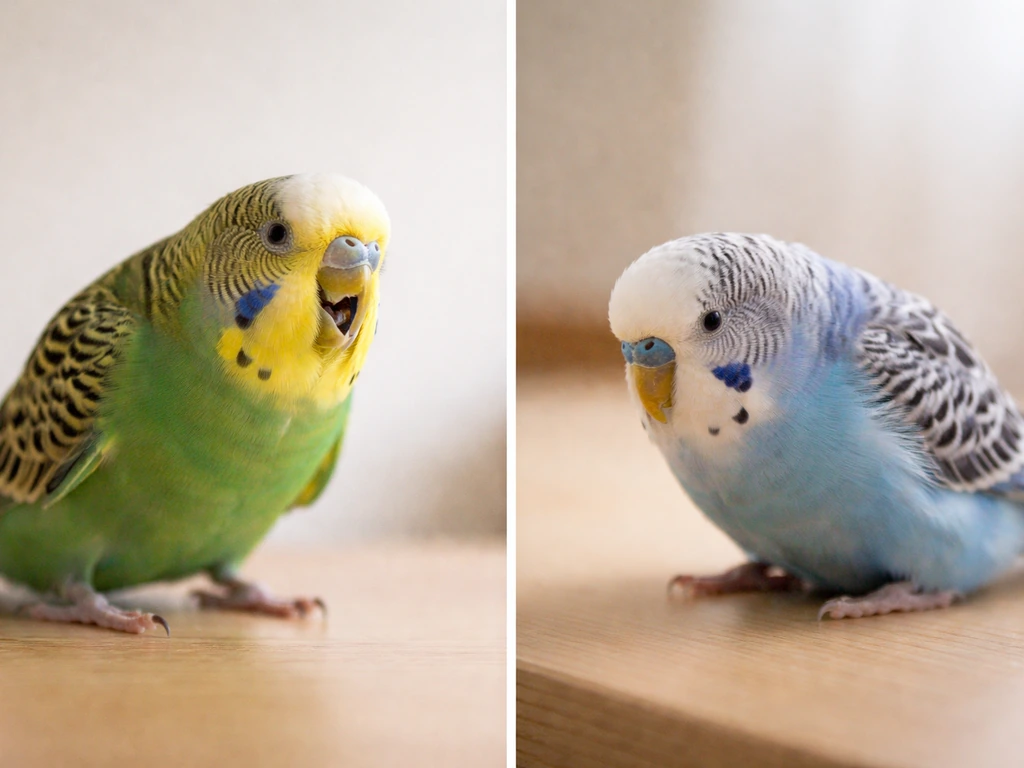
This distinction matters a lot, because the response is different. True choking (airway obstruction from a foreign object or food) and respiratory distress from illness can look almost identical from across the room. Both cause open-mouth breathing and obvious effort. But there are clues to separate them.
Choking or airway obstruction tends to come on suddenly, often right after eating, being given a treat, or exploring something with the beak. The bird may be pawing at its face or beak, making repeated swallowing or gagging motions, and producing abnormal sounds specifically during the inhale (inspiratory distress). You may notice the neck extending forward or upward as the bird tries to open the airway.
Respiratory distress from illness, infection, or aspiration typically builds more gradually, though it can worsen quickly. The bird may have been off its food, lethargic, or showing other general sick symptoms over hours or days before the breathing trouble became obvious. Bird depression symptoms are often subtle at first, so notice changes in activity level, posture, and appetite early lethargic.
Bird symptoms can also include lethargy, changes in appetite, or abnormal droppings before breathing trouble becomes obvious sick symptoms. Pay attention to bird diseases and symptoms too, since illness can start subtle and progress into breathing trouble general sick symptoms. Sounds may occur on both inhale and exhale. If your bird has been unwell before this started, a systemic illness or infection is more likely than a simple mechanical obstruction.
That said, these situations overlap. Aspiration (inhaling food, liquid, or material into the airway) is a common cause that bridges the two: it starts like a choking event but quickly becomes a respiratory emergency with infection risk. When in doubt, treat it as urgent either way.
Common bird choking symptoms to look for
Birds can't cough the way mammals do, so they show distress differently. Here are the specific signs to watch across behavior, breathing, and swallowing. If the breathing effort is not clearly explained by a sudden choking episode, also review bird diseases and symptoms that can mimic airway obstruction.
Behavioral signs
- Sudden panic or agitation, especially right after eating
- Pawing at the beak or face repeatedly
- Head shaking or flicking movements
- Repeatedly rubbing the beak on the perch or cage bars
- Sudden stillness or collapse after initial distress
- Lethargy or weakness that comes on quickly
- Color change around the beak or feet (bluish or very pale) in severe cases
Breathing signs
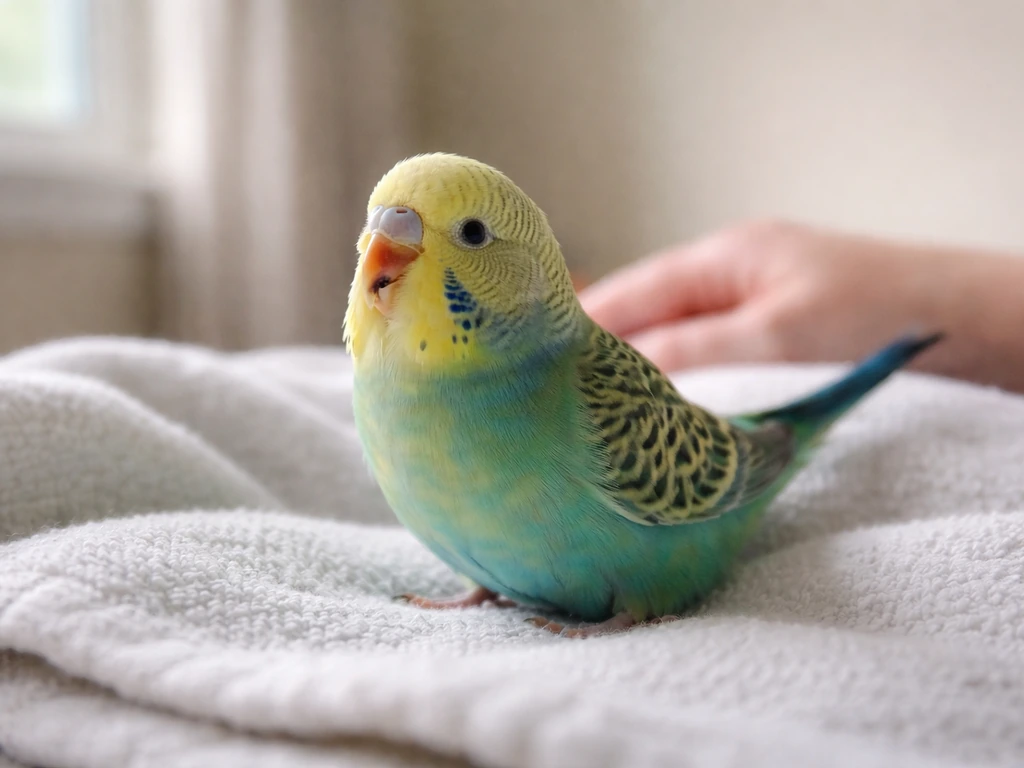
- Open-mouth breathing (always abnormal in birds at rest)
- Neck extending forward or upward with each breath
- Tail bobbing with each breath (a sign of increased breathing effort)
- Visible sternal (chest) movement that is labored or exaggerated
- Squeaking, wheezing, or high-pitched sounds on the inhale
- Gurgling or wet sounds from the throat or chest
- Gasping or rapid, shallow breaths
Swallowing and oral signs
- Repeated gagging or retching-like movements without vomiting anything up
- Drooling or excessive moisture around the beak
- Inability or reluctance to swallow
- Regurgitation or bringing food back up immediately after eating
- Food or mucus visible at the beak or nostrils
Possible causes of choking in pet and wild birds
Understanding what caused the episode helps you describe it accurately to the vet and also guides what they'll look for. The most common causes include:
- Food pieces that are too large, including chunks of fruit, vegetables, or soft foods that compress and block the throat
- Seed hulls or shell fragments that lodge in the throat or crop
- Treats given in large amounts or pieces, particularly sticky treats like peanut butter or bread that can clump in the esophagus
- Small objects, toys, or cage parts the bird swallowed or tried to swallow
- Aspiration during eating, especially in young birds, hand-fed chicks, or birds that eat too quickly
- Thick or sticky secretions from dehydration, respiratory infection, or mucus build-up that partially obstruct the airway or throat
- Stress-related swallowing issues, where a frightened bird inhales while eating
- Goiter or thyroid enlargement in budgerigars (a classic cause that compresses the crop and airway in small parrots)
- Tumors or masses in the throat, crop, or trachea in older birds
In wild birds, choking can also happen from fishing line fragments, small plastic pieces, or natural food items like fish bones. The emergency response is the same: get the bird to a wildlife rehabilitator or avian vet as fast as possible.
What to do right now: safe first checks and emergency steps
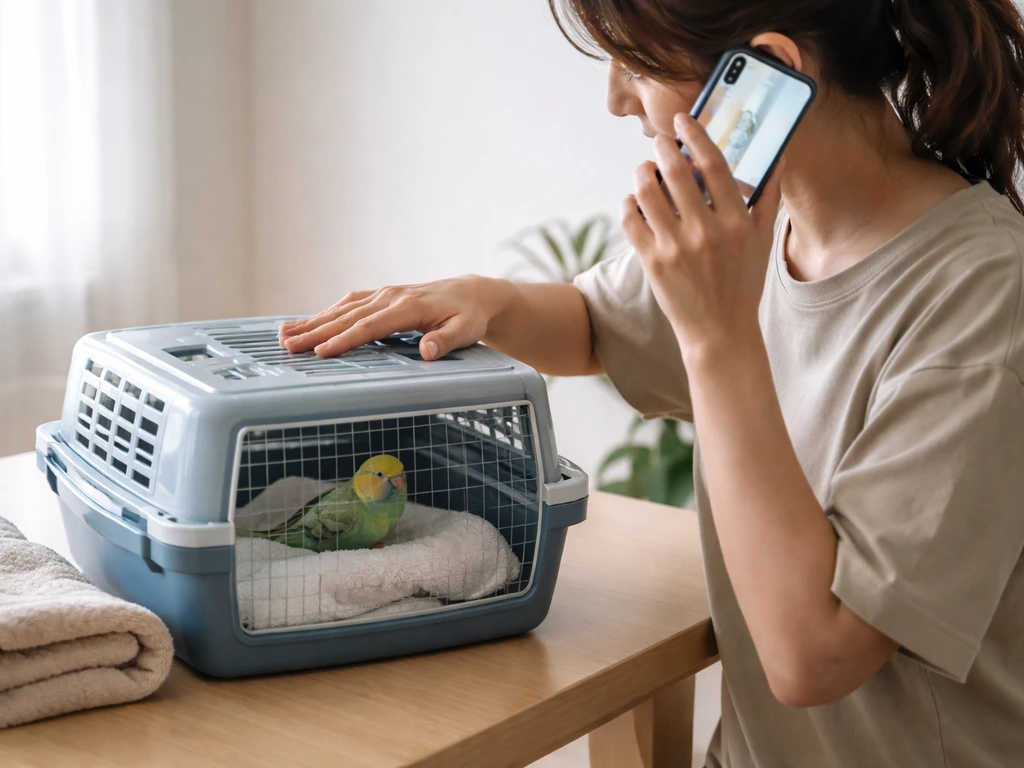
If your bird is in active distress, the most important thing you can do right now is call an avian vet or emergency animal hospital while you do these steps. Do not wait to see if it gets better on its own.
- Stay calm. Birds are highly sensitive to human stress and will panic more if you are panicked. Move slowly and speak quietly.
- Move the bird to a warm, quiet, dimly lit space. Stress worsens breathing difficulty. Reduce noise, cover most of the cage, and remove other pets from the room.
- Observe the bird without handling it. Look for the breathing signs listed above. Note when it started and whether the bird had just eaten or been given something new.
- Look at the beak from a safe distance. If you can see visible food, mucus, or a foreign object at or near the beak opening, note it. Do not try to reach into the beak or throat yourself.
- If the bird is conscious and you can safely hold it, gently hold it upright (head up). Do not tilt the head down or shake the bird. This can make aspiration worse.
- Call your avian vet or the nearest avian emergency clinic immediately. Describe the symptoms you see: open-mouth breathing, sounds, when it started, and what the bird ate or was exposed to. They may guide you through specific steps for your bird species.
- If you're traveling to the vet, keep the bird warm (around 85 to 90°F for most small parrots) and in a secure, ventilated carrier. Avoid car vents blowing directly on the bird.
For hand-fed baby birds that have aspirated formula: this is a veterinary emergency. Do not feed more formula. Keep the chick warm and get to the vet immediately. Aspiration pneumonia can develop within hours.
What to avoid doing at home
The instinct to do something immediately is understandable, but several well-meaning actions can seriously harm a bird in respiratory distress. Avoid all of the following.
- Do not shake the bird or hold it upside down. Unlike the Heimlich maneuver in humans, this can cause injury and worsen aspiration.
- Do not try to sweep the throat or beak with your finger. Bird airways are tiny, and you can push an obstruction deeper or injure soft tissue.
- Do not give water by dropper or syringe. A bird that is struggling to breathe or swallow can aspirate liquid easily.
- Do not use steam or a nebulizer without veterinary guidance. Steam can help with thick secretions in some respiratory conditions, but it is not appropriate for airway obstruction and can stress an already compromised bird.
- Do not delay calling the vet to 'watch and wait' if the bird is actively gasping, has open-mouth breathing at rest, or has changed color. These are emergency signs.
- Do not give any medication, including human medications, natural remedies, or supplements, without direct veterinary instruction.
When to see an avian veterinarian urgently (and what they'll do)
Go to an avian vet or emergency clinic immediately if you see any of the following. These are not 'watch overnight' situations.
- Open-mouth breathing at rest (not just after exertion)
- Tail bobbing with every breath
- Gasping or neck extending forward with each inhale
- Audible squeaking, gurgling, or wheezing sounds from the airway
- Blue, purple, or very pale coloring around the beak, feet, or skin
- Sudden collapse or inability to grip the perch
- Loss of consciousness or unresponsiveness
- Visible foreign material at the beak with active distress
It's also reasonable to call ahead and describe what you're seeing even if the bird seems to be stabilizing, because some causes (like partial obstruction or early aspiration) worsen over hours. General sick symptoms like lethargy, not eating, or mild breathing changes that are new but not severe also warrant a vet call within 24 hours. If you are also noticing unusual diabetes-related signs, such as increased thirst or abnormal droppings, mention them to the avian vet mild breathing changes. Bird dehydration can also show up as lethargy, not eating, and worsening breathing changes that warrant timely vet attention.
When you get to the vet, here's roughly what to expect. The vet will first observe the bird's breathing pattern and effort before even handling it, because physical examination of a severely distressed bird can worsen the situation. They'll listen for respiratory sounds, look for signs of upper versus lower airway involvement, and assess whether the bird is stable enough for further workup. If the bird is stable, they may examine the mouth, throat, and crop directly.
Imaging (X-ray) is commonly used to identify a foreign object, crop impaction, mass, or aspiration pneumonia. In some cases, endoscopy allows them to visualize and remove an obstruction directly. If infection or aspiration is suspected, they may start antibiotics and supportive care including oxygen, warmth, and fluids.
The vet visit is also the right time to discuss whether other symptoms your bird has shown recently could be related. General illness signs, changes in droppings, or behavioral changes you might have noticed over recent days are all useful information. Those broader patterns are covered in detail in articles on bird sick symptoms and bird diseases and symptoms, which can help you piece together a fuller picture for your vet.
Prevention: safer feeding and hazard reduction
Most choking and aspiration events in pet birds are preventable. A few consistent habits make a real difference.
Safer feeding practices
- Cut soft foods (fruit, vegetables, cooked grains) into small, appropriately sized pieces for your bird's size and species. A budgie and a macaw need very different piece sizes.
- Avoid sticky foods like peanut butter on its own. If you offer it, serve a very thin scrape on a piece of vegetable or use only bird-safe peanut butter formulations in tiny amounts.
- Never leave hand-fed chicks unattended during formula feeding. Feed slowly and check crop fill frequently to avoid overfilling, which increases aspiration risk.
- Offer seeds with shells only if your bird is experienced at hulling them. Young birds and some species can struggle with large-shelled seeds.
- Supervise treat time, especially with new foods or larger pieces the bird has not had before.
- Ensure fresh water is always available. Dehydration thickens secretions and makes swallowing harder. (If your bird seems to be drinking very little, check out information on bird dehydration symptoms for signs to watch.)
Reducing hazards in the environment
- Audit the bird's living area and play space for small objects: screws, beads, toy parts, rubber pieces, and anything the bird might pick up and swallow.
- Check toys regularly for wear, broken parts, or loose pieces that can break off.
- Keep the bird away from household areas where small hazards are common: kitchens, craft areas, and desks with small supplies.
- Do not allow unsupervised access to fabric, rope toys, or stringy materials that can unravel and be ingested.
- If you have a bird that eats quickly or competes with other birds at the food bowl, feed them separately to reduce rushed eating.
When early care prevents emergencies
Birds hide illness well. By the time a bird is showing obvious respiratory distress, the situation may already be serious. Scheduling a routine avian vet check once or twice a year lets a vet catch early signs of thyroid issues, masses, or infection before they become airway emergencies. If your bird's behavior, eating habits, or droppings change in ways that seem off, getting that checked early is always the right call. Choking emergencies can't all be prevented, but staying on top of your bird's general health and minimizing known hazards reduces the risk substantially.
FAQ
My bird seems a little better than before. Do I still need to treat these bird choking symptoms as urgent?
If your bird is breathing with an open mouth, stretching the neck forward or upward, gasping, tail-bobbing with each breath, or making noisy breathing mainly on inhalation, treat it as an emergency even if the bird occasionally calms down. Partial obstructions and early aspiration can look improved while the airway is still not cleared.
How can I tell whether bird choking symptoms are from a foreign object versus illness?
A reliable clue is what happened right before the episode. Choking from a foreign object or food usually starts suddenly, often right after eating, a treat, chewing on something new, or attempting to swallow. Illness-related respiratory distress is more likely when breathing trouble follows hours to days of reduced appetite, lethargy, or abnormal droppings before the breathing gets bad.
What should I not do while trying to help a choking bird at home?
Do not try DIY “removal” methods like inserting tools into the mouth or forcing the bird to swallow. Even if you suspect a visible object, probing can push material deeper, injure the throat, or worsen swelling. If you must do anything while waiting, focus on keeping the bird calm and warm and call an avian ER.
If there are no obvious squeaks or gurgles, can it still be bird choking symptoms?
Birds cannot cough effectively like mammals, so silent or low-noise breathing is not reassuring. Some obstructions cause mostly inspiratory effort, and aspiration can progress to infection quickly. If you see effortful breathing signs, assume airway compromise even without loud sounds.
Can aspiration look like true choking at first?
Yes, aspiration can start like a brief choking event and then worsen as airway inflammation and infection develop. If your bird drooled, had a sudden cough-like gag without improvement, inhaled liquid or formula, or choked during feeding, mention that aspiration possibility to the vet because treatment may need to include oxygen support and infection management.
What is different about bird choking symptoms in hand-fed babies or chicks?
If your bird is hand-fed or recently received formula, treat any choking episode as a veterinary emergency, even if the chick seems alert afterward. Aspiration pneumonia can begin within hours, so do not give more formula and do not wait for symptoms to worsen.
My bird is only partially choking. Are partial blockages less dangerous?
Partial obstructions can cause repeated gagging, swallowing attempts, or one-sided or changing breathing effort, and they may temporarily ease as the bird shifts position. Because the airway can fully block later, any breathing effort that is new and persistent should trigger a vet call, not just observation overnight.
How does a recent illness history change what I should do for bird choking symptoms?
If your bird has been sick before the episode, that history raises suspicion for respiratory infection or aspiration due to being too weak to swallow safely. Still, aspiration and foreign bodies can coexist, so the practical step is the same: urgent vet assessment, and be ready to describe prior appetite, energy, and droppings.
If my bird has abnormal droppings or seems less active, should that affect my emergency decision?
Yes. Changes in droppings, reduced appetite, and lethargy can point to systemic illness or dehydration that makes aspiration more likely and makes recovery harder. Mention any unusual droppings, water intake changes, and behavior changes over the prior 24 to 72 hours when you call or arrive.
What are the most practical prevention steps to reduce the risk of choking and aspiration?
For prevention, reduce opportunities for beak chewing on hazards, especially strings, small plastic fragments, and loose fibers, since line fragments and similar materials are known culprits. Also review feeding practices, avoid force-feeding or dribbling liquids into the beak, and keep supplements or foods sized appropriately to prevent choking risks.
Next Article
Bird Diabetes Symptoms: Warning Signs and Next Steps
Spot bird diabetes symptoms early and know what to monitor now, when to see an avian vet, and next steps.