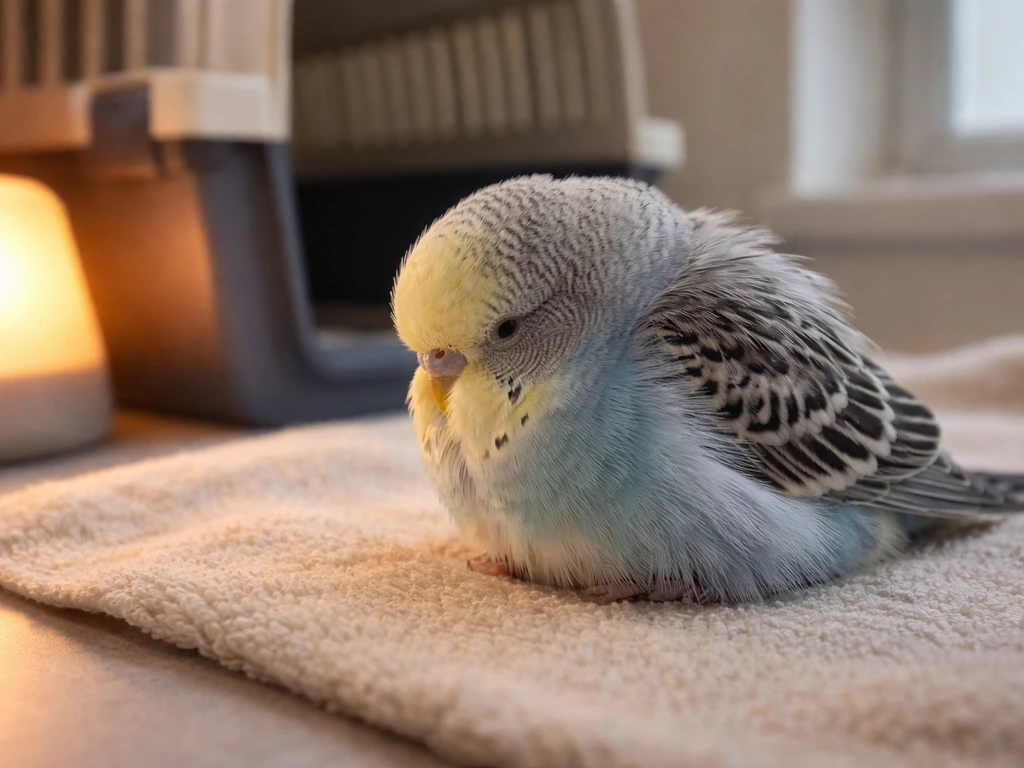
If a bird hit a window, got caught by a cat, fell from its cage, or had any kind of impact to the head, watch for these signs immediately: loss of balance or inability to perch, a tilted or drooping head, confusion or unresponsiveness, tremors or seizures, and eyes that look uneven, glazed, or swollen. Any one of these after a known or suspected impact is a strong signal that you're dealing with a head injury, and the bird needs to be kept warm, calm, and still while you arrange veterinary care fast.
Bird Head Injury Symptoms: What to Check and Next Steps

Marcus Webb
14 May 2026
How to recognize head trauma right away
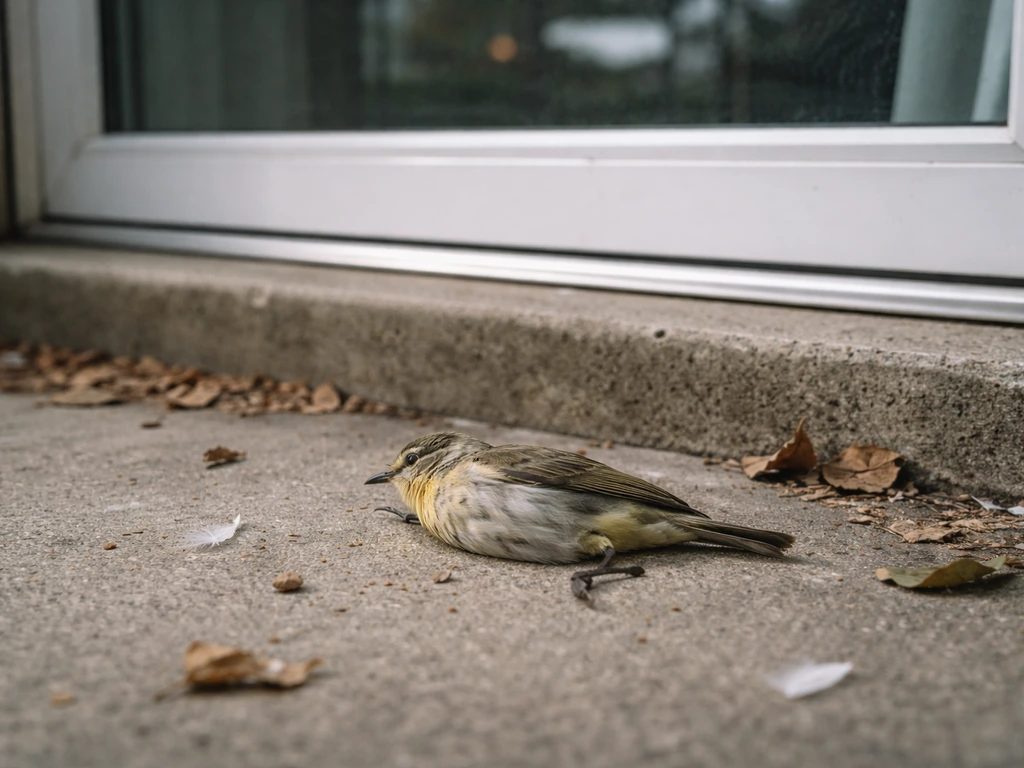
The first few minutes after a suspected head injury are the most important. A bird that has just hit a window or taken a hard knock will often look stunned: it may be sitting on the ground or the bottom of the cage, feathers puffed up, barely moving, and unresponsive to your presence. That dazed stillness is a red flag, not just tiredness.
Wild birds found on the ground beneath a window are almost always dealing with a collision injury. Pet birds may have flown into glass, fallen from a high perch, or been grabbed by another animal. Even if there's no obvious wound, the brain can still be injured. Never assume the bird is fine just because you can't see blood.
The clearest immediate indicators are behavioral: the bird isn't moving normally, isn't reacting the way it should, and looks like it doesn't know where it is. That cluster of signs after any trauma should put you on alert right away.
Common head injury symptoms to look for
Head injuries in birds produce a recognizable pattern of symptoms across four main areas: behavior, balance, neurology, and the eyes. PetPlace explains that severe ataxia can cause stumbling and falling from a perch, and lethargy can appear as excessive sleepiness along with ruffled feathers and tucking the head under the wing. Here's what each looks like in practice.
Behavior and alertness
- Confusion or disorientation: the bird doesn't respond to sounds, your voice, or movement the way it normally would
- Lethargy: sitting still with ruffled feathers, eyes partially closed, head tucked, appearing excessively sleepy
- Unresponsiveness: not reacting at all, or reacting very slowly, to stimulation
- Flinching or startling at small movements or sounds that wouldn't normally bother it
- Open-beak breathing, which in a trauma context signals significant distress
Balance and coordination
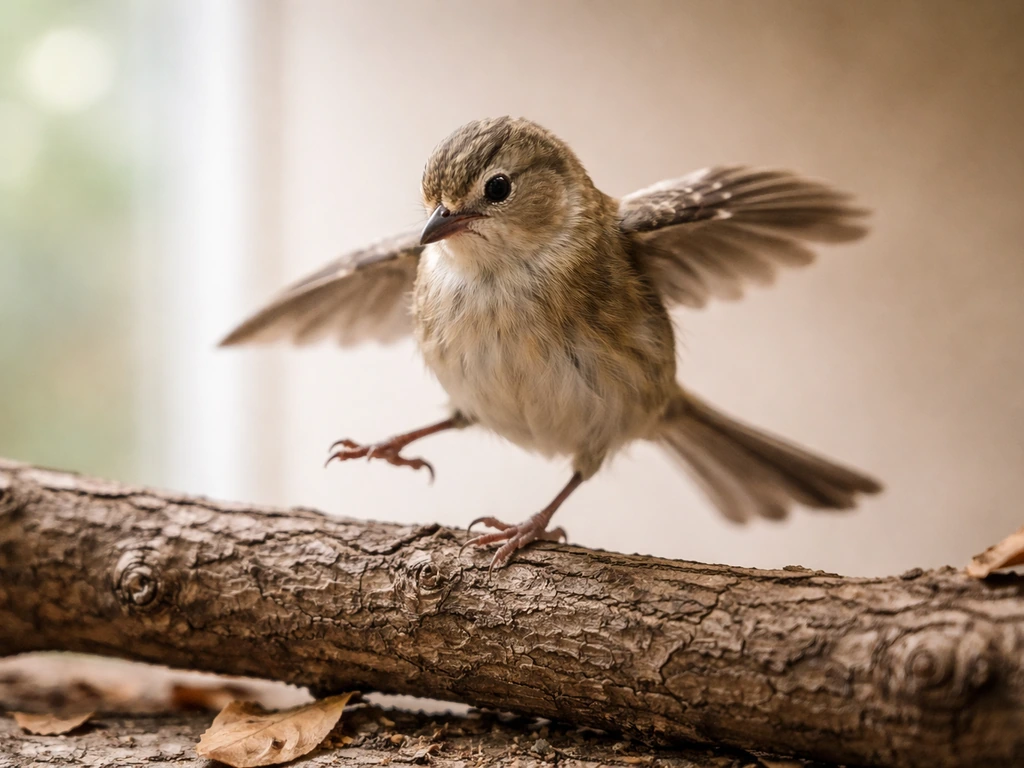
- Stumbling, wobbling, or falling when trying to walk or stand
- Inability to perch or gripping the perch abnormally hard just to stay on
- Falling off the perch repeatedly
- Rolling to one side and being unable to right itself
- Flailing or paddling with the wings or legs while lying on its back or side
Neurological signs
- Head tilt: the head is consistently angled to one side (called torticollis), which points to nerve or brain involvement
- Opisthotonos: the head and neck arch backward in a stiff, extreme way
- Tremors: fine or coarse shaking of the head, body, or wings
- Seizures: sudden, uncontrolled muscle activity, paddling, or convulsions
- Drooping head: the bird can't hold its head upright normally
Eye and head signs
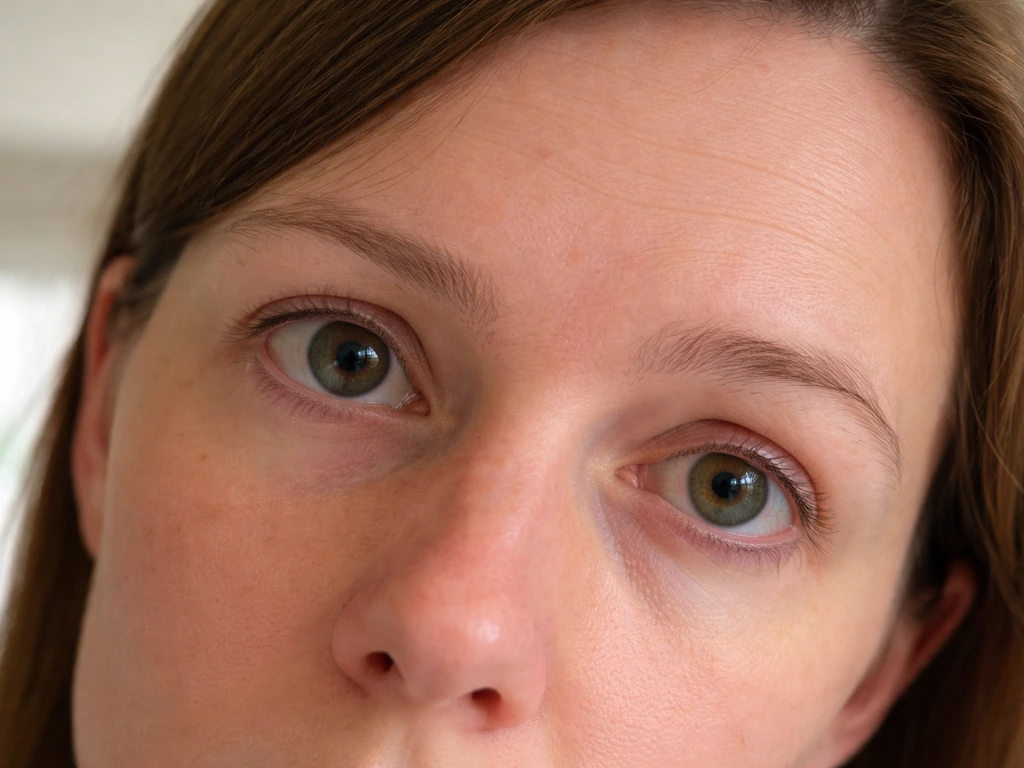
- Pupils that are unequal in size or don't respond normally to light
- Eyes that appear glazed, unfocused, or that track movement slowly or not at all
- Swelling, redness, or puffiness around one or both eyes
- Discharge from the eyes
- Visible bruising, swelling, or bleeding on the head or around the beak
- Inability to open or close one eye properly
Head trauma can damage the nerves that control balance, vision, and movement directly, so it's common to see several of these signs together. A bird showing neurological signs after any impact should be treated as a potential brain injury case until a vet says otherwise.
Signs that mean you're dealing with an emergency
Some symptoms are serious enough that you should be on your way to an avian or exotic animal vet while you're reading this, not after. Get going immediately if the bird shows any of the following: If bleeding does not stop within 5 minutes, first aid should be initiated, since this is a time-critical emergency on your way to an avian or exotic animal vet.
- Active seizures or repeated seizure-like episodes
- Complete unresponsiveness or loss of consciousness
- Bleeding from the head, beak, or eyes that doesn't slow down within about 5 minutes
- Opisthotonos (extreme backward arching of the neck and head)
- Rolling continuously and unable to stop or right itself
- Open-beak breathing combined with any neurological sign
- Rapid worsening of any symptom: going from slightly off-balance to unable to stand within minutes
Even if the bird seems to stabilize after a few minutes, don't assume the crisis has passed. Brain swelling can progress over hours, and a bird that looked shaky but standing can deteriorate quickly. If any neurological symptom appeared after a head impact, a vet evaluation the same day is the right call, not a wait-and-see approach.
It's also worth knowing that shock and neurological injury can look similar from the outside. Both involve extreme stillness, unresponsiveness, and a collapsed posture. If you're not sure which you're dealing with, treat it as an emergency either way. Bird shock symptoms often overlap with head injury signs, so it is safest to treat any sudden collapse or extreme unresponsiveness as an emergency.
What you can safely check at home
Your goal at home is to observe, not to diagnose. You can gather useful information without handling the bird more than necessary, which matters because stress makes head injuries worse.
Watch from a short distance first. Note whether the bird is upright or collapsed, whether it's breathing (watch the chest move), and whether it responds to your voice or to gentle tapping near it. A bird that reacts at all, even weakly, is more stable than one that doesn't react at all.
If you need to look more closely, approach slowly and quietly. Look at the eyes: are they open, and are both pupils roughly the same size? Look for any visible wounds, swelling, or blood around the head, beak, and feathers near the skull. Check whether the bird is holding its head level or tilting it to one side.
Don't attempt a thorough hands-on exam yourself. A proper neurological evaluation for a bird requires trained assessment of specific reflexes, posture, and responses to stimuli, and a detailed eye examination requires a focal light and specialized equipment including fluorescein stain to detect corneal damage. What you can do is observe and report accurately to the vet. The more specific you can be ("the head is tilted about 45 degrees to the left, it fell off the perch twice in 10 minutes, the left eye looks more closed than the right"), the more useful that information is.
First aid steps and what not to do
What to do
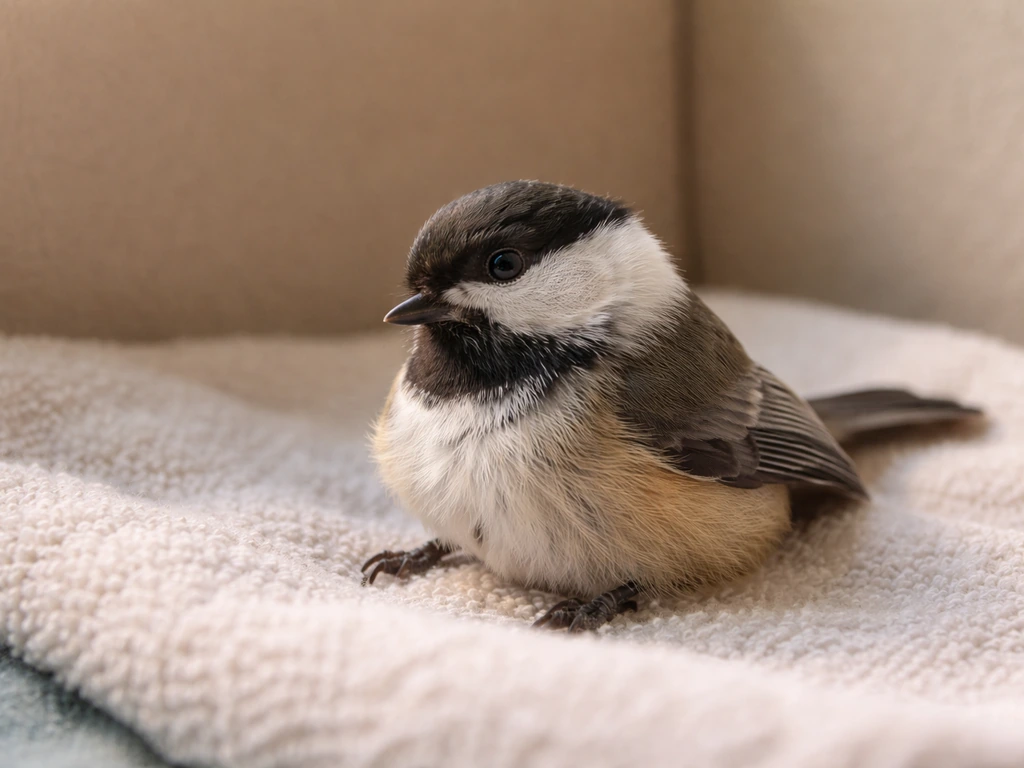
- Keep the bird warm. Place it in a small container (a shoebox lined with a soft cloth or paper towel works well) and keep it in a warm room. For transport, warmth is an important part of basic supportive care.
- Make it dark and quiet. Cover the container with a light cloth or close the box partially. Darkness reduces stress, which is critical when a brain may be injured.
- Minimize handling. Pick the bird up only if it's in danger where it is. Use a soft cloth or small towel to cradle it gently with wings tucked against the body. Avoid putting pressure on the head or neck.
- For wild birds of prey especially: cover the bird carefully with a towel, keeping the wings tucked, and place it in a dark, quiet, warm space while you contact a wildlife rescue or avian vet.
- Control minor external bleeding. If there's a small wound that is actively bleeding, very gentle direct pressure with a clean piece of sterile gauze can help. If bleeding doesn't slow in about 5 minutes, that's an escalation point and you need to get to a vet.
- Call ahead. Phone the avian or exotic animal vet while the bird is resting so they can prepare. For a wild bird, contact a licensed wildlife rehabilitator in your area.
- Keep monitoring. Check every few minutes for changes: is it breathing? Is it more or less responsive? Note any changes to report.
What not to do
- Do not give any human pain medications, including aspirin, ibuprofen, or acetaminophen. These are dangerous to birds.
- Do not force the bird to eat or drink. Forcing food or water on an injured bird risks aspiration and can make things worse. It's strongly advised against unless a vet specifically instructs you to do so.
- Do not try to manipulate or straighten the head or neck if the bird has a head tilt or abnormal posture. You can cause more damage.
- Do not attempt to apply tight bandaging around the head or neck area.
- Do not leave the bird with other pets or in a noisy, bright environment.
- Do not assume a bird that seems to stabilize is out of danger. Neurological symptoms after head trauma warrant a same-day vet visit even if the bird appears to improve.
Next steps: vet care, diagnosis, and what recovery looks like
What the vet will do
An avian or exotic animal vet will start with a physical and neurological examination to figure out where the injury is located in the nervous system, how severe it is, and what the likely prognosis is. That neurological localization exam looks at how the bird holds its posture, its responses to various stimuli, and things like head tilt, muscle tone, and reflex function. The eyes will also be examined closely, potentially using fluorescein stain, which fluoresces bright green under UV or cobalt blue light at any site of corneal injury, helping detect damage that isn't visible to the naked eye.
Depending on what the exam shows, the vet may recommend imaging (X-rays, or CT scan if available) to look for skull fractures or internal bleeding. Supportive care is often the backbone of treatment: warmth, fluids if the bird is dehydrated or in shock, anti-inflammatory medication to reduce brain swelling, and a quiet recovery environment.
Possible complications to watch for
Head trauma can lead to concussion-like events, internal bleeding, swelling in the brain, and direct nerve damage. The complications that tend to show up or worsen over the first 12 to 48 hours include persistent or worsening head tilt, ongoing seizure activity, vision loss, and difficulty eating or drinking due to coordination problems.
Watch for ongoing or worsening bird trauma symptoms over the first 12 to 48 hours, especially persistent head tilt, seizure activity, vision loss, and trouble eating or drinking. Internal bleeding is a related concern in trauma cases more broadly. Internal bleeding symptoms in birds can be subtle at first, so worsening neurological signs after a head impact should be treated as an emergency.
If a bird appeared to improve but then declines again in the first day or two, get back to the vet immediately.
Recovery expectations
Recovery from a mild head injury (a brief stun from a window strike, for example) can happen within hours to a day with rest and supportive care. Moderate injuries may show gradual improvement over days to a week or more. Severe injuries involving ongoing neurological signs carry a more guarded prognosis, though some birds do recover partially or fully with time and appropriate veterinary management.
For wild birds, the realistic goal after stabilization is transfer to a licensed wildlife rehabilitator. For pet birds, longer-term monitoring at home under vet guidance is likely, including watching for recurrence of neurological symptoms and ensuring the bird can eat and drink independently before being considered stable.
| Injury Severity | Typical Signs | Expected Timeline | Action |
|---|---|---|---|
| Mild (stunned) | Brief disorientation, quick recovery, no persistent signs | Recovery within hours | Rest, warmth, monitor; vet call recommended |
| Moderate | Balance issues, head tilt, mild tremors, slow response | Days to 1-2 weeks with care | Same-day vet visit, supportive care |
| Severe | Seizures, opisthotonos, unresponsiveness, major neurological signs | Weeks or guarded prognosis | Emergency vet immediately |
Preventing head injuries in pet and wild birds
Window strikes are by far the most common cause of head trauma in wild birds and a frequent cause in free-flying pet birds too. The most effective prevention is making glass visible to birds by applying visual markers to the outside surface of windows. Decals, window films, tape patterns, cut-outs, or paint all work. The spacing matters: markers should be no more than about 2 inches apart in both directions so birds register the barrier as a solid surface rather than open space. Inside-only stickers are much less effective because birds see the reflection of the outdoors, not the interior.
For pet birds specifically, a few additional precautions make a real difference:
- Supervise free-flight time and close off access to large windows and mirrors
- Keep ceiling fans off when birds are out of the cage
- Secure perches at safe heights to reduce falls, and use perches sized correctly for the bird's feet so grip is stable
- Introduce new spaces gradually so the bird can learn the layout without panicking into walls or glass
- Keep other pets (especially cats and dogs) separated from birds during out-of-cage time
For wild birds around your home or yard, treating windows is the single biggest step you can take. Millions of birds are killed each year from building and window collisions, and it's almost entirely preventable with the right window treatments applied correctly. If you find a stunned bird on your property regularly, that's a signal your windows need attention.
Head injuries don't always look dramatic right away, which is exactly why knowing what to watch for matters. Catching symptoms early, keeping the bird calm and warm, and getting to an avian vet without delay gives the bird the best possible chance of a full recovery.
FAQ
My bird seems “mostly okay” after a head hit. Can I wait overnight or give human pain relievers?
Do not give anti-inflammatory pain meds meant for people (like ibuprofen or acetaminophen). If you cannot reach a vet immediately, focus on warmth, minimal handling, and a quiet, dim enclosure, then call an avian or exotic vet for species-specific dosing guidance.
How can I tell if the head injury is still affecting balance or coordination?
If the bird is unable to perch, has trouble coordinating head movements, or is not drinking, assume the injury is not mild even if it looks calm. A practical check is whether it can swallow normally and steady itself for feeding, if not, seek same-day avian/exotic vet care.
Are uneven eyes or a droopy eyelid after impact always brain injury, or could it be an eye injury too?
If one eye looks more closed, uneven pupils, or the eyes look glazed can be from head trauma, shock, or dehydration. Because corneal injuries can be invisible at first, any eye asymmetry after impact warrants vet assessment, especially if blinking decreases or the eye stays partially shut.
What symptoms mean it is an emergency even if the bird temporarily improves?
Treat it as an emergency if the bird is repeatedly falling, cannot right itself, has new or worsening head tilt, or shows any seizure-like activity. Even if it stopped shaking or looks better, brain swelling can progress, so a same-day evaluation is still the safest choice.
What should I do at home to keep the bird safe without stressing it or worsening the injury?
Keep the bird in a secure, shallow, draft-free container with soft padding so it cannot fall or hit its head again. Many owners use a small towel to reduce movement, but avoid tight wrapping or covering the head, and ensure airflow.
Can a bird head injury also cause breathing problems, and what signs are most concerning?
Yes, head trauma can coexist with breathing issues, especially after window strikes or being grabbed. If you notice open-mouth breathing, persistent gaping, or you cannot see normal chest movement, prioritize immediate vet contact and keep the bird warm but not overheated.
How should I prepare for transport if the vet is far away?
If you must transport, keep the bird warm with a gentle heat source on the outside of the carrier (not directly on the bird), minimize noise and vibration, and cover the carrier partially to reduce visual stress. Plan to go directly to an avian or exotic animal clinic, not a general emergency delay.
Should I try to feed or water a bird with suspected bird head injury symptoms if it is unresponsive?
For a bird that is breathing but not responsive, do not offer water by mouth. You risk aspiration and it can make neurological and swallowing problems worse. Offer only what the vet advises, and watch whether the bird can swallow independently before attempting any feeding.
If the bird looked better after a few hours, what should I monitor over the next day or two?
After a concussion-like stun, some birds improve within hours, but changes can return in 12 to 48 hours. Set a monitoring schedule: check posture, head tilt, responsiveness, and ability to eat and drink, then contact the vet if anything worsens or new neurological signs appear.
What should I do if I find a wild bird on the ground after a collision, and how soon should it be handled by a wildlife rehabilitator?
If you find a wild bird under windows, avoid assuming it is “just stunned” and release it quickly. The safest next step is stabilization at warmth and immediate contact with a licensed wildlife rehabilitator, especially if it cannot stand, perch, or shows any head tilt or uneven eye appearance.
Is it better to heat the bird aggressively to “wake it up,” or should I warm it gently?
Warming helps, but overheating can worsen distress. Use a modest warmth source until the bird feels warmer to the touch and is more alert, then keep it steady and quiet. If the bird is overheating, breathing may speed up and it may look more distressed, then reduce heat.
What information should I write down for the vet if I am told not to examine too much?
A key practical mistake is trying to do a detailed hands-on exam. Instead, record observations at a distance, including whether the bird can right itself, whether it reacts to sound, and the degree of head tilt. These specifics help the vet localize the injury without you causing extra stress.
What if there is no avian vet available right now, who should I contact and what should I do meanwhile?
If you have no access to an avian vet, call the nearest emergency clinic and specifically ask for guidance with bird sedation-free triage and transport. While you wait, keep the bird warm, limit handling, and prioritize evaluation if there is any seizure-like activity, worsening head tilt, or inability to eat and drink.
For preventing future window strikes, what’s the most common mistake with window markers?
For prevention, glass visibility matters, use markers on the outside surface, and keep spacing small so birds perceive solid separation. If you use multiple methods, ensure the full window is covered consistently, including edges and vertical panes, since birds can strike from angles you do not notice.
Next Article
Bird Shock Symptoms: How to Spot and Respond Fast
Learn bird shock symptoms, spot warning signs fast, rule out similar emergencies, and take safe first steps today.