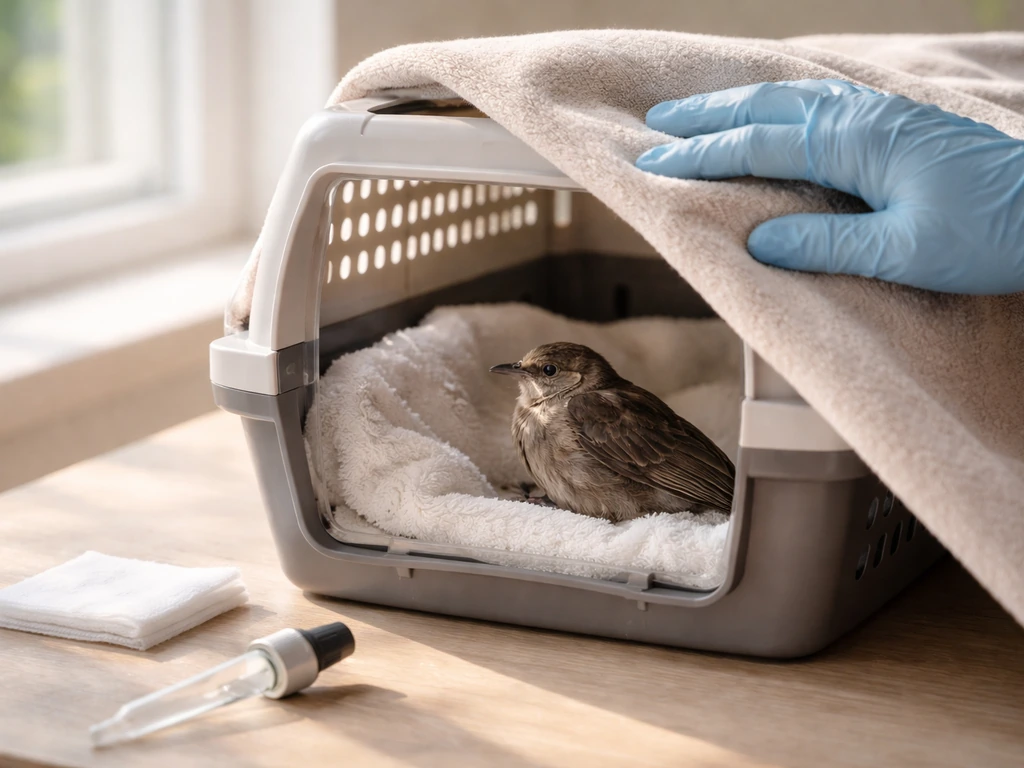
If your bird has suddenly collapsed, gone limp, stopped responding normally, or is breathing with obvious effort, treat it as an emergency right now. Wheezing and tail bobbing while breathing are examples of breathing difficulty signs Merck Veterinary Manual lists for ill pet birds. Birds rarely have "heart attacks" the way humans do, but they can experience sudden cardiac collapse, blood clots, severe shock, or internal organ failure that looks almost identical from the outside. The most important thing you can do in the next few minutes is keep your bird calm, warm, and as stress-free as possible while you arrange emergency veterinary care.
Bird Heart Attack Symptoms: Signs, What to Do Now

Marcus Webb
27 Apr 2026
What people actually mean by "bird heart attack"
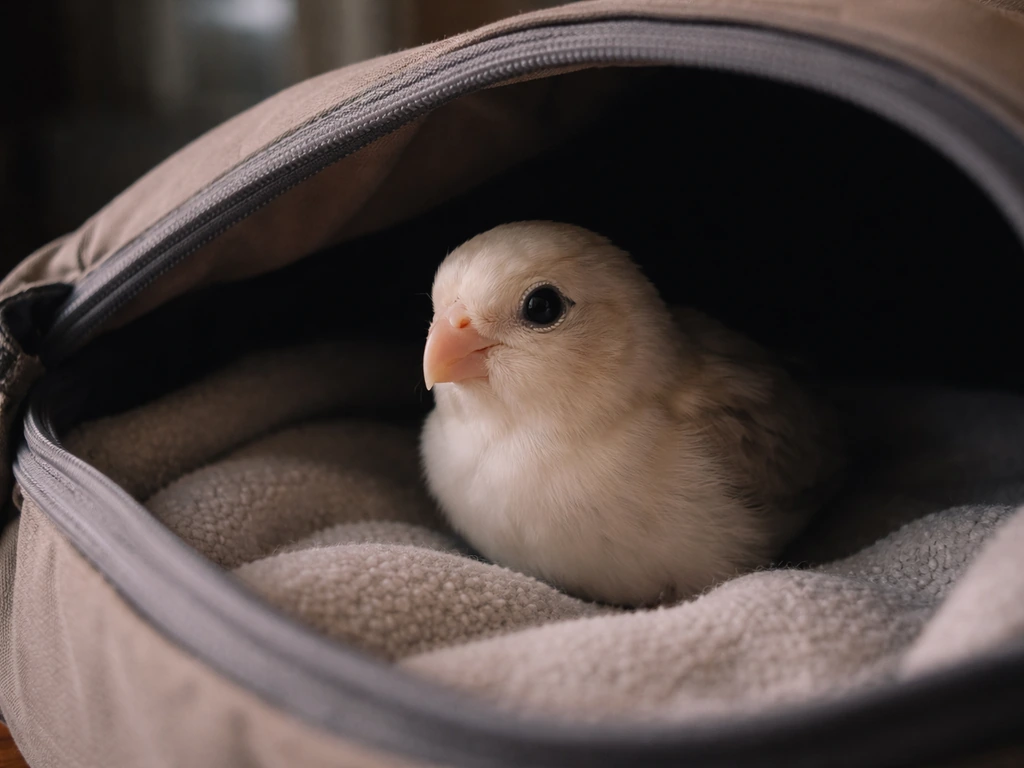
The term is used loosely, and that matters. In humans, a heart attack means a blocked coronary artery cutting off blood to heart muscle. Birds have very different cardiovascular anatomy, and that exact mechanism is uncommon. When bird owners say "heart attack," they're usually describing one of several things: sudden cardiac arrest or arrhythmia, a blood clot (thromboembolism), severe circulatory shock from another cause, or the sudden visible collapse of a bird that had been quietly sick for weeks or months.
That last point is critical. Birds are hard-wired to hide illness. It's a survival instinct that served them well in the wild but can blindside their owners at home. According to the Merck Veterinary Manual, birds often mask disease until very late in the process, so the sudden "heart attack" you're witnessing may actually be the final stage of a cardiac, respiratory, or metabolic condition that had been building silently. This doesn't change what you do right now, but it does explain why these events seem so sudden.
Conditions commonly mistaken for a heart event include severe respiratory infection, toxin exposure, extreme overheating, egg-binding in female birds, internal bleeding, and heavy metal poisoning. Each of these can cause rapid collapse and look identical to cardiac failure without veterinary diagnostics.
Red-flag symptoms to watch for right now
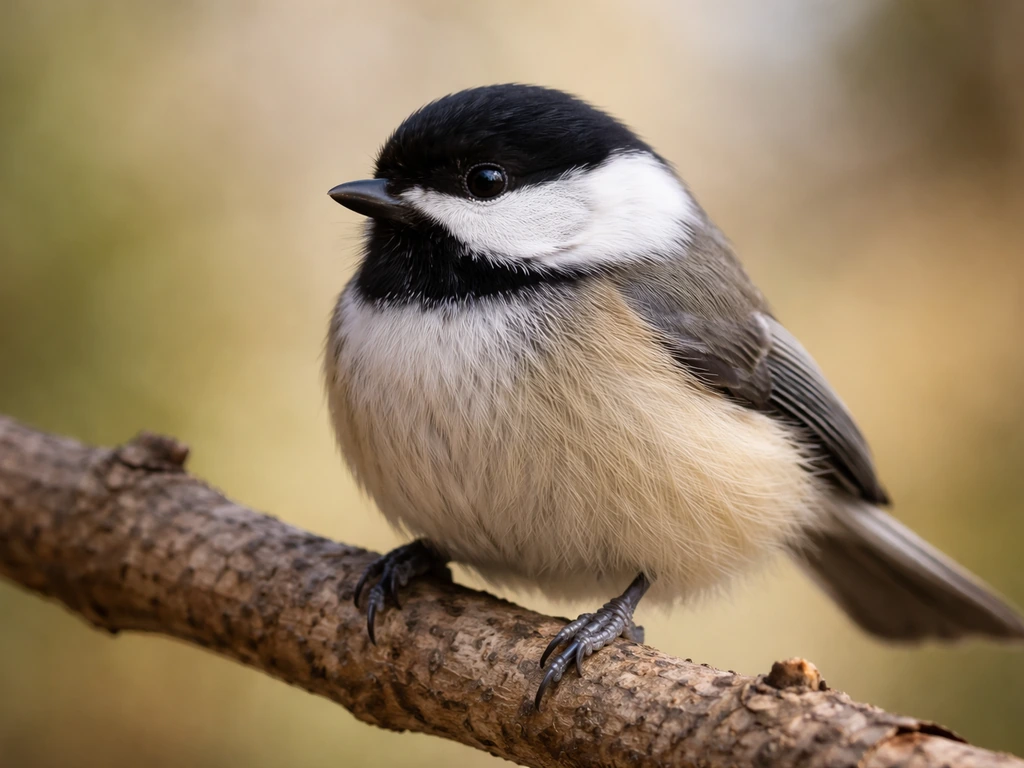
These are the signs that should put you on high alert. You don't need all of them to be present at once. Even two or three from this list, especially if they came on suddenly, warrant treating the situation as urgent.
Behavior and responsiveness
- Sudden collapse or falling off the perch
- Inability to stand or maintain balance
- Extreme lethargy, barely responding to your voice or touch
- Unresponsive or glassy-eyed stare
- Sitting puffed up on the cage floor (a classic sign a bird is critically unwell)
- Sudden inability to fly or even lift wings
- Seizure-like convulsions or trembling
Breathing and sound changes
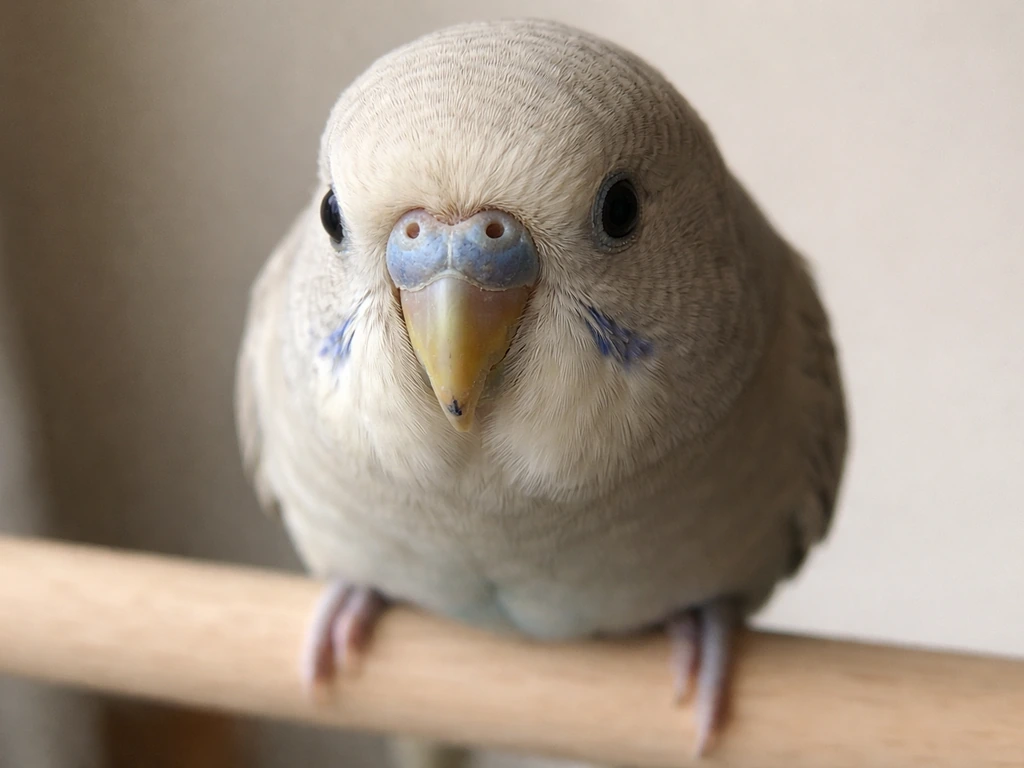
- Open-mouth breathing (birds almost never breathe through an open mouth unless in serious distress)
- Tail bobbing with every breath (the whole body moves as they try to breathe)
- Audible clicking, wheezing, or crackling sounds
- Labored or very rapid breathing at rest
- Sudden silence in a normally vocal bird, or abnormal vocalizations
- Stretching the neck out repeatedly as if trying to clear an airway
Color and physical signs
- Blue, purple, or pale coloring around the beak, cere, feet, or skin (cyanosis, signaling low oxygen)
- In chickens or other birds with combs and wattles: dark purple, blue, or white color change
- Cold feet or cold extremities when the bird is normally warm
- Distended or visibly swollen abdomen
- Drooping wings held away from the body
Exercise intolerance and chronic warning signs
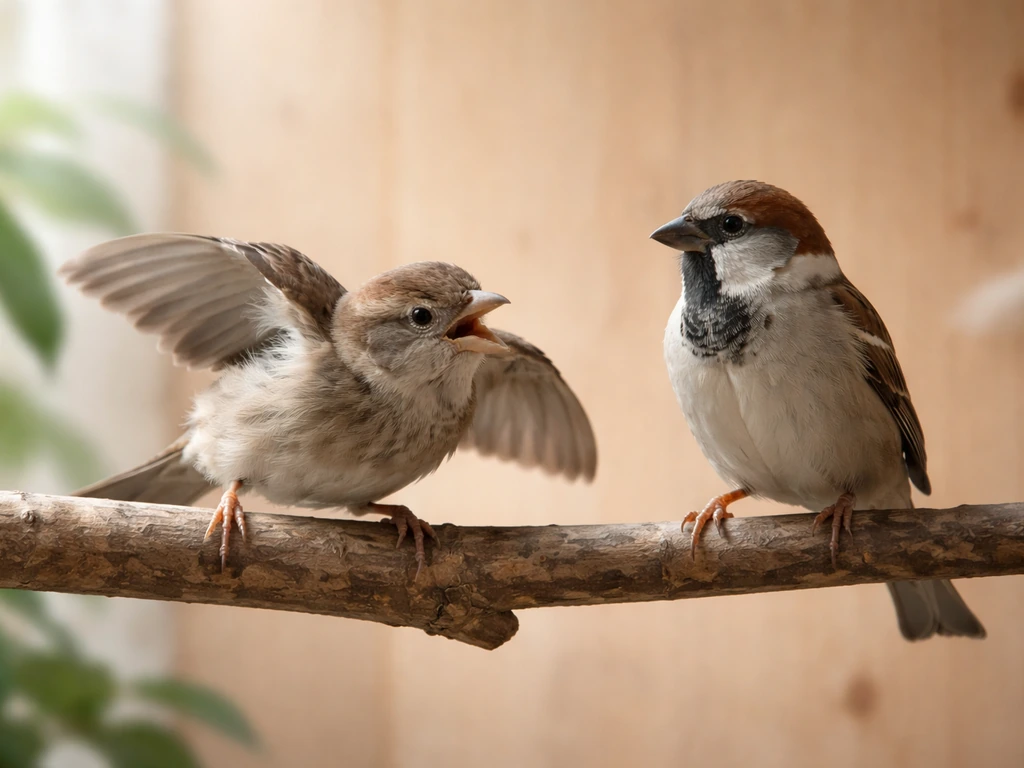
The Merck Veterinary Manual specifically notes that birds with chronic heart disease often show an inability to move or fly without discomfort and shortness of breath that can easily be mistaken for a respiratory problem. If your bird has been getting winded faster than usual, avoiding movement, or becoming breathless after minimal activity over the past few weeks, those were early warning signs. A collapse today may be the escalation of that pattern.
Is it cardiac, respiratory, toxins, or something else?
Many of the symptoms above overlap with other serious bird emergencies. You can't definitively tell at home, and you shouldn't spend too much time trying. But here's a quick mental checklist that can help you give better information to your vet.
| Emergency type | Key distinguishing signs | What might trigger it |
|---|---|---|
| Cardiac collapse / shock | Sudden collapse, pale or blue extremities, cold to touch, very weak or no pulse | Underlying heart disease, clot, chronic illness reaching crisis |
| Respiratory infection / aspiration | Wet sounds (clicks, rattles), nasal discharge, gradual onset, fever possible | Bacterial/fungal infection, inhaled food or water |
| Toxin or poison exposure | Sudden seizures, vomiting, severe neurological signs, exposure to chemicals/plants/metals | Fumes (non-stick cookware, candles), heavy metals, toxic plants |
| Overheating / heat stroke | Panting, wings spread away from body, bright red skin or membranes, hot to touch | High temperatures, no shade or water, enclosed cage in sun |
| Egg-binding (female birds) | Straining, swollen abdomen, loss of use of legs, tail pumping | Female bird, reproductive history, nutritional deficiency |
| Severe dehydration / shock | Sunken eyes, skin tenting, extreme weakness, very dark urine | Illness, diarrhea, no water access, trauma |
Overheating and heat stroke share several signs with cardiac collapse, and the two can occur together. Overheating can progress quickly, so learn the bird overheating symptoms and act immediately if you notice them. Overheating-related bird heat stroke symptoms can include sudden collapse and neurologic changes, so treat it as an urgent emergency if you see those signs.
If you are trying to narrow down bird stroke symptoms versus other emergencies, focus on sudden neurologic changes and loss of balance and seek urgent veterinary guidance overheating and heat stroke. Bird stress symptoms and shock can also produce a similar picture. If you're unsure, assume the worst and get to a vet. These are not situations where waiting to see if the bird improves is a safe strategy.
What to do right now at home
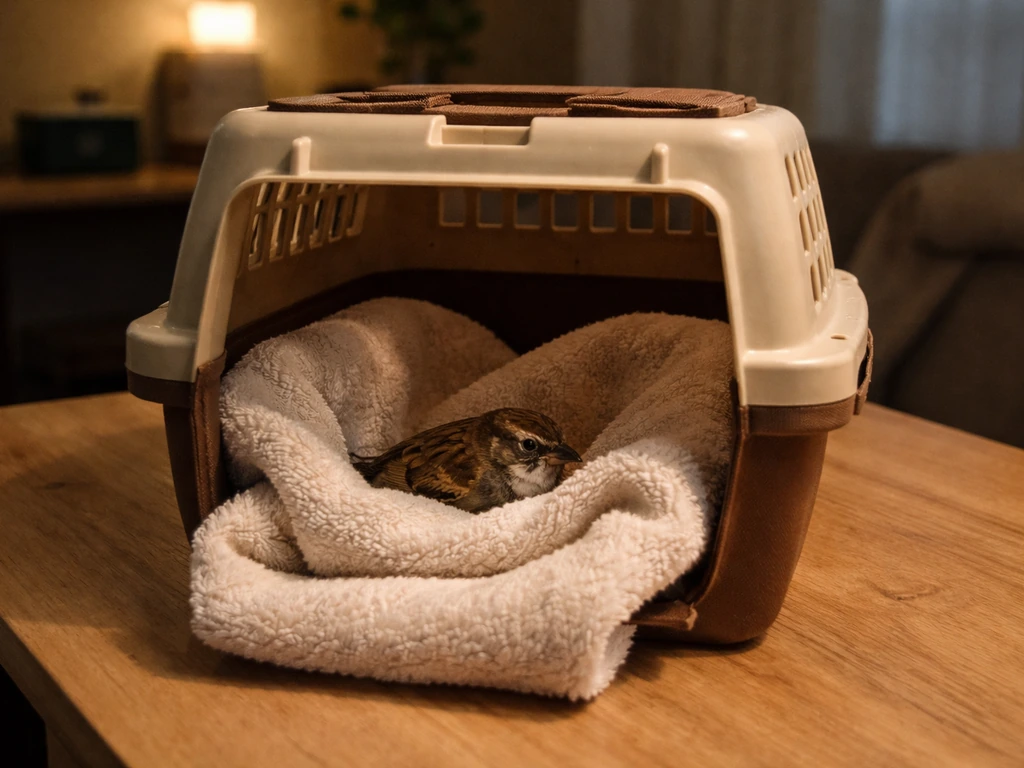
Your goal at this stage is simple: keep the bird alive and stable long enough to reach veterinary care. Do not try to give the bird food, water, or any kind of medication by mouth unless directed by a vet, because a collapsed or barely conscious bird can easily aspirate. Here's what you can safely do.
- Move the bird to a quiet, calm space immediately. Stress kills birds in crisis. Turn off loud music or TV, dim the lights slightly, and keep children and other pets away.
- Keep the bird warm but not hot. Place it in a small box or carrier with a soft towel on the bottom. A temperature around 85 to 90 degrees Fahrenheit (29 to 32 degrees Celsius) is appropriate for a sick bird unless overheating is your suspected cause. A heating pad on the lowest setting under half the box works well.
- Do NOT cover the bird's face or restrict airflow. It needs oxygen. Leave the top of the box slightly open or use a ventilated carrier.
- Do not attempt to force water or food. If the bird is alert enough to drink on its own, you can offer water, but never force it.
- Minimize handling. Every time you pick the bird up to check on it, you're adding stress. Check visually when possible.
- Call ahead to your avian vet or emergency animal hospital while the bird is resting. Let them know what you're seeing so they can prepare.
- Note the timeline: when did symptoms start, what was the bird doing before collapse, any possible toxin exposures, and any history of prior illness. This information is genuinely valuable to the vet.
If the bird is overheating rather than chilling (hot environment, spreading wings, panting), skip the heat source and instead move it to a cooler area (not air-conditioning blasting directly on it). A mildly cool, shaded, calm environment is the goal.
When to go to the emergency vet (and what to bring)
If your bird is showing any of the following, do not wait until a regular appointment is available. Go now or call for emergency avian care immediately.
- Collapsed and not getting up
- Open-mouth breathing or visible severe respiratory distress
- Blue, purple, or white coloring around the beak, feet, or skin
- Unconscious or minimally responsive
- Seizures or convulsions
- Complete loss of use of legs
- Visibly swollen or distended abdomen
- No improvement after 10 to 15 minutes of warmth and calm
Not every bird emergency requires a 24-hour specialist, but birds deteriorate fast. If there's any doubt, call an avian vet or emergency animal hospital and describe what you're seeing. They can help you judge urgency over the phone.
When you go, bring: the bird in a secure, ventilated carrier with a towel (no loose substrate that can get in the airway), any food or water containers from the cage, a list of anything the bird may have been exposed to (sprays, candles, new foods, cleaning products, plants), the bird's approximate age, sex if known, and any history of illness or recent behavior changes.
How vets figure out what's actually going on
Once you're at the vet, they'll prioritize stabilizing the bird before running diagnostics. Oxygen therapy is often the first intervention for a bird in respiratory or cardiac distress. After stabilization, here's the kind of workup you might expect.
- Auscultation (listening with a stethoscope): A vet can often detect abnormal heart rhythms, fluid in the lungs, or unusual sounds that help distinguish cardiac from respiratory causes.
- Pulse oximetry or blood oxygen assessment: Gives a rapid reading of oxygen levels and circulatory status.
- Bloodwork (complete blood count and chemistry panel): Can reveal infection, organ failure, anemia, nutritional deficiencies, or toxin effects.
- Radiograph (X-ray): Useful for checking heart size, fluid around the heart, lung changes, or abdominal masses. An enlarged heart on X-ray is a meaningful finding.
- Electrocardiogram (ECG): Available at specialist avian practices, used to evaluate heart rhythm and electrical activity. Not available everywhere.
- Ultrasound (echocardiogram): Can visualize heart function in real time. More specialized but increasingly available at avian or exotic practices.
- Toxicology screening: If poisoning is suspected, blood or tissue samples may be sent for analysis.
The honest reality is that outcomes after a confirmed cardiac collapse in birds can be uncertain. Some birds stabilize and go on to live well with management. Others are already in late-stage organ failure by the time they present. This is why early recognition of the slower warning signs (exercise intolerance, breathlessness, lethargy over weeks) matters so much. A bird caught in early heart disease has far better options than one caught in collapse.
How to reduce the risk going forward
If your bird has recovered from a cardiac event, or if you want to lower the risk for a healthy bird, these are the practical areas to focus on.
Diet and nutrition
Obesity is a significant contributor to heart disease in pet birds, particularly parrots and budgies. An all-seed diet is high in fat and nutritionally incomplete. A varied diet built around species-appropriate pellets, fresh vegetables, and limited fruit is much better for cardiovascular health. Avoid heavily processed foods, excess salt, and avocado (which is toxic to birds). Consistent access to fresh water is non-negotiable.
Environment and air quality
Birds have extremely sensitive respiratory systems. Non-stick (PTFE/Teflon) cookware overheated to even moderate temperatures produces fumes that can kill a bird in minutes. If PTFE (Teflon) fumes are suspected, remove the bird from the area and provide fresh air immediately, and hospitalized care is generally needed. The same applies to aerosol sprays, scented candles, air fresheners, cigarette smoke, and strong cleaning chemicals. Keep your bird's living area in a well-ventilated space away from the kitchen, and never use non-stick cookware in a home with birds.
Stress reduction
Chronic stress is a genuine health risk for birds and contributes to immune suppression and cardiovascular strain. A consistent daily routine, appropriate social interaction (for social species), enough sleep (10 to 12 hours in a quiet, dark environment), and environmental enrichment all reduce baseline stress load. Bird stress symptoms can escalate into more serious health events over time if left unaddressed.
Regular health checks and early treatment
Because birds hide illness so well, annual wellness exams with an avian vet are genuinely important, not just a nice-to-have. Brown health problems, such as changes in breathing or worsening lethargy, can also signal a serious decline and should be discussed with an avian vet bird brown health problems. A vet can catch early signs of heart enlargement, elevated cholesterol, or organ changes on bloodwork long before your bird shows obvious symptoms. If your bird has a known chronic condition, whether respiratory, digestive, or other, getting it properly treated reduces the compounding effect that often tips a sick bird into cardiac crisis.
Keeping a basic log of your bird's normal weight, activity level, droppings, and vocalization patterns also gives you a useful baseline. Changes from that baseline are often the first real clue that something is wrong, weeks before a collapse happens. Skin issues can also be an important early warning sign, so it's worth reviewing common bird skin problems and related causes.
FAQ
How can I tell if the “bird heart attack” is actually a respiratory emergency or something else?
At home you cannot confirm the cause, but you can look at the pattern. If the bird is working hard to breathe (open-mouth breathing, tail bobbing, extended neck) treat it as primarily respiratory, even if it later collapses. If breathing difficulty comes with sudden neurologic signs like loss of balance, head tilting, or abnormal eye movements, assume a toxin, stroke-like event, or overheating complication and seek emergency care immediately.
Should I cover my bird with a towel or keep it completely exposed?
Keep it calm and warm, but avoid trapping heat or restricting breathing. A loosely placed towel to reduce stimulation is usually fine. Do not cover the bird tightly in a way that limits airflow or overheats it, and never put anything over the beak or nostrils.
Is it ever safe to give my bird water or medication by mouth after collapse symptoms begin?
Usually no. A barely responsive bird can aspirate, which can quickly worsen breathing and cause death. If the bird is conscious enough to swallow normally, you still should not medicate unless an avian vet tells you what to give and how.
What temperature should I aim for if I suspect shock, heat stroke, or chilling?
Aim for stability and comfort, not extremes. For suspected overheating, move the bird to a shaded, cooler area and stop the heat source right away. For suspected chilling, provide gentle warmth (for example, a stable warm room and a safe heat source used carefully), but avoid placing the bird directly under intense heat that could overheat or dry out its airway.
Can I use a fan or air-conditioning to help a collapsed bird?
Yes, but only carefully. Air movement that helps the bird cool is useful for overheating, while direct blasting cold air can worsen distress if the bird is chilled or shocked. Keep airflow indirect, maintain a comfortable room temperature, and avoid strong drafts aimed directly at the bird.
Does stress from handling make cardiac-type collapse worse?
Handling can increase stress, but doing nothing is also dangerous. Use minimal, confident handling: keep the bird quiet, use a secure ventilated carrier for transport, and avoid repeated weighing or “checks” that prolong excitement. When in doubt, prioritize rapid veterinary evaluation over extra at-home observation.
What should I write down for the vet before I arrive or when I call?
Include timing and sequence. Note when symptoms started, whether it was sudden or after days or weeks of being winded or hiding, what the bird was doing right before collapse, ambient temperature, any exposures in the last 24 to 72 hours (sprays, candles, cleaning products, new foods, plants), and changes in droppings or appetite.
If my bird improves after the incident, do I still need urgent care?
Often yes. A temporary recovery can still mean an underlying clotting problem, toxin exposure, or arrhythmia risk that can return suddenly. Call an avian vet the same day and describe the episode, even if your bird seems better enough to perch.
Could “bird heart attack symptoms” happen during or after a bird’s breeding season or egg-laying?
Yes, egg-related complications can mimic emergency cardiac signs because they can cause severe weakness, shock, or collapse. If a female bird looks bloated, strains, cannot pass an egg, or becomes lethargic, treat it as urgent and mention possible egg-binding to the vet.
What are common household exposures that can trigger collapse-like symptoms?
Frequently missed triggers include aerosol sprays, scented candles, air fresheners, non-stick cookware overheating (PTFE fumes), cigarette smoke, strong cleaning chemicals, and certain houseplants or pesticides. If any of these occurred recently, tell the vet even if you cleaned or aired out the home afterward.
After a cardiac collapse, how do I reduce the risk of another episode?
Focus on respiratory safety, weight management, and monitoring early decline. Avoid non-stick cookware and strong fumes, feed a species-appropriate diet centered on pellets plus fresh vegetables with limited fruit, keep sleep and daily routine consistent to reduce stress load, and track weight, activity, and breathing effort (including any change in how fast the bird gets winded) so you can call the avian vet at the first warning sign.
Next Article
Bird Trauma Symptoms: Signs, Triage, and First Aid Steps
Recognize bird trauma symptoms, triage urgency, and give safe first aid for bleeding, fractures, head injuries, and shoc