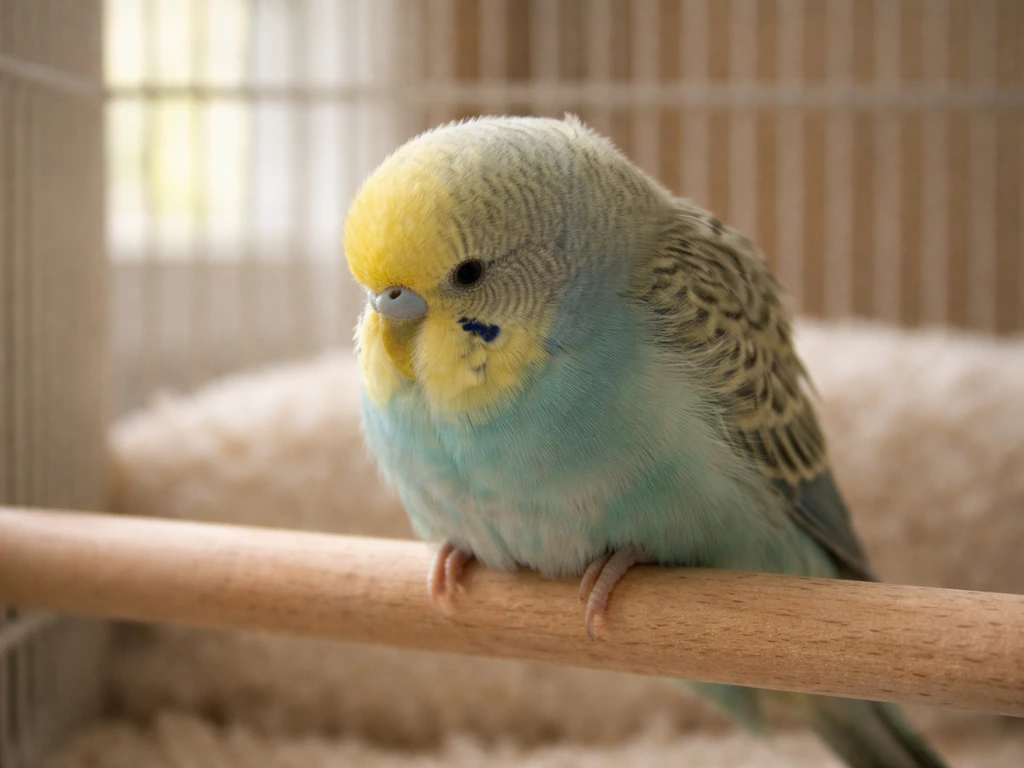
A sick cockatiel almost always shows at least one of these warning signs: fluffed feathers that stay puffed for hours, unusual quietness or sleepiness during the day, changes in droppings, labored or open-mouth breathing, or a sudden drop in appetite. Cockatiels are prey animals, so they hide illness well until they can't anymore. By the time something is obvious, it's often been going on for a while. Knowing what to look for early gives you the best shot at getting help before it becomes an emergency.
Cockatiel Bird Sick Symptoms: Signs, Causes, and What to Do

Marcus Webb
12 May 2026
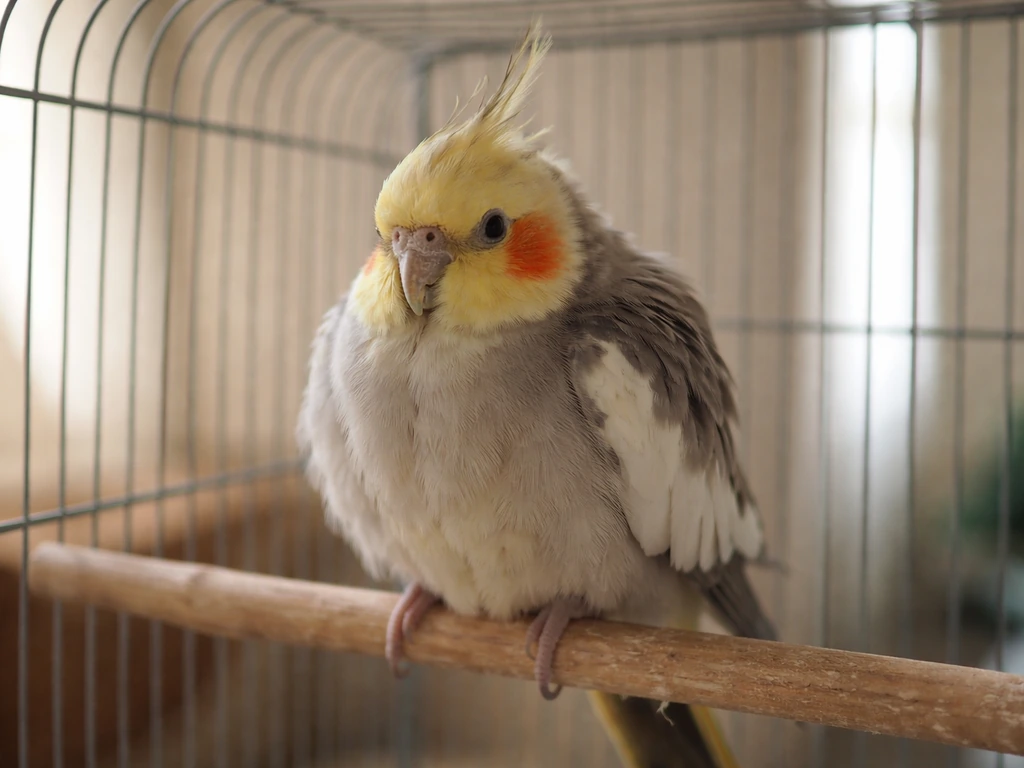
Common 'sick cockatiel' signs to watch for
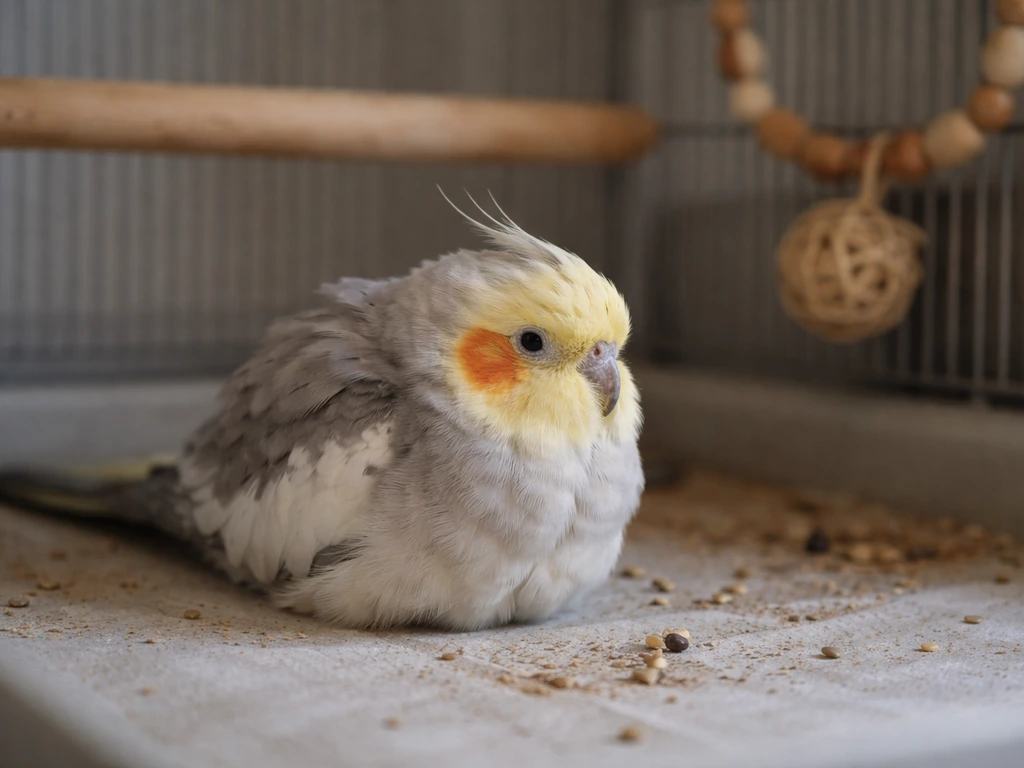
Most sick cockatiels telegraph illness through a small cluster of general signs before more specific symptoms appear. If your bird is doing any of the following consistently (not just for a few minutes after waking up), take it seriously.
- Sitting fluffed up for extended periods, especially on the cage floor or low perch
- Sleeping far more than normal or sleeping during the middle of the day
- Loss of interest in food, treats, or interaction that the bird normally enjoys
- Tail bobbing rhythmically up and down with every breath
- Droppings that look different in color, consistency, or volume from the bird's normal baseline
- Weight loss visible as a sharp keel bone or reduced chest muscle
- Discharge around the nostrils, eyes, or beak
- Feathers ruffled or held in abnormal positions for hours at a time
- Unusual vocalizations, or a bird that has gone noticeably quiet
One of these signs on its own might be a fluke. Two or more together, especially combined with lethargy or appetite changes, means you should be actively monitoring and probably calling an avian vet. Cockatiels share some health patterns with other small birds, so if you keep canaries alongside your cockatiel, many of these behavioral clues apply across species as well.
Respiratory symptoms and what they usually point to
Breathing problems are among the most urgent symptoms in cockatiels, and they're also some of the easiest to spot once you know what normal looks like. A healthy cockatiel breathes quietly and smoothly, with no visible effort. You shouldn't see the tail pumping, the chest heaving, or the beak open just to breathe.
The key respiratory warning signs are open-mouth breathing, tail bobbing with every breath (this is the bird using its whole body to push air), increased sternal motion (the chest visibly rising and falling harder than normal), clicking or wheezing sounds, nasal discharge, and crusty buildup around the nostrils (nares). Coughing or sneezing repeatedly is also abnormal and worth investigating.
What these symptoms often point to: upper respiratory infections are extremely common and can be caused by bacteria (like Chlamydia psittaci, which causes psittacosis), fungi (Aspergillus is a frequent culprit, especially in birds kept in damp or poorly ventilated areas), or viruses. Air sac mites occasionally affect cockatiels and can cause a clicking or raspy breathing sound. Toxin exposure, including non-stick cookware fumes (PTFE/Teflon), scented candles, aerosol sprays, and cigarette smoke, can cause sudden severe respiratory distress. If breathing trouble came on very suddenly, think about what changed in the environment.
Air quality matters enormously for birds. Because canary bird air quality indicators can change quickly, improving ventilation and reducing fumes as soon as you notice breathing trouble can help. Their respiratory systems are far more sensitive than mammals, and a toxin that barely affects you can kill a cockatiel within minutes. If your bird is gasping and you've recently used any aerosol or cooked with non-stick pans, get the bird to fresh air immediately and call a vet.
Digestive and nutritional symptoms to recognize
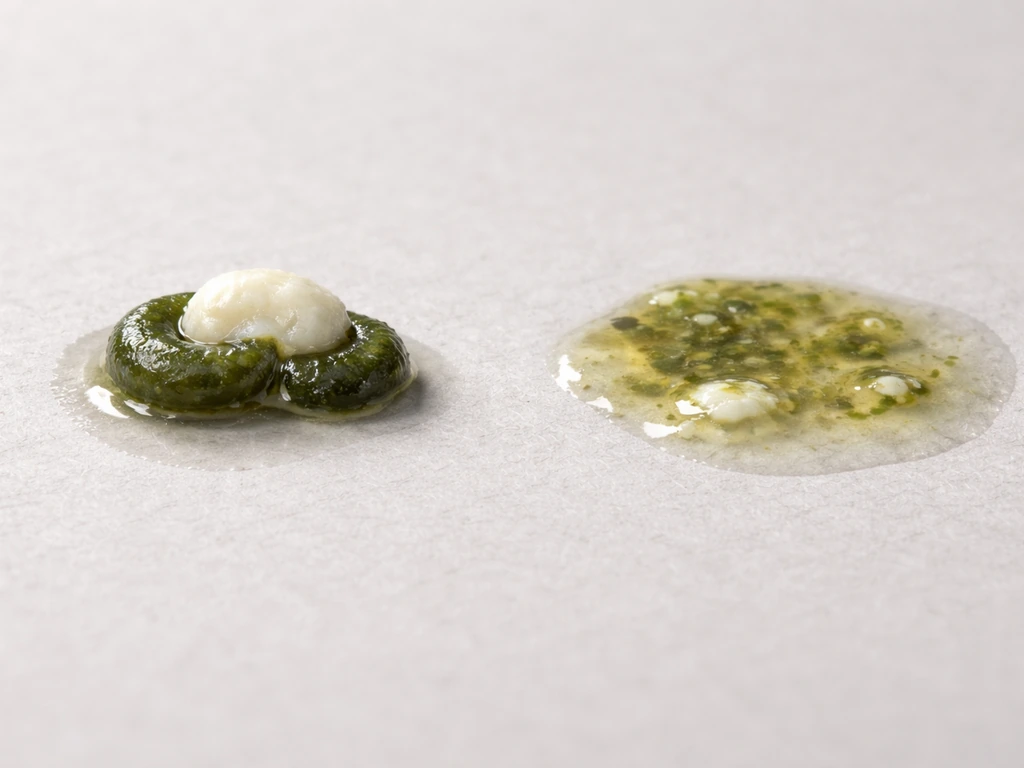
Droppings are one of the most reliable health indicators in cockatiels. A normal dropping has three parts: green or dark green feces, white or creamy urates (the solid uric acid portion), and a small amount of clear urine. Learn what your bird's normal baseline looks like, because 'normal' can vary slightly between individuals and diets.
Concerning changes to watch for include droppings that are entirely liquid (true diarrhea, though watery urine is actually more common and often less serious), black or tarry droppings (possible internal bleeding), lime-green or yellow urates (can indicate liver disease), undigested seed in the droppings (a red flag for proventricular dilatation disease or other digestive problems), or a dramatic drop in the number of droppings (the bird isn't eating enough, or has a blockage).
Vomiting and regurgitation are different things. Regurgitation is normal between bonded birds (or toward a favored person or toy), and it's a gentle, head-bobbing motion. True vomiting is more forceful, the bird may shake its head and throw food, and there's often sticky material stuck to the head and face feathers. Vomiting can point to crop infections, heavy metal toxicity, bacterial or yeast overgrowth (candidiasis), or intestinal parasites.
A cockatiel that stops eating for more than 24 to 48 hours is in real trouble. Canary bird sick symptoms can also include loss of appetite and breathing issues, so watch for early warning signs and seek avian help promptly. Small birds have fast metabolisms and little fat reserve, so prolonged anorexia leads to dangerous weight loss very quickly. If your bird isn't eating and is also lethargic, that pairing warrants same-day or next-day vet contact rather than a wait-and-see approach.
Behavior and neurologic changes that suggest illness
Behavioral changes are often the first thing owners notice, even before physical symptoms appear. A cockatiel that's normally chatty and active becoming quiet and withdrawn is telling you something is off. The tricky part is that behavioral changes are non-specific, meaning they happen with almost every illness, so they tell you the bird is sick but not necessarily what's wrong.
General behavioral signs of illness include reduced movement or reluctance to leave a single spot, losing balance or wobbling on the perch, sleeping far more than usual or sleeping with both feet on the perch instead of one tucked up (a sick bird often can't balance on one foot), reduced vocalization, and aggression or irritability that's out of character (pain can cause this).
Neurologic symptoms are more specific and more alarming. These include tremors or shaking that aren't related to temperature, seizures or sudden collapse, head tilting or circling, dragging a wing or leg, and the inability to right itself after falling. Leg problems can also be a sign of more serious issues, so getting an avian vet involved is important when anything seems off. Neurologic signs in cockatiels can point to heavy metal poisoning (lead or zinc from cage hardware or toys), vitamin deficiencies (particularly vitamin A and vitamin E deficiencies), infections that have spread to the nervous system, or certain tumors. These symptoms warrant urgent veterinary attention, not a home treatment attempt.
Skin, feather, and eye symptoms that indicate disease
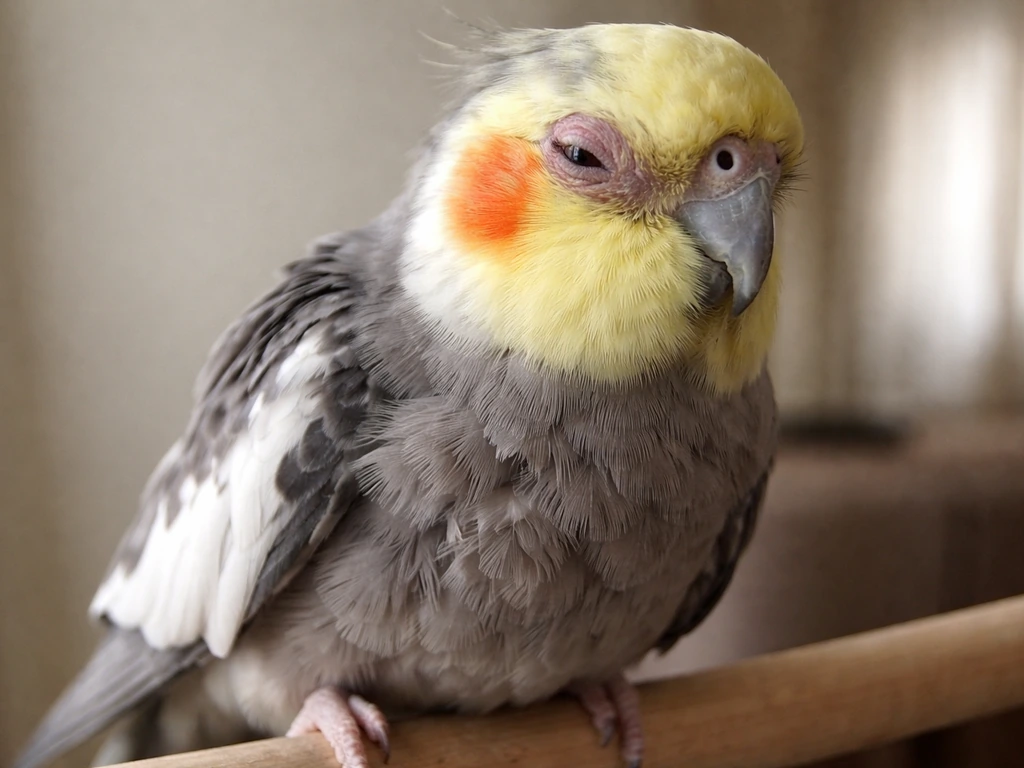
A cockatiel's feathers and skin can reveal a lot. Healthy feathers are smooth, tight, and well-preened. A bird in good health molts gradually and grows in fresh feathers without missing large patches or showing stress bars (thin horizontal lines across the feather shaft, which indicate that growth was interrupted by stress or illness at a specific point).
Persistent feather ruffling (not just during a nap), broken or ragged feathers outside of a normal molt, feather destructive behavior (plucking or chewing), bald patches, and abnormal feather texture all warrant investigation. These can stem from nutritional deficiencies, bacterial or fungal skin infections, Psittacine Beak and Feather Disease (PBFD, a serious viral disease with no cure), external parasites, or behavioral issues like chronic stress.
Scaly or crusty skin around the face, beak, and legs is a classic sign of scaly face mites (Knemidocoptes), which is treatable but contagious to other birds. Overgrown, flaky, or discolored beak and nail tissue can indicate nutritional problems or liver disease.
Eye changes to look for: discharge, swelling, cloudiness, a half-closed eye, or redness around the eyelid. Swelling around one or both eyes combined with nasal discharge can point to a sinus or respiratory infection. Watery eyes by themselves might mean environmental irritation (smoke, dust, drafts), but combined with other symptoms they become more significant. The cere (the fleshy area around the nostrils) should be clean and smooth. A discolored, crusty, or overgrown cere can signal hormonal issues, mite infestation, or underlying illness.
Emergency red flags: when to get to an avian vet immediately
Some symptoms can't wait. If your cockatiel shows any of the following, treat it as an emergency and contact an avian vet or emergency exotic animal clinic right away, ideally the same day. Cockatiel bird health problems can escalate quickly, so it helps to know which red flags need immediate veterinary care.
- Open-mouth breathing that doesn't stop, especially with tail bobbing on every breath
- Severe labored breathing with visible chest heaving or a pumping tail
- Sudden collapse, inability to stand, or inability to grip a perch
- Uncontrolled bleeding that doesn't stop within a few minutes
- Seizure, sudden loss of coordination, or inability to right itself
- Complete loss of voice or dramatically abnormal breathing sounds (wheezing, crackling, clicking) that persist
- Bird found at the bottom of the cage, unable to move, or unconscious
- Rapid weight loss noticed over just a few days
- Suspected toxin exposure (fumes, aerosols, non-stick cookware)
These are not 'monitor at home' situations. Cockatiels decline rapidly once they can no longer compensate for illness, and what looks stable at 2 PM can become critical by evening. The delay in seeking care is often the deciding factor in whether a bird survives a serious health crisis. If you're not sure whether something qualifies as an emergency, call the vet and describe what you're seeing. Let them help you decide.
At-home first steps while you arrange vet care
While you're figuring out whether and how urgently your cockatiel needs veterinary care, there are concrete things you can do right now to support the bird and gather useful information.
Isolate from other birds
If you have more than one bird, move the sick cockatiel to a separate cage immediately. Many avian illnesses, including psittacosis, PBFD, and respiratory infections, are contagious. Isolation protects your other birds and also makes it easier to monitor this one's droppings, food intake, and behavior without confusion.
Provide warmth
A sick bird loses heat rapidly and uses a lot of energy just staying warm. Move the bird to a warmer area or use a small heating pad set on low placed under one side of the cage only (so the bird can move away if it gets too warm). A temperature around 85 to 90 degrees Fahrenheit (29 to 32 Celsius) is appropriate for a bird that's clearly unwell. Do not cover the entire cage, and make sure there's always a cooler zone available. Watch for the bird panting, which means it's too hot.
Don't medicate without vet guidance
Avoid giving human medications, over-the-counter bird treatments, or things you've read about online without specific guidance from an avian vet. Many things that seem harmless, including certain vitamins in excess, herbal supplements, or wrong-dose antibiotics, can make the bird worse or mask symptoms that the vet needs to see. Keep the bird's food and water available but don't change the diet dramatically when it's already stressed.
Observe and track carefully
The more detailed your notes, the faster the vet can work. Track the following before and during the appointment:
- When did you first notice something was off? What exactly did you see?
- Describe the droppings: color, consistency, amount, and any changes from normal
- Is the bird eating and drinking? How much compared to normal?
- Any changes in the home environment recently (new bird, new foods, cleaning products, aerosols, new toys or cage hardware, renovation work)?
- Breathing: is it labored? Any sounds? Is the tail bobbing?
- Weight if you have a kitchen scale that reads in grams (even a rough number helps)
- Any other birds in the home and whether they seem affected
If you can take a short video of the symptoms, especially any abnormal breathing or movement, do it. Vets regularly say that a 30-second video of a bird showing symptoms is more useful than a long verbal description. Symptoms often disappear temporarily in a clinic setting due to stress, so footage from home gives the vet a genuine picture of what's happening.
Handling a sick bird stresses it further, so keep interaction minimal, keep the environment calm and quiet, and avoid temperature drafts. Canary bird health problems also share many of the same early warning patterns, especially changes in breathing, droppings, and appetite. Your job right now is to keep the bird stable and get qualified eyes on it as quickly as the situation warrants.
FAQ
If my cockatiel looks fluffed up, how do I tell resting from cockatiel bird sick symptoms?
No, fluffed feathers alone can happen after waking, but a true sickness pattern is fluffed for hours, paired with other changes like quieter behavior, reduced droppings frequency, or decreased appetite. If the bird stays puffed through multiple normal routines (eating, perching activity) or you also notice breathing changes, treat it as sick rather than “resting.”
What breathing signs mean my cockatiel needs emergency care?
Watch for breathing effort signals and their timing. If you see open-mouth breathing, tail bobbing, or chest heaving, especially with any nasal discharge or clicking, contact an avian vet the same day. Sudden onset after an aerosol, cooking, or smoke exposure is a stronger emergency cue than gradual breathing changes.
My cockatiel’s droppings look watery. Is that always diarrhea?
If droppings are “more water” but not truly liquid feces, it can be from stress, diet changes, or mild irritation. True diarrhea means the fecal part is watery and frequent, while watery urine alone is often less ominous. Still, if the droppings change lasts more than 24 hours, or the bird is lethargic or not eating, it warrants veterinary input.
How can I tell regurgitation versus true vomiting in a cockatiel?
Regurgitation is usually gentle and rhythmic, often during bonding, with a relaxed body and head-bobbing. True vomiting is forceful, may include head shaking, food sprayed or thrown, and sticky material on the face. If you see sticky material plus ongoing appetite loss, assume vomiting and get an avian vet evaluation.
Do diet changes ever mimic cockatiel bird sick symptoms in droppings?
Yes, diet-based changes can shift droppings color and urate shade, but some patterns are still concerning. Black or tarry droppings suggest bleeding, lime-green or yellow urates suggest possible liver or bile issues, and undigested seed in droppings can point to digestive dysfunction. Use “baseline” comparison, but do not ignore these specific red-flag colors or contents.
My cockatiel is wobbling and seems disoriented, what should I do right away?
If a bird is off-balance, wobbling, tilting, circling, or cannot right itself after falling, do not try home treatments. These neurologic-type signs can relate to toxins, severe deficiencies, infections, or other serious problems that need urgent care. Ask the vet how soon to come in, but plan for same-day assessment when any of these appear suddenly.
How warm should I keep a sick cockatiel, and how do I avoid overheating?
During warmth support, use a partial heat option, and monitor breathing and behavior closely. Heating pads should sit under only one side so the bird can move away, and you should stop increasing heat if the bird starts panting or breathing becomes more labored. Overheating can worsen respiratory distress, so don’t heat the entire cage or force the bird to stay under heat.
Should I isolate my cockatiel if I suspect PBFD or a respiratory infection?
If you have multiple cockatiels, isolate the sick one immediately, and keep separate bowls and cleanup tools if possible. Contagious issues like respiratory infections and PBFD can spread through contact and shared air. After isolation, you can still observe the others normally, but do not house them together “until you know” since timing can matter.
Can I offer special foods or frequent handling to help a sick cockatiel eat?
Limit handling to what is necessary for safety and transport. Avoid offering treats to “encourage eating” when the bird is struggling to breathe, since swallowing trouble can worsen stress. Instead, keep water and normal food available at the cage level the bird can reach, and focus on calm conditions while you arrange avian care.
What information should I capture for the vet beyond a video?
Take video when breathing or movement looks abnormal, but also note the time course. Vets benefit from “when it started,” what changed in the environment, and whether symptoms are constant or come and go. If symptoms improved temporarily in your presence, mention that too, since it helps interpret stress-related masking versus true resolution.
What should I do if cockatiel bird sick symptoms started after using a household product?
If you suspect poisoning from non-stick fumes, aerosols, or smoke, ventilate the space quickly by moving the bird to fresh air and avoid re-exposure. Do not attempt to “counteract” with home remedies, and do not delay contacting an avian vet because symptoms can escalate quickly. Bring the product name or ingredient label if you can.
My cockatiel is quiet and withdrawn, but not clearly breathing badly. When is it still urgent?
Do not assume behavior alone has a cause that you can treat at home. Reduced vocalizing, withdrawal, or aggression can accompany many illnesses, but paired neurologic signs, breathing effort, or not eating beyond the day typically requires veterinary assessment. If the bird is also refusing food and appears quiet or weak, prioritize next-day or same-day contact.
Next Article
Bird Health Problems: Symptoms, Causes, and What to Do
Spot bird health problems fast with symptom clusters, likely causes, safe first aid, and avian vet red-flag checklist.