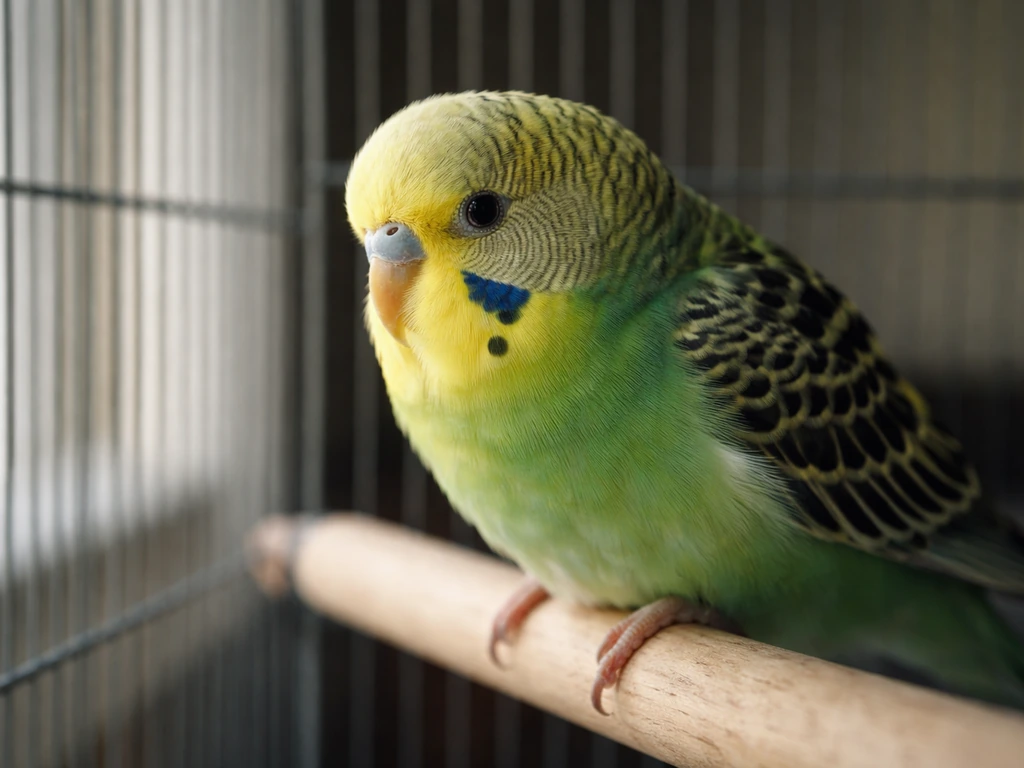
If your bird is sitting fluffed up at the bottom of the cage, breathing with its mouth open, or has stopped eating, those are warning signs you need to act on today. Common bird ailments range from respiratory infections and digestive upsets to feather and skin problems, and most of them share one frustrating trait: birds hide symptoms until they're already pretty sick.
Common Bird Ailments: Symptoms, First Aid, and When to Call a Vet

Marcus Webb
27 Apr 2026
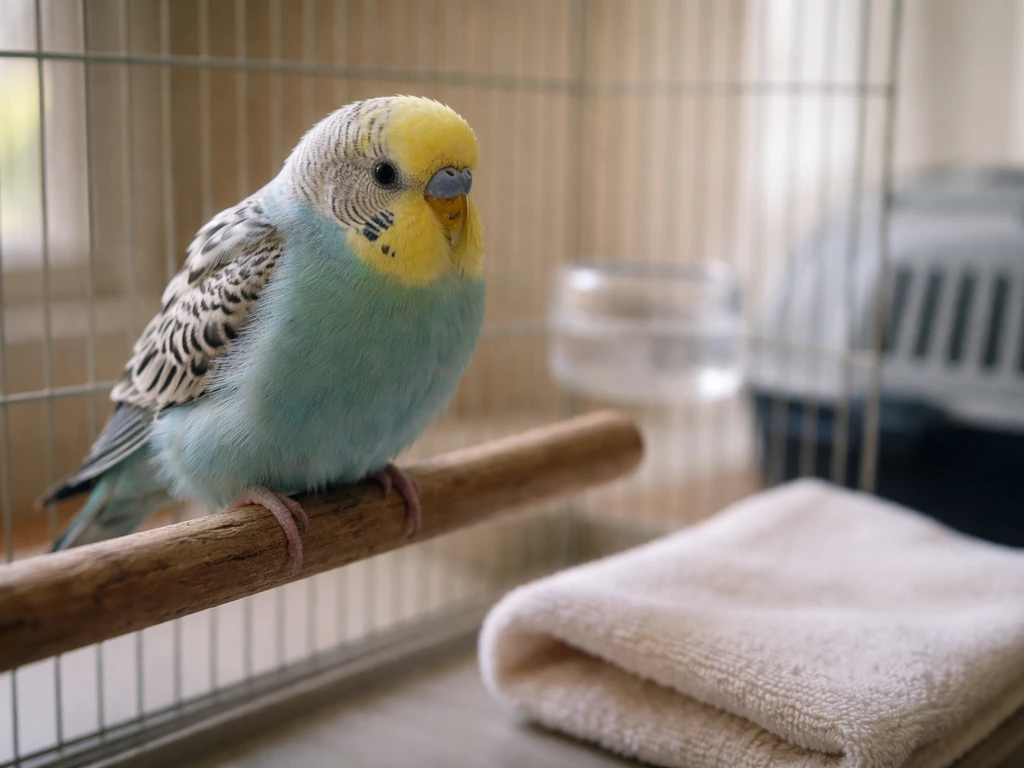
Knowing the most common bird illnesses can also help you recognize which warning signs match respiratory, digestive, skin, or eye problems. Once you know the love bird diseases symptoms to watch for, you can act sooner and reduce complications. Knowing what to look for, what it likely means, and what to do in the next few hours can genuinely make the difference.
Warning signs every bird owner should know
Before you can respond to an ailment, you need to catch it early. Birds are prey animals, which means they're wired to mask weakness. By the time a bird looks obviously sick, it's often been struggling for a while. That's why you need to know your bird's normal baseline first, and then watch for any deviation from it.
Here's a practical checklist of the most common warning signs across both pet and wild birds. Any one of these warrants closer attention; several of them together mean act now.
- Fluffed or ruffled feathers, especially at rest or when the environment isn't cold
- Open-mouth breathing or visibly labored breathing at rest
- Tail bobbing: the tail moves up and down with each breath (a sign of significant respiratory effort)
- Changes in voice, including raspy, wheezy, or absent vocalizations
- Discharge from the nostrils or eyes, including crusting
- Droppings that have changed in color, consistency, or volume (more watery, lime-green, or almost absent)
- Regurgitation or vomiting (distinct from normal social regurgitation in bonded birds)
- Significant weight loss or a noticeably prominent keel bone (breastbone)
- Feather loss, over-preening, or active feather-plucking beyond normal molting
- Swelling, sores, or crusty lesions anywhere on the body, including feet
- Lethargy, weakness, or a bird sitting low on a perch or on the cage floor
- Loss of appetite or reduced interest in food and water
For small companion birds like budgies, cockatiels, and lovebirds, even subtle changes like slightly quieter behavior or eating a little less can matter. Wild birds showing fluffed feathers and lethargy in the middle of the day are almost always sick, since healthy wild birds conserve that kind of visible stillness for nighttime rest. For an overview of the most common wild bird diseases, look for respiratory, digestive, skin, and eye symptoms that escalate quickly. In wild birds, early recognition of specific diseases is key because symptoms can escalate quickly and may indicate serious wild bird diseases and symptoms.
Respiratory ailments: breathing and voice changes
Respiratory problems are one of the most common and most serious categories of bird ailments. They can progress fast, and some signs are outright emergencies. The two biggest red flags are blank" rel="noopener noreferrer">open-mouth breathing at rest and tail bobbing with each breath. Together they tell you the bird is working hard just to get air, and that's a situation that needs veterinary attention today, not tomorrow.
Other respiratory signs to watch for include wheezing or clicking sounds, neck stretching (the bird extends its neck as if trying to open the airway), nasal discharge, sneezing, and changes in voice quality. A bird that used to be chatty going suddenly quiet, or developing a raspy or gurgling quality to its calls, is showing a real symptom.
The causes behind bird respiratory disease cover a wide range. The most common include bacterial infections (including Chlamydia psittaci, the organism behind psittacosis or parrot fever, which can also infect people), fungal infections (particularly aspergillosis), viral infections, Mycoplasma, and parasites. Aspergillosis, caused by inhaling Aspergillus fungal spores, is actually the most common fungal infection in birds and can affect both the upper respiratory tract (nose, sinuses, trachea) and the lower tract (lungs and air sacs). It's often linked to stress, poor ventilation, dusty or moldy environments, and immune suppression. Caught early it's treatable, but it can be easy to miss in the early stages.
A blockage in the trachea from pus, mucus, or a foreign material can also trigger open-mouth breathing. This is why you should never just wait and see when a bird is breathing with its mouth open at rest. If you see that, treat it as urgent.
Digestive problems: appetite loss, droppings, and weight changes
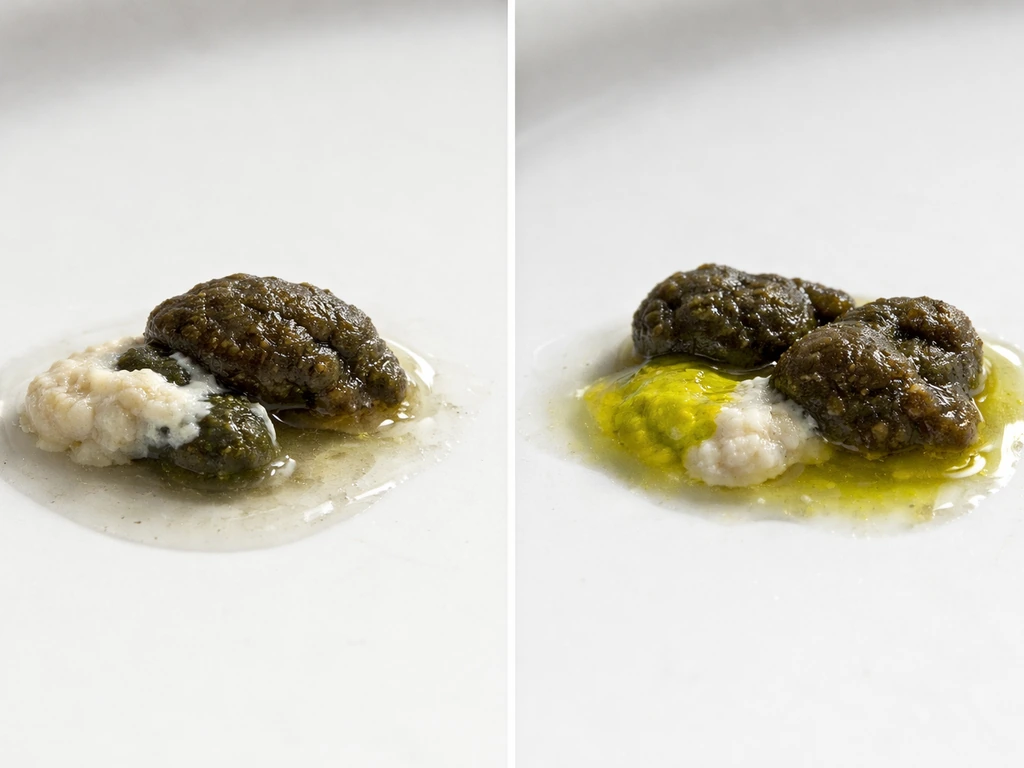
Normal bird droppings have three distinct parts: dark green or brown formed feces, white or cream-colored urates, and a small amount of clear liquid urine. Avian Welfare’s shelter health guide describes normal bird droppings as rounded piles made up of three parts: feces, urates, and urine normal bird droppings have three distinct parts. When you know what normal looks like for your bird, changes become obvious fast. Watery droppings aren't always diarrhea. Sometimes the feces are normal but there's just more liquid urine (called polyuria), which can be caused by stress, diet changes, certain fruits, or underlying kidney or liver issues. True diarrhea means the solid fecal portion is soft, unformed, or can't be distinguished from the liquid.
Lime-green or bright yellow urates are a specific flag for potential liver disease or infection. Completely absent or very scanty droppings can indicate a bird hasn't been eating, which is its own problem. Keep a rough mental note of what you expect to see in the cage tray, and investigate when things look off.
Regurgitation is another common digestive symptom. It can point to a problem anywhere along the gastrointestinal tract, from the crop down to the intestines. Crop stasis (where the crop stops emptying properly) can cause regurgitation, lethargy, and weight loss, and often has an underlying cause like infection or systemic illness. Weight loss in birds can sneak up on you visually because feathers hide body condition. Run your finger along the keel bone: if it feels sharp and prominent like a knife edge, the bird has lost significant weight.
Any combination of vomiting or regurgitation, swelling of the crop area, significant weight loss, or prolonged appetite loss is a reason to call a vet promptly.
Skin, feather, and eye problems
Feather and skin issues
Feathers tell you a lot about a bird's health. Normal feathers should look sleek, vivid, and intact outside of molt. Dull, frayed, or discolored feathers can indicate nutritional deficiencies, chronic stress, or systemic illness. Feather-destructive behavior (over-preening, chewing feathers, or active plucking of feathers from skin) has both medical and behavioral causes, including skin infections, parasites, allergies, and psychological stress.
Feather mites are a real issue for both pet and wild birds. An infested bird will often be restless and uncomfortable throughout the day and night, and you may see visible damage to feather shafts or even spot the mites around bare facial skin. Fleas and ticks can also affect birds, causing itching, visible feather damage, weakness, and in small birds, meaningful blood loss.
Bumblefoot (pododermatitis) is worth knowing about, especially for birds on hard or abrasive perches. It's inflammation and infection of the skin on the bottom of the foot. Early signs include redness, swelling, and small sores. Left untreated, those sores progress into deeper abscesses that are painful and much harder to treat. Soft, varied perches and maintaining a clean perch surface go a long way toward prevention.
Eye problems
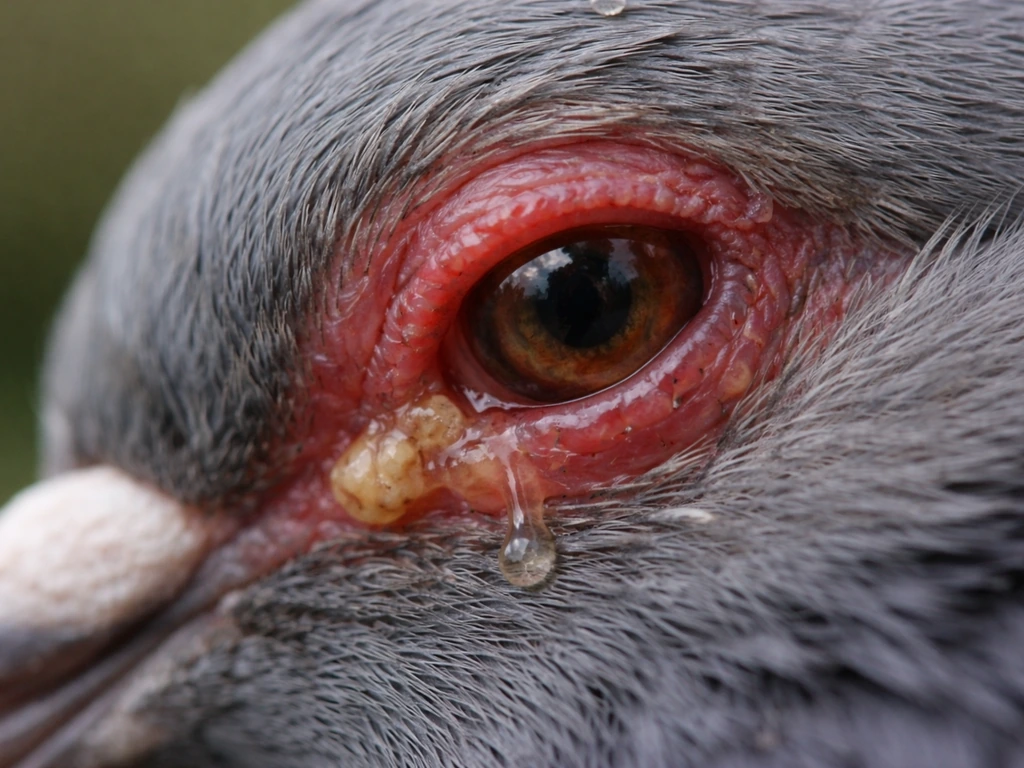
Conjunctivitis in birds shows up as increased tear production, redness, swelling around the eye, and discharge that can range from watery to thick white or tan and crusty. It can be caused by bacterial, viral, fungal, or parasitic agents. House finch eye disease (mycoplasmal conjunctivitis) is a well-known example in wild birds, and it spreads easily through shared feeders and birdbaths. Any discharge or crusting around the eye is a sign to address, not ignore.
Infectious vs. non-infectious causes: why it matters for your response
Not every bird ailment is contagious, but many are, and knowing the difference changes what you do next. Infectious causes include bacteria (like Chlamydia psittaci or Salmonella), viruses (like avian influenza or avian pox), fungi (like Aspergillus), and parasites. These can spread bird-to-bird through direct contact, shared droppings, contaminated food and water, airborne spores, or contaminated environments and equipment.
Non-infectious causes include nutritional deficiencies, environmental irritants (cigarette smoke, non-stick cookware fumes, aerosols), physical injury, toxin exposure, chronic stress, and some metabolic or organ diseases. These don't spread, but they can be just as serious and sometimes easier to miss because there's no obvious 'outbreak' pattern.
Why does this matter for your response? If one bird in a group gets sick and an infectious cause is possible, you need to isolate that bird immediately, before other birds show symptoms. If the problem is environmental, like poor air quality or a nutritional gap, the whole group may be at risk and addressing the environment matters more than just isolating individuals.
Some infectious bird diseases can also pose a risk to people. Psittacosis (parrot fever) and avian influenza are two examples where basic hygiene and protective precautions (washing hands after handling birds or cleaning cages, not handling sick birds with bare hands, changing clothes after working with potentially infected birds) genuinely matter for your own protection as well. The CDC also advises washing hands after touching pet birds, their droppings, or items in their cages, and not picking up droppings with bare hands when cleaning bird cages washing hands after handling birds or cleaning cages.
What to do right now: safe home steps and monitoring
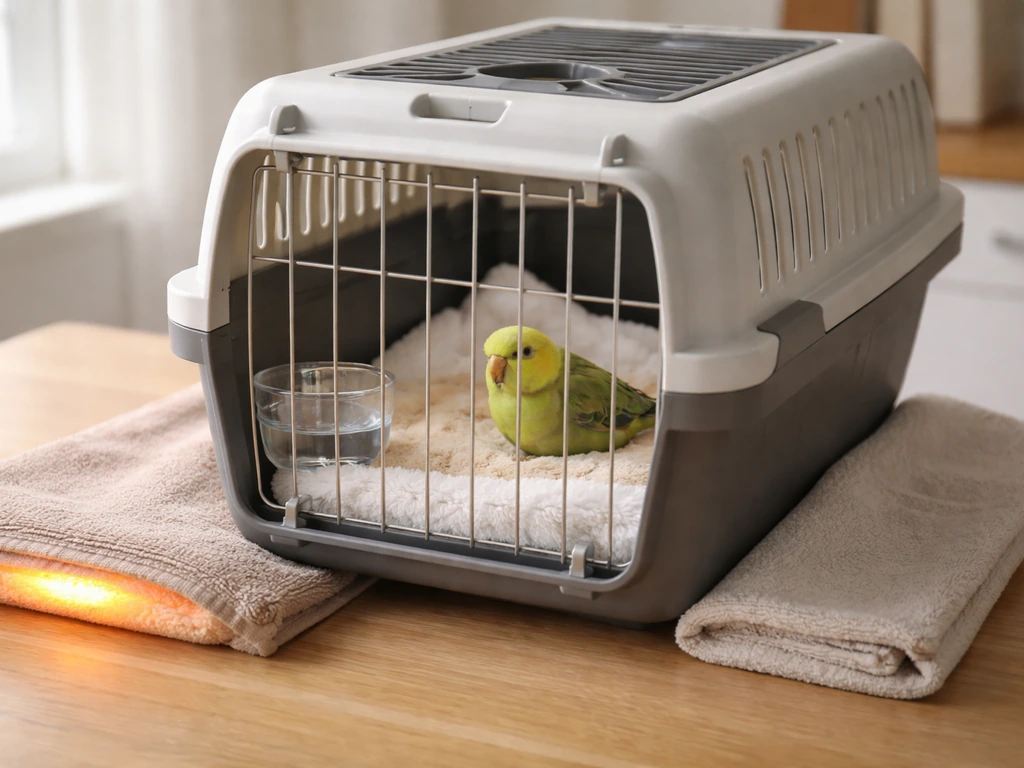
If your bird is showing signs of illness, here's what you can do immediately at home while you're assessing the situation and contacting a vet.
- Isolate the sick bird: Move it away from other birds to a separate cage or carrier to prevent potential spread and reduce competition for food and warmth. Use separate food/water dishes and clean any shared equipment before returning it to use.
- Provide warmth: A sick bird often can't regulate its own body temperature well. A supplemental heat source (like a heat lamp on one side of the cage, set to around 85-90°F for small birds, giving the bird room to move away if too warm) can provide supportive comfort. Do not overheat.
- Keep the environment quiet and calm: Reduce noise, drafts, and stress. Turn off strong fans, keep pets and children away, and dim the lighting slightly.
- Maintain easy access to food and water: Move food and water close to where the bird is sitting, since a weak bird may not move far. Offer familiar, easy-to-eat foods rather than introducing new items.
- Monitor and document: Note what symptoms you're seeing, when they started, whether they're getting worse, and what the droppings look like. Take photos or short videos if you can. This information is genuinely useful to the vet.
- Do not attempt home treatment with antibiotics or medications without veterinary guidance: Giving the wrong antibiotic, or any medication without a diagnosis, can make things worse or mask symptoms that your vet needs to see.
- Practice hygiene: Wash your hands thoroughly after handling the sick bird or its environment. If the illness could be infectious, change clothes after cleaning the cage.
For wild birds you find in distress, the approach is different. Do not attempt to keep or treat a wild bird yourself. Place it in a ventilated box in a dark, quiet space, and contact a licensed wildlife rehabilitator in your area. Avoid extended handling, and wash your hands after any contact.
When to get to a vet immediately
Some symptoms are beyond supportive home care and require emergency or same-day veterinary attention. If you see any of the following, do not wait.
- Open-mouth breathing or labored breathing at rest
- Tail bobbing with each breath
- Collapse, loss of balance, or inability to perch
- Unconsciousness or extreme unresponsiveness
- Active seizures or convulsions
- Bleeding that won't stop
- Visible swelling of the crop or abdomen
- Persistent vomiting or regurgitation
- The bird is sitting on the cage floor and not responding normally
- No droppings in 24 hours (indicates the bird has likely stopped eating/drinking)
For non-emergency but still urgent situations (symptoms noticed in the past 24-48 hours that are clearly abnormal but the bird is still alert and responsive), aim for a vet visit within 24 hours rather than taking a wait-and-see approach. Birds decline fast once they're visibly sick.
When you call or arrive at the vet, be ready to describe: what symptoms you've noticed and for how long, any changes in droppings (bring a fresh sample in a clean container if you can), what the bird eats, its housing setup and any recent changes, whether it has been around other birds recently, and any products used in the home (air fresheners, non-stick cookware, cleaning sprays). The more detail you can give, the faster the vet can zero in on likely causes.
Prevention: what you can put in place today
A lot of common bird ailments are preventable with consistent habits. These aren't difficult, but they do require routine.
For pet birds
- Quarantine all new birds for at least 30 days (some guidelines suggest a minimum of 14 days, but 30 is safer) before introducing them to existing birds. Watch for any illness signs during this period.
- Keep the cage clean: Remove droppings and spoiled food daily. Do a thorough clean of the cage and all accessories regularly.
- Ensure good ventilation: Birds have sensitive respiratory systems. Avoid cigarette smoke, scented candles, aerosol sprays, and fumes from non-stick cookware. Fresh air circulation without drafts is the goal.
- Feed a varied, nutritionally complete diet: Seed-only diets are a common cause of nutritional deficiencies in pet birds. Pellets, fresh vegetables, and appropriate fresh foods reduce this risk significantly.
- Reduce chronic stress: Provide enough space, enrichment, social interaction (or appropriate solitude for species that prefer it), and a consistent daily routine.
- Schedule routine avian vet checkups: Annual wellness visits can catch early problems before they become crises, and your vet can advise on species-specific risks.
For wild bird feeding stations
- Clean seed feeders every two weeks at minimum, or more often during wet weather. Moldy or decomposing seed is a direct source of aspergillosis and other infections.
- Clean birdbaths regularly, especially the inside surfaces where algae and droppings accumulate. Change the water frequently.
- Remove and discard moldy or wet seed immediately. Don't let it sit.
- Wear gloves when cleaning feeders and birdbaths, wash your hands thoroughly after, and follow CDC guidelines for disinfection if there's any concern about avian influenza activity in your area.
- Space feeders to reduce crowding, which limits direct bird-to-bird disease transmission.
- If you see multiple sick or dead birds near your feeder, take the feeder down, clean and disinfect it thoroughly, and report it to your local wildlife agency.
Prevention is genuinely more effective than treatment for most common bird ailments. Good hygiene, appropriate nutrition, clean air, and fast action when something looks off are the four pillars that protect bird health over the long term. If you want to go deeper on specific species or settings, the health picture for pet birds and the risks facing wild and backyard birds each have their own nuances worth understanding.
FAQ
If my bird is breathing normally but looks “fluffed up” all day, should I treat that as urgent like open-mouth breathing?
Fluffing by itself can mean the bird is cold, tired, or unwell, so you should check for a second sign of illness (tail bobbing, reduced appetite, quiet voice, nasal discharge, or drooping posture). If the bird stays fluffed for hours during normal daytime activity, is less responsive than usual, or keeps its eyes more closed than normal, call a vet for same-day guidance even if mouth breathing is not present.
What should I do if the bird is regurgitating but I cannot tell whether it is true vomiting or crop-related regurgitation?
Regurgitation plus changes in crop area (visible swelling, unusual bulging, or delayed emptying) and appetite loss points more toward crop problems. Do not force-feed or attempt home “drainage.” Instead, warm the bird slightly (stable, not hot), minimize handling, and contact an avian vet promptly, because crop stasis can worsen quickly.
Are watery droppings always diarrhea, and how can I avoid misinterpreting them?
Watery droppings can be polyuria, where the fecal portion looks normal but there is extra clear liquid urine. Look closely at whether the dark green or brown formed portion is still present and intact. If the formed portion is missing or unrecognizable from the liquid, that is closer to true diarrhea, which is more urgent to evaluate.
What does “bright yellow urates” mean, and should I wait to see if it improves?
Bright yellow or lime-green urates suggest possible liver stress or infection. Even if your bird seems otherwise okay, this pattern is not something to monitor for days. Call a vet soon (same day if symptoms are worsening or the bird is off food), and bring an early fresh sample if you can.
If I suspect mites or fleas, can I just use a generic pet treatment from a store?
Bird skin and feathers are sensitive, and many common insect products are not safe for birds or the specific mite species. Before treating, confirm what you are seeing (mites vs. feather chewing behavior vs. skin infection) and ask a vet or avian-experienced clinic which product and dosing method is safe for your bird’s species and age.
How can I tell whether feather changes are from molting versus illness?
Molting usually causes predictable feather replacement over time and the bird remains active and eating. Illness is more likely when you see dullness or breakage in multiple areas at once, bald patches with skin irritation, strong itch behavior, changes in droppings, or sudden quietness. A key decision aid is whether the overall behavior and appetite match the bird’s normal molt pattern.
What should I do about bumblefoot at home while waiting for a vet?
Reduce pressure and friction immediately by switching to soft, varied perches and keeping the foot area clean and dry. Avoid soaking or scrubbing, because it can worsen tissue damage. If you see open sores, rapid swelling, or your bird is limping, treat it as urgent because deeper abscesses often need medication and sometimes drainage.
When I isolate a sick bird, how strict should I be about equipment and air flow?
Isolation should include separate food and water containers, cleaning tools, and cage liners, and you should handle the sick bird last. If the illness could be airborne (some respiratory or fungal issues), improve ventilation and avoid shared spaces where droplets or dust can circulate. Disinfecting your hands and clothing between birds matters, especially if you suspect an infectious cause.
Do I need to wear protection when cleaning cages if I am not sure whether the illness is infectious?
If you suspect respiratory disease, psittacosis risk, or you are cleaning after a bird with unknown illness, basic precautions are smart: wash hands thoroughly after cleaning, avoid touching your face, and use eye protection if there is dust or heavy debris. Skip deep agitation of litter or bedding, because it can aerosolize particles.
How urgent is a vet visit if symptoms started more than 48 hours ago but the bird is still alert?
Even if the bird is alert, starting more than 48 hours ago increases the chance of progression, especially for respiratory and GI problems. Arrange an exam as soon as possible, ideally within 24 hours, and do not rely on “monitoring” when appetite is reduced or breathing quality has changed.
What details should I collect before my vet appointment, beyond the general symptom timeline?
Bring a fresh droppings sample in a clean container if possible, and note food and treats introduced or changed in the last week. Also write down environmental factors like new aerosols or fragrance products, any recent cleaning chemicals, and perch or cage changes (material, height, or abrasiveness), because these often narrow causes quickly.
Next Article
Common Bird Illnesses: Symptoms, Causes, and What to Do
Spot common bird illnesses by symptoms like breathing, droppings, and appetite, with causes and urgent vet red flags.