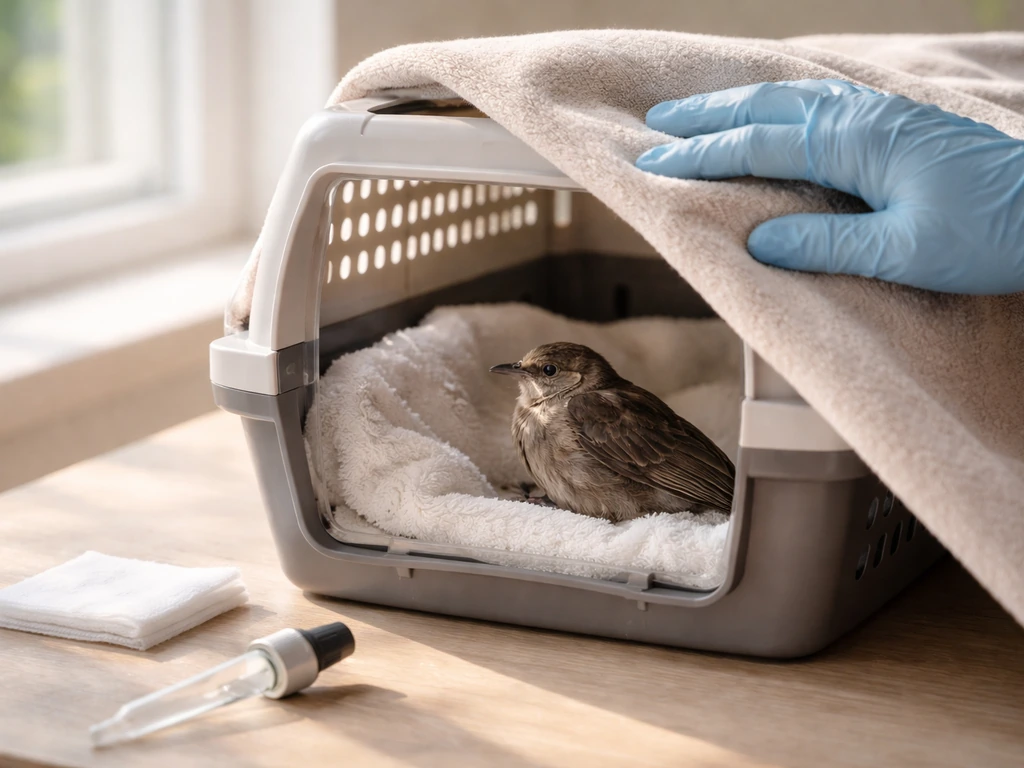
Most common bird illnesses show up as changes in behavior before anything else. A bird that's sitting low on its perch, fluffed up, quiet when it's usually chatty, or refusing food is already telling you something is wrong. The faster you notice these shifts, the better the outcome, whether you're dealing with a respiratory infection, a digestive problem, parasites, or a feather condition. This guide walks you through what to look for, what it might mean, and exactly what to do next. If you suspect an illness, learning about common pet bird diseases can help you recognize warning signs and take the next step.
Common Bird Illnesses: Symptoms, Causes, and What to Do

Marcus Webb
26 Apr 2026
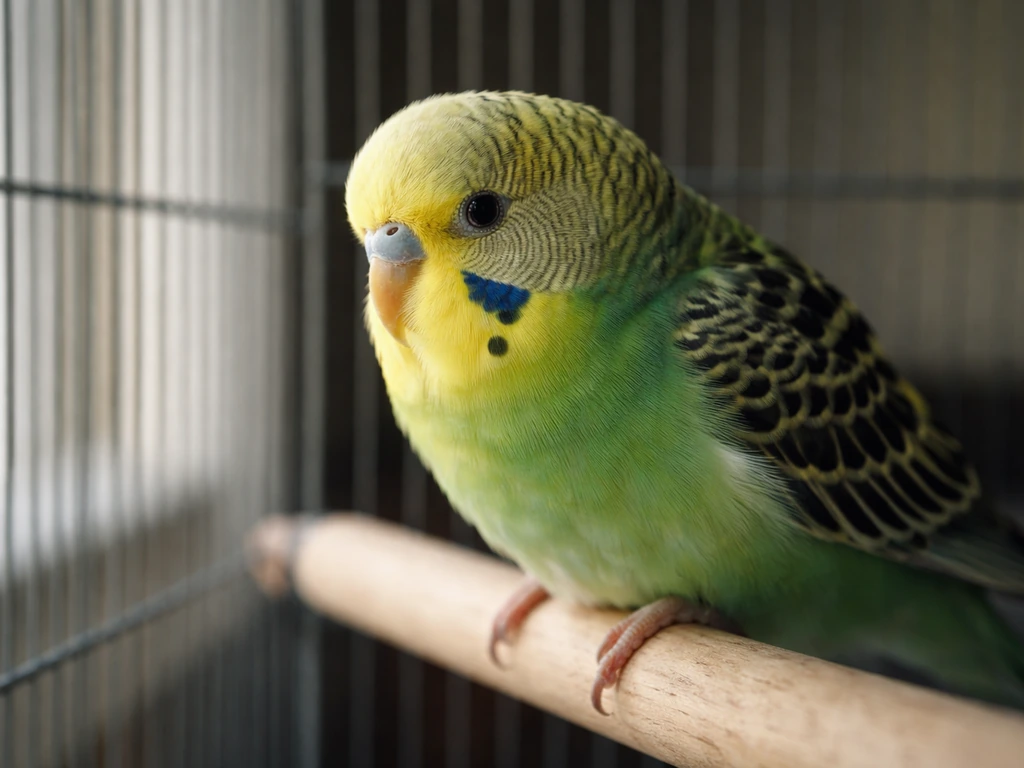
How to recognize a sick bird fast
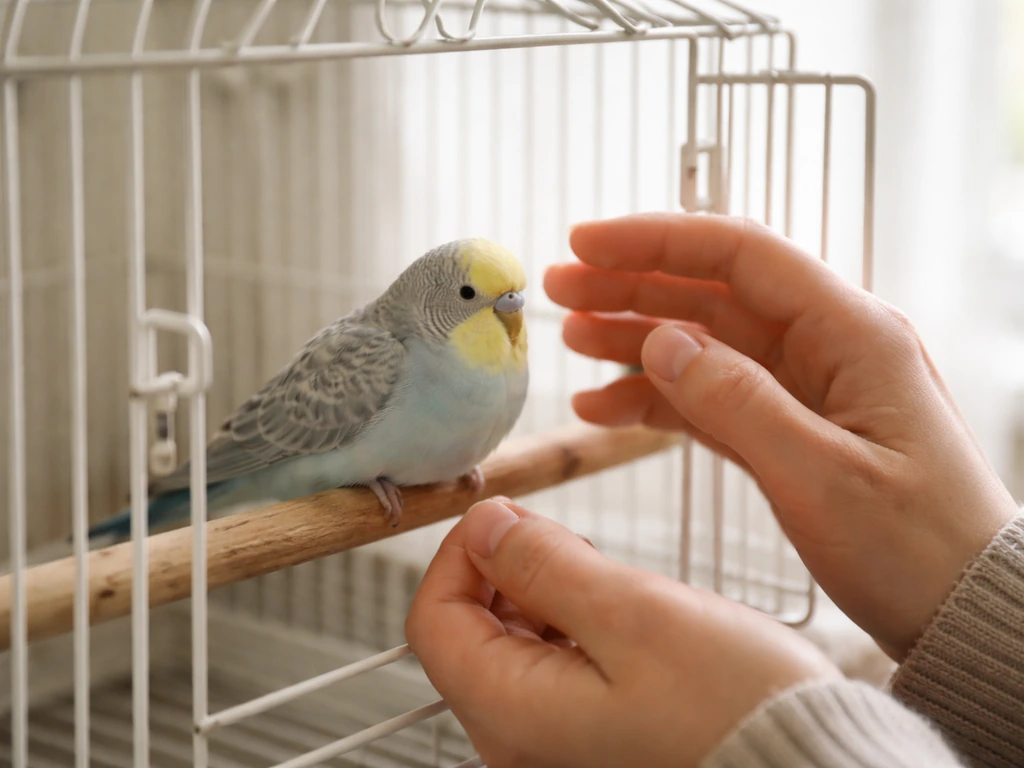
Birds are prey animals, which means they hide illness well until they can't anymore. By the time a bird looks obviously sick, it's often been unwell for a while. That's why you need to watch for subtle changes, not just dramatic ones.
Behavioral changes to watch for
- Sitting low on the perch or on the cage floor (a classic early warning sign)
- Feathers permanently fluffed up, especially outside of short rest periods
- Unusual quietness, reduced vocalization, or stopping normal activity
- Loss of interest in food, treats, or toys it normally likes
- Reduced or no droppings, or droppings that look different in color or consistency
- Head tucked under wing for extended periods during the day
- Aggression or withdrawal that's out of character
- Leaning to one side or having trouble balancing on the perch
Physical signs you can observe directly
Check the bird's breathing first. A healthy bird breathes quietly and you won't notice its breathing at rest. If you can see the tail bobbing with each breath, that's the bird working significantly harder to breathe and it's not normal. Open-mouth breathing, clicking or wheezing sounds, and visible movement of the whole chest or sternal area during breathing are all signs of respiratory distress. These are urgent.
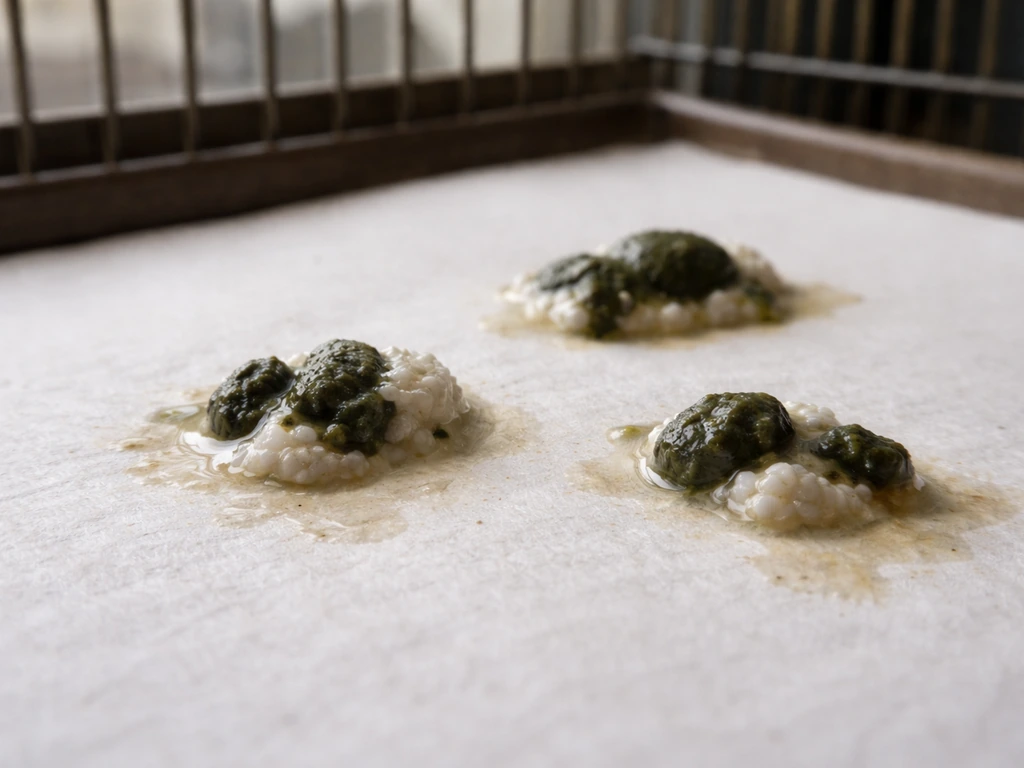
Next, look at the droppings. Normal droppings have three parts: a solid dark green or brown portion, white or cream urates, and a small amount of clear liquid. Watery droppings, bright green or yellow urates, blood, or undigested seed in the droppings all indicate something is off. Also check the eyes and nostrils: discharge, crustiness, swelling around the eye, or a wet or blocked nostril are signs of illness. Run your fingers lightly along the keel bone (the central chest bone). If it feels very sharp and prominent, the bird may have lost significant weight even if it looks normal from the outside.
Most common bird illnesses grouped by organ system
Bird illnesses cluster into a few main categories. Understanding which body system is affected helps you narrow down what you're dealing with and describe it clearly to a vet. Here's a practical breakdown.
| Body System | Common Conditions | Key Signs |
|---|---|---|
| Respiratory | Aspergillosis, bacterial pneumonia, Mycoplasma, air sac mites | Open-mouth breathing, tail bobbing, nasal discharge, voice changes |
| Digestive/GI | Megabacteria (AGY), Candida (yeast), bacterial enteritis, proventricular dilatation disease (PDD) | Vomiting, regurgitation, weight loss, undigested food in droppings |
| Feather/Skin | Psittacine beak and feather disease (PBFD), feather destructive behavior, mites, lice | Abnormal feathers, bald patches, itching, deformed or fragile feathers |
| Parasitic | Air sac mites, scaly leg/face mites, internal worms, Giardia | Wheezing, crusty beak/legs, weight loss, loose droppings |
| Viral/Systemic | Psittacosis (Chlamydiosis), Pacheco's disease, polyomavirus | Lethargy, diarrhea, respiratory signs, sudden death in flock settings |
| Nutritional | Vitamin A deficiency, iodine deficiency (goiter in budgies), fatty liver disease | Dull plumage, respiratory signs, obesity, swollen thyroid area |
Pet birds and wild birds can suffer from many of the same categories of illness, though the specific pathogens and risk factors often differ. If you're concerned about a wild bird specifically, the conditions and urgency levels are covered in more detail in articles focused on wild bird diseases and symptoms. If you suspect a wild bird is ill, review the most common wild bird diseases and symptoms so you know what signs to watch for and when to seek urgent care. If you suspect a wild bird illness, learning about common wild bird diseases can help you spot warning signs sooner wild bird diseases and symptoms.
Respiratory diseases in birds
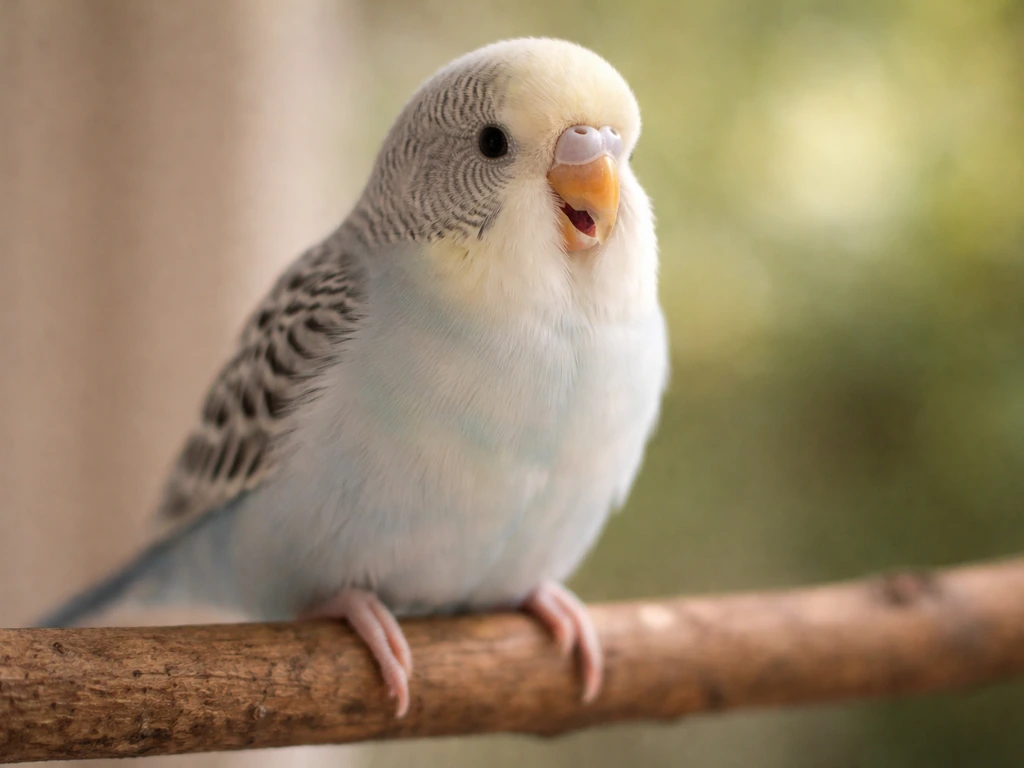
Respiratory illness is one of the most common and most serious categories you'll encounter. Birds have a unique respiratory system that includes air sacs extending beyond the lungs, which means infections can spread widely and worsen quickly. What looks like a mild cough can escalate fast.
Signs that point to a respiratory problem
- Open-mouth breathing at rest (not after exercise or stress)
- Tail bobbing with every breath, indicating significant breathing effort
- Audible sounds: clicking, wheezing, rattling, or a high-pitched squeak
- Nasal discharge or wet, crusted nostrils
- Voice changes: hoarseness, reduced volume, or stops talking/singing
- Head shaking or sneezing repeatedly
- Labored breathing with visible sternal movement
Common respiratory culprits

Aspergillosis is a fungal infection caused by Aspergillus mold, often from damp bedding, old food, or poor ventilation. It's sneaky because early signs are vague, but it progresses to severe breathing difficulty. Bacterial infections, including those caused by organisms like Mycoplasma or Chlamydophila psittaci (which causes psittacosis), are also common and often triggered or worsened by stress and poor husbandry. Air sac mites affect small birds like canaries and finches, causing wheezing and clicking sounds. Vitamin A deficiency weakens the respiratory lining and makes birds more vulnerable to all of these.
Treatment basics for respiratory illness
Any bird showing active respiratory distress needs a vet visit, not a wait-and-see approach. At home, before you can get there, minimize handling stress and move the bird to a warm, quiet area. Don't cover the cage completely if the bird needs airflow. Antifungals, antibiotics, and antiparasitic medications are all prescription treatments in this category. There's no safe over-the-counter fix for a bird that's visibly struggling to breathe.
Digestive and feather-related illnesses
GI problems and digestive illness
Digestive illness in birds ranges from mild upset to serious systemic infection. Candidiasis (yeast overgrowth in the crop and GI tract) is common in young birds or birds on antibiotics, and shows up as regurgitation, a slow-emptying crop, or a sour smell from the mouth. Megabacteria, now called Avian Gastric Yeast (AGY), causes weight loss and passing of undigested seeds despite a normal or even increased appetite. Proventricular Dilatation Disease (PDD), a serious viral condition, causes progressive weight loss, regurgitation of whole seeds, and neurological signs in parrots. Bacterial enteritis from Salmonella, E. coli, or other organisms causes loose or watery droppings, lethargy, and sometimes blood in the stool.
Giardia is a common intestinal parasite in birds, particularly cockatiels, and causes chronic loose droppings, itchy skin (birds may over-preen), and weight loss. It's often underdiagnosed because the symptoms overlap with other conditions.
Feather and skin conditions
Feather problems are among the most visible signs of illness in birds but also among the most complex to diagnose. Psittacine Beak and Feather Disease (PBFD) is a viral condition that causes progressive feather loss, abnormal feather development (twisted, clubbed, or missing feathers), and beak abnormalities. It's contagious between birds and has no cure, so isolation and diagnosis matter enormously. Feather destructive behavior (over-preening or feather plucking) is different from PBFD and is often driven by stress, boredom, skin infection, or internal parasites like Giardia.
External parasites including feather mites and lice can cause intense itching, damaged feathers, and restlessness, especially at night. Scaly face or scaly leg mites (Knemidokoptes) are common in budgerigars and canaries, showing up as crusty, honeycombed growths around the beak, cere, legs, and feet. These are treatable but need proper identification first.
Infectious vs non-infectious illness: how to tell and what to do
This distinction matters a lot for how you respond, especially if you have more than one bird.
Signs that suggest an infectious cause
- Multiple birds in the same space become sick around the same time
- The illness spreads to a new bird after introduction of another bird or object
- Symptoms include discharge, sneezing, diarrhea, or respiratory signs pointing to infection
- Known recent exposure to other birds at a pet store, show, or outdoor setting
- Droppings contain blood or the bird has a high temperature response (feathers puffed, shivering)
Signs that suggest a non-infectious cause
- Only one bird is affected despite others living in similar conditions
- Recent changes in diet, environment, or exposure to household chemicals or smoke
- Feather problems with no discharge or contagion pattern
- Behavioral or stress-related symptoms following a move, new pet, or change in routine
- Nutritional deficiency signs like dull feathers, cracked beak, or poor regrowth
When in doubt, treat it as potentially infectious. Separate the sick bird, wash your hands between handling birds, and disinfect shared surfaces. Many diseases that look non-infectious (like stress-induced illness) can still be triggered by an underlying pathogen that another bird could pick up.
Home care, isolation, and basic supportive steps
There's a lot you can do at home to stabilize a sick bird while you arrange a vet visit. The goal is to reduce stress, keep the bird warm, and support basic functions without making things worse.
Safe supportive steps
- Isolate the sick bird in a separate cage or enclosure, away from other birds, to prevent potential spread and reduce competition for food and warmth.
- Provide warmth: a sick bird that's fluffed up is struggling to maintain body temperature. A temperature of around 85 to 90°F (29 to 32°C) is supportive. Use a heating pad on the lowest setting under half the cage, or a clip-on bird lamp, so the bird can move away from the heat if it gets too warm.
- Keep the environment quiet and dim. Stress uses energy a sick bird can't spare. Reduce noise, cover part of the cage, and limit handling.
- Make food and water easier to access. Lower perches or place food on the cage floor if the bird is weak. Offer fresh water frequently.
- Offer favorite foods to encourage eating. A bird that stops eating deteriorates quickly.
- Clean the cage daily to reduce the pathogen load and monitor droppings carefully for changes.
What not to do at home
- Don't give human medications, including ibuprofen, acetaminophen, or cold medicines. These are toxic to birds.
- Don't use over-the-counter bird remedies without a vet's guidance. Many are ineffective and some contain ingredients that can harm a sick bird.
- Don't use scented candles, air fresheners, non-stick cookware fumes, or cigarette smoke anywhere near a sick bird. Birds' respiratory systems are extremely sensitive to airborne toxins.
- Don't force-feed or force-water a bird that's struggling to breathe. It can cause aspiration.
- Don't isolate a bird in a cold, drafty location thinking fresh air will help. Warmth and quiet matter more.
When to see an avian vet urgently
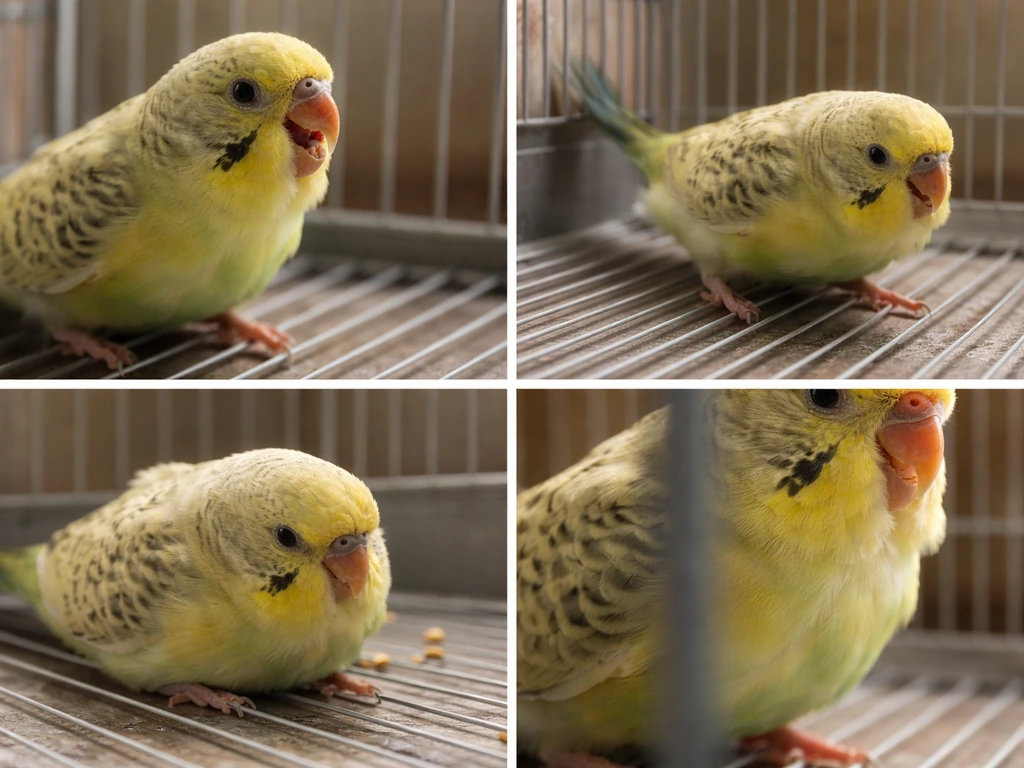
Some situations require a vet today, not tomorrow. Birds deteriorate fast once they've reached the point where they can no longer hide illness. If a bird is visibly struggling, a vet recommended first priority is moving the bird to a warm, dark, quiet environment while arranging emergency care. Don't waste time on home treatments when these red flags are present.
Go to a vet today if you see any of these
- Open-mouth breathing or visible tail bobbing with every breath
- The bird is on the cage floor and not able to perch
- Seizures, falling, loss of coordination, or sudden paralysis
- Bleeding that won't stop, or a broken blood feather that's actively bleeding
- Unconsciousness or unresponsiveness
- Suspected poisoning (exposure to toxic fumes, plants, or household chemicals)
- Swollen abdomen or visible straining (may indicate egg binding in female birds)
- No droppings for more than 24 hours in a bird that's eating
- Sudden severe weight loss detectable by feel along the keel bone
- Severe vomiting or bloody diarrhea
Can wait for a scheduled appointment (but don't delay more than a few days)
- Mild sneezing with no discharge and otherwise normal behavior
- Slightly loose droppings for less than 24 hours with no other symptoms
- Single episode of regurgitation in a bird that's otherwise alert and active
- Minor feather abnormalities with no other signs of illness
- Scaly beak or leg growths developing slowly over weeks
When calling a vet, try to describe: how long the symptoms have been present, what the droppings look like, whether other birds are affected, any recent changes in the bird's environment or diet, and whether the bird is eating and drinking. A good avian vet will triage over the phone and tell you how quickly to come in.
If you have a specific type of bird, some illnesses are much more common in certain species. Lovebirds, for example, have their own cluster of common disease presentations. Similarly, wild birds that come into contact with domestic flocks or are found injured carry different risk profiles than pet birds. The core recognition skills described here apply broadly, but species-specific detail makes a real difference in diagnosis and treatment.
The most important takeaway is this: trust what you're seeing. If a bird you know well seems off, it probably is. Early action nearly always leads to better outcomes than waiting for symptoms to become unmistakable. You don't need to diagnose the illness yourself. You just need to recognize that something is wrong and get the right help fast enough to matter.
FAQ
When should common bird illnesses be treated as an emergency versus a “schedule a visit soon” situation?
If a bird has any visible breathing effort (tail bobbing, open-mouth breathing, clicking, wheezing, or the whole chest visibly moving), plan for an emergency vet visit. While you arrange transport, keep the bird warm and in low light, reduce noise, and avoid extra handling because stress can worsen respiratory distress quickly.
What home setup is safest for a bird with suspected common respiratory or digestive illness before the vet visit?
Warmth matters because birds lose heat fast when ill, but temperature needs to be gentle. Use a warm, quiet spot, aim for comfort rather than hot, and ensure the cage still has ventilation, especially if respiratory illness is suspected. Never use a strong heat lamp as the only heat source without monitoring for overheating.
If droppings look abnormal, does that always mean the illness is urgent?
Do a “behavior-first” check in addition to droppings. If the droppings look abnormal but the bird is alert, eating, and breathing quietly, it still needs attention, but urgency may be lower than for a bird that is fluffed, quiet, refusing food, or breathing with visible effort. Write down how the bird is acting, not only what the droppings look like.
How should I handle common bird illnesses when I have more than one bird?
If you have multiple birds, treat the sick one as potentially infectious until a vet says otherwise. Separate birds in different rooms if possible, handle the sick bird last, wash hands between birds, and disinfect shared food dishes, waterers, and perches. This matters even when symptoms appear mild or “stress-like.”
Can I treat common bird illnesses at home with over-the-counter meds or leftover prescriptions?
Don’t try to self-treat with human medications, leftover antibiotics, or antifungals. Prescription choice depends on the underlying cause (fungal, bacterial, parasite, or viral), and wrong treatment can delay correct care or worsen the bird’s condition. If you suspect respiratory distress, there is no safe over-the-counter fix for visibly struggling breathing.
What’s the best way to tell if my bird is losing weight or getting worse when it still looks normal?
Yes. Birds can appear “outwardly normal” while losing weight, and a very sharp keel bone can be an early indicator. Weigh the bird if you can, and track weight change and appetite over time, because weight loss may show up before feathers look different or droppings fully change.
What should I do differently if I suspect a contagious feather condition like PBFD versus over-preening from stress?
Isolation alone is not enough. For contagious feather conditions like PBFD, you also need strict hygiene for equipment, laundry, and surfaces (cleaning and disinfection), and minimize shared airflow. If you suspect a contagious viral feather/beak problem, arrange testing quickly and keep the bird separated until a diagnosis is confirmed.
What questions should I ask my avian vet to speed up diagnosis for common bird illnesses?
Ask the vet specifically what diagnostic tests they recommend based on the body system. For example, respiratory cases often need imaging or pathogen-directed evaluation, while GI issues may require crop or fecal testing for yeast, AGY, bacteria, or parasites like Giardia. Bringing clear droppings photos and a timeline of symptoms helps the vet choose faster and avoids trial-and-error.
How do I avoid confusing intestinal parasites like Giardia with feather mites or stress in common bird illnesses?
Yes, especially when symptoms overlap. Giardia can cause chronic loose droppings and weight loss, and skin itch or over-preening can be mistaken for mites or allergies. If symptoms persist despite basic sanitation and diet changes, insist on fecal testing rather than assuming it is only external irritation.
Next Article
Bird Trauma Symptoms: Signs, Triage, and First Aid Steps
Recognize bird trauma symptoms, triage urgency, and give safe first aid for bleeding, fractures, head injuries, and shoc