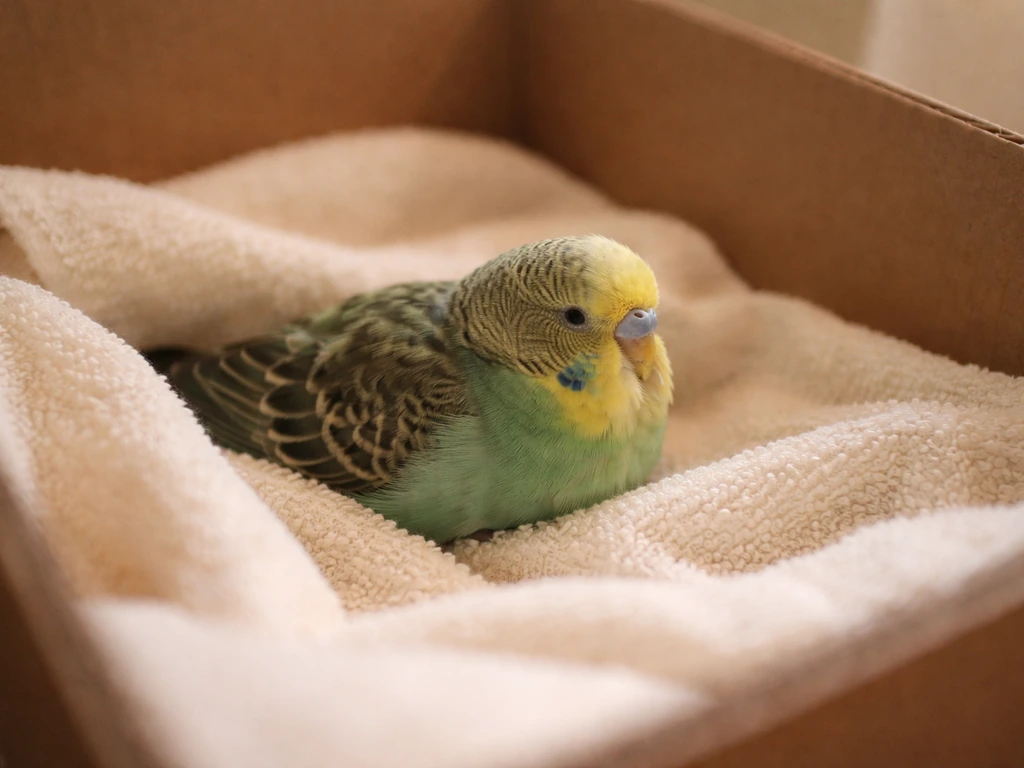
A sick bird can go from looking fine to being in serious trouble within hours, so catching the signs early matters. The short answer: if a bird looks fluffed up and quiet, is sitting low on the perch, has stopped eating, or is breathing with an open mouth or a bobbing tail, something is wrong and it needs attention. Below is a practical breakdown of exactly what to look for, in both pet birds and wild birds, and what to do next. A sick bird can show a mix of posture, breathing, appetite, droppings, and discharge clues, so it helps to know what “off” looks like at a glance what to look for.
How Do You Know If a Bird Is Sick? Signs and Next Steps

Marcus Webb
18 Apr 2026
Spotting illness fast: what to check first
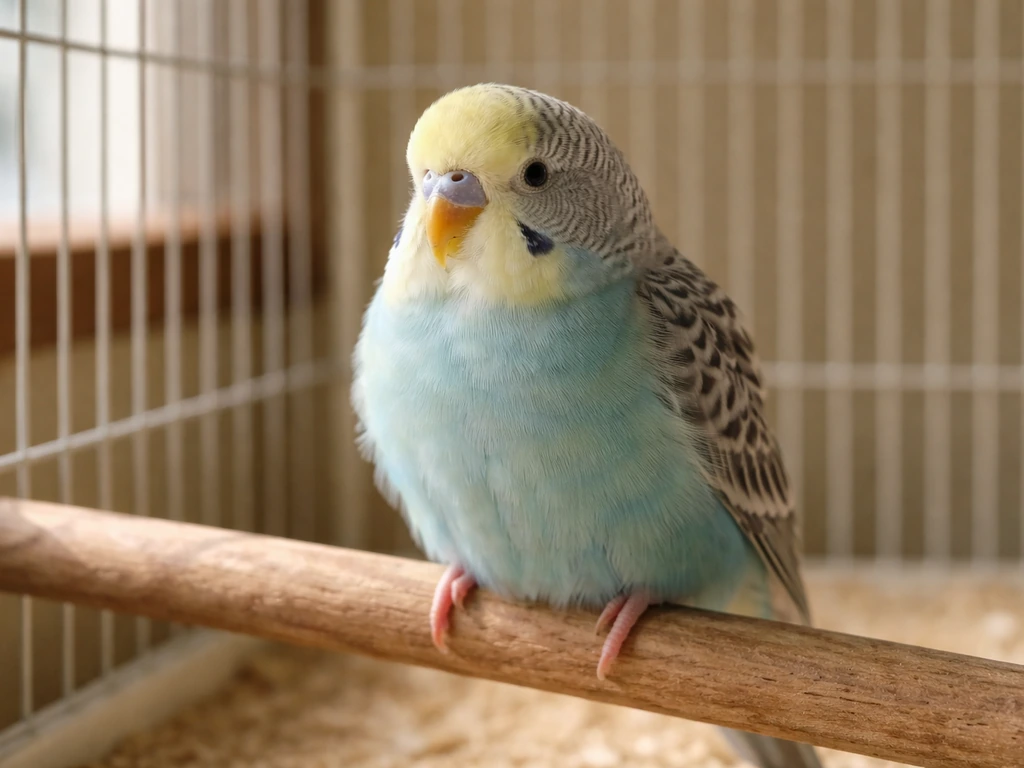
The fastest way to spot a sick bird is to compare what you see right now against what is normal for that bird. If the bird is sick, start by comparing what you see right now to what is normal for that bird. The same goes for the bird is sick signs you may notice day one, so compare posture, breathing, and appetite carefully. A healthy bird holds its wings symmetrically at the same level, breathes easily with its beak closed, and sits balanced and upright on its perch without leaning. It defecates without straining, roughly every 20 to 30 minutes. It is alert, responsive, and active during its usual waking hours.
Start by doing a quick visual scan from a short distance before the bird notices you watching. You are looking for posture, breathing rhythm, and eye appearance. A bird that looks 'fat' or puffed up is actually fluffing its feathers, which is a classic early sick-bird posture. Eyes that are half-closed or dull, a head tucked down, or weight shifted onto one foot are all worth noting. These are not automatic emergencies, but any of them means you should keep watching carefully and check the rest of the signs below.
Behavior and appetite changes that signal sickness
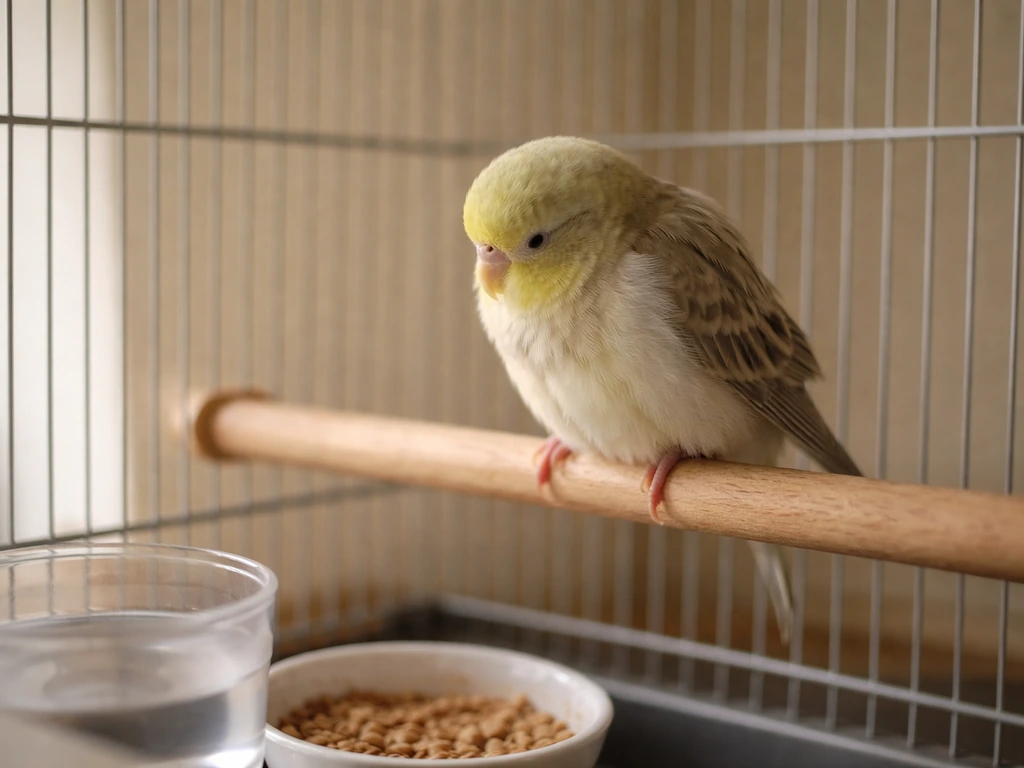
Birds are prey animals, so they instinctively hide illness as long as they can. By the time obvious changes appear, the bird may already be quite unwell. That is why small behavioral shifts matter and should not be dismissed as 'just a quiet day.'
Watch for changes in how much the bird is eating and drinking. A bird that normally rushes to the food bowl but is now leaving seed or pellets untouched is telling you something. Similarly, if a bird that usually chatters, sings, or talks has gone quiet for a full day without an obvious reason like a change in environment, that is a real signal. Lethargy, reduced activity, and a general depressed attitude are among the most consistent early illness signs across species.
- Sitting on the bottom of the cage instead of on a perch
- Reduced or absent vocalization compared to normal
- Not eating or only picking at food
- Sleeping during hours the bird is normally active
- Loss of interest in interaction or play
- Weakness or inability to grip the perch steadily
Any one of these on its own warrants closer observation. Two or more together, especially combined with physical signs, means it is time to contact a vet.
Body and feather signs: posture, droop, discharge, and droppings
Feathers and posture
Healthy feathers should lie flat and smooth. Abnormal feather signs include unusual color changes, feathers that look chewed or damaged without an obvious cause, bald patches, and feathers that are chronically fluffed. Flakiness on the beak or skin, sores on the bottoms of the feet, and wings held at uneven heights are also early warning signs. A bird that is leaning to one side or shifting its weight repeatedly is worth paying close attention to.
Droppings: the easiest daily health check
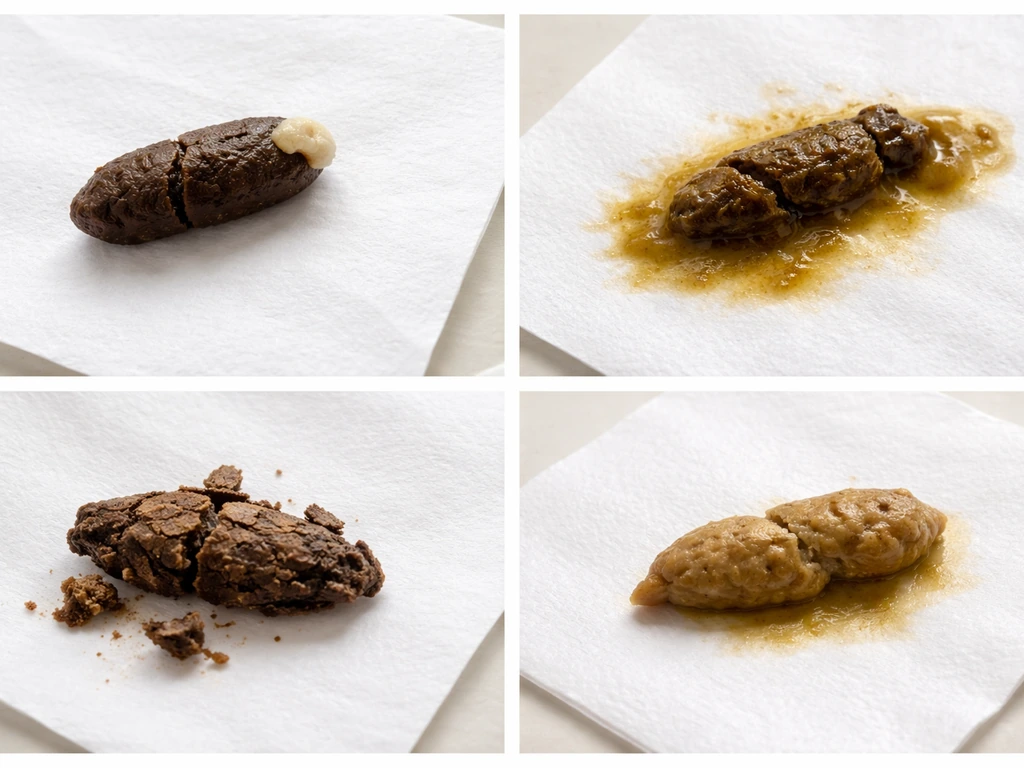
Droppings are one of the most reliable health indicators available to you every single day. A normal dropping has three parts: dark solid feces, white or cream urates, and a small amount of clear liquid urine. The ratio, color, and consistency of all three can shift when something is wrong. Using plain white paper or newspaper at the bottom of the cage makes it much easier to check droppings at a glance each morning.
Changes worth noting include: droppings that are very watery or unusually dry, a color change in the feces (black, bright red, or lime green can all be significant), a change in how often the bird is going (remember, normal is roughly every 20 to 30 minutes), undigested food visible in the droppings, or a dramatic increase or decrease in total volume. If any of these changes persist beyond 24 hours, that is when a vet visit should happen, not a 'let's see how tomorrow goes' situation.
Discharge and lameness
Any discharge from the nostrils, eyes, or mouth is abnormal. Swelling around the face or eyes, crusty buildup at the nares (nostrils), or wet-looking feathers around the face or vent area all suggest something needs investigation. Limping, lameness, or a bird that cannot use one foot or leg properly can indicate injury or neurological issues and should be seen promptly.
Respiratory warning signs to watch for
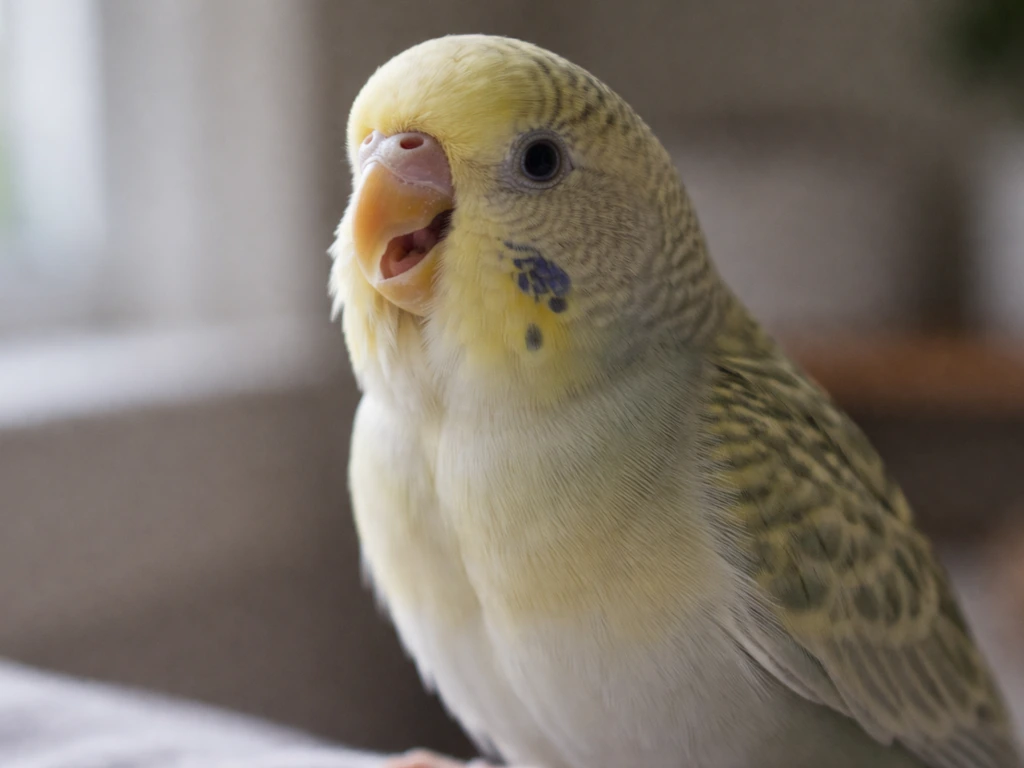
Respiratory problems are some of the most serious and time-sensitive issues in birds. The signs below should be treated as urgent, not as something to monitor for a few days.
| Sign | What it looks like | Urgency level |
|---|---|---|
| Open-mouth breathing at rest | Beak is open and the bird is not eating, calling, or panting after exercise | Very serious — contact vet immediately |
| Tail bobbing at rest | A rhythmic up-and-down pumping of the tail with each breath | Serious — contact vet same day |
| Wheezing or clicking sounds | Audible noise with each breath, not vocalization | Serious — contact vet same day |
| Rapid breathing | Breathing rate clearly faster than normal without physical exertion | Serious — monitor closely, contact vet |
| Wing flaring with breathing | Wings lifted slightly outward with each breath | Serious — contact vet urgently |
| Neck stretching while breathing | Head and neck extended forward or upward with each breath | Very serious — emergency care |
The core rule here is: open-mouth breathing at rest is never normal in a bird. The Merck Veterinary Manual also emphasizes that birds may mask illness until late and recommends observing respiratory rate and effort and the presence of open-mouth breathing during assessment. Neither is a bobbing tail at rest. Both mean the bird is working hard just to breathe, and that is an emergency. Do not wait to see if it improves on its own.
Wild bird vs pet bird: what looks different and safety steps
The physical signs of illness are largely the same across pet birds and wild birds: fluffed feathers, lethargy, labored breathing, discharge, and inability to fly or perch normally all apply. But how you respond to a wild bird versus your own pet is very different.
What to watch for in wild birds
A wild bird that allows you to approach closely is already in trouble. Healthy wild birds maintain distance from humans. A bird sitting on the ground that cannot fly away, one that is visibly disoriented, one with a drooping wing, or one that appears wet and unable to move is showing clear distress signals. It could be injured, sick with a disease, or suffering from a condition like hypothermia or poisoning.
Because wild birds can carry diseases transmissible to humans, including avian influenza, your first step with a wild bird is not to pick it up. Call a licensed wildlife rehabilitator or wildlife emergency center first. Place the injured or orphaned bird somewhere quiet and call a local wildlife rehabilitator. They can tell you whether the bird needs to be contained and how to do it safely. The number one rule with wildlife is human safety first.
If you must handle a wild bird
If a situation genuinely requires you to contain a wild bird before professional help arrives, use personal protective equipment. At minimum, wear disposable gloves and avoid touching your face. If avian influenza is a concern in your region (check with your local wildlife or agriculture authority), use an N95 respirator or face mask, eye protection, and cover your clothing with an apron or coveralls. Wash your hands thoroughly with soap and water immediately afterward. Avoid touching your eyes, nose, or mouth while handling the bird or any surfaces it has contacted.
Pet bird vs wild bird: a quick comparison
| Factor | Pet bird | Wild bird |
|---|---|---|
| Who to call | Avian veterinarian | Licensed wildlife rehabilitator |
| Handling | Okay if familiar with bird and bird is calm | Avoid until professional advises; use PPE if necessary |
| Monitoring at home | Yes, observe and document daily | No — limit handling and contact |
| Disease transmission risk to humans | Low for most pet species | Higher, especially with waterfowl and raptors |
| Baseline normal behavior known | Yes (you know your bird) | No — assess against species norms |
When to seek a vet or wildlife rehab urgently
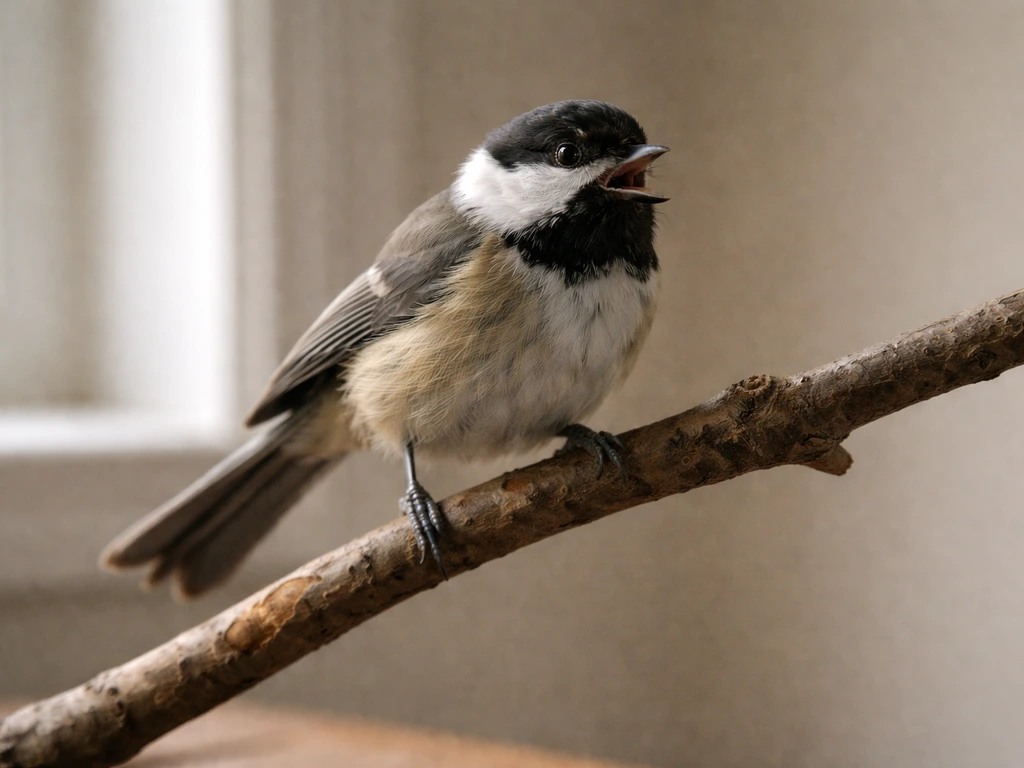
Some signs mean you should call today or head to an emergency avian vet without delay. Others give you a short window to monitor before acting. Here is how to think about the timeline.
Seek emergency care right now
- Open-mouth breathing at rest
- Visible tail bobbing with each breath
- Wheezing, clicking, or audible labored breathing
- Seizure, loss of balance, or falling off the perch
- Bird found unresponsive or barely conscious
- Bleeding that does not stop
- Neck stretching or wing flaring with each breath
- Complete refusal to eat combined with lethargy for more than a few hours
Call a vet today (same-day appointment)
- Droppings abnormalities that have lasted more than 24 hours
- Visible discharge from eyes, nares, or mouth
- Lameness or inability to use a leg or foot
- Swelling around the face, eye, or joints
- Significant decrease in food intake lasting more than 24 hours
- Feathers visibly damaged, plucked, or showing bald patches not explained by normal molt
Monitor closely for 12 to 24 hours
Mild fluffing without other signs, slightly quieter than usual behavior, or a single unusual dropping can sometimes be explained by a minor stressor, a dietary change, or a temperature shift. Watch carefully over the next 12 to 24 hours. If the sign resolves and the bird is otherwise eating, alert, and breathing normally, you may be okay. If it persists or worsens, or if any of the more serious signs above appear, escalate to a vet call immediately.
Quick at-home checks and how to document what you find
Doing a quick daily check on your pet bird takes less than two minutes and can help you catch problems before they become emergencies. If your goal is to share your observations clearly, you can use a simple worksheet-style note sheet to track symptoms and timing until help arrives document what you find. The best time to do it is first thing in the morning before you disturb the bird, because that is when illness is easiest to spot (a sick bird will often be sitting low, fluffed, and quiet at the start of the day).
- Look at the droppings on the cage floor before cleaning. Check color, consistency, and volume. Use white paper or newspaper at the bottom to make this easier.
- Observe posture from a few feet away: wings symmetrical, perching upright, eyes open and bright?
- Watch the breathing for 30 seconds: beak closed, no tail movement, no audible sounds?
- Check that food and water have been consumed since the last check.
- Note any discharge, swelling, or feather abnormalities during a closer look.
- Briefly interact: is the bird responsive and alert as usual?
When you contact a vet or wildlife rehabilitator, having specific notes ready makes the conversation faster and more useful. Write down when you first noticed something was off, describe the droppings in detail (color, texture, how many in the past few hours), note whether the bird has been eating and drinking, and describe the breathing as specifically as you can. If you can take a short video of the bird breathing or behaving abnormally, do it. A vet can learn a lot from even a 20-second phone video.
If you are observing a wild bird and calling a rehabilitation center, note the species if you can identify it, the location where the bird was found, how long it has been there, and any specific behaviors you observed (could not fly, let you approach within a few feet, appeared wet or shaking, and so on). This gives the rehabilitator the information they need to prioritize and advise you correctly.
The more you know what is normal for a specific bird, the faster you will catch what is not. For pet bird owners, that daily familiarity is your most practical diagnostic tool. For anyone encountering a wild bird, the default is to treat anything that looks wrong as a situation that needs professional guidance, not a wait-and-see approach.
FAQ
If a bird is fluffed up but it is otherwise acting normal, should I still worry?
Yes, but not automatically as an emergency. Fluffing can be an early sign of illness or just a response to cold, so recheck within 1 to 2 hours for breathing at rest, appetite, droppings, and alertness. If the bird keeps fluffed for most of the day, stops eating, or develops open-mouth breathing at rest, escalate to a vet call the same day.
How quickly can a bird deteriorate after the first signs show up?
Birds can shift from subtle signs to serious trouble within hours, especially with breathing issues. Treat open-mouth breathing at rest or a bobbing tail at rest as urgent even if other signs seem mild, because those suggest the bird is struggling to oxygenate.
What is a safe way to “check droppings” without stressing the bird?
Use a simple daily setup so you can see droppings without repeated handling. For pet birds, place plain paper or newspaper under the cage, then observe at consistent times (for example, first thing in the morning and later in the day). If you ever see discharge, blood, or a persistent pattern change beyond a day, contact a vet rather than waiting to confirm by repeated checks.
My bird is eating less, but still eating some. Is that still a vet issue?
Reduced appetite is still a meaningful warning sign, especially if the bird normally eats eagerly. If the bird leaves favored foods untouched, becomes selective, or goes off food for most of a day, it is safer to call a vet. Partial eating can happen with mild problems, but it also occurs early when illness is progressing, so trend it with droppings and breathing.
Are cloudy eyes or half-closed eyes an emergency by themselves?
Half-closed or dull eyes are concerning, but they are not always the same level of urgency as breathing distress. Combine the eye change with posture (leaning, sitting low), activity level, appetite, and respiratory signs. If you also see labored breathing, head tucked down for extended periods, or discharge, treat it as urgent.
How can I tell stress or temperature changes from illness?
Look for a pattern that tracks with normal behavior changes. Mild stress can temporarily reduce activity and slightly change droppings, but illness often brings a cluster of changes, such as abnormal breathing, repeated fluffed posture over multiple hours, and persistent dropping abnormalities. If the bird does not return to baseline within 12 to 24 hours, escalate.
What respiratory signs mean I should act immediately?
Open-mouth breathing at rest and tail bobbing at rest are immediate red flags. Also take seriously any visible effort to breathe, such as repeated chest strain, wheezing, or rapid breathing that does not settle. If you notice any of these, do not wait for symptoms to “play out,” call an avian vet or emergency clinic.
If I find a wild bird on the ground, can I just pick it up to move it to a safer spot?
Usually not. If a wild bird allows close approach, it may already be in distress and could carry transmissible disease. The safer first step is to contact a licensed wildlife rehabilitator or wildlife emergency center for guidance. Only contain it if professional help instructs you to do so and it is necessary for safety.
What should I do if I must handle a wild bird before help arrives?
Use protective barriers to reduce exposure. Wear disposable gloves at minimum, avoid touching your face, and after handling wash thoroughly with soap and water. If avian influenza is a concern where you are, use an N95 or equivalent mask, eye protection, and cover clothing, then disinfect or discard any items the bird contacted.
When I call a vet, what details help them most?
Bring timing and specific descriptions. Note when you first saw symptoms, what changed about eating and drinking, and describe droppings (color, texture, and frequency in the past few hours). If possible, provide a short video showing breathing and posture. These details help an avian vet triage urgency and narrow likely causes.
Next Article
Bird Is Sick: Symptom Checklist and Urgent Triage Steps
Symptom checklist and urgent triage for a sick bird, including what to do now, avoid, and when to see an avian vet.