If your bird is sick, the first thing to do is slow down and observe before you act. Birds are wired to hide illness until they can't anymore, which means by the time you notice something is wrong, it may already be serious. That's not meant to scare you, it's meant to help you move quickly and with purpose. Here's how to read what you're seeing, decide how urgent it is, and know exactly what to do next.
Bird Is Sick: Symptom Checklist and Urgent Triage Steps

Marcus Webb
17 Apr 2026
How to tell if your bird is actually sick
"Something seems off" is a legitimate alarm signal. Birds mask symptoms well, so a vague gut feeling that your bird isn't acting right is worth taking seriously. Before you do anything else, run through this checklist. You don't need every sign to be present, even two or three of these together should put you on alert.
Knowing signs your bird is sick before a crisis hits makes this whole process faster. Here's what to look for:
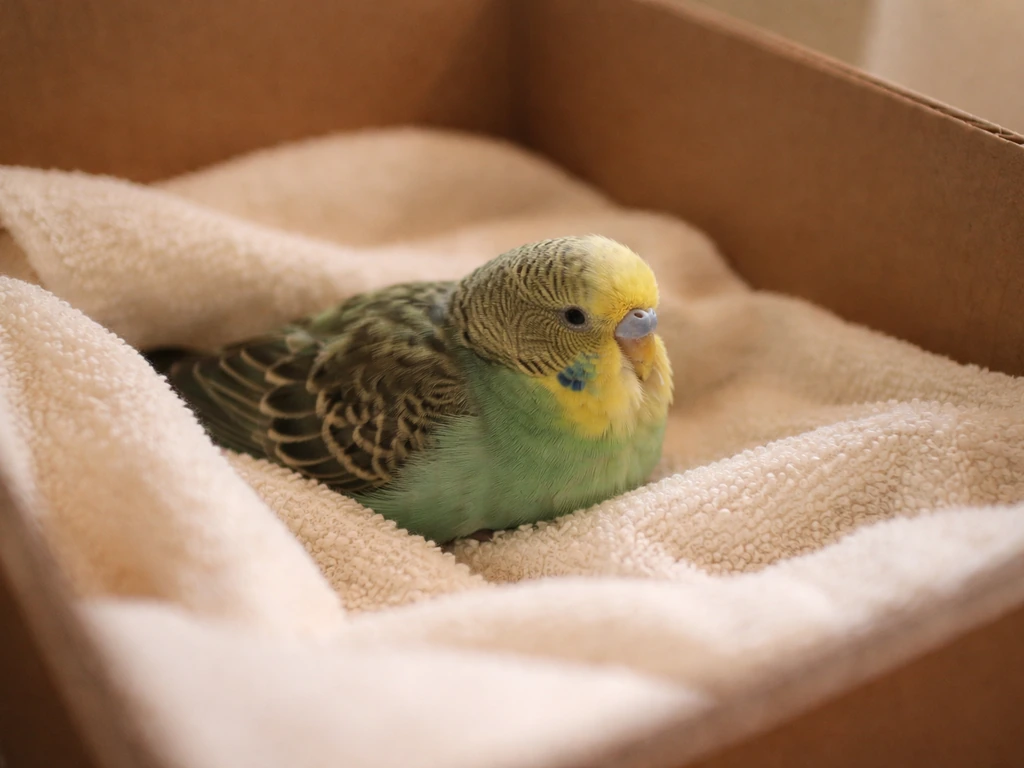
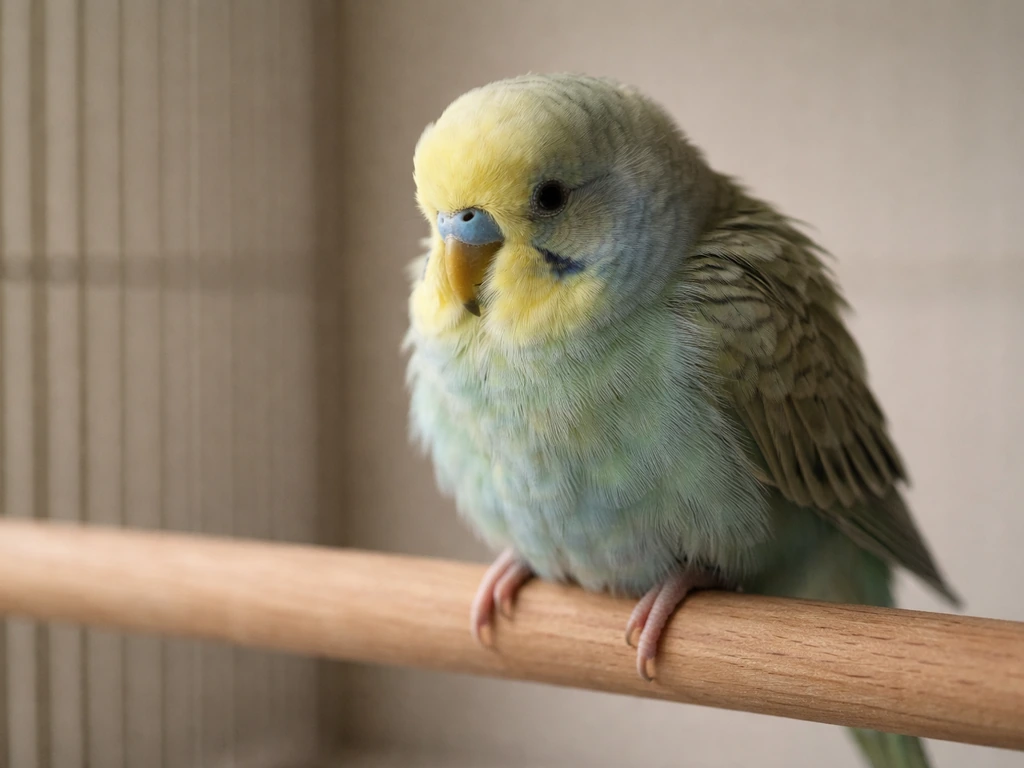
- Fluffed or ruffled feathers, especially when the bird is not cold or sleeping
- Lethargy, sleeping more than usual, or sleeping on the bottom of the cage
- Loss of appetite or refusing favorite foods
- Weight loss (a thin keel bone you can feel more prominently than usual)
- Breathing difficulty: wheezing, tail bobbing with every breath, open-mouth breathing, or wing pumping
- Discharge from eyes or nostrils
- Sneezing, coughing, clicking sounds, or a changed voice
- Abnormal droppings: runny, discolored (lime-green, black, or bloody), unformed, or dramatically reduced
- Regurgitation or vomiting (not to be confused with normal regurgitation to a mate or mirror)
- Crop that feels hard, soft and swollen, or won't empty
- Feather loss, bald patches, or obsessive feather-chewing
- Scaly, crusty lesions on the beak, cere, legs, or around the eyes
- Head tilt, loss of balance, tremors, or seizures
- Wet or soiled feathers around the vent area
- Unusual or absent vocalizations
If you're still not certain what you're looking at, comparing your bird's current appearance to what a sick bird looks like can help you put words to what you're observing and confirm whether you have cause for concern.
Fast triage: isolate, warm up, and decide how urgent this is
Once you've confirmed something is wrong, run through this triage sequence before anything else. It takes about five minutes and could make a real difference.
Step 1: Isolate the bird
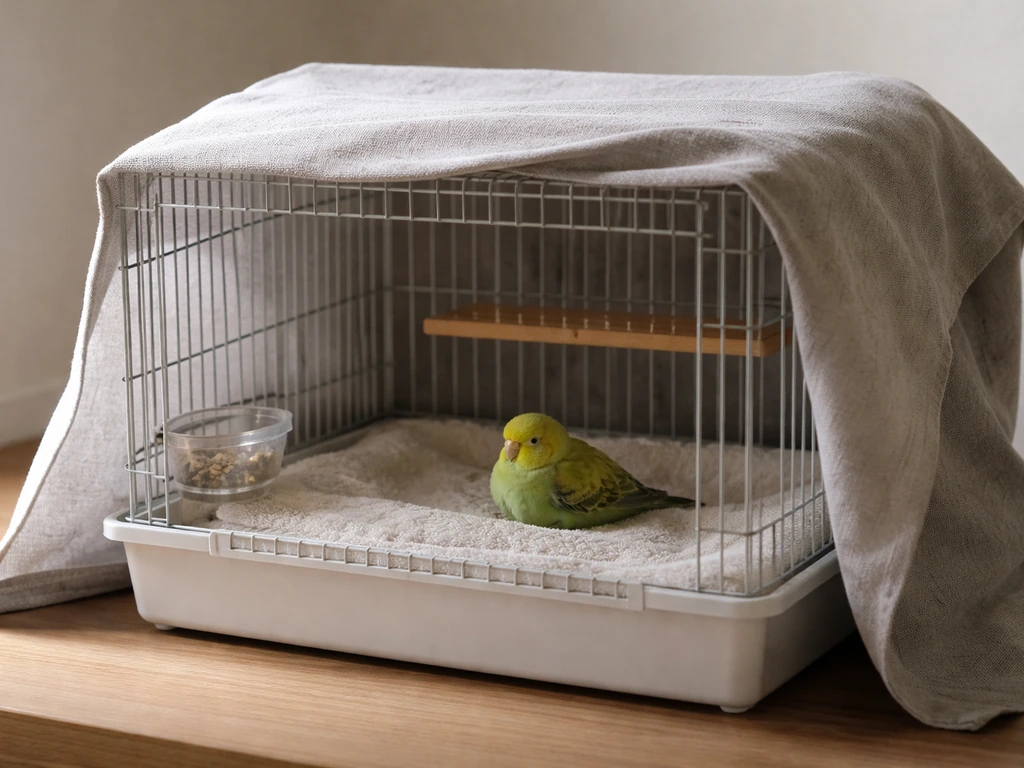
If you have other birds in the same space, separate the sick bird immediately. Put it in a quiet, separate enclosure away from drafts, direct sunlight, and noise. This reduces stress on the bird and protects others from potential contagious illness.
Step 2: Provide warmth
A sick bird burns extra energy just staying warm. Raising the ambient temperature of its space helps it redirect that energy toward fighting illness. A good target is 85°F (about 29°C) at minimum, and some avian vet ward protocols aim for 80–85°F with around 70% humidity. You can achieve this by placing one side of the cage near a low-heat source (a heating pad on low under half the cage, or a heat lamp aimed at one side) so the bird can move toward or away from the heat as needed. Never enclose the heat source fully around the bird with no escape, overheating is a real risk.
If the bird is showing respiratory signs like labored breathing or a clicking sound, slightly increasing humidity in the room (a humidifier nearby) can help ease breathing. This is supportive care only, it does not treat the underlying cause.
Step 3: Decide how urgent this really is
There are two urgency levels to think about. The first is "call the vet immediately", and these signs put you in that category:
- Open-mouth breathing or tail bobbing with every breath
- Wing pumping or visible sternal effort to breathe
- Seizures or complete loss of balance/coordination
- Suspected poisoning (exposure to fumes, cleaning products, non-stick cookware smoke, or known toxic plants/foods)
- Rapid deterioration: a bird that was mildly off this morning and is now unable to perch
- Bleeding that won't stop
- Complete inability to eat or drink
- Severe or bloody diarrhea
The second level is "contact a vet within 12 hours", meaning don't wait until tomorrow, but this is not a drop-everything emergency at 2 a.m. Signs in this zone include persistent lethargy, appetite changes without respiratory distress, mild droppings changes, or feather problems that have developed gradually.
Do not wait to see if the bird "improves on its own" when respiratory signs are present. Birds can decline extremely fast once they reach open-mouth breathing, and that's a medical crisis, not a wait-and-see situation.
What not to do
- Do not force-feed or force-water a bird that is in distress — aspiration is a real risk, and enticing eating is always safer than forcing it
- Do not handle or restrain a bird that is actively struggling to breathe — the added stress from restraint can be too much
- Do not give human medications, antibiotics, or supplements without explicit veterinary guidance
- Do not offer new foods just to get something into the bird without checking with a vet first, especially if the cause of illness is unknown
- Do not assume the problem is "just stress" and ignore physical signs
Most common causes mapped to symptoms
A sick bird is not a diagnosis. The symptom cluster you're seeing points toward different illness categories, and knowing which bucket fits your bird helps you communicate clearly with a vet and know what questions to expect. Here's a practical map:
| Symptoms You're Seeing | Most Likely Category | Urgency Level |
|---|---|---|
| Wheezing, tail bobbing, open-mouth breathing, discharge, clicking | Respiratory illness | Immediate |
| Regurgitation, loose droppings, crop not emptying, weight loss | Digestive/crop problem | Within 12 hours to immediate |
| Feather loss, scaly lesions on beak/cere/legs, excessive scratching | Parasites or skin/feather disorder | Within 24 hours |
| Head tilt, tremors, seizures, loss of balance, ataxia | Neurological concern or toxin exposure | Immediate |
| Lethargy, fluffed feathers, sleeping more, appetite loss without other clear signs | General illness/systemic infection | Within 12 hours |
Breathing and respiratory red flags
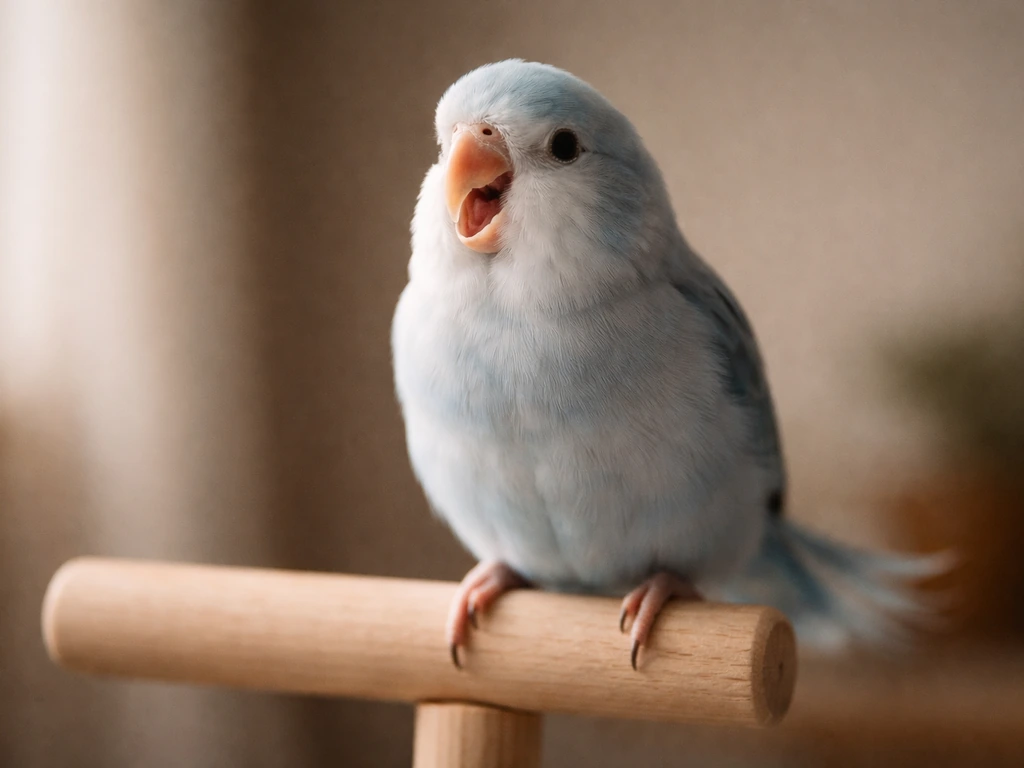
Respiratory signs are the most time-sensitive category in avian illness. A bird's respiratory system is extremely efficient, which means when it fails, it fails fast. Open-mouth breathing and tail bobbing with every breath are not minor symptoms, they indicate the bird is working hard just to get enough oxygen. Wing pumping (flaring or lifting the wings slightly with each breath) and increased sternal effort are additional signs that things are escalating.
Common causes behind respiratory distress include bacterial infections, upper respiratory disease, aspiration pneumonia (which can follow regurgitation or force-feeding), and fungal conditions like aspergillosis. Chlamydiosis (psittacosis/parrot fever) is another possibility when you see a combination of respiratory signs, lethargy, and lime-green droppings, especially in parrots. Facial or periocular swelling alongside discharge and an increased respiratory rate adds to the concern.
At the vet, severe respiratory cases are often stabilized in an oxygen chamber warmed to 80–85°F before any hands-on examination, because restraint stress alone can be dangerous for a bird already struggling to breathe. This is why calling ahead before you arrive matters, a good avian clinic will prepare before you walk in.
At home, do not attempt to examine the throat or nares yourself if the bird is in active distress. Keep it warm, keep it calm, keep the environment humid if possible, and get to a vet.
Digestive problems, crop issues, and poisoning basics
Droppings are one of the most informative health indicators for birds, but they're also commonly misread. What owners describe as diarrhea is sometimes just increased water content in the droppings due to diet or stress, not true unformed feces. True diarrhea means the solid fecal component itself is loose or absent. Lime-green droppings in parrots can be associated with chlamydiosis. Black or tarry droppings can signal internal bleeding. Dramatically reduced droppings may mean the bird isn't eating, which is its own alarm signal. Getting familiar with your bird's normal droppings on a healthy day makes these changes much easier to catch early.
Regurgitation is different from vomiting, though both are concerning. Regurgitation without apparent nausea (head bobbing over food or a favorite toy) can be a behavioral thing in some birds, but regurgitation combined with lethargy, weight loss, or a swollen crop is not. Crop stasis, where food sits in the crop and won't move through the GI tract, requires veterinary evaluation. A bird with crop stasis that isn't eating may need tube feeding via the crop at the vet's office. Do not attempt to manipulate the crop at home.
Poisoning is a genuine emergency and can look like many things: sudden collapse, seizures, difficulty breathing, or severe digestive upset. Common culprits include non-stick cookware fumes (PTFE/Teflon), cleaning product vapors, lead (from old paint, weighted toys, or certain metals), tobacco smoke, and certain foods like avocado, xylitol, chocolate, and caffeine. If any of these exposures are possible, move to the "call the vet immediately" column regardless of how the bird currently looks, because deterioration can be rapid.
Feather loss, skin changes, and parasites vs. stress
Feather problems cover a wide range of causes, and the appearance of the problem helps narrow it down. Knemidokoptic mange (scaly face/leg mite disease) shows up as honeycomb-textured crusty scales on the beak, cere, legs, and sometimes around the eyes and vent. It's most common in budgies. Red mites, feather mites, and lice are less common but do occur, and signs include excessive scratching, irritated red skin, and irregular patches of missing feathers. These need veterinary diagnosis and treatment, over-the-counter mite sprays are often ineffective or even harmful.
Feather plucking is trickier. It can be driven by external parasites, fungal skin infections, bacterial infections, nutritional deficiencies, hormonal issues, or pure behavioral stress. A bird that is feather-plucking without any visible skin lesions, mites, or other physical signs may be dealing with an environmental stress trigger: boredom, insufficient sleep, a new bird or person in the household, or lack of bathing opportunities. But don't assume it's behavioral without ruling out physical causes first, a vet exam is the only way to know.
Wet or soiled feathers around the vent area are a separate concern. This often signals diarrhea or a cloacal issue and should be observed closely alongside droppings changes and appetite. It's not just a grooming problem.
Neurological signs: head tilt, seizures, and coordination loss
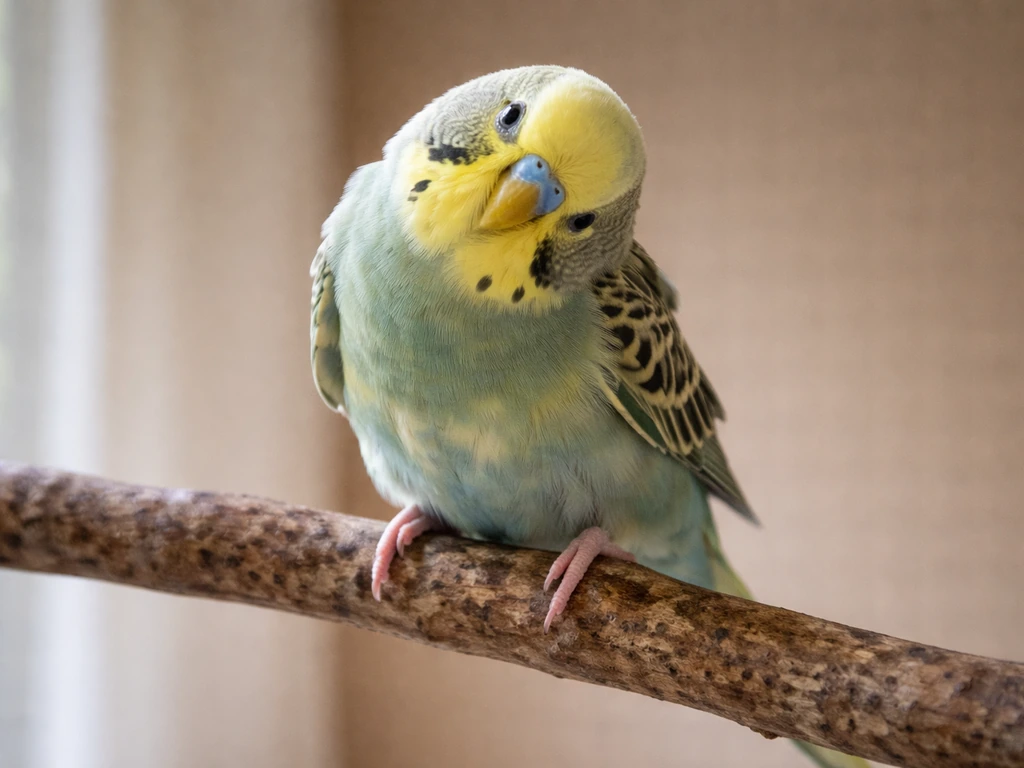
A bird that suddenly tilts its head to one side, stumbles, falls off its perch, shows eye rolling (nystagmus), tremors, or has a seizure needs immediate veterinary attention. Full stop. Neurological signs in birds have a wide range of causes: bacterial, viral, or fungal infections affecting the brain, toxin exposure (lead, organophosphates, ionophores), trauma, heatstroke, vascular events, or tumors. West Nile virus can also present with neurological signs in both wild and pet birds, including ataxia, head tilt, tremors, hind limb weakness, and seizures alongside more general signs like fluffed feathers and lethargy.
There is no meaningful first aid you can provide for seizures at home beyond keeping the bird in a safe, padded space where it can't injure itself, maintaining warmth, and getting to a vet as fast as possible. If the bird has had a seizure, that history needs to go to the vet even if it appears recovered by the time you arrive.
Home monitoring and what to bring to the vet
If the situation is not immediately life-threatening, structured home monitoring before (and while waiting for) a vet appointment gives you valuable information and helps the vet narrow things down faster. Here's what to track and how to do it without stressing the bird further.
Observe from a distance first
Sit or stand quietly near the bird and watch without interacting. Count breaths per minute by watching the chest or tail movement (normal resting respiratory rate for most parrots is roughly 25–45 breaths per minute, elevated or labored is more relevant than an exact number). Note whether the bird is perching normally or sitting low, fluffed, or on the cage floor. Observe whether it's interacting with food and water. Check the droppings tray for quantity, color, and consistency. All of this can be done with zero handling.
What to record before you call
- When did you first notice something was wrong, and what exactly did you see
- Current diet and any new foods introduced recently
- Any new toys, cage accessories, cleaning products, or air fresheners used in the past week
- Temperature and humidity in the bird's environment
- Whether any other birds in the household are showing similar signs
- Recent changes in the household (new pets, new people, moved cage, changes in sleep schedule)
- Any previous health issues, medications, or veterinary history
- A description or photo of the droppings
If you're unsure what information an avian vet actually needs, a structured approach like how do you know if a bird is sick can help you organize your observations into a clear picture before you make that call.
Basic supportive care while you wait
Keep the bird warm (aim for 85°F in its immediate environment), quiet, and in low-stress conditions. Make favorite foods and fresh water accessible without forcing anything. If the bird won't eat on its own, note that and tell the vet, do not attempt to force fluids or food. Keep the space dimly lit to reduce stimulation. Do not give any medications, vitamins, or supplements unless a vet has explicitly told you to.
One thing worth thinking about while you wait: some avian illness management involves nutrition support questions that go beyond obvious symptoms. A resource covering what do you give a sick bird can help you understand the general principles of supportive feeding before your vet appointment, even if specific treatment decisions will come from the vet.
Finding an avian vet
Not all vets are comfortable treating birds. Look specifically for an avian veterinarian or an exotic animal practice that lists birds as a specialty. If you're in a situation with no avian vet accessible, call the nearest large animal or university veterinary hospital and ask for a referral. In a true respiratory or neurological emergency, any vet is better than no vet, but for non-emergency follow-up, finding an avian specialist matters because bird physiology and diagnostics are genuinely different from dogs and cats.
The most important takeaway: birds don't have the luxury of a slow decline when something is seriously wrong. Acting on early, vague signs, fluffed feathers, less chatter, skipping a meal, is not overreacting. It's exactly the right instinct. Trust it.
FAQ
My bird seems “off” but not clearly in distress. What should I do in the next 10 minutes?
If your bird is still breathing, you can usually do a fast “right now” setup while you prepare to call. Move it to a quiet, draft-free, dim area, keep it warm (around 85°F locally), and avoid handling beyond what’s needed to separate from other birds. If you suspect an exposure (fumes, cleaning products, non-stick cookware, toxic foods), treat it as immediate even if symptoms look mild.
If my bird improves briefly, can I wait to see if it gets better?
Yes. Birds can deteriorate rapidly even when they appear stable for short periods, so “monitoring” should be structured and time-limited. Track breathing effort, perch position, fluffed state, and droppings quality, and make the vet call based on the urgency categories, not on whether symptoms improved later.
What’s the safest way to use heat for a sick bird, and how do I avoid overheating?
For temperature, aim for warmth in the bird’s immediate area, not a fully closed heat enclosure. You should provide an easy way to move away from heat, for example a heat source aimed at one side of the cage. Watch for signs of overheating like very hot skin/feet, extreme lethargy without fluffed illness behavior, open-mouth breathing, or worse respiratory effort.
How do I decide whether lethargy is an “urgent now” problem or a “within 12 hours” problem?
Lethargy alone can fall into the “contact a vet within 12 hours” bucket, but combine it with other clues. If lethargy comes with open-mouth breathing, tail bobbing, wing pumping, nystagmus, seizures, sudden collapse, or reduced droppings plus not eating, upgrade to “call the vet immediately.”
Will increasing humidity at home help, and what if it seems to make breathing worse?
If you use humidity support, do it lightly. Provide a humidifier in the room or near the environment, and stop if it seems to worsen breathing or the bird becomes more fluffed and uncomfortable. Humidity is supportive, it should not delay an urgent respiratory vet call.
Can I give my bird over-the-counter medicine or antibiotics while I arrange a vet visit?
Don’t try to treat possible respiratory disease at home with human cough meds, antibiotics, or leftover prescriptions. The risk is masking worsening signs and using the wrong medication type for the underlying cause. The supportive actions that are reasonable are warmth, calm, dim lighting, and humidity if helpful, then get veterinary guidance.
How should I interpret droppings changes like “watery” stool, less poop, or black stool?
Yes, but use it carefully. First determine whether the “diarrhea” is truly loose/absent solid stool or just increased watery content, and note the color and any change in quantity. If the bird is not eating, droppings drop, or there is blood-like material (black/tarry) you should escalate urgency and tell the vet exactly what changed compared with normal.
What’s the difference between normal regurgitation behavior and regurgitation that needs urgent care?
If regurgitation is paired with lethargy, weight loss, crop swelling, or trouble swallowing, you should treat it as medical and contact a vet urgently. If it’s happening frequently, is accompanied by refusal to eat, or the crop looks distended, do not try to move food through the crop yourself.
My bird might have been exposed to something. How do I decide whether it’s an emergency even without big symptoms?
Yes. Any likely toxin exposure should push you into “call the vet immediately,” because some toxins cause rapid decline even before obvious symptoms peak. If you recently changed cookware, cleaning products, air fresheners, or used pesticides, tell the vet what products and how long ago exposure may have occurred.
My bird has crusty scaly areas on the face or legs. Should I use a mite spray from the pet store?
If you see scaly, honeycomb-like crusting especially on the beak, cere, and legs, that pattern is consistent with scaly face or leg mite disease and needs a correct diagnosis and treatment plan. Avoid blanket mite sprays unless your vet tells you which product and dose to use, because some sprays can irritate skin or be ineffective.
My bird is plucking feathers. When does that move from “stress” to “needs a medical exam”?
Feather plucking can be behavioral, but you should rule out medical causes first. If plucking is sudden, extensive, new with a change in feathers, or paired with skin irritation, discharge, droppings changes, or appetite changes, treat it as a vet visit rather than a training issue.
If my bird shows head tilt, tremors, or seizures, what information should I be ready to tell the vet?
Neurological signs mean you should seek care immediately, but a vet call can still include useful details that help triage. Describe the exact onset time, whether there were toxins or temperature changes, if the bird was exposed to loud noise or trauma, and whether droppings or appetite changed before the head tilt, tremor, or seizure.
What should I do during and after a seizure, and should I still go even if it stops?
If a seizure happens, the key “home” actions are creating a safe, padded space, keeping warmth, and minimizing stimulation. After it stops, keep the bird monitored and warm, then transport promptly. Don’t assume a single seizure means it’s over, and always mention the seizure history to the vet.
How can I document symptoms for the vet without handling my bird too much?
When choosing a recording or documentation approach, keep it low-stress. Take quick videos of breathing effort, tail bobbing, or open-mouth breathing, and note the timestamp. You can also photograph droppings in the tray before cleaning it, and track whether the bird is eating and how much.
Next Article
What Bird Has White Spots on Wings? ID and Health Checks
Identify birds with white wing spots and tell normal plumage from mites, feather damage, or illness with step-by-step ch