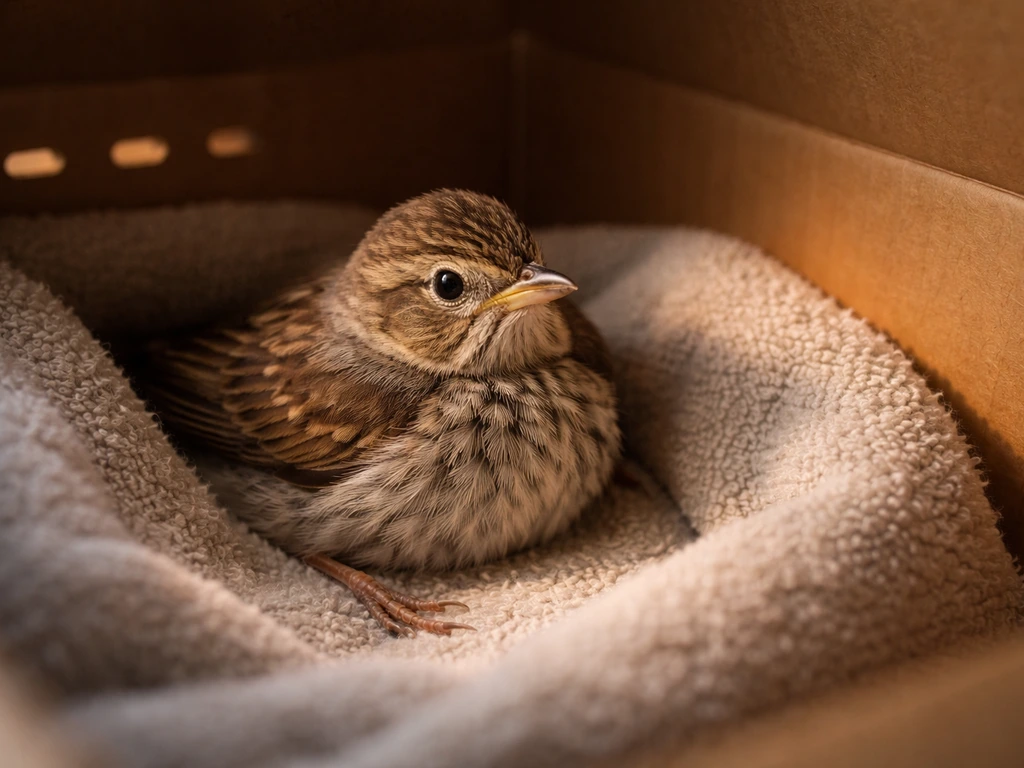
A wild bird that lets you walk right up to it, sits hunched with fluffed feathers, or keeps falling over is almost certainly sick or injured. Healthy wild birds flee from humans. If a bird isn't doing that, something is wrong, and the clock matters. This guide walks you through exactly what to look for, what it might mean, and what to do about it right now.
Sick Wild Bird Symptoms: How to Spot Signs and Act Now

Marcus Webb
24 Apr 2026
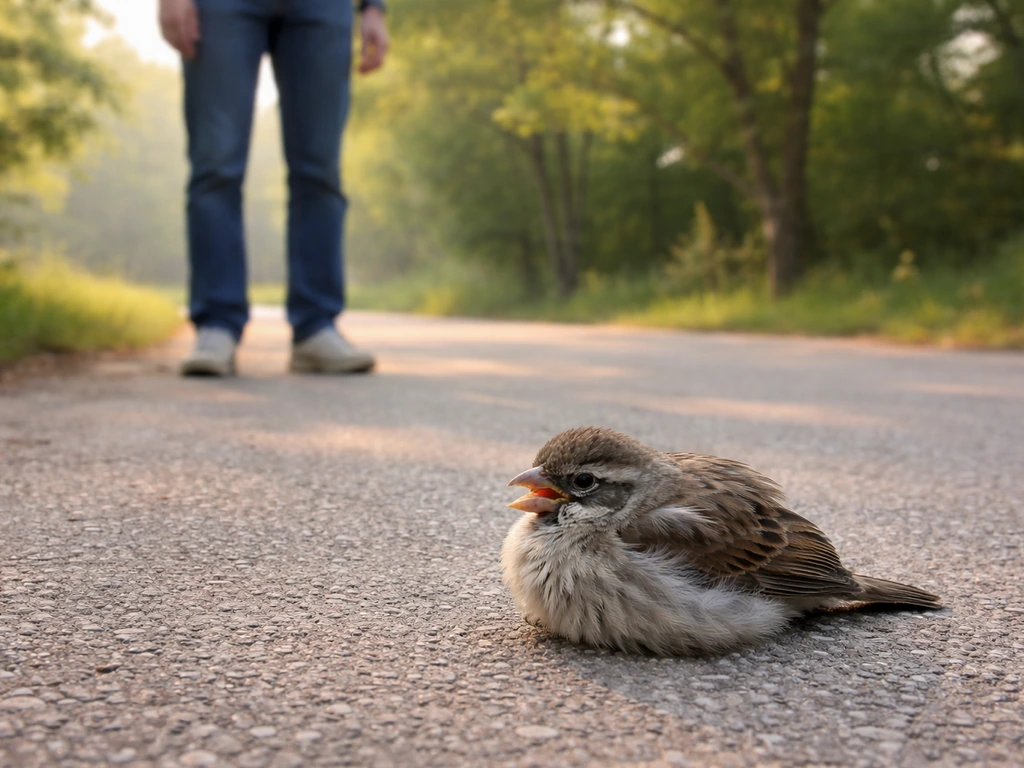
How to recognize a sick wild bird at a distance
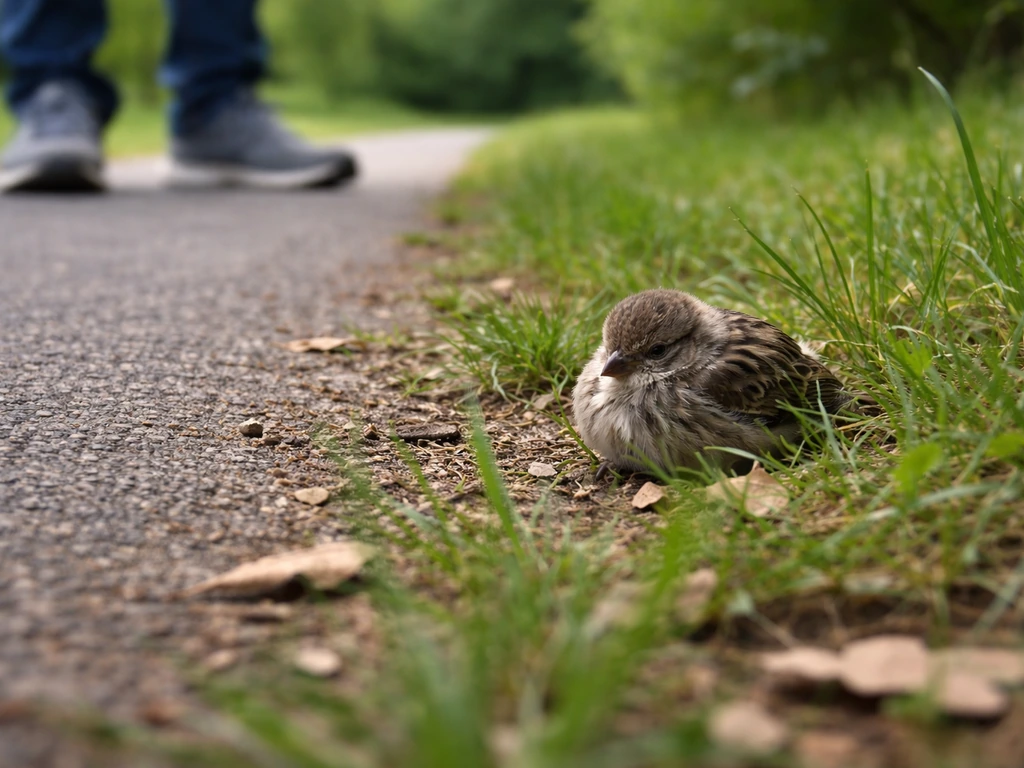
Before you approach, stop and watch from about 10 to 15 feet away. That distance tells you a lot. A healthy bird will fly off or at least hop away defensively. A sick or severely injured bird won't. Here's what to look for from where you're standing:
- The bird isn't moving, or is moving very slowly and doesn't react to your presence
- It's sitting on the ground in an open area where it would normally be exposed to predators
- Its feathers are puffed up and its head is tucked down or drooping
- It's swaying, stumbling, or falling to one side
- It's sitting with its eyes closed or half-closed in daylight
- It appears thin, with a visible keel bone (the ridge down the center of the chest) that sticks out sharply
One thing worth knowing: sometimes a bird has flown into a window and is simply stunned. Those birds usually recover within 30 to 60 minutes and fly off on their own. If a bird has been sitting in the same spot for longer than that, or shows multiple symptoms from the list above, it's likely more than just a bump. You can find more detail on telling apart those two situations by looking at stunned bird symptoms specifically.
Common sick wild bird symptoms across behavior, body condition, and movement
Once you're closer (or if the bird can't move away), look at the whole picture. Sick birds tend to show clusters of signs, not just one. The more of these you see together, the more urgent the situation.
Behavioral changes
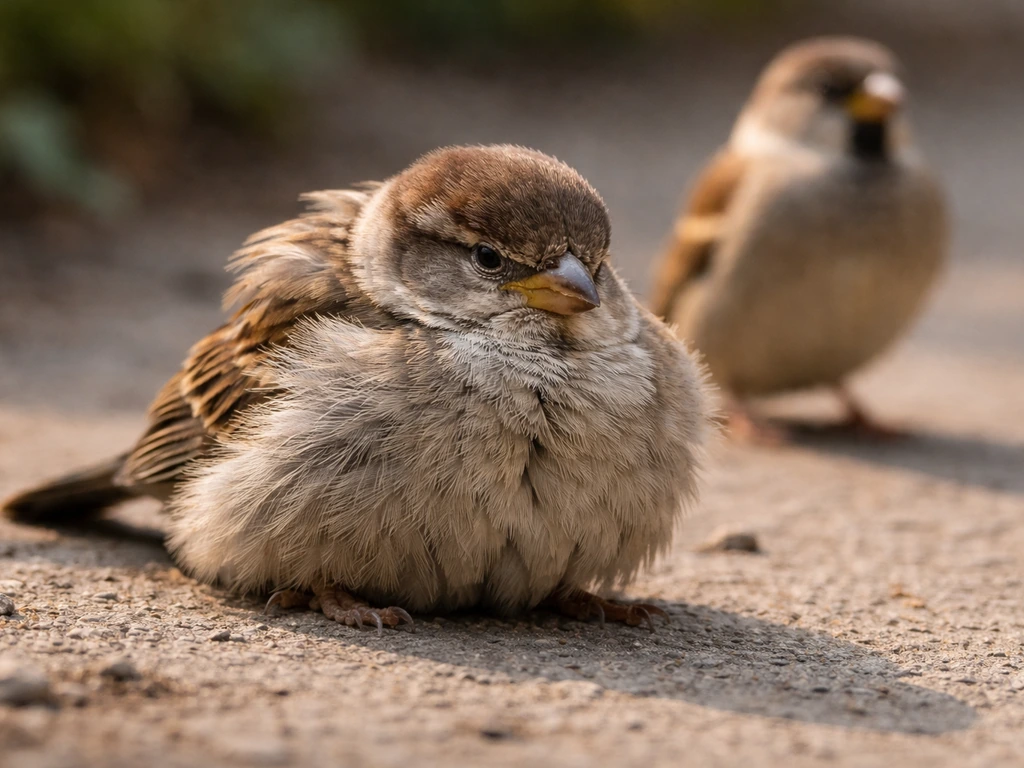
- Extreme lethargy or unresponsiveness to touch or sound
- Sleeping or dozing during daylight hours when the species shouldn't be
- Disorientation, wandering in circles, or appearing confused
- No fear of humans or domestic animals
- Sitting alone, separated from its flock
Body condition
- Severely fluffed feathers held out from the body (not just a brief fluff for warmth)
- Visible weight loss or muscle wasting, especially around the chest
- Drooping wings held away from the body
- Head drooping or resting on the ground
- Lying flat on its side or back
Movement and coordination
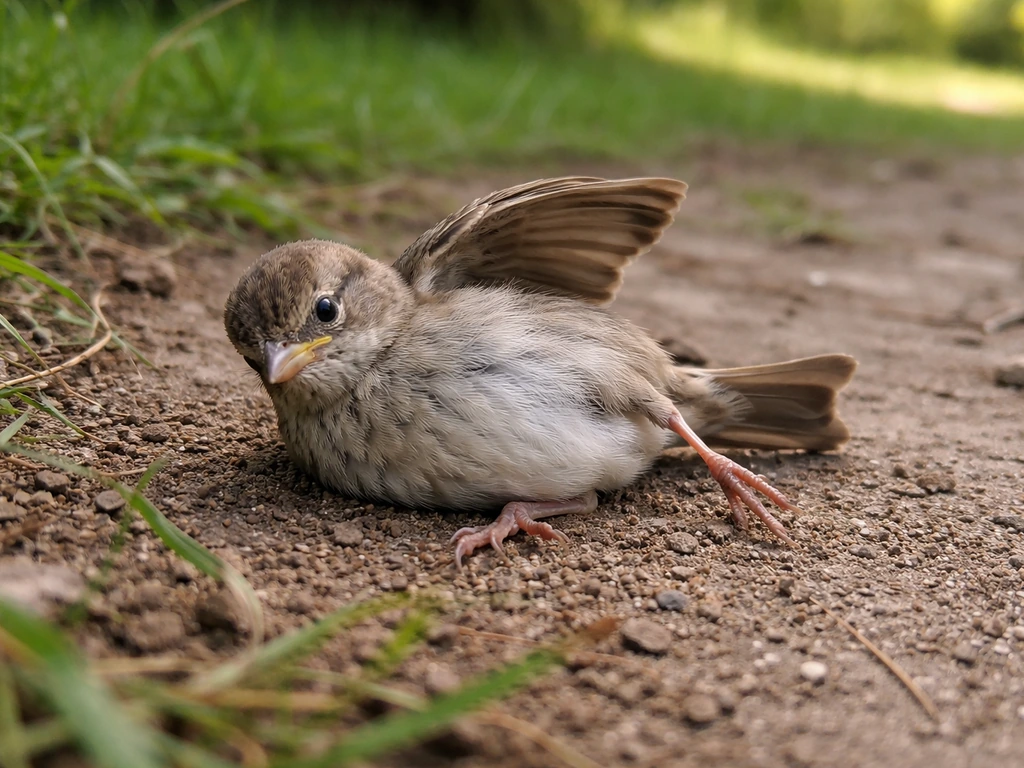
- Unable to stand or keep its balance
- Unable to fly when it clearly should be able to
- Stumbling, falling, or walking in tight circles
- One or both legs not functioning normally
- Dragging a wing along the ground
If the bird is lying completely on its side and not responding, treat this as an emergency. That level of collapse is similar to what you'd see in dying bird symptoms, and every minute counts.
Respiratory and neurological warning signs in wild birds
These are the two categories of symptoms that most urgently need professional attention. Both can escalate quickly and indicate serious underlying problems.
Respiratory signs
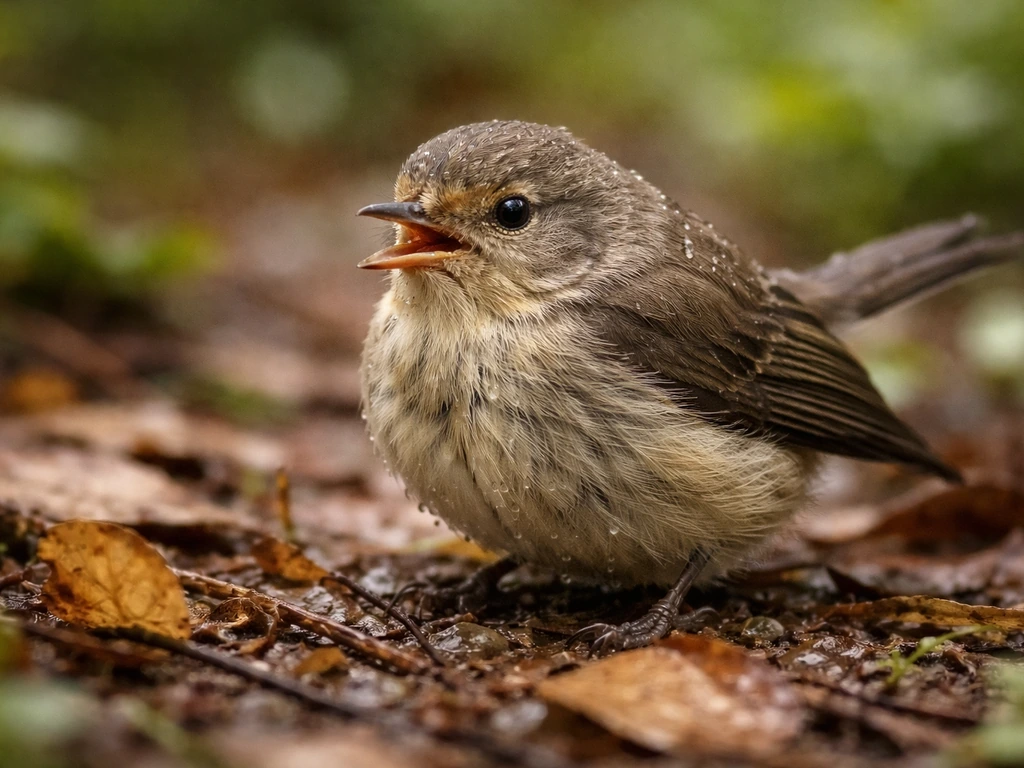
Open-mouth breathing in a wild bird is a red flag. Air sac rupture symptoms can also cause sudden breathing trouble, so treat open-mouth breathing as a serious warning sign air sac rupture bird symptoms. Birds breathe through their nostrils by default, so when a bird is breathing with its beak open while at rest, something is wrong. One exception worth noting: raptors like hawks and owls sometimes open their mouths briefly as a stress response when a human is close. Assess it alongside other signs rather than in isolation. The following respiratory symptoms together strongly suggest a bird needs help fast:
- Open-mouth breathing while at rest or when minimally stressed
- Visible tail bobbing with each breath (the tail pumps up and down to assist breathing)
- Neck stretching or extending upward with each breath
- Wheezing, clicking, or rattling sounds when breathing
- Nasal discharge, including wet, crusty, or discolored material around the nostrils
- Coughing or sneezing-like behavior
- Labored breathing that appears to take effort
Neurological signs
Neurological symptoms can look dramatic and are easy to spot. They can stem from trauma (like a head injury from hitting a window or a car), infection, toxin exposure, or systemic illness. The cause matters for treatment, but any of these signs mean the bird needs professional evaluation right away:
- Tremors or repetitive shaking
- Seizure-like activity: convulsions, thrashing, or sudden collapse
- Head held at a twisted or sideways angle (head tilt)
- Moving in tight circles repeatedly
- Inability to coordinate wings or legs
- Sudden behavior change with no obvious physical cause
- Holding the neck in an abnormal position, or inability to rotate the head normally
Neurological signs can overlap with what you'd see in wild bird in shock symptoms after a trauma event, but the two require different handling, so getting a trained eye on the bird quickly is important.
Eye, skin, feather, and mouth symptoms and what they can indicate
These symptoms are often slower to develop than behavioral or respiratory signs, but they can tell you a lot about what's going on and whether it's been going on for a while.
Eyes
- Swollen, red, or puffy eyelids: often associated with conjunctivitis or respiratory infection
- Watery or mucous discharge from one or both eyes
- Crusty buildup around the eye that's sealing it partially or fully shut
- One or both eyes kept closed while the bird is awake
- Cloudy or opaque appearance to the eye
Eye infections, particularly conjunctivitis, can also spread to become respiratory infections with nasal discharge. A bird showing both swollen eyes and nasal discharge together is showing signs of something that has likely progressed.
Feathers and skin
- Feathers that look dull, broken, or matted rather than clean and smooth
- Abnormal feather loss that isn't part of normal seasonal molting
- Bare patches of skin visible on the body
- Growths, lumps, or swelling under the skin or on the feet/legs
- Large bubbles or pockets of air under the skin (this is an air sac rupture and needs immediate care)
- Sores, wounds, or scabs on the skin
- Maggots or fly eggs visible on or near the skin
Feathers can look fluffy just because a bird is cold, but feathers that are chronically puffed, damaged, or missing suggest something systemic: parasites, nutritional deficiency, or ongoing illness. Skin abnormalities like maggot infestation mean the bird has been incapacitated long enough for flies to find it, which is a serious sign.
Mouth and beak
- Discharge from the mouth or around the beak
- Visible sores, plaques, or white/yellow patches inside the mouth
- A beak that is cracked, deformed, or misaligned
- Swelling around the face or jaw area
What to do right now: safe handling, isolation, and basic triage
If you've assessed the bird from a distance and it clearly needs help, here's how to handle the situation safely for both of you. Keep it simple and keep it calm.
- Get a cardboard box with a lid. Make a few small air holes in the sides. Line the bottom with a non-fluffy cloth like an old t-shirt or paper towels.
- Put on gloves if you have them. If not, use a cloth or towel to pick the bird up. Avoid direct skin contact when possible, and wash your hands thoroughly after.
- Gently place the bird in the box. Keep it upright if the bird can hold itself upright. If it keeps falling over, position it so it's supported on its side rather than on its back.
- Close the box and place it somewhere warm, quiet, and dark. Indoors is best. Away from pets, children, and noise. Room temperature or slightly warmer is the goal.
- Do not give the bird food or water. This is important. A sick or weak bird can aspirate water into its lungs and a well-meaning feeding can interfere with treatment. Unless a licensed wildlife rehabilitator specifically tells you it's okay, hold off on anything by mouth.
- Contact a licensed wildlife rehabilitator or a wildlife veterinarian as soon as the bird is contained. The sooner you make that call, the better the outcome.
Keep your handling minimal. NPS recommends keeping handling to a minimum and using common-sense health measures if handling is absolutely necessary, including wearing gloves and avoiding touching the eyes or mouth common-sense health measures, including wearing gloves and avoiding touching the eyes or mouth. Every time you open the box, check on the bird, or try to interact with it, you're adding stress. Stress alone can kill a bird that's already compromised. Dark and quiet is genuinely the best thing you can give it while you make calls.
If the bird shows signs of dehydration alongside other symptoms, that's still not a reason to try to give water yourself. Dehydrated bird symptoms can look alarming, but attempting to rehydrate a bird without proper technique risks aspiration, which is life-threatening. The Tufts Wildlife Clinic also advises not to give sick or injured songbirds food or water, since incorrect feeding can cause injury or death blank" rel="noopener noreferrer">Do not give it food or water.
When to call wildlife rehab or a vet: urgency levels and red flags
Every sick wild bird warrants a call to a licensed wildlife rehabilitator eventually, but some situations need that call made immediately while you're still looking at the bird.
Call immediately and treat this as an emergency
- The bird is having trouble breathing: open-mouth breathing, tail bobbing, wheezing
- The bird is unresponsive or only barely responding to touch
- The bird is lying on its side and cannot right itself
- There is active, profuse bleeding
- There are visible broken bones or severe wounds
- Seizure-like activity or severe tremors are occurring
- The bird has maggots on or in its body
- There are large bubbles of air under the skin
- There are obvious cat or dog bite or puncture wounds (even small ones, as cat saliva carries bacteria that kill birds within hours)
Call as soon as possible (same day)
- The bird cannot stand or fly but is otherwise stable
- Significant neurological signs like head tilt, circling, or disorientation
- Swollen or crusted-over eyes with discharge
- Obvious weight loss or muscle wasting
- Drooping wing with no visible wound
- The bird has been in the same spot, unable to move, for more than an hour
To find a licensed wildlife rehabilitator in your area, contact your state or regional wildlife agency, or search the National Wildlife Rehabilitators Association directory. Many areas also have wildlife rescue hotlines. When you call, describe what you observed: the species if you know it, where you found the bird, what symptoms you saw, and roughly how long the bird appeared to have been there.
Common causes behind the symptoms: trauma vs illness vs environment
Understanding what might be behind the symptoms helps you give useful information to the rehabilitator and sets realistic expectations for the outcome. Wild bird situations usually fall into a few broad categories.
| Cause | Common symptoms | Realistic outcome |
|---|---|---|
| Trauma (window strike, car, fall) | Stunned, unable to fly, head tilt, disorientation, one-sided weakness, bleeding | Good if caught quickly; neurological damage may be permanent |
| Infectious illness (bacterial, viral, fungal) | Lethargy, respiratory signs, eye/nasal discharge, weight loss, fluffed feathers | Depends heavily on disease and how early care begins |
| Parasites | Feather loss, skin sores, weight loss, weakness, anemia signs | Often treatable with appropriate medication |
| Toxin or poison exposure | Neurological signs, sudden collapse, tremors, disorientation, weakness | Variable; decontamination speed matters greatly |
| Predator attack (cat, dog) | Puncture wounds (sometimes hidden under feathers), shock, bleeding | Urgent: sepsis risk from cat bacteria within hours |
| Starvation or dehydration | Extreme weakness, wasting, inability to stand, sunken eyes | Possible with careful supportive care from a rehabber |
| Environmental (cold, heat) | Hypothermia signs: immobility, fluffed feathers, unresponsive; or heat stress: open-mouth breathing, lethargy | Often recoverable if addressed quickly |
One thing to keep in mind: you probably won't know the exact cause, and that's okay. You don't need to diagnose the bird. Your job is to recognize that something is wrong, contain the bird safely, and get it to someone trained to handle what comes next. Trying to figure out the cause on your own can cost time the bird doesn't have.
If the bird was found near a known hazard, like a window it likely flew into, a road, a cat, or an area where pesticides are used, mention that to the rehabilitator. That context can change how quickly they act and what they look for. Poisoned bird symptoms in particular can look a lot like neurological illness, and the treatment path is very different depending on the cause. If a dog was nearby or there was any bite or mouth contact, dog ate bird symptoms can overlap with head trauma and infection, so be sure to mention it.
Finally, be honest with yourself about prognosis. Wildlife rehabilitators do incredible work, but not every bird makes it. Severe neurological damage, advanced illness, and prolonged starvation before rescue all reduce the odds. What you can control is how quickly the bird gets care. The faster you act, the better the chance.
FAQ
What if the bird is moving a little, but it still won’t fly away? Is that still considered sick wild bird symptoms?
Not necessarily. A bird that looks “calm” but cannot defend itself (it lets you get close, stays hunched for a long time, or lies on its side) still counts as sick wild bird symptoms. If it has been in the same spot beyond the typical window-glass stun recovery time (about 30 to 60 minutes), treat it as an active wildlife emergency.
Do sick wild bird symptoms look different if the bird is found in a strange place (yard, sidewalk, indoors)?
Yes. Birds are more likely to show serious illness signs when they appear in unusual locations, such as in the middle of the day on the ground in open areas, near water but unable to take off, or indoors without flying out quickly. If the bird cannot regain normal flight behavior within minutes, call a rehabilitator rather than waiting.
How long should I wait before contacting a rehabilitator for possible window-stun birds?
If the bird is truly alert and the only issue seems to be a brief window collision, it often recovers on its own within 30 to 60 minutes. If you see any respiratory red flags (open-mouth breathing at rest), progressive collapse, repeated loss of balance, or symptoms that cluster together, do not “wait it out.” Call immediately, especially if it is still unable to move away from you.
Can I give a dehydrated bird water or food if it looks sick?
Do not try to feed or force water. Even if you suspect dehydration, handling or rehydration attempts can cause aspiration (fluid entering the airway), which can quickly become fatal. If it is safe to do so, keep it contained, keep people and pets away, and get professional help.
What is the safest way to contain a sick wild bird at home before help arrives?
Contain it in a way that limits stress and movement. Use a ventilated box or carrier lined so it is not sliding, keep it in a dark and quiet area, and avoid repeated checks. If it must be moved, lift gently and avoid squeezing the chest or handling the wings for “inspections.”
Is it okay to handle the bird if it seems calm?
Generally, no. Birds can bite or scratch, and handling can worsen injuries. Wear thick gloves if you must move it, and keep your face and hands away from the beak. If you are unsure whether it is safe, focus on creating a barrier that prevents pets or people from approaching and call a professional.
How urgent is open-mouth breathing in a wild bird?
If it appears to be breathing with its beak open while resting, treat it as urgent even if other signs are mild. Birds can compensate for a short time, but open-mouth breathing suggests the airway or air sac function is compromised, and it can deteriorate quickly.
If I only notice one symptom, when should I still treat it as an emergency?
A single symptom can have a benign explanation, but clusters are more concerning. For example, swollen eyes plus nasal discharge suggests progression beyond a localized eye issue, and combined neurological or respiratory changes raise the likelihood of a serious systemic problem. When multiple categories show up together, call right away.
Why can neurological-looking sick wild bird symptoms be hard to interpret, and what should I do anyway?
Yes, overlap is common. Head trauma, shock after an impact, infections, and toxin exposure can all look neurologically abnormal. The key decision aid is not diagnosing it yourself, it is speed: if you see neurological signs alongside falling over, abnormal breathing, or inability to respond normally, get it evaluated urgently.
What details should I tell the rehabilitator to help them triage quickly?
Yes. Mention any known exposure or risk factors you noticed, such as being near a window, road, cats or dogs nearby, pesticides or chemical areas, or potential poison sources. Even if it is not confirmed, this helps rehabilitators choose the right triage and testing and can change how quickly they act.
What should I do if I suspect poisoned bird symptoms are involved?
If you suspect poisoning, do not attempt home remedies. Keep the bird contained, prevent further exposure, and tell the caller what was nearby (for example, rodent bait areas, pesticide use, or evidence of chemicals). Do not let children or pets handle the bird’s droppings or residue.
Can I estimate whether the bird will likely survive, and does that change what I should do next?
Prognosis depends on the cause and how long the bird has been compromised, and you cannot reliably predict survival from a quick observation. However, severe collapse, prolonged starvation signs (such as very emaciated appearance), or significant ongoing neurological impairment usually mean a lower chance. The best actionable step is to prioritize time to professional care.
Next Article
Stunned Bird Symptoms: What to Check and What to Do Now
Checklist for stunned bird symptoms, breathing and injury signs, safe first steps, causes, and when to get emergency hel