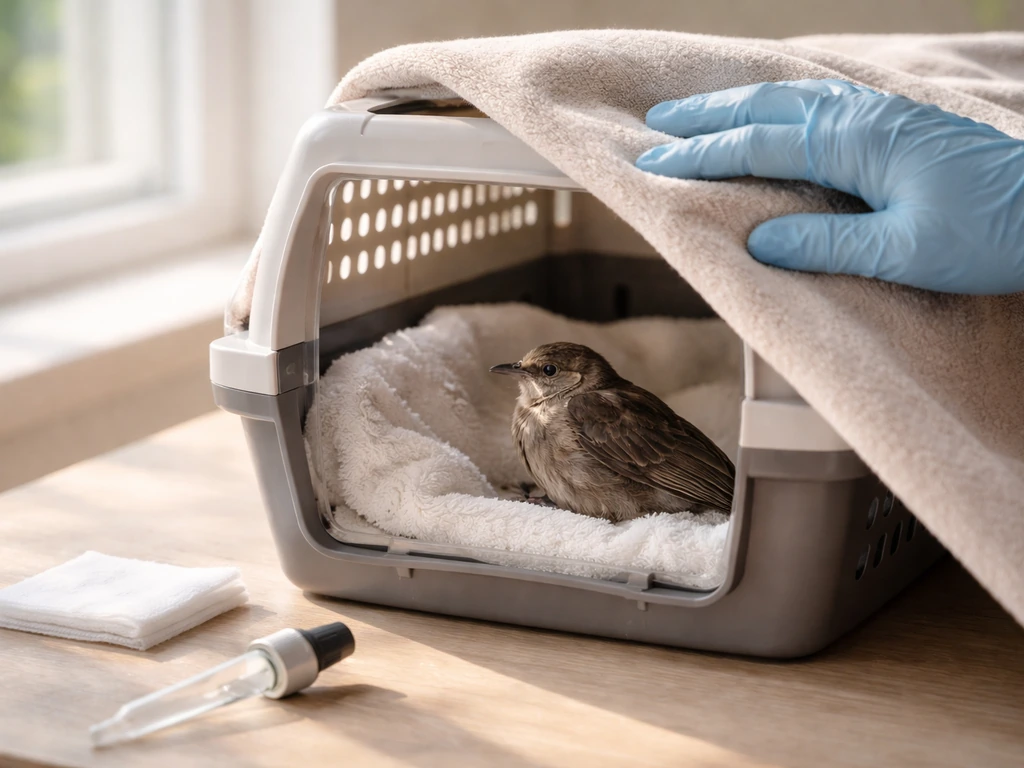
A stunned bird is one that's suddenly unable to fly, stand, or respond normally. It might be collapsed on the ground, sitting upright but glassy-eyed, leaning to one side, or just completely unresponsive to movement nearby. Most of the time this happens after a window strike, a cat attack, or the onset of a serious illness. Whatever the cause, the first 30 minutes matter a lot, so here's exactly what to look for and what to do.
Stunned Bird Symptoms: What to Check and What to Do Now

Marcus Webb
24 Apr 2026
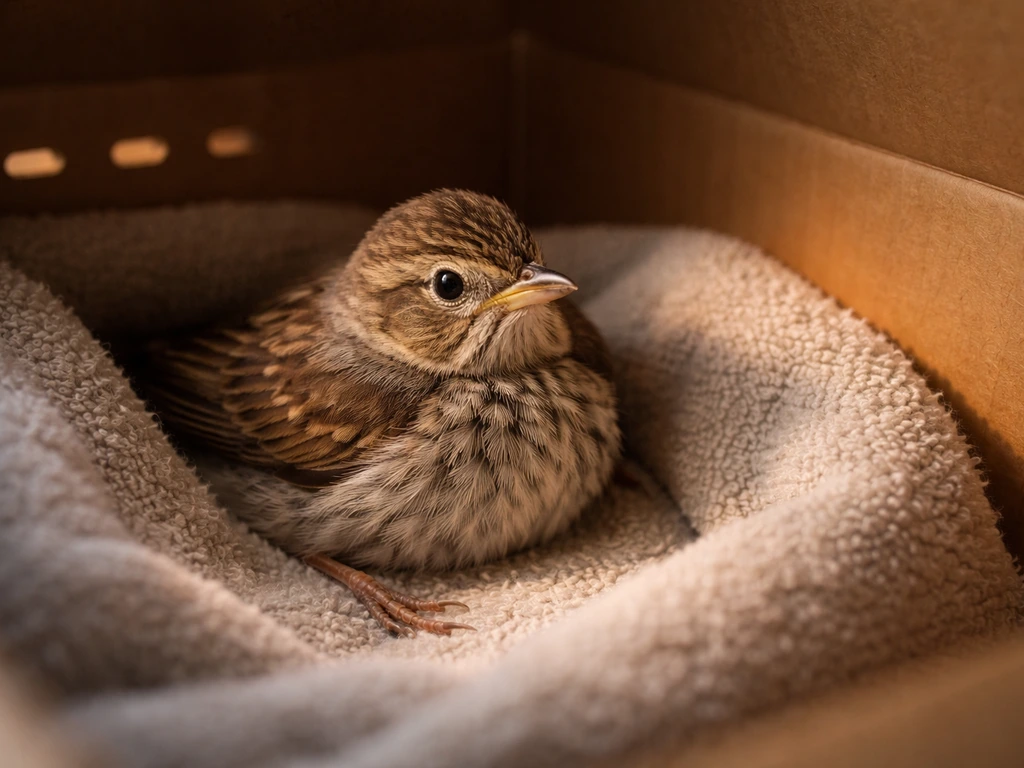
What people usually mean by a 'stunned' bird
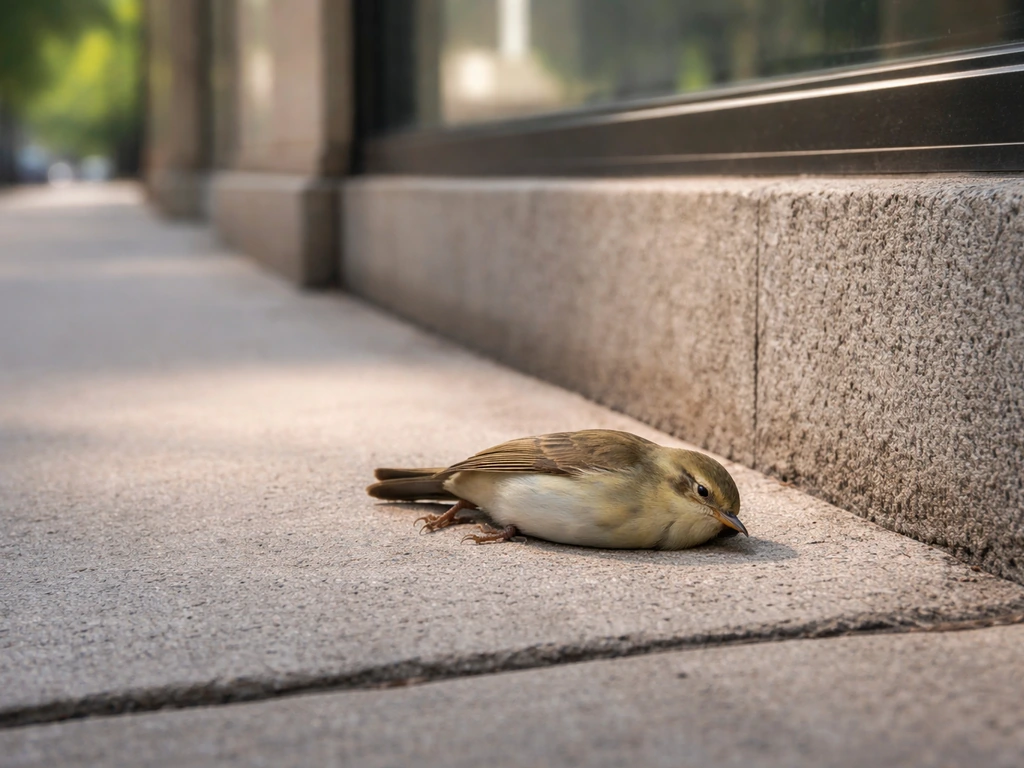
The word 'stunned' covers a pretty wide range of bird presentations. You might see a bird sitting motionless on a sidewalk that would normally fly away. Or a bird lying on its side that can barely lift its head. Sometimes the bird is technically upright but clearly not right, rocking, tilting, or staring blankly. These are all versions of the same problem: something has disrupted the bird's normal neurological or physical function to the point where it can't behave like a healthy bird.
The most common scenario for wild birds is a window collision. A bird hits glass at speed, gets knocked unconscious or severely disoriented, and ends up on the ground below. But 'stunned' behavior can also follow a cat or dog attack, overheating, poisoning, or the sudden progression of a respiratory or neurological illness. If a dog ate a bird, the same sudden collapse and disorientation pattern can happen, so treat it like an urgent emergency and get help right away cat or dog attack. Pet birds can present the same way when an infection, toxin exposure, or injury pushes them into sudden collapse or extreme lethargy.
It's worth knowing that 'stunned' looks different from 'dying,' though the two can overlap. It's worth knowing that 'stunned' looks different from dying bird symptoms, though the two can overlap. A stunned bird from a window strike may recover on its own within a couple of hours if kept safe. A bird that's stunned due to illness, poisoning, or serious trauma often won't. That distinction matters for deciding how urgent your response needs to be.
Stunned bird symptoms to look for right now
Before you do anything else, spend 60 seconds observing the bird from a short distance without touching it. You want to note as many of these as you can because this information is exactly what a vet or wildlife rehabilitator will ask you about. If you are trying to figure out sick wild bird symptoms, look for combinations like open-mouth breathing, abnormal posture, and sudden unresponsiveness. Dehydrated bird symptoms often overlap with general collapse and poor responsiveness, so it helps to think about hydration when you assess the presentation.
- Responsiveness: Does the bird react at all when you move close? Healthy birds flee. A stunned bird may ignore you completely or only weakly track your movement.
- Posture: Is it upright, or is it slumped, lying on its side, or leaning heavily to one side? Can it hold its own head up?
- Balance and coordination: Is it attempting to walk or stand and failing? Staggering, circling, or falling over are significant signs.
- Breathing: Watch the chest and tail area. Is the breathing rapid and shallow? Is the bird panting or holding its beak open to breathe?
- Head and eyes: Is the head tilted to one side? Are the eyes half-closed, sunken, or dull? Are both eyes the same?
- Wings: Is one wing drooping lower than the other? Any visible asymmetry suggests injury.
- Visible trauma: Blood, bare patches where feathers have been pulled, puncture wounds, or a bent/dangling limb.
- Discharge: Any fluid from the nostrils, mouth, or eyes.
- Tremors or twitching: Any involuntary muscle movements, toe clenching, or repetitive motions like side-to-side head movement.
- Skin and bill color: Pale, blue-tinged, or very dark coloration around the bill or legs can indicate oxygen problems.
- Temperature: If you do need to handle the bird, does it feel cold to the touch? That's a sign of shock.
A bird showing several of these at once, especially collapsed posture combined with open-mouth breathing and unresponsiveness, is in serious trouble and needs professional help fast. Air sac rupture can also lead to breathing trouble and weakness, so it’s worth discussing with a vet right away air sac rupture bird symptoms.
Respiratory vs neurological: reading the symptom pattern
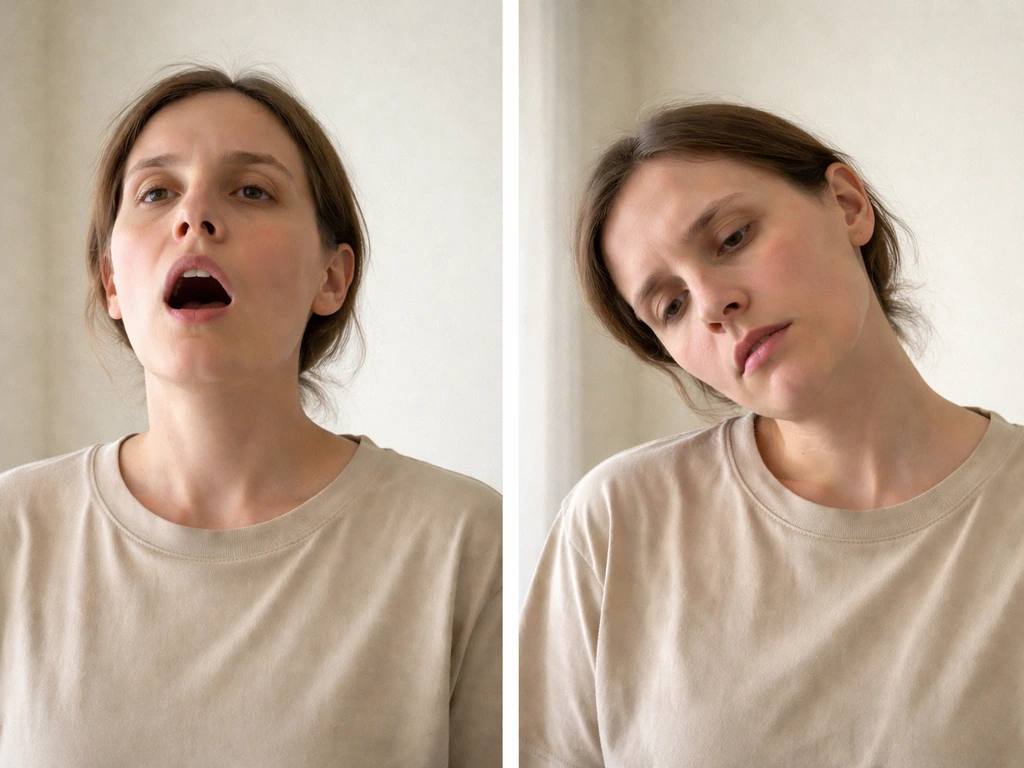
Some symptoms point more strongly toward respiratory distress, while others suggest neurological impairment. In practice, both can appear together because some diseases affect multiple systems at once, but understanding the difference helps you describe what you're seeing accurately.
Signs that lean respiratory
- Open-mouth breathing or panting, especially at rest
- Tail bobbing with each breath (the tail pumps up and down as the bird works harder to breathe)
- Wheezing, clicking, or rattling sounds during breathing
- Discharge from nostrils or mouth
- Rapid but shallow breathing that persists for more than two hours
- Repeated swallowing or gulping motions
- Blue or pale coloration around the beak
Signs that lean neurological
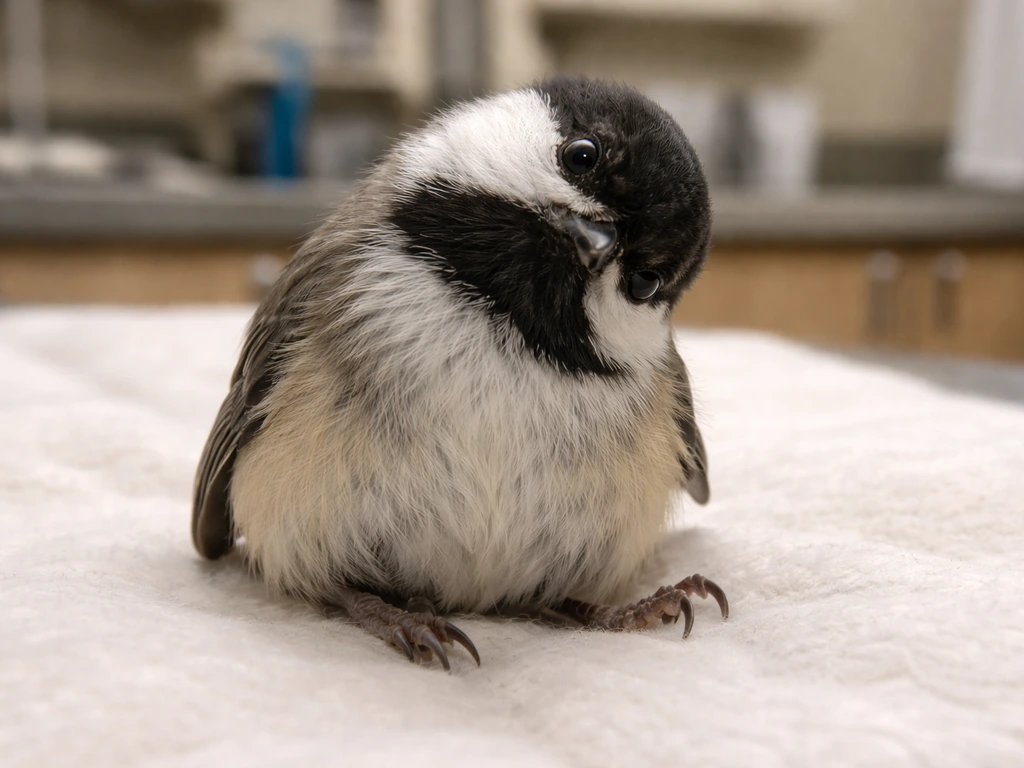
- Head tilt (one side of the head consistently lower than the other)
- Circling or rolling movements
- Tremors, muscle twitching, or toe clenching
- Inability to right itself when placed upright
- Side-to-side head movements that look involuntary
- Twisting of the neck (torticollis)
- Seizure-like activity or sudden full-body convulsions
- Ataxia: stumbling, uncoordinated walking, or falling
Avian botulism is a classic example of a condition that produces almost purely neurological stunned behavior. The toxin blocks nerve signals to muscles, leaving birds unable to hold up their heads, walk, or fly. West Nile virus can cause head tilt, tremors, ataxia, and seizures, and these neurological signs often appear alongside more general debilitation like lethargy and recumbency. Some respiratory infections also progress to affect the nervous system, which is why a bird sometimes shows both breathing difficulty and coordination problems at the same time.
When you call for help, just describe what you see plainly. 'The bird is on its side, its head keeps tilting to the right, and it's breathing with its beak open' is exactly the kind of information that helps a rehabilitator or vet prioritize your call. You don't need to diagnose it yourself.
What to do immediately: safe handling and first-aid steps
The single most important thing you can do for a stunned bird is keep it warm, dark, and quiet. Stress makes every condition worse, and a bird that's already compromised can deteriorate quickly if it's handled repeatedly, exposed to noise, or kept near other animals.
- Get a box ready. A cardboard box with a lid works well. Punch a few small air holes in the sides. Line the bottom with a soft cloth or paper towel.
- Protect yourself first. Birds can bite and scratch, and some illnesses are transmissible. Use gloves or a light towel to pick the bird up. Avoid touching your face.
- Pick the bird up gently and place it in the box. Minimize handling time. You're not treating it, just moving it somewhere safe.
- Close the lid and put the box somewhere warm, dark, and quiet. Away from pets, children, and loud noise. A warm room (not hot) is ideal. If the bird feels cold to the touch, you can place the box near (not on) a gentle heat source, but don't overheat it.
- Do not give food or water. This is important. Improper feeding can cause additional harm, and squirting liquid into a bird's mouth is a known risk for aspiration. Leave it alone.
- Do not open the lid repeatedly to check on it. This adds stress. Set a timer for 30 to 60 minutes and call for help during that time.
- Keep the environment quiet. No music, no loud conversation near the box, no other animals in the room.
If it's a window-strike bird and it seemed alert but just dazed, some guidance suggests giving it up to two hours in a dark, quiet space to recover before reassessing. A Reddit r/Ornithology thread advises putting an injured bird in blank" rel="noopener noreferrer">a warm, dark box and not trying to feed water until you can reach a rehabber. SBWR (Save the Bay Wildlife Rehabilitation) similarly recommends warm, dark, quiet housing in a ventilated box, not a wire cage, until help is obtained blank" rel="noopener noreferrer">some guidance suggests giving it up to two hours in a dark, quiet space to recover before reassessing. But if the bird is showing any of the serious symptoms listed above, don't wait two hours. Because a wild bird in shock can look similar to other stunned presentations, include these shock signs in your quick assessment wild bird in shock symptoms. Make the call now.
Figuring out the likely cause
You probably won't be able to confirm the exact cause, and you don't need to. But knowing what might have happened helps you give better information when you call for help, and it affects how urgently you need to act.
| Likely Cause | Key Clues | Urgency |
|---|---|---|
| Window or glass strike | Found near a window or glass door, no visible wound, may recover in 1-2 hours | High if symptoms persist beyond 30-60 min or worsen |
| Cat or dog attack | Visible puncture wounds, missing feathers, bleeding, trauma asymmetry | Very high — internal injuries and infection risk even without visible wounds |
| Toxin or poisoning | Sudden collapse, tremors, seizures, vomiting, history of pesticide/chemical exposure | Very high — deterioration can be rapid |
| Overheating / heat stroke | Found in direct sun, panting, flat posture, no trauma | High — move to cool area, call for help |
| Respiratory infection | Open-mouth breathing, nasal discharge, wheezing, gradual onset of weakness | High — may also suggest contagious disease |
| Neurological illness (e.g., West Nile, botulism) | Head tilt, tremors, circling, inability to stand, no obvious injury | Very high — neurological signs need professional assessment |
| Parasites | Visible mites or lice, feather loss, anemia signs, extreme weakness | Moderate to high depending on severity |
Cat attacks deserve special mention. Even if a bird looks fine on the outside after a cat grabbed it, the bacteria in a cat's mouth (Pasteurella in particular) can cause fatal infection within hours. A bird that survived a cat should always be seen by a professional, even if it seems to be recovering.
Toxin exposure is another scenario where the bird might look 'just stunned' but is actually deteriorating fast. Poisoned bird symptoms often include sudden collapse, abnormal posture, and breathing changes, so treat toxin exposure as urgent. If there's any possibility the bird ate bait, was near freshly sprayed pesticides, or had access to household chemicals or toxic plants, treat it as an emergency and say so when you call.
When to get help urgently and how to transport
Go now if you see any of these
- Open-mouth breathing or panting that lasts more than a few minutes
- Active bleeding or a visibly broken bone
- Seizures, convulsions, or continuous tremors
- The bird cannot hold its head up at all
- It's been 30 to 60 minutes and the bird is no better or is getting worse
- Any known or suspected cat or dog attack
- Any known or suspected toxin exposure
- The bird is cold to the touch and unresponsive
For wild birds in the U.S., your first call should be to a licensed wildlife rehabilitator. You can find one through the National Wildlife Rehabilitators Association or the International Wildlife Rehabilitation Council's finder tools online. Your state's fish and wildlife agency is another option. Note that it is illegal to keep a wild bird at home without a license, and attempting to care for it yourself without guidance is both legally problematic and genuinely risky for the bird.
For pet birds, call your avian vet directly or an emergency animal hospital if it's after hours. Time matters with birds because they hide illness well and can crash very fast once they stop compensating.
Transport setup that actually helps
- Use the same box you've been keeping it in. Don't transfer it to a new container right before transport if you can avoid it.
- Keep the car warm but not hot. A comfortable room temperature works.
- Turn off the radio. Minimize talking in the car. Noise and vibration add stress.
- Drive directly to your destination. No stops, no detours.
- Keep the box on a stable surface. Sliding and tipping adds to disorientation, especially for a bird with neurological symptoms.
- Tell the receiving professional everything you observed: when you found it, where, what it was doing, any possible cause, and what symptoms you noticed.
Aftercare and preventing it from happening again
If the bird recovers and is released (for wild birds) or returns home (for pets), there are a few things worth thinking about to reduce the chance of a repeat incident.
Window strikes
Window collisions are the most common cause of stunned wild birds, and they're largely preventable. Bird-safe window film, exterior screens, and closely spaced decals or tape (spaced no more than 2 inches horizontally and 4 inches vertically) all make glass visible to birds. Moving bird feeders either very close to windows (within 3 feet, so impact speed is low) or far away (more than 30 feet) reduces strike risk significantly.
Toxin and chemical exposure
- Keep pet birds away from non-stick cookware fumes, aerosol sprays, scented candles, and air fresheners. These can cause rapid respiratory collapse in birds.
- For wild birds, avoid pesticide use in areas birds frequent, or use bird-safe alternatives.
- Keep rodent bait stations in areas where birds absolutely cannot access them.
Cats and predators
Keeping cats indoors, or using a secure outdoor enclosure, dramatically reduces bird injuries and deaths. For pet birds, ensure their cage is fully secure and in a location where other household animals can't stress or access them.
Ongoing health monitoring for pet birds
Birds that suddenly appear stunned are sometimes showing the end stage of a problem that's been building for a while. Regular vet checkups, watching for early respiratory signs like tail bobbing, quiet vocalizations, or changes in droppings, and acting on subtle symptoms early can stop a bird from reaching crisis point. If your bird's behavior changes even slightly, it's worth a closer look. Birds that seem 'just a bit off' today can be in serious distress by tomorrow.
FAQ
When is a stunned bird too urgent to wait the full 2 hours?
For a wild bird, treat it as an emergency if it cannot right itself, cannot stand or balance, shows open-mouth breathing, repeated head tilts, ongoing unresponsiveness, or you suspect a cat, toxin, or collision. If none of those red flags are present and it seems dazed but otherwise breathing normally, you can still use the 2-hour dark, quiet recovery window, then reassess. If you are unsure, err on the side of calling a rehabilitator immediately.
Can I give a stunned bird water or food to help it recover?
Do not offer food or water while the bird is unable to stand or swallow normally. Birds that are neurologically affected or having breathing trouble can aspirate fluids or choke, which worsens the underlying problem. If it recovers enough to perch and hold its head normally, you can then consider offering water per your vet or rehabilitator’s guidance.
What is the safest way to pick up a stunned bird?
If you must move the bird, do it gently and minimally, and use a thick towel or box with air holes so the bird stays warm and contained. Avoid grabbing exposed wings, squeezing the body, or repeatedly repositioning the head. Keeping it dark and quiet is more helpful than trying to “check” every symptom with your hands.
If the bird seems to warm up and calm down, does that mean it is okay?
Shivering, fluffed feathers, or a cold-to-the-touch bird often means temperature stress, but temperature is not the same as recovery from a specific injury or illness. Even if the bird becomes warmer and calmer, it can still have internal injuries or neurologic damage, especially after a cat bite, poisoning, or window strike, so professional evaluation is still important when red flags were present.
How can I tell whether it’s just dazed versus something like poisoning or infection?
Yes. A bird can look “just stunned” while actually having a progressing condition such as poisoning or internal infection after a cat attack. When you call, mention any of these possibilities clearly (window strike, pet/predator exposure, bait or chemical exposure, nearby dead insects or plants, pesticide use) so the responder can triage it appropriately.
What should I look for first in stunned bird symptoms, breathing or neurologic signs?
A single-minded focus on breathing is helpful. If the beak is open while breathing, the bird is working hard to breathe (visible effort), or you see tail bobbing or rapid gasping, prioritize respiratory distress when you describe symptoms. However, include neurologic signs too (head tilt, tremors, inability to coordinate), since mixed cases are common and change urgency.
What should I check after a window strike besides whether it can fly?
If you suspect a window strike, check for other injury signals without delay, such as a visible bleeding wound, abnormal swelling on the head, or inability to regain a normal posture within the observation period. Also look for context: windows with heavy reflections, nighttime lighting, or nearby feeders can explain repeated strikes, which helps prevent future incidents.
What common mistakes make stunned bird symptoms worse?
Repeated attempts to “test” flight, frequent handling, shining bright lights, or bringing the bird to multiple people to get opinions can increase stress and accelerate decline. Stick to one plan: observe briefly, keep it warm and dark, minimize contact, and call the right professional promptly.
Does stunned behavior mean the same thing for pet birds as for wild birds?
For pet birds, assume a fast decline is possible and contact an avian vet or emergency hospital right away if the bird is collapsed, has trouble coordinating, is breathing with the beak open, or is very lethargic. Birds can hide illness early, so even if you think it might be “just stunned,” sudden behavior change is enough to justify urgent advice.
When can I release a recovered bird, and what “recovery signs” should I look for?
If the bird recovers enough to be released, do it only when it can stand, hold its head normally, and show coordinated movement consistent with the species, typically within the same short recovery window for mild dazing. If it is still wobbly, weak, or keeps tilting, keep it contained warm and call a professional rather than attempting release.
Next Article
Bird Trauma Symptoms: Signs, Triage, and First Aid Steps
Recognize bird trauma symptoms, triage urgency, and give safe first aid for bleeding, fractures, head injuries, and shoc