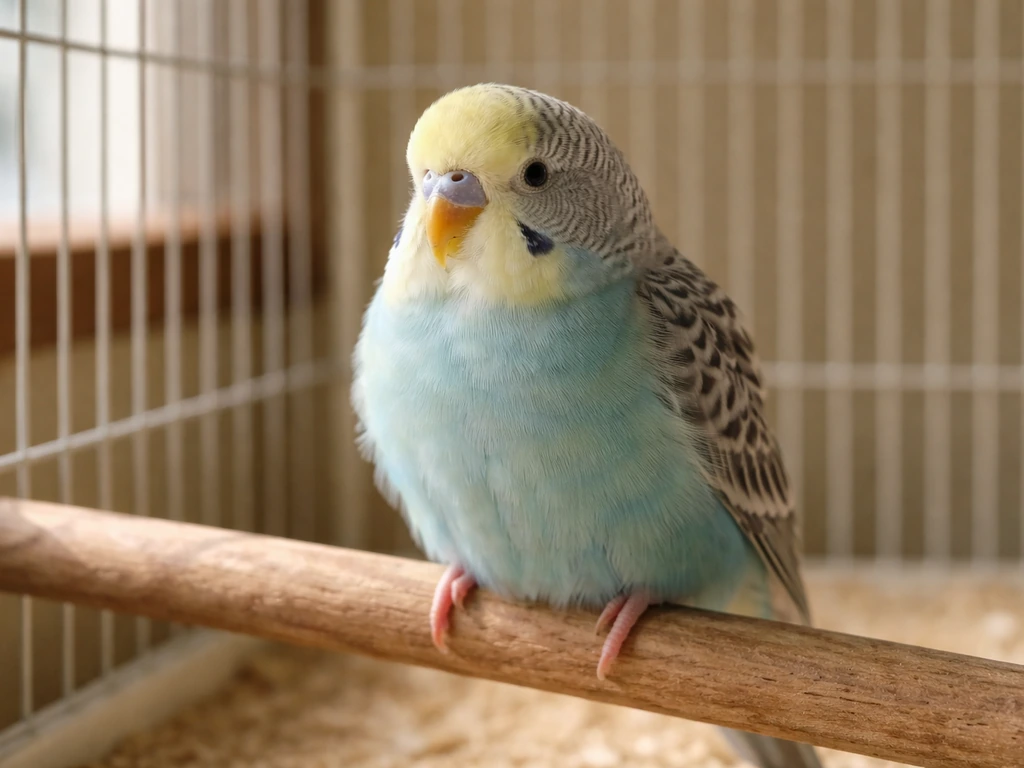
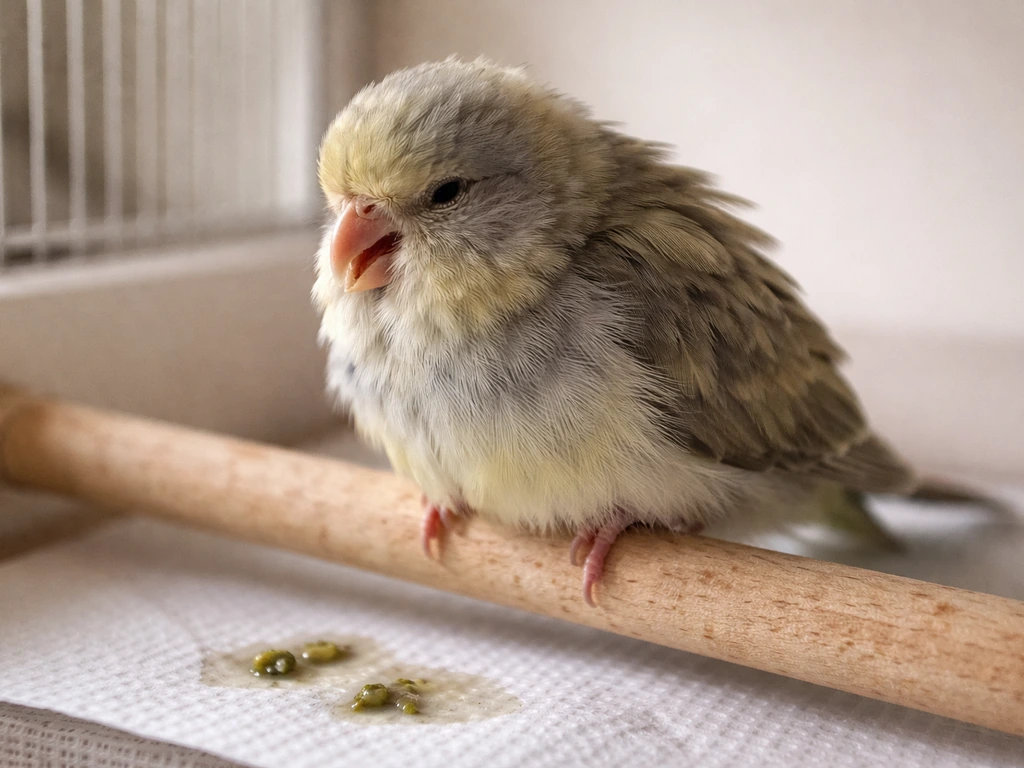
A sick bird typically looks fluffed up, sits low or on the cage floor, keeps its eyes partially or fully closed, breathes with visible effort, and seems unusually quiet or disinterested in food. These signs can appear across almost any illness, so spotting them early matters a lot, because birds instinctively hide weakness until they really can't anymore.
What Does a Sick Bird Look Like? Signs and What to Do

Marcus Webb
26 Apr 2026
Quick at-a-glance signs of a sick bird
If you need to assess a bird right now, these are the most common outward signals that something is wrong. Any one of them warrants closer attention. Several of them together is a serious concern.
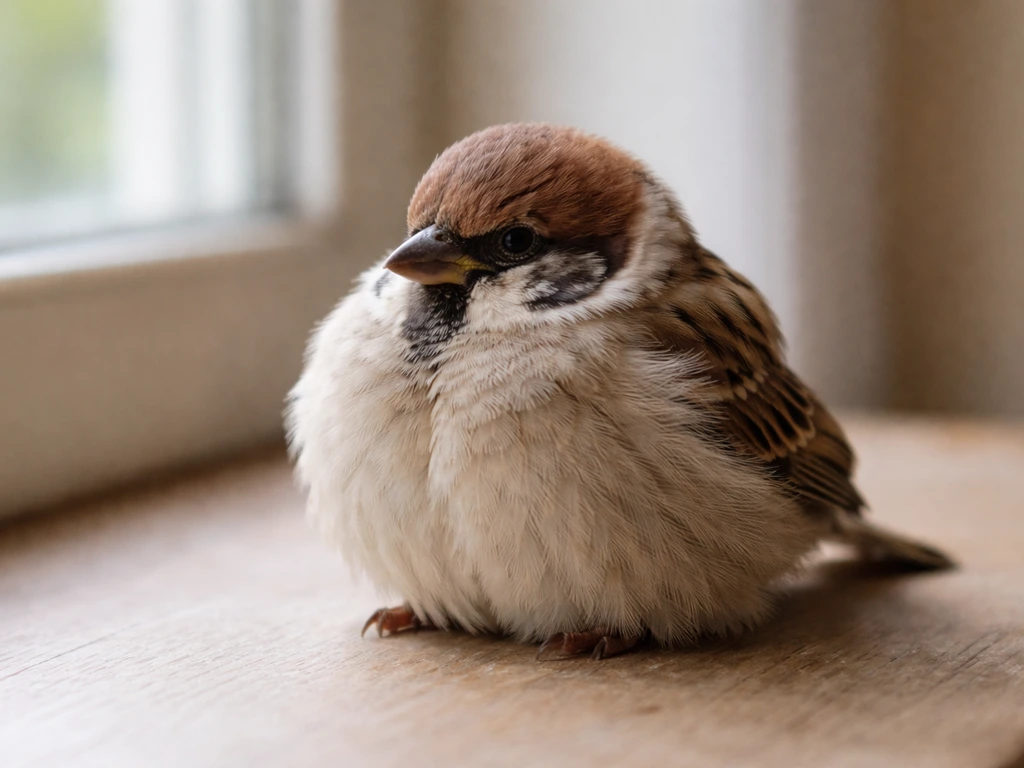
- Feathers fluffed up and held close to the body, especially when the bird isn't cold or sleeping
- Sitting on the cage floor or unable to perch normally
- Eyes closed or half-closed during the day, or sunken/dull appearance
- Open-mouth breathing, labored breathing, or a visible tail bob with each breath
- Not eating or drinking, or dramatically reduced interest in food
- Unusual stillness, drooping head, or hunched posture
- Droppings that have changed in color, consistency, smell, or volume
- Discharge from nostrils or eyes
- Abnormal vocalizations or sudden silence in a normally chatty bird
- Swelling on the face, body, or around the eyes
One thing worth knowing: a bird that looks only mildly off may already be quite sick. Birds are prey animals by instinct, so they suppress visible symptoms as long as possible. By the time the signs are obvious, the illness has often been developing for a while. That's why acting quickly on even subtle changes is the right call.
How to observe safely: posture, breathing, eyes/face, and behavior
The best way to assess a bird is from a small distance before you disturb it. Handling or chasing a sick bird causes stress that can genuinely worsen its condition, so do your initial observation quietly from a few feet away.
Posture
A healthy bird stands upright and alert. A sick bird often hunches, droops its head, or presses itself low on the perch. If a bird is on the cage floor and it isn't a species that normally spends time there, that's a significant red flag. Inability to perch or balance is one of the clearest indicators that something is seriously wrong.
Breathing
Watch the bird's body from the side. Normal breathing is barely visible. Signs of respiratory distress include a visible tail bob or pump with each breath, open-mouth breathing, a clicking or wheezing sound, exaggerated flicking of the tail, or labored movement of the chest. If you suspect a bird is sick, use these respiratory signs to decide whether it needs urgent veterinary help is a bird sick. In smaller birds like finches or budgies, respiratory distress can be subtle, so look carefully. Open-mouth breathing in a bird that isn't overheated is always concerning.
Eyes and face
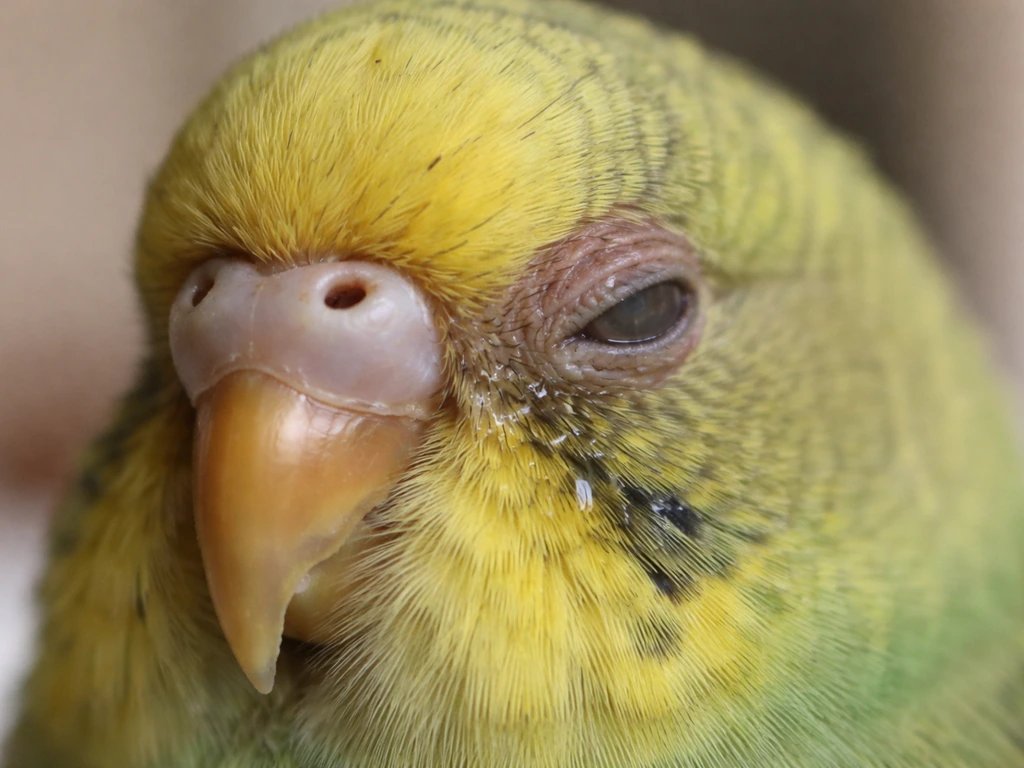
Healthy birds have bright, wide-open, clear eyes. A sick bird may have eyes that are half-closed, dull, sunken, or swollen. Look for any discharge around the eyes or nares (nostrils), including wetness, crustiness, or foam. Swelling around the eye or face can point to infection or injury. A bird keeping one eye closed is worth monitoring closely.
Behavior and activity
Compare what you're seeing to the bird's normal baseline. A bird that's usually vocal and active but is suddenly quiet and sitting still is telling you something. Reduced interaction, lack of response to you or its surroundings, and general lethargy are consistent signals of illness. The key is change from normal, not just what's typical for birds in general.
Feather and skin changes that can signal illness
Feathers are one of your best diagnostic tools because they reflect internal health. A bird in good condition has smooth, clean, intact plumage. Illness disrupts this in several recognizable ways.
Persistent fluffing is one of the most common early illness signs. Birds fluff up briefly when cold or sleeping, but a bird that stays puffed up throughout the day is likely trying to conserve body heat due to illness or fever. Chronic feather plucking or chewing, areas of baldness, damaged pin feathers, or feathers that look dull and poorly maintained can also indicate underlying disease rather than just behavioral stress. Conditions like organ disease, infections, and parasites can all express themselves through feather changes.
More specific warning signs include blood visible in a feather shaft (called a blood feather), constricted or clubbed pin feathers that don't develop normally, and a loss of the powdery coating seen in species like cockatoos and African grey parrots. These aren't just cosmetic issues. They often point to systemic problems worth investigating.
Skin changes to look for include swelling, wounds, scabs, unusual growths, or any area where feathers are missing and the skin looks red, irritated, or damaged. Don't confuse normal molting (which is gradual and symmetrical) with patchy feather loss that appears alongside other illness signs.
Droppings, appetite, and hydration: what to check
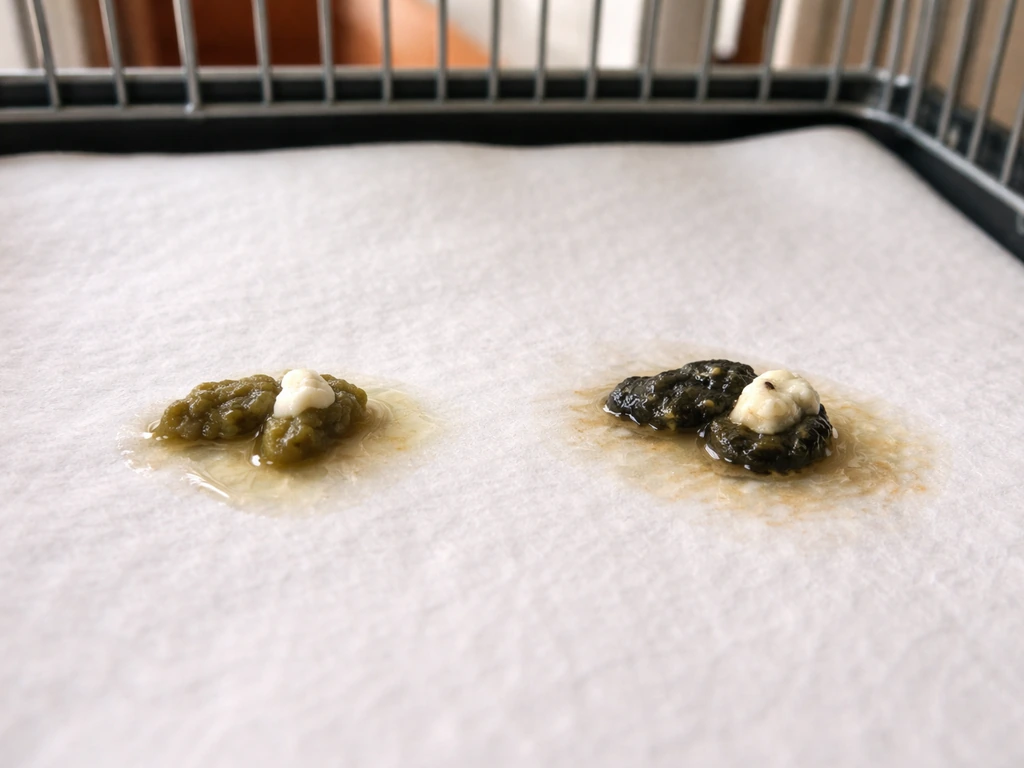
Bird droppings are made up of three components: the green or brown fecal portion, white or pale urates, and a liquid urine component. Changes in any of these parts can signal illness, which is why it's worth knowing what your bird's normal droppings look like before there's a problem.
Normal variation happens (diet affects color), but these changes are worth flagging: persistently watery or runny droppings, fecal portions that are bright green, yellow, or black, urates that have turned yellow or green (which can indicate liver or kidney disease), blood anywhere in the dropping, or a dramatic change in volume or frequency. If you're taking a bird to the vet, avoid cleaning the cage first. Fresh droppings are genuinely useful for diagnosis, and placing wax paper on the cage floor can help you collect a clean sample.
On the appetite side, a bird that is not eating at all for more than a day, or that has drastically reduced its intake, needs veterinary attention. Anorexia and lethargy together are a serious combination. Also watch for a bird that's drinking excessively, which can point to kidney disease or diabetes, versus one that won't drink at all, which accelerates dehydration quickly in small birds.
A quick hydration check: gently lift the skin at the back of the neck and release it. In a well-hydrated bird it snaps back immediately. If it tents or returns slowly, the bird may be dehydrated and needs veterinary evaluation promptly.
Respiratory vs GI vs systemic: matching common patterns to likely problems
Not all sick birds look the same, and the cluster of symptoms you're seeing can help point toward what kind of problem you might be dealing with. This isn't a substitute for a vet diagnosis, but it helps you understand the urgency and communicate clearly when you call for help.
| Symptom Pattern | Likely Category | Common Causes |
|---|---|---|
| Open-mouth breathing, tail bob, wheezing, nasal discharge, altered voice, watery/foamy eyes | Respiratory infection or distress | Bacterial, viral, or fungal infection (e.g., Aspergillus, Chlamydophila); airway obstruction |
| Watery or discolored droppings, vomiting or regurgitation, reduced appetite, weight loss | Gastrointestinal illness | Bacterial or yeast overgrowth, parasites, proventricular dilation disease, foreign body |
| Fluffed feathers, lethargy, not perching, not eating, weakness across the whole body | Systemic illness | Infection, organ disease (liver, kidney), nutritional deficiency, toxin exposure |
| Sudden collapse, seizure, head tilt, loss of balance, asymmetric weakness | Neurological or toxic event | Heavy metal poisoning (lead, zinc), head trauma, stroke, severe infection |
| Feather loss, skin changes, itching/self-trauma, abnormal feather growth | Feather or skin disorder | Parasites, PBFD (psittacine beak and feather disease), nutritional deficiency, organ disease |
Keep in mind that systemic illness often produces a mix of signs from multiple categories. A bird with a respiratory infection may also stop eating and become lethargic, which can look like a GI problem at first. The broader the symptom picture, the more urgent the situation tends to be.
When it's an emergency: red flags and when to call a vet
Some situations need immediate veterinary attention today, not a wait-and-see approach. If you're seeing any of these signs, call an avian vet or emergency exotic animal clinic right now.
- Gasping, open-mouth breathing, or severe labored breathing
- Collapse or inability to stand
- Seizures or uncontrolled trembling
- Unresponsiveness or extreme weakness
- Active or significant bleeding
- Blood in the droppings
- Complete refusal to eat or drink for more than 24 hours
- Rapid or continuous panting lasting more than two hours
- Sudden paralysis or inability to use one or both legs/wings
- Visible trauma such as wounds, broken bones, or impact injury
Even outside these clear emergencies, if your bird has two or more of the general illness signs described earlier and they've persisted for more than a day, that warrants a vet call. Birds decline fast once they stop masking symptoms, so early contact with an avian vet is almost always the right move. Don't wait to see if it passes on its own.
While you wait for a vet appointment or transport, keep the bird warm. A sick bird benefits from a temperature around 85 to 90 degrees Fahrenheit in a quiet, low-stress environment. Minimize handling. Keep food and water accessible but don't force feed, and don't try to administer medications not prescribed by a vet. The goal at this stage is stabilization, not treatment. If you are looking for what do you give a sick bird math worksheet, skip home remedies and wait for instructions from an avian vet, because stabilization steps come first.
What to do next for pet birds vs wild birds
Pet birds
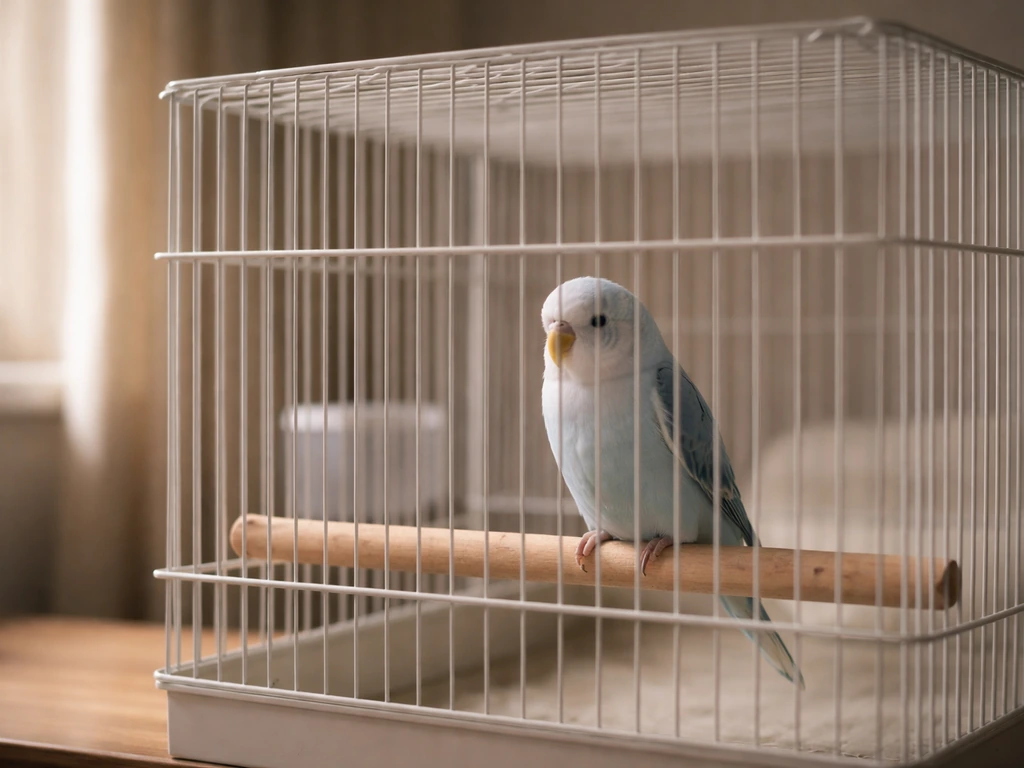
If your pet bird is showing signs of illness, isolate it from any other birds in your household immediately. Use a separate cage in a quiet room. This limits potential disease spread and reduces stress on the sick bird. Set up a warm environment around 85 to 90 degrees Fahrenheit using a heat lamp positioned to one side of the cage so the bird can move away if needed. Keep fresh water and favorite foods accessible. Don't handle the bird more than necessary.
Contact an avian veterinarian as soon as possible. When you call, describe the specific symptoms you've noticed, how long they've been present, any recent changes in diet or environment, and anything the bird may have been exposed to. Bring a fresh dropping sample in a clean container if you can. Wash your hands thoroughly after any contact with the bird or its cage, especially if infectious disease is suspected.
Wild birds
A wild bird that looks sick typically shows the same outward signs: fluffed feathers, lethargy, sitting low or on the ground, and unresponsive to normal approach. The fact that a wild bird lets you walk close to it is itself a warning sign, since healthy wild birds avoid people.
blank" rel="noopener noreferrer">Don't touch a sick wild bird with bare hands. Use gloves or a towel if you must handle it, and avoid contact with droppings, feathers, or saliva. CDC advises avoiding contact with droppings, feathers, saliva, mucous, or feces from potentially infected birds or contaminated surfaces blank" rel="noopener noreferrer">avoid contact with droppings, feathers, or saliva. This isn't overcaution. Some wild bird illnesses, including avian influenza, can pose risks to humans and other animals. Wash your hands thoroughly after any contact.
The right next step is to contact a licensed wildlife rehabilitator or your local animal control service. They have the legal authority and training to assess, treat, and house sick wild birds. In the short term, you can place a grounded bird in a cardboard box with air holes, lined with a cloth or paper towel, and keep it in a quiet, warm, dark space until you can reach a rehabilitator. Don't offer food or water unless directed by a professional, and don't attempt home treatment.
If you suspect the bird may be part of a larger die-off or outbreak, contact your state or local wildlife agency. Unusual numbers of sick or dead birds in one area can be reportable events, especially during active avian influenza seasons.
FAQ
Can a bird look only mildly ill and still be seriously sick?
Yes, but it can be misleading. Birds may still look “mostly fine” while they are already worsening internally, especially small species. Focus on changes from the bird’s usual baseline (quietness, sitting lower, reduced responsiveness, breathing differences) and treat even subtle “off” behavior as worth monitoring or a vet call if it persists.
If my bird seems puffed up, could it just be cold, and when should I worry it’s something else?
Correcting the environment first can help if the bird is mildly cold or stressed, but respiratory symptoms should not be assumed to be heat-related. Open-mouth breathing, clicking or wheezing, and tail bobbing are not typical “temperature issues.” If those signs are present, contact an avian vet urgently rather than waiting to see if warmth fixes it.
How can I tell the difference between a sick bird and a bird that is just stressed or sleeping?
Yes. Some birds will perch low and stay still when they are frightened or dozing, but the pattern and timing matter. A stressed bird often recovers sooner and will still show some normal alertness, while illness tends to keep the bird low for longer periods, reduces interest in food, and may come with breathing or droppings changes.
What respiratory signs should I look for if my bird is very quiet or the problem seems subtle?
Watch for breathing effort and posture rather than only sound level. Labored chest movement, tail pumping, open-mouth breathing, or wheezing are red flags even if the bird is not making obvious noise. In finches and budgies, distress can be subtle, so check breathing from the side at a quiet distance.
My bird is not acting right, how do I know if dehydration is part of it?
A bird with dehydration can have similar outward signs to illness (hunching, quiet behavior). The neck-skin “tenting” test mentioned in the article helps, but do not delay care if the bird tents slowly or not at all after warmth and fluids are offered by a professional. Dehydration can worsen quickly in small birds.
If my bird is on the cage floor, when does that become an emergency instead of normal behavior?
If a bird won’t perch, seems uncoordinated, or cannot balance, assume it is urgent because neurologic, toxicity, severe infection, or severe weakness are possibilities. Also note that a bird on the cage floor can sometimes be normal for some species, but inability to perch or balance is a serious concern regardless of species.
How do I interpret dropping changes when diet or treats might be affecting color?
Yes. Droppings can be abnormal for reasons like diet changes, but certain patterns should still trigger action. Persistent watery runny droppings, abnormal urate color (yellow or green), blood, or a major shift in volume or frequency especially when paired with other illness signs warrants a vet call and a fresh sample if possible.
Is skipping a meal ever normal, and when does not eating become a vet issue?
Watch duration plus pairing of symptoms. A single missed meal can happen for small, situational reasons, but not eating at all for more than a day, or reduced appetite combined with lethargy, breathing trouble, or abnormal droppings needs veterinary attention. Do not try to “wait it out” if multiple categories of signs appear together.
What’s safe to do at home while I’m waiting for a vet appointment, and what should I avoid?
Do not give human medications or follow internet dosing for birds, even if the goal is “supportive.” Birds are sensitive to dosing errors, and many illnesses need different treatments depending on the cause. Until you speak with an avian vet, the safest steps are warmth, low stress, hydration support through access to water, and symptom documentation.
Should I clean the cage first or bring a fresh droppings sample, and how should I collect it?
If you are collecting a sample, avoid wiping or cleaning the cage first, because “fresh” droppings are more useful for diagnosis. If you must clean for hygiene reasons, do it after you’ve saved a sample. Use a clean container and include any visible changes in urates or blood so the vet can interpret it quickly.
If a wild bird lets me get close, does that always mean it’s sick, and what’s the safest way to respond?
A wild bird letting you approach closely can reflect illness, but also consider other factors like weather, injury, and disorientation. The key is that it should still be treated as possibly contagious or injured. Use gloves or a towel, avoid contact with droppings, and report to wildlife control or a rehabilitator promptly.
Next Article
How Do You Know If a Bird Is Sick? Signs and Next Steps
Spot sick birds fast: behavior, breathing, droppings, appetite, injury vs disease, and when to seek urgent help.