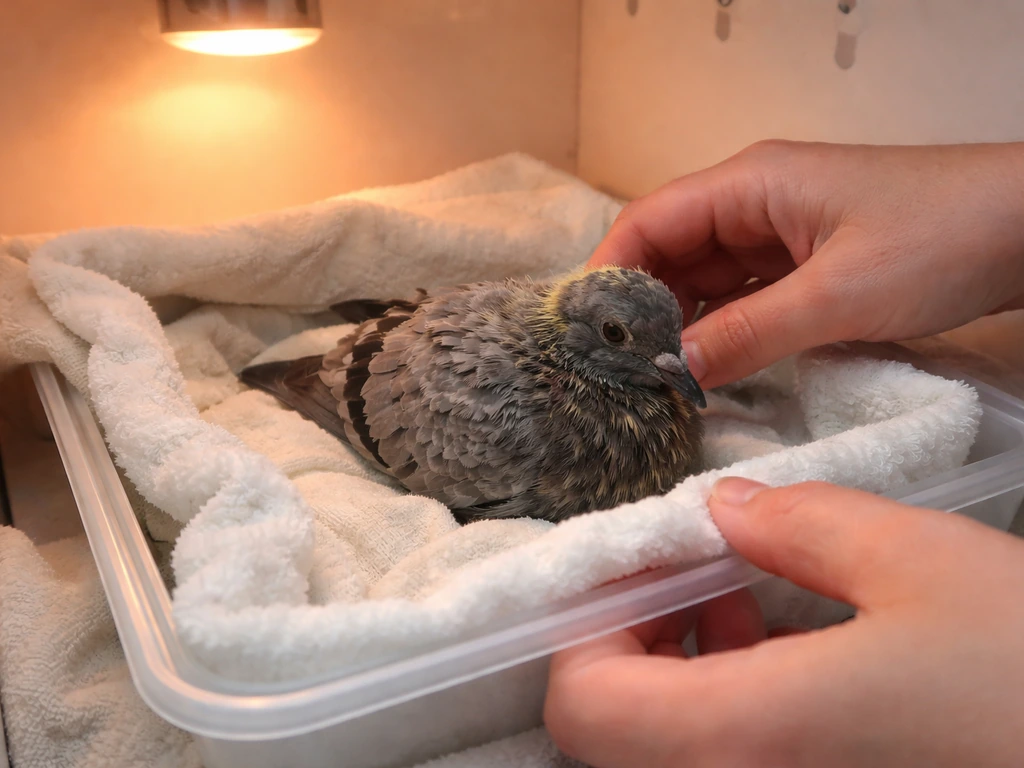
Young bird sickness in pigeons is most reliably identified by a combination of crop problems (food sitting undigested, sour smell, vomiting), watery or slimy droppings, lethargy, and a bird that just stops being interested in food. Natural infections with pigeon adenovirus 1 can cause diarrhea, vomiting, and weight loss, described as part of YPDS-type illness in young racing pigeons Identification of a novel aviadenovirus, designated pigeon adenovirus 2 in domestic pigeons.
Symptoms of Young Bird Sickness in Pigeons: What to Do

Marcus Webb
12 May 2026
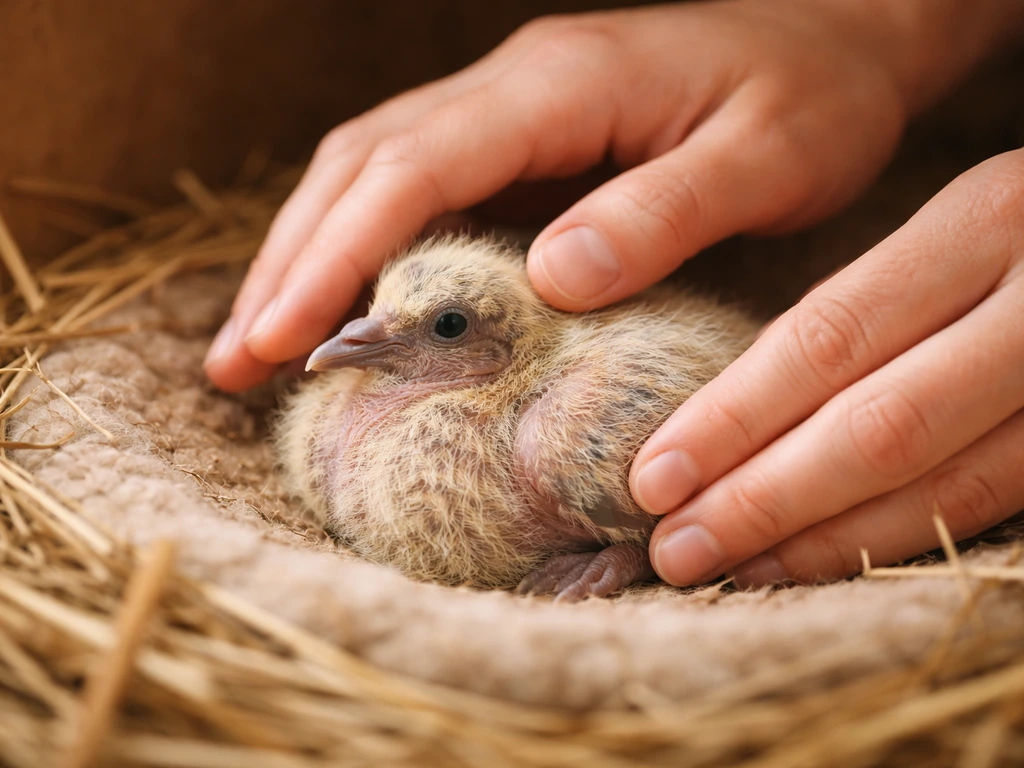
If you meant a pregnant bird, the symptoms can be different, so it helps to confirm what species and what you are seeing before assuming illness type pregnant bird symptoms. These signs together, especially in squabs or juveniles under six months old, point strongly toward the syndrome pigeon keepers call 'young bird sickness,' which is most commonly linked to adenovirus type I.
In young pigeons, pigeon adenovirus type 1 infection can cause nonspecific clinical signs such as diarrhea, vomiting, anorexia, and crop stasis [adenovirus type I](https://pmc. ncbi. nlm. nih.
gov/articles/PMC10298839/). But the same cluster of symptoms can also come from other causes, so getting the diagnosis right matters for treatment.
What 'Young Bird Sickness' Actually Means in Pigeons
'Young bird sickness' is an umbrella term used in pigeon-keeping circles, not a single official diagnosis. In practice, it most often refers to a syndrome caused by adenovirus type I, a virus specific to pigeons that hits young birds particularly hard. The classic presentation involves the gut: the crop stops emptying properly, the bird vomits or regurgitates, and droppings turn watery and slimy rather than the normal firm, well-formed consistency.
The term gets used loosely, though, which creates confusion. Pigeon owners sometimes label any mystery illness in a juvenile bird as 'young bird sickness,' even when the actual cause is something else entirely, like a bacterial infection, trichomoniasis, paramyxovirus, or a respiratory disease. That's why recognizing the specific symptom patterns matters as much as knowing the label. Bird pregnancy symptoms are different from the signs of illness discussed here, so it helps to recognize what is normal hormonal behavior versus a sick bird recognizing the specific symptom patterns.
Critical Symptoms to Check in Squabs and Young Pigeons
Breathing
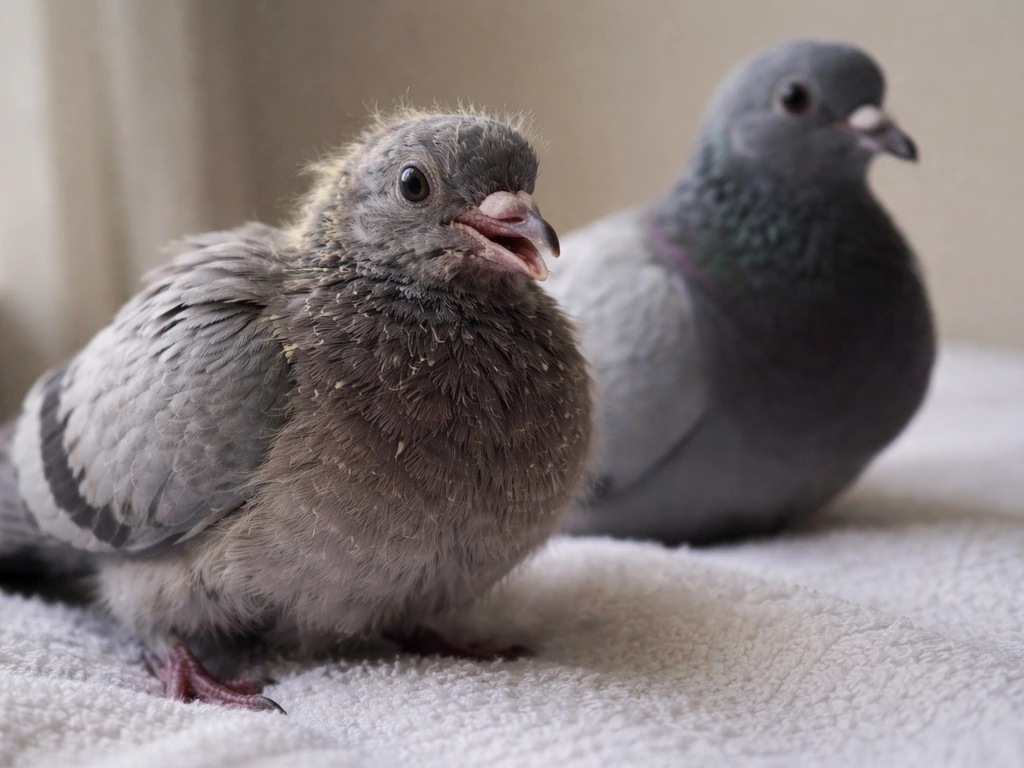
Normal young pigeons breathe quietly and smoothly. If you notice a bird wheezing, clicking, or making any wet or rattling sound while breathing, that's a red flag. Tail bobbing with every breath (where the tail pumps up and down noticeably) is a classic sign of respiratory distress. Open-mouth breathing in a resting bird is also serious. Any of these signs mean the bird is working hard just to get air in, and that's an emergency situation.
Appetite and Crop
A healthy squab is enthusiastic about food and the crop should feel full after a feeding, then noticeably emptier a few hours later. If the crop still feels full, doughy, or gurgling the next morning, that's crop stasis. If the bird is vomiting or you see food being regurgitated, that needs attention today. A foul or sour smell from the mouth is another warning sign, often indicating a secondary yeast or bacterial overgrowth in a stagnant crop.
Posture and Energy
Healthy young pigeons are alert, upright, and responsive. A sick bird often sits hunched with feathers puffed up, which is a way of conserving heat when the body is under stress. Eyes that look dull, half-closed, or sunken are concerning. A bird that lets you walk up and pick it up without attempting to flee has likely been sick for a while. Weakness in the legs or an inability to stand properly can point to neurological involvement, which is seen in some paramyxovirus cases.
Droppings
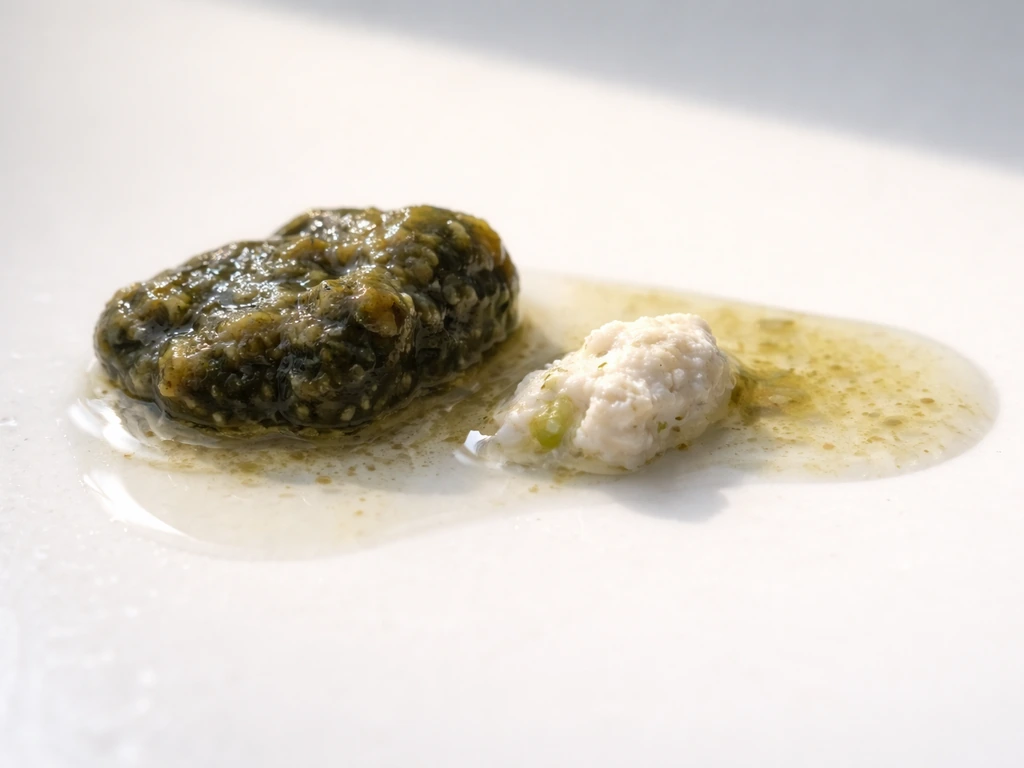
Normal pigeon droppings have three parts: a dark greenish-brown solid portion, a white urate center, and a small amount of clear liquid. In young bird sickness, droppings often become entirely watery and slimy, sometimes with a greenish tinge. Yellow or lime-green watery droppings can indicate liver stress. Blood in droppings is always serious. Pay attention to both the color and the volume of liquid, since very watery droppings quickly lead to dehydration in small birds.
Common Symptom Clusters and What They Usually Mean
| Symptom Cluster | Most Likely Cause(s) | Urgency |
|---|---|---|
| Crop stasis, vomiting, watery/slimy droppings, lethargy | Adenovirus type I (young bird sickness) | High — supportive care needed promptly |
| Labored breathing, wheezing, nasal discharge, tail bobbing | Respiratory infection (bacterial, Mycoplasma, or viral), Aspergillosis | Emergency — vet same day |
| White or yellow plaques in mouth/throat, difficulty swallowing | Trichomoniasis (canker) | High — needs specific treatment fast |
| Neurological signs: head twisting, circling, inability to stand | Paramyxovirus (PMV-1) | Emergency — highly contagious |
| Diarrhea, weight loss, poor feathering, general failure to thrive | Bacterial infection, Coccidia, Salmonella, or mixed infection | Moderate to High — vet workup needed |
| Swollen crop, foul breath, regurgitation | Crop yeast (Candida), secondary infection on crop stasis | Moderate — usually treatable but needs diagnosis |
It's worth noting that adenovirus often creates the perfect conditions for secondary infections. Once the gut is compromised, bacteria and yeast can overgrow, which means a bird with classic young bird sickness symptoms may actually be dealing with two or three overlapping problems at once. That's one reason the same bird can respond poorly to one treatment but improve with a broader approach.
Mild Illness vs. Urgent Danger Signs
Not every sick bird is an emergency, but young pigeons can deteriorate quickly because they have very little body reserve. Here's how to roughly sort what you're looking at:
| Sign | Mild/Watch Carefully | Urgent/Act Now |
|---|---|---|
| Breathing | Slightly quieter than normal, no sounds | Wheezing, tail bobbing, open-mouth breathing |
| Droppings | Slightly looser than normal, still has some solid portion | Entirely liquid, slimy, or contains blood |
| Crop | Slow to empty but no vomiting | Not emptying at all, vomiting, foul smell |
| Posture | Puffed up but still alert, responds to you | Collapsed, eyes closed, can't stand or hold head up |
| Weight/condition | Slightly lighter, still some muscle on keel bone | Keel bone very sharp and prominent, skin tented (dehydration) |
| Neurological | None | Head twisting, spinning, seizure-like movements |
If you're unsure where your bird falls, err on the side of calling a vet. Young birds that look 'just a bit off' in the morning can be in serious trouble by evening.
What to Do Right Now at Home
While you're figuring out your next step or waiting for a vet appointment, there are things you can do at home that genuinely help and things you should avoid.
Isolate the Bird Immediately
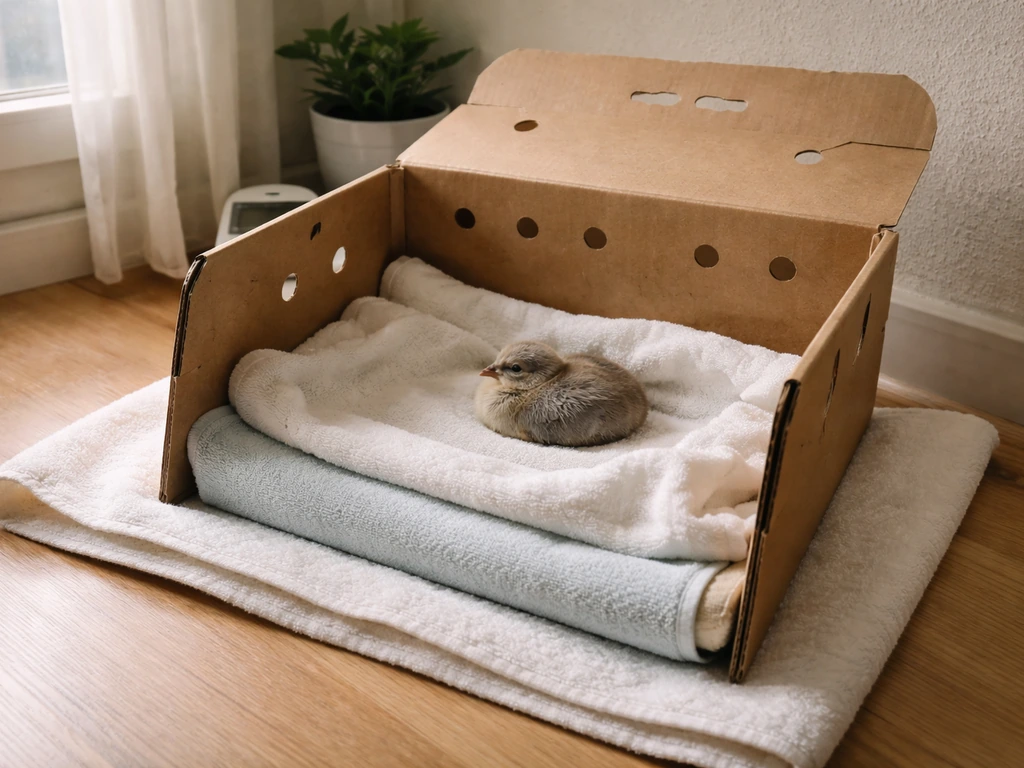
Move the sick bird away from all other birds right now, even before you know what's wrong. Use a separate cage or box in a separate room. Young bird sickness caused by adenovirus is contagious, and paramyxovirus is highly contagious. Assume infectious until proven otherwise. Use separate feeding and watering equipment and wash your hands between handling birds.
Provide Warmth
Sick birds lose body heat fast. A temperature of around 85 to 90°F (29 to 32°C) is appropriate for a very ill pigeon. You can use a heating pad set to low under half of the cage or box, which lets the bird move toward or away from the heat as needed. Never cover the whole floor area with heat since the bird needs an escape if it gets too warm. A simple cardboard box with a heating pad underneath and a towel over it works fine in a pinch.
Hydration and Feeding
If the bird is vomiting or the crop is stagnant, do not force feed grain. Forcing food into a non-functioning crop can cause aspiration or make the stasis worse. Offer plain water or a dilute electrolyte solution (oral rehydration salts designed for birds, or even a small amount of plain Pedialyte diluted 50/50 with water). If the bird is alert enough to drink on its own, let it. If it's too weak, very small amounts of fluid offered with a dropper to the side of the beak can help, but only if the bird has a swallow reflex and isn't regurgitating.
Hygiene in the Space
Change the substrate in the isolation area at least twice a day since watery droppings create a contaminated environment quickly. Use paper towels or newspaper rather than loose bedding, which makes it easier to see what the droppings look like and to clean up. Keep the bird out of drafts. Don't use disinfectants near the bird since fumes can be harmful; clean the cage while the bird is elsewhere, then let it air before putting the bird back.
When to Call an Avian Vet
Call an avian vet or exotic animal clinic the same day if you see any of the following:
- Any breathing difficulty: wheezing, tail bobbing, open-mouth breathing, or sounds with each breath
- Complete loss of interest in food or water for more than 12 hours
- Vomiting or a crop that hasn't emptied at all within 12 to 24 hours
- Neurological signs like head twisting, spinning, or inability to stand
- Blood in droppings
- Complete collapse or inability to hold the head up
- More than one bird showing symptoms simultaneously (possible outbreak)
If you can't reach an avian vet immediately, contact any emergency exotic animal clinic. A general small-animal vet is better than nothing in a crisis, though an avian specialist will give you the most accurate guidance. When you call, describe the symptoms specifically rather than just saying the bird seems sick: mention the crop status, what the droppings look like, how long symptoms have been present, and how many birds you have.
For anyone dealing with a rescued wild pigeon squab, the same rules apply. Wild birds carry the same pathogens and can deteriorate just as fast. If you're unsure of the bird's history or vaccination status (domestic pigeons can be vaccinated against PMV), mention that to the vet as well.
How to Document Symptoms and Prevent Spread
Recording What You're Seeing
Good documentation genuinely speeds up diagnosis. Before the vet visit or even when calling, have this information ready:
- When symptoms started and how quickly they progressed
- What the droppings look like (take a photo if you can, it's more useful than a description)
- Whether the crop is emptying and if there's any vomiting
- Current weight if you have a kitchen scale (pigeons typically weigh 280 to 380 grams when healthy)
- What the bird has been eating and any recent diet changes
- Whether any other birds are showing similar signs
- Vaccination history if known
- Any recent introductions of new birds to the loft or contact with wild birds
A short video taken on your phone of the bird at rest and moving is extremely valuable for a vet. It captures breathing patterns, posture, and neurological signs far better than a verbal description.
Preventing Spread to Other Birds
Once you've isolated the sick bird, clean and disinfect the area where it was housed. Most standard avian disinfectants (diluted bleach at 1:10, or specific products like F10) are effective against adenovirus and paramyxovirus. Let surfaces dry completely before birds return. Quarantine any new birds for at least two weeks before introducing them to an existing flock, and always wash hands and change clothes between handling sick birds and healthy ones.
If multiple birds get sick at the same time or in quick succession, that changes the situation significantly. An outbreak in a loft suggests either a highly contagious pathogen like PMV or adenovirus moving through unprotected birds, and you'll want veterinary guidance on whether to quarantine the entire loft and what testing to pursue.
Getting a Specific Diagnosis
Because 'young bird sickness' symptoms overlap with several different illnesses, a vet may want to run a fecal smear, crop swab, or blood panel to identify the actual cause. This matters because the treatment for adenovirus (supportive care) is very different from the treatment for trichomoniasis (antiprotozoal medication) or a bacterial infection (antibiotics). Treating the wrong cause wastes time and can miss something treatable.
If you're dealing with a more serious situation, the vet may also recommend a necropsy of any bird that dies, which sounds grim but gives the most definitive answers about what's moving through your flock. For those who want to know more about the treatment side once a diagnosis is established, the practical treatment steps for young bird sickness are a separate but closely related topic worth exploring.
Once a diagnosis is established, practical treatment steps for young bird sickness are a separate but closely related topic, and it can also help to review egg bound bird symptoms as an adjacent consideration. To cure young bird sickness in pigeons, focus on supportive care, correct hydration, and strict hygiene while you follow the vet’s diagnosis-based plan.
FAQ
How can I tell young bird sickness symptoms from crop stasis caused by normal feeding issues?
Crop stasis from feeding mishaps usually follows a predictable change in diet, temperature, or handling, and some emptying should still occur within a few hours. With young bird sickness, the crop often stays doughy or gurgling overnight, regurgitation or vomiting is more likely, and droppings shift toward watery or slimy much sooner than you would expect from simple constipation.
Do I need to worry about young bird sickness symptoms if only the droppings look watery but the bird is eating?
Yes, because watery droppings can be an early sign, but it is not always the same cause. If the bird is still alert, upright, and its crop empties normally after feedings, consider observation plus hygiene and prompt vet advice. If the watery stool persists more than a day, or you see sour breath, crop fullness, or increasing lethargy, treat it as potentially contagious illness.
What should I do if my pigeon regurgitates but I suspect it might be stress or normal crop “clearing”?
Do not assume it is normal. Regurgitation plus a sour or foul smell, a crop that does not empty later, or a sudden drop in interest in food points to disease rather than clearing. Keep the bird isolated, warm it appropriately, and contact an avian vet the same day, especially in squabs.
Can young bird sickness symptoms look like respiratory illness?
Sometimes, especially when a primary gut problem leads to general weakness, dehydration, and secondary issues. However, true respiratory distress flags (wheezing, clicking, wet rattling, open-mouth breathing, tail bobbing) should be treated as an emergency and may represent a different primary problem such as paramyxovirus or another respiratory disease.
Is “young bird sickness” contagious even if only one bird seems affected?
Most cases described by pigeon keepers are treated as contagious until proven otherwise. Isolate immediately, use separate equipment, and wash hands between birds. If you notice any additional birds becoming “just a bit off,” contact the vet promptly and ask whether to expand quarantine and pursue testing.
What dehydration signs are most important with watery or slimy droppings?
Watch for sunken eyes, continued lethargy with reduced drinking, tacky mouth tissue, and rapid decline over hours. Because small birds lose water quickly, do not wait for severe signs. Offering dilute electrolyte solution only makes sense if the bird is alert enough to drink or has a swallow reflex and is not regurgitating.
When should I warm a sick pigeon, and when should I stop using heat?
Use localized heat so the bird can move away, aiming for roughly 85 to 90°F for a very ill bird. Stop or reduce heat if the bird is panting, shows distress around the heat source, or becomes too hot to comfortably rest away from warmth. Always avoid covering the entire floor with heat so the bird has an escape route.
Why is forcing grain into the crop risky with young bird sickness symptoms?
If the crop is not functioning properly, forced food increases the chance of aspiration into the airway and can worsen stagnation. Instead of forcing intake, focus on rehydration support if safe, maintain warmth, and get a diagnosis-based plan from a vet.
What information should I capture to help a vet differentiate between adenovirus and other causes?
Record the timeline of symptoms (when crop changes and droppings started), the bird’s age, whether the crop empties normally after feedings, the exact appearance of droppings (watery, slimy, greenish, blood), and breathing posture or sounds. A short phone video showing the bird resting and moving can reveal neurological or respiratory issues that are hard to describe in words.
If only one bird dies, do I still need to ask about testing or necropsy?
It can be worth asking, especially in a loft or if multiple birds were exposed. Necropsy can identify the pathogen conclusively, which helps guide what to do next for surviving birds and whether your disinfection and quarantine duration should be adjusted.
How long should quarantine last after isolating a bird with symptoms of young bird sickness?
At minimum, isolate the affected bird immediately and keep close observation on all in-contact birds. For adding new birds back into a group, the article’s guidance is at least a two-week quarantine for new arrivals. For an ongoing outbreak, ask the vet whether a longer quarantine is needed based on suspected adenovirus or paramyxovirus.
Are there specific “do nots” for cleaning around the sick bird?
Avoid using disinfectants or strong fumes near the bird while it is in the isolation area. Clean and disinfect the space while the bird is elsewhere, then let the area air out fully before returning the bird. Also change contaminated substrate frequently because watery droppings build up contamination quickly.
Next Article
How to Cure Young Bird Sickness in Pigeons: Step-by-Step
Step-by-step plan to stabilize and treat sick young pigeons, identify symptoms fast, choose proper care, and know when t