What 'common thrush bird' usually means (species vs. illness)
If you searched 'common thrush bird' because your bird seems sick, you're not alone in the confusion. The word 'thrush' (including the common yellowthroat bird) pulls double duty in the bird world. It's both a legitimate bird species label and a medical term for a yeast infection, and that overlap trips people up constantly.
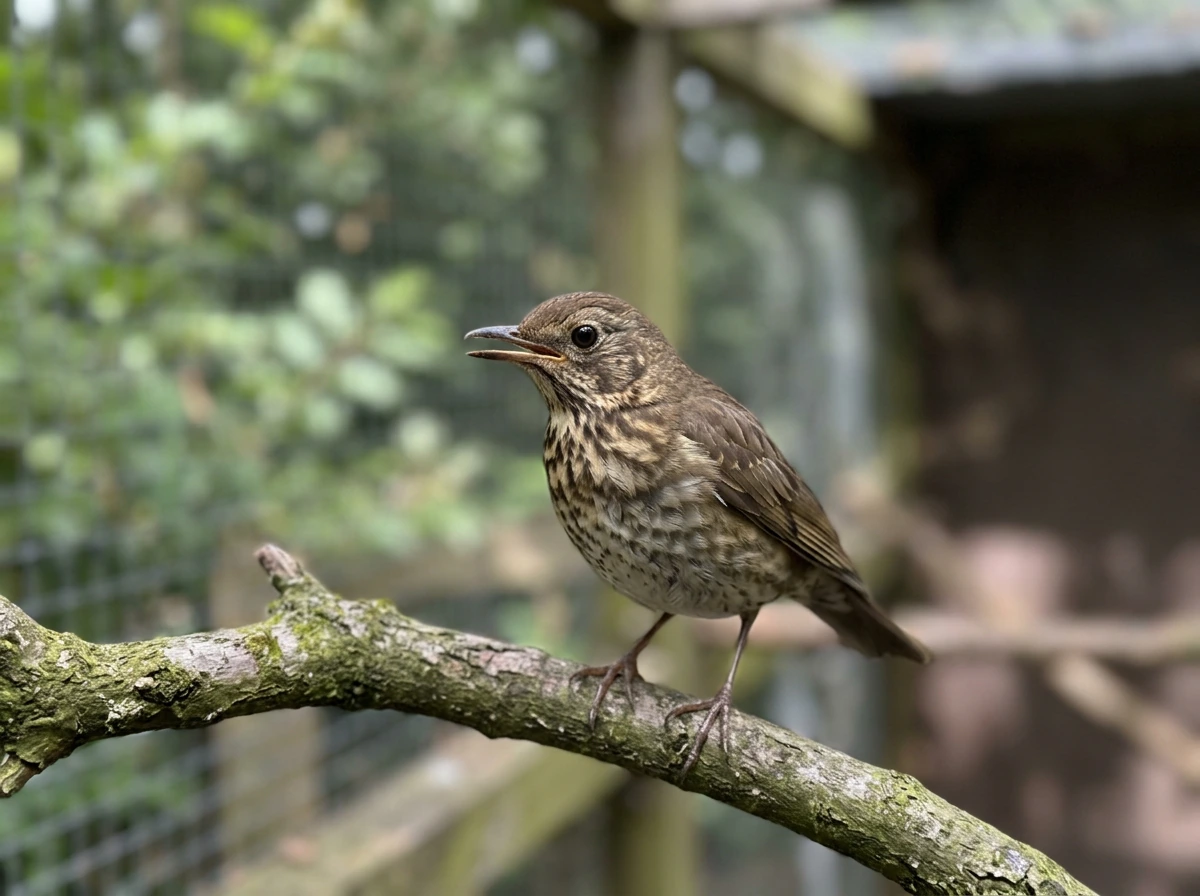
As a bird species, thrushes belong to the family Turdidae. You've got the Mistle thrush, the Great thrush, Finsch's rufous thrush, and dozens of others. These are real wild bird species with nothing medically wrong with them. If you're a birder who spotted one in your yard, this article probably isn't what you need.
But if you're here because your pet bird or backyard bird is acting sick, showing mouth lesions, struggling to eat, or has something weird going on around its beak or throat, then 'thrush' in this context means something very different. It means oral candidiasis, a yeast infection caused by an overgrowth of Candida fungus in the bird's mouth, crop, or upper digestive tract. In avian medicine, the same condition goes by several names: candidiasis, moniliasis, and thrush. If you're trying to identify a common white throat bird by symptoms rather than species, remember that thrush in birds refers to oral candidiasis and can be mistaken for other mouth-and-throat conditions. They all mean the same thing. how to identify a thrush bird
This article focuses on the illness, not the bird species. If your bird is showing signs of mouth problems, abnormal swallowing, lethargy, or weight loss, read on. This is a practical guide to figuring out what's going on and what to do about it today.
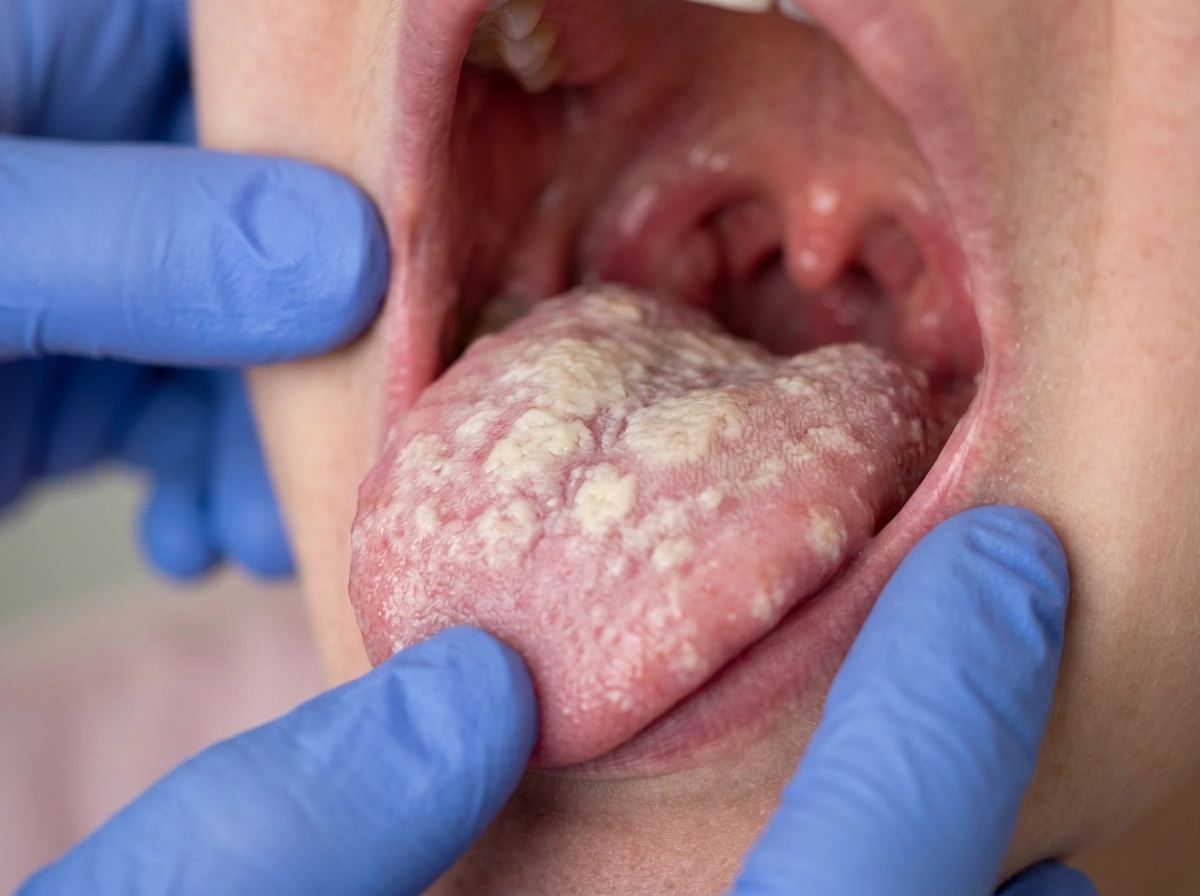
Thrush (candidiasis) in birds tends to show up in clusters of symptoms rather than one obvious sign. The earlier you spot these, the better the outcome for your bird. Here's what to look for across three key areas.
Mouth and beak changes
The most recognizable sign is a whitish or creamy coating inside the mouth, on the tongue, or at the back of the throat. It often looks like cottage cheese or thick mucus stuck to the tissue. You might also notice redness, swelling, or soft plaques along the cheek lining. A foul or sour smell coming from the beak is a very telling sign, especially in parrots and other pet birds. Birds with oral thrush sometimes bob their heads repeatedly, regurgitate food, or have visible difficulty swallowing.
Behavioral and physical changes
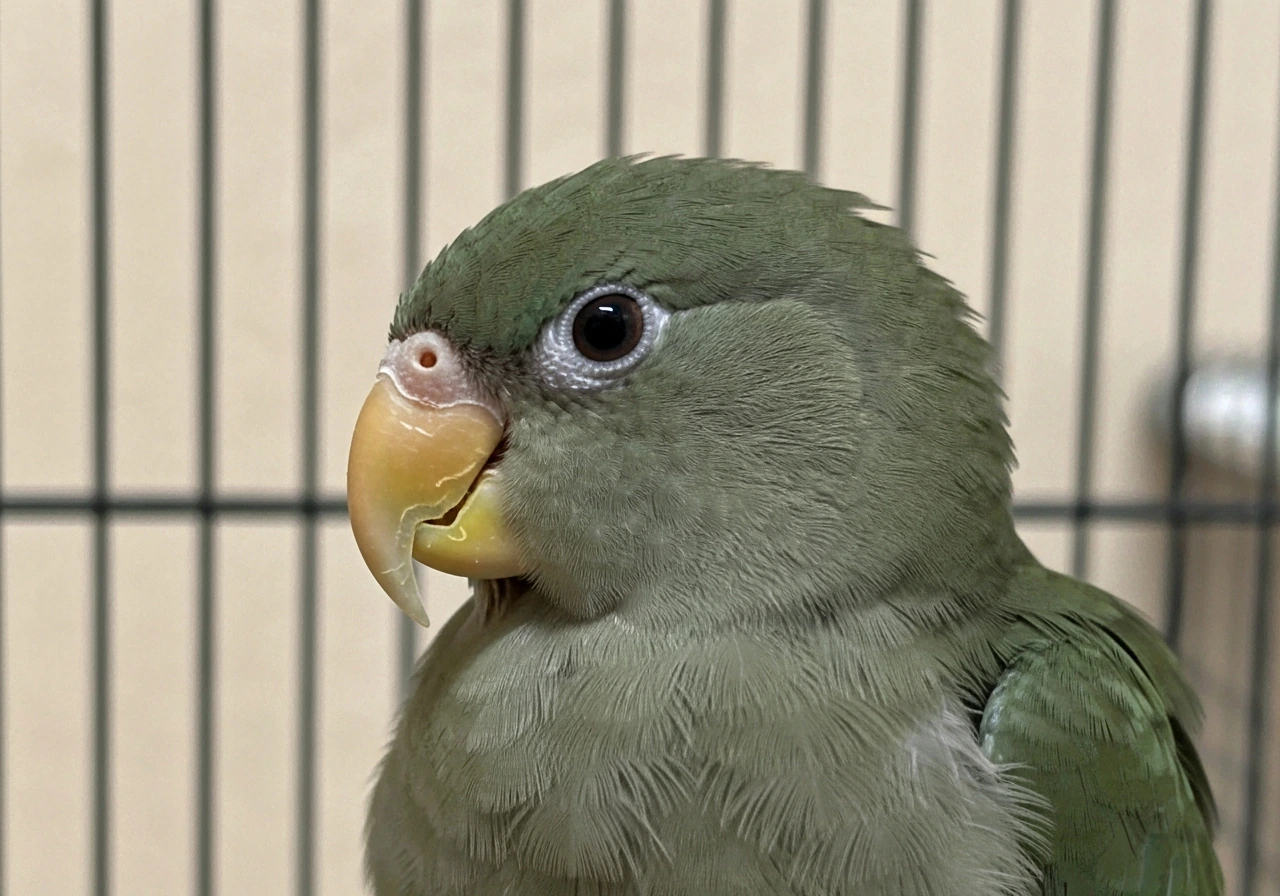
Watch for birds that suddenly lose interest in food or eat much less than usual. A bird that used to be active and vocal becoming quiet, fluffed up, or sitting on the cage floor is a red flag regardless of cause. Weight loss can happen quickly in small birds, and you may notice the breastbone (keel bone) becoming more prominent when you gently feel it. Slow or incomplete crop emptying is also a common sign in young or hand-fed birds.
Changes in droppings
Droppings can shift in consistency, color, and smell when a bird has an internal yeast infection. You may see droppings that are unusually watery, have a greenish tint to the urate portion, or carry a noticeably unpleasant odor. Undigested food in the droppings can also point to crop or digestive dysfunction tied to candidiasis.
How to tell thrush apart from other common avian problems
Thrush doesn't look exactly like everything else, but it does overlap with several other conditions. Getting this part right matters because the treatment paths are different. Here's a side-by-side comparison of the most common lookalikes.
| Condition | Key distinguishing signs | Droppings affected? | Requires vet diagnosis? |
|---|
| Thrush (Candidiasis) | White/cream plaques in mouth, sour breath, slow crop, regurgitation | Sometimes (watery, off-color) | Yes, for confirmation and antifungals |
| Bacterial infection (e.g., gram-negative) | Yellow or green discharge, wet-sounding breathing, no distinct plaques | Yes (green, slimy) | Yes, requires culture and antibiotics |
| Mouth trauma or injury | Bleeding, asymmetrical swelling, no coating or plaques, clear cause | Usually no | Yes if wound is deep or infected |
| Trichomonosis (canker) | Yellow-green cheesy deposits, strong odor, throat blockage | Possibly | Yes, requires antiprotozoal treatment |
| Vitamin A deficiency | Dry, thickened mouth lining, scaly skin, nasal discharge | Sometimes | Yes for diet guidance and supplementation |
| Crop impaction | Hard or doughy crop, no passage of food, vomiting | Yes (undigested food) | Yes if crop doesn't clear |
| Respiratory disease | Clicking or wheezing sounds, nasal discharge, tail bobbing | Sometimes | Yes, urgent if breathing is labored |
Trichomonosis (sometimes called canker) is the condition most commonly mistaken for thrush. Both cause cheesy deposits in the mouth and throat, but trichomonosis is caused by a protozoan parasite and is treated with completely different medications. An avian vet can tell these apart with a simple crop wash or swab under the microscope. Don't try to treat one while guessing it's the other.
Common causes and risk factors
Candida yeast is naturally present in low levels in most birds. It becomes a problem when something disrupts the bird's immune defenses or creates an environment where yeast can overgrow unchecked. These are the most common reasons that tips the balance.
- Poor diet: A diet high in simple carbohydrates, sugar, or fruit and low in protein and variety can feed yeast overgrowth. Seed-only diets are a frequent offender in pet parrots and finches.
- Recent antibiotic use: Antibiotics kill beneficial bacteria that normally keep yeast populations in check. Thrush after a course of antibiotics is a well-known pattern in birds.
- Unsanitary feeding equipment: Food and water dishes that aren't cleaned daily become breeding grounds for yeast and bacteria. Warm, moist conditions make it worse.
- Stress: Environmental stress from cage changes, new animals, temperature swings, or handling can suppress a bird's immune system enough to allow an outbreak.
- Underlying illness or immunosuppression: Birds dealing with another disease, including viral infections or nutritional deficiencies, are more vulnerable.
- High humidity and poor ventilation: Enclosed, humid environments support fungal growth both in the environment and in the bird.
- Hand-feeding young birds with contaminated formula: Formula that sits too long or is prepared in unsanitary conditions is a direct delivery route for Candida.
Vitamin A deficiency deserves a separate mention because it's both a risk factor and a condition that can mimic thrush. Without enough vitamin A, the lining of the mouth and digestive tract becomes thickened and more vulnerable to secondary yeast and bacterial infections. Birds on seed-only diets are especially prone to this.
What you can do right now vs. what needs a vet
There's a real split here between safe supportive steps you can take immediately and treatments that should only happen under veterinary guidance. Getting this balance right protects your bird.
Steps you can start today at home
- Remove and thoroughly clean all food and water dishes with hot water and a bird-safe disinfectant. Replace food with fresh servings. Do this twice daily until you see improvement.
- Switch to fresh, unprocessed foods if your bird tolerates them. Remove sugary treats, dried fruit, and excess seed temporarily.
- Reduce stressors: minimize handling, keep the environment quiet, and maintain a stable temperature between 70 and 80 degrees Fahrenheit for most pet birds.
- If you're hand-feeding a young bird, prepare formula fresh each feeding session. Never reuse leftover formula. Sterilize feeding equipment between every use.
- Keep the bird's cage dry and well-ventilated. Remove any moist or moldy substrate or perches immediately.
- Monitor food intake, droppings, and behavior closely and write down what you observe. This information is valuable when you call or visit the vet.
What only a vet should handle
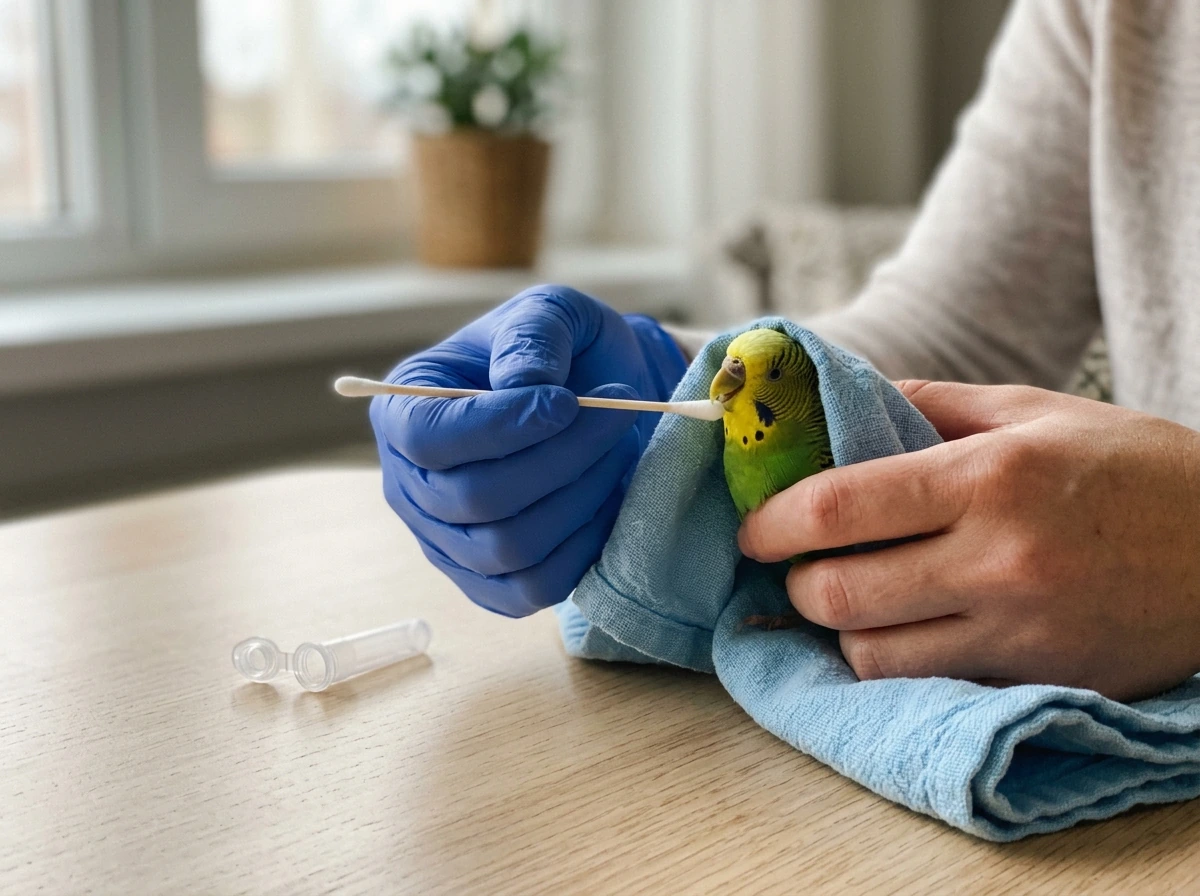
Antifungal medications like nystatin or fluconazole are the standard treatments for confirmed candidiasis in birds. These require a proper diagnosis first, because giving antifungals to a bird with a bacterial infection or trichomonosis won't help and can waste critical time. Dosing also has to be precise for a bird's body weight, which varies enormously between species.
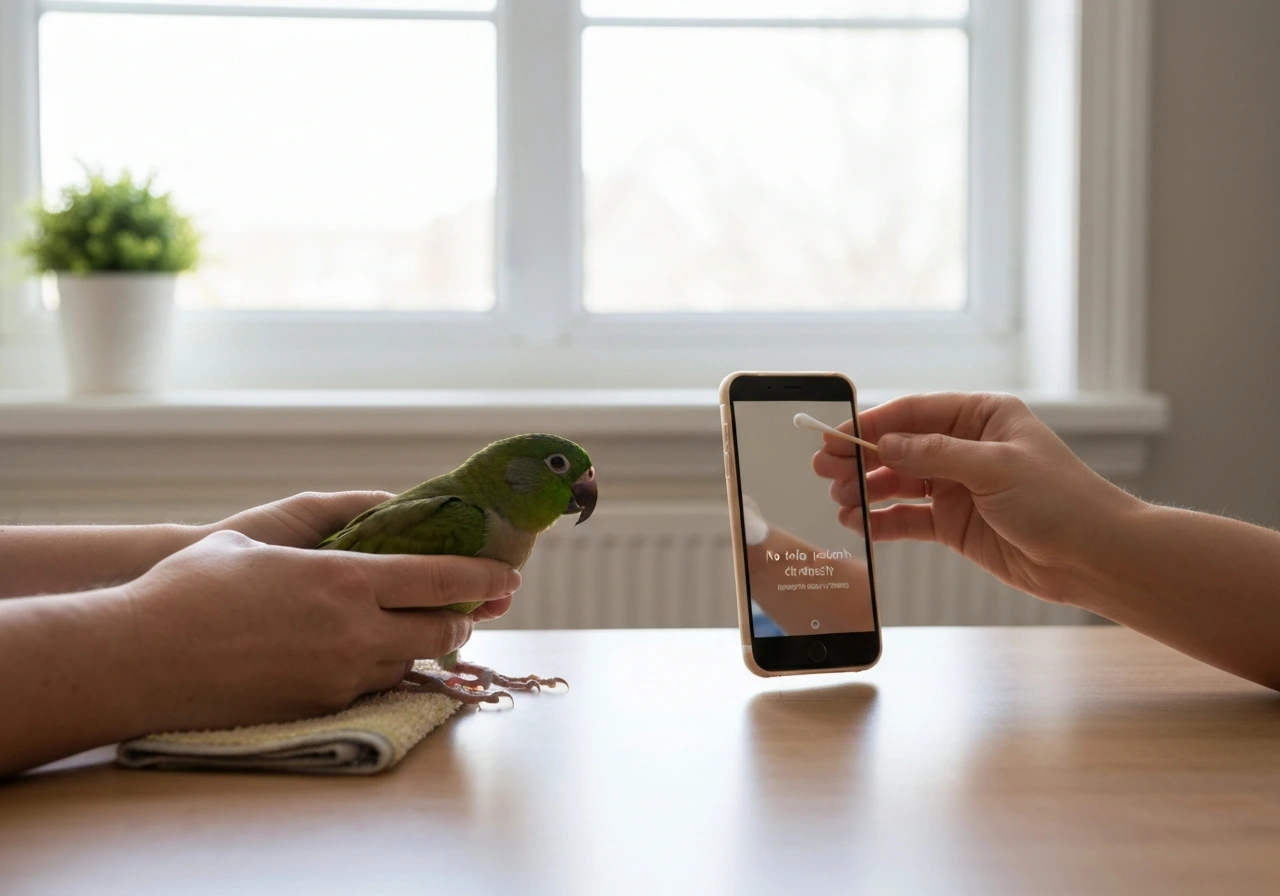
A vet will typically take a crop swab or oral swab and look at it under a microscope to confirm Candida yeast. In some cases, a culture is done to identify the specific strain and confirm sensitivity to the chosen antifungal. This process usually takes only a day or two and is worth the wait before starting medication.
If there's also a bacterial component, the vet will address that separately. Never give over-the-counter antifungal products meant for humans or other animals to a bird. The concentrations and formulations can be toxic.
Prevention and long-term care
Once you've dealt with an active infection, the goal is to make your bird's environment and diet resistant to future outbreaks. Most recurrences happen because the underlying cause wasn't addressed.
Daily hygiene habits that make a real difference
- Wash food and water dishes every single day with hot water. Use a mild dish soap or bird-safe disinfectant, and rinse thoroughly.
- Replace fresh foods (fruits, vegetables, soft foods) within two to four hours. Don't let them sit in a warm cage.
- Scrub perches weekly and replace any wooden perches that have cracks or staining that won't clean off.
- Clean the cage floor and tray at least every other day to prevent buildup of droppings that can harbor yeast and bacteria.
- Wash your hands thoroughly before and after handling your bird or its equipment.
Feeding practices that support immune health
- Move toward a nutritionally complete pellet-based diet for pet parrots and softbills, supplemented with fresh vegetables and limited fruit.
- Prioritize foods high in beta-carotene (which converts to vitamin A): carrots, sweet potato, leafy greens, and bell peppers.
- Limit high-sugar treats, dried fruit, and seed mixes, especially while recovering from or preventing yeast issues.
- Offer clean, fresh water daily. Consider using a water bottle rather than an open dish if yeast infections recur frequently.
- After any course of antibiotics prescribed by your vet, ask specifically about probiotic support to help restore normal gut flora.
Monitoring plan going forward
Make a habit of a brief daily health check: look at your bird's mouth and beak for any discoloration or residue, check that the crop empties fully overnight, and observe droppings each morning. Weigh your bird weekly on a gram scale if you can, since early weight loss is often the first measurable sign something is wrong. Any drop of more than five to ten percent of body weight in a week deserves attention.
When to seek urgent veterinary help
Some situations need immediate veterinary attention rather than a wait-and-see approach. Don't delay if your bird is showing any of the following:
- Labored breathing, tail bobbing with each breath, or open-mouth breathing at rest
- Complete refusal to eat or drink for more than 24 hours
- Rapid, noticeable weight loss over a day or two
- The bird is unable to stay upright, falling off its perch, or unresponsive to normal stimuli
- Visible blockage or swelling in the throat that is preventing swallowing
- Bleeding from the mouth or beak
- Seizures or sudden neurological symptoms
- A young or hand-fed bird whose crop has not emptied after 12 hours
Even if none of these emergency signs are present, you should still get a vet appointment within a few days if your bird has visible mouth lesions, persistent regurgitation, or isn't improving with basic hygiene changes. Thrush can spread into the proventriculus (the glandular stomach) and intestines if left untreated, making it much harder to clear. The sooner treatment starts, the better.
If you're not sure whether what you're seeing is thrush or something else, an avian vet is the right call. Related conditions like trichomonosis or respiratory infections can look similar enough to cause real confusion, and a simple swab test clears that up quickly. You don't have to be certain before you call, just describe what you're seeing and let the vet guide the next step.