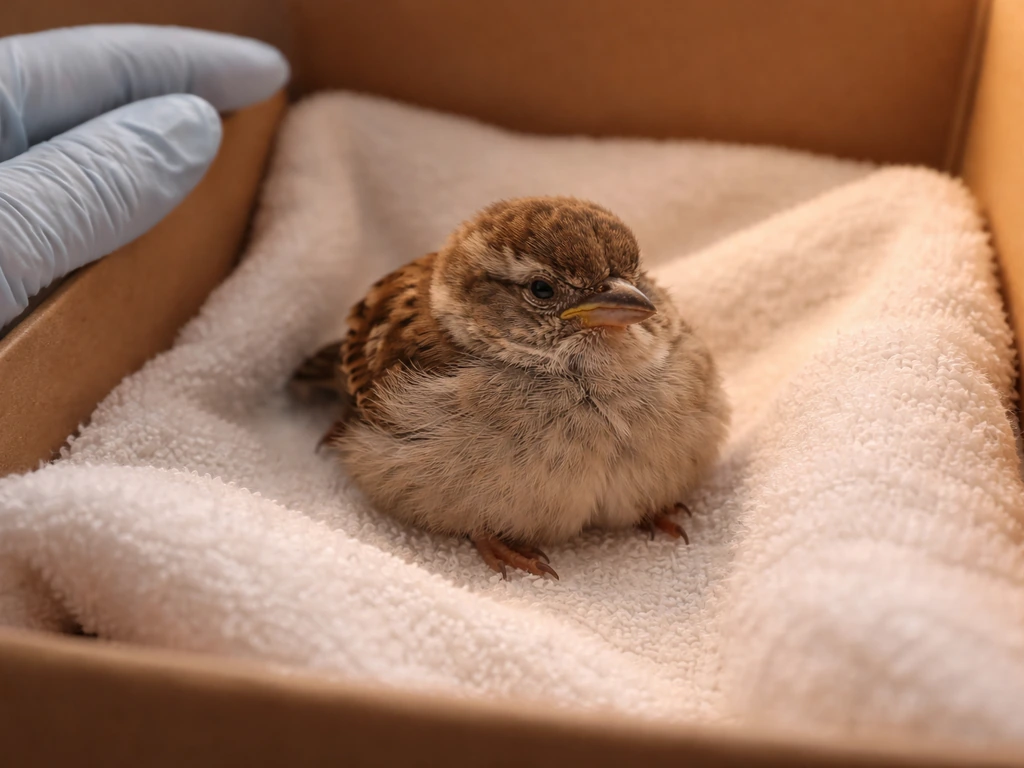
Regurgitation and vomiting look almost identical to most bird owners, but they mean very different things. If your question is about why a bird keeps fainting too, that can point to issues beyond regurgitation or vomiting and it is important to identify the underlying cause fast why dog bird keep fainting. Regurgitation can be completely normal depending on the context, while true vomiting is always a sign that something is medically wrong. If you are trying to figure out what a bird cough sounds like, focus on whether the sound comes with breathing effort or a choking-like pause rather than visible digestion. Knowing which one you are looking at right now tells you whether to relax, watch closely, or call a vet today.
Bird Regurgitation vs Vomiting: How to Tell and What to Do

Marcus Webb
22 Apr 2026
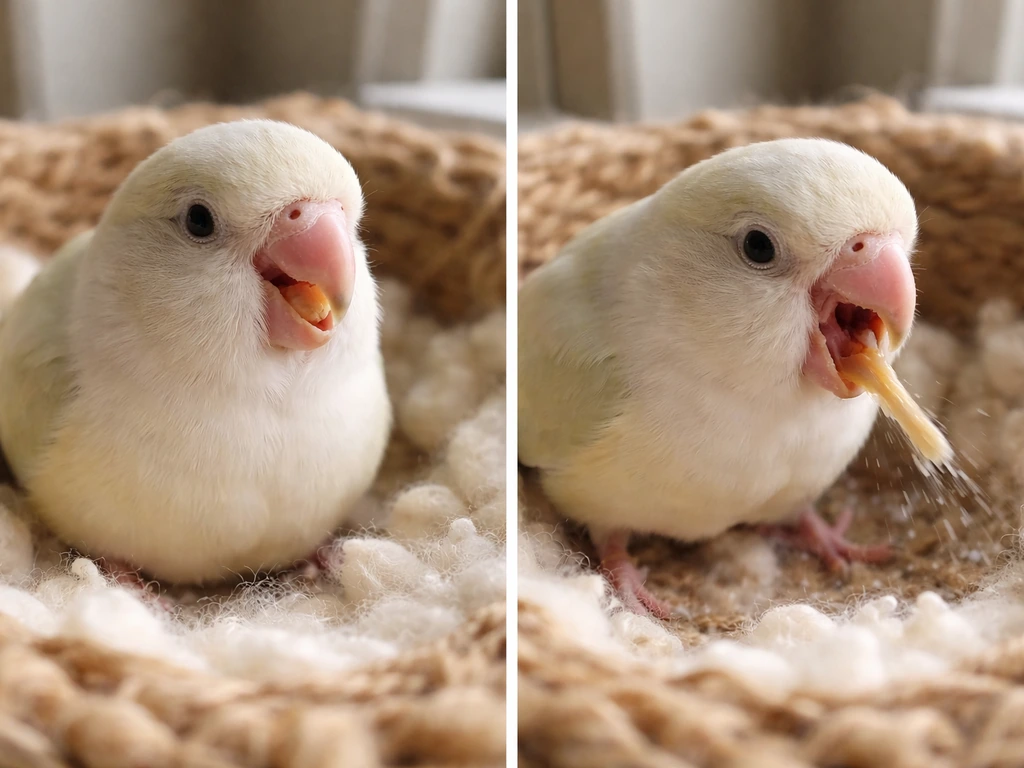
How regurgitation vs vomiting usually looks in birds
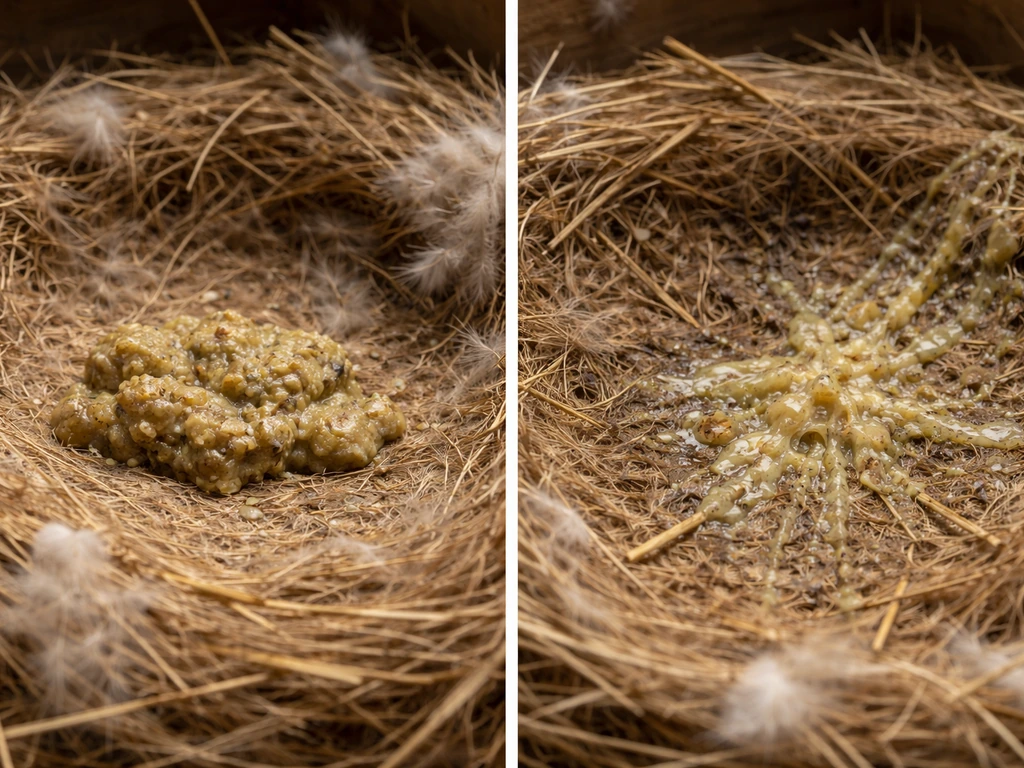
The single most useful visual clue is what comes up and how it comes up. In regurgitation, the material is usually undigested or only partly digested food, often looking similar to what the bird just ate. It tends to come up without a lot of drama, sometimes almost casually, and the bird may immediately re-eat it or offer it to you or a cage mate. There is typically no visible straining, retching, or contractions of the body.
True vomiting looks much more effortful. If you want to pinpoint what a bird seizure looks like, focus on abnormal, involuntary movements rather than digestion-related episodes like regurgitation or vomiting what a bird seizure look like. If you are noticing episodes that look more like a seizure than digestion-related vomiting or regurgitation, see what causes bird seizures as an adjacent possibility what a bird seizure look like. You will often see the bird extend its neck, contract its abdominal muscles, and make repeated retching-type movements before anything comes up. The material that comes out is usually more digested, may smell sour or acidic, and can be mixed with fluid. A bird that is vomiting will sometimes shake its head or fling the material around, and you may notice wet or sticky residue on the feathers around the head and beak.
| Feature | Regurgitation | Vomiting |
|---|---|---|
| Material appearance | Undigested or lightly digested food | Digested food, often mixed with acidic fluid |
| Smell | Usually mild, similar to food | Sour or acidic smell is common |
| Body movements | Minimal, often calm or deliberate | Retching, neck extension, abdominal contractions |
| Head shaking / material flinging | Rare | Common |
| Bird's behavior afterward | Often normal, may re-eat material | Often hunched, lethargic, or distressed |
| Directed at another bird or person | Often yes (bonding context) | No predictable target |
| Normal or abnormal | Can be normal in bonding contexts | Always abnormal |
One quick way to check: did the bird seem calm and deliberate, or did it look like it was fighting to get the material out? Calm and deliberate points toward regurgitation. Struggling, retching, or shaking the head points toward vomiting.
What regurgitation typically means (and when it can be normal)
Regurgitation becomes completely normal behavior in certain specific situations. The most common one is courtship or bonded feeding, where a bird regurgitates food to offer to a mate, a companion bird, or even a person they have bonded with closely. This is wired-in behavior, and a bird doing it during an affectionate interaction with you is essentially telling you that you are their favorite person. The bird will usually eat the material or offer it directly, stay alert and active, and show no other signs of illness. In some cases, frequent regurgitation without a clear bonding pattern can point to broken bird syndrome, so it is worth discussing with an avian vet. If frequent regurgitation happens without a clear bonding pattern, ask your avian vet whether broken bird syndrome could be the cause. Bird cage syndrome is another behavioral issue that can sometimes contribute to repeated regurgitation or other GI-related symptoms, so it is worth understanding the signs and causes what is bird cage syndrome.
The other context where regurgitation can appear without immediate alarm is hormonal activity. Birds that are in a breeding season cycle may regurgitate more frequently, especially if they are being petted or handled in ways that mimic mate-like interactions. This is still something to manage carefully, but it is not the same as being sick.
Regurgitation becomes a concern when it happens outside these contexts, happens repeatedly throughout the day with no clear trigger, or when the bird seems stressed, lethargic, or off in any other way. Broken bird syndrome is one possible outcome when a bird has prolonged illness and stress, and it is worth discussing with an avian vet if symptoms persist outside these contexts. Crop or digestive disease can also produce regurgitation that looks very similar to behavioral regurgitation, so frequency and context matter a lot. If you cannot clearly connect the episode to a bonding or hormonal trigger, treat it the same way you would treat vomiting and monitor carefully.
What vomiting typically means (common illness causes and red flags)
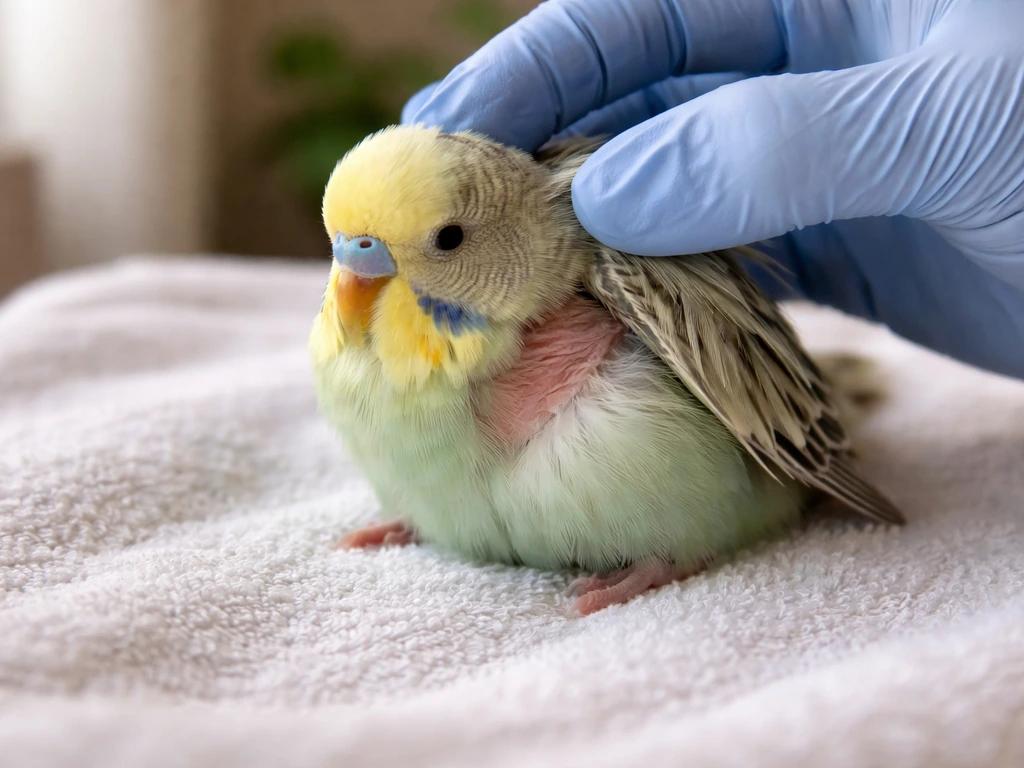
Vomiting in birds is never normal. Every time a bird vomits, there is an underlying medical reason, and your job is to figure out how urgent that reason is. The causes range from crop and digestive tract problems to infections, toxins, and serious systemic illnesses.
Crop problems are one of the most common culprits. When the crop is not emptying properly, a condition often called crop stasis or sour crop, fermented material builds up and can trigger vomiting or regurgitation-like episodes. A healthy crop should empty within about 6 hours. If you can feel that the crop is still full several hours after the bird last ate, that is a sign something is wrong.
Infections are another major category. Bacterial, fungal, and parasitic organisms can all affect the GI tract in birds. Macrorhabdus ornithogaster, for example, is a yeast-like organism that can cause GI disease in pet birds and may contribute to vomiting or wasting. Proventricular dilatation disease (PDD) is a more serious condition affecting the nerves of the GI tract, and one of its classic signs is intermittent vomiting alongside weight loss, lethargy, and anorexia.
Toxin exposure is a red flag scenario. Birds are extremely sensitive to household toxins including certain metals (especially zinc and lead), non-stick cookware fumes, certain plants, and cleaning chemicals. Sudden vomiting with no obvious cause should always put toxin exposure on your mental checklist.
A particularly urgent concern is aspiration: when a vomiting bird inhales material into the airway. This can happen quickly and leads to serious respiratory problems. If your bird is vomiting and you notice any breathing changes at all, such as open-mouth breathing, labored breathing, or tail bobbing with each breath, treat that as an emergency. A Reddit thread about chicks showing open-mouth breathing after eating with regurgitation-like episodes also discusses aspiration as a possible concern.
Symptoms to check alongside regurgitation or vomiting
Do not just watch the mouth. When a bird is regurgitating or vomiting, a quick full-body check gives you much more information about how serious the situation is. Run through this list systematically.
- Crop: Is it visibly swollen or still full several hours after eating? Does it feel firm, doughy, or squishy in an unusual way?
- Droppings: Are they watery, discolored (green, yellow, or black), or does the bird seem to be straining to pass them? Changes in droppings often signal systemic illness.
- Appetite: Is the bird still eating and drinking, or refusing food entirely?
- Weight: Birds hide weight loss well. If you have a kitchen scale, weigh the bird and compare to any previous readings.
- Energy and posture: Is the bird sitting low on the perch, fluffed up, or reluctant to move? A hunched posture is a classic sick-bird signal.
- Breathing: Is breathing audible, labored, or is the tail bobbing with each breath? Is the bird breathing with its mouth open?
- Head and feathers: Are there wet or sticky feathers around the head, beak, or chest from flung vomit material?
- Behavior: Is the bird less vocal than usual, avoiding interaction, or showing unusual aggression or fear?
The more of these signs you can check off, the more urgently you should be moving toward veterinary care. A bird that vomited once but is eating, active, breathing normally, and has normal droppings is a different situation from a bird that vomited and is now sitting fluffed on the cage floor. Context always matters.
What to do right now at home
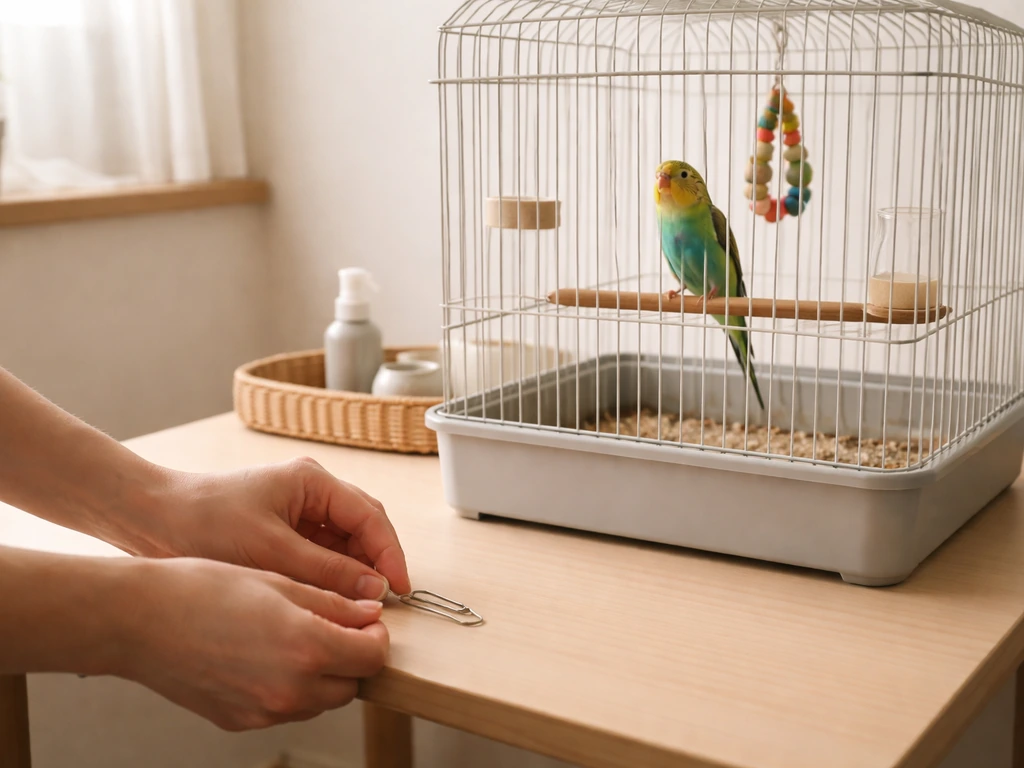
First, stop and observe without intervening too quickly. Do not try to force fluids or food, and do not attempt to manually empty the crop or give any home remedies. These well-intentioned interventions can cause aspiration or make crop problems significantly worse.
Remove anything in the environment that could be a toxin source: new toys, metal cage clips, recently cooked non-stick cookware nearby, scented candles, air fresheners, or cleaning products used recently in the room. If there is any chance of toxin exposure, note it, because your vet will ask.
Keep the bird warm. A sick bird loses body heat quickly, and keeping the ambient temperature around 85 to 90 degrees Fahrenheit in part of the cage (so the bird can move away if too warm) is one of the most effective forms of supportive care you can provide at home. A regular lamp aimed at one side of the cage works in a pinch.
Start keeping notes immediately. Write down the time, what the episode looked like, what material came up, how the bird behaved before and after, and what the bird ate and when. If there are more episodes, note the same details. This information is genuinely useful to the vet and will save time during the appointment.
Check the crop timing. If you can gently feel the crop at the base of the neck, note whether it is full or empty, and check again in 6 hours. A crop that has not emptied in 6 hours is a warning sign worth reporting to your vet.
If the episode looked like classic courtship regurgitation (calm bird, directed at you or a cage mate, bird is otherwise totally normal), the right response is to simply watch and not reinforce the behavior. Avoid petting in ways that trigger the bonding reflex (such as stroking the back or vent area) if hormonal regurgitation seems to be the pattern.
When to contact an avian vet urgently vs soon
Use this as a straightforward decision guide. When in doubt, call sooner. Avian vets would much rather hear about a bird that turns out to be fine than miss a bird that needed care hours earlier.
Call or go to an emergency avian vet immediately if:
- The bird is showing any breathing difficulty: open-mouth breathing, labored breathing, audible wheezing, or tail bobbing with every breath
- Vomiting is continuous or happening multiple times in a short period
- There is visible mucus, bubbles, or fluid around the mouth or nostrils
- The bird is unresponsive, unable to perch, or collapsed on the cage floor
- The crop is visibly distended and hard or does not empty after 6 or more hours
- You suspect toxin exposure of any kind
- The bird has wet feathers on the head or face from flung vomit material, especially combined with breathing changes
Schedule a vet visit within 24 to 48 hours if:
- Vomiting or unexplained regurgitation has happened more than once with no clear behavioral cause
- The bird is eating and breathing normally but seems quieter or less active than usual
- Droppings have changed in color, consistency, or frequency
- The bird has lost noticeable weight
- Regurgitation is happening repeatedly in a hormonal context and you want guidance on managing it
- You are simply not sure whether what you saw was normal or not
Breathing changes and vomiting appearing together are always the combination that pushes the situation into emergency territory, because of the aspiration risk and the possibility of a rapidly progressing illness. That overlap should never be treated as a wait-and-see situation.
What the vet may do: diagnosis and likely treatment paths
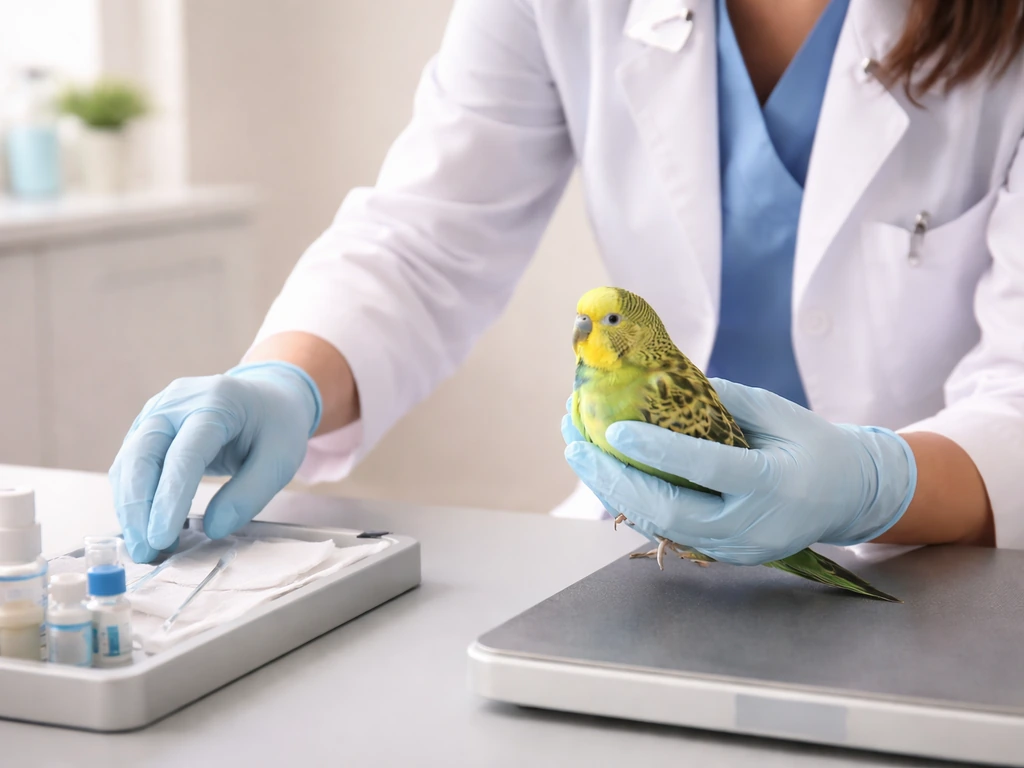
Knowing what to expect at the vet helps reduce the anxiety of the visit. The avian vet will start with a hands-on physical exam, which includes palpating the crop to check for size, texture, and emptying progress. They will watch the bird's breathing, assess its body condition and weight, and ask you about the timing, frequency, and appearance of the episodes.
From there, diagnostic steps depend on what the exam reveals. Common next steps include fecal examination to check for parasites or bacterial overgrowth, blood work to assess organ function and look for infection, and imaging (X-rays) to evaluate the GI tract, crop, and proventriculus. If crop stasis is suspected, the vet may perform crop evaluation or crop lavage to clear impacted or fermented material.
If an infection is identified, treatment will target the specific organism, whether that is antifungal medication for something like candidiasis, antibiotics for a bacterial cause, or antiparasitic treatment for organisms like Macrorhabdus. If a toxin is suspected, supportive care and sometimes chelation therapy (for heavy metal poisoning) will be used. For conditions like PDD, management is more long-term and involves supportive nutrition and anti-inflammatory treatment.
The vet may provide supportive care directly at the clinic: fluid therapy if the bird is dehydrated, warmth, and assisted feeding if the bird is not eating. The key point is that nonspecific treatment (just treating the symptoms) is not a substitute for identifying and addressing the actual underlying cause, which is why the diagnostic workup matters.
Prevention tips to reduce future episodes
If the episode was behavioral (hormonal regurgitation), the most effective prevention is reducing the triggers. Avoid petting your bird on the back, wings, or vent area, since this can stimulate breeding behavior. Remove nesting-like items from the cage such as huts, boxes, or dark enclosed spaces. Reduce the number of daylight hours the bird is exposed to, since longer days trigger hormonal cycles. These adjustments are not punishments; they genuinely make the bird more comfortable by reducing hormonal overdrive.
For GI and crop health, feeding consistency is one of the best prevention tools you have. Abrupt diet changes, feeding spoiled or fermented food, or irregular feeding schedules all increase the risk of crop problems. Offer fresh food, remove uneaten soft foods within a couple of hours, and keep water sources clean.
Watch the crop after every meal as part of your daily routine. You do not need to be obsessive about it, but knowing what a normal full crop and a normal empty crop feel like in your specific bird will help you catch crop stasis early. If the crop is not emptying within 6 hours of a meal, that is worth a call to your vet before it becomes an emergency.
Aspiration prevention is worth a specific mention. Birds that are being hand-fed, medicated with oral syringes, or that are vomiting are all at risk of inhaling material. Always feed at the correct pace, never force fluids into a bird that is not swallowing voluntarily, and if your bird is prone to regurgitation episodes, keep it upright and calm afterward rather than handling it immediately after feeding.
Reducing overall stress in the environment also helps. Frequent loud noises, aggressive cage mates, and irregular sleep schedules all increase stress hormones that can affect GI function. If your bird is prone to stress-related regurgitation, a stable routine and a calm environment go a long way. For birds that have experienced repeated unexplained episodes, annual wellness checks with an avian vet give you a baseline and catch problems before they escalate.
FAQ
If my bird is regurgitating, should I clean the crop or try to force food or water in right away?
No. Don’t manually empty the crop and don’t force fluids or food. Instead, stop intervening, let the bird settle, keep it warm, and record what happened (time, appearance of material, behavior before and after) so you can decide whether this fits a behavioral pattern or needs urgent veterinary care.
How can I tell if the material coming up is more likely from the crop versus the stomach?
A more crop-source episode often looks like recently eaten food with little digestion, and the bird may eat it again promptly. More vomiting-type episodes are more likely to be mixed with fluid and look more digested, sometimes with a sour or acidic smell, and may include head shaking or wet residue around the beak area.
My bird is regurgitating only during contact with me, but they seem healthy otherwise, is that always “normal”?
It can be normal courtship or bonded feeding, especially if the bird is alert and the regurgitation happens predictably during bonding interactions. Still, treat it as a medical concern if it happens repeatedly all day without a clear trigger, if droppings or appetite change, or if the bird shows lethargy or breathing changes.
What if my bird regurgitates but then won’t eat again immediately afterward?
Behavioral regurgitation usually comes with the bird staying active and often re-eating what was offered. If your bird regurgitates and then refuses food, looks unwell, is fluffed, or has any breathing changes, don’t assume it is behavioral. That shift in behavior is a reason to contact an avian vet the same day.
Is a one-time episode always harmless?
Not necessarily. A single event can be benign if the bird is otherwise normal, breathing comfortably, and has normal droppings. However, if the episode included straining, shaking, head flinging, sour-smelling output, repeated retching, or any breathing changes, the safer approach is to call an avian vet promptly.
How do I check crop timing at home without making things worse?
Feel the crop gently at the base of the neck, note whether it feels full or empty, and avoid repeated prodding. Recheck in about 6 hours after the bird last ate. If it stays full beyond that window, report it to your vet because crop stasis is a key concern.
What droppings changes make vomiting or regurgitation more concerning?
Any meaningful change, such as significantly reduced droppings, very abnormal consistency, straining to pass droppings, or signs of dehydration (sticky or dry mouth, poor skin turgor), increases concern for a systemic issue rather than a purely behavioral event. Mention the exact pattern and timing in your notes for the vet.
My bird vomited, but it seems to breathe okay right now, should I still worry about aspiration?
Yes. Aspiration risk can develop quickly after a vomiting episode, so monitor closely for open-mouth breathing, labored breathing, tail bobbing with breaths, or changes in sound (breathing effort). If any breathing abnormality appears, treat it as an emergency even if the bird looked okay immediately afterward.
Can diet changes cause vomiting-like episodes, and how fast would it show up?
Yes. Abrupt diet changes, feeding spoiled or fermented items, and irregular schedules can contribute to crop problems. If the change in food happened recently and the episodes begin soon afterward, that timing is useful to tell your vet, but it still doesn’t rule out infection or toxins.
Are all “retching” sounds the same, or is one pattern more likely vomiting than regurgitation?
Patterns differ. Vomiting is more often paired with visible abdominal effort, repeated retching movements, and sometimes head shaking. Regurgitation tends to come up with less drama, often while the bird remains calm and may re-offer or re-eat the material.
How do I reduce hormonal regurgitation triggers safely?
Avoid petting that stimulates breeding behavior, especially on the back, wings, and vent area. Remove nesting-like items (dark enclosed spaces, huts, boxes), and reduce daylight exposure because longer days can drive hormonal cycles. Make changes gradually and watch for improvement over days, not minutes.
What should I do if I suspect a toxin but I am not sure what caused it?
Remove potential sources immediately (recent cleaning chemicals, scented products, new metal items, and any non-stick cookware exposure). Keep the bird warm and avoid home treatments. Write down when the vomiting started and what changed in the environment in the prior 24 hours so the avian vet can triage toxin risk.
What information should I bring or note for the vet appointment?
Include the exact times of each episode, what the material looked like (partly digested vs more fluid or digested), whether the bird struggled or acted calm, what it ate and when, and whether droppings changed. Also note crop feel if you checked it, and any recent diet changes, nesting-item changes, or household exposures.
What tests are most likely if my bird keeps having vomiting or regurgitation?
Common next steps often include a crop and physical exam with crop palpation, fecal testing for parasites and microbial overgrowth, blood work to assess organ function and infection, and imaging such as X-rays to evaluate the crop and GI tract. The specific combination depends on findings like persistent fullness, weight loss, or breathing issues.
Next Article
Broken Bird Syndrome in Birds: Signs, Causes, and Next Steps
Learn broken bird syndrome signs, causes, safe at-home checks, and red flags for urgent avian vet care.