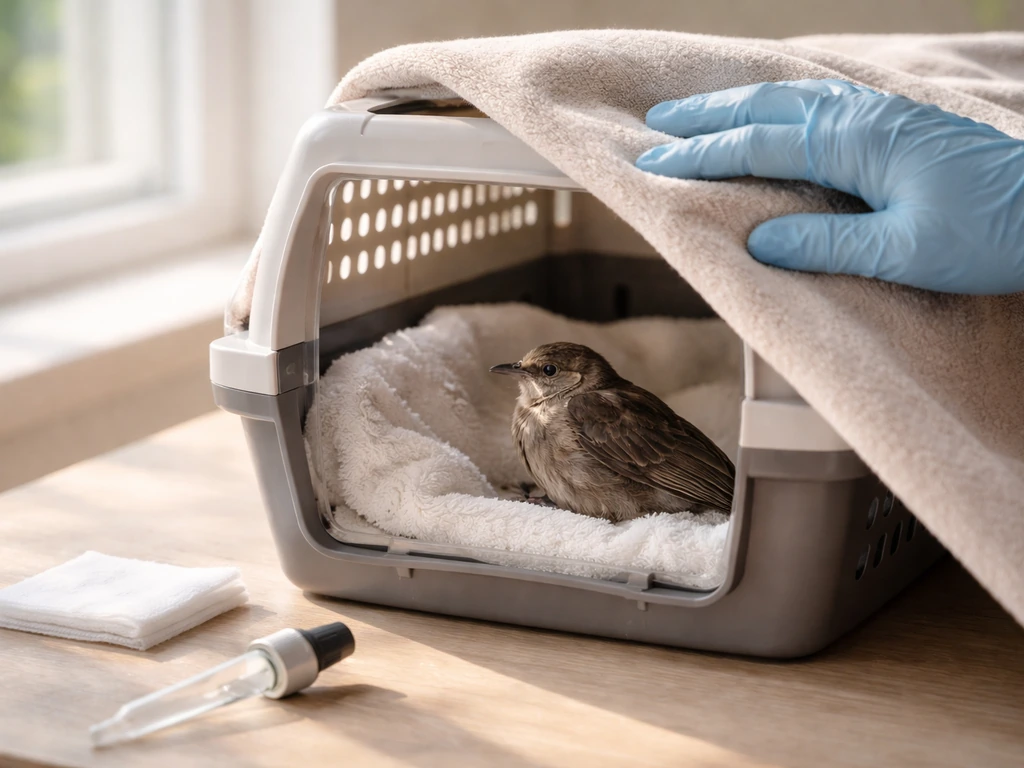
"Broken bird syndrome" is not a formal medical diagnosis, but it is a real and useful term in bird care. It describes a bird that looks or acts fundamentally "not right" in ways that are hard to pin down at first glance: the bird is withdrawn, unresponsive, fluffed up, barely moving, or seems to have lost its will to engage with the world. Whether the cause is physical injury, chronic illness, severe stress, or psychological trauma from poor handling, the outward picture can look almost identical. That is exactly why the term matters, and why taking it seriously is the right instinct.
Broken Bird Syndrome in Birds: Signs, Causes, and Next Steps

Marcus Webb
18 Apr 2026
What the term actually means in bird care
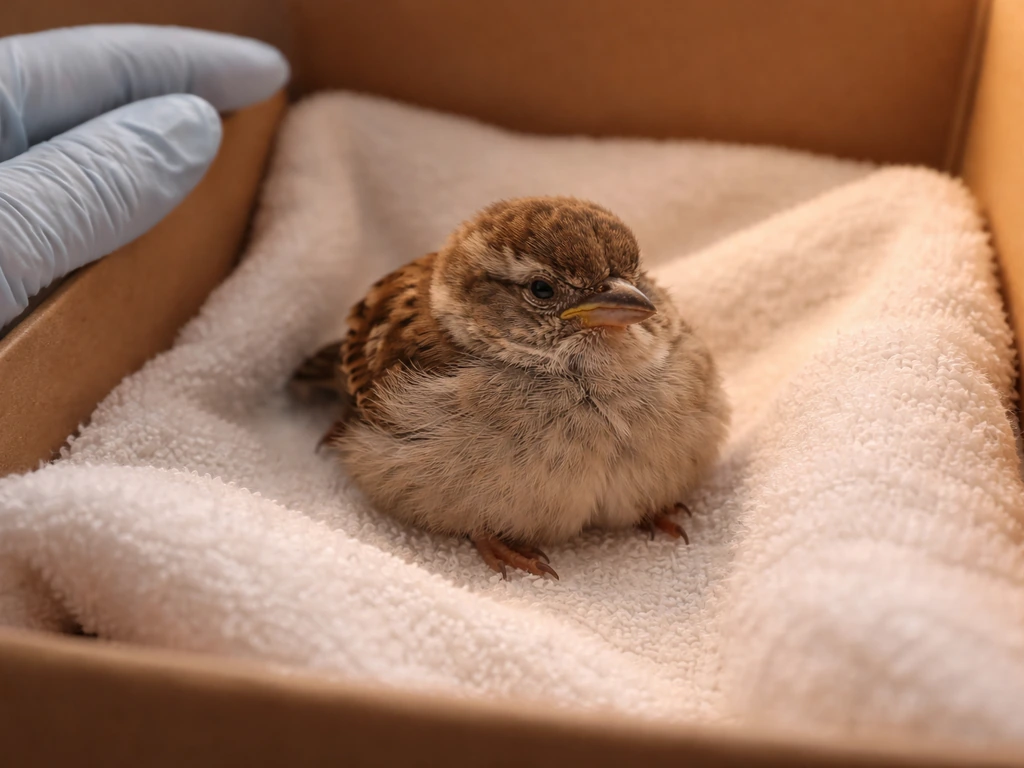
When bird owners or wildlife caretakers say a bird looks "broken," they are usually describing a cluster of behavioral and physical changes that together signal the bird is in distress. The term covers a wide range: a pet parrot that suddenly stops vocalizing and sits hunched on the bottom of the cage, a wild songbird found grounded and unresponsive, or a formerly active bird that has become fearful, depressed, and disconnected from its environment.
There is also a "broken bird syndrome psychology" angle that comes up online, borrowed from human behavioral concepts. In bird care, this translates to something real: birds that have experienced chronic fear, trauma, repeated mishandling, or prolonged isolation can develop behavioral states that look a lot like psychological shutdown. These birds are not simply "mean" or "stubborn." They are often genuinely distressed, and that distress has a measurable effect on their physical health. Stress suppresses immune function, disrupts hormones, and can trigger or worsen physical illness. So the psychological and medical angles are not separate. They feed each other.
The practical takeaway: any bird that strikes you as looking "broken" deserves a careful, systematic look at both its physical condition and its environment and history. Do not assume it is "just stress" any more than you should assume it is purely medical. Both need to be evaluated.
Signs and symptoms to watch for right now
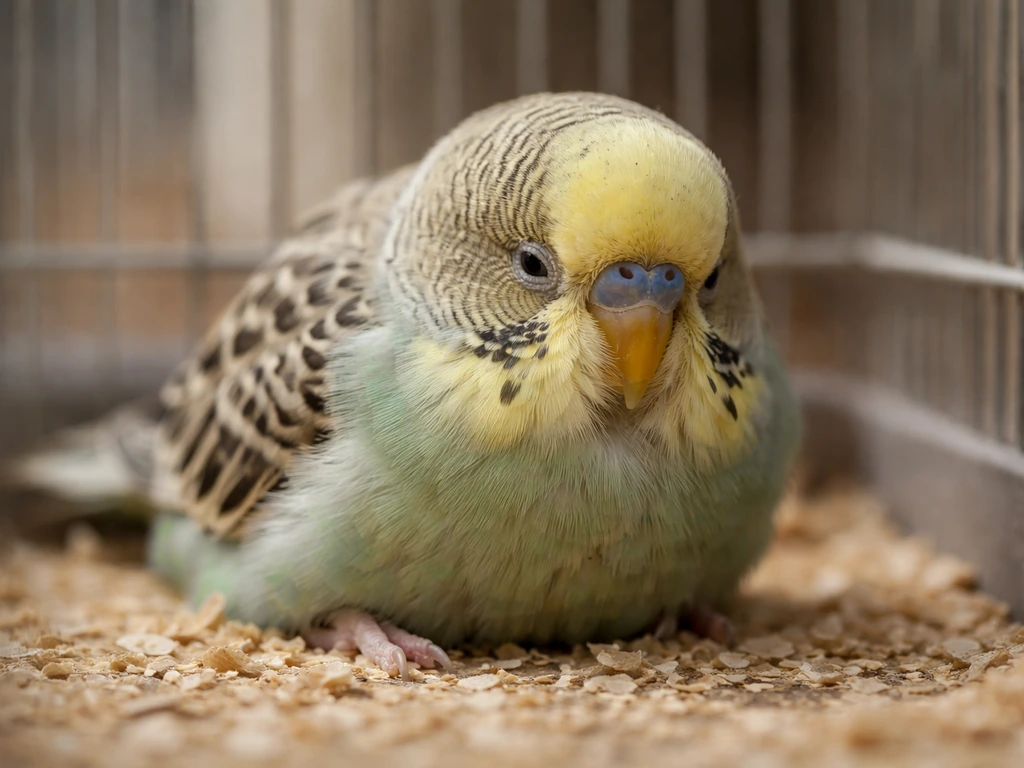
The signs that prompt someone to describe a bird as "broken" split into behavioral changes and physical changes. Both categories matter, and seeing several at once is a stronger signal than any single sign alone.
Behavioral cues
- Sitting on the cage floor or ground instead of a perch
- Eyes half-closed, dull, or sunken during daylight hours
- No response to approach, touch, or familiar voices
- Stopped eating, drinking, or interacting with enrichment
- Excessive fearfulness or freezing when it was previously calm
- Repetitive or compulsive movements (rocking, feather-destructive behavior)
- Complete silence in a normally vocal bird
- Withdrawal from flock-mates or human companions
Physical cues
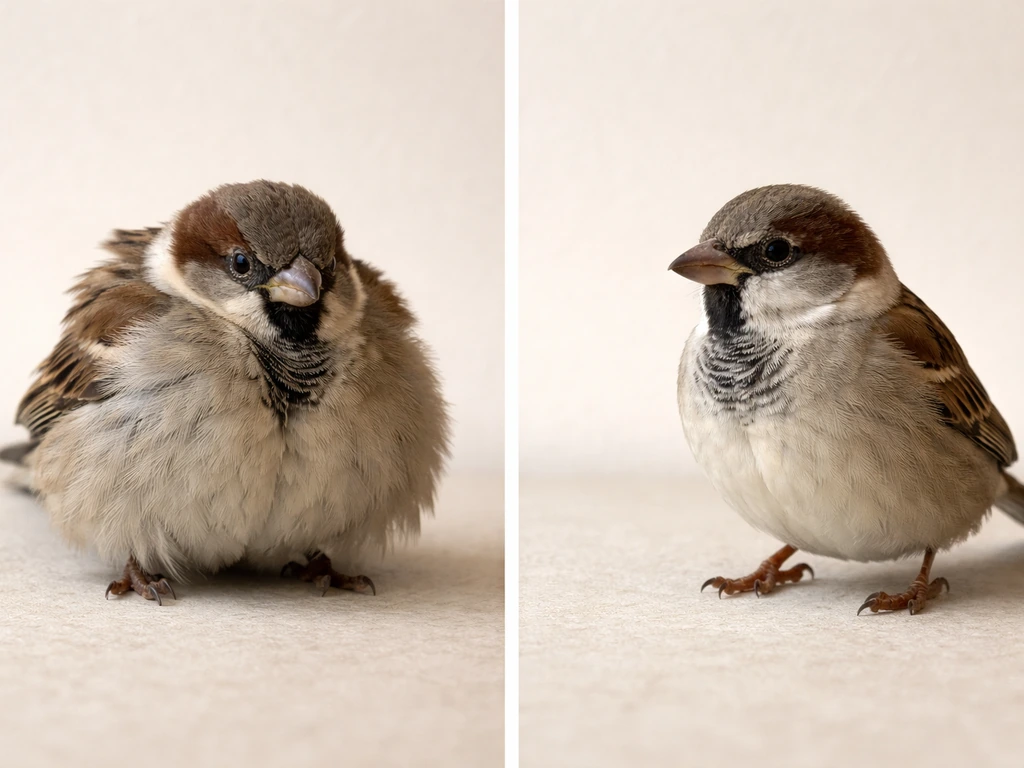
- Fluffed feathers held out for extended periods (a classic sign the bird is trying to conserve heat)
- Tail bobbing with each breath (a key respiratory distress signal)
- Open-mouth breathing, panting, or gaping when the bird is not overheated or just exercised
- Visible nasal or eye discharge
- Facial or periocular (around the eye) swelling
- Weight loss or a keel bone that feels sharp and prominent
- Disheveled, broken, or plucked feathers beyond normal molting
- Unusual droppings: watery, discolored, or absent
- Asymmetry in the wings, legs, or body posture suggesting injury
Open-mouth breathing and tail bobbing together are especially important. These are recognized red flags for respiratory disease in birds: if your bird is doing both, that is not a "wait and see" situation. Respiratory conditions can deteriorate quickly in birds, and early intervention makes a significant difference in outcomes.
Common causes: injury, illness, or stress
The causes behind broken bird syndrome symptoms fall into three broad categories, and they often overlap. A bird that started with a physical injury can develop severe psychological stress. A chronically stressed bird becomes immunocompromised and catches infections. Understanding which category is driving the picture helps you prioritize what to address first.
Physical injury
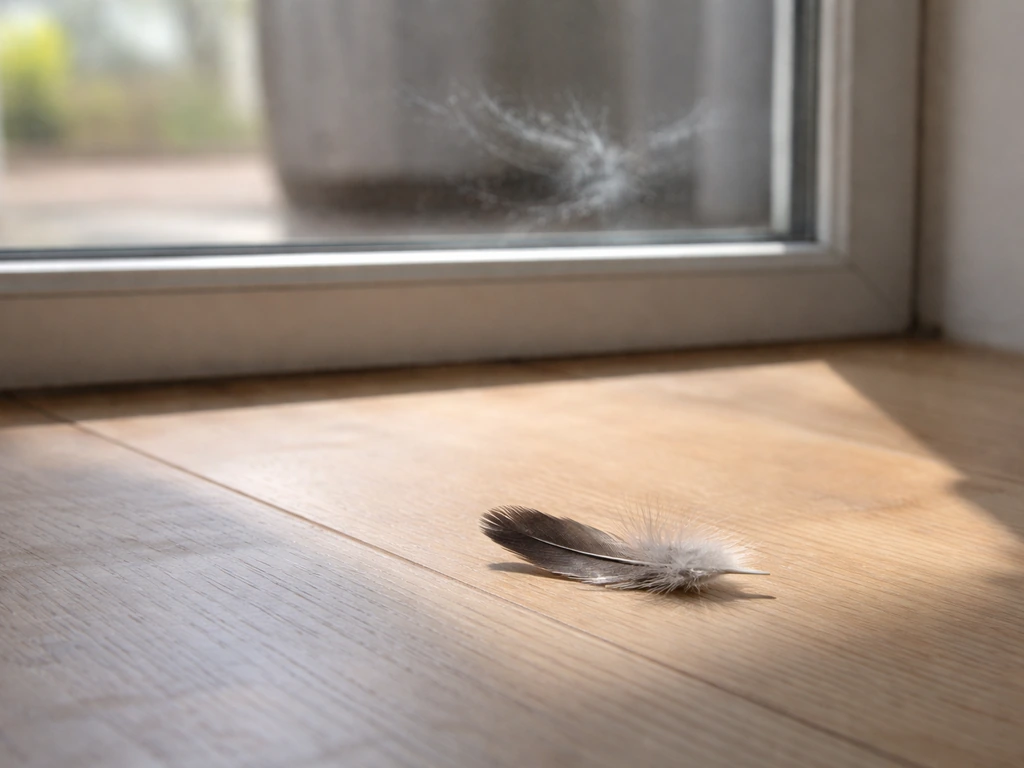
Trauma is a leading cause in wild birds and is not uncommon in pet birds either (window strikes, cat attacks, falls, cage accidents). Internal injuries are not always visible. A bird that looks physically intact can still have internal bleeding, a fractured keel, or head trauma. Grounding and unresponsiveness after a known or suspected collision should always be treated as a potential emergency.
Illness and infection
Respiratory infections are among the most common causes of the withdrawn, fluffed, lethargic presentation. Upper respiratory disease signs in birds include open-mouth breathing, increased respiratory rate, facial and periocular swelling, and oculonasal discharge, alongside tail bobbing, coughing, exercise intolerance, and a generally fluffed or lethargic appearance. If you are trying to compare symptoms, it can also help to know what does a bird cough sound like in real cases of respiratory disease. Beyond respiratory illness, malnutrition (especially in seed-only diets deficient in vitamin A), parasites (internal and external), bacterial or fungal infections, and systemic illness such as kidney disease or liver problems can all produce the same withdrawn, deteriorating picture.
Chronic stress and psychological trauma
A bird that has been housed in a too-small cage, kept in social isolation, handled roughly or inconsistently, exposed to loud unpredictable environments, or recently moved through a major change (new home, loss of a companion, change in routine) can enter a state of chronic psychological distress. This can look indistinguishable from physical illness on the surface. Feather destruction, stereotypic behaviors, and complete behavioral shutdown are all documented outcomes of long-term stress in captive birds. If you have ever looked at a bird and felt it had simply "given up," this is often what you are seeing.
At-home assessment checklist and immediate supportive steps
Before you call a vet or head to a wildlife rehab center, there are things you can safely observe and document right now, and a few supportive measures that are appropriate for almost any distressed bird while you arrange proper care.
Step-by-step assessment
- Observe from a distance first. Do not handle the bird immediately. Watch for 5 to 10 minutes. Note whether it is breathing with an open mouth, whether its tail is bobbing, and whether it responds to movement around it.
- Check the environment. Is the temperature appropriate (most pet birds do best between 65 and 85 degrees Fahrenheit)? Is there fresh food and water? Have there been recent changes (new bird, new location, new people, smoke, fumes, or sprays in the home)?
- Look at the droppings. Healthy droppings have a formed green or brown solid portion, white urates, and a small liquid component. Very watery, entirely white, or absent droppings are concerning.
- Assess body condition by gently restraining the bird briefly. Feel the keel bone (breastbone). If it is prominent and sharp with little muscle on either side, the bird has lost significant weight.
- Check for visible injury. Look for asymmetry, swelling, bleeding, discharge from eyes or nostrils, and feather damage. Note any wounds.
- Document everything before the vet visit. Write down when symptoms started, what changed in the environment, what the bird has been eating, and any recent events. Take short video clips if you can, especially of any abnormal breathing or movement. This information is genuinely useful to an avian vet.
Immediate supportive care (safe for most situations)
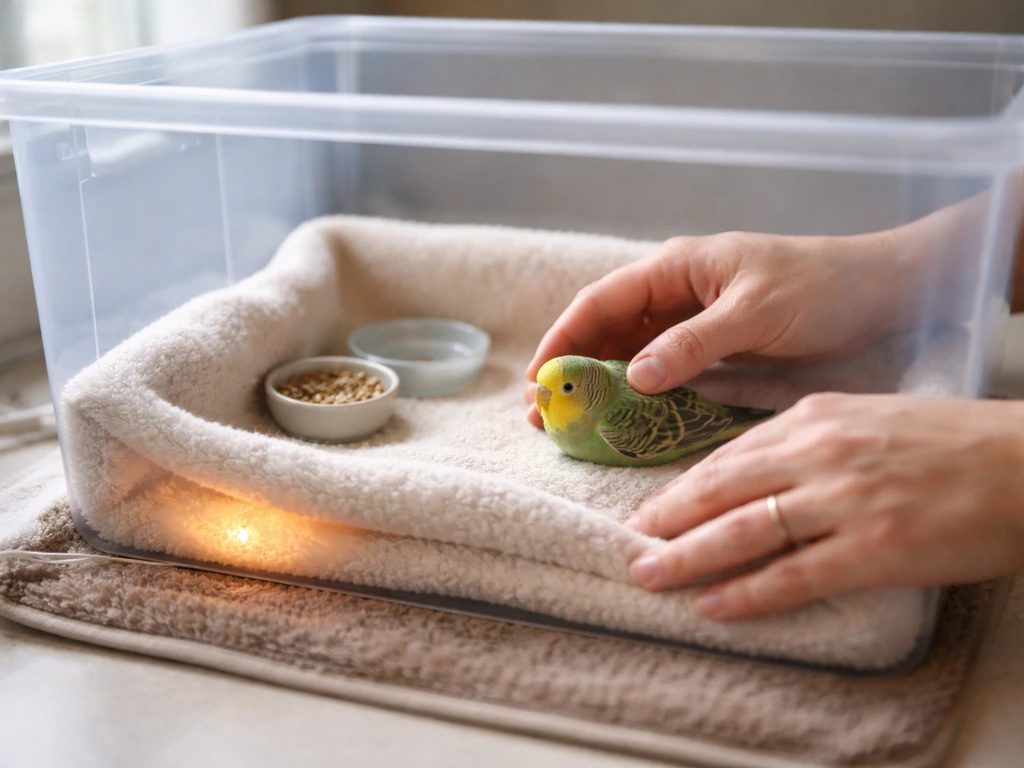
- Provide warmth: place the bird in a quiet, draft-free area at around 85 to 90 degrees Fahrenheit if it appears cold, weak, or fluffed. A heating pad on low under half the enclosure works well, giving the bird a warm and cool side to choose from.
- Reduce stress: cover three sides of the cage with a light cloth, lower activity and noise around the bird, and limit handling to what is necessary.
- Offer easy food and water: place food and water at floor level if the bird is not perching. For wild birds, plain water is appropriate. Do not force-feed.
- Isolate from other birds: this protects both the sick bird and your other birds until you know what you are dealing with.
- Avoid over-the-counter treatments: do not administer human medications, essential oils, or herbal supplements. These can be toxic to birds and may mask symptoms your vet needs to see.
When it is an emergency: red flags that need a vet today
Some situations with a distressed bird are urgent and should not wait for a scheduled appointment. If you see any of the following, contact an avian vet or wildlife rehabilitator as soon as possible, ideally the same day.
- Open-mouth breathing or panting that is not explained by heat or recent exertion
- Tail bobbing visibly with every breath
- Coughing, wheezing, clicking, or labored breathing sounds
- Inability to perch or stand, or falling repeatedly
- Seizure-like activity (convulsions, tremors, loss of coordination)
- Bleeding that does not stop within a few minutes
- Complete unresponsiveness or inability to hold up the head
- Sudden and severe weight loss combined with any other symptom
- A wild bird that allows you to pick it up without fleeing (wild birds that are easy to catch are almost always seriously compromised)
Respiratory symptoms in particular should be treated as urgent. Birds have a unique respiratory system with air sacs that makes infections spread faster and become more serious than in mammals. A bird showing open-mouth breathing and tail bobbing together can deteriorate within hours. Do not wait to see if it improves on its own.
For wild birds, contact a licensed wildlife rehabilitator rather than attempting treatment at home. Search your region's wildlife rehabilitation network or call a local wildlife agency. Handling wild birds without a license is restricted in many areas, and rehabilitators have the species-specific knowledge and medications that make a real difference in outcomes.
What to expect at the avian vet

Avian vets approach a distressed bird systematically. Knowing what to expect helps you prepare and also helps you advocate for your bird during the visit.
What the vet will likely do
- Take a full history: diet, housing, recent changes, how long symptoms have been present, and any other birds in the home
- Perform a hands-on physical exam: body weight (weighed in grams), body condition score, feather quality, eye and nasal clarity, crop assessment, and auscultation of the airways and heart
- Assess breathing and respiratory sounds closely, especially if you have described any open-mouth breathing or tail bobbing
- Order diagnostics based on findings: these commonly include a complete blood count (CBC), blood chemistry panel, and fecal parasite exam; X-rays (radiographs) to look for masses, fluid, fractures, or organ changes; and potentially cultures for bacterial or fungal infection
- Evaluate for nutritional deficiencies: vitamin A deficiency from an all-seed diet is extremely common and causes a range of symptoms that can look like broken bird syndrome
Questions worth asking at the appointment
- Is there a respiratory component we need to treat urgently?
- Do you think this is primarily medical, stress-related, or both?
- What is the most likely diagnosis based on what you are seeing?
- What are the treatment options, and what does recovery realistically look like?
- What changes to diet, housing, or handling do you recommend going forward?
- At what point should I call you back if things are not improving?
Bring your symptom notes and any video clips you took at home. Avian vets often cannot replicate abnormal breathing or neurological symptoms in the clinic because the stress of the visit temporarily masks them, or the bird is simply not showing them at that moment. Your documentation can genuinely change the diagnostic picture.
Prevention and recovery: building a plan that actually works
Recovery from broken bird syndrome, whether the cause was primarily physical or psychological, follows a similar structure: address the immediate problem, stabilize the environment, and then rebuild the bird's resilience over time. If your bird has been kept in a cramped or restrictive setup for a long time, you may also see signs consistent with what is bird cage syndrome. There is no single fix, but there is a practical path forward for both pet birds and rehabilitated wild birds.
For pet birds
- Fix the diet first: a seed-only diet is one of the most common preventable causes of chronic illness and behavioral decline in pet birds. Transition to a nutritionally complete pellet base with fresh vegetables, and get specific guidance from your vet on portion sizes and safe foods for your species.
- Optimize the enclosure: the cage should be large enough for full wing extension and flight movement. Avoid placing it in drafty areas, near kitchens (cooking fumes and non-stick cookware fumes are acutely toxic to birds), or in rooms with heavy foot traffic that prevents rest.
- Create a stable routine: consistent feeding times, consistent light cycles (10 to 12 hours of darkness per night), and predictable social interaction reduce chronic stress significantly.
- Rebuild trust gradually after trauma: if your bird is fearful or psychologically withdrawn, start with simple presence without demands. Sit near the bird and let it acclimate to you at its own pace. Forced handling accelerates behavioral shutdown.
- Schedule annual wellness exams with an avian vet: many illnesses that produce broken bird syndrome symptoms develop slowly and are only caught by a vet examining the bird when it appears relatively healthy.
For wild birds under care
- Minimize human contact and noise during the recovery period: wild birds do not habituate to humans the way pets do, and repeated handling increases stress and can prevent recovery
- House in an appropriate enclosure with natural perches, appropriate temperature, and species-appropriate food
- Work with a licensed rehabilitator for any bird held longer than an emergency overnight: they have the permits, knowledge, and release protocols that give the bird the best chance
- Do not release prematurely: a bird that is not fully flight-capable, eating independently, and showing normal alertness is not ready to survive outdoors
Broken bird syndrome is ultimately a signal, not a sentence. A bird seizure can look dramatic, so if you suspect one, focus on immediate safety and get veterinary or wildlife help right away. If your dog or bird keeps having fainting episodes, it's important to rule out underlying problems like seizures, low oxygen, or severe stress and get avian guidance quickly A bird seizure.
A bird seizure can look similar to other distress symptoms, so it helps to know what does a bird seizure look like when you suspect fainting or abnormal episodes. In many distressed birds, the symptom can look similar, so it helps to distinguish bird regurgitation vs vomiting when evaluating what is going on. bird regurgitation vs vomiting.
Whether what you are seeing is a respiratory infection, a nutritional collapse, a trauma response, or a psychological shutdown from chronic stress, recognizing it early and acting on it systematically gives the bird the best possible chance. Because seizures can mimic other distress symptoms, it also helps to consider what causes bird seizures when you are trying to sort out respiratory infection, nutritional collapse, trauma response, or chronic stress shutdown. If you are trying to identify what does a bird seizure look like, understanding likely triggers helps you make the right urgent-care decisions what causes bird seizures.
The worst outcome is waiting too long because you were not sure it was serious enough. If a bird looks broken to you, trust that instinct and start working through the checklist today. If you are also wondering what bird regurgitation looks like, use this same checklist to compare similar distress signs and decide whether it needs urgent avian attention what does bird regurgitation look like.
FAQ
How can I tell if my bird is “broken” from stress versus a hidden medical emergency?
If the bird’s breathing pattern is abnormal (open-mouth breathing, tail bobbing, rapid or labored respiration) treat it as medical first, even if stress is likely. Also watch for objective changes like facial swelling, discharge around the eyes or nares, sudden loss of appetite, and progressive weakness. Stress can cause illness, but breathing and neurologic signs are usually not safe to attribute to “just stress.”
Is it ever appropriate to try home care before an avian vet visit for broken bird syndrome?
Only for low-risk steps while you arrange care, like minimizing handling, dimming the room, keeping the bird warm (not overheated), and ensuring easy access to food and water. Avoid force-feeding, offering new supplements, or using human cold medications. If respiratory red flags are present, waiting at home is risky and you should seek same-day help.
What should I write down or record so the vet can diagnose faster?
Create a timeline with exact times, what changed first (activity, appetite, breathing, posture), and your best estimates of severity. Note any events in the preceding week (move, loud construction, new pet, fall, window strike). If possible, add a short video showing posture, breathing effort, and whether the tail bobs, because clinic conditions can mask these signs.
If my bird is fluffed and unresponsive, should I offer warmth or heat lamps?
Yes, gentle warmth can help distressed birds while you seek care, but do not overheat and do not use direct heat sources that can cause burns. Aim for a comfortable, stable temperature and keep the bird in a quiet area. If the bird is actively struggling to breathe, focus on urgent veterinary care rather than relying on heat to “fix” the problem.
Can seizures or regurgitation look like broken bird syndrome?
Yes. Dramatic episodes like suspected seizures can be mistaken for general “shutdown,” and regurgitation can be confused with vomiting because both can involve material in and around the beak. If you see stiffening, paddling, sudden collapse, repeated unresponsiveness, or abnormal feeding behavior, treat it as a distinct symptom cluster and tell the vet what you observed.
For wild birds, what if I find one grounded and it seems “broken” but I’m not sure if it’s sick or injured?
Treat it as urgent. Contact a licensed rehabilitator rather than attempting treatment at home, especially because internal injuries and respiratory infections can look similar from the outside. Limit handling, keep it in a warm, dark, quiet container, and do not offer food or water unless instructed by the rehabilitator.
What are common mistakes owners make when they try to manage broken bird syndrome at home?
The most common errors are waiting too long for breathing or lethargy to improve, overhandling a frightened bird, and making dietary changes (like switching seed types or adding supplements) during an acute illness. Another frequent mistake is assuming the bird is “just depressed” when there is facial swelling, discharge, coughing, or progressive weakness.
How quickly can respiratory disease worsen in birds?
Respiratory illness can escalate fast in birds, sometimes within hours, particularly when you see open-mouth breathing and tail bobbing together. Because birds have air-sac anatomy that makes disease spread more broadly, early evaluation can significantly change outcomes.
What questions should I ask the avian vet or rehabilitator during the visit?
Ask what they think is most likely driving the “broken” presentation and what they want to rule out first (especially respiratory disease, toxic exposure, trauma, and systemic illness). Request clarity on diagnostic steps such as imaging, respiratory assessment, and baseline bloodwork when appropriate. Also ask what changes you should make immediately at home or during transport, and what warning signs mean you should return urgently.
Next Article
Bird Trauma Symptoms: Signs, Triage, and First Aid Steps
Recognize bird trauma symptoms, triage urgency, and give safe first aid for bleeding, fractures, head injuries, and shoc