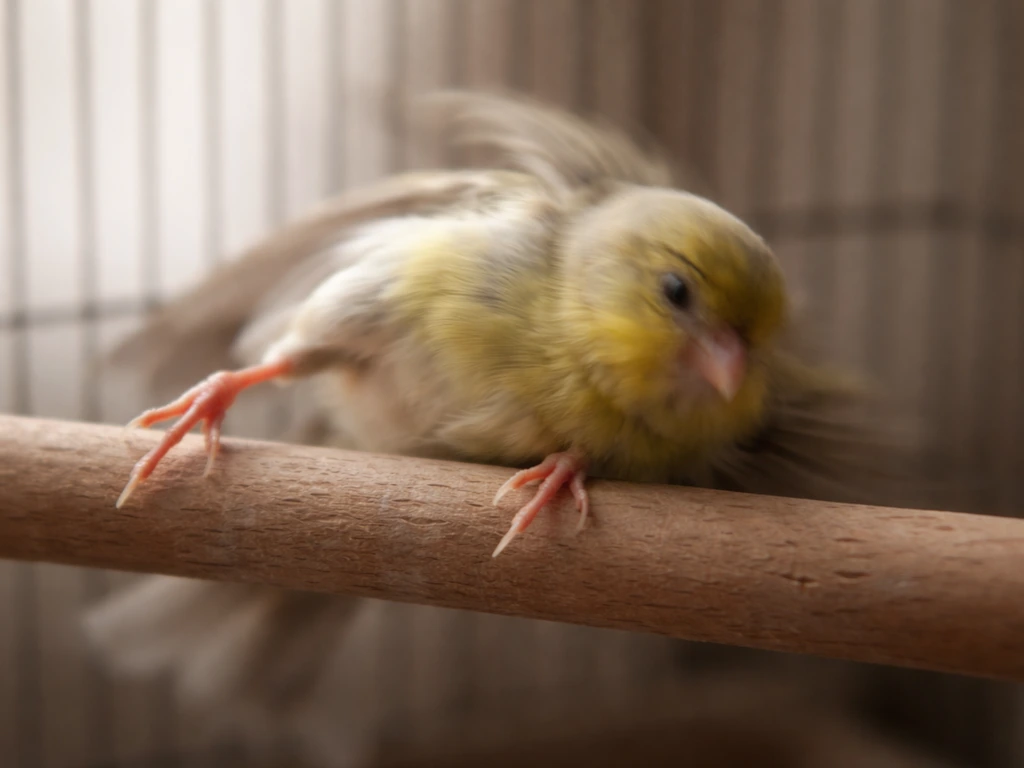
Bird regurgitation looks like this: your bird stretches its neck forward and upward, bobs its head rhythmically, and then brings softened or partially digested food up into the mouth or onto a surface. The motion is deliberate and muscular but not violent. The material is usually chunky, wet, and undigested-looking, sometimes still recognizable as seeds or pellets. It typically lands in a small, neat pile rather than being sprayed around the cage.
What Does Bird Regurgitation Look Like? Signs and Causes

Marcus Webb
26 Apr 2026
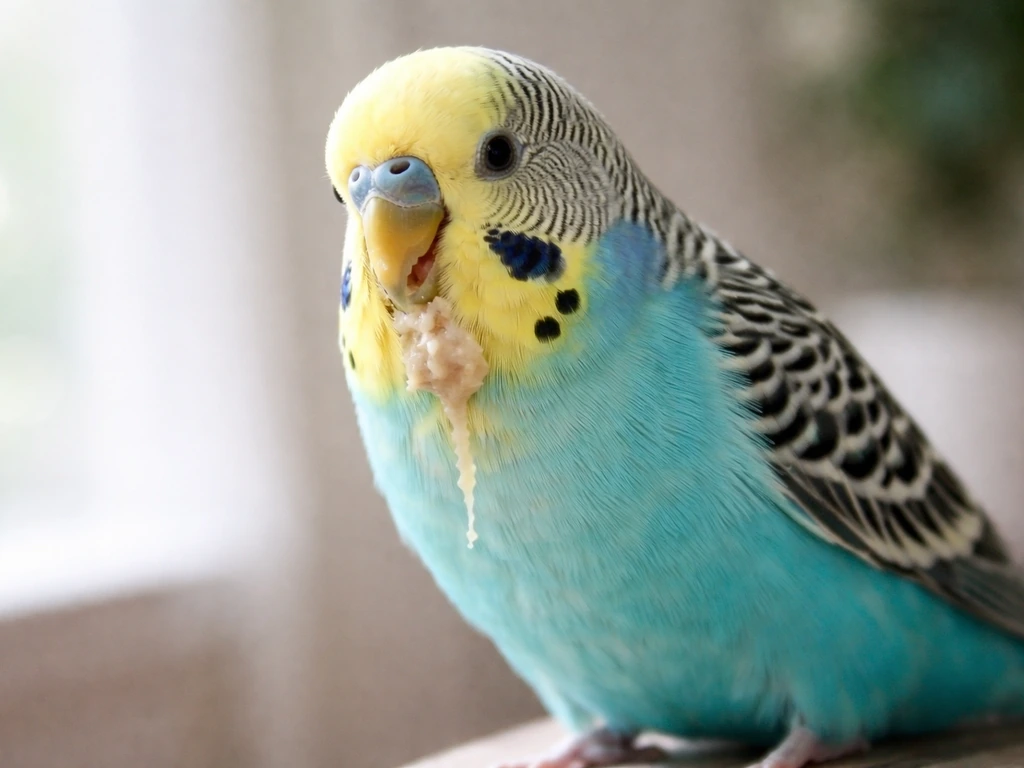
What regurgitation actually looks like (posture, timing, and discharge)
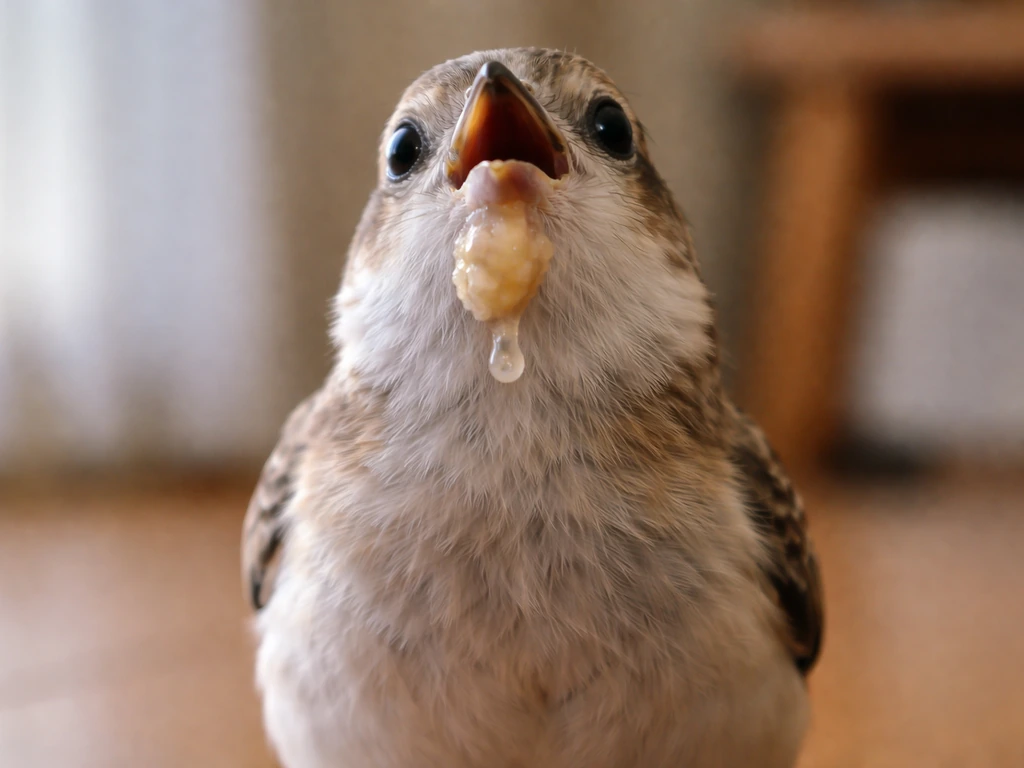
The posture is the first thing to notice. A bird that is regurgitating will often stand upright or lean slightly forward, extend its neck, and tilt its head back. You may see the throat or crop area working as the food moves up. The head bobs, sometimes vigorously and repeatedly, in a pumping motion. This can last anywhere from a few seconds to a minute or two.
The discharged material tends to be soft, moist, and clumped. Seeds or pellets may be partially broken down but still identifiable. You might notice it on a toy, a mirror, a perch, a cagemate, or even on your hand if the bird is bonded to you. In some cases the material gets on the bird's own head or facial feathers, especially if it shakes its head while bringing food up, which can cause matting around the beak and face.
Timing matters too. Normal, behaviorally driven regurgitation tends to happen at predictable moments: during interaction with you, near a mirror, during apparent 'feeding' of a toy or another bird, or during morning activity. Illness-related regurgitation is less predictable and may happen repeatedly throughout the day regardless of what the bird is doing.
The crop (the pouch at the base of the neck) may look full or distended before a regurgitation episode, and you might notice the bird stretching or working that area. After the episode, the crop may appear smaller or flatter. If you see the crop staying large or doughy for hours after eating, that is a separate red flag covered below.
Regurgitation vs vomiting vs respiratory distress: how to tell them apart
These three things can look similar at a glance, but they have real differences that help you figure out how worried to be.
Regurgitation
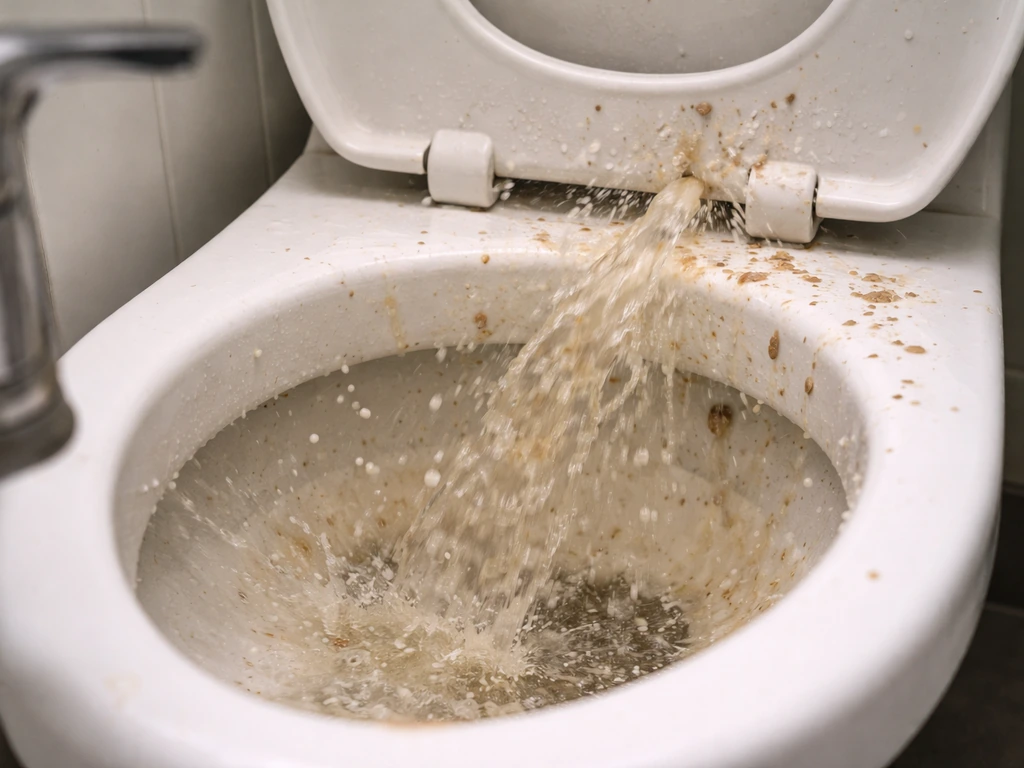
Regurgitation is relatively passive compared to vomiting. Vomiting is more forceful and less passive than bird regurgitation, so comparing the two can help you decide how concerned to be. The bird is conscious and in control. The head-bobbing motion is deliberate, the food comes up from the crop or upper GI tract, and blank" rel="noopener noreferrer">the material is largely undigested. The bird usually looks calm before, during, and after. It may even seem pleased with itself, especially if it is offering the food to you or a companion.
Vomiting
Vomiting involves more force and more visible effort. You may see active contraction of the neck and abdominal muscles, head shaking or flinging, and material being sprayed rather than deposited neatly. Vomiting, however, is described by Birds Online as involving a typical pumping movement of the crop, and food can be mistaken for vomit or mucus on the face after feeding situations. The food is likely to end up on the cage walls, the bars, or matted onto the bird's own head and body feathers. Vomited material may also smell more sour or acidic because it is coming from further down the digestive tract. A bird that has been vomiting repeatedly will often look miserable, fluffed up, or lethargic, not calm and engaged like a bird performing courtship regurgitation.
Respiratory distress and gagging
Respiratory distress can be mistaken for regurgitation or vomiting because the bird may open its mouth repeatedly and appear to be struggling to move something. But with respiratory distress, you are looking at open-mouth breathing, audible wheezing or clicking sounds, tail bobbing (the tail pumps up and down with each breath), and a bird that looks genuinely panicked or exhausted. There is no food coming up. The bird may sit low on the perch, fluff its feathers, and seem unresponsive to stimulation. This is an emergency. It is worth reading up on bird cough sounds as a separate concern because sometimes what looks like gagging or retching is actually a respiratory symptom. If you are hearing odd cough sounds from your bird, that can point to respiratory distress rather than regurgitation bird cough sounds.
Aspiration is a different but related risk: if a bird inhales food or liquid (common in hand-fed babies being syringe-fed too fast), it can develop aspiration pneumonitis, which may progress to aspiration pneumonia. Signs include sudden respiratory distress during or immediately after feeding, gurgling sounds, and labored breathing. This is a vet emergency, not a wait-and-see situation.
| Sign | Regurgitation | Vomiting | Respiratory Distress |
|---|---|---|---|
| Head/neck motion | Rhythmic bobbing, deliberate | Forceful retching, flinging | Stretching open to breathe |
| Material expelled | Soft, undigested, clumped food | Sour, partially digested, sprayed | None (or nasal discharge) |
| Where material lands | Neat pile, on companion/toy | Scattered on cage/bird's feathers | Not applicable |
| Bird's demeanor | Calm, often engaged | Distressed, lethargic | Panicked, exhausted, fluffed |
| Sounds | Usually silent | May retch audibly | Wheezing, clicking, tail bob |
| Urgency | Context-dependent | Usually needs vet attention | Emergency |
When regurgitation is completely normal
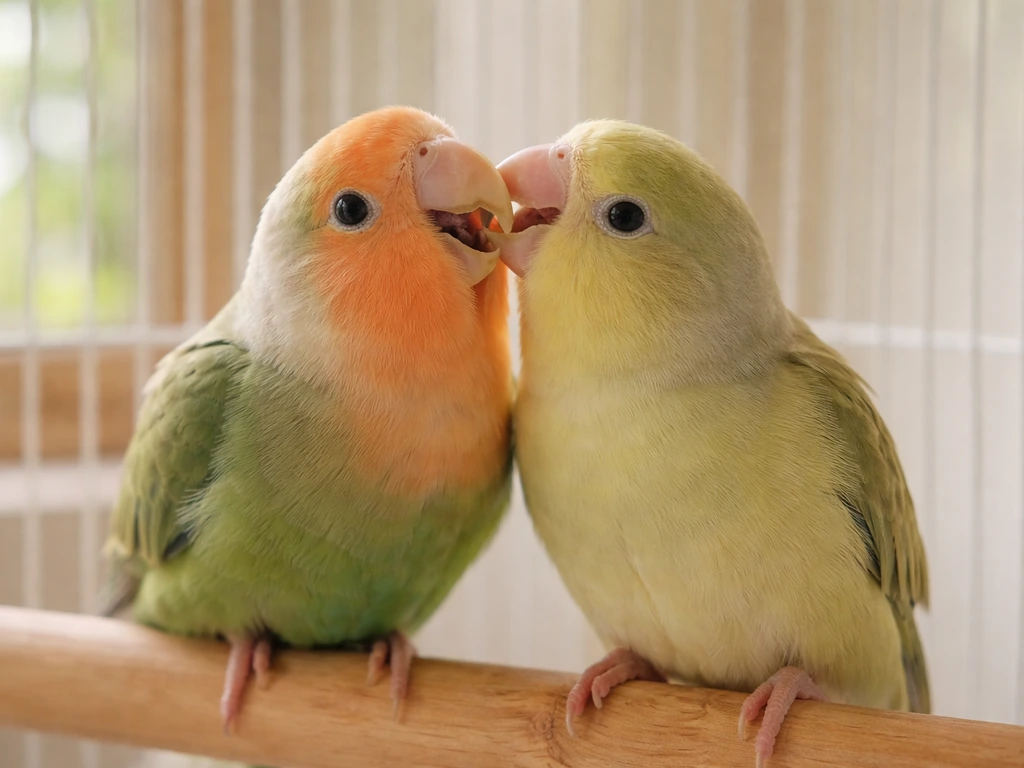
Regurgitation is a normal, hardwired behavior in birds. Understanding the context is half the battle in figuring out whether you need to worry.
Courtship and bonding feeding
This is probably the most common reason a healthy pet bird regurgitates. Macaws, cockatiels, budgerigars, and many other species feed their mates or favored companions as part of bonding and courtship. If your bird regurgitates toward you, a mirror, a toy, or a cagemate, it is essentially telling you it loves you. The behavior is calm, purposeful, and typically paired with other affectionate signals like fluffed feathers, singing, or gentle contact.
Begging behavior in young birds
Fledglings and juveniles beg for food with head-bobbing and wing-fluttering, and they may regurgitate and re-swallow food as part of normal feeding-related activity. In very young hand-fed birds, you may see food moving visibly in the crop and some passive movement at the beak area. This is different from illness-related regurgitation, which tends to be accompanied by other symptoms.
Hand-feeding and human-bonded birds
Birds that were hand-fed as chicks often maintain a strong feeding-related bond with their human caregivers. They may regurgitate toward your hand, your face, or your clothing as an expression of affection. While this is behaviorally normal, it is worth gently discouraging if it becomes excessive, as it can be a sign of over-bonding or hormonal behavior that creates stress for the bird.
When regurgitation signals a health problem
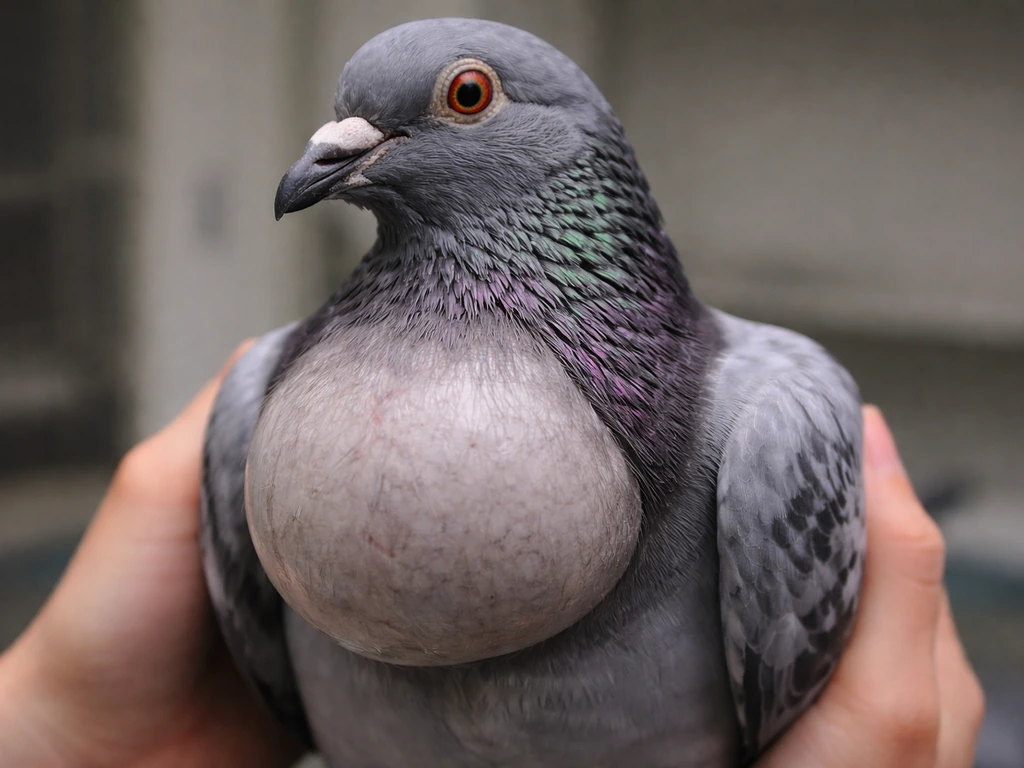
Regurgitation on its own is not a diagnosis of any single disease. Broken bird syndrome is another important crop-related cause to ask about if regurgitation comes with poor growth or lethargy. It is a sign that something is happening in the crop or upper GI tract, and the cause could range from mild irritation to serious infection. If regurgitation is paired with poor growth, lethargy, or other crop troubles, also consider Broken bird syndrome as a related crop condition your vet may want to rule out. Here are the main medical causes to know about.
Crop stasis (sour crop)
Crop stasis happens when the crop stops moving food into the stomach at a normal rate. Food sits and ferments, which is why this is also called sour crop. Signs include a crop that remains full, doughy, or distended more than 6 hours after eating, regurgitation paired with reduced appetite, and sometimes a sour or foul smell from the mouth. In baby birds, the benchmark is simple: the crop should empty within about 6 hours of a feeding. If it has not, that is a reason to contact a vet promptly. In adult birds, crop stasis can be caused by infections, foreign body ingestion, or systemic illness.
Yeast infection (candidiasis)
Candida yeast infections are a common cause of crop problems in pet birds, particularly in cockatiels, lovebirds, and young birds on antibiotics (which disrupt normal gut bacteria). Signs can include regurgitation, white or gray plaques visible in the mouth or crop area, a thickened crop, and lethargy. Diagnosis typically requires crop cytology or culture. This is not something to try to treat at home without vet guidance, as antifungal treatment needs to be matched to the specific organism.
Trichomoniasis
Trichomoniasis is a protozoal infection particularly common in budgerigars, cockatiels, and doves. It causes regurgitation, mucus in the crop, and often yellow or white plaques in the mouth and throat. Birds may have difficulty swallowing. If you see mouth lesions alongside regurgitation, this is one of the differentials your vet will consider.
Avian chlamydiosis (psittacosis)
Avian chlamydiosis, caused by Chlamydia psittaci, can cause a mix of respiratory and gastrointestinal signs including regurgitation. It is worth knowing about because it is zoonotic (it can infect humans), and it is reportable in some jurisdictions. Diagnosis requires specific testing including PCR, and a negative test does not completely rule it out. If your bird is showing both GI and respiratory signs, especially with eye or nasal discharge, this is one reason not to delay seeing a vet.
Other infections and foreign body ingestion
Bacterial crop infections, heavy metal toxicity (lead or zinc ingestion from toys or cage hardware), and foreign body ingestion can all cause regurgitation. If you have any reason to think your bird may have swallowed something it should not have, treat this as urgent.
Symptom checklist: match what you're seeing right now
Go through this list and note which items apply to your bird. The more items you check off in the 'concerning' column, the faster you should move toward veterinary care.
| What you observe | Likely normal | Possibly concerning | Urgent: contact vet now |
|---|---|---|---|
| Head bobbing toward you, a toy, or cagemate | Yes, if bird is calm and otherwise healthy | ||
| Soft, undigested food deposited neatly | Yes, if isolated and context is bonding/courtship | ||
| Food sprayed or matted onto feathers/cage walls | Yes | ||
| Crop still full and doughy 6+ hours after eating | Yes | ||
| Repeated regurgitation throughout the day | Yes | ||
| Foul or sour smell from mouth or crop | Yes | ||
| White or yellow plaques in mouth or throat | Yes | ||
| Reduced appetite alongside regurgitation | Yes | ||
| Lethargy, fluffed feathers, sitting low on perch | Yes | ||
| Open-mouth breathing, tail bobbing, wheezing | Yes | ||
| Nasal or eye discharge | Yes | ||
| Inability to swallow or signs of choking | Yes | ||
| Signs of dehydration (skin tenting, sunken eyes) | Yes | ||
| Suspected ingestion of metal, toxin, or foreign object | Yes | ||
| Seizure-like activity or collapse | Yes |
What to do right now
If you have just seen your bird regurgitate and you are not sure what caused it, here is what to do in the next hour.
- Watch and do not intervene immediately. Observe for another 10 to 15 minutes. Is the bird acting normally after the episode? Is it eating, drinking, and interacting? Or is it sitting hunched, quiet, and disengaged?
- Note the details for the vet. Write down: how many times the bird regurgitated, what the material looked like and smelled like, where it landed, what the bird was doing before and after, and whether this has happened before.
- Check the crop. Gently feel the area at the base of the neck. Is it soft and empty, or full and doughy? Does it seem painful to the touch (bird flinches or vocalizes)?
- Remove any potential irritants. If the bird has been around new foods, new toys, or anything it could have chewed or swallowed, remove those items and make a note.
- Do not give anything by mouth to try to 'treat' the crop at home. No oils, no probiotics, no extra water pushed by syringe. Well-meaning interventions can make things worse, especially if there is a crop obstruction.
- If you hand-feed baby birds, pause the feeding session if you suspect aspiration. Check for any signs of respiratory distress before continuing.
- Keep the bird warm and calm. Stress makes many GI conditions worse. A quiet, warm environment helps while you assess next steps.
- Clean the cage area where material was expelled. Good hygiene reduces the chance of the bird re-ingesting expelled material, which can introduce or worsen infection.
Species and age: how context changes what you're seeing
Regurgitation looks the same across most species, but the context and causes differ. In macaws, regurgitation toward a person is almost always normal bonding behavior. In cockatiels and budgerigars, candidiasis and trichomoniasis are more common medical causes. In lovebirds, candidiasis is also a frequent culprit. In baby birds of any species, a crop that will not empty is a red flag that needs prompt attention, and the risk of aspiration during hand-feeding is real and serious.
Older birds or birds on long-term antibiotic treatment are more susceptible to yeast overgrowth in the crop. If your bird has recently finished a course of antibiotics and is now regurgitating, mention that to your vet right away.
When to call an avian vet (and when to go right now)
Some regurgitation is a non-emergency that you can monitor for a day. In some cases, repeated regurgitation patterns that do not fit typical illness or courtship can be described as broken bird syndrome, and it still deserves veterinary attention. Some is genuinely urgent. Use this to decide.
Call your vet today (non-emergency but do not wait)
- Regurgitation has happened more than once in the past 24 hours with no obvious behavioral cause
- The crop feels full, doughy, or swollen hours after eating
- The bird's appetite has decreased alongside regurgitation
- The material smells sour or foul
- You can see plaques, redness, or unusual material in the mouth or throat
- The bird is losing weight noticeably
- This is a baby bird that is not emptying its crop normally
Go to an emergency avian vet now
- Open-mouth breathing, tail bobbing, or audible wheezing or clicking (any sign of labored breathing is an emergency)
- The bird is lethargic, collapsed, or unresponsive
- There is blue or gray discoloration around the beak or feet (cyanosis)
- Nasal or eye discharge alongside regurgitation
- The bird cannot swallow or appears to be choking
- You suspect the bird inhaled food during hand-feeding
- There are signs of dehydration: skin that stays tented when gently pinched, sunken eyes, dry mouth
- You think the bird has ingested metal, a toxic plant, or a foreign object
- The bird is having seizure-like episodes or collapsing
Respiratory signs and regurgitation together are a particularly serious combination. Birds can deteriorate fast, and avian respiratory emergencies need to be treated as urgent regardless of what else is going on. It is also worth knowing that symptoms like bird seizures can sometimes occur alongside severe systemic illness, so if you are seeing unusual neurological behavior, do not wait. If you suspect a bird seizure, watch for patterns like sudden uncontrolled movements and loss of coordination, and contact an avian vet right away bird seizures. If you are noticing bird seizures alongside other symptoms, it helps to review what causes bird seizures so you can describe the pattern clearly to your avian vet. If your bird is fainting or acting unusually, also consider the broader causes behind why does dog bird keep fainting hwarang as an adjacent red-flag topic to discuss with your vet. In severe cases, what people call a seizure in birds can show up alongside other signs of serious illness bird seizures.
What to tell your vet (and what to bring)
Before the appointment, collect as much information as you can. Avian vets can diagnose regurgitation causes much faster when they have a clear picture from you.
- How many regurgitation episodes you have seen and over what time period
- A description of the material: color, texture, smell, and where it landed
- The bird's diet and any recent diet changes
- Whether the crop feels abnormal and how long it seems to stay full
- Any recent medications or supplements, including antibiotics
- Any new items in the cage the bird could have chewed or swallowed
- A fresh dropping sample in a clean container (within 4 hours if possible)
- A short video of the behavior if you can safely capture one, as it helps the vet see exactly what you are describing
The vet will likely want to do a crop wash or cytology to look for yeast, bacteria, or parasites, and may also run bloodwork or imaging depending on what they find. The more information you bring, the more targeted the workup can be. Regurgitation on its own is not a diagnosis, but with the right details, your vet can figure out the cause quickly and give your bird the best chance of recovery. If you are seeing persistent regurgitation with behavioral or housing-related issues, it can be worth also looking into what is bird cage syndrome as a related consideration.
FAQ
Is it normal for my bird to regurgitate more than once a day?
It can be normal if it is tied to bonding cues (like seeing you, a mirror, or a chosen cage mate) and your bird stays alert with a normal crop feel. If regurgitation becomes frequent and occurs at random times, or you notice lower appetite, weight changes, or the crop stays unusually full, switch from monitoring to a vet call.
How can I tell if the “pile” on the cage floor is regurgitation or something else?
Regurgitation usually creates a small, clumped deposit, not a fine spray. If you regularly find wet streaks on cage walls, bars, or far-away corners, and the bird seems strained or unhappy, think vomiting. If there is no food or only mucus, and the bird shows open-mouth breathing or tail bobbing, consider respiratory distress instead.
My bird regurgitated, then swallowed again, is that less concerning?
Often it is less worrisome, especially in juveniles or courtship behavior where the bird re-swallowing food is part of normal feeding. Still, check the context and crop after, if the crop remains doughy or distended for hours, or regurgitation keeps happening outside normal bonding or feeding routines, it still warrants veterinary input.
Should I remove toys, mirrors, or “bonding” items if my bird keeps regurgitating?
If the regurgitation clearly follows bonding cues, you can reduce rehearsal by limiting access to the trigger for short periods (for example, a mirror during the day) and observe whether frequency drops. Do not abruptly stop all interaction, and do not ignore medical signs like sour smell, mouth plaques, lethargy, or a persistently full crop.
What crop timing should I use if I feed pellets or soft foods at different times?
Use the same practical benchmark the article mentions, the crop should typically empty within about 6 hours after a feeding in baby birds. For adults, do not wait if the crop stays distended or doughy for many hours, or if regurgitation is paired with reduced appetite, foul odor, or weight loss. When schedules vary, track feeding times and regurgitation times so you can describe patterns to your vet.
Can hand-feeding accidentally cause regurgitation or aspiration?
Yes, rushed or large-volume syringe feeding can lead to aspiration rather than deliberate regurgitation. Aspiration signs often show up during or right after feeding as sudden breathing changes or gurgling, and it is an emergency. To reduce risk, slow the pace and give smaller amounts, but if you see any breathing difficulty afterward, seek urgent care.
Does regurgitation always mean illness like crop stasis?
No, regurgitation is a normal bird behavior, especially during courtship or feeding-related bonding. Crop stasis is more likely if the crop stays full or doughy well past normal digestion timing, regurgitated material smells sour, or appetite drops. If only the behavior cues are present and your bird otherwise looks normal, it is more likely benign.
What mouth signs during regurgitation mean I should suspect infection?
If you see visible plaques or abnormal material in the mouth or throat (white, gray, or yellowish) along with regurgitation, or you notice difficulty swallowing, that increases the chance of yeast or protozoal causes. Mouth lesions, thickened crop feel, and lethargy are strong “do not wait” indicators for a targeted crop evaluation.
If my bird finishes antibiotics and then regurgitates, is that likely yeast?
It can be, because antibiotics can disrupt normal gut balance and promote yeast overgrowth in the crop. Still, do not assume, since other causes can mimic it. Tell your vet the antibiotic name, dose, duration, and when the course ended, so they can decide whether crop cytology and fungal testing are the priority.
When should I stop monitoring and book an emergency appointment?
Treat it as urgent if you see breathing trouble (open-mouth breathing, wheezing or clicking, tail bobbing), signs of sudden severe weakness, repeated episodes with a miserable demeanor, or any sudden change during or immediately after feeding that could indicate aspiration. Also seek urgent help if the crop stays distended for hours, there is sour or foul odor, or you suspect the bird swallowed a foreign object.
Next Article
What Does a Bird Seizure Look Like What to Do Fast
Spot a bird seizure fast: jerking, thrashing, loss of balance, collapse, unresponsiveness, and what to do and avoid.