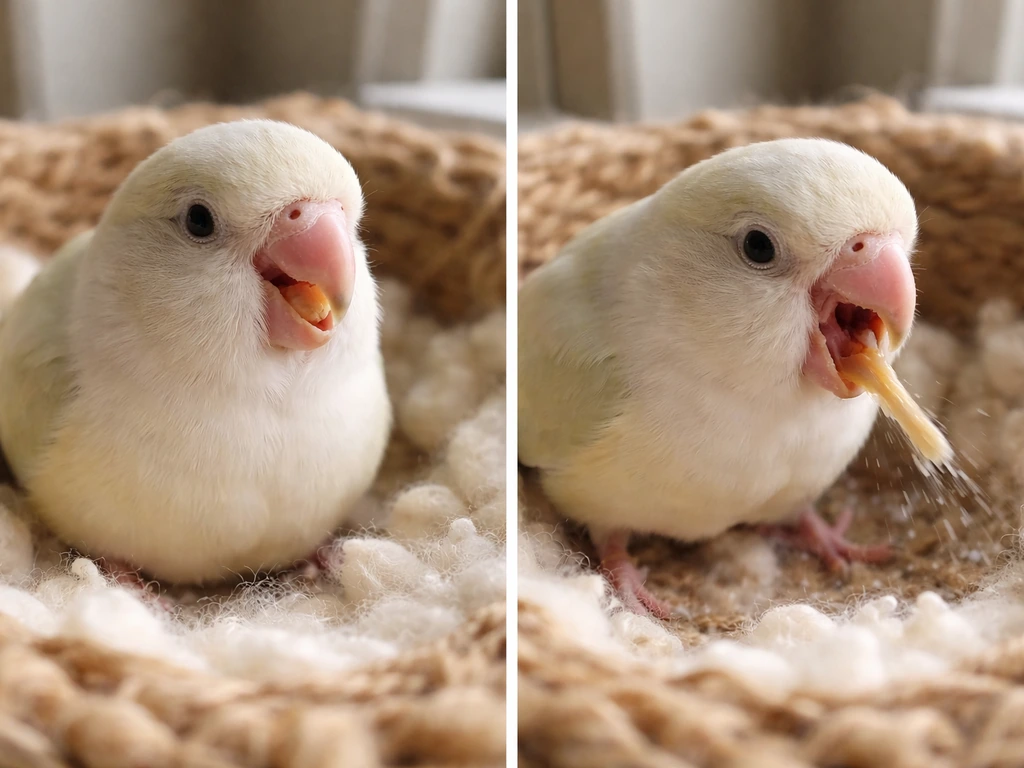
A bird seizure typically looks like a sudden loss of control: the bird falls off its perch, goes rigid or starts thrashing, paddles its legs rapidly, flaps its wings uncontrollably, and may twitch or vocalize. It usually lasts seconds to a couple of minutes, and afterward the bird often sits stunned, disoriented, or exhausted. If you just watched your bird do something like that, this guide will walk you through what you saw, what to do right now, and when to call a vet.
What Does a Bird Seizure Look Like What to Do Fast

Marcus Webb
23 Apr 2026
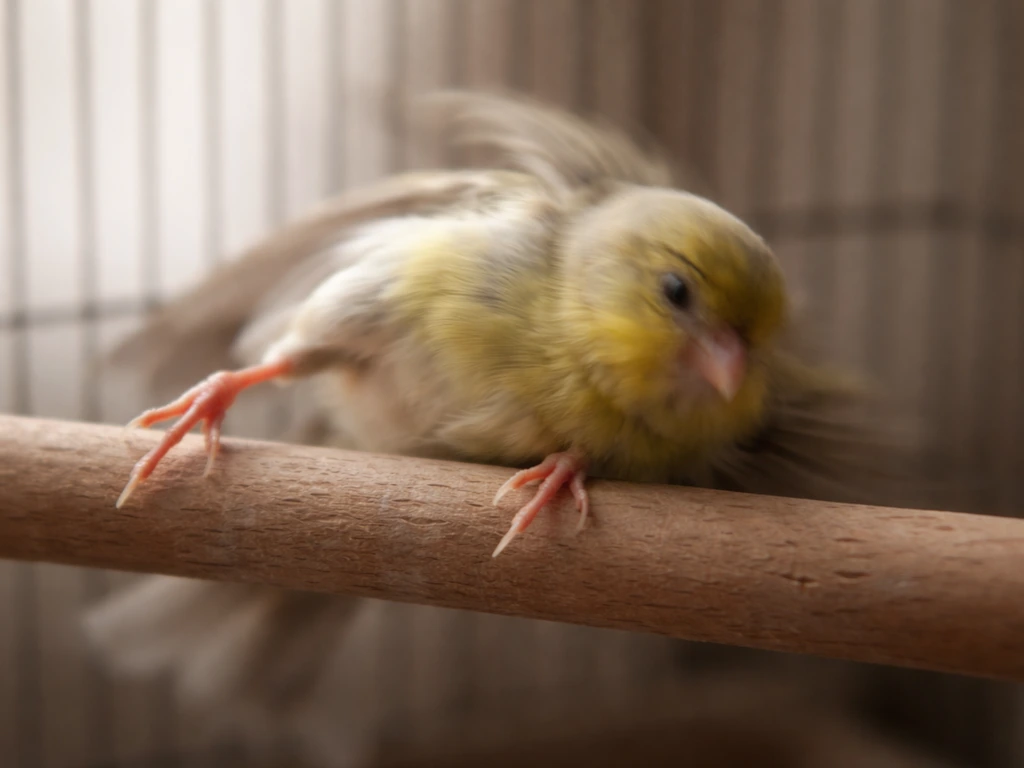
What a bird seizure actually looks like
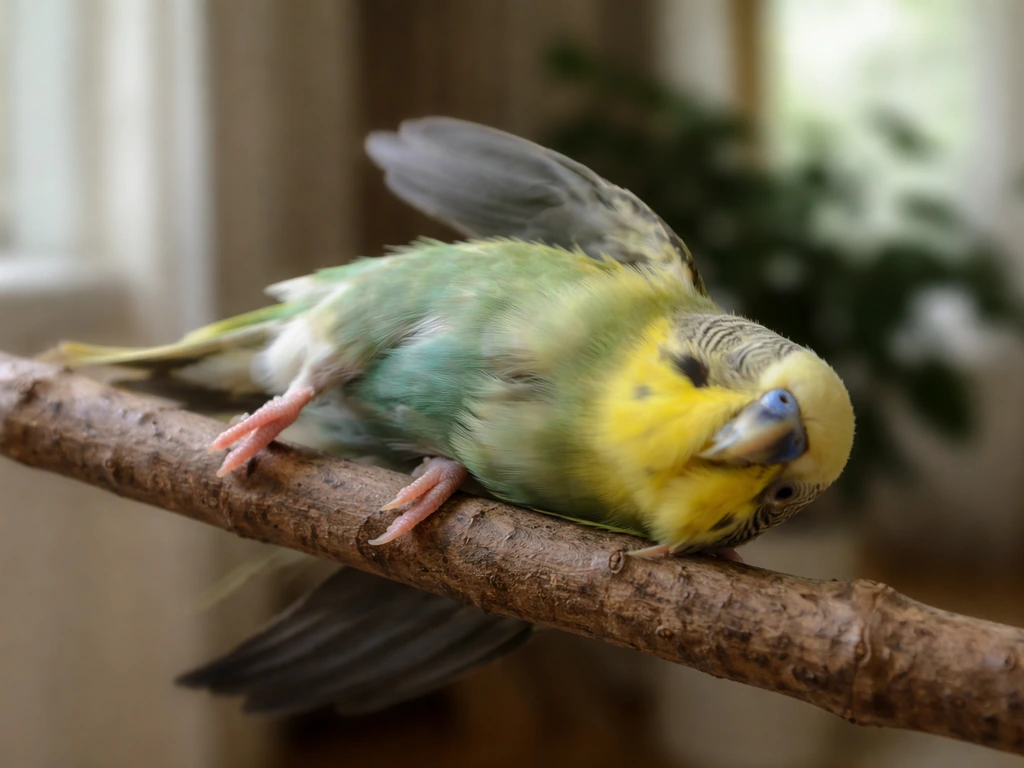
The most recognizable signs happen fast and without warning. One second the bird is perched normally, the next it drops or collapses. The body may go stiff first, then shift into rapid, jerky movements the bird clearly cannot control. Here are the specific things you are likely to see:
- Sudden falling from the perch or off a branch
- Body stiffening, sometimes curling into an abnormal posture
- Rapid leg paddling, as if running on its back
- Uncontrollable wing flapping or thrashing
- Head or neck twitching, bobbing, or rolling
- Eyes appearing glazed, rolled, or unresponsive
- Brief vocalizing (screaming or unusual sounds) during the episode
- Complete unresponsiveness to you or the environment while it is happening
- Collapse with no ability to right itself
After the seizure stops, expect a recovery phase called the post-ictal period. The bird may sit on the cage floor looking dazed, have trouble standing or balancing, or seem exhausted and confused. Bird cage syndrome is another condition that can lead to neurological signs in pet birds, so it is important to consider the bird’s environment too. This can last anywhere from a few minutes to longer. The bird is not fully back to normal during this window even though the visible shaking has stopped.
How it can look different depending on the situation
Pet birds on a perch
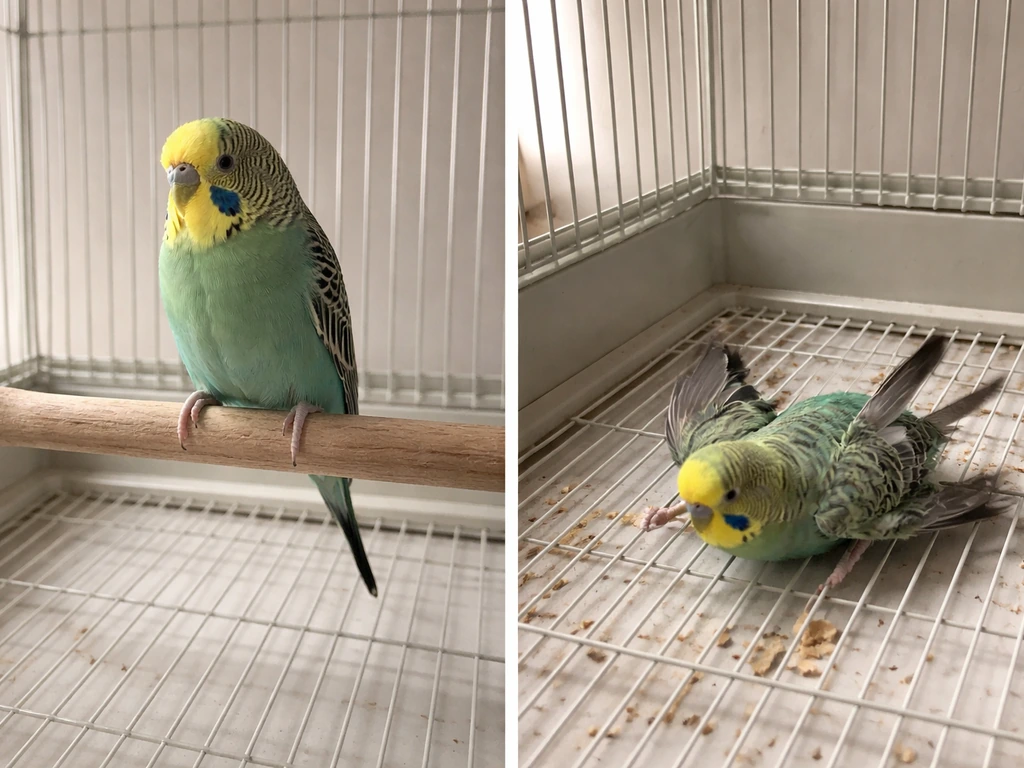
For a caged pet bird, a seizure almost always starts with the bird dropping. You may hear the thud before you see anything. On the cage floor it will paddle, thrash, or lie on its side twitching. Smaller birds like parakeets and finches tend to look even more dramatic because their small bodies move fast during paddling. Larger parrots may be more rigid and less flailing, but the loss of voluntary control is the same.
During flight or free-roaming time
A bird that seizes during flight will drop suddenly and land hard. It may have struck a wall or window just before, which can itself cause a seizure from head trauma. If you find your bird on the floor with no clear reason it came down, a seizure or head injury should be on your list of possibilities immediately.
Wild birds
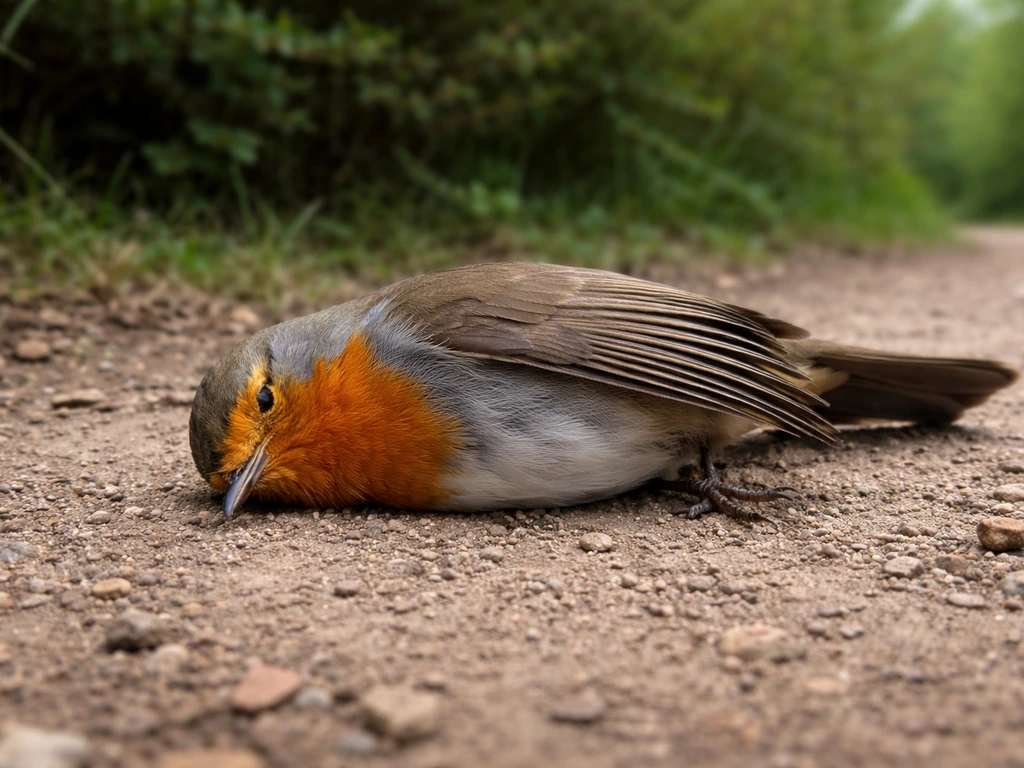
With a wild bird, you are more likely to find it on the ground already. A wild bird having or recovering from a seizure will often be completely unable to fly, lying on its side or flopping around with uncontrolled movements. It will not respond to your approach the way a healthy bird would. Nestlings found convulsing may look like they are gasping or shuddering rhythmically. If you are trying to figure out whether your bird is coughing, the sound can help distinguish normal calls from seizure-like episodes what does a bird cough sound like. Wild birds are also prone to heat exposure and toxin contact, both common seizure triggers.
Seizures vs. look-alikes: how to tell them apart
This is genuinely tricky because several other conditions can look similar at a glance. Broken bird syndrome is one such condition that can mimic a seizure in some cases. Vomiting can also look alarming, but it is different from bird regurgitation and from seizure-like activity. Birds can also make cough or gag-like sounds, which may be mistaken for seizure activity, so it helps to know what those noises typically mean Vomiting. Getting this right matters because the response is different for each one.
| Condition | What it looks like | Key difference from a seizure |
|---|---|---|
| Seizure | Sudden collapse, stiffening, paddling, twitching, unresponsiveness, post-ictal confusion | Involuntary, uncontrolled movements; bird is non-responsive during episode |
| Vestibular episode (inner ear) | Loss of balance, head tilt, rolling eye movements, disorientation, possible leg paddling while trying to right itself | Bird stays somewhat aware; head tilt often persists after episode; no full body stiffening or thrashing |
| Fainting / syncope | Sudden collapse or limpness, brief unresponsiveness, quick recovery with no paddling or twitching | Usually very brief, no convulsive movements, recovers faster with no confusion period |
| Tremors | Fine, rhythmic shaking of the body or specific body part, bird often remains perched | Controlled, repetitive, localized shaking rather than full-body loss of control; bird stays on perch |
| Respiratory distress | Open-mouth breathing, tail bobbing, labored chest movement, possible wheezing or clicking sounds | No loss of balance or consciousness; bird is clearly working to breathe but remains upright |
| Overheating / heatstroke | Panting, wings held away from body, weakness, disorientation, may progress to collapse | Usually a buildup rather than sudden onset; bird looks hot and distressed before collapsing |
Vestibular episodes deserve a specific callout because they are probably the most common source of confusion. A vestibular episode can look different from what you might see with what does bird regurgitation look like, so comparing the overall behavior helps you decide how urgently to call a vet. A bird with a vestibular problem will tilt its head, have rolling or flickering eye movements, and struggle to balance. It may even paddle its legs while trying to right itself.
But unlike a true seizure, it usually retains some awareness and does not go fully rigid. The head tilt often persists after the episode, which is a useful clue. If you are unsure whether what you saw was a seizure or a vestibular event, treat it as serious either way and contact a vet.
It is also worth noting that some conditions that cause seizures, like heavy metal toxicity or metabolic problems, can also cause tremors, weakness, or fainting-like episodes at lower severity levels. Merck Veterinary Manual notes that blank" rel="noopener noreferrer">acute hypocalcemia in birds can cause weakness, tremors, and seizures. This article also covers why fainting episodes in a specific context, like a dog and bird situation involving Hwarang, can be mistaken for seizure-like events fainting-like episodes. So a bird that was trembling or acting off earlier in the day before a full seizure episode is giving you important history to share with your vet.
What to do during a suspected seizure
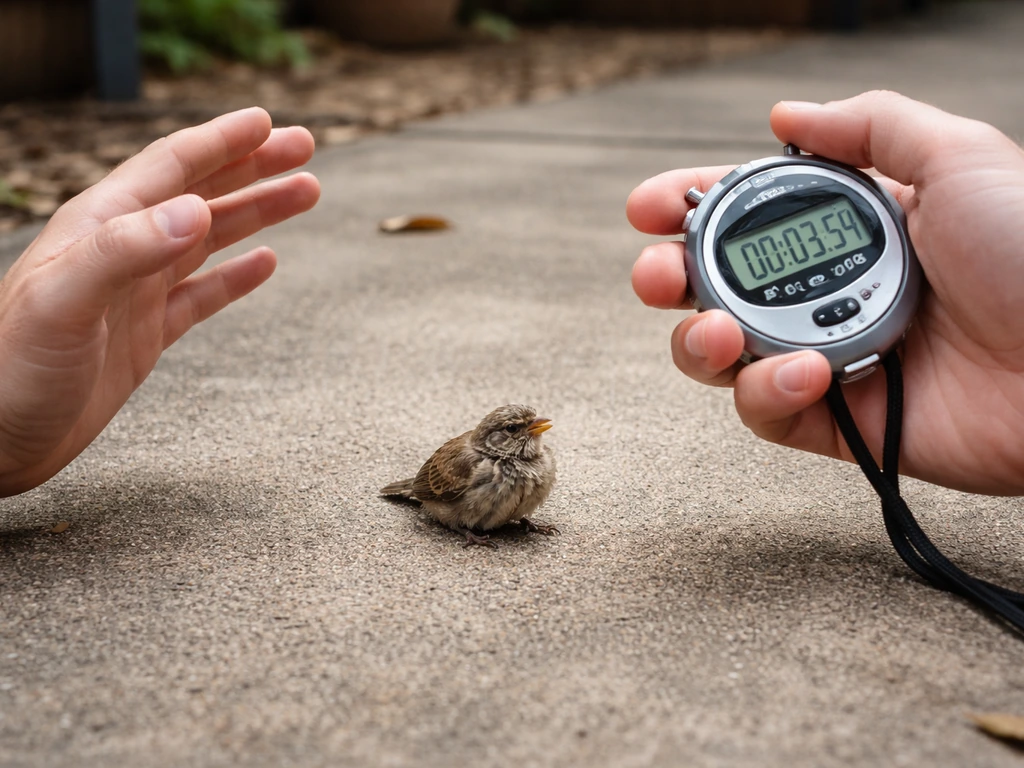
Your instinct will be to grab the bird and hold it still. Resist that. Handling a bird mid-seizure can cause broken bones, dislocated joints, or severe stress that worsens the outcome. Here is what to actually do:
- Start timing immediately. Note when the episode began. Duration matters a lot for triage, and you will want to tell your vet exactly how long it lasted.
- Clear the area. Remove food and water dishes, perches it could fall from, and any hard objects nearby that it could thrash against. For a caged bird, open the door carefully and remove items from the cage floor.
- Do not restrain the bird. Let it ride out the episode on a soft, flat surface. You can gently place a soft cloth or paper towel under it to cushion the floor if it is thrashing on a hard surface.
- Keep the environment calm and dim. Turn off loud music or TV, reduce bright lights, and keep other pets and people back. Stimulation can intensify or prolong some seizure episodes.
- Keep it warm. Birds lose body heat quickly during and after a seizure. Maintain the room at a comfortable temperature. For a wild bird or a bird in shock, placing it in a box lined with a soft cloth near (not on) a heat source helps. Target around 85 to 90 degrees Fahrenheit for a sick bird. A warm water bottle wrapped in a towel beside it works if you have nothing else.
- Do not offer food or water during or immediately after. A bird that is still disoriented or unsteady can inhale food or water into its airway, which causes a dangerous secondary problem. Wait until the bird is fully alert and balanced before replacing dishes.
- Observe and document. Watch closely so you can describe the movements, how long the episode lasted, and what the bird did afterward. If you can safely record a short video without disturbing the bird, that footage is extremely useful for a vet.
After the seizure ends, the bird will likely be in the post-ictal phase: confused, wobbly, possibly sitting flat on the floor. This is expected. Keep it warm, quiet, and contained. Check for obvious injuries like bleeding or a wing held at an odd angle. Then contact a vet or avian emergency line even if the bird seems to be recovering.
What causes seizures in birds and how vets figure it out
Seizures in birds almost always have an underlying cause rather than being true idiopathic epilepsy the way it sometimes occurs in mammals. Finding that cause is the whole point of the veterinary workup. The most common causes include: Common causes include toxin exposure, metabolic problems, and infections, which is what determines what causes bird seizures.
- Heavy metal toxicity, especially lead and zinc, from ingesting cage hardware, painted surfaces, costume jewelry, or galvanized metal
- Nutritional deficiencies, particularly low calcium (hypocalcemia), which is common in birds on seed-only diets
- Heatstroke or overheating, especially in birds left in direct sun or in a hot car
- Head trauma from flying into a window or wall
- Infections including bacterial, viral, fungal, or chlamydial disease affecting the brain
- Brain tumors or vascular events
- Low blood sugar (hypoglycemia), particularly in small birds that have not eaten
- Organ disease affecting the liver or kidneys
When you bring a bird in after a seizure, the vet will start with a thorough history. When did seizures start, how long do they last, how often are they happening, and what has the bird been exposed to? A neurologic examination follows, checking balance, reflexes, and eye responses. Blood work is standard: a complete blood count plus chemistry panel measuring calcium, glucose, sodium, potassium, and liver and kidney function. If heavy metal exposure is possible, blood lead and zinc levels are checked specifically. Blood lead around 0.2 ppm raises suspicion; at 0.5 ppm with matching symptoms it is considered diagnostic. Imaging like X-ray can reveal metal fragments in the GI tract or signs of other structural problems.
When to call a vet right now versus when to monitor
The honest answer is that any bird that has had a seizure should be seen by a vet, even if it recovers quickly and looks fine afterward. Seizures do not happen without a reason in birds, and the underlying cause needs identifying. That said, there are situations that are true emergencies requiring you to call immediately, right now:
- The seizure lasts longer than 5 minutes, or you cannot tell when it stopped
- Multiple seizures happen back to back with no real recovery between them (cluster seizures)
- The bird is not returning to normal awareness and balance after 20 to 30 minutes
- The bird is having obvious trouble breathing after the seizure ends
- The bird is collapsed and unresponsive
- There is visible injury such as bleeding, a broken limb, or a head wound
- You suspect heat exposure, toxin ingestion, or head trauma as the cause
A seizure lasting over 5 minutes is classified as status epilepticus, which is a medical emergency. The same applies to repeated seizures without full recovery in between. Both require intensive veterinary intervention quickly.
If the episode was brief (under a minute or two), the bird appears to be recovering, and none of the emergency flags above apply, you can provide supportive warmth and quiet while you arrange a same-day or next-morning vet visit. Do not leave it unattended during this window. Keep food and water dishes out until balance and alertness are fully back. Watch for any second episode, because a second seizure within hours changes the urgency back to emergency.
For wild birds, the guidance shifts slightly. Limit handling as much as possible since stress and handling can itself be dangerous for a wild bird in shock. Place it in a ventilated cardboard box with a soft cloth base, keep it warm, and contact a wildlife rehabilitator or wildlife emergency line rather than a standard small-animal vet. They have the species-specific training and legal permits to treat wild birds properly.
Understanding what caused the seizure is just as important as treating the episode itself. A bird that seized once from lead toxicity, low calcium, or infection will seize again if the root problem is not addressed. [Lead toxicosis in birds can cause neurologic problems and seizures](https://cwhl. vet.
cornell. edu/resource/lead-toxicosis-disease-fact-sheet), so addressing the underlying lead exposure is important. The vet visit is not just about the seizure you already witnessed. It is about preventing the next one.
Broken bird syndrome can mimic seizure-like behavior, so it is important to rule it out when you notice repeated episodes. Broken bird syndrome can mimic seizure-like behavior, so it is important to rule out broken bird syndrome when you notice repeated episodes what is broken bird syndrome.
FAQ
If a bird only trembles or seems to “faint” instead of going fully rigid, could it still be a seizure?
Yes. Some seizure-related problems in birds can present as weakness, tremors, or fainting-like episodes at a milder stage. If the bird was off earlier that day, had unusual trembling or collapse, or later has a full seizure, treat it as serious and contact a vet for evaluation, because the underlying cause may still be the same.
How can I tell the difference between a seizure and vestibular disease at home?
Look for head tilt that persists and rolling or flickering eye movements, plus trouble balancing. A true seizure more often shows sudden collapse with rigid or jerky, uncontrollable movements and a clear post-event stunned or exhausted period. If you cannot confidently tell, assume it is serious and get veterinary advice either way.
My bird is regurgitating or vomiting, could that look like what a seizure looks like?
Regurgitation and vomiting can be mistaken because they are alarming and may include abnormal sounds. Vomiting episodes also tend to involve active retching and food or fluid coming up, while seizure-like activity is more about sudden loss of control, stiffening or thrashing, and rapid, uncontrollable movement. If unsure, treat the event as potentially neurologic and seek care.
Is it okay to pick up my bird to “stop” it from flailing during a seizure?
No. Grabbing or restraining a bird mid-episode can increase stress and raises the risk of injuries like broken bones or dislocated joints. Instead, keep the area quiet and safe, protect from hazards, and only handle for brief, necessary checks once the episode is over.
Should I offer food or water right after the seizure ends?
Usually wait. During the post-event phase the bird may have poor balance and impaired coordination, so giving food or water can increase choking or aspiration risk. Put dishes away until the bird is fully standing, alert, and steady, then reintroduce gradually.
What injuries should I check for after a seizure?
Look for bleeding, a wing held at an odd angle, limping, burns, or head or foot trauma, especially if the bird dropped from a perch or hit a window. Also watch breathing and responsiveness, because aspiration or internal injury can be missed if the bird looks “better” quickly.
If my bird recovers in a few minutes, does that mean it is not an emergency?
Not necessarily. Even if the bird seems mostly back to normal, a seizure in birds almost always indicates an underlying cause that needs workup to prevent recurrence. You should still arrange a vet visit the same day or next available appointment, unless an emergency trigger applies.
When exactly should I call emergency care right away?
Call immediately if the seizure lasts more than 5 minutes, if seizures repeat without full recovery between them, or if your bird has signs of major trauma such as severe bleeding, a suspected head injury after a hard fall, or breathing trouble. When a second episode happens within hours, treat that as an emergency escalation.
What common household exposures can trigger bird seizures?
Lead and other toxin exposure are key concerns. Think about chewing or ingesting things like old paint or sinkers/weights, certain metal items, contaminated water, pesticide exposure, and fumes from overheated nonstick cookware or chemicals. Tell your vet exactly what was in the bird’s environment in the 24 to 72 hours before the episode.
Should I bring a sample or record anything for the vet?
Yes. Write down the start time, approximate duration, how many episodes occurred, and what the bird was doing right before it (including any earlier trembling or vomiting). If possible, video helps enormously because it captures stiffness, paddling, wing flapping, eye movements, and recovery behavior.
For wild birds, what should I do if it looks like a seizure in the moment?
Minimize handling and stress. Use a ventilated cardboard box with a soft cloth base, keep it warm but not overheated, and contact a wildlife rehabilitator or wildlife emergency line rather than a routine small-animal clinic. Avoid forcing the bird to move or attempting to “feed it” on the spot.
Next Article
Bird Regurgitation vs Vomiting: How to Tell and What to Do
Learn how to tell bird regurgitation from vomiting, spot warning signs, and know what to do and when to see an avian vet