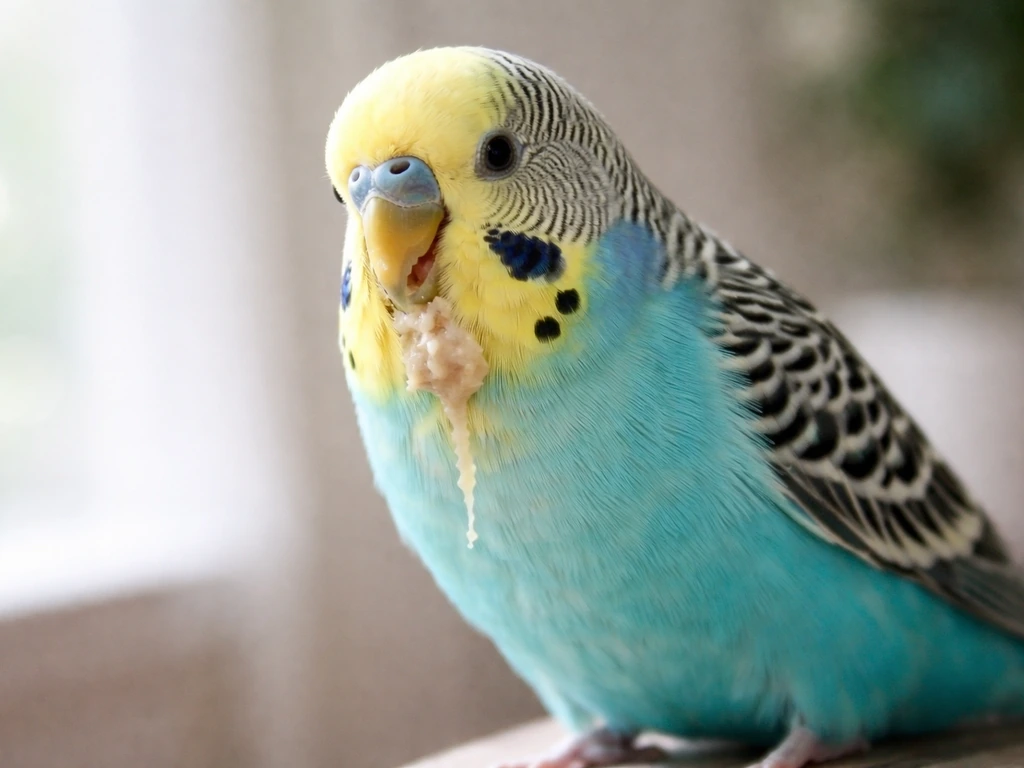
Bird seizures are caused by a wide range of problems, from toxic fume exposure and heavy metal poisoning to nutritional deficiencies, infections, head trauma, and organ failure. Bird cage syndrome is a specific type of cause-and-condition pattern seen in pet birds, where stress, environmental factors, and health issues linked to suboptimal caging conditions contribute to abnormal behaviors and illness.
What Causes Bird Seizures and What to Do Now

Marcus Webb
17 May 2026
The most common culprits in pet birds are toxin exposure (especially nonstick cookware fumes and lead or zinc from household objects), hypocalcemia (low calcium), and head injuries from flying into windows or walls. Merck Veterinary Manual notes that lead levels of 3, 6 ppm or higher are considered significant in tissue (such as kidney, liver, brain, or bone) lead or zinc from household objects.
Because a seizure in a bird is never a diagnosis on its own, it is always an emergency signal that something else is seriously wrong, and identifying the cause quickly is what saves the bird.
What a bird seizure can look like (and how to confirm it)
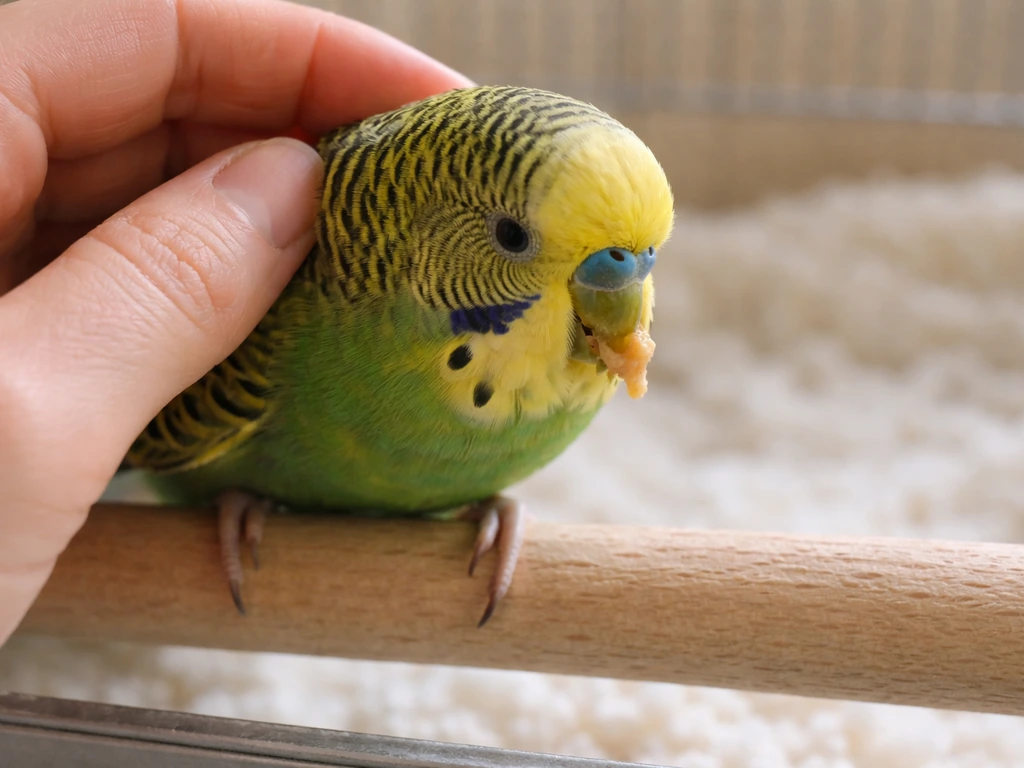
Bird seizures do not always look the way most people expect. If you are also seeing regurgitation, it can look different from a seizure and may point to issues like stress, overeating, or reflux rather than a neurologic emergency bird regurgitation. You might see your bird suddenly fall off its perch, flap its wings uncontrollably, thrash on the cage floor, or go rigid with its legs extended. Some birds show rhythmic trembling, while others go into opisthotonus, which means the head and neck arch backward in a stiff, unnatural posture. After the episode, many birds appear dazed, weak, or unresponsive for a few minutes, which is the post-ictal phase.
The tricky part is that several other conditions can look nearly identical to a true seizure. Broken bird syndrome is a term people use for seizure-like episodes in birds when a specific underlying neurological cause is hard to pinpoint at first. If you are also noticing coughing or abnormal breathing, you may be wondering what a bird cough sounds like, which can signal a separate respiratory or infectious problem.
Vomiting and regurgitation can sometimes be mistaken for seizure-like episodes, so it helps to know the differences bird regurgitation vs vomiting. Extreme respiratory distress can cause collapse and wing trembling. Severe weakness from illness or starvation can make a bird fall and shake. Fainting (syncope) from heart problems looks like a sudden collapse with fast recovery.
In some birds, including hwarang-style hookbilled and similar toy species, fainting episodes may be linked to heart and circulation issues rather than a seizure fainting (syncope). Head-bobbing and balance problems (ataxia) are also neurologic signs but are not the same as a seizure. If you are unsure whether what you witnessed was a true seizure, the sibling topic on what a bird seizure looks like goes into more visual detail on distinguishing these behaviors. For more detailed visuals, see what a bird seizure looks like and how it differs from fainting How a bird seizure can look.
If you are unsure whether what you witnessed was a true seizure, the sibling topic on what a bird seizure looks like goes into more visual detail on distinguishing these behaviors.
When in doubt, treat any sudden collapse, uncontrolled movement, or loss of consciousness as a potential emergency and act accordingly.
Neurologic injury and brain or nerve problems
Direct damage to the brain or nervous system is one of the most straightforward causes. Head trauma is extremely common in pet birds, particularly from flying at full speed into a window, mirror, ceiling fan, or glass door. The impact can cause internal bleeding or swelling in the brain, triggering seizure activity within minutes to hours. This is something you can often piece together from context: did the bird have a free-flight episode right before the seizure started?
Tumors affecting the brain or surrounding tissue are another significant neurological cause, especially in older birds. Vascular events, essentially the avian equivalent of a stroke, can also interrupt normal brain activity and cause acute seizures. Proventricular dilatation disease (PDD) is a viral illness that causes peripheral neuritis, meaning it inflames nerves throughout the body, and in psittacine birds it has been documented to produce seizures, ataxia, tremors, and uncoordinated movement. Neurological signs in birds are a broad category that includes seizures alongside tremors, balance problems, and opisthotonus, so your vet will approach this as a differential rather than assuming one single cause.
Infections and parasites that can trigger seizures
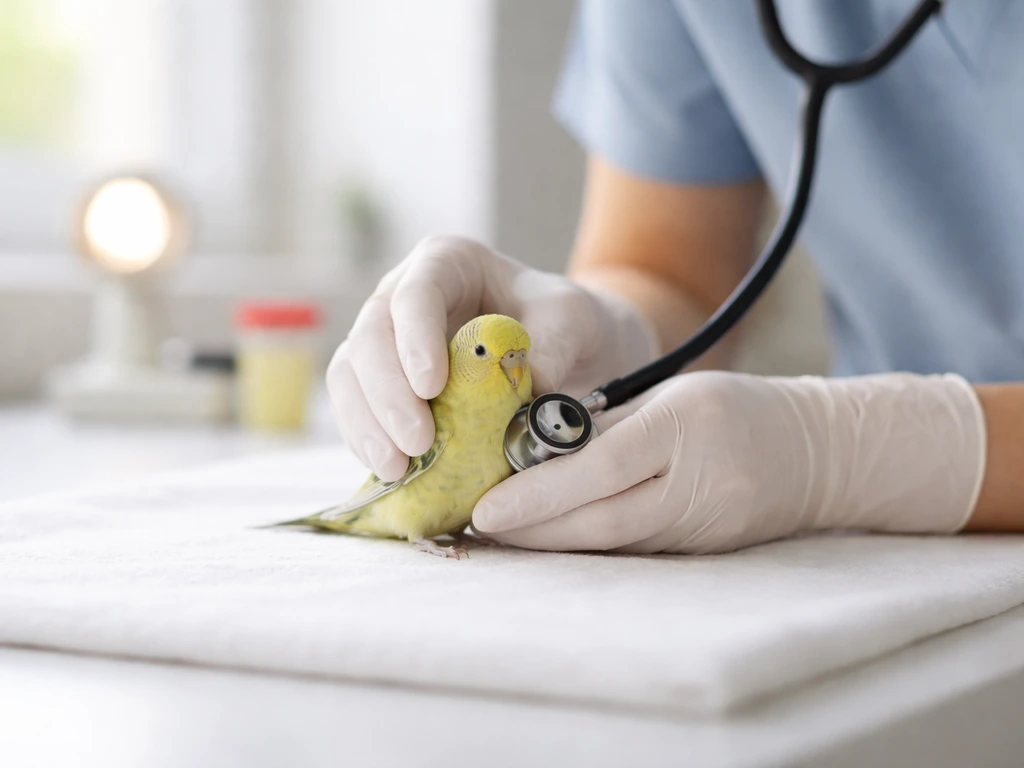
Several infections are capable of reaching the brain or nervous system and causing seizures. Bacterial infections, chlamydial disease (psittacosis), viral infections, and fungal disease are all documented triggers. Psittacosis, caused by Chlamydia psittaci, is particularly relevant for parrot owners because it is zoonotic (it can spread to humans) and can produce neurological signs in affected birds. If your bird has had recent respiratory illness, lethargy, or abnormal droppings before the seizure, an infection should be high on the list of possibilities.
Parasitic causes are less common in indoor pet birds but can be a factor in wild birds or birds with outdoor exposure. Any infection severe enough to cause systemic inflammation, liver or kidney stress, or direct nervous system involvement can produce seizure-like episodes.
Toxins, poisoning, and medication-related causes
Toxic exposure is one of the most urgent causes to rule out because it can progress to death within minutes. These are the main toxin categories to know:
- PTFE fumes from overheated nonstick cookware (including Teflon-coated pans, drip pans, and some appliances): birds can develop agitation and seizures within minutes of exposure, and deaths in ducks and other birds from inhaled PTFE have been documented. Even a brief exposure in an enclosed kitchen can be fatal.
- Heavy metal poisoning, primarily lead and zinc: lead is found in old paint, certain jewelry, fishing weights, and foil caps on wine bottles. Zinc comes from galvanized cage wire, coins, and hardware. Both cause neurological signs including seizures. Lead poisoning is often advanced before it becomes visible, so birds can be critically ill by the time seizures appear. Lead levels of 3 to 6 ppm or higher in tissue are considered significant.
- Iron overload: less commonly discussed but relevant in certain species like toucans and mynahs that are prone to iron storage disease.
- Organophosphate pesticides: these can be inhaled, ingested, or absorbed through skin contact. Clinical signs include wing-beat convulsions, skeletal muscle tremors, weakness, and seizures. Acetylcholinesterase activity testing can help confirm this diagnosis.
- Household chemicals, cleaning product fumes, scented candles, and aerosol sprays: birds have highly efficient respiratory systems that make them extremely vulnerable to airborne toxins.
- Medications: certain drugs given at incorrect doses or intended for other species can trigger neurological effects in birds.
If there is any chance your bird was exposed to any of these, get it to fresh air immediately and contact an avian vet without delay. Do not wait to see if the bird improves on its own.
Metabolic, nutritional, and organ-related causes
These causes are common, treatable, and often missed because they do not have an obvious trigger event the way a toxin exposure or head injury does.
Hypocalcemia (low calcium)
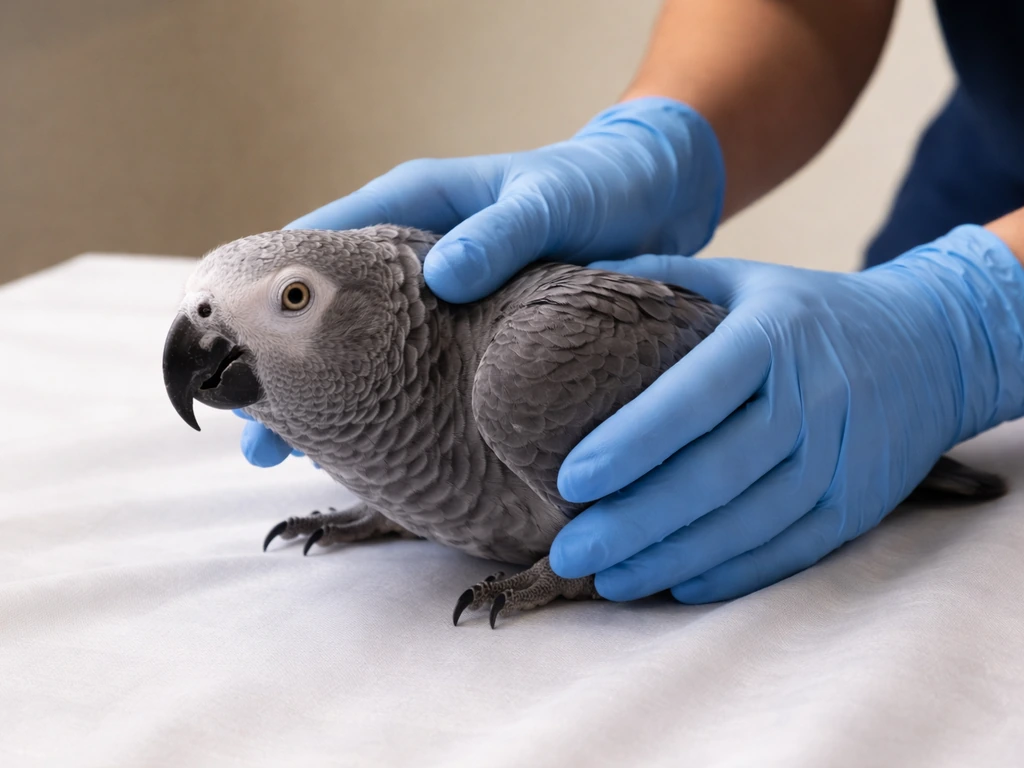
Low blood calcium is a well-documented cause of tremors and seizures in birds. African grey parrots are especially prone to hypocalcemia, but it can affect other species too. Birds on poor diets (particularly all-seed diets low in calcium and vitamin D3) are at higher risk. The clinical picture includes tremors, muscle weakness, and full seizures.
Hypoglycemia (low blood sugar)
Blood glucose below 5 mmol/L in a bird with clinical signs supports hypoglycemia as a contributing factor. This can happen in birds that have not eaten, are severely ill, or have underlying liver disease. Seizures, weakness, and depression are typical signs. Liver dysfunction and malnutrition both contribute to this risk.
Organ failure and heatstroke
Kidney or liver failure can cause toxin buildup in the bloodstream that affects brain function and triggers seizures. Heatstroke is a direct cause of seizures in birds and happens faster than most owners expect, especially in birds left in cars, in direct sun, or in rooms without ventilation during warm weather. Any bird that has been in a hot environment and is now unresponsive or convulsing should be treated as a heatstroke emergency. If your dog or bird is repeatedly fainting, it can have serious neurologic or metabolic causes that need urgent veterinary evaluation why does dog bird keep fainting hwarang.
What to do immediately during and after an episode
Stay calm and focus on keeping the bird safe and getting information. Here is what to do:
- Remove any perches, toys, food bowls, or hard objects from the cage or area so the bird cannot injure itself during the episode.
- Do not restrain or hold the bird forcefully during the seizure. You can cause injury and you will not stop the seizure by holding it.
- If PTFE or any fume exposure is possible, move the bird to fresh outdoor air immediately (if the weather is safe) or a room far from the source.
- Note the time the episode started and how long it lasts.
- Observe and mentally log: what the bird was doing before it started, what the movements looked like, whether the bird lost consciousness, and how quickly it recovered.
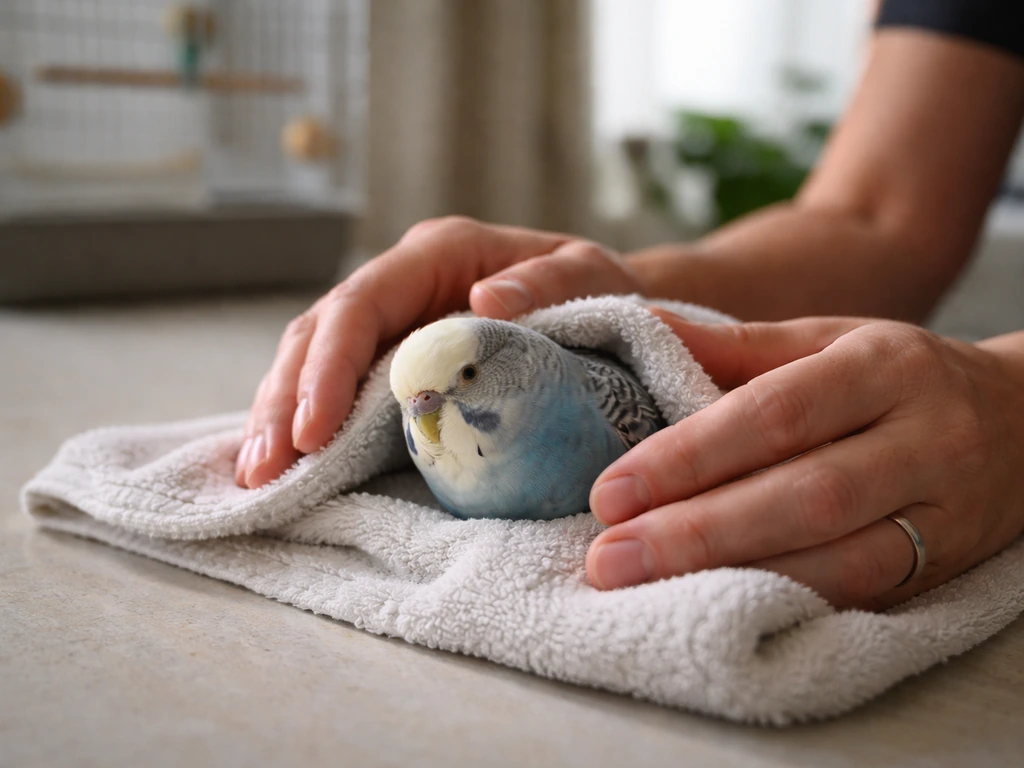
- After the episode, keep the bird warm, quiet, and in a low-stress environment. Dim the lights. Do not offer food or water until the bird is fully alert to avoid aspiration.
- Call an avian vet or emergency animal clinic immediately, even if the bird appears to recover.
Do not give your bird any medications, supplements, or home remedies without vet guidance. Well-meaning interventions can interfere with diagnosis and make some conditions worse.
When to go to an emergency avian vet (and what to bring)
A seizure in a bird is always an emergency. There is no version of this where you watch and wait until tomorrow. Same-day evaluation is the standard, and the sooner a cause is identified, the better the outcome. Go immediately if:
- The seizure lasts more than 1 to 2 minutes or the bird has multiple episodes in a short period.
- The bird does not recover within a few minutes and remains unresponsive, disoriented, or unable to perch.
- There is any possibility of toxin or fume exposure.
- The bird is actively bleeding, has visible trauma, or is struggling to breathe.
- The bird is a known heavy metal exposure risk (lives in an older home, has access to metal objects, galvanized cage wire).
When you call or arrive, the vet will need as much of the following information as you can provide:
| What to report | Why it matters |
|---|---|
| Exact timing and duration of the episode | Helps classify the type and severity of neurological event |
| What the bird was doing immediately before | Can reveal trauma, overheating, stress, or fume exposure triggers |
| What the movements looked like (thrashing, rigid, trembling, head arching) | Guides neurological differential diagnosis |
| Any possible toxin or chemical exposure in the last 24 to 48 hours | Critical for ruling out PTFE, heavy metals, or pesticides immediately |
| Recent diet and any changes (new foods, supplements, treats) | Helps assess nutritional causes like hypocalcemia |
| Droppings: color, volume, consistency changes | Reflects organ function and systemic illness |
| Any medications or supplements the bird is currently on | Rules out drug interactions or overdose |
| Previous illness, recent vet visits, or known conditions | Provides baseline for comparison |
| The bird's age, species, and sex | Some conditions are species- or age-specific |
If you can safely bring a fresh dropping sample in a small clean container, do so. Your vet may also want to know whether any other birds in the household are affected, which can point toward an infectious or environmental cause rather than an individual metabolic problem.
The bottom line is this: seizures in birds are serious, they are almost always caused by something identifiable, and most of those causes are treatable when caught early. Getting to an avian vet fast, with as much specific information as possible, gives your bird the best realistic chance. If the episode seems stress-related or linked to sudden fear, ask your avian vet whether broken bird syndrome could be contributing, alongside more typical seizure causes.
FAQ
How long should I wait before treating a bird seizure-like episode as an emergency?
Do not wait at all. Treat any convulsing, collapse, loss of consciousness, or repeated episodes within the same hour as an emergency, even if the bird seems “better” quickly, because many underlying causes like toxins, heatstroke, or infection can worsen after the first event.
What are the most common household exposures that lead to bird seizures?
Nonstick cookware fumes are a frequent one, but also consider lead or zinc sources from household items, chewing on metal, burning aerosols, incense, and overheating fumes from grills or vehicles parked near the bird. If you can, identify what was used or heated in the room within the prior 24 hours before the episode.
Can stress or fear alone cause seizures in pet birds?
Stress can trigger abnormal behaviors and illness, but true seizures still warrant a full emergency workup for metabolic, neurologic, toxic, infectious, and injury causes. Ask your avian vet to evaluate both stress-linked syndromes and more common seizure drivers like calcium imbalance, hypoglycemia, and toxins.
My bird regurgitates and flaps or trembles, is that always a seizure?
Not necessarily. Regurgitation, coughing, and sudden weakness can mimic seizure-like activity, and respiratory distress can cause collapse. If you saw rhythmic movements, leg extension, or an arched neck posture, tell the vet, but also mention any breathing changes or coughing because that shifts the likely differential.
What does opisthotonus mean and why does it matter for what causes bird seizures?
Opisthotonus is a stiff backward arch of the head and neck, it suggests significant neurologic or severe systemic disturbance rather than simple irritation. Because it can accompany neurologic toxins, infections, metabolic problems, or nerve inflammation, it should prompt same-day evaluation and rapid cause identification.
If my bird is hypocalcemic, will giving calcium at home fix the seizures?
Do not give calcium or other supplements unless your avian vet instructs you. In some cases seizures are triggered by toxins, infections, or hypoglycemia, and giving the wrong supplement can delay proper treatment. The safer move is immediate vet contact with diet history and any recent changes.
How do I tell whether it was seizure activity or fainting (syncope)?
Fainting usually involves a sudden collapse with comparatively rapid recovery and may relate to heart or circulation issues, while seizures often include prolonged stiffness or uncontrolled rhythmic movements and a post-episode dazed phase. Still, do not rely only on appearance, because respiratory distress and neurologic problems can look similar, and a vet needs to sort this out.
Could low blood sugar (hypoglycemia) be the cause if my bird hasn’t eaten?
Yes, especially if the bird has been off food, is severely ill, or has liver disease. If you know when the bird last ate, include it in the vet call, because hypoglycemia is one treatable contributor that needs prompt assessment alongside infection or metabolic failure.
What should I bring to the vet call, and what information is most useful?
Bring the timing (when it started and how long it lasted), the exact behaviors you saw, whether breathing looked abnormal, any recent injuries or free-flight incidents, diet details (including whether it is an all-seed diet), and any household heat or fume exposure within the prior day. If possible, bring a fresh dropping sample in a small clean container.
Is it safe to handle my bird during a seizure episode?
Aim to keep the bird safe, reduce handling that could cause injury, and avoid putting fingers near the beak or wings. Focus on preventing falls onto hard surfaces and note what the bird is doing from a safe distance. The goal is safety and accurate observation, not “intervention” with medications.
What if the seizure-like episode was caused by a window strike or head trauma hours earlier?
Head trauma can trigger seizures within minutes to hours, so even if the bird seemed “okay” afterward, a later convulsion still needs emergency evaluation. Tell the vet what the impact involved (window, fan, mirror, glass door) and whether there was free-flight right before the event.
Can seizures happen due to heatstroke even if the bird was not visibly overheated?
Yes. Birds can deteriorate quickly when left in cars, direct sun, or poorly ventilated warm rooms. If your bird was in a hot environment and is now unresponsive or convulsing, treat it as heatstroke immediately and prioritize rapid avian care.
Next Article
What Does Bird Regurgitation Look Like? Signs and Causes
See how bird regurgitation looks, how to distinguish it from vomiting, coughing, or aspiration, and when to seek urgent