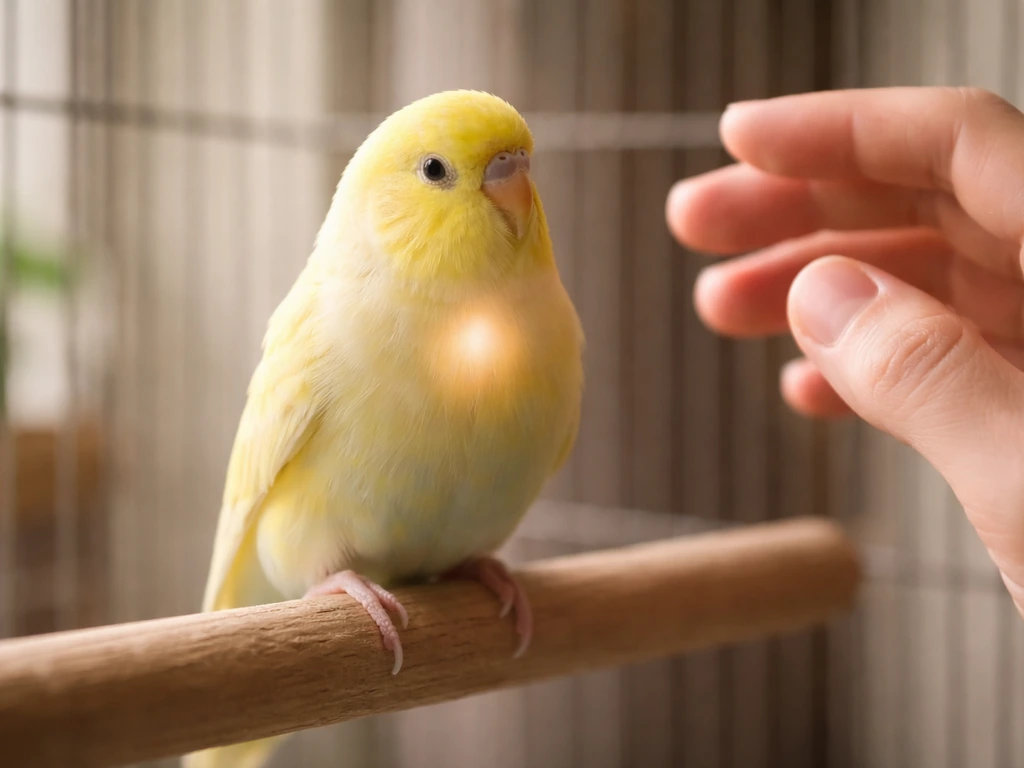
"Broken bird syndrome" is not an official medical diagnosis. It's a conversational term people use when a bird suddenly seems "off" in a deeply alarming way after an injury, scare, fall, or illness: slumped posture, loss of balance, inability to perch, unresponsiveness, or trembling. If your bird looks like that right now, treat it as a potential emergency and start assessing it immediately while you arrange veterinary care.
What Is Broken Bird Syndrome? Signs, First Aid, Next Steps

Marcus Webb
31 May 2026
What people mean by "broken bird syndrome"
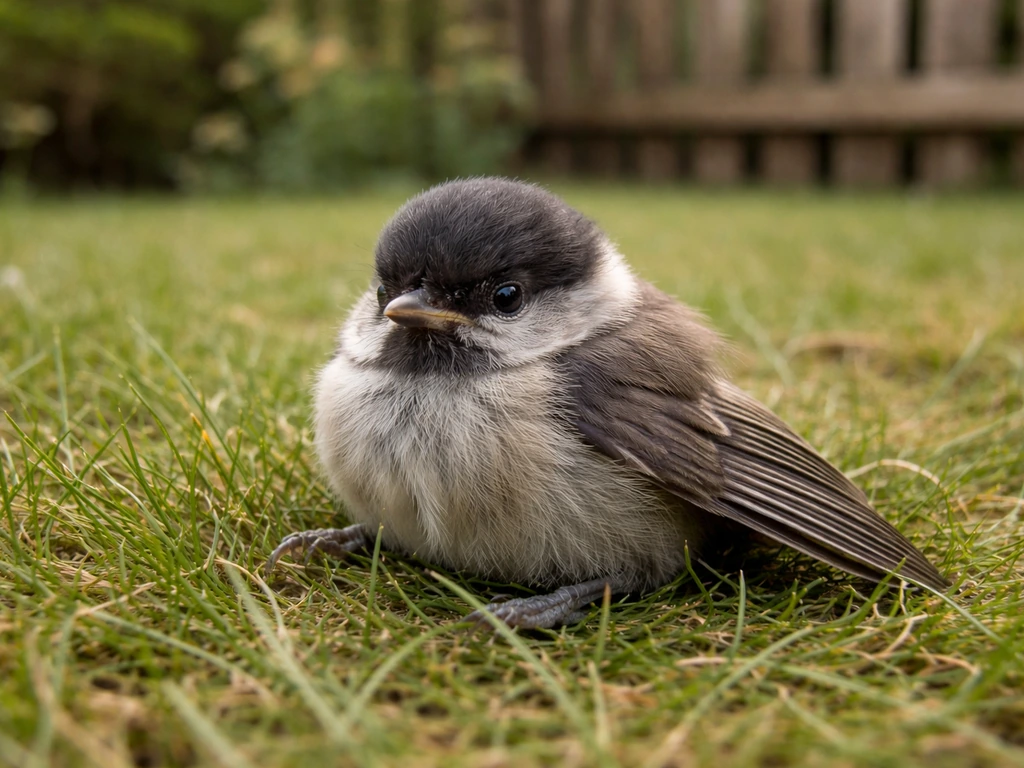
The phrase gets used in a few overlapping scenarios. Most commonly, someone describes a bird that has just gone through something traumatic, such as a fall from a perch, a collision with a window or wall, a rough handling incident, entrapment in cage bars or a toy, or even a sudden loud scare, and the bird is now sitting on the cage floor, not moving normally, or looking glassy-eyed and hunched. People also use it when a bird has been declining under chronic stress and seems to have "given up."
The underlying medical reality behind these presentations can vary widely. If you're wondering what a bird cough sounds like, it can range from soft throat sounds to repeated open-mouth or breathing noise, and it is worth getting an avian vet opinion what a bird cough sound like.
What looks like a "broken" bird may actually be neurological damage, inner-ear disruption causing loss of balance, physical shock following trauma, acute pain response, respiratory compromise, toxin exposure, or the final stage of an untreated infection. Bird regurgitation can look very different, so if you notice regurgitated food or abnormal throat sounds along with other symptoms, treat it as a cause for urgent avian evaluation what does bird regurgitation look like.
The term is useful for communicating urgency, but it doesn't replace identifying what specifically went wrong.
It's worth knowing that some symptoms described under "broken bird syndrome" overlap with what you'd see in bird seizures and cage-related stress conditions. The behavioral pattern after a seizure episode, for example, can look nearly identical to post-trauma collapse. Bird seizures can also cause sudden collapse and unusual behavior, so it helps to know which signs point to seizure activity rather than stress or trauma. Keeping that in mind helps when you're trying to explain your bird's history to a vet.
Symptoms checklist: what to look for at home
Go through these signs systematically before you do anything else. You're trying to answer two questions: how serious is this right now, and is it getting worse?
- Posture: Is the bird hunched, head drooping, feathers puffed out, or sitting directly on the cage floor instead of on a perch?
- Balance and coordination: Is it falling over, circling, tilting its head to one side, or unable to right itself?
- Responsiveness: Does the bird react to your voice or a gentle tap nearby, or is it unresponsive and glassy-eyed?
- Breathing: Can you see the tail bobbing up and down with each breath, hear clicking or wheezing, or see the beak open while breathing at rest?
- Visible injury: Is there blood, a wing held at an abnormal angle, a leg dragging, or a swollen area?
- Eye condition: Are the eyes half-closed, sunken, or discharging?
- Grip strength: If you gently offer your finger, does the bird grip at all, or does it just sit limply?
- Droppings: Are there no droppings at all (a bad sign), or are they watery, discolored green, or bloody?
- Temperature: Does the bird feel cold to the touch, especially the feet?
- Movement: Is it fluttering erratically, thrashing, or completely still?
Any combination of open-mouth breathing at rest, no responsiveness, visible blood, cold extremities, or complete inability to move is a "needs urgent care now" situation. A bird that is puffed but still gripping a low perch, alert when you approach, and producing normal droppings can be watched closely for an hour, but only if it does not deteriorate.
Immediate safety steps to take right now (and what to avoid)
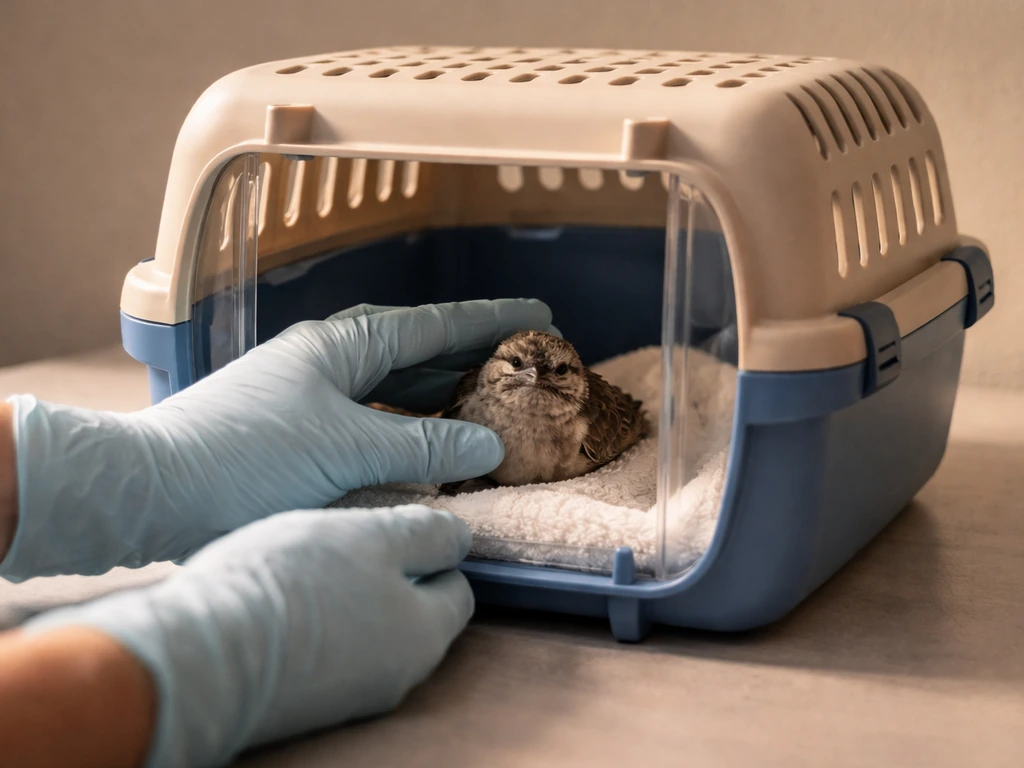
These steps are designed to stabilize the bird while you prepare to get professional help. For emergency treatment of injured pet birds, Merck Veterinary Manual advises stabilizing the bird first and then addressing the specific injuries, and keeping the bird warm by placing the carrier on a heating pad or next to a warm water bottle. They will not fix the underlying problem, but they reduce the risk of making things worse.
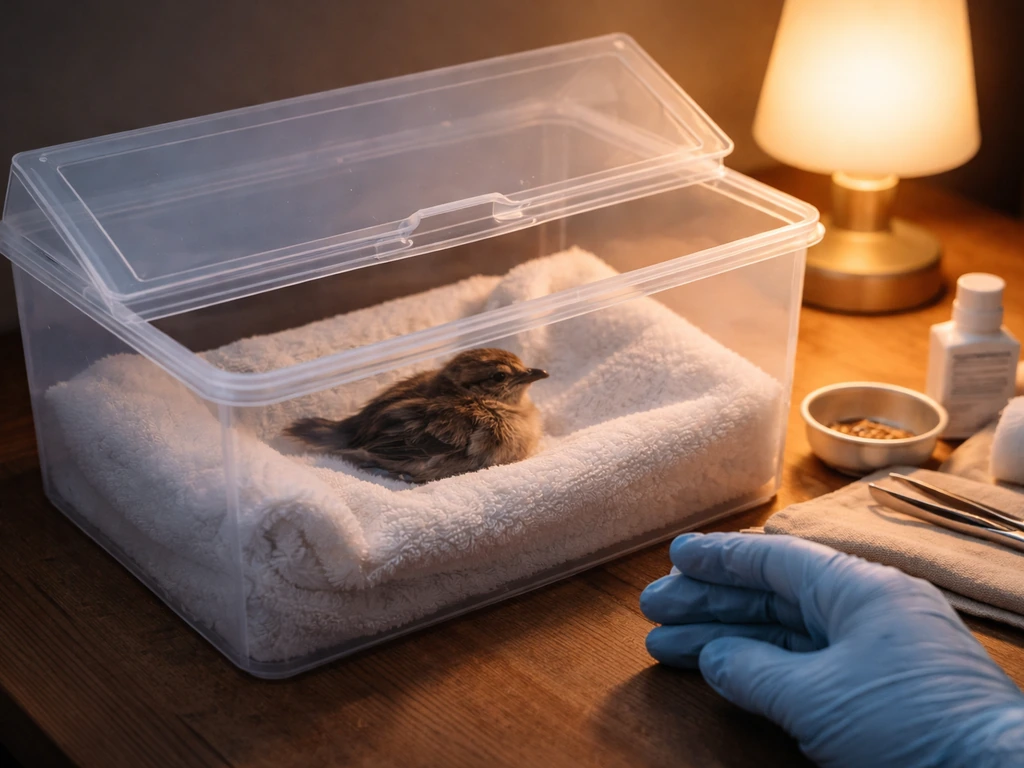
- Move the bird to a small, quiet, enclosed space. A shoebox or small carrier with air holes works well. Darkness and enclosure reduce stress and prevent further falls or fluttering injuries.
- Keep it warm. Birds in shock or pain lose body heat quickly. Place a heating pad on the lowest setting under one half of the box so the bird can move away from the heat if needed. Aim for an ambient temperature around 85 to 90 degrees Fahrenheit. If you have no heating pad, a warm water bottle wrapped in a towel works.
- Do not offer food or water by syringe or hand unless you are trained to do so. Aspiration (food entering the airway) is a serious risk in a bird that is weak or disoriented.
- Remove hazards from the cage. If you need to return the bird to its cage temporarily, lower or remove high perches to prevent falls. Cover the cage floor with a soft towel.
- Minimize handling. Every time you pick up the bird, you add stress. Limit contact to the bare minimum needed for assessment and transport.
- Call an avian vet or emergency animal hospital now. Do not wait to see if the bird "improves on its own" if you saw any red-flag symptoms. Many avian emergencies deteriorate fast.
- Note the timeline. Write down exactly what happened, when it started, and what changed. This information is critical for the vet.
What to avoid
- Do not give human pain medications. Ibuprofen, acetaminophen, and aspirin are toxic to birds.
- Do not attempt to splint a wing or leg yourself unless you have been specifically instructed by a vet.
- Do not bathe or mist the bird. A cold, wet bird in shock can die quickly.
- Do not place the bird with other birds during this time. Sick or injured birds are often attacked by flock-mates.
- Do not assume the bird is fine because it is quiet. Quiet can mean conserving energy, not recovering.
Likely causes and related conditions to consider
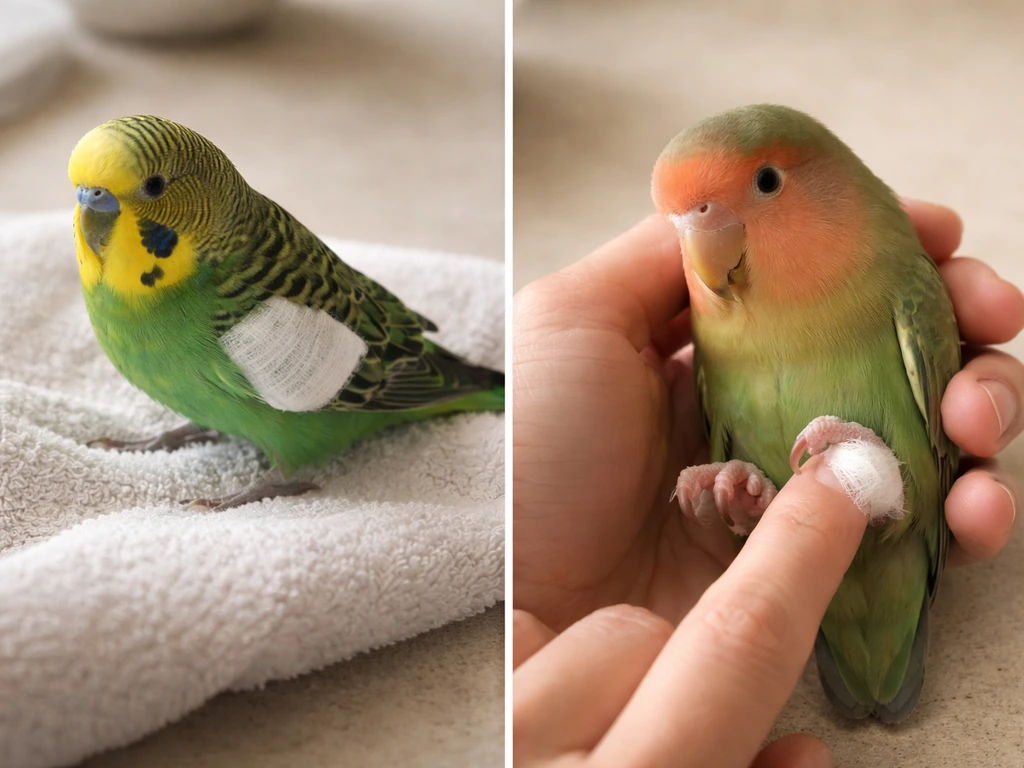
Understanding what probably triggered the episode helps you give the vet useful context and also helps you prevent a repeat. The most common causes behind "broken bird syndrome" presentations fall into a few categories.
| Cause category | Common examples | Key clue |
|---|---|---|
| Physical trauma | Fall from high perch, window strike, caught in cage bars or toy | Sudden onset right after an event; possible visible injury |
| Neurological issue | Head injury, inner-ear infection, vitamin E/B1 deficiency, toxin exposure | Head tilt, circling, rolling, inability to balance |
| Respiratory compromise | Bacterial, fungal (Aspergillus), or viral lung infection | Tail-bobbing breathing, open-mouth breathing, clicking sounds |
| Shock and stress response | Extreme fright, predator encounter, loud sudden noise | Glassy eyes, cold feet, no response, rapid shallow breathing |
| Toxin exposure | Teflon fumes, candles, cleaning products, heavy metals | Rapid severe collapse, often multiple birds affected simultaneously |
| Chronic illness decline | Undetected infection, liver disease, kidney disease | Gradual worsening over days or weeks before sudden crash |
| Seizure aftermath | Epilepsy, infection affecting the brain, hypoglycemia | Muscle twitching, then exhaustion and confusion after the episode |
Toxin exposure deserves special attention because it tends to be fast and severe. If multiple birds in your home are affected at the same time, or if the collapse followed cooking with non-stick cookware, burning a candle, or using a spray cleaner nearby, get every bird out of the space immediately and call a vet. PetMD notes that birds can be poisoned by blank" rel="noopener noreferrer">vapors from heated fluoropolymer coatings on non-stick cookware, and that aerosol or spray disinfectants and insect killers can also be toxic exposure sources.
When to seek urgent avian vet care
The honest answer is: if you're searching "broken bird syndrome," you probably already need to call a vet today. The Wikipedia entry on blank" rel="noopener noreferrer">limited access (geographic)) explains how location-based restrictions can reduce access to services or information. If you think your bird may fit the common signs people describe under broken bird syndrome, contact an avian vet promptly searching "broken bird syndrome". But here are the specific red flags that mean do not wait even a few hours.
- Open-mouth breathing or labored breathing at rest
- Bleeding that has not stopped within a few minutes
- Complete inability to stand or grip
- No response to stimuli, unconscious or near-unconscious
- Seizure activity or uncontrolled muscle tremors
- Extreme head tilt with rolling or spinning
- Cold feet and body, suspected shock
- Suspected toxin exposure
- No droppings for more than 12 hours
- Collapse or sudden loss of consciousness
When you call ahead to the vet or emergency clinic, tell them the species of bird, the approximate weight if you know it, what happened and when, and which symptoms you're seeing. Ask if they have avian experience specifically, because not all general practice vets are equipped to treat birds. If your regular vet isn't available, search for an emergency avian vet or a wildlife rehabilitator if the bird is wild.
For transport, use the small dark box described above. Keep the car warm (not hot) and as quiet as possible. Cover the carrier with a light cloth to reduce visual stress. Do not let the bird free-roam in the car.
What the vet will typically diagnose and treat
A good avian vet will not guess. Expect a hands-on physical exam first, which includes checking body weight, checking for obvious injury, listening to the lungs, and assessing neurological responses. From there, depending on what they find, diagnostics may include:
- X-rays to identify fractures, internal bleeding, or organ enlargement
- Blood work to check for infection, anemia, organ function, and toxin markers
- Crop and fecal swabs to rule out bacterial or parasitic infections
- Neurological exam to assess balance, eye response, and reflex function
- In some cases, CT imaging for head trauma or suspected inner-ear damage
Treatment will depend on the diagnosis, but common interventions include fluid support for dehydration and shock, injectable pain management (birds tolerate pain medications like meloxicam well under vet supervision), antibiotics or antifungals for infection, splinting or surgical repair for fractures, and oxygen therapy for respiratory distress. In serious neurological cases, anti-inflammatory medications like steroids may be used to reduce brain or spinal swelling.
Expect the vet to discuss a triage plan for the first 24 to 48 hours before committing to longer-term treatment. Birds can go downhill fast, but they can also stabilize quickly once the right support is in place.
Recovery timeline, supportive care, and rehab basics
There is no single recovery timeline because it depends entirely on what caused the episode. A bird in shock from a fright may bounce back in 24 to 48 hours with warmth and quiet. A bird with a fractured wing needs at minimum 3 to 6 weeks of cage rest. Neurological damage from a head strike or inner-ear infection can take weeks to months to partially or fully resolve, and some birds retain a permanent head tilt.
During recovery at home, the priority is reducing all demands on the bird's energy. This means a smaller temporary cage or hospital cage so the bird doesn't have to navigate high perches, low wide perches or padded perches for birds with balance problems, warmth maintained consistently, and quiet surroundings away from loud noises, other pets, or high-traffic areas.
Nutrition matters a lot during recovery. Soft foods like cooked grains, soft vegetables, and any vet-recommended supplements support healing. Make sure food and water are placed where the bird can reach them without jumping or climbing. If the bird is not eating on its own after the first day home from the vet, call and ask about assisted feeding options.
For birds recovering from neurological issues, gentle physical therapy described by your vet, such as encouraging the bird to step up onto a low perch, can help retrain balance and coordination. Don't rush it. Progress in these cases is measured in small daily improvements over weeks, not days.
Prevention: reducing falls, stress, and worsening after injury
A lot of "broken bird" situations are preventable. These are the changes worth making in your setup and routine to reduce the risk.
- Audit the cage for hazards: rings, ropes, and toys with gaps where feet, beaks, or heads can get trapped are a major cause of entrapment injuries.
- Place perches at varied heights but ensure the floor is padded or that falling from the highest perch won't cause serious injury. Avoid placing the highest perch directly over a hard food dish.
- Bird-proof the room before free flight: cover mirrors, windows, and fans, and remove toxic houseplants and open water containers.
- Handle birds calmly and confidently. Panicky or overly tight gripping causes injury. Learn the correct two-finger hold for small birds.
- Keep the environment stable: sudden loud noises, new pets, or dramatic temperature swings are common stress triggers that can push a bird into a health crisis.
- Schedule annual wellness exams with an avian vet. Many of the conditions that cause a sudden crash, including infections and nutritional deficiencies, are detectable before they become emergencies.
- Know what normal looks like for your bird. Weight, droppings consistency, posture, and vocalization patterns are your early warning system. Changes in any of these are worth noting and acting on early.
Prevention also means knowing when to step in sooner rather than later. Birds are prey animals and instinctively hide illness. By the time a bird looks "broken," it has often been struggling for a while. If your bird has been subtly off, quieter than usual, eating less, or showing changes in its droppings, those are the moments to call the vet, not wait until collapse.
If your bird seems to faint or collapse, treat it as part of the same broken-bird urgency and contact an avian vet right away fainting or collapsing. Vomiting in birds can also look like regurgitation, so tell your vet exactly what you’re seeing and when it happens bird regurgitation vs vomiting. The earlier you catch a problem, the better the outcome.
FAQ
If my bird is shaking but still responsive, do I still treat it as an emergency?
Yes. Trembling plus any breathing change, abnormal posture, or difficulty perching can be more than “shock.” If the bird is not fully alert, is breathing with an open beak at rest, or looks worse over minutes, arrange an avian urgent evaluation rather than waiting for it to settle.
What should I do if the bird is bleeding, but I’m not sure where the injury is?
Use gentle pressure on the bleeding site with clean gauze for a few minutes, then secure the bird in a warm, quiet carrier. Avoid trying to clean deep wounds with random solutions, and do not remove embedded material. Tell the vet where the bleeding started and whether it was continuous or stopped.
Can I give home medications, like painkillers or anti-inflammatories, while waiting for the vet?
Do not. Many common human or even “pet” medications can be risky for birds, and dosing depends on species and weight. If you suspect pain, breathing difficulty, or neurological injury, focus on warmth, quiet, and transport, and ask the clinic what they want you to do before any medication.
How long is it reasonable to monitor before going to the emergency clinic?
If there are any severe signs like cold extremities, inability to move, unresponsiveness, visible blood, or open-mouth breathing at rest, do not monitor at home. If the bird is stable and responsive, you can observe closely for about an hour only if there is no worsening, but a same-day avian call is still the safest next step.
What if the bird seems paralyzed or cannot stand, could it be a seizure?
It could. Post-seizure collapse can look similar to trauma or shock, so watch for clues like repeated episodes, eye changes, paddling movements, or rhythmic twitching. Tell the vet when the episode started, how long it lasted, and whether it stopped on its own, since that timeline helps differentiate seizure versus other causes.
Should I offer water or food immediately if the bird is not perching well?
Only offer what you can reach easily. Place water and food low and within the bird’s reach, and avoid forcing anything into the beak. If the bird is unresponsive, has abnormal throat sounds, or you suspect breathing trouble, skip feeding attempts and focus on urgent evaluation.
The bird is regurgitating or making throat sounds. Does that automatically mean it is “just” stress?
No. Regurgitation and abnormal throat sounds can occur with infection, crop problems, aspiration, toxin exposure, or overheating, not only stress. Treat it as an urgent avian problem especially if breathing is noisy, the bird is lethargic, or regurgitated material is frequent or unusual.
My bird collided with a window, but it seems alert after a few minutes. Do I still need a checkup?
Often yes. Even if it perks up, head trauma or internal injury can worsen later. Look for subtle signs like balance issues, head tilt, reduced coordination, changes in droppings, or ongoing abnormal breathing, and call an avian vet for guidance the same day.
How should I transport the bird for the best chance of survival?
Use a small, dark, secure carrier, keep the car warm but not hot, and minimize vibration and noise. Covering the carrier with a light cloth can reduce visual stress. Do not let the bird roam in the vehicle, and bring any relevant history, like what it was exposed to or when the incident occurred.
What information should I tell the vet that most improves the diagnosis?
Provide a clear timeline (when it happened, what preceded it, how symptoms changed), the bird’s species and approximate weight, and any exposures (non-stick cookware, candles, sprays, fumes, window collision, falls, household chemicals). Also note whether the bird could perch, whether breathing was normal, and whether droppings changed.
Is it possible the bird will recover quickly, and how should I plan for the next day?
Yes, some cases stabilize within 24 to 48 hours when the cause is shock or mild fright, but other causes deteriorate quickly or require weeks of cage rest. Ask the clinic for a first 24 to 48 hour triage plan, including what warning signs mean “come back now,” and whether you should expect hospitalization.
How do I prevent recurrence if I do not know the trigger yet?
Start by removing or changing likely hazards immediately, especially toxin sources (fumes, sprays, non-stick cookware heat, candles), and reduce collision risks (window covers, screen modifications). In parallel, document new symptoms and timing, because the next pattern often points to the cause even when the first trigger is unclear.
Next Article
What Does a Bird Cough Sound Like? Sounds, Causes, Next Steps
Decode bird coughing sounds vs sneezes and wheezes, link to symptoms, causes, and when to get urgent vet care.