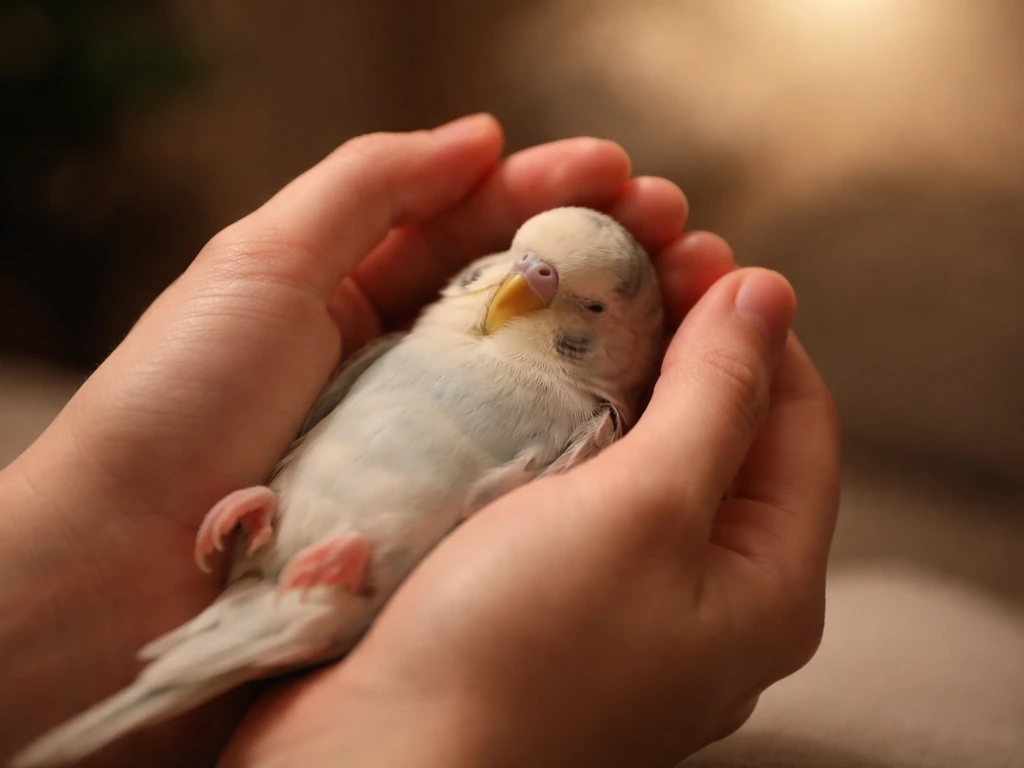
"Bird cage syndrome" is not an official veterinary diagnosis. It's a term people use informally to describe a pet bird that seems mentally and physically shut down from living in a poor environment: too small a cage, too little stimulation, not enough social contact, bad lighting, or chronic stress. The bird looks dull, inactive, or starts showing feather problems or repetitive behaviors. That said, the phrase gets used loosely online, and sometimes what someone calls "bird cage syndrome" is actually an undetected illness that needs a vet, not just an enrichment overhaul. Telling the difference is the most important thing you can do right now.
What Is Bird Cage Syndrome? Signs, Causes, and Fixes

Marcus Webb
20 Jun 2026
What people actually mean by "bird cage syndrome"
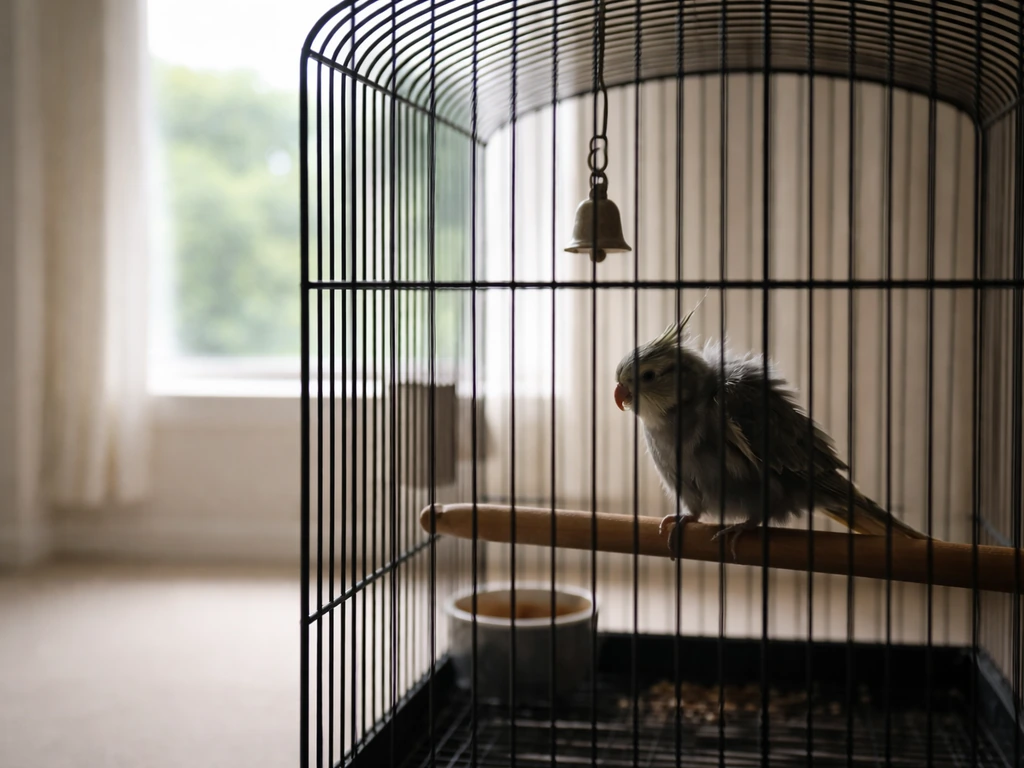
The term shows up mostly in online forums and pet-owner communities, not in veterinary textbooks or clinical guidelines. People use it to describe a bird that has essentially "given up" due to confinement, boredom, or inadequate care. Think of a parrot that sits motionless on one perch all day, a cockatiel that starts pulling its own feathers, or a budgie that stops vocalizing and interacting. The idea is that the cage environment itself has become the cause of the bird's decline.
The phrase is confusing for two reasons. First, it can sound like a real medical condition when it isn't. Second, it can make owners assume the problem is purely behavioral when there's actually an underlying disease driving the symptoms. A bird that looks stressed, inactive, or feather-damaged could be suffering from chronic environmental deprivation, a respiratory infection, a nutritional deficiency, a parasite, or a toxin exposure. Because some bird seizures can be triggered by hidden illnesses or toxins, rule out medical causes before assuming it is only environmental stress. The cage environment is always worth examining, but it should never be your only explanation.
Signs to watch for in your bird
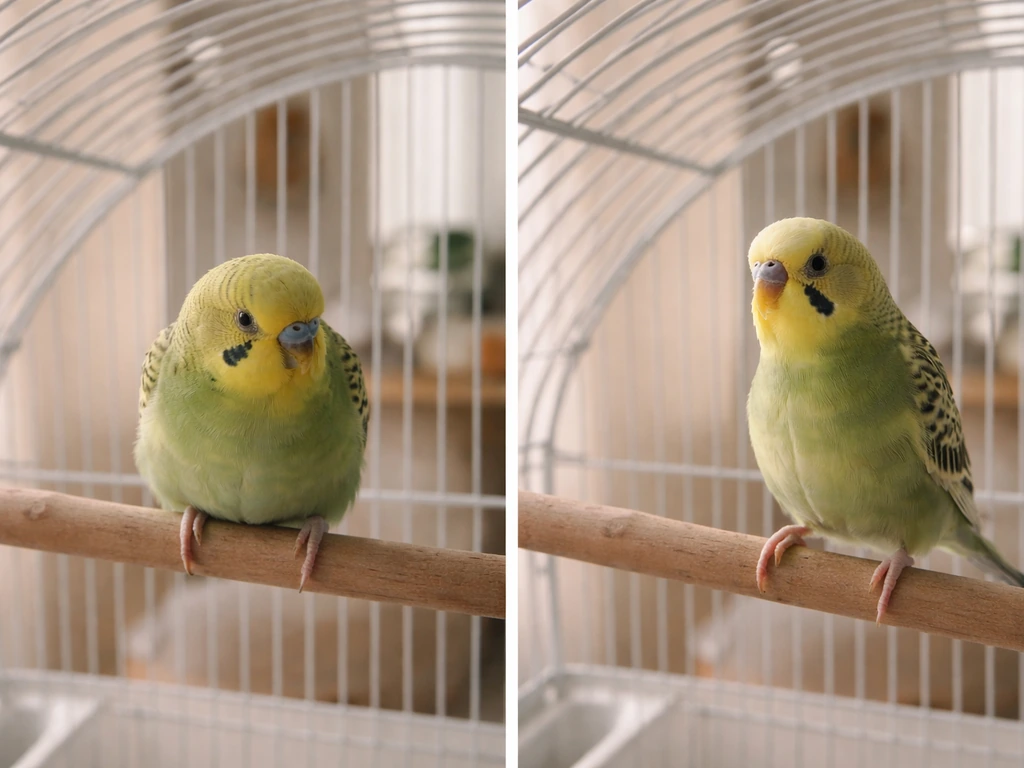
The signs associated with "bird cage syndrome" cover behavior, appearance, and activity level. They often build gradually, which makes them easy to dismiss as personality quirks until the bird is clearly struggling.
Behavioral changes
- Spending most of the day perched in one spot without moving
- Repetitive movements like rocking, pacing, or bobbing that serve no clear purpose
- Feather picking, plucking, or over-preening (bare patches on chest, wings, or legs)
- Increased aggression, biting, or screaming without an obvious trigger
- Decreased vocalization in a bird that was previously chatty
- Loss of interest in toys, food, or interaction with you
Physical signs
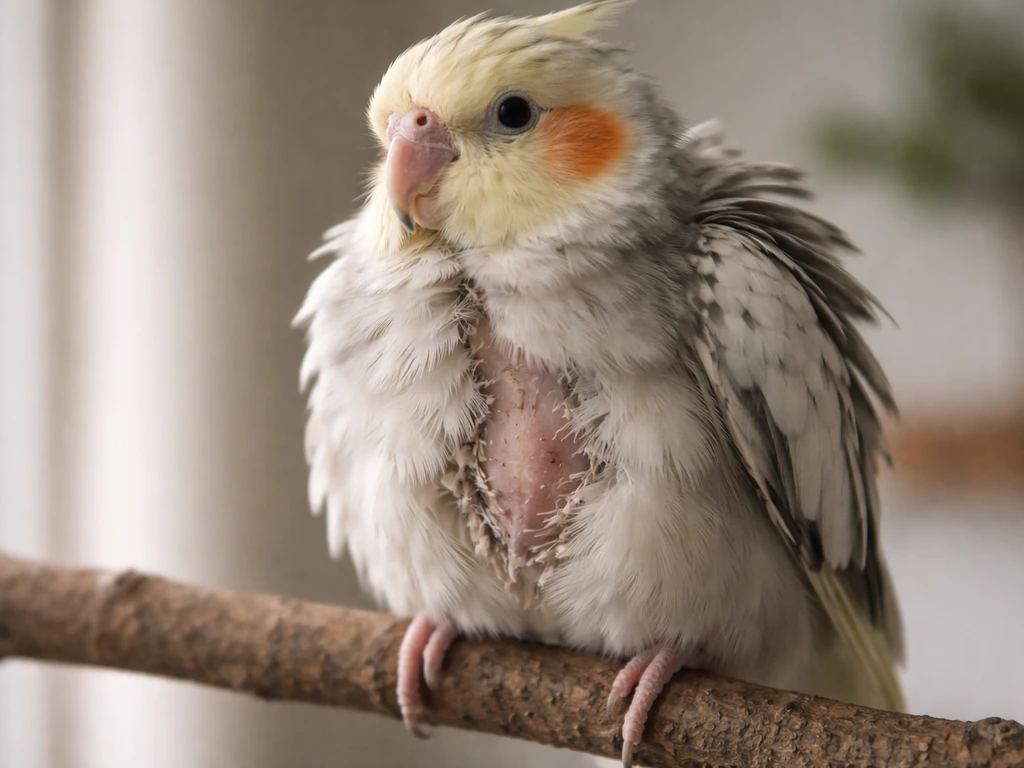
- Ruffled or fluffed feathers for extended periods (not just after a bath or during sleep)
- Visible feather damage, broken shafts, or bald spots
- Weight loss or a noticeably prominent keel bone
- Changes in droppings (color, consistency, or frequency)
- Reduced appetite or complete food refusal
- Sleeping more than usual during daylight hours
Age and species matter here. Young birds and recently rehomed birds show stress signs faster than settled adults. Parrots like African greys, cockatoos, and Amazon species are especially prone to stress-driven feather issues, while small birds like budgies and cockatiels may instead become quiet and withdrawn. If a bird is also fainting or passing out, that can signal a serious medical problem, so an avian vet should evaluate it quickly feather issues. If your bird is showing multiple signs from both lists at the same time, take it seriously regardless of species.
Rule out medical problems first
This is the most critical step. Several real medical conditions look almost identical to behavioral stress from a poor environment, and assuming it's "just the cage" can cost your bird its life. Because bird vomiting can have different causes and symptoms than regurgitation, it's important to distinguish the two when assessing your bird's health bird regurgitation vs vomiting. Before you rearrange furniture and buy new toys, run through this checklist of medical look-alikes.
Respiratory illness
Birds with respiratory infections or irritation often look lethargic and withdrawn, which owners can easily mistake for stress or boredom. Bird regurgitation can look like repeated food being brought back up from the crop rather than normal swallowing, and it may be accompanied by drooling or gaping. Specific warning signs include open-mouth breathing, tail bobbing while at rest, wheezing, clicking sounds when breathing, nasal discharge, and sneezing. These are urgent symptoms. A bird breathing with its mouth open or visibly bobbing its tail with each breath needs a vet the same day, not environmental adjustments. Respiratory disease in birds can progress very quickly.
Airborne and fume toxicity
This one catches people off guard. Teflon and other non-stick coatings (PTFE) release fumes when overheated, and those fumes can kill a bird in minutes. Signs include sudden onset of difficulty breathing, weakness, depression, and anxious behavior, progressing to death. If your bird suddenly deteriorates while something has been cooking or if a new appliance, candle, or aerosol product was recently used nearby, this is a toxicologic emergency. Move the bird to fresh air immediately and get to a vet. Do not wait to see if it improves.
Systemic disease and parasites
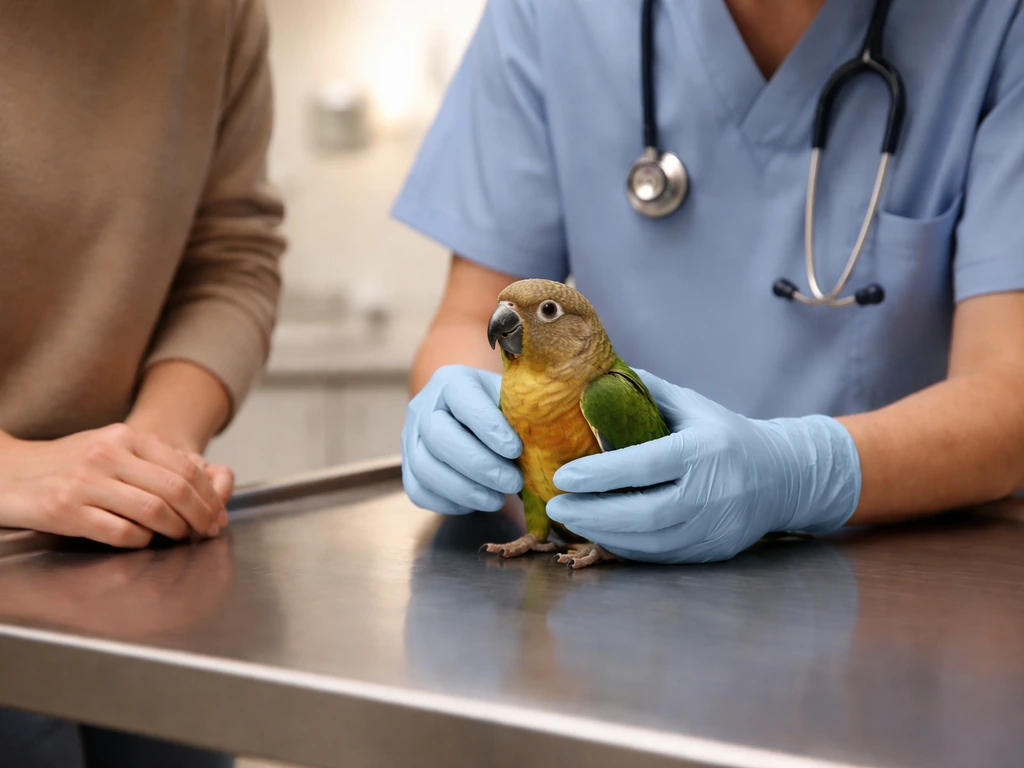
Internal diseases, nutritional deficiencies, bacterial or viral infections (including PBFD and PDD in parrots), and parasites like air sac mites can all cause lethargy, weight loss, feather problems, and behavioral changes. Air sac mites in particular can cause open-mouth breathing and tail bobbing that looks similar to respiratory infection. If open-mouth breathing or coughing is part of what you're seeing, it can help to compare the sound and timing with what a bird cough typically sounds like.
A standard blood panel (CBC and chemistry), fecal test, and physical exam can rule most of these out. The RSPCA and many avian specialists are explicit on this point: it is not accurate to call a bird "bored" or "stressed" without first eliminating physical illness.
Feather picking: behavioral vs medical
blank" rel="noopener noreferrer">Feather picking deserves its own mention because it is the symptom most often blamed on "bird cage syndrome. " The reality is that feather picking has a long list of potential causes on both sides: behavioral (boredom, sleep deprivation, sexual frustration, lack of parental behavioral modeling) and medical (skin irritation, infection, malnutrition, internal disease). Even after the original cause is resolved, feather picking can become a self-reinforcing habit.
A veterinary exam with bloodwork and possibly infectious disease screening is the right starting point, not an assumption that your bird just needs more toys. Lafeber's feather-picking handout similarly frames feather picking as a symptom and notes that veterinarians narrow the differential using history and diagnostics, including screening for infectious diseases such as PBFD/PDD A veterinary exam with bloodwork and possibly infectious disease screening is the right starting point.
Common environmental and care causes
Once medical causes have been seriously considered or ruled out, the environment and daily care routine are the most productive places to look. These are the factors most closely associated with what people call "bird cage syndrome. What is broken bird syndrome can look similar in terms of withdrawal, dullness, and feather or repetitive behavior issues, so start by checking medical causes too bird cage syndrome. "
| Factor | What goes wrong | Why it matters |
|---|---|---|
| Cage size | Too small to stretch wings, perch at different heights, or move around | Physical restriction causes frustration and muscle disuse; birds need room to move, not just sit |
| Stimulation and enrichment | No foraging opportunities, few or no toys, nothing to chew or explore | Mental inactivity leads to repetitive behaviors and withdrawal |
| Social contact | Isolation from people or other birds for most of the day | Most parrots are flock animals; isolation is a genuine stressor |
| Sleep | Less than 10-12 hours of dark, quiet sleep per night | Sleep deprivation is directly linked to feather picking and aggression |
| Diet | Seed-only diet lacking vitamins A, D, and essential minerals | Nutritional deficiency contributes to poor feather condition and immune weakness |
| Light cycle | No natural light or full-spectrum lighting; irregular light/dark cycle | Disrupts hormones, sleep, and mood; linked to behavioral problems |
| Temperature and air quality | Drafts, temperature extremes, cooking fumes, air fresheners, smoke | Birds have sensitive respiratory systems; chronic irritation causes stress and illness |
| Hygiene | Infrequent cage cleaning, soiled food dishes, stagnant water | Promotes bacterial and fungal growth that can cause direct health problems |
Fix it now: practical changes to make today
If you've looked honestly at the medical red flags and your bird doesn't have urgent symptoms, here's how to address the environmental side systematically. Start with the basics before adding complexity.
Cage setup
- Upgrade the cage if your bird cannot fully extend and flap both wings without touching the sides; for parrots, wider is more important than taller
- Add perches of different diameters and textures (natural wood branches work well) at different heights so your bird can move and exercise its feet
- Place the cage at eye level or slightly below in a room where the family spends time, not in isolation
- Keep one side of the cage against a wall so your bird has a "safe corner" to retreat to
Enrichment and foraging
- Rotate toys every few days rather than leaving the same ones in permanently; novelty is stimulating
- Hide food in foraging toys, paper cups, or wrapped in paper so your bird has to work for it; this alone can significantly reduce boredom-driven behaviors
- Offer chewable materials like untreated wood pieces, palm fronds, or bird-safe paper
- Spend at least 30 minutes of active, direct interaction with your bird each day outside the cage if possible
Sleep, light, and air
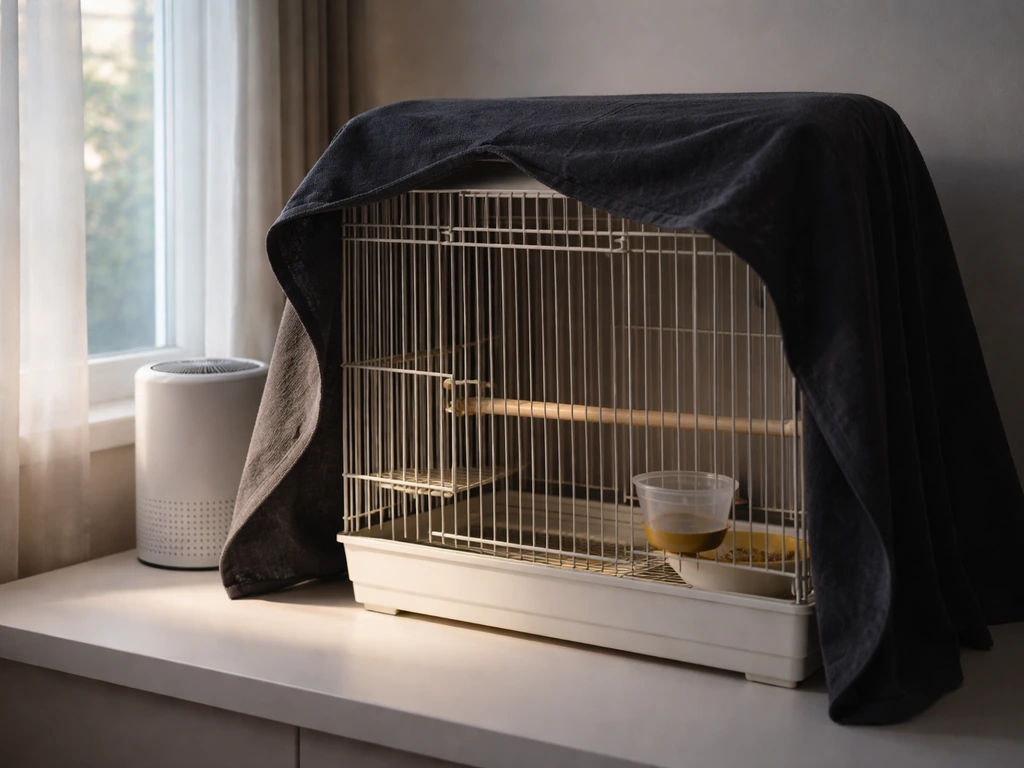
- Cover the cage at the same time each night and uncover it at the same time each morning; aim for 10 to 12 hours of darkness
- Place the cage where it gets indirect natural light during the day, or use a full-spectrum bird lamp on a timer
- Never place the cage near a kitchen where non-stick cookware is used; even brief overheating of Teflon-coated pans is dangerous
- Avoid air fresheners, scented candles, aerosol sprays, and cigarette smoke in the bird's environment
Diet upgrade
- If your bird is on an all-seed diet, introduce a high-quality pelleted food as the base (this takes patience and a gradual transition)
- Offer fresh vegetables daily: dark leafy greens, carrots, bell peppers, and broccoli are good starting points
- Remove uneaten fresh food within a few hours to avoid spoilage
- Fresh, clean water every day; wash water dishes daily
When to call an avian vet
Some situations require a same-day or emergency call. Others can wait for a scheduled appointment, but still need professional attention. Here's how to sort them.
Call immediately or go to an emergency vet
- Open-mouth breathing, gasping, or labored breathing at rest
- Tail bobbing visibly with every breath
- Wheezing, clicking, or rattling sounds when breathing
- Sudden collapse, seizure-like activity, or inability to perch
- Suspected fume or toxin exposure (Teflon, aerosols, smoke)
- Bleeding that does not stop within a few minutes
- Complete food and water refusal for more than 24 hours
- Bird found at the bottom of the cage and unable to right itself
Schedule a routine vet visit soon
- Feather picking or plucking that has persisted for more than a week
- Gradual weight loss or visible keel bone prominence
- Changes in droppings (watery, discolored, or foul-smelling) lasting more than a day or two
- Behavioral changes that don't improve after two to three weeks of environmental improvement
- Sneezing or nasal discharge without obvious improvement
- Any bird that has not had a wellness exam in the past year
What to bring to the appointment
Avian vets work best with detailed histories because birds hide illness well and the context matters enormously. Before you go, gather the following:
- A written timeline of when you first noticed symptoms and how they've progressed
- Photos or short video clips of the behaviors or feather damage (smartphone footage is fine)
- Your bird's diet in detail: brand of pellets, seed mix, fresh foods, treats, and supplements
- Cage setup information: size, location in the home, lighting, temperature range
- Any recent changes at home: new pets, moved furniture, new products, visitors, changes in your schedule
- A fresh dropping sample in a clean container if you can collect one the morning of the appointment
Prevention and long-term monitoring
Once your bird is stable and the immediate causes have been addressed, consistency is what keeps problems from coming back. Birds thrive on routine and suffer when it breaks down.
Schedule an annual wellness exam with an avian vet even when your bird seems healthy. Birds are prey animals and mask illness instinctively, so a physical exam and baseline bloodwork can catch problems before they become crises. Think of it the same way you'd approach a check-up for any other pet.
Get into the habit of a quick daily visual check. When you uncover the cage each morning, look at your bird for 60 seconds before doing anything else. Note posture, feather position, eye brightness, droppings on the cage floor, and how quickly the bird reacts to you. You'll learn your bird's normal baseline faster than you expect, and deviations will stand out.
Keep a simple log for the first month after any environmental change or health concern. A few notes per week about behavior, appetite, and droppings gives you something concrete to show a vet if problems resurface, rather than trying to reconstruct events from memory.
Long-term, remember that feather picking and repetitive behaviors can become self-sustaining habits even after the original cause is gone. If your bird developed feather damage during a stressful period, don't assume it will simply stop once the environment improves. Some birds need behavioral support, physical deterrents like a collar during recovery, and ongoing enrichment to break the cycle. Patience and consistency matter more than any single intervention.
If you've noticed other concerning signs alongside the behavioral changes, like unusual sounds during breathing or episodes that look like fainting or seizures, those are separate issues worth investigating in their own right and not something to fold into a catch-all explanation like "bird cage syndrome. The Budgie Breeders Association FAQ distinguishes [regurgitation from vomiting](https://faq. budgiebreeders. asn.
au/pdf. php? artlang=en&cat=4&id=111), noting that vomiting is often more forceful or convulsive and may involve head shaking and splattering, so you should contact an avian vet if illness is suspected. If you are wondering what a bird seizure looks like, it helps to watch for the specific movements and breathing changes so you can describe them to your avian vet episodes that look like fainting or seizures.
" Each symptom deserves its own careful look.
FAQ
How can I tell if “bird cage syndrome” is actually illness?
Use a two-step rule. First check for urgent red flags like open-mouth breathing, tail bobbing with each breath, wheezing/clicking, nasal discharge, repeated gaping, sudden weakness, or sudden collapse after exposure to new fumes or aerosols. If any are present, treat it as medical and seek an avian vet same day. If none are present, schedule a non-emergency avian exam and baseline testing, because birds can hide disease and “dullness” can be caused by infection, parasites, toxins, or nutritional problems even when behavior seems the only symptom.
Do smaller cages always cause this, or is it about enrichment?
Both can matter, but cage size alone is rarely the whole story. Birds can be relatively calm in a well-sized enclosure yet still decline if sleep is disrupted, daily social time is missing, lighting is wrong, or the bird lacks foraging opportunities. Focus on the full daily pattern, including consistent sleep hours, direct sunlight or a correct lighting schedule, and time outside the cage (if safe and supervised).
My bird is quiet and inactive, but not wheezing. Is that still an emergency?
Not necessarily an emergency, but it can be serious. Quiet withdrawal can come from early respiratory disease, pain, or systemic illness. If the bird is refusing food, sitting fluffed for long periods, losing weight, drooling, or having any breathing changes, contact an avian vet promptly (same day if worsening). If the bird is stable and eating normally, you can schedule the earliest available appointment while continuing close observation.
What should I do first if I suspect environmental stress, but I’m also worried about parasites or infection?
Do not wait to “test” the environment by changing everything at once. Start with a basic hygiene and stability reset (clean cage bottom, fresh food and water, remove obvious hazards, keep routine consistent) while arranging an avian vet visit. Bring a brief timeline, photos of droppings and feather condition, and any notes on breathing sounds so the vet can decide whether fecal testing, bloodwork (CBC and chemistry), or infectious disease screening is urgent.
Can feather picking be fixed by adding more toys and attention?
Sometimes, but it can also be a clue to skin irritation, infection, internal disease, mites, or malnutrition. Even when the original driver is environmental, the habit can persist. A good practical approach is to pursue medical causes first (especially if picking is sudden, severe, bleeding, or paired with weight loss or breathing changes), then adjust enrichment and routine in parallel rather than assuming toys alone will resolve it.
What changes should I avoid right away while deciding whether it’s “bird cage syndrome”?
Avoid rapid, multiple changes that make it hard to identify the trigger. For example, changing diet, relocating the cage, introducing new chemicals (cleaners, aerosols, fragrances), and adding several new toys all at once can mask progression or accidentally worsen symptoms. Make one safety-focused adjustment at a time, and keep records of how the bird responds over several days.
Are Teflon fumes the only toxin risk?
No. Overheated non-stick coatings (PTFE), but also burning candles, incense, certain air fresheners, aerosol sprays, smoke, and some household cleaners can be dangerous to birds. If symptoms begin abruptly and you recently used or overheated anything in the home, treat it as a toxic emergency: move the bird to fresh air immediately and contact an avian vet right away.
Does rehoming make birds show symptoms faster?
Yes. Young birds and recently rehomed birds often show stress-linked behaviors sooner, including quietness or feather changes, because routines and social patterns change immediately. Still, fast onset does not prove it is only stress, so use an avian vet assessment if the bird’s condition is worsening, if there are breathing or appetite changes, or if feather damage is spreading.
What information should I bring to the avian vet if I suspect “bird cage syndrome”?
Bring a short checklist you can complete ahead of time: the bird’s species and age, how long symptoms have been present, recent diet changes, cage size and placement (drafts, windows, kitchen use), daily schedule (sleep hours, handling, time out of cage), droppings description (color, volume, frequency), and any observed breathing sounds. Adding photos of feather condition and droppings from a few days apart is especially helpful.
After medical causes are ruled out, how long should I wait to see improvement from environmental changes?
It depends on the cause, but you should usually see some response within 1 to 2 weeks after stabilizing the environment and routine. If feather picking, withdrawal, or repetitive behaviors do not start improving by then, or if they worsen, schedule a follow-up evaluation. Some birds also need structured behavioral support, not just general enrichment.
Next Article
Why Does Your Dog Bird Keep Fainting and What Is Hwarang?
Bird fainting causes, what hwarang may mean, and emergency next steps to assess breathing and responsiveness